Most lists of fish of Central America are really just alphabetized Wikipedia categories or a fishing charter’s species gallery dressed up as content. Neither tells you why this narrow strip of land between two oceans produces such an outsized share of the fish you’ll find in an aquarium shop, a fishing report, or a conservation watchlist. The answer is geography, and once you see it, the fish make a lot more sense.
Table of Contents
- Why Central America Has So Many Fish
- Freshwater vs. Saltwater Diversity
- Pacific Coast Species
- Caribbean Coast Species
- Freshwater Rivers and Lakes
- Conservation Status: What’s Actually at Risk
- Summary
Why Central America Has So Many Fish
Central America is a land bridge, and that fact matters more for fish than for almost any other animal group. Roughly 3 million years ago, the rising Isthmus of Panama connected two continents that had been evolving separately for tens of millions of years, letting North and South American lineages mix for the first time. But the fish side of the story started earlier — genetic evidence from the tetra genus Astyanax shows Mesoamerican populations were already diverging around 8 million years ago, implying a partial, intermittent land connection well before the isthmus fully closed.
Layer on top of that a second, less obvious fact: Central America has a Pacific coast and a Caribbean coast separated by a mountain spine only a few hundred kilometers wide, sometimes far less. Freshwater fish can’t cross that divide, so a river system draining west into the Pacific and one draining east into the Caribbean, sometimes barely 50 kilometers apart, can have almost entirely different fish faunas. That’s why field guides split the region into Pacific-slope and Atlantic-slope (Caribbean) fish assemblages rather than treating “Central America” as one pool of species — because it functionally isn’t.
Freshwater vs. Saltwater Diversity
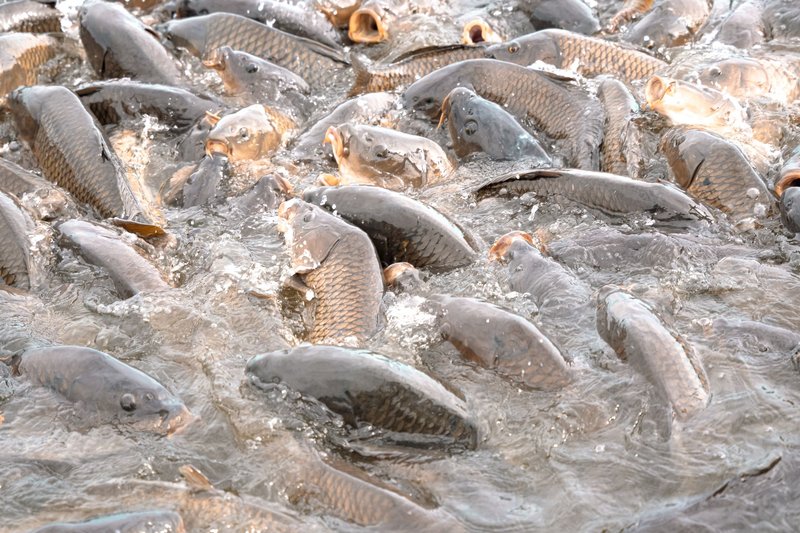
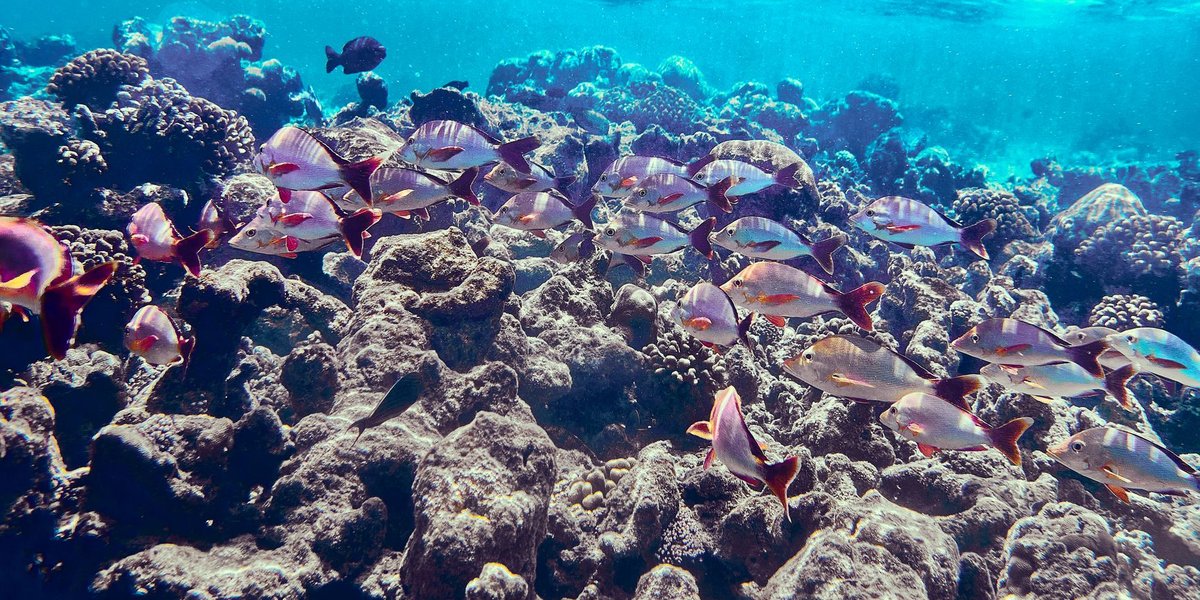
The saltwater side is what most people picture: sailfish off Quepos, snook in the mangroves, reef fish along Belize’s barrier reef. But the freshwater side is the more scientifically interesting one. A 2022 survey published in the journal Diversity counted more than 600 freshwater fish species across Central America, concentrated in short, steep river systems that pack an unusual amount of endemism into a small area — species found in one lake or one drainage and nowhere else on Earth.
Saltwater diversity runs the other direction: fewer strictly regional endemics, but far higher biomass and far more overlap with the wider tropical Atlantic and eastern Pacific. A cubera snapper off Panama’s Pacific coast belongs to the same species you’d find off Senegal’s Atlantic coast. A Midas cichlid in a Nicaraguan crater lake exists nowhere else on the planet. Both are “fish of Central America,” but they represent opposite ends of how a fish fauna gets built.
Pacific Coast Species
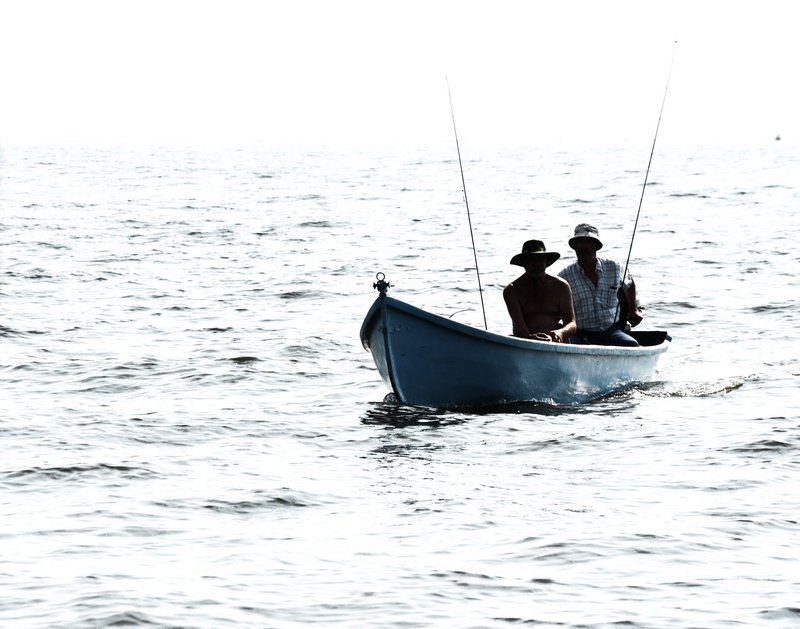
Central America’s Pacific side is warmer, more seasonal, and built around big pelagic gamefish — the coast that put Costa Rica and Panama on the international sport fishing map.
Roosterfish
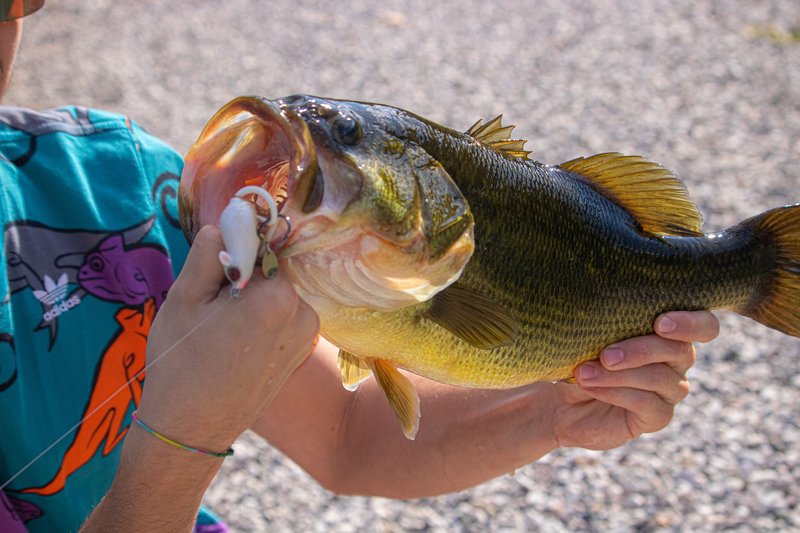
The roosterfish (Nematistius pectoralis) is unmistakable: seven elongated dorsal spines that fan out like a comb when the fish is worked up, usually chasing bait right up against the beach. It ranges from Baja California to Peru, but Costa Rica sits in the sweet spot of that range, holding a steady, year-round population rather than a seasonal one. Average catches run 20 to 50 pounds; anything over 50 is considered a trophy, and a solid 40-pounder can fight for 30 to 45 minutes before it’s worked to the boat. It’s also a bad food fish, which is part of why it survives as well as it does — the entire fishery is catch-and-release by convention, not just by rule.
Pacific Sailfish
Quepos, on Costa Rica’s central Pacific coast, calls itself the sailfish capital of the world, and the numbers back it up. From December through April, boats fishing out of Quepos and nearby Los Sueños routinely raise 15 to 25 sailfish in a single day, often in multiples of two to six at once. What makes the fishery unusual isn’t just the volume — it’s that sailfish here are present essentially year-round, with the winter run reinforcing a resident population rather than passing through once and moving on.
Cubera Snapper
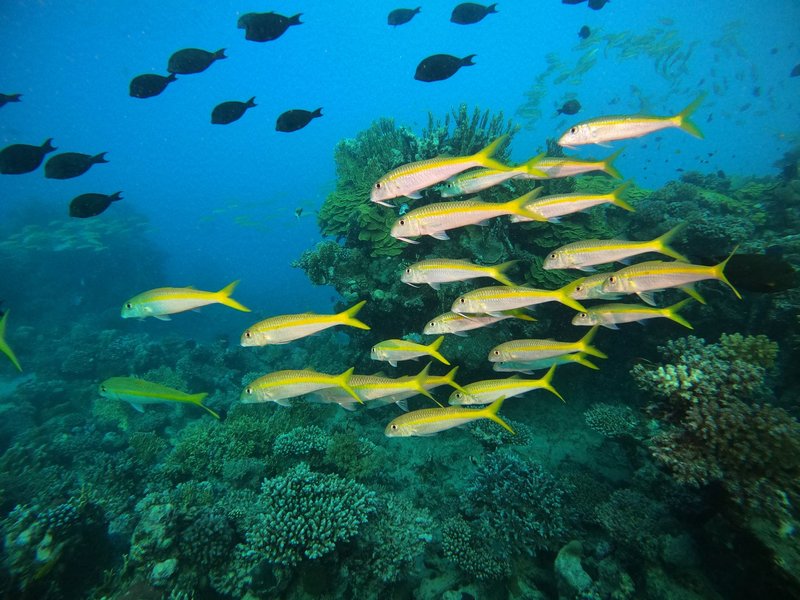
This is the largest snapper species anywhere, and the Pacific coast of Central America produced the current IGFA record for it: a 78-pound, 12-ounce fish caught off Costa Rica in 1988. Cubera snapper can top 125 pounds and 5 feet, armed with canine teeth built for crushing lobsters and crabs rather than the smaller conical teeth of most reef snappers. They gather by the thousands at predictable spawning sites timed to the lunar cycle — a habit that makes them easy to ovfish, which is part of why the species is now assessed as vulnerable rather than simply abundant.
Yellowfin Tuna
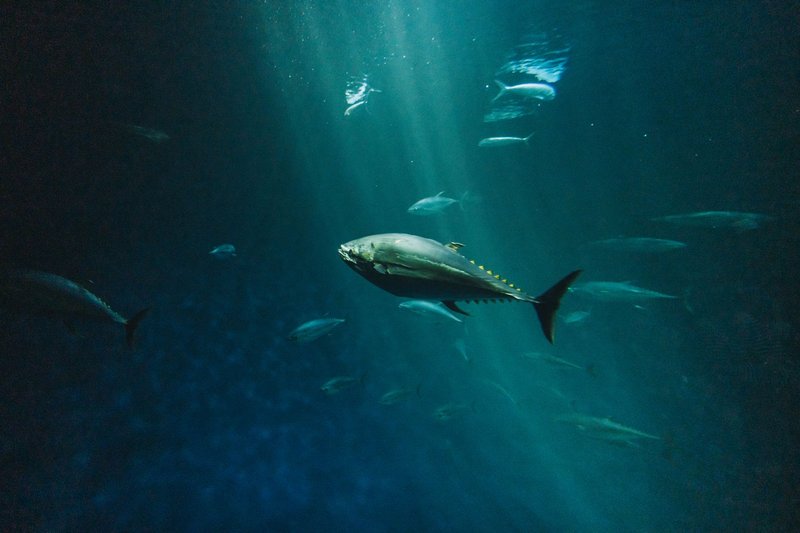
Yellowfin run the offshore seamounts and current lines off Panama and Costa Rica’s Pacific coast, often trailing dolphin pods that boats use to locate them. They’re built for speed and endurance — countercurrent heat exchangers in their circulatory system let them keep muscle temperature above the surrounding water, which is part of why a hooked yellowfin can sustain a long, grinding run instead of a single short sprint.
Wahoo
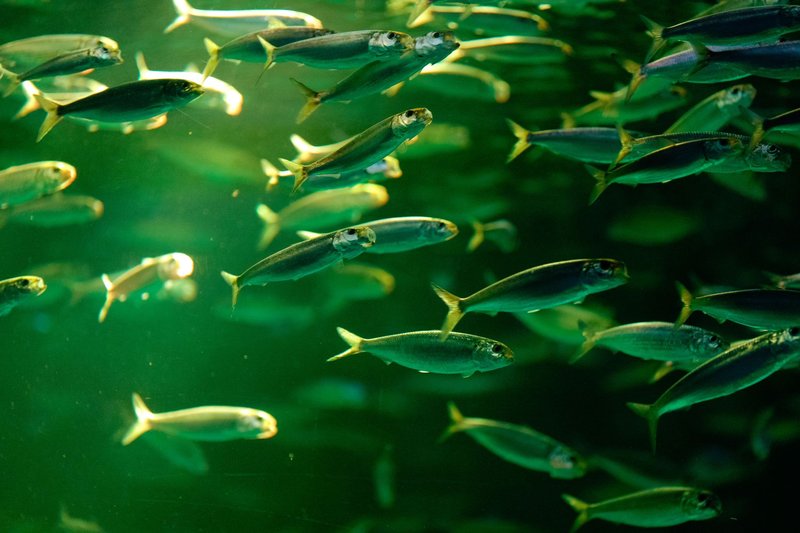
Wahoo are the straight-line speed record holders of this stretch of ocean, capable of bursts that put them among the fastest fish in the sea. They’re solitary or loosely schooling, which makes them harder to target consistently than tuna, and their razor-edged teeth have ended more than a few leaders mid-fight.
Mahi-Mahi
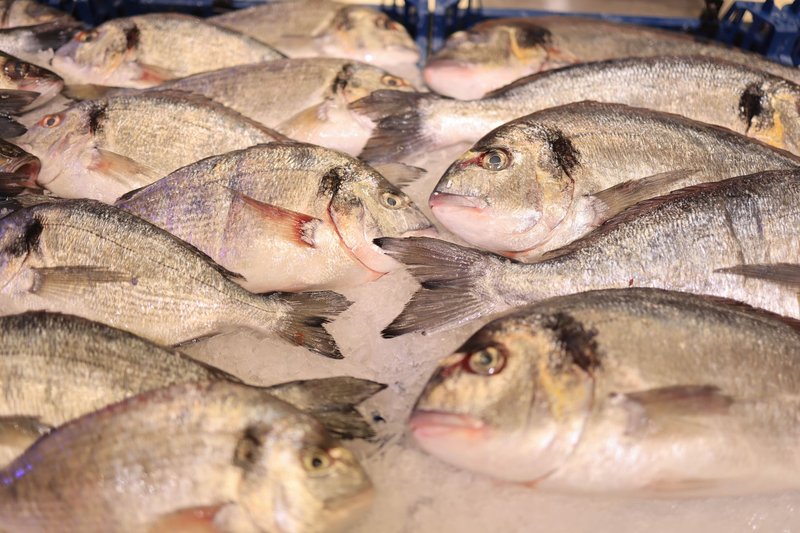
Mahi-mahi, called dorado locally, are the fish most likely to turn a slow offshore day around — they grow fast, school around floating debris and weed lines, and light up in electric blues and greens when they’re hooked, a color display that fades within minutes of the fish dying. They’re also one of the few offshore gamefish here that’s genuinely good eating, which keeps them in demand at Pacific coast fish markets from Guatemala down to Panama.
Caribbean Coast Species
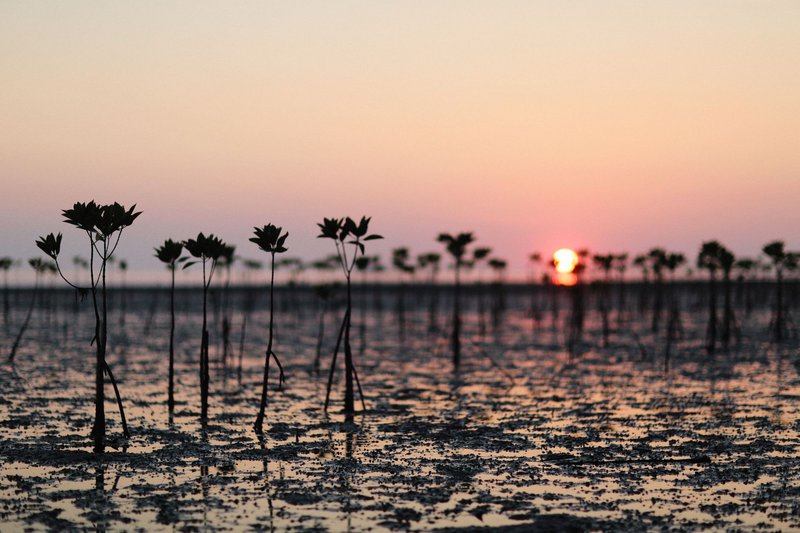
The Caribbean side trades the Pacific’s seasonal pelagic runs for mangrove estuaries, barrier reef, and river mouths that stay warm and productive nearly year-round.
Atlantic Tarpon
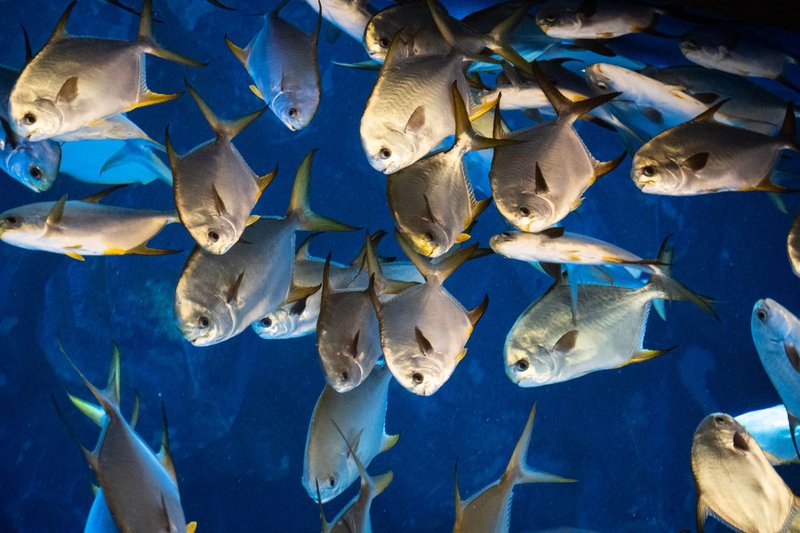
The Rio San Juan, which drains Lake Nicaragua into the Caribbean, holds one of the most consistent big-tarpon fisheries in the hemisphere. Fish over 150 pounds come out of the river regularly, with some catches exceeding 250 pounds. Tarpon can live 15 years and reach 8 feet, identifiable by oversized silver scales and a protruding lower jaw. They’re temperature-sensitive — activity drops sharply below 61°F — which keeps them concentrated in Central America’s warm coastal water rather than ranging as widely as some other big gamefish.
Common Snook
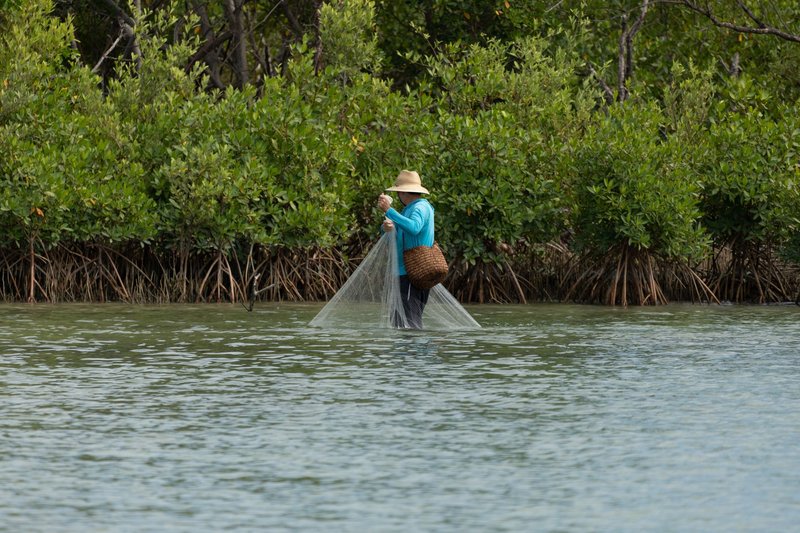
Snook likely originated in Central America before climate shifts pushed the species north into Florida, and Central American snook still tend to run larger than their U.S. Gulf Coast relatives — the IGFA world record, a 53-pound, 10-ounce fish, came out of Parismina, Costa Rica. Snook are protandric hermaphrodites, starting life as males and later switching to female, and they favor mangrove-lined estuaries and river mouths over open reef.
Bull Shark
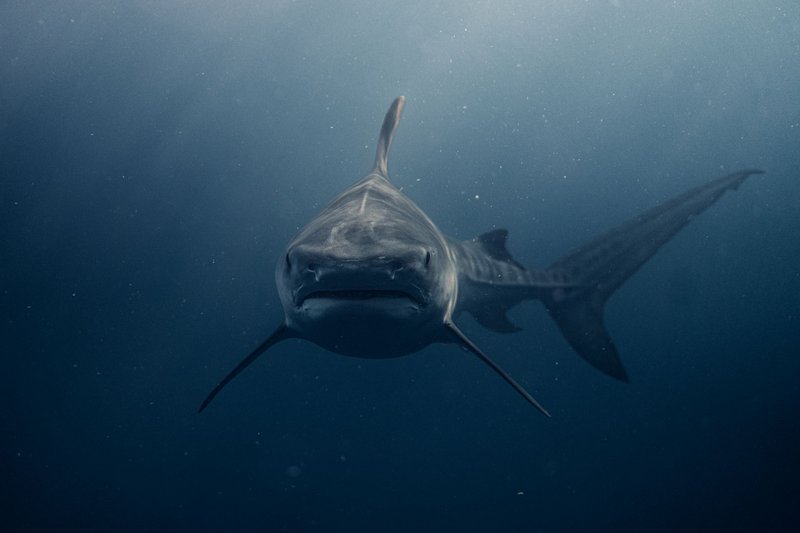
Bull sharks are the fish that break the “saltwater vs. freshwater” framing entirely. A population lives permanently in Lake Nicaragua, roughly 120 miles inland from the Caribbean, connected to the sea only by the San Juan River. Early naturalists thought the lake fish were a separate landlocked species; genetic work in the 1960s confirmed they’re ordinary bull sharks with an extraordinary habit — some individuals reportedly leap a series of rapids on the river to reach the lake, a behavior not documented in bull sharks anywhere else. The population has declined sharply since a 1996 flood, with an estimate of roughly a dozen individuals remaining, making it one of the more precarious fish stories in the region rather than a novelty.
Lionfish
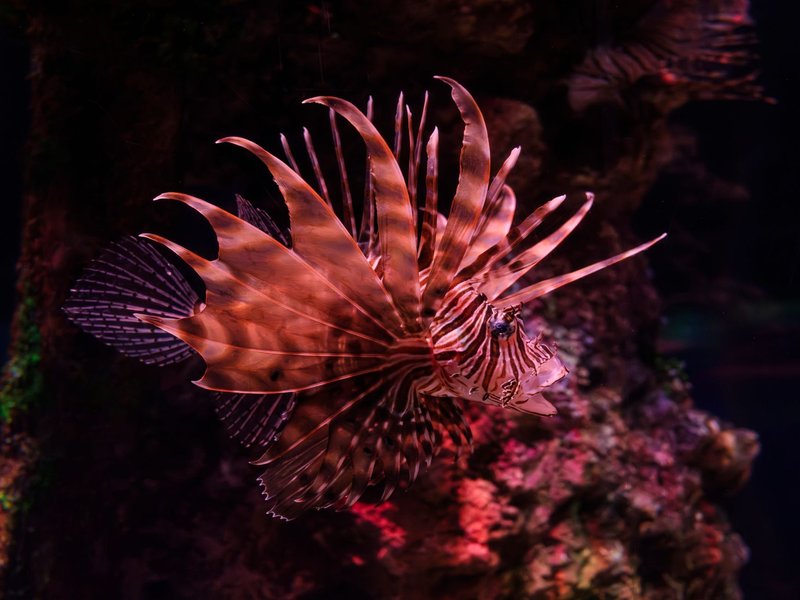
Lionfish don’t belong here, and that’s the whole point of including them. Native to the Indo-Pacific, they were first detected off Florida in the 1980s and have since spread through the Caribbean at a pace NOAA Fisheries describes as unprecedented for a predatory reef fish invasion. Along Belize and Honduras’s reefs, they prey on juvenile snapper, grouper, and other commercially important species, and organized removal efforts have shown reefs with regular culling can carry 95% less lionfish biomass than reefs left alone — evidence the invasion is manageable locally even though full eradication isn’t realistic.
Caribbean Reef Shark
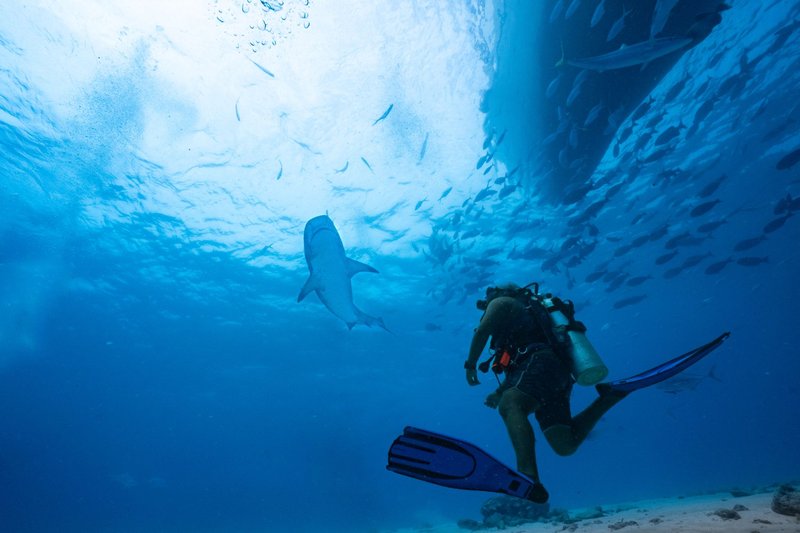
Along Belize’s barrier reef, the Caribbean reef shark is the resident mid-sized predator, cruising drop-offs and channel edges rather than open water. It’s a slower, more site-attached shark than the bull shark, rarely straying far from the same stretch of reef, which is exactly why it’s become a fixture of dive tourism from the Belize cayes down through Honduras’s Bay Islands.
Barracuda
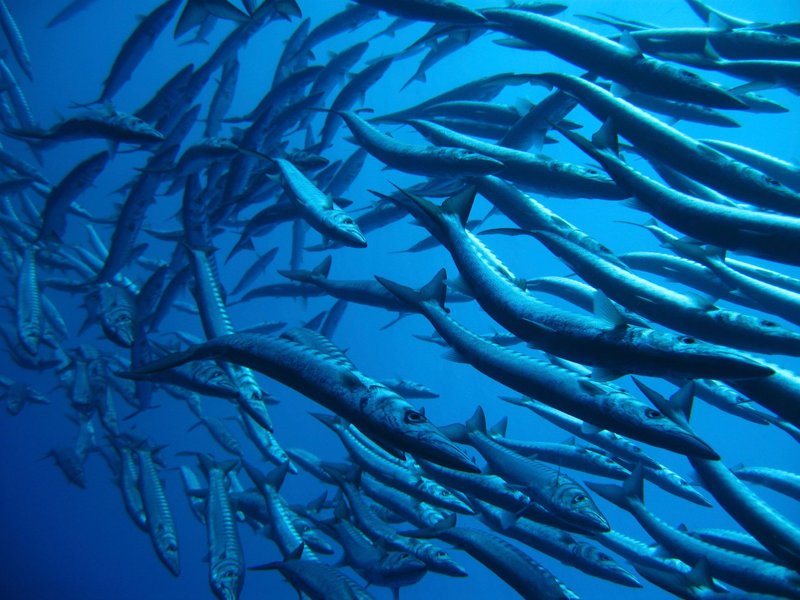
Great barracuda patrol the seagrass flats and reef edges of the Caribbean coast, hunting by sight with a burst of speed rather than a long chase. They’re a fixture of flats fishing throughout Belize and Honduras, and their curiosity — barracuda will often shadow divers and swimmers out of interest rather than aggression — makes them one of the more visible predators on a Caribbean reef dive.
Freshwater Rivers and Lakes
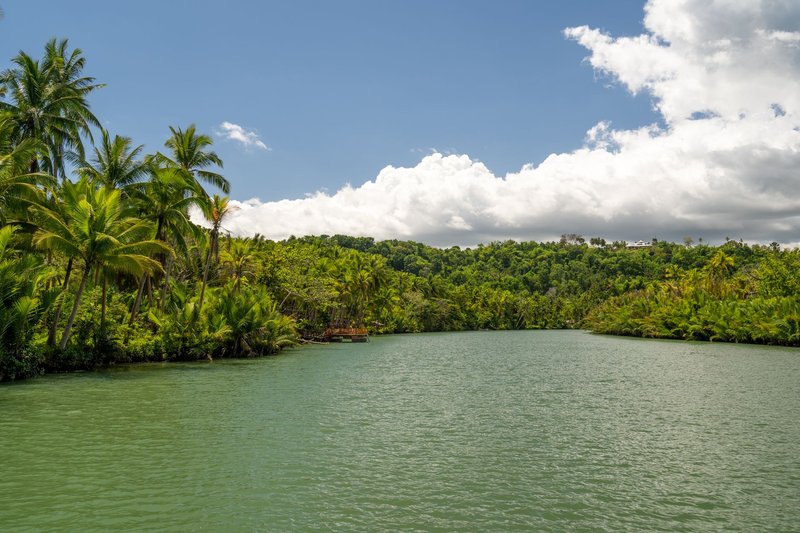
This is where Central America’s fish fauna gets genuinely strange, and where most competing articles stop paying attention.
Machaca
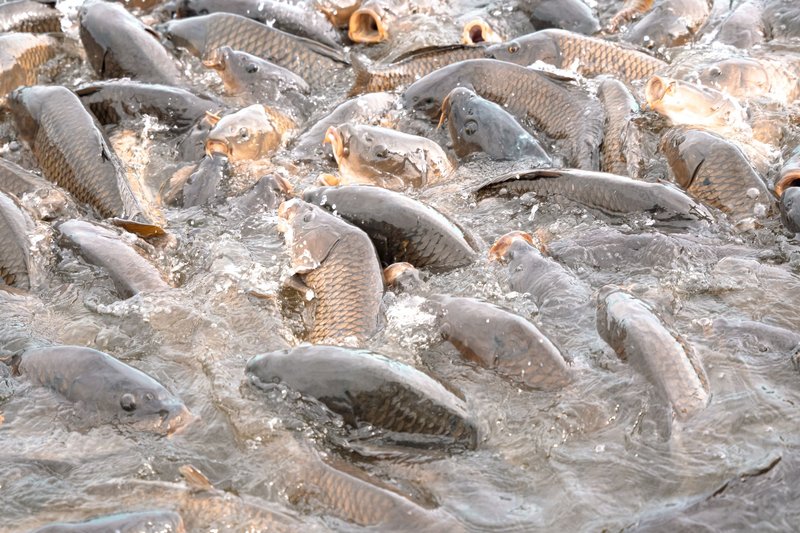
Machaca (Brycon guatemalensis) look like they should be predators — they’re piranha relatives with a mouthful of molarlike teeth — but adults are largely fruit and seed eaters, sitting in rivers waiting for fruit to drop from overhanging trees. That diet makes them important seed dispersers for riparian forest, a role most gamefish don’t play. They range from southern Mexico to Panama in rivers up to about 600 meters elevation, reach up to 4.3 kilograms, and are prized enough as a table fish that Slow Food’s Ark of Taste has cataloged the species as part of Central America’s food heritage.
Tropical Gar
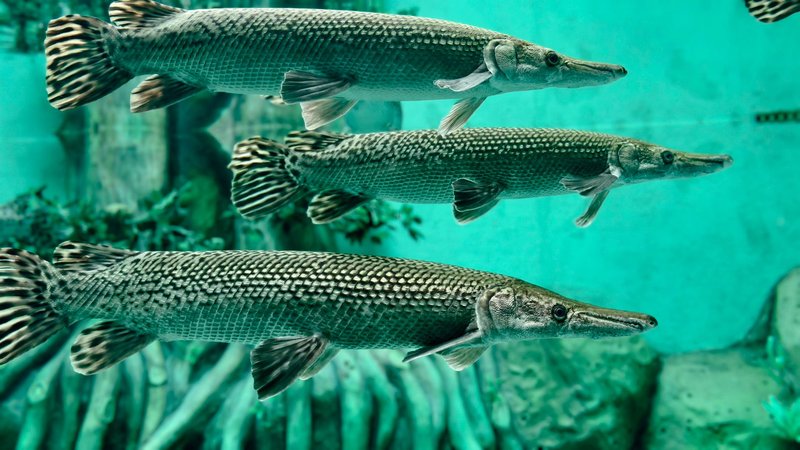
Known locally as gaspar in Central America and pejelagarto in Mexico, the tropical gar (Atractosteus tropicus) is often called a living fossil, and the description fits — its long, armored, torpedo-shaped body has changed little from ancestral gar lineages going back tens of millions of years. It ranges from southern Mexico to Costa Rica in both Pacific and Atlantic drainages, ambushing smaller fish with a snout built more like an alligator’s jaw than a typical fish mouth, which is exactly what the name pejelagarto — “fish-alligator” — describes.
Mayan Cichlid
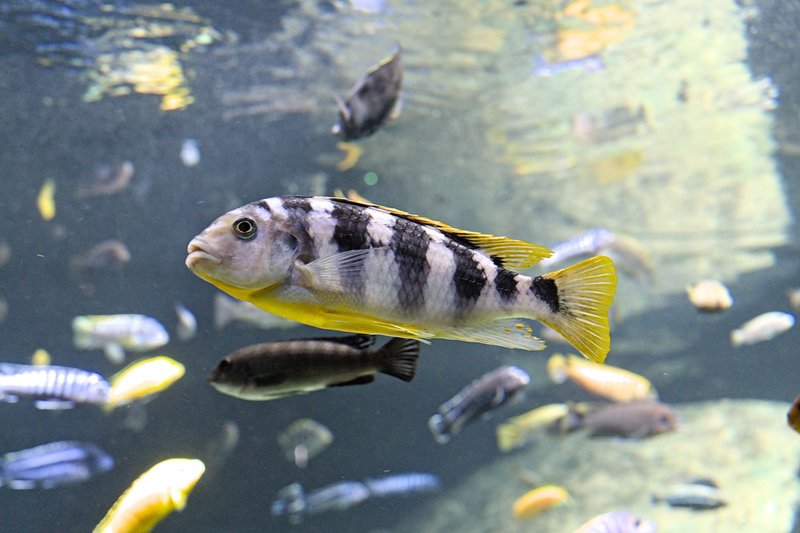
Native to the Atlantic slope from eastern Mexico down through Nicaragua, the Mayan cichlid tolerates almost anything: freshwater marshes, mangrove swamps, brackish lagoons, and salinity swings from freshwater to nearly twice seawater strength. The U.S. Fish and Wildlife Service has flagged it as a concern precisely because that tolerance let it establish an invasive population in Florida, where it now competes with native species — a reminder that a fish being common and adaptable in its native range doesn’t mean it’s harmless outside it. Within Central America, it’s assessed as a species of least concern.
Midas Cichlid
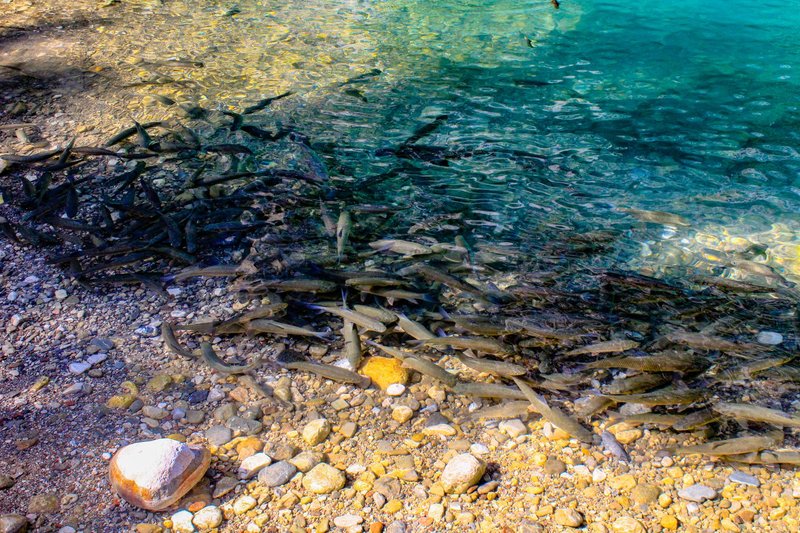
Nicaragua’s volcanic crater lakes are still-active laboratories for evolution, and the Midas cichlid is the textbook case. A single ancestral population from Nicaragua’s great lakes colonized isolated crater lakes and, in some cases, diversified into distinct forms in less than 2,000 years — geologically no time at all. Lake Apoyeque, roughly 1,800 years old, holds two coexisting forms of the same ancestral fish: one with normal thin lips, one with dramatically enlarged, fleshy lips adapted for feeding among rocks. Nearly a dozen described species now make up the Midas cichlid complex, almost all of them found in a single lake and nowhere else.
Rainbow Bass
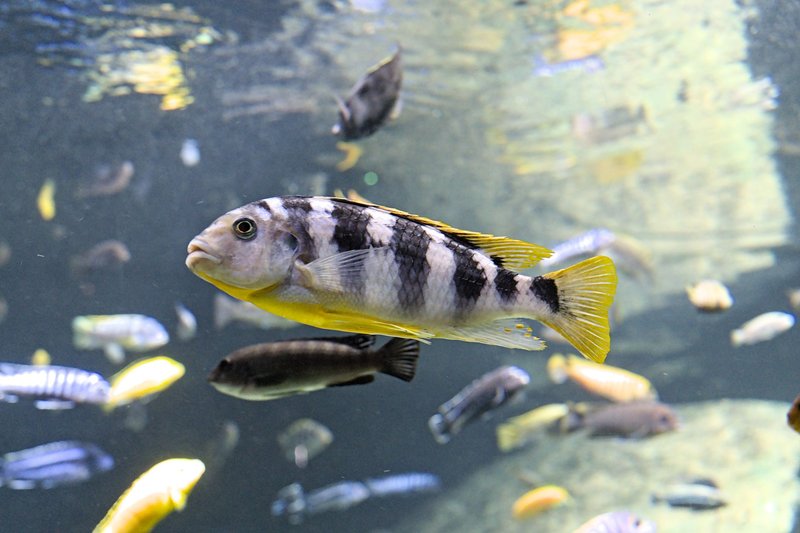
Also called guapote, the rainbow bass (Parachromis dovii) is one of the largest cichlids in the world, reaching 31 pounds and 2.6 feet — genuinely bass-sized despite the unrelated name. It’s an ambush predator, holding under sunken timber before darting out to inhale smaller fish, and breeding males develop a striking gold body with iridescent blue and purple spotting plus a pronounced forehead hump. Found in lakes and rivers across Honduras, Nicaragua, and Costa Rica, it supports both a subsistence fishery and a dedicated freshwater gamefishing following.
Freshwater Sardine (Astyanax Tetra)
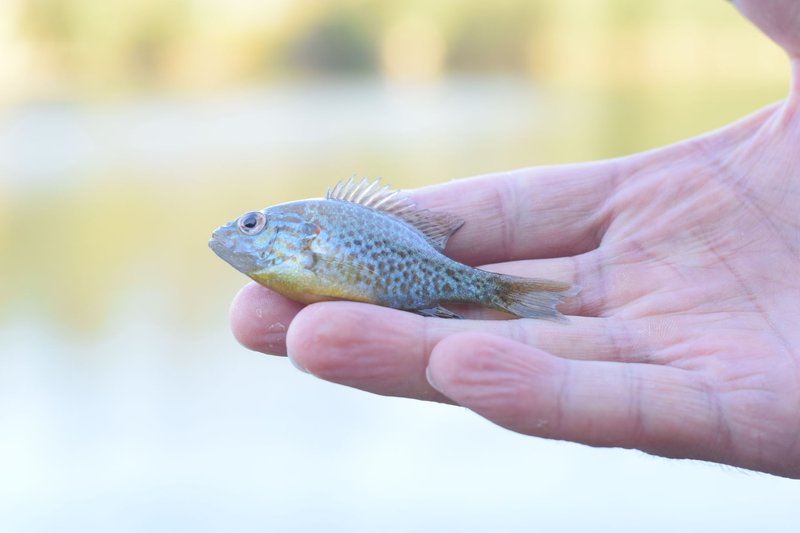
Small, silvery, and easy to overlook next to a 30-pound cichlid, Astyanax tetras are actually the fish that first revealed how old Central America’s freshwater connections are. Their genetic divergence patterns are what pointed researchers toward an intermittent land bridge millions of years before the Isthmus of Panama’s final closure — proof that the least dramatic fish in a river can carry the most important biogeographic evidence.
Conservation Status: What’s Actually at Risk
The picture competing sites skip entirely: Central America’s saltwater gamefish get magazine covers, but its freshwater fish carry the real conservation burden. Between 15% and 28% of the region’s freshwater species are considered threatened with extinction, and cichlids — the family that includes the Midas cichlid, rainbow bass, and Mayan cichlid — are disproportionately affected, with roughly 28% of Central American cichlid species classified as threatened. Small range size is the common thread: a fish endemic to a single crater lake or a single short river system has nowhere to retreat to if that one habitat degrades, unlike a wide-ranging pelagic species that can shift with the season.
That’s a very different risk profile from the sport fish most visitors come across. Cubera snapper are vulnerable mainly because predictable spawning aggregations make them easy to overharvest at scale — a fishing-pressure problem, solvable with seasonal closures. A crater-lake cichlid found in one lake has no such fallback. The endangerment story here isn’t really about overfishing; it’s about how little room some of these species have to begin with.
Summary
Central America’s fish diversity comes down to geography doing double duty: a land bridge that let North and South American lineages mix, and a two-ocean coastline narrow enough that Pacific and Caribbean fish faunas barely overlap. That produces roosterfish and sailfish runs that built Costa Rica’s sport fishing industry on one side, a freshwater bull shark population and crater-lake cichlids found nowhere else on Earth on the other, and, in the middle, river fish like machaca and tropical gar that have been feeding people here for centuries. The saltwater species get the attention. The freshwater ones, with over 600 species packed into short, isolated drainages, are where the region’s fish story is genuinely unique — and where the conservation stakes are highest.