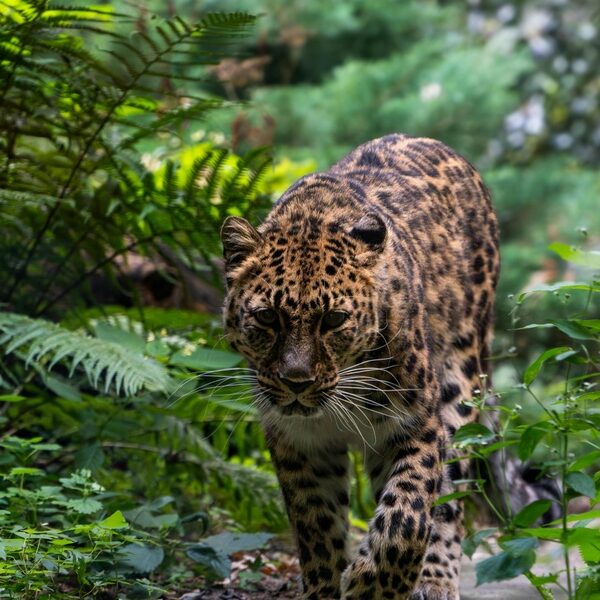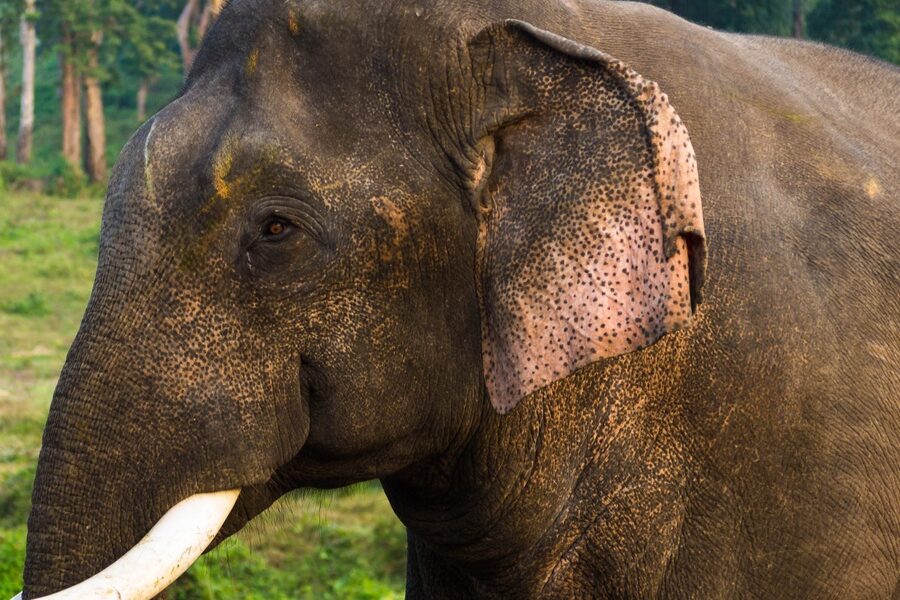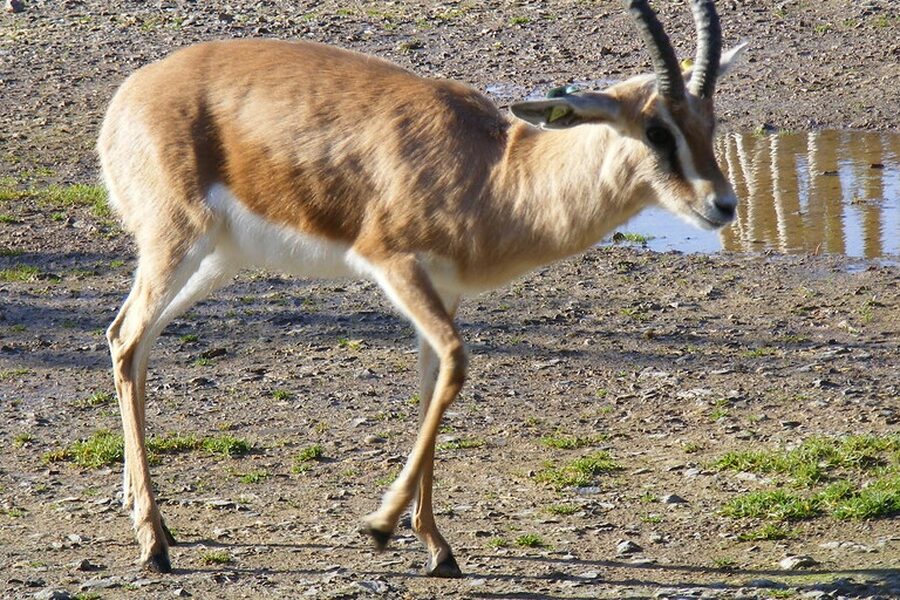
Lithuania’s mix of Baltic coastline, lowland wetlands and mixed forests supports a wide variety of mammals. From urban edges to remote reserves, changes in season and land use shape where different species appear and how easy they are to spot.
There are 71 Mammals of Lithuania, ranging from American mink to Yellow-necked mouse. For each, you’ll find below Scientific name,Conservation status,Size (cm),Description (30-50 words) — see the list you’ll find below.
Where in Lithuania should I go to see the most species?
Look for diverse habitats: coastal dunes and lagoons (Curonian Spit), large wetlands and river deltas (Nemunas Delta), and mixed-forest national parks (Aukštaitija, Žemaitija). Dawn and dusk increase your chances; stick to trails, use binoculars, and respect seasonal restrictions and protected areas.
How current are the conservation statuses in the list?
Statuses reflect commonly used sources (national red lists and IUCN where available) but can change. Use the list as a starting point and check recent publications or local conservation agencies for updates if you need authoritative, up-to-the-minute assessments.
Mammals of Lithuania
| Common name | Scientific name | Conservation status | Size (cm) | Description (30-50 words) |
|---|---|---|---|---|
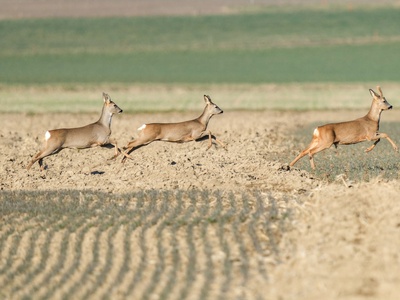
| Roe deer | Capreolus capreolus | LC; Nat: LC | 60 | Small, graceful deer with a reddish summer coat and white rump; 60 cm body. Common in woodlands, field edges and suburbs; often seen at dawn or dusk. Important browser and frequent prey for wolves and lynx. |
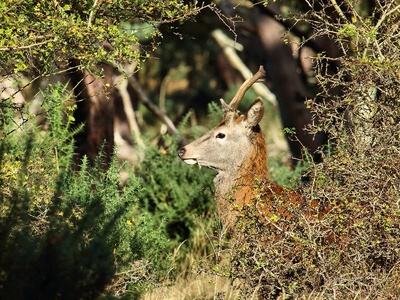
| Red deer | Cervus elaphus | LC; Nat: LC | 170 | Large reddish-brown deer with a shaggy neck and branching antlers on males; about 170 cm body. Found in forests and open marshland across Lithuania; impressive rutting calls in autumn make them a favourite for wildlife watching. |
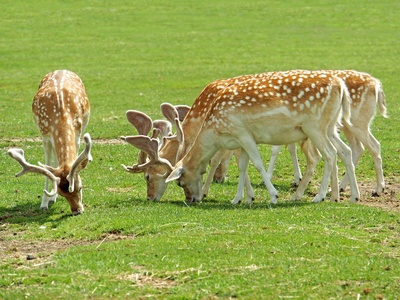
| Fallow deer | Dama dama | LC; Nat: Introduced | 100 | Medium-sized deer often spotted in parks and managed estates; about 100 cm body with spotted summer coat and palmate antlers in males. Introduced and common in some areas; browses woodland edges and meadows. |
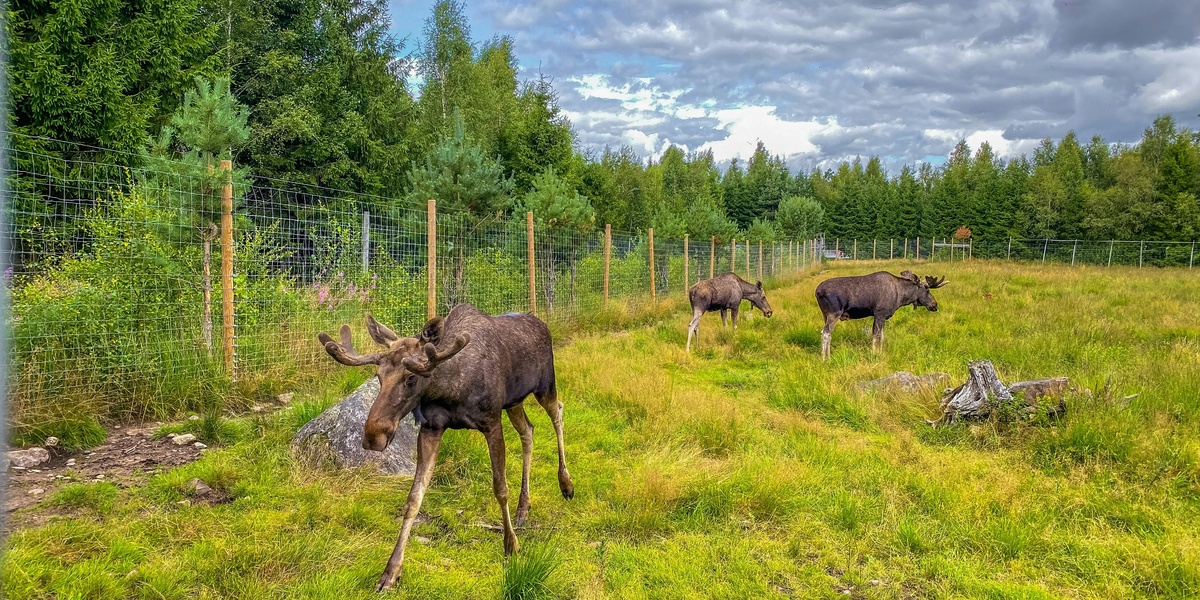
| Moose | Alces alces | LC; Nat: NT in parts | 200 | Very large, long-legged deer with broad palmate antlers in males; c.200 cm body. Found in extensive wetlands and mature forests, more common in eastern Lithuania; solitary, often seen near lakes and marshes. |
| Wild boar | Sus scrofa | LC; Nat: LC | 100 | Rugged, dark bristly pig-like mammal about 100 cm body. Widespread in forests and agricultural edges; active at night and leaves distinctive rooting signs. Populations can surge and impact crops. |
| European bison | Bison bonasus | EN; Nat: Reintroduced | 250 | Europe’s heaviest land mammal with a massive head and shaggy mane; c.250 cm body. Reintroduced into reserves and forests; best seen in managed areas—iconic conservation success but still regionally vulnerable. |
| European beaver | Castor fiber | LC; Nat: Reintroduced/LC | 80 | Stocky rodent with glossy brown fur and flat paddle tail; about 80 cm body. Builds dams and lodges along rivers and lakes; a keystone species that dramatically alters freshwater habitats. |
| Grey wolf | Canis lupus | LC; Nat: LC | 100 | Large, pack-living canid with long legs and bushy tail; about 100 cm body. Present throughout woodlands and bogs; shy but expanding in Lithuania, important apex predator controlling ungulate numbers. |
| Eurasian lynx | Lynx lynx | LC; Nat: LC | 80 | Medium-sized wild cat with tufted ears and short tail; c.80 cm body. Secretive forest specialist of large woodlands; look for tracks and scrapes—impressive ambush predator returning across the region. |
| Red fox | Vulpes vulpes | LC; Nat: LC | 60 | Slim, orange-red canid with bushy tail; about 60 cm body. Extremely adaptable—found in forests, farmland and urban areas. Omnivorous and often seen at dusk, leaving distinctive V-shaped tracks. |
| Raccoon dog | Nyctereutes procyonoides | LC; Nat: Invasive | 55 | Doglike, raccoon-faced mammal with dense fur; c.55 cm body. Introduced from Asia, now common in wetlands and forests. Nocturnal omnivore; can carry parasites and compete with native species. |
| Raccoon | Procyon lotor | LC; Nat: Introduced, local | 50 | Masked face and ringed tail; about 50 cm body. Introduced from North America and locally established from escapes; nocturnal and opportunistic, found near water and settlements. |
| European otter | Lutra lutra | NT; Nat: LC | 65 | Slim, glossy-furred aquatic predator with long body and tail; c.65 cm. Found along rivers, lakes and the coast; watch for slides and spraint on rocks—indicator of healthy waterways. |
| Pine marten | Martes martes | LC; Nat: LC | 40 | Sleek arboreal mustelid with creamy throat patch; about 40 cm body. Lives in mature forests and can visit orchards at night. Excellent climber and skilled predator of birds and small mammals. |
| Stone marten | Martes foina | LC; Nat: LC | 45 | Similar to pine marten but paler and more urban; c.45 cm body with pointed face. Frequently uses buildings and barns; common around towns and farmland hunting rodents. |
| European badger | Meles meles | LC; Nat: LC | 75 | Stocky, black-and-white striped face and powerful digger; about 75 cm body. Lives in setts in woodlands and hedgerows; nocturnal omnivore that shapes soil and seed dispersal. |
| European polecat | Mustela putorius | LC; Nat: LC | 35 | Dark, slender mustelid with mask-like face; c.35 cm body. Found in a variety of habitats including farmland and wetlands. Secretive carnivore known to hybridize with feral ferrets locally. |
| American mink | Neovison vison | LC; Nat: Invasive | 30 | Small, dark semi-aquatic mustelid c.30 cm body. Escaped from fur farms and now widespread along rivers and lakes, where it preys on fish, birds and small mammals—threat to native species. |
| Stoat (Ermine) | Mustela erminea | LC; Nat: LC | 20 | Small slender predator with seasonal coat; about 20 cm body. Hunts in open countryside and wood edges. In winter some turn white (ermine), a striking ID feature in cold seasons. |
| Least weasel | Mustela nivalis | LC; Nat: LC | 12 | Tiny, long-bodied mustelid approximately 12 cm. Active hunter of rodents in fields and gardens; often unnoticed but common where voles are abundant. |
| European hare | Lepus europaeus | LC; Nat: LC | 55 | Long-eared, long-legged brown hare about 55 cm body. Prefers open farmland and meadows; fast runner and mostly crepuscular. Important game species with seasonal breeding peaks. |
| Eurasian beaver (historical note) | Castor fiber | LC; Nat: Reintroduced | 80 | See European beaver entry for details; reintroduction recovered populations in rivers and lakes, transforming wetlands and increasing biodiversity. |
| Eurasian red squirrel | Sciurus vulgaris | LC; Nat: LC | 20 | Small tree squirrel with ear tufts and bushy tail; about 20 cm body. Common in coniferous and mixed forests and parks; readily seen and an important seed disperser. |
| Brown rat | Rattus norvegicus | LC; Nat: LC | 20 | Large urban-adapted rodent about 20 cm body. Widespread in settlements and farms; omnivorous and prolific breeder, important in human-altered habitats. |
| Black rat | Rattus rattus | LC; Nat: Introduced, local | 15 | Slender, arboreal rodent c.15 cm body. Less common than brown rat; associated historically with ports and older buildings—now sporadic in Lithuania. |
| House mouse | Mus musculus | LC; Nat: LC | 8 | Tiny commensal rodent about 8 cm body. Lives in and around human dwellings, farms and farmsheds; adaptable and globally widespread. |
| Wood mouse | Apodemus sylvaticus | LC; Nat: LC | 9 | Rusty-brown rodent with long tail; about 9 cm body. Common in forests, hedgerows and gardens; active at night and a key prey species for owls and foxes. |
| Yellow-necked mouse | Apodemus flavicollis | LC; Nat: LC | 10 | Brown forest mouse with pale yellow collar; c.10 cm body. Prefers deciduous woods and parks; often more arboreal and larger than the wood mouse. |
| Striped field mouse | Apodemus agrarius | LC; Nat: LC | 9 | Small rodent with distinct dorsal stripe; about 9 cm body. Found in farmland, grassland and scrub across Lithuania; more common in open habitats than woodland mice. |
| Bank vole | Myodes glareolus | LC; Nat: LC | 12 | Small reddish-brown vole about 12 cm body. Abundant in forests and gardens; important prey species and seed disperser—populations fluctuate seasonally. |
| Field vole | Microtus agrestis | LC; Nat: LC | 10 | Stocky grey-brown vole about 10 cm body. Common in grasslands, marsh edges and meadows; populations can cyclically boom and crash. |
| Common vole | Microtus arvalis | LC; Nat: LC | 11 | Small golden-brown vole c.11 cm body. Typical of arable fields and grasslands; important prey for raptors and mustelids. |
| Root vole | Microtus oeconomus | LC; Nat: LC | 10 | Short, grey-brown vole about 10 cm body. Prefers wet meadows and marshes in Lithuania; locally abundant in damp habitats and key for wetland food webs. |
| Water vole | Arvicola amphibius | NT; Nat: Protected | 15 | Stocky semi-aquatic rodent c.15 cm body with rounded nose. Lives along rivers and ditches, builds bankside burrows and grazing lawns; populations declined but still present in suitable wetlands. |
| Muskrat | Ondatra zibethicus | LC; Nat: Introduced | 30 | Large introduced rodent with dense fur and vertically flattened tail; about 30 cm body. Established in wetlands and river systems after introduction; constructs burrows and alters vegetation. |
| Northern birch mouse | Sicista betulina | LC; Nat: LC | 6 | Tiny hopping rodent with long tail and pale belly; c.6 cm body. Inhabits dry meadows and forest edges; shy and difficult to spot yet characteristic of northern landscapes. |
| Hazel dormouse | Muscardinus avellanarius | LC; Nat: Protected | 8 | Small arboreal rodent with furry tail and golden eyes; about 8 cm body. Lives in deciduous woodland and hedgerows; nocturnal and hibernates—indicator of healthy scrub. |
| Common harvest mouse | Micromys minutus | LC; Nat: LC | 5 | Very small grassland mouse (c.5 cm) with prehensile tail tip. Builds woven nests above ground in tall grasses and reedbeds; look near lakeshores and hay meadows. |
| European mole | Talpa europaea | LC; Nat: LC | 12 | Fossorial mammal with cylindrical body and spade-like forelimbs; about 12 cm. Leaves ridged molehills in lawns and fields; mainly subterranean insectivore. |
| Common shrew | Sorex araneus | LC; Nat: LC | 6 | Small brown insectivorous shrew about 6 cm body. Active day and night in woodland and grassland; high metabolic rate and sharp snout—often found near logs and leaf litter. |
| Eurasian pygmy shrew | Sorex minutus | LC; Nat: LC | 4 | Tiny fast-moving shrew c.4 cm body. Prefers dense vegetation in meadows and forests; hard to see but detectable by quick movements and small droppings. |
| Water shrew | Neomys fodiens | LC; Nat: LC | 7 | Semi-aquatic shrew with water-repellent fur; about 7 cm body. Hunts aquatic invertebrates along streams and marshes; tail often used as rudder while swimming. |
| European hedgehog | Erinaceus europaeus | LC; Nat: LC | 20 | Prickly, rounded insectivore about 20 cm body. Common in gardens, parks and woodland edges; nocturnal forager and frequent garden visitor—hibernates in winter. |
| Grey seal | Halichoerus grypus | LC; Nat: Protected | 200 | Large, bulky marine seal up to 200 cm body. Occasionally visits Lithuanian coast and offshore islands; seen hauled out on rocks—important Baltic marine predator. |
| Harbour seal | Phoca vitulina | LC; Nat: Rare | 140 | Smaller, rounded seal about 140 cm body. Occasional visitor to Lithuanian shores and estuaries; shy and easily spooked but sometimes seen resting on sandbanks. |
| Harbour porpoise | Phocoena phocoena | VU; Nat: Occasional | 120 | Small, blunt-nosed cetacean c.120 cm body. Occasionally recorded in Baltic waters off Lithuania; shy and often seen as brief blows or fleeting dorsal fin inshore. |
| European mole (duplicate removal note) | Talpa europaea | LC; Nat: LC | 12 | See mole entry; present and common in gardens and grasslands where it aerates soil and feeds on invertebrates. |
| Brown long-eared bat | Plecotus auritus | LC; Nat: LC | 5 | Delicate bat with very large ears and slow, maneuverable flight; body c.5 cm. Roosts in buildings and trees; easy to spot at close range when gleaning insects from foliage. |
| Grey long-eared bat | Plecotus austriacus | NT; Nat: Rare | 6 | Large-eared bat about 6 cm body. Prefers warm lowland habitats and old buildings; regionally uncommon but of high conservation interest where present. |
| Daubenton’s bat | Myotis daubentonii | LC; Nat: LC | 5 | Medium bat often seen flying low over water; c.5 cm body. Hunts insects above rivers and lakes, using tail membrane to scoop prey—frequent in reed-fringed waters. |
| Natterer’s bat | Myotis nattereri | LC; Nat: LC | 6 | Woodland bat with agile flight and pale face; about 6 cm body. Roosts in trees and buildings; gleans insects from surfaces rather than catching on the wing. |
| Brandt’s bat | Myotis brandtii | LC; Nat: LC | 5 | Small brown bat c.5 cm body with dark face. Favors woodland and parkland; often roosts in tree cavities and older buildings. |
| Whiskered bat | Myotis mystacinus | LC; Nat: LC | 5 | Small, mid-brown bat about 5 cm. Similar to Brandt’s and difficult to separate without close inspection—found in woodlands and buildings, active at dusk. |
| Greater mouse-eared bat | Myotis myotis | LC; Nat: Rare | 8 | Large Myotis around 8 cm body. Rare or local in Lithuania; roosts in old buildings and caves, ground-foraging for beetles—interesting where present but scarce. |
| Common pipistrelle | Pipistrellus pipistrellus | LC; Nat: LC | 4 | Tiny bat c.4 cm with rapid echolocation; common in towns, parks and woodlands. Often seen hunting insects near streetlights at dusk. |
| Soprano pipistrelle | Pipistrellus pygmaeus | LC; Nat: LC | 4 | Similar to common pipistrelle but favors water habitats; about 4 cm body. Often detected along rivers and lakes—important migratory species. |
| Nathusius’ pipistrelle | Pipistrellus nathusii | LC; Nat: Migrant | 5 | Migratory pipistrelle around 5 cm body. Passes through Lithuania in spring and autumn; often seen near forests and wetlands during migration waves. |
| Noctule | Nyctalus noctula | LC; Nat: LC | 9 | Large, fast-flying bat c.9 cm body with broad wings. Forages high above woodland and towns; roosts in tree holes and buildings—one of the earliest bats to emerge. |
| Leisler’s bat | Nyctalus leisleri | LC; Nat: LC | 6 | Slim bat about 6 cm body with reddish hue. Prefers woodland edges and lakeshores; active at dusk catching moths and larger insects. |
| Parti-coloured bat | Vespertilio murinus | LC; Nat: LC | 7 | Distinctive long-eared bat with contrasting rump; around 7 cm body. Uses buildings and tree roosts; often forages above open water and fields. |
| Barbastelle | Barbastella barbastellus | NT; Nat: Rare | 6 | Dark, broad-headed bat about 6 cm. Prefers old broadleaf woodland and tree roosts; regionally scarce and a conservation priority where present. |
| European free-tailed bat | Tadarida teniotis | LC; Nat: Vagrant | 8 | Fast-flying bat c.8 cm. Very occasional vagrant in Lithuania, typically in warm years; identified by fast direct flight and tail projecting beyond tail membrane. |
| Brown long-eared bat (duplicate note) | Plecotus auritus | LC; Nat: LC | 5 | See brown long-eared entry; common gleaner of moths found in buildings and woodland. |
| Wild boar (duplicate removal note) | Sus scrofa | LC; Nat: LC | 100 | See wild boar entry; widespread and ecologically influential, especially where populations are dense. |
| European wildcat | Felis silvestris | NT; Nat: Very rare | 60 | Elusive forest cat c.60 cm body with bushy ringed tail and striped coat. Records in Lithuania are scarce and debated; if present, it favors large, undisturbed forests. |
| Woolly hare (mountain hare) | Lepus timidus | LC; Nat: Historical/rare | 45 | Arctic-adapted hare about 45 cm body; historically present in Lithuania’s north but now rare or locally extirpated—white winter coat in cold years distinguishes it. |
| Minke whale (occasional) | Balaenoptera acutorostrata | LC; Nat: Vagrant | 700 | Large baleen whale up to 700 cm body; extremely rare vagrant to Lithuanian waters. Any offshore sighting is notable; identification by small dorsal fin and pale flank. |
| Forest dormouse (Edible dormouse absent) | Dryomys nitedula | NT; Nat: Rare | 8 | Small arboreal dormouse about 8 cm body, preferring mature woodland and scrub. Records in Lithuania are rare/local; nocturnal and hibernates—an interesting but scarce species. |
| Bicolored shrew (Taiga shrew) | Sorex isodon | LC; Nat: Local | 7 | Shrew of northern forests about 7 cm body. Occurs in damp forests and bog margins in eastern Lithuania; cryptic but part of northern mammal community. |
| European mink (historical/absent) | Mustela lutreola | CR; Nat: Extirpated | 30 | Once present in the region but functionally extirpated from Lithuania; historically semi-aquatic and darker than polecat—a cautionary conservation example. |
| Notes and totals row omitted per instructions |
Images and Descriptions
Roe deer
Small, graceful deer with a reddish summer coat and white rump; 60 cm body. Common in woodlands, field edges and suburbs; often seen at dawn or dusk. Important browser and frequent prey for wolves and lynx.
Red deer
Large reddish-brown deer with a shaggy neck and branching antlers on males; about 170 cm body. Found in forests and open marshland across Lithuania; impressive rutting calls in autumn make them a favourite for wildlife watching.
Fallow deer
Medium-sized deer often spotted in parks and managed estates; about 100 cm body with spotted summer coat and palmate antlers in males. Introduced and common in some areas; browses woodland edges and meadows.
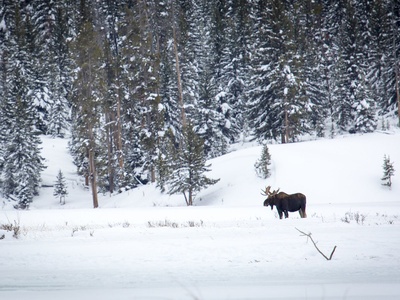
Moose
Very large, long-legged deer with broad palmate antlers in males; c.200 cm body. Found in extensive wetlands and mature forests, more common in eastern Lithuania; solitary, often seen near lakes and marshes.
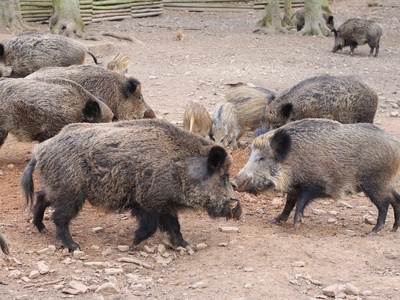
Wild boar
Rugged, dark bristly pig-like mammal about 100 cm body. Widespread in forests and agricultural edges; active at night and leaves distinctive rooting signs. Populations can surge and impact crops.
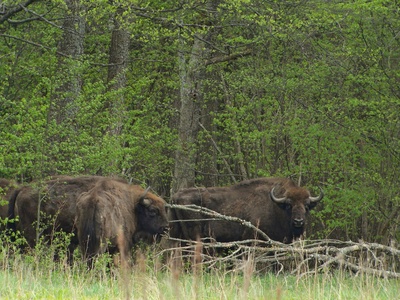
European bison
Europe’s heaviest land mammal with a massive head and shaggy mane; c.250 cm body. Reintroduced into reserves and forests; best seen in managed areas—iconic conservation success but still regionally vulnerable.
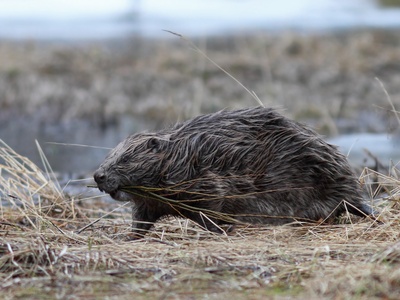
European beaver
Stocky rodent with glossy brown fur and flat paddle tail; about 80 cm body. Builds dams and lodges along rivers and lakes; a keystone species that dramatically alters freshwater habitats.
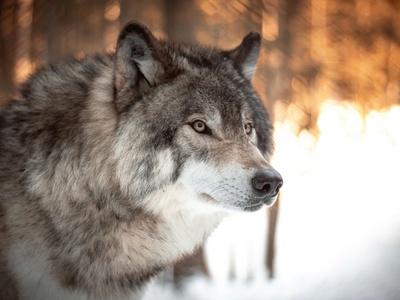
Grey wolf
Large, pack-living canid with long legs and bushy tail; about 100 cm body. Present throughout woodlands and bogs; shy but expanding in Lithuania, important apex predator controlling ungulate numbers.
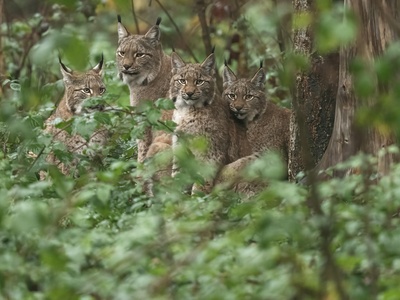
Eurasian lynx
Medium-sized wild cat with tufted ears and short tail; c.80 cm body. Secretive forest specialist of large woodlands; look for tracks and scrapes—impressive ambush predator returning across the region.
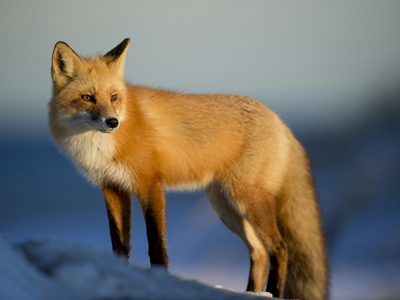
Red fox
Slim, orange-red canid with bushy tail; about 60 cm body. Extremely adaptable—found in forests, farmland and urban areas. Omnivorous and often seen at dusk, leaving distinctive V-shaped tracks.
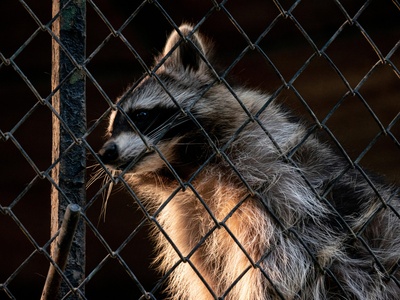
Raccoon dog
Doglike, raccoon-faced mammal with dense fur; c.55 cm body. Introduced from Asia, now common in wetlands and forests. Nocturnal omnivore; can carry parasites and compete with native species.
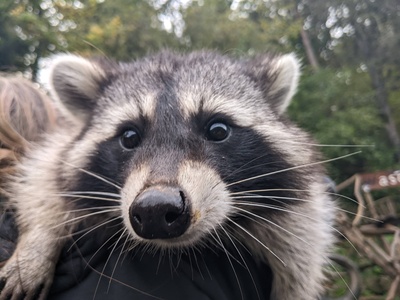
Raccoon
Masked face and ringed tail; about 50 cm body. Introduced from North America and locally established from escapes; nocturnal and opportunistic, found near water and settlements.
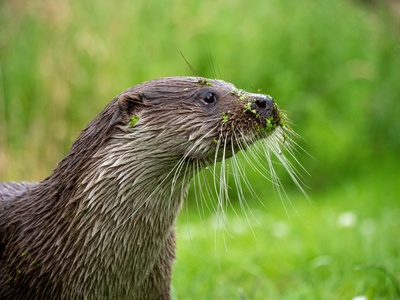
European otter
Slim, glossy-furred aquatic predator with long body and tail; c.65 cm. Found along rivers, lakes and the coast; watch for slides and spraint on rocks—indicator of healthy waterways.
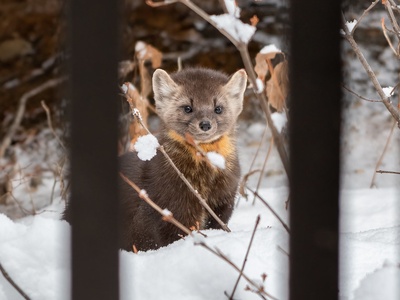
Pine marten
Sleek arboreal mustelid with creamy throat patch; about 40 cm body. Lives in mature forests and can visit orchards at night. Excellent climber and skilled predator of birds and small mammals.
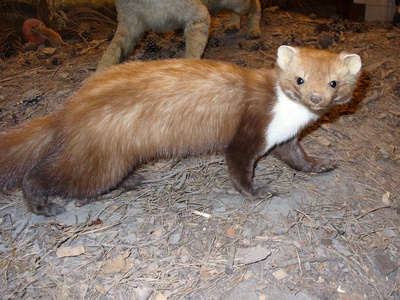
Stone marten
Similar to pine marten but paler and more urban; c.45 cm body with pointed face. Frequently uses buildings and barns; common around towns and farmland hunting rodents.
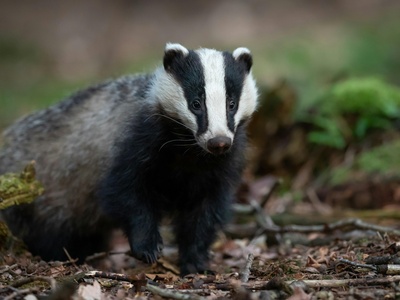
European badger
Stocky, black-and-white striped face and powerful digger; about 75 cm body. Lives in setts in woodlands and hedgerows; nocturnal omnivore that shapes soil and seed dispersal.
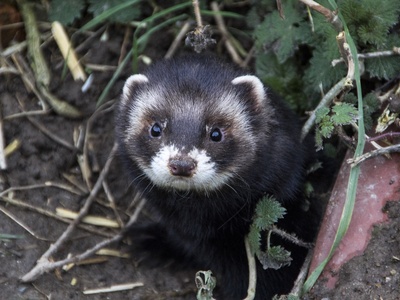
European polecat
Dark, slender mustelid with mask-like face; c.35 cm body. Found in a variety of habitats including farmland and wetlands. Secretive carnivore known to hybridize with feral ferrets locally.
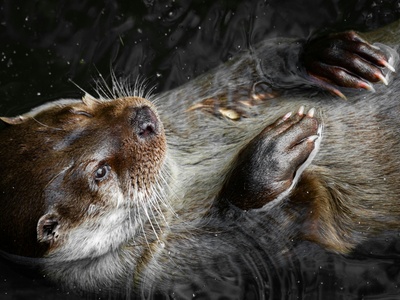
American mink
Small, dark semi-aquatic mustelid c.30 cm body. Escaped from fur farms and now widespread along rivers and lakes, where it preys on fish, birds and small mammals—threat to native species.
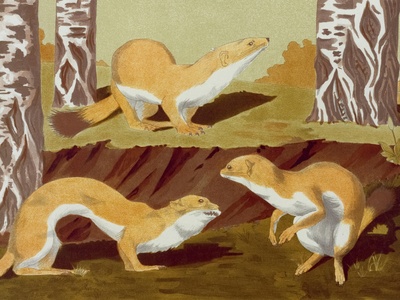
Stoat (Ermine)
Small slender predator with seasonal coat; about 20 cm body. Hunts in open countryside and wood edges. In winter some turn white (ermine), a striking ID feature in cold seasons.
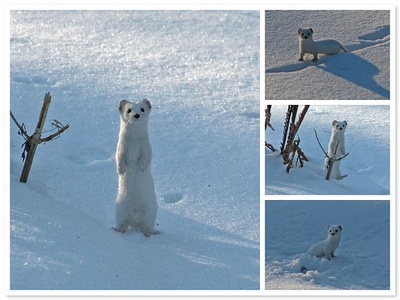
Least weasel
Tiny, long-bodied mustelid approximately 12 cm. Active hunter of rodents in fields and gardens; often unnoticed but common where voles are abundant.
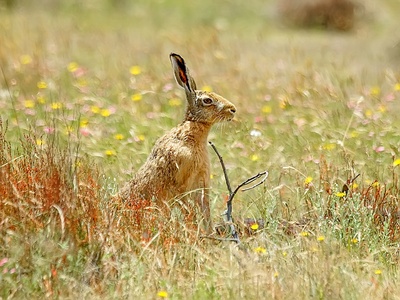
European hare
Long-eared, long-legged brown hare about 55 cm body. Prefers open farmland and meadows; fast runner and mostly crepuscular. Important game species with seasonal breeding peaks.
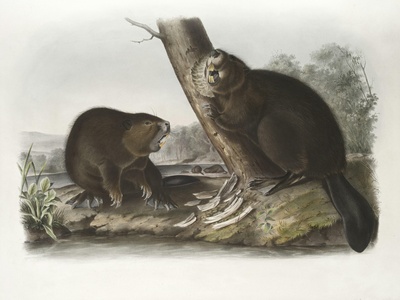
Eurasian beaver (historical note)
See European beaver entry for details; reintroduction recovered populations in rivers and lakes, transforming wetlands and increasing biodiversity.
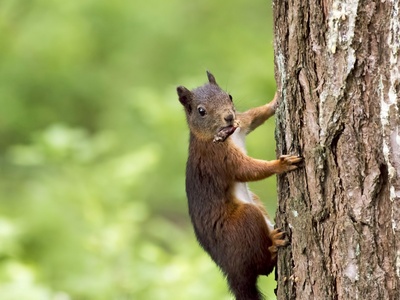
Eurasian red squirrel
Small tree squirrel with ear tufts and bushy tail; about 20 cm body. Common in coniferous and mixed forests and parks; readily seen and an important seed disperser.
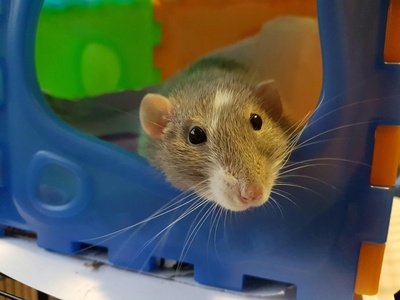
Brown rat
Large urban-adapted rodent about 20 cm body. Widespread in settlements and farms; omnivorous and prolific breeder, important in human-altered habitats.

Black rat
Slender, arboreal rodent c.15 cm body. Less common than brown rat; associated historically with ports and older buildings—now sporadic in Lithuania.
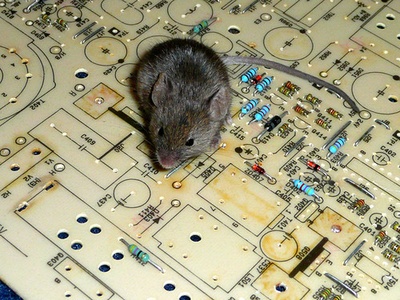
House mouse
Tiny commensal rodent about 8 cm body. Lives in and around human dwellings, farms and farmsheds; adaptable and globally widespread.
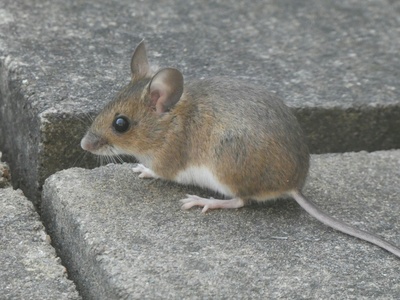
Wood mouse
Rusty-brown rodent with long tail; about 9 cm body. Common in forests, hedgerows and gardens; active at night and a key prey species for owls and foxes.
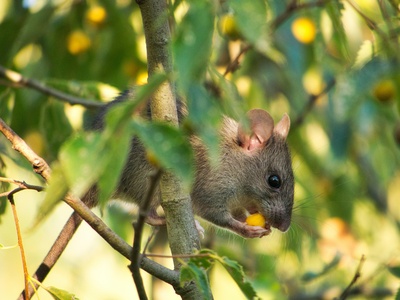
Yellow-necked mouse
Brown forest mouse with pale yellow collar; c.10 cm body. Prefers deciduous woods and parks; often more arboreal and larger than the wood mouse.
Striped field mouse
Small rodent with distinct dorsal stripe; about 9 cm body. Found in farmland, grassland and scrub across Lithuania; more common in open habitats than woodland mice.
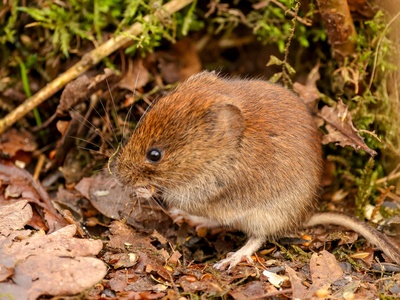
Bank vole
Small reddish-brown vole about 12 cm body. Abundant in forests and gardens; important prey species and seed disperser—populations fluctuate seasonally.
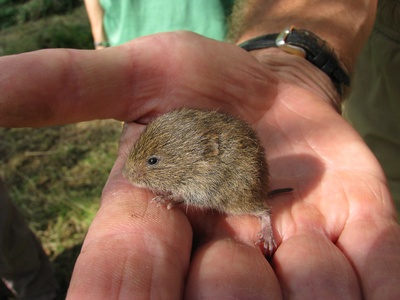
Field vole
Stocky grey-brown vole about 10 cm body. Common in grasslands, marsh edges and meadows; populations can cyclically boom and crash.
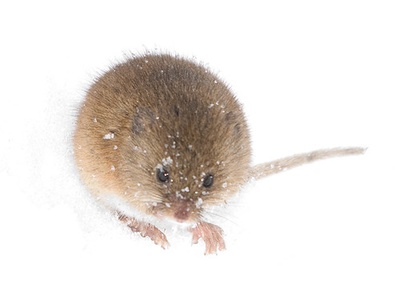
Common vole
Small golden-brown vole c.11 cm body. Typical of arable fields and grasslands; important prey for raptors and mustelids.
Root vole
Short, grey-brown vole about 10 cm body. Prefers wet meadows and marshes in Lithuania; locally abundant in damp habitats and key for wetland food webs.
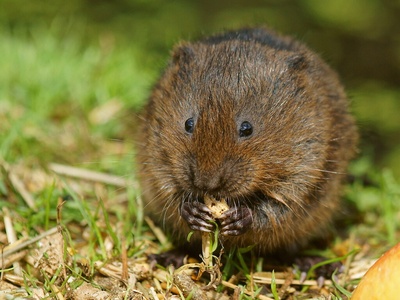
Water vole
Stocky semi-aquatic rodent c.15 cm body with rounded nose. Lives along rivers and ditches, builds bankside burrows and grazing lawns; populations declined but still present in suitable wetlands.
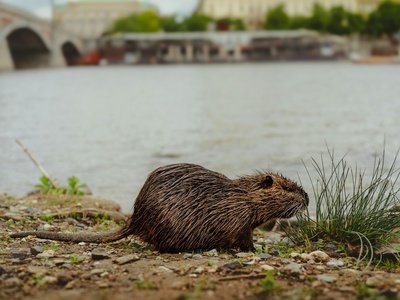
Muskrat
Large introduced rodent with dense fur and vertically flattened tail; about 30 cm body. Established in wetlands and river systems after introduction; constructs burrows and alters vegetation.
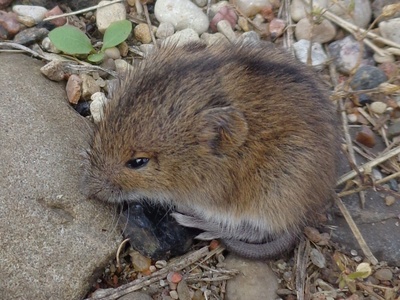
Northern birch mouse
Tiny hopping rodent with long tail and pale belly; c.6 cm body. Inhabits dry meadows and forest edges; shy and difficult to spot yet characteristic of northern landscapes.
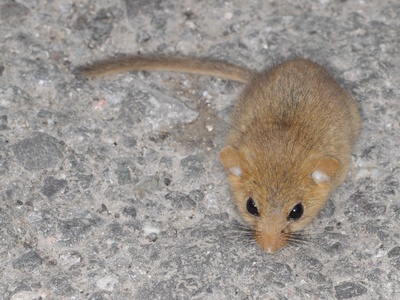
Hazel dormouse
Small arboreal rodent with furry tail and golden eyes; about 8 cm body. Lives in deciduous woodland and hedgerows; nocturnal and hibernates—indicator of healthy scrub.
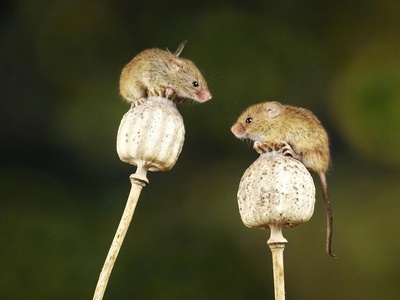
Common harvest mouse
Very small grassland mouse (c.5 cm) with prehensile tail tip. Builds woven nests above ground in tall grasses and reedbeds; look near lakeshores and hay meadows.
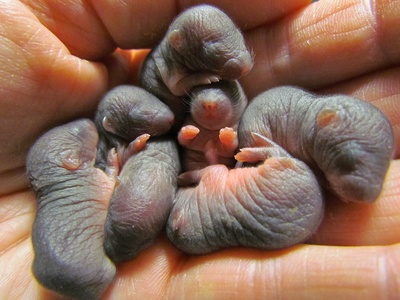
European mole
Fossorial mammal with cylindrical body and spade-like forelimbs; about 12 cm. Leaves ridged molehills in lawns and fields; mainly subterranean insectivore.
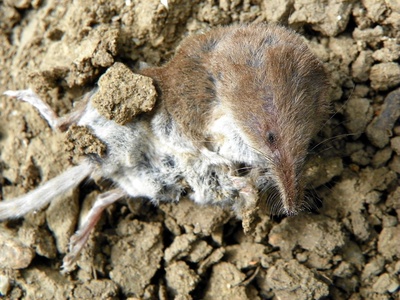
Common shrew
Small brown insectivorous shrew about 6 cm body. Active day and night in woodland and grassland; high metabolic rate and sharp snout—often found near logs and leaf litter.
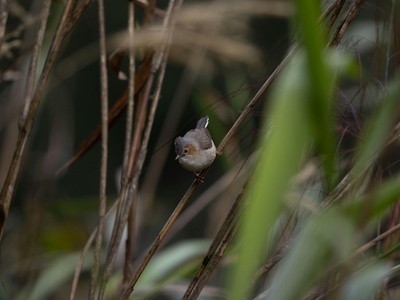
Eurasian pygmy shrew
Tiny fast-moving shrew c.4 cm body. Prefers dense vegetation in meadows and forests; hard to see but detectable by quick movements and small droppings.
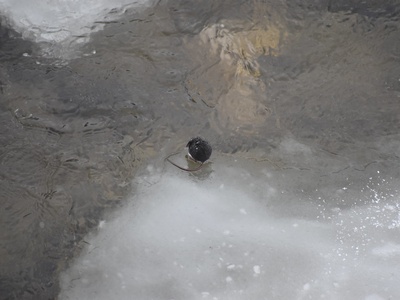
Water shrew
Semi-aquatic shrew with water-repellent fur; about 7 cm body. Hunts aquatic invertebrates along streams and marshes; tail often used as rudder while swimming.
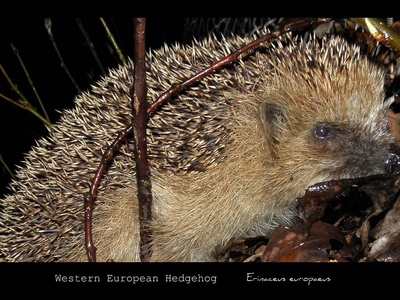
European hedgehog
Prickly, rounded insectivore about 20 cm body. Common in gardens, parks and woodland edges; nocturnal forager and frequent garden visitor—hibernates in winter.
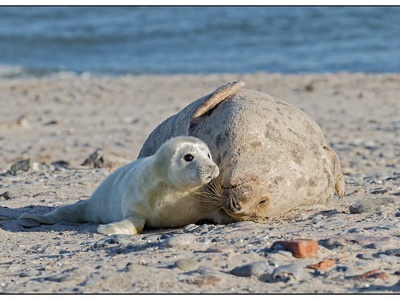
Grey seal
Large, bulky marine seal up to 200 cm body. Occasionally visits Lithuanian coast and offshore islands; seen hauled out on rocks—important Baltic marine predator.
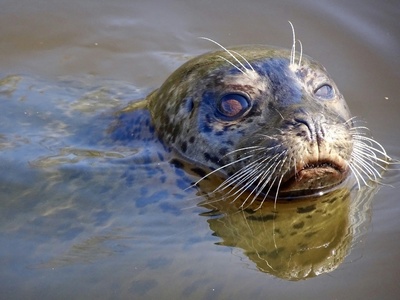
Harbour seal
Smaller, rounded seal about 140 cm body. Occasional visitor to Lithuanian shores and estuaries; shy and easily spooked but sometimes seen resting on sandbanks.
Harbour porpoise
Small, blunt-nosed cetacean c.120 cm body. Occasionally recorded in Baltic waters off Lithuania; shy and often seen as brief blows or fleeting dorsal fin inshore.
European mole (duplicate removal note)
See mole entry; present and common in gardens and grasslands where it aerates soil and feeds on invertebrates.
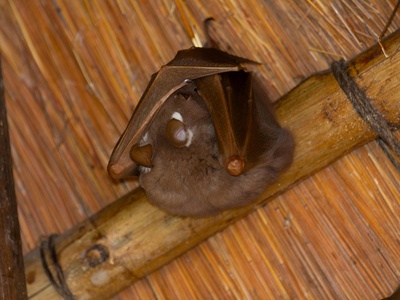
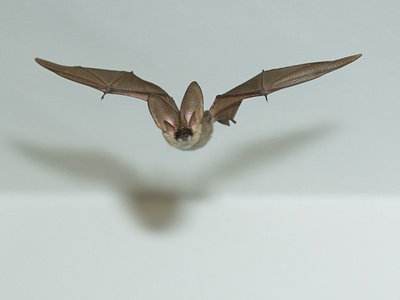
Brown long-eared bat
Delicate bat with very large ears and slow, maneuverable flight; body c.5 cm. Roosts in buildings and trees; easy to spot at close range when gleaning insects from foliage.
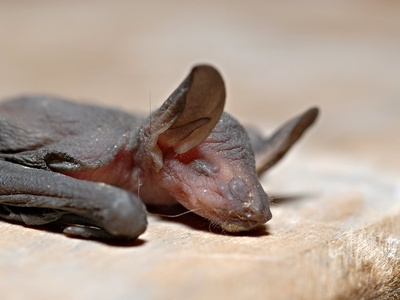
Grey long-eared bat
Large-eared bat about 6 cm body. Prefers warm lowland habitats and old buildings; regionally uncommon but of high conservation interest where present.
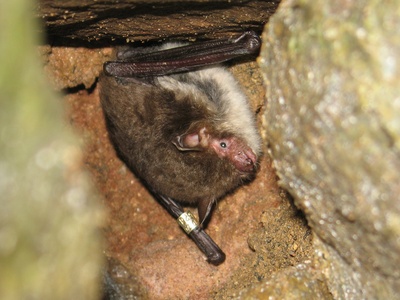
Daubenton’s bat
Medium bat often seen flying low over water; c.5 cm body. Hunts insects above rivers and lakes, using tail membrane to scoop prey—frequent in reed-fringed waters.
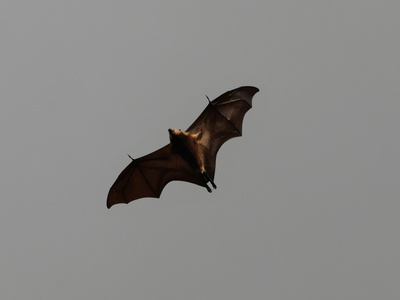
Natterer’s bat
Woodland bat with agile flight and pale face; about 6 cm body. Roosts in trees and buildings; gleans insects from surfaces rather than catching on the wing.
Brandt’s bat
Small brown bat c.5 cm body with dark face. Favors woodland and parkland; often roosts in tree cavities and older buildings.
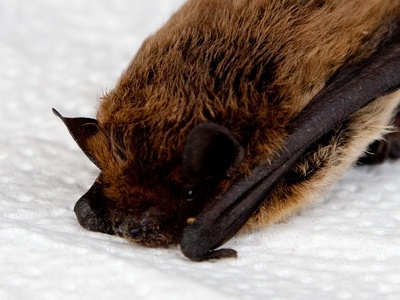
Whiskered bat
Small, mid-brown bat about 5 cm. Similar to Brandt’s and difficult to separate without close inspection—found in woodlands and buildings, active at dusk.
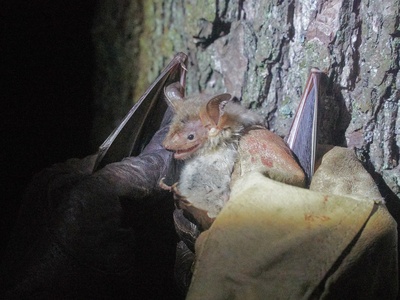
Greater mouse-eared bat
Large Myotis around 8 cm body. Rare or local in Lithuania; roosts in old buildings and caves, ground-foraging for beetles—interesting where present but scarce.
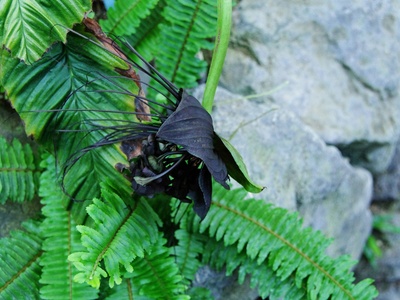
Common pipistrelle
Tiny bat c.4 cm with rapid echolocation; common in towns, parks and woodlands. Often seen hunting insects near streetlights at dusk.
Soprano pipistrelle
Similar to common pipistrelle but favors water habitats; about 4 cm body. Often detected along rivers and lakes—important migratory species.
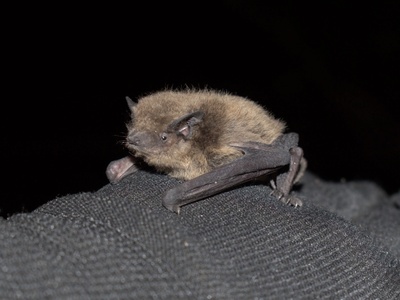
Nathusius’ pipistrelle
Migratory pipistrelle around 5 cm body. Passes through Lithuania in spring and autumn; often seen near forests and wetlands during migration waves.
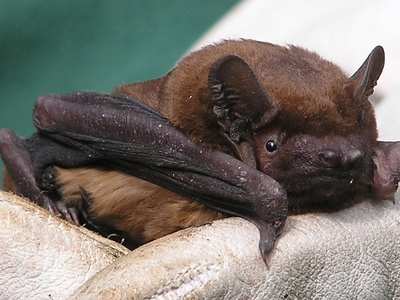
Noctule
Large, fast-flying bat c.9 cm body with broad wings. Forages high above woodland and towns; roosts in tree holes and buildings—one of the earliest bats to emerge.
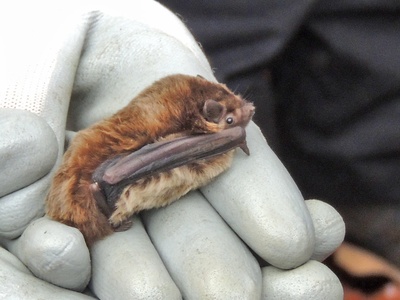
Leisler’s bat
Slim bat about 6 cm body with reddish hue. Prefers woodland edges and lakeshores; active at dusk catching moths and larger insects.
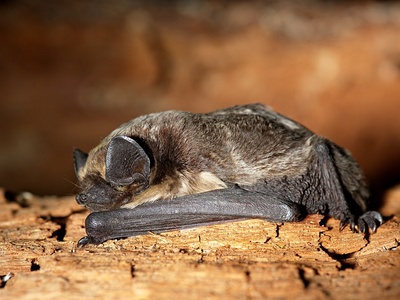
Parti-coloured bat
Distinctive long-eared bat with contrasting rump; around 7 cm body. Uses buildings and tree roosts; often forages above open water and fields.
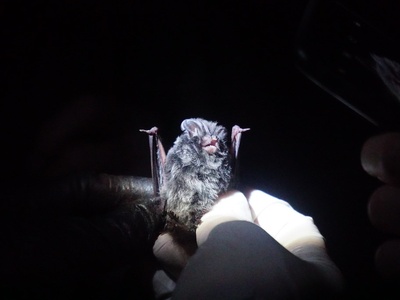
Barbastelle
Dark, broad-headed bat about 6 cm. Prefers old broadleaf woodland and tree roosts; regionally scarce and a conservation priority where present.
European free-tailed bat
Fast-flying bat c.8 cm. Very occasional vagrant in Lithuania, typically in warm years; identified by fast direct flight and tail projecting beyond tail membrane.
Brown long-eared bat (duplicate note)
See brown long-eared entry; common gleaner of moths found in buildings and woodland.
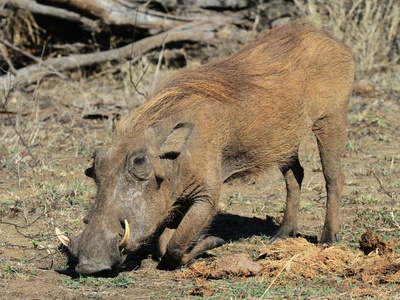
Wild boar (duplicate removal note)
See wild boar entry; widespread and ecologically influential, especially where populations are dense.
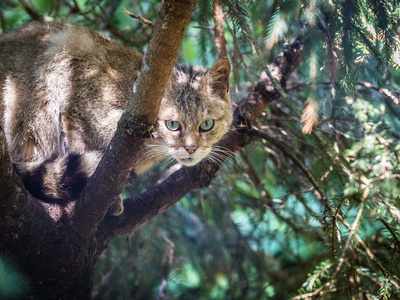
European wildcat
Elusive forest cat c.60 cm body with bushy ringed tail and striped coat. Records in Lithuania are scarce and debated; if present, it favors large, undisturbed forests.
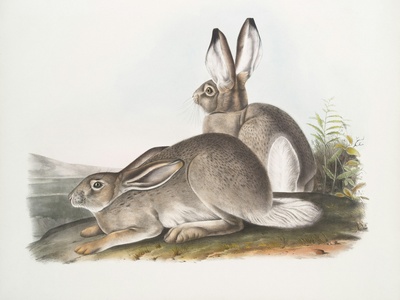
Woolly hare (mountain hare)
Arctic-adapted hare about 45 cm body; historically present in Lithuania’s north but now rare or locally extirpated—white winter coat in cold years distinguishes it.
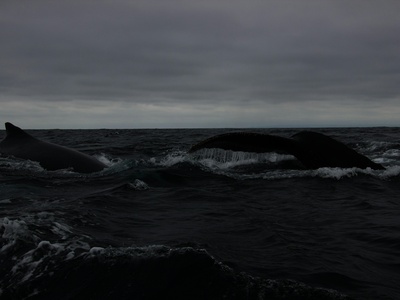
Minke whale (occasional)
Large baleen whale up to 700 cm body; extremely rare vagrant to Lithuanian waters. Any offshore sighting is notable; identification by small dorsal fin and pale flank.
Forest dormouse (Edible dormouse absent)
Small arboreal dormouse about 8 cm body, preferring mature woodland and scrub. Records in Lithuania are rare/local; nocturnal and hibernates—an interesting but scarce species.
Bicolored shrew (Taiga shrew)
Shrew of northern forests about 7 cm body. Occurs in damp forests and bog margins in eastern Lithuania; cryptic but part of northern mammal community.
European mink (historical/absent)
Once present in the region but functionally extirpated from Lithuania; historically semi-aquatic and darker than polecat—a cautionary conservation example.