Chile’s long, narrow shape ties together deserts, mountains, forests and a huge coastline, making it a hotspot for both native biodiversity and species moved by people and trade. That mix of habitats means introductions can have outsized effects—from coastal waters to Andean valleys.
There are 39 Invasive Species in Chile, ranging from Abeja europea, Zarzamora; for each entry you’ll find below data organized by Scientific name, Primary impact, Regions in Chile — you’ll find below.
How do these invasive species typically arrive and spread in Chile?
Most arrive through international trade, shipping ballast, imported plants or accidental transport on vehicles and luggage; once established, many spread locally by wind, water, animals or human activity, so containment focuses on early detection, sanitation of equipment and restricting movement of known carriers.
What practical steps can residents take to reduce the risk or impact of invasives?
Report unusual plants or animals to local authorities, avoid planting non-native species known to escape cultivation, clean boots and gear between sites, and support local eradication or monitoring efforts—small, consistent actions can slow spread and help conservation teams respond quickly.
Invasive Species in Chile
| Common name | Scientific name | Primary impact | Regions in Chile |
|---|---|---|---|
| Tojo | Ulex europaeus | Displaces natives; increases fire risk | Central and southern coastal hills |
| Escoba | Cytisus scoparius | Crowds out native plants; alters soils | Central and southern Chile, disturbed sites |
| Retama de Montpellier | Genista monspessulana | Invades grasslands and forest edges | Central Chile, coastal and valleys |
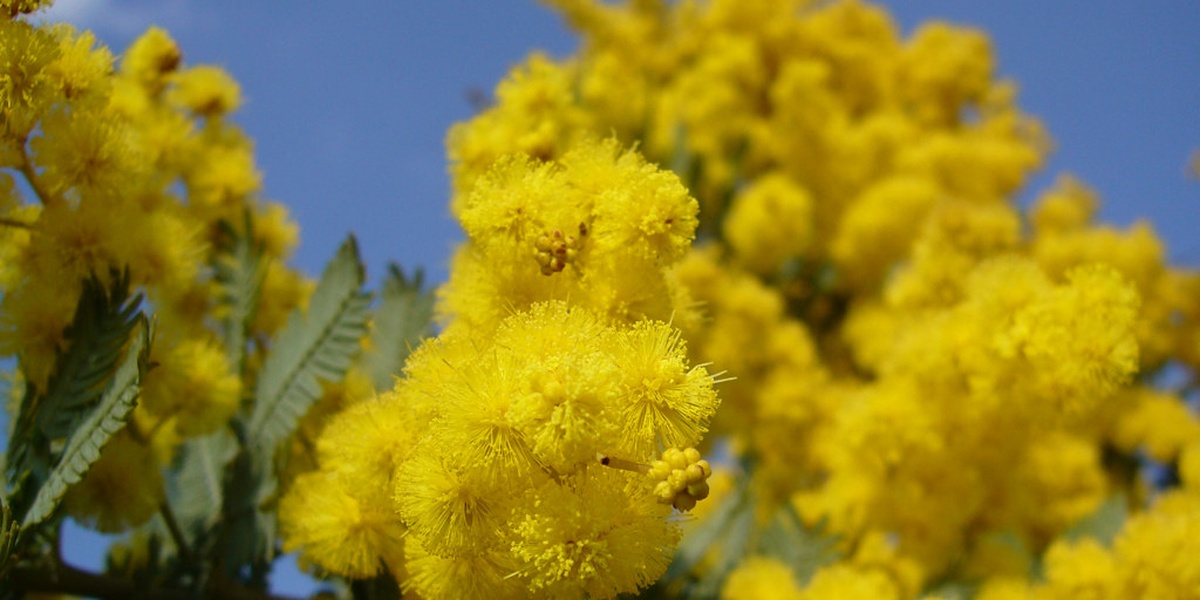
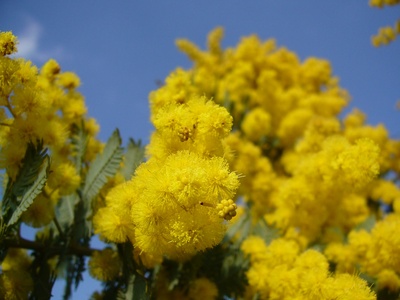
| Acacia (mimosa) | Acacia dealbata | Displaces natives; fuels wildfires | Central and southern temperate zones |
| Acacia costera | Acacia longifolia | Coastal dune and scrub invader | Coastal central and southern Chile |
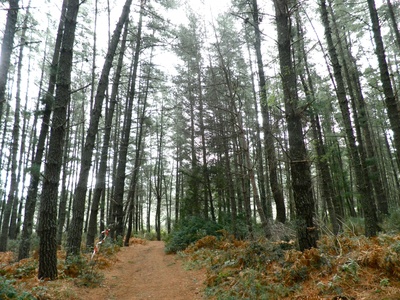
| Pino insigne | Pinus radiata | Alters fire regime; displaces native vegetation | Central Chile, plantations and wildlands |
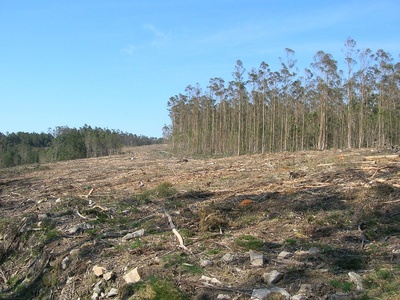
| Eucalipto | Eucalyptus globulus | Competes with natives; changes water regimes | Central and southern plantation landscapes |
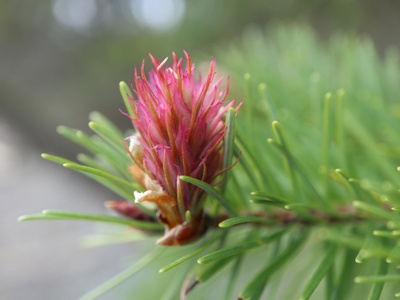
| Pino de Douglas | Pseudotsuga menziesii | Invades native forests and islands | Southern Chile, Chiloé and coastal ranges |
| Zarzamora | Rubus fruticosus agg. | Smothers native vegetation; impedes access | Southern and central wet forests, riparian zones |
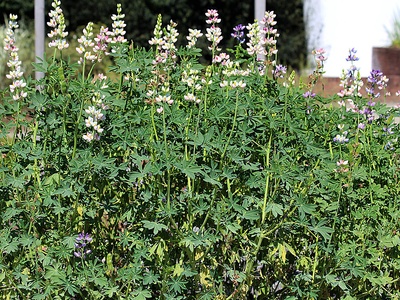
| Altramuz (lupino) | Lupinus polyphyllus | Displaces natives; alters soils | Southern Chile, road verges and meadows |
| Spártina | Spartina densiflora | Smothers wetlands; alters estuaries | Coastal estuaries and salt marshes |
| Higuera marina | Carpobrotus edulis | Destroys dune vegetation; stabilizes nonnative mats | Coastal dunes and islands |
| Sauces (willows) | Salix spp. | Alters riverbanks; degrades wetlands | Rivers, riparian zones across central-southern Chile |
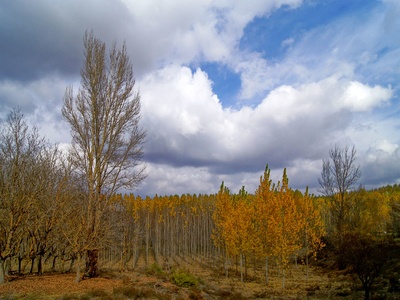
| Chopos y álamos | Populus spp. | Invades riparian zones; hybridizes with natives | Rivers and irrigation canals across central Chile |
| Ludwigia acuática | Ludwigia peploides | Clogs waterways; reduces oxygen | Freshwater wetlands and slow rivers |
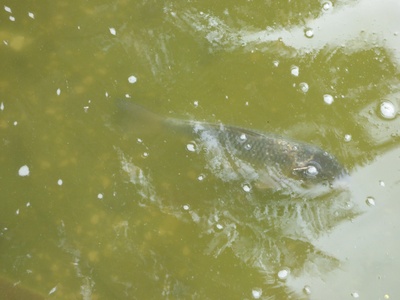
| Carpa común | Cyprinus carpio | Resuspends sediments; degrades water quality | Lakes and lowland rivers |
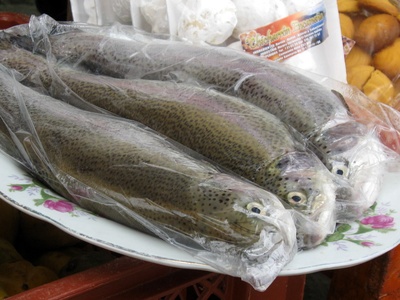
| Trucha arcoíris | Oncorhynchus mykiss | Predation and competition with native fish | Rivers and lakes nationwide, especially south |
| Trucha marrón | Salmo trutta | Predator of native fish and amphibians | Rivers and lakes, mainly south-central Chile |
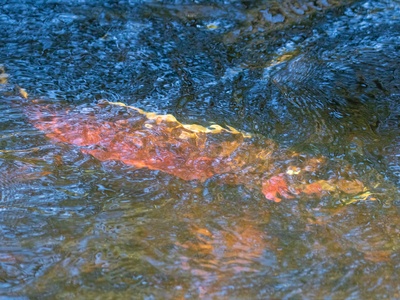
| Salmón coho | Oncorhynchus kisutch | Competes with natives; disease vector | Southern rivers and fjords near aquaculture sites |
| Salmón chinook | Oncorhynchus tshawytscha | Predator and competitor of natives | Southern rivers and fjords influenced by aquaculture |
| Mejillón dorado | Limnoperna fortunei | Clogs infrastructure; alters ecosystems | Freshwater rivers and reservoirs, central-southern Chile |
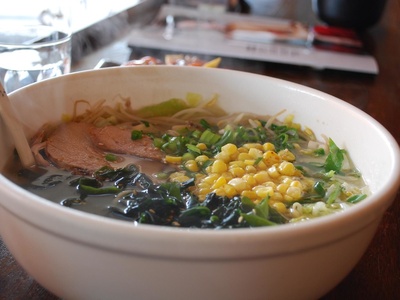
| Wakame | Undaria pinnatifida | Displaces native seaweed; fouls infrastructure | Temperate southern coasts and fjords |
| Hormiga argentina | Linepithema humile | Disrupts native ants and pollination | Urban and agricultural central Chile |
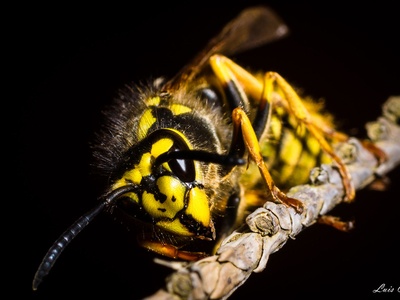
| Avispa chaqueta amarilla | Vespula germanica | Nuisance, impacts apiculture and wildlife | Chiloé, southern islands and coastal areas |
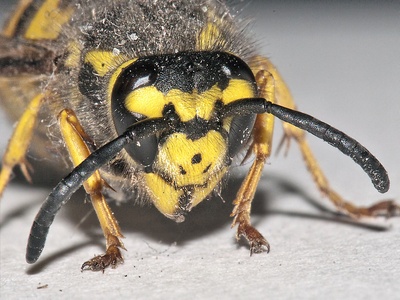
| Avispa común | Vespula vulgaris | Harms native fauna; economic losses | Chiloé and southern coastal islands |
| Mariquita asiática | Harmonia axyridis | Outcompetes native ladybirds; affects fruit | Urban and agricultural areas nationwide |
| Abeja europea | Apis mellifera | Competes with native pollinators; disease spread | Widespread urban, agricultural and natural areas |
| Conejo europeo | Oryctolagus cuniculus | Overgrazing, vegetation loss and erosion | Southern and central rangelands and islands |
| Liebre europea | Lepus europaeus | Grazing pressure; crop damage | Central and southern agricultural lands |
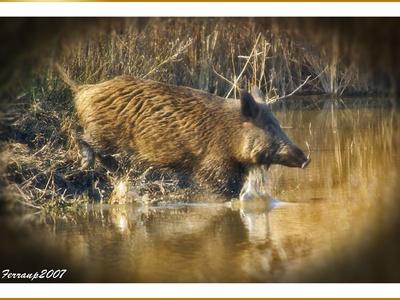
| Jabalí | Sus scrofa | Rooting damages ecosystems and crops | Forest edges, agricultural lands and islands |
| Gato doméstico (feral) | Felis catus | Predation on native birds and small mammals | Islands, urban fringe and rural areas |
| Rata negra | Rattus rattus | Predation on eggs and small wildlife | Islands and coastal settlements |
| Rata parda | Rattus norvegicus | Crop damage; predation and disease | Ports, urban areas and islands |
| Ratón doméstico | Mus musculus | Food damage; predation on small fauna | Synanthropic and island environments |
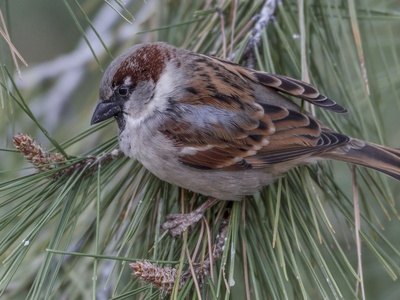
| Gorrión común | Passer domesticus | Competes with native birds; agricultural pest | Urban and rural settlements nationwide |
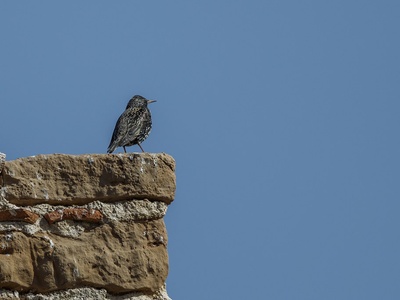
| Estornino pinto | Sturnus vulgaris | Displaces cavity-nesting birds; damages crops | Urban and agricultural areas |
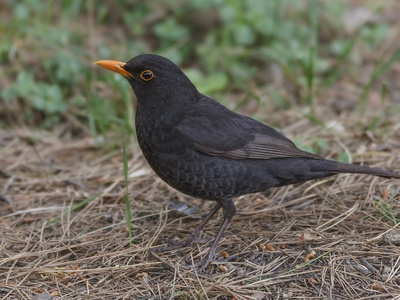
| Mirlo común | Turdus merula | Competes with native birds; seed dispersal of invasives | Urban parks and farmlands |
| Paloma bravía | Columba livia | Nuisance; disease vectors in urban areas | Cities and ports nationwide |
| Pato real | Anas platyrhynchos | Hybridizes with native ducks; disease transmission | Wetlands and urban ponds |
Images and Descriptions

Tojo
Spiny evergreen shrub introduced from Europe for hedges and pasture improvement; forms impenetrable stands that outcompete native vegetation and raise wildfire risk. Control uses mechanical removal, herbicide and controlled burns; persistent seedbank makes eradication difficult where widespread.
Escoba
European shrub introduced as ornamental and soil stabilizer that forms dense monospecific stands. Fixes nitrogen, changing soil nutrient cycles and harming native flora. Management includes cutting, herbicide and follow-up monitoring; many populations remain widespread and costly to control.
Retama de Montpellier
Shrubby legume from the Mediterranean introduced as ornamental and erosion control; spreads by seed and root suckers. Reduces pasture value and native plant diversity. Control uses repeated cutting, herbicide and grazing management; local eradication possible but reintroductions common.
Acacia (mimosa)
Fast-growing Australian tree planted for ornament and forestry; regenerates prolifically from seed and suckers, forming dense stands that reduce native forest regeneration. Control includes mechanical clearing and herbicide; used in plantations complicates management.
Acacia costera
Australian coastal acacia introduced for dune stabilization and forestry; outcompetes native shrubs and alters soil nitrogen. Strategies include mechanical removal and herbicide; persistent seedbanks and nearby plantings hinder full control.
Pino insigne
Monterey pine from California planted extensively for forestry; escapes plantations to invade shrubland and native forest margins, increasing fire risk and changing soils. Management uses targeted clearing around reserves and restoration, but economic value complicates eradication.
Eucalipto
Blue gum eucalyptus from Australia introduced for timber and pulp; forms dense stands, reduces understory and can lower water tables. Control is by removal in conservation areas and replanting with natives; widespread plantations limit large-scale eradication.
Pino de Douglas
Douglas-fir was introduced for forestry and now invades temperate forests and islands, shading out native species. Young plantations and wildings are removed in priority conservation areas; control is ongoing and costly.
Zarzamora
Blackberries introduced as fruit crops and ornamentals that form dense brambles, outcompeting native plants and hindering restoration. Control uses cutting, herbicide and persistent follow-up; seeds spread by birds prolong reinvasion.
Altramuz (lupino)
Garden lupin from North America introduced for ornament and soil improvement; forms dense stands that fix nitrogen, changing native plant communities. Management includes manual removal, mowing and herbicide; control is local but widespread spread continues.
Spártina
Cordgrass arriving via ballast or aquaculture established in estuaries, converting mudflats to invasive marsh and reducing habitat for shorebirds. Physical removal and restoration are used where feasible; recolonization from rhizomes makes eradication challenging.
Higuera marina
South African succulent introduced as groundcover and erosion control; forms dense mats that displace native dune plants and alter fauna. Hand-pulling and restoration with native species are used locally; repeated efforts needed to stop regrowth.
Sauces (willows)
Various Eurasian willow species introduced for ornament and erosion control colonize riverbanks, changing hydrology and shading native plants. Management depends on site: mechanical removal, herbicide and bank restoration; reinvasion from cuttings common.
Chopos y álamos
Poplars and cottonwoods planted for timber and shade escape cultivation, rooting in waterways and displacing native vegetation. Control combines mechanical removal and regulation of plantings; hybridization can complicate native tree conservation.
Ludwigia acuática
South American/introduced water primrose spreads through aquatic fragments and seeds, forming dense mats that impede navigation, outcompete natives and lower oxygen. Mechanical removal and herbicide are applied locally; reinvasion requires persistent management.
Carpa común
Common carp introduced for fisheries now established in many freshwater systems, uprooting vegetation, increasing turbidity and harming native fish and plants. Control is difficult; targeted removals and barriers used in priority sites.
Trucha arcoíris
Rainbow trout introduced for sport and aquaculture escapees now established in many waters, preying on and competing with native fishes and amphibians. Management includes angling regulation, barriers and eradication attempts in sensitive streams.
Trucha marrón
Brown trout from Europe introduced for sport fishing; established populations prey on native species and alter food webs. Control focuses on prevention of new introductions and local removals in high-value conservation streams.
Salmón coho
Coho salmon introduced for aquaculture and escaped fish have established in inland waters, competing with native fishes and potentially spreading parasites. Management involves aquaculture escape reduction and monitoring; eradication is rarely feasible.
Salmón chinook
Chinook introduced via escapes from farms establishes in some river systems, preying on native fish and altering food webs. Control emphasizes containment of aquaculture and monitoring; wild populations persist in some basins.
Mejillón dorado
Golden mussel likely arrived via ballast or aquaculture and fouls intake pipes, outcompetes native bivalves and changes nutrient cycles. Management includes physical cleaning, barriers and research on biocontrol; spread continues along waterways.
Wakame
Brown kelp introduced via hulls and aquaculture that forms dense stands on subtidal and fouling substrates, altering habitats and aquaculture gear. Monitoring, diver removal and biosecurity at ports are used to limit spread; eradication is difficult.

Hormiga argentina
Argentine ant, transported via trade and plant movement, forms supercolonies that displace native ants, alter seed dispersal and damage orchards. Control uses baiting in urban/agricultural zones; complete eradication is rare once established.
Avispa chaqueta amarilla
German wasp introduced via shipping and established on islands, scavenging invertebrates and impacting tourism and beekeeping. Control programs use baiting, traps and nest removal, with localized success but ongoing reinvasion.
Avispa común
Common wasp arrived with shipping and colonized island ecosystems, preying on native insects and disturbing tourism. Management includes baiting and trapping campaigns; containment on islands is expensive but actively pursued.
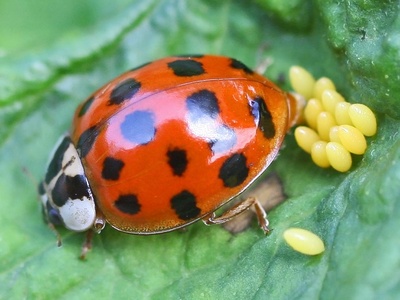
Mariquita asiática
Asian ladybird introduced accidentally and for biocontrol, now widespread and displacing native coccinellids; also contaminates fruit harvests. Control focuses on monitoring and orchard hygiene; eradication impossible at large scale.
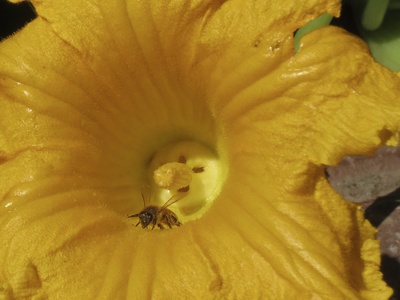
Abeja europea
European honeybee was introduced for apiculture and is now ubiquitous, competing for floral resources and carrying pathogens. Management balances beekeeping needs and native pollinator conservation through habitat restoration and apiary regulation.
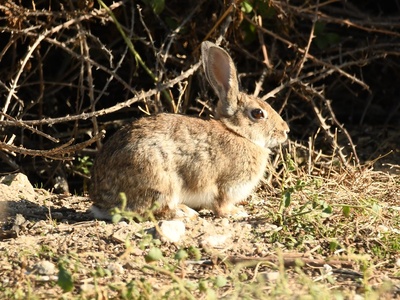
Conejo europeo
European rabbit introduced for hunting and agriculture, now causes heavy grazing pressure, soil erosion and impacts on native plants and birds. Control uses fencing, hunting and poisoning in places; eradication is difficult and often temporary.
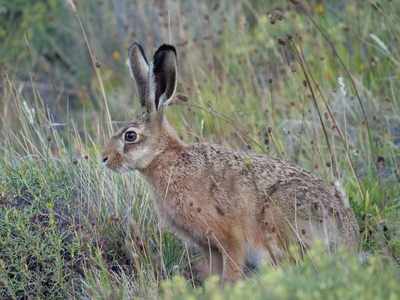
Liebre europea
European hare introduced for game now widespread, feeding on crops and native plants, impacting regeneration. Management includes hunting and localized removal; populations persist in many rural landscapes.
Jabalí
Feral pigs introduced with colonists disturb soils, predate wildlife and spread pathogens. Control includes hunting, trapping and fencing, but dense terrain and rapid reproduction make eradication challenging.
Gato doméstico (feral)
Domestic cats that became feral heavily predate on native birds, reptiles and mammals, threatening endangered species especially on islands. Management includes trapping, sterilization and removal campaigns on islands with documented success.
Rata negra
Black rat introduced via ships preys on seabird eggs and small vertebrates, causing declines on islands. Control relies on baiting and biosecurity to prevent reinvasion; many island eradications have been successful where applied.
Rata parda
Norway rat from global shipping established in ports and urban zones, impacting food stores and wildlife on islands. Control uses trapping and baiting; long-term management requires continued effort and biosecurity.
Ratón doméstico
House mouse came with humans and impacts stored food and small native fauna on islands. Control involves trapping and baiting; eradication feasible on some islands with coordinated campaigns.
Gorrión común
House sparrow introduced for ornamental and pest control now ubiquitous, competing for nesting sites and crops. Management typically focuses on local deterrence and nest control in sensitive areas.
Estornino pinto
European starling introduced with ships, establishing large flocks that outcompete native cavity nesters and cause fruit damage. Control uses exclusion, netting and occasional shooting in orchards; populations remain common.
Mirlo común
Blackbird introduced from Europe now widespread in urban and peri-urban areas, competing with native thrushes and spreading invasive plant seeds. Management is limited to harassment and nest control in specific sensitive sites.
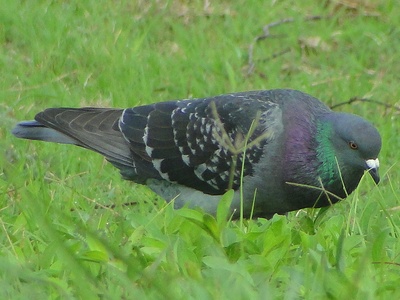
Paloma bravía
Rock pigeon introduced globally and common in Chilean cities, fouling buildings, spreading disease and competing for resources. Control usually urban-focused: nest exclusion, public feeding bans and population control measures.
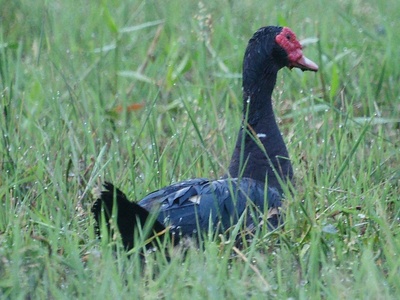
Pato real
Mallard introduced for hunting and ornamental ponds; feral populations hybridize with native ducks (threatening genetic integrity) and can spread avian diseases. Management includes preventing releases and controlling feral flocks in sensitive wetlands.