Nepal’s landscape—from the Terai plains to the high Himalaya—supports a surprising variety of edible plants, shaped by altitude, monsoon patterns and local cultivation. That mix of wild and cultivated species shows up in local markets, home gardens and seasonal foraging across districts.
There are 37 Fruits of Nepal, ranging from Amla (Indian gooseberry) to Yellow raspberry. For each entry you’ll find below Nepali name,Scientific name,Region & altitude (m) and season so you can quickly see where and when a fruit appears and how it’s identified.
How can I find fruits that grow at a specific altitude or season?
Use the Region & altitude (m) and season column to filter the list: lowland (Terai) fruits appear at lower altitude ranges, while hill and high-altitude species list higher meters and shorter seasons; combine that with season to plan visits or market searches.
Are these fruits sold year-round or mostly seasonal and local?
Many are seasonal—some like Amla are harvested in specific months and widely sold or processed, while high‑altitude berries and wild fruits are often local and short‑window; check the season column below to know availability and whether to expect market access or only local foraging.
Fruits of Nepal
| Name | Nepali name | Scientific name | Region & altitude (m) and season |
|---|---|---|---|
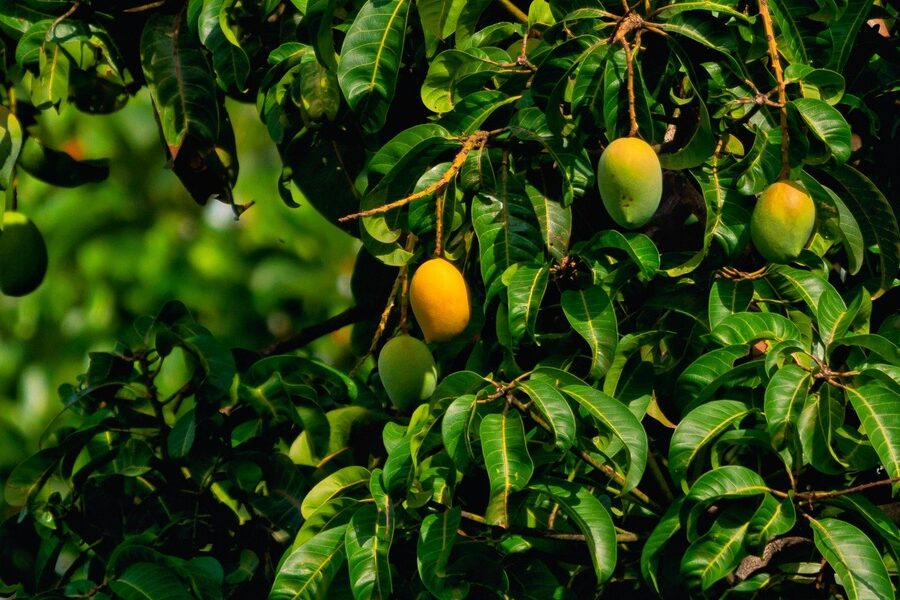
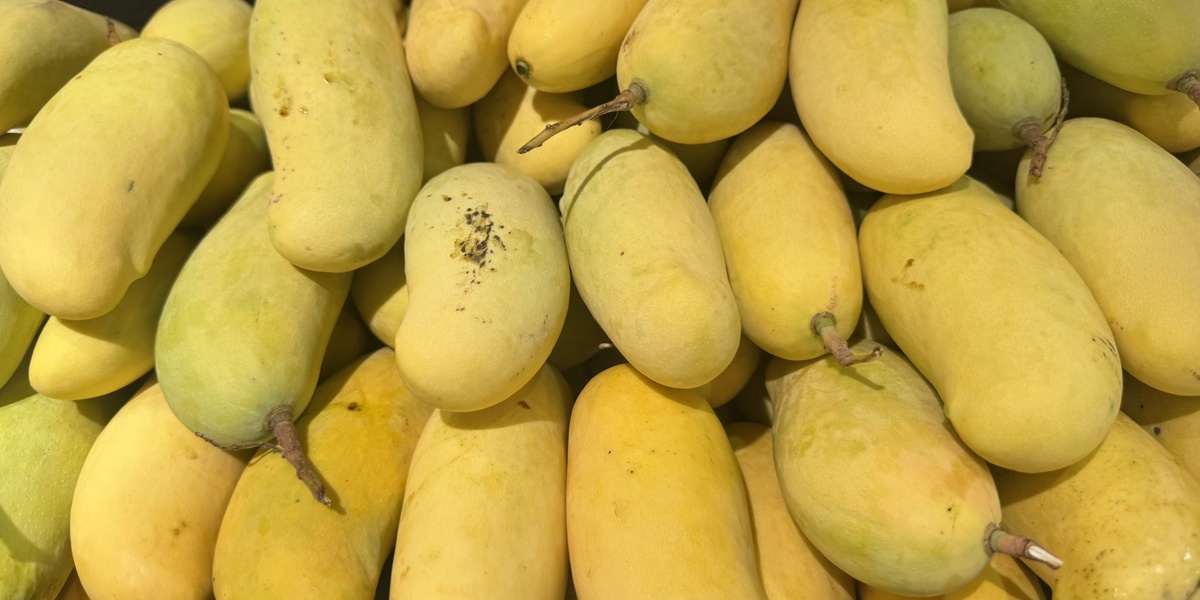
| Mango | Aam | Mangifera indica | Terai and lowland valleys, 0–500 m; May–August |
| Banana | Kera | Musa × paradisiaca | Terai and lower hills, 0–1,200 m; year-round with peaks in winter and summer |
| Jackfruit | Kathal | Artocarpus heterophyllus | Terai and Siwalik foothills, 0–700 m; May–September |
| Papaya | Papita | Carica papaya | Terai and lower hills, 0–1,000 m; year-round with peaks in summer |
| Pineapple | Ananas | Ananas comosus | Terai and lower hills, 0–1,200 m; March–July |
| Litchi | Litchi | Litchi chinensis | Eastern and central Terai, 100–600 m; May–June |
| Guava | Peru | Psidium guajava | Terai and mid-hills, 100–1,200 m; September–April |
| Orange | Suntala | Citrus sinensis | Terai and mid-hills, 300–1,200 m; December–March |
| Lemon | Kuntel | Citrus limon | Nationwide, 0–1,500 m; year-round with peaks in winter |
| Mandarin | Mato Suntala | Citrus reticulata | Terai and mid-hills, 200–1,200 m; December–February |
| Watermelon | Tarbuj | Citrullus lanatus | Terai and Siwalik plains, 0–600 m; April–September |
| Muskmelon | Kharboja | Cucumis melo | Terai and lower hills, 100–900 m; April–August |
| Grapes | Angur | Vitis vinifera | Mid-hills and valleys, 500–1,800 m; August–October |
| Apple | Syau | Malus domestica | Mid- to high-hills, 1,200–3,000 m; August–October |
| Pear | Naspati | Pyrus communis | Mid-hills, 1,000–2,400 m; August–October |
| Peach | Aaru | Prunus persica | Mid-hills, 800–2,000 m; June–August |
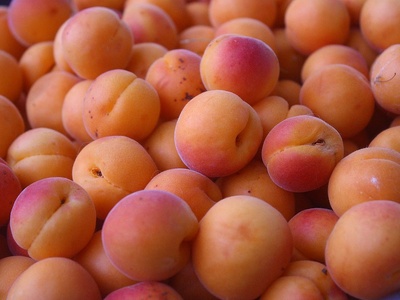
| Apricot | Khobare | Prunus armeniaca | High hills and trans-Himalayan valleys, 1,800–4,000 m; June–August |
| Plum | Bungur | Prunus domestica | Mid- to high-hills, 1,200–2,800 m; July–September |
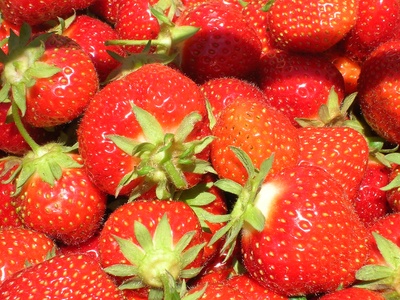
| Strawberry | Strawberry | Fragaria × ananassa | Mid-hills and Kathmandu Valley, 1,200–2,400 m; March–June |
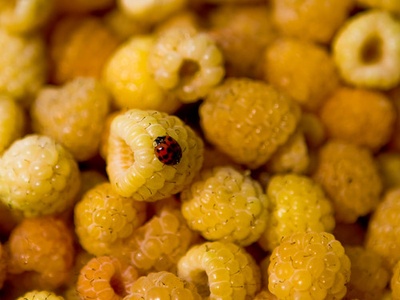
| Yellow raspberry | Simbu/Thimbleberry | Rubus ellipticus | Mid-hills and forests, 700–2,500 m; May–August |
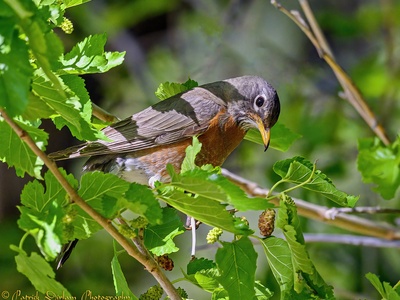
| Mulberry | Tuta | Morus alba | Nationwide in hills and lowlands, 200–2,000 m; May–July |
| Pomegranate | Dalimbu | Punica granatum | Mid-hills and lower valleys, 400–2,000 m; September–November |
| Amla (Indian gooseberry) | Amla | Phyllanthus emblica | Terai to mid-hills, 300–1,800 m; October–March |
| Jujube (Ber) | Ber | Ziziphus mauritiana | Terai and Siwalik, 100–600 m; February–May |
| Jamun (Java plum) | Jamun | Syzygium cumini | Terai and lower hills, 100–1,200 m; June–August |
| Fig | Anbe | Ficus carica | Mid-hills and valleys, 500–2,000 m; July–September |
| Cluster fig (Gular) | Gular | Ficus racemosa | Terai and foothills, 100–800 m; June–August |
| Tamarind | Imli | Tamarindus indica | Terai and lowland gardens, 0–800 m; December–April |
| Coconut | Nariyal | Cocos nucifera | Terai and river plains, 0–200 m; year-round with local harvests |
| Walnut | Akhrot | Juglans regia | Mid- to high-hills, 1,200–3,000 m; October–December |
| Sea buckthorn | Argum | Hippophae rhamnoides | Trans-Himalayan and alpine scrub, 1,800–4,200 m; August–October |
| Persimmon | Khubani/Sharifa | Diospyros kaki | Mid-hills and valleys, 800–1,800 m; October–December |
| Loquat | Loquat | Eriobotrya japonica | Mid-hills and Kathmandu valley, 800–1,800 m; March–May |
| Bael | Bel | Aegle marmelos | Terai and Siwalik, 0–700 m; March–May |
| Phalsa | Phalsa | Grewia asiatica | Terai and lower hills, 100–900 m; May–July |
| Sapodilla (Chikoo) | Chikoo | Manilkara zapota | Terai and warm lowlands, 100–900 m; August–January |
| Karonda (Carissa) | Karaunda | Carissa carandas | Terai and lower hills, 100–800 m; June–September |
Images and Descriptions
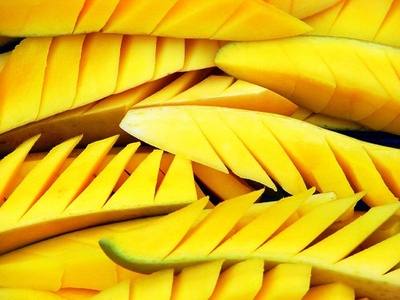
Mango
Sweet, fibrous yellow-orange flesh with a fragrant aroma; grown across the Terai and lowland valleys. Eaten fresh, in pickles and chutneys, dried or used in sweets; a culturally important summer fruit sold widely at markets.
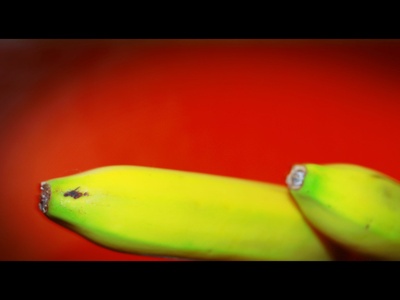
Banana
Soft, creamy yellow fruit eaten raw or cooked; grown throughout the Terai and lower hills. Used for snacks, desserts, deep-fried fritters, and religious offerings; many local cultivars are eaten fresh or made into chips and porridge.
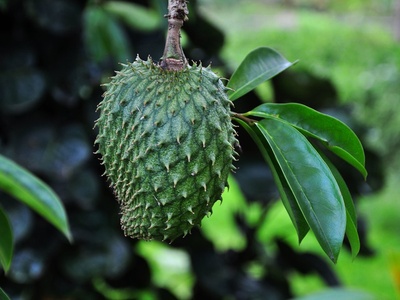
Jackfruit
Large, spiky green fruit with sweet yellow bulbs inside; common in rural Terai and lowland gardens. Bulbs eaten fresh or cooked, seeds boiled or roasted; used in curries, jams and as a seasonal street food.
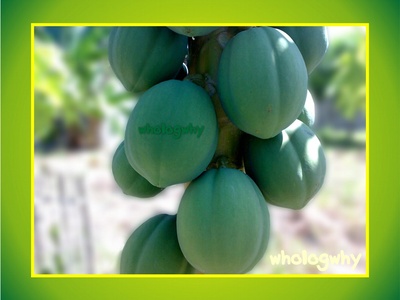
Papaya
Soft orange flesh with large black seeds; grown in backyards and orchards across the Terai. Eaten fresh, in salads, smoothies, and used green in curries or tenderizers. Widely used for digestive benefits.
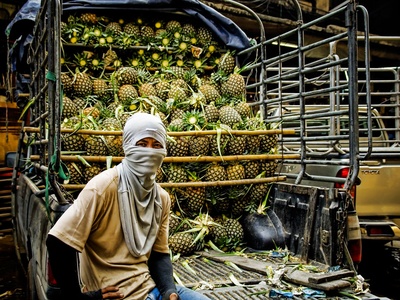
Pineapple
Tropical, sweet-sour segmented fruit with spiny skin; cultivated in Terai and warmer lower hill pockets. Eaten fresh, juiced, canned, or used in chutneys and desserts; farmed commercially in some districts.
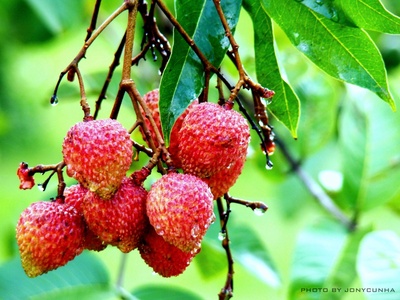
Litchi
Rough red-skinned fruit with translucent sweet flesh and a central seed; famous in eastern Terai districts. Eaten fresh, in cold drinks or preserved; seasonal favorite with short, intense harvest windows.
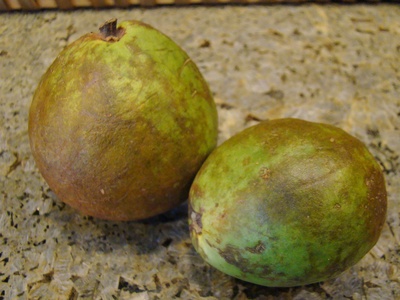
Guava
Green-skinned fruit with white or pink grainy flesh; common in backyard trees across Terai and hills. Eaten raw, in chutneys, jams, juices and salads; valued for vitamin C and versatile uses.
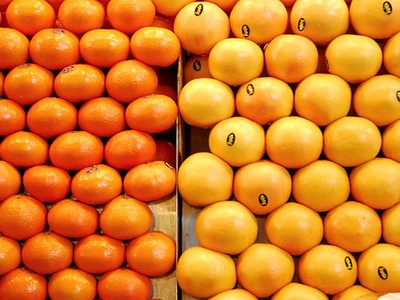
Orange
Round sweet citrus with orange rind and segments; grown commercially in Terai and lower hills. Eaten fresh, juiced, or used in marmalades; important winter fruit with regional varieties.
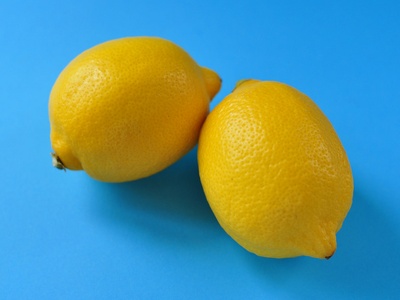
Lemon
Small acidic yellow citrus used widely as condiment; grown in home gardens and orchards. Used for flavoring, pickles, beverages and traditional remedies; essential in Nepali kitchens.
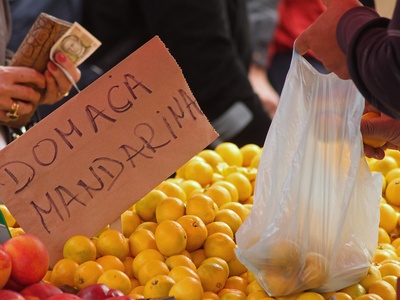
Mandarin
Small sweet citrus with loose skin and easy-to-segment flesh; popular winter fruit in many regions. Eaten fresh or juiced and used in local markets; many local cultivars exist.
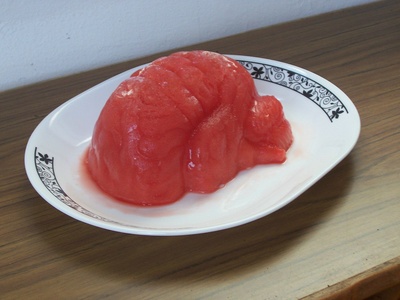
Watermelon
Large green-skinned fruit with juicy red or pink flesh and black seeds; widely grown in Terai fields. Eaten fresh, in cooling drinks and salads; cheap and popular summer refreshment.
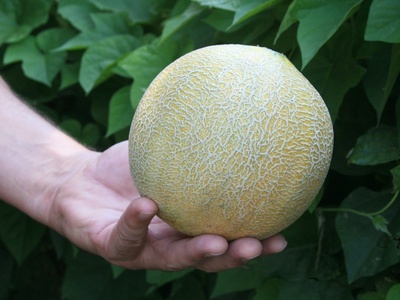
Muskmelon
Aromatic orange or green flesh inside netted rind; cultivated in warmer plains. Eaten raw, in fruit salads, or as a dessert; often sold by roadside vendors in summer.
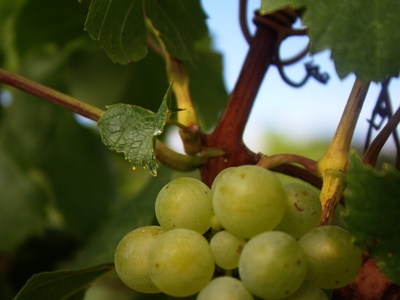
Grapes
Clusters of sweet or tart berries used fresh, dried or fermented; grown in mid-hill vineyards and backyard trellises. Eaten fresh, made into wine or raisins; small-scale commercial cultivation growing.
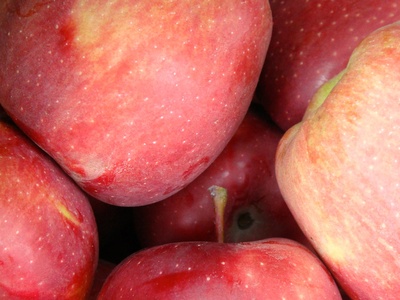
Apple
Crisp, round fruits ranging from sweet to tart; major hill crop in mid-hill orchards. Eaten fresh, dried or cooked into jams; important cash crop in rural economies and hill markets.
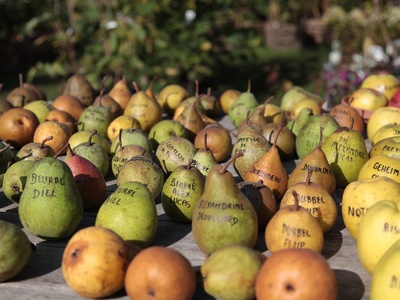
Pear
Juicy, bell-shaped fruit with sweet or grainy flesh; grown in orchards of hill districts. Eaten fresh, canned or stewed; used locally and sold at seasonal markets.
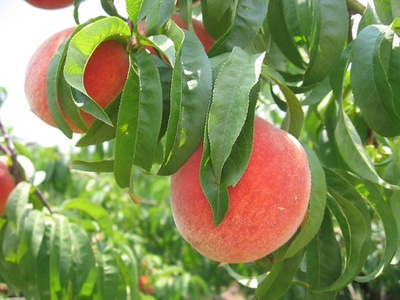
Peach
Fuzzy-skinned stone fruit with sweet aromatic flesh; common in home orchards and farms. Eaten fresh, in jams, dried or cooked; several local varieties suit hill climates.
Apricot
Small orange stone fruit with sweet-sour flesh; vital in dry high-altitude districts and Trekking regions. Eaten fresh, sun-dried, or used in preserves and local spirits.

Plum
Round to oval stone fruit with sweet to tart flesh; cultivated in hill orchards and wild in forests. Eaten fresh or dried, used in jams and local recipes.
Strawberry
Small red, aromatic berries grown in terraces and greenhouses; popular for fresh eating, jams and desserts. Cultivation has expanded near cities for fresh markets and agritourism.
Yellow raspberry
Bright yellow edible raspberry found wild and in gardens across hills. Sweet-tart and eaten fresh or in jams; valued locally and foraged during summer months.
Mulberry
Sweet or mildly tart small dark berries from backyard trees; eaten fresh, dried or used for jams. Leaves feed silkworms; fruits are common in village diets and markets.
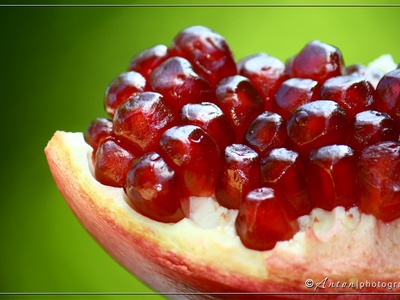
Pomegranate
Red-seeded fruit with juicy arils that are sweet-tart; grown in orchards and homesteads. Eaten fresh, juiced or used in chutneys and traditional medicines.
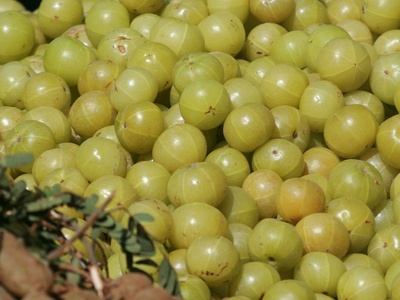
Amla (Indian gooseberry)
Small hard, fibrous pale-green fruit with very sour taste; used fresh, pickled, candied and in Ayurvedic remedies. Valued for high vitamin C and medicinal uses.
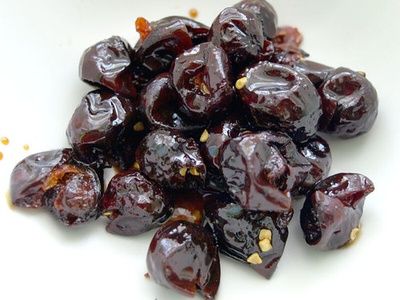
Jujube (Ber)
Small oval to round fruit with sweet flesh when ripe; common in drier lowland gardens. Eaten fresh, sun-dried, or used in preserves and traditional snacks.
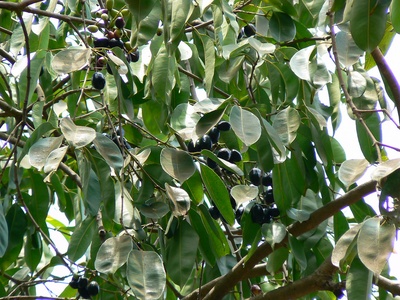
Jamun (Java plum)
Dark-purple oblong berries with sweet astringent taste; common in Terai groves and riverine areas. Eaten fresh, used in sherbets, jams and traditional diabetes remedies.
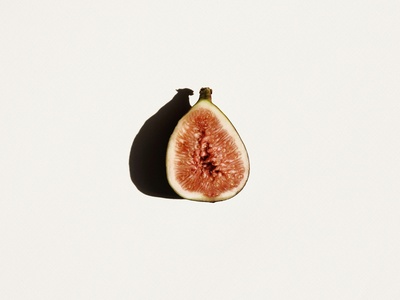
Fig
Soft, sweet teardrop-shaped fruits with seedy interior; grown in home gardens and orchards. Eaten fresh or dried, used in desserts and traditional medicine.
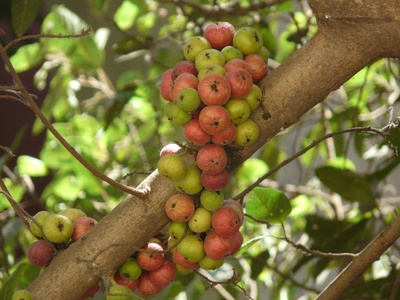
Cluster fig (Gular)
Multiple small figs forming clusters on trunk and branches; found along riverbanks and villages. Eaten fresh, boiled, or used in local fermented foods and medicines.
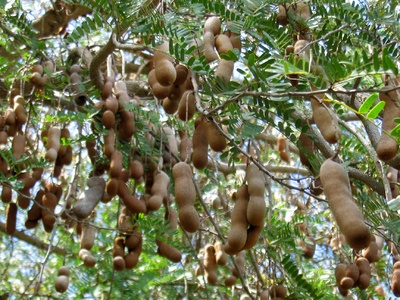
Tamarind
Brown pod with tangy-sour pulp used as souring agent; common in Terai and warmer areas. Used in chutneys, curries, drinks and traditional remedies.
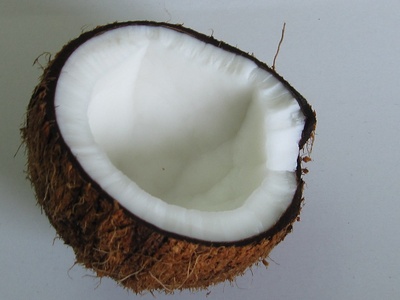
Coconut
Large fibrous drupe with water and white kernel; grown along lowland homesteads and riverbanks. Widely used for oil, cooking, sweets and religious functions.
Walnut
Hard-shelled drupes with rich edible kernels; common in hill orchards and wild stands. Used for oil, snacks, baking and seasonal trade; important income source in some regions.
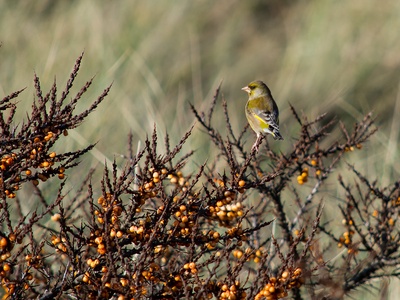
Sea buckthorn
Small bright orange sour berries rich in vitamin C; grow on shrubs in dry high-altitude regions. Used for juices, oils and traditional medicine, prized for nutrition.
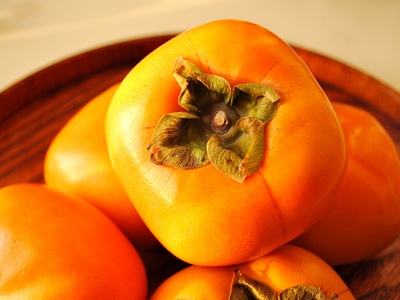
Persimmon
Orange, sweet to astringent pulp in smooth-skinned fruits; cultivated in hill orchards and home gardens. Eaten fresh or dried; used in desserts and local preserves.
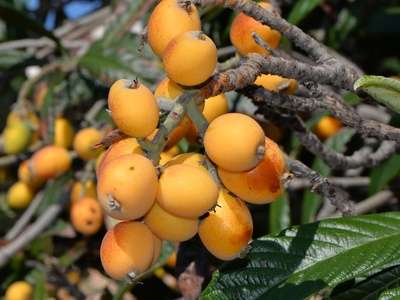
Loquat
Small yellow-orange fruit with sweet-tart flesh from evergreen trees; found in gardens and city landscapes. Eaten fresh or made into jams and syrups.
Bael
Hard-shelled aromatic fruit with dry fibrous pulp used fresh and in sherbets; common near temples and homesteads. Used for digestive tonics, jams and religious offerings.
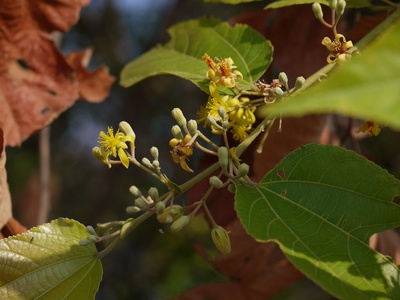
Phalsa
Small purplish berry with sweet-sour taste; sold as a cooling summer fruit and drink ingredient. Eaten fresh, in sherbets and used locally for cooling remedies.
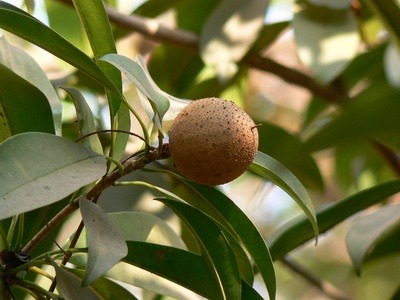
Sapodilla (Chikoo)
Brown-skinned sweet grainy flesh with caramel flavor; grown in homesteads and orchards in warmer pockets. Eaten fresh, used in desserts and sold in local markets.
Karonda (Carissa)
Small oval red to black berries with tangy flavor; grown as hedge and fruit shrub. Used in pickles, chutneys and preserves and in seasonal local cooking.