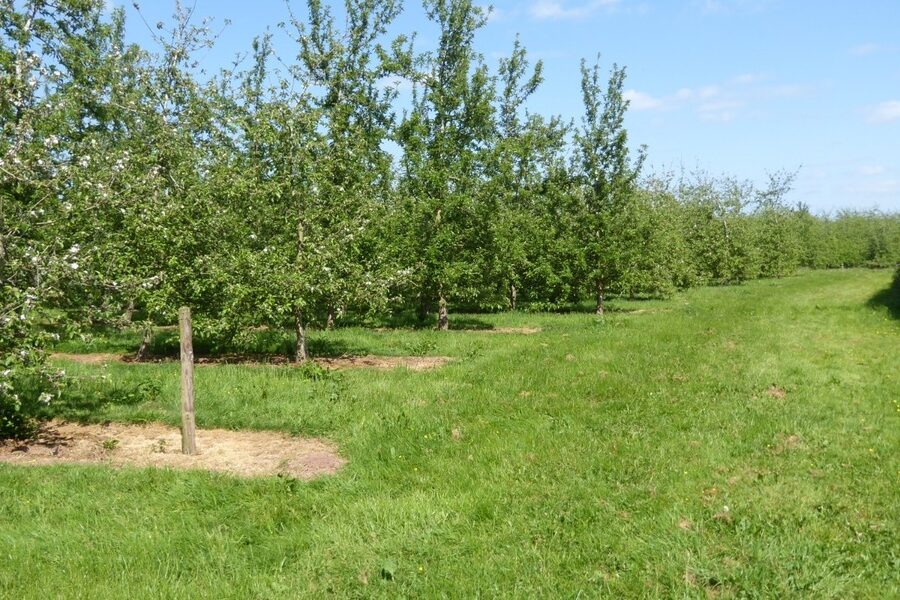
Belgium’s mix of coastal winds, river valleys and small-scale orchards supports a surprising range of fruit grown by hobby gardeners and local producers alike. City allotments and countryside orchards each contribute to what you can harvest or buy across the country.
There are 30 Fruits of Belgium, ranging from Apple to Walnut. Each entry includes Scientific name,Main regions,Season (months) to help you identify varieties and timing — you’ll find below.
When are these fruits typically in season across Belgium?
Seasonality varies by species but generally follows a spring-to-autumn pattern: early berries and cherries in late spring to early summer, stone and pome fruits through summer, and nuts like walnut in autumn; specific months for each fruit are listed in the Season (months) column so you can plan visits or harvesting.
Where can I buy these fruits locally or taste them fresh?
Many appear at farmers’ markets, farm shops and local co‑ops during their peak months; supermarkets and importers fill gaps off‑season, and small producers often sell direct or by subscription—check the Main regions column to find likely local sources.
Fruits of Belgium
| Name | Scientific name | Main regions | Season (months) |
|---|---|---|---|
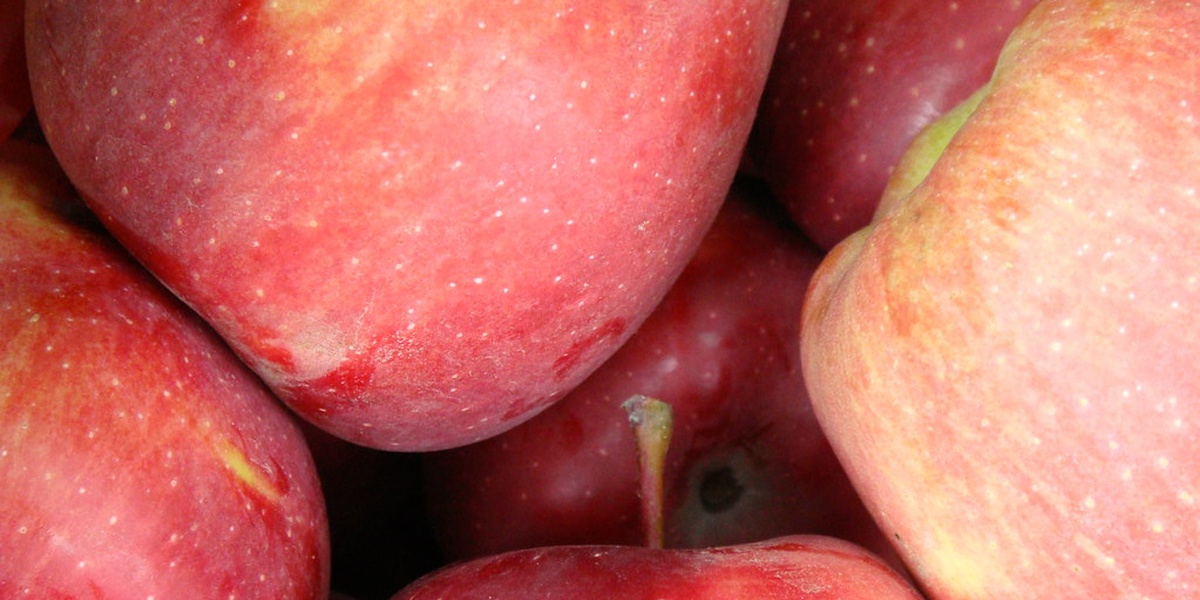
| Apple | Malus domestica | Hesbaye,West Flanders,East Flanders,Flemish Brabant,Hainaut | Aug-Oct |
| Pear | Pyrus communis | Hesbaye,West Flanders,East Flanders,Flemish Brabant,Hainaut | Aug-Oct |
| Sweet cherry | Prunus avium | Hageland,Haspengouw,Hainaut,Liège | Jun-Jul |
| Sour cherry | Prunus cerasus | Leuven,Hainaut,Hesbaye | Jun-Jul |
| Plum | Prunus domestica | Hesbaye,Hainaut,Flanders | Aug-Sep |
| Greengage | Prunus domestica subsp. italica | Hesbaye,Flemish fruit districts,Hainaut | Aug-Sep |
| Strawberry | Fragaria × ananassa | West Flanders,Limburg,East Flanders | May-Jun |
| Raspberry | Rubus idaeus | West Flanders,Limburg,Hainaut | Jun-Aug |
| Blackberry | Rubus fruticosus agg. | Hedgerows,Flanders,Ardennes | Jul-Sep |
| Blueberry | Vaccinium corymbosum | Hainaut,Limburg,South Belgium | Jul-Aug |
| Redcurrant | Ribes rubrum | Flanders,Wallonia,garden plots | Jun-Aug |
| Blackcurrant | Ribes nigrum | Limburg,Hainaut,Flanders | Jul-Aug |
| Gooseberry | Ribes uva-crispa | Flanders,Wallonia,gardens | Jun-Jul |
| Elderberry | Sambucus nigra | Hedgerows,Ardennes,Wallonia | Aug-Sep |
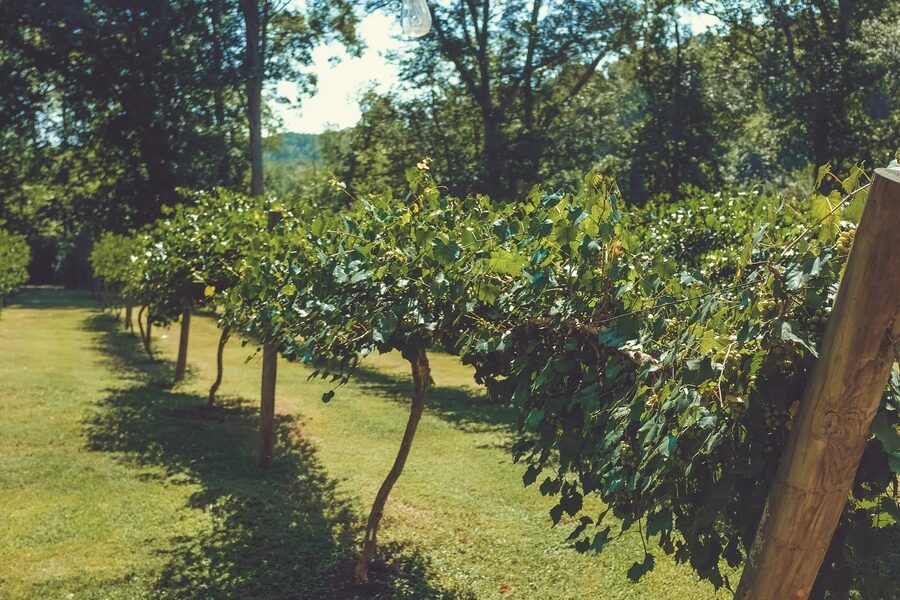
| Grape | Vitis vinifera (and hybrids) | Hageland,Heuvelland,Haspengouw,Limburg,West Flanders | Sep-Oct |
| Quince | Cydonia oblonga | Hesbaye,Flemish Brabant,Hainaut,gardens | Oct-Nov |
| Medlar | Mespilus germanica | Older orchards,gardens,Hesbaye | Oct-Nov |
| Walnut | Juglans regia | Hesbaye,Flemish Brabant,Wallonia,gardens | Sep-Oct |
| Hazelnut | Corylus avellana | Hedgerows,gardens,small farms | Sep-Oct |
| Chestnut | Castanea sativa | Ardennes,Wallonia,parks,gardens | Oct-Nov |
| Fig | Ficus carica | Sheltered gardens,Brussels microclimates,wall sites | Aug-Sep |
| Apricot | Prunus armeniaca | Sheltered zones,Hainaut,Hesbaye | Jul |
| Peach | Prunus persica | Sheltered microclimates,greenhouses,Flanders | Jul-Aug |
| Nectarine | Prunus persica var. nucipersica | Sheltered gardens,glass houses | Jul-Aug |
| Sloe | Prunus spinosa | Hedgerows across Belgium | Sep-Oct |
| Bilberry | Vaccinium myrtillus | Ardennes,upland heath | Jul-Aug |
| Serviceberry | Amelanchier spp. | Gardens,small orchards,Flanders,Wallonia | Jun |
| Rowan | Sorbus aucuparia | Hedgerows,Ardennes,parks | Sep-Oct |
| Aronia | Aronia melanocarpa | Small farms,Hainaut,Flanders | Aug-Sep |
| Damson | Prunus domestica subsp. insititia | Hedgerows,older orchards,village gardens | Sep |
Images and Descriptions
Apple
The main commercial fruit in Belgium, apples are harvested Aug–Oct and used raw, in pies, sauces and local ciders; many orchards and storage varieties supply markets, and they are appreciated in traditional Flemish cooking.
Pear
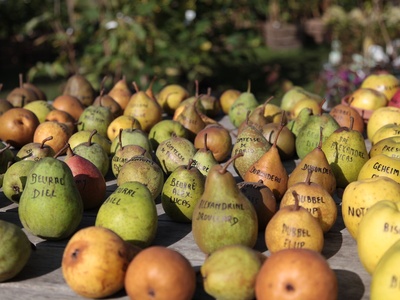
Pears are grown widely in Belgian orchards, eaten fresh, poached or used in tarts and jams; varieties include dessert and cooking types, harvested late summer to autumn and valued for local preserves and seasonal markets.
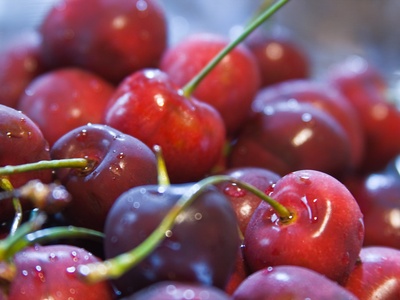
Sweet cherry
Sweet cherries are summer favorites, eaten fresh and used in desserts; small Belgian orchards and backyard trees supply markets and are celebrated in local village festivals, often sold at markets and festivals throughout Flanders.
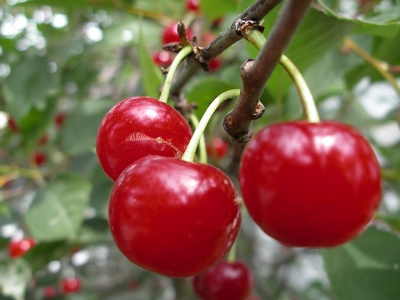
Sour cherry
Sour cherries (Morello-type) are prized for kriek beers, jams and baking; smaller commercial plantings and home trees provide fruit for preserves and local breweries, especially in regions around Leuven and Hainaut.

Plum
Plums and damsons are used fresh, for tarts, jams and eau-de-vie; Belgian orchards grow European plums and traditional backyard varieties prized for baking, across Wallonia and Flanders, with autumn markets and artisanal preserves.
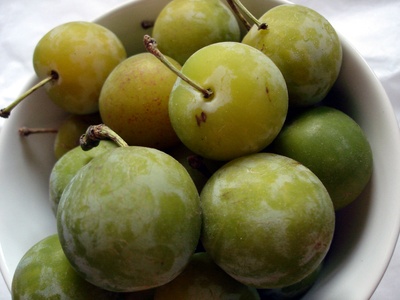
Greengage
Greengage (Reine Claude) plums are sweet, often used for tarts, preserves and fresh eating; grown in garden orchards and small commercial plots in Belgium, notably in Hesbaye and Flemish fruit districts.
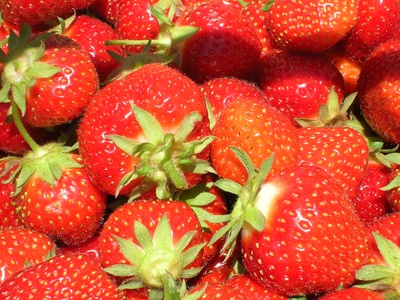
Strawberry
Strawberries are a major summer crop, sold at farm stalls and markets; used fresh, in desserts and preserves; many growers supply pick-your-own, local processing and festivals where seasonal berries are celebrated.
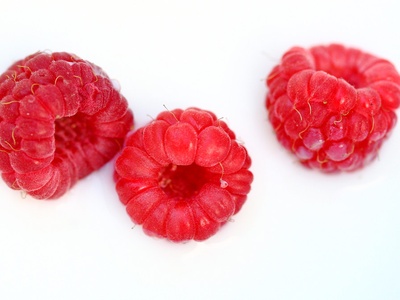
Raspberry
Raspberries are grown for fresh markets and jam production; summer harvests feed bakeries, dessert makers and local preserves, with both summer-fruiting and autumn-fruiting varieties commonly available at farmers’ markets throughout Belgium.
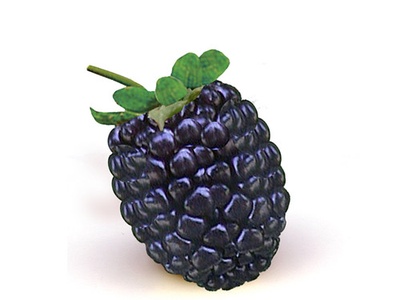
Blackberry
Blackberries grow wild in hedgerows and are also cultivated; picked late summer, they are used in jams, desserts and liqueurs, and foraging remains popular in rural areas, especially in the Ardennes and Flemish countryside.
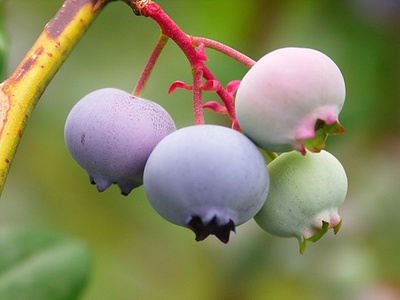
Blueberry
Cultivated blueberries are increasing in Belgium for fresh sales and processing; grown on acid soil plots, sold fresh and used in desserts, jams and small local processing facilities, notably in southern provinces.
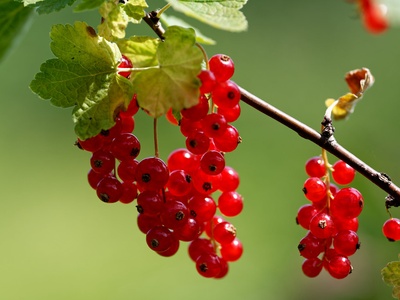
Redcurrant
Redcurrants are tart berries for jellies, sauces and decorative uses; small-scale plantings and garden bushes supply markets and home cooks for summer preserves and traditional Belgian desserts and are common in village gardens.
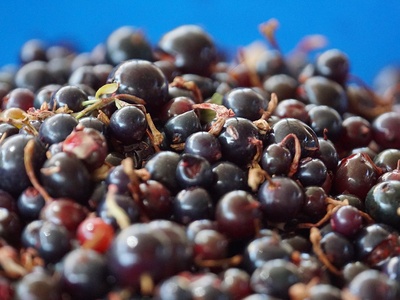
Blackcurrant
Blackcurrants are grown for jams, syrups and flavoring; more common in commercial smallholdings and home gardens, used in preserves and baking through summer and autumn and in artisanal liqueurs across Belgium.
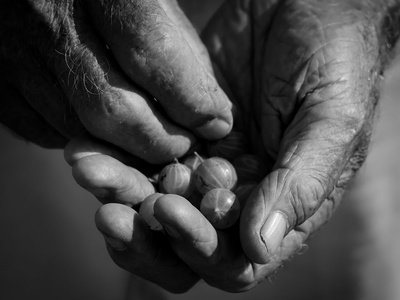
Gooseberry
Gooseberries are tart to sweet fruit used in jams, pies and sauces; traditional garden bushes and small farms provide seasonal fruit for preserves and desserts, popular in home canning and common in Flemish gardens.
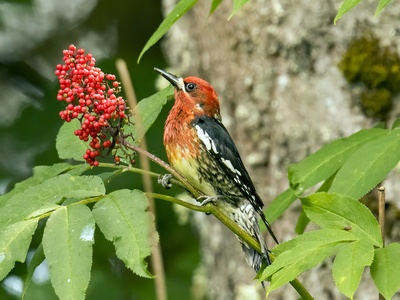
Elderberry
Elderberries grow wild and are harvested for syrups, cordials, jams and medicinal preparations; berries are usually cooked or processed, not eaten raw, and they are used in traditional Belgian remedies and artisanal preserves.
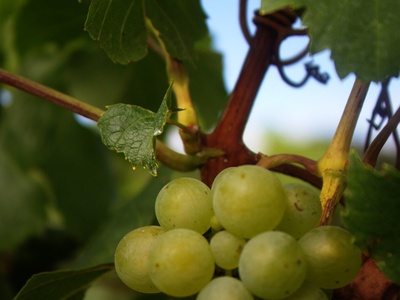
Grape
Belgian viticulture is growing: cool-climate wine grapes and table grapes are farmed in Hageland, Heuvelland and Haspengouw and other regions; used for sparkling and still wines, cider-style blends and local table fruit.
Quince
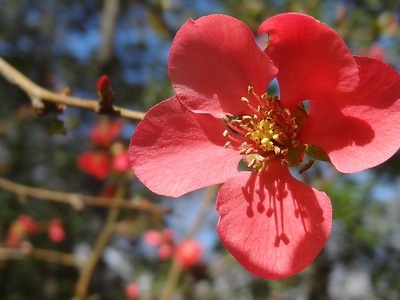
Quinces are aromatic, astringent fruits cooked into jellies, pastes and tarts; traditional in Belgium for preserves and autumnal baking, often from garden trees and farmhouse kitchens, valued for long-keeping preserves.
Medlar
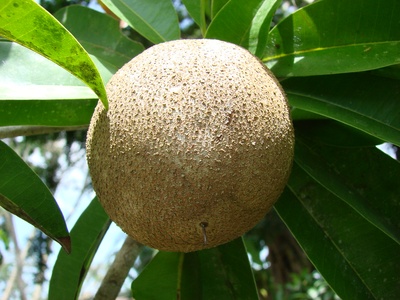
Medlars are niche heritage fruits, bletted to edible softness; historically grown in Belgian gardens, used in preserves, jellies and as a curiosity in traditional kitchens and by foragers in some villages.
Walnut
Walnut trees are common in gardens and small orchards; nuts are used in baking, salads and local confectionery, and green walnuts are pickled for preserves, with seasonal markets selling shelled walnuts.
Hazelnut
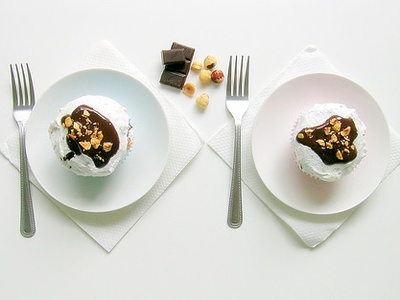
Hazelnuts grow in hedgerows and small plots; eaten raw, roasted or used as praline fillings and baking ingredients in Belgian patisserie and praline making, and local chocolatiers source small volumes.
Chestnut
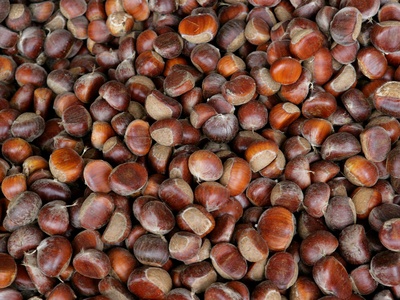
Sweet chestnuts are found on park and forest trees, sold roasted in winter markets; used in stuffing, desserts and traditional seasonal dishes, and small producers make chestnut purée and marrons glacés.
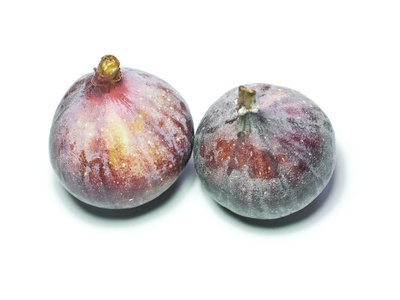
Fig
Figs are grown in sheltered gardens and against warm walls; season is short and fruit is eaten fresh or preserved, with small-scale local growers, hobbyists and occasional sales at farmers’ markets.
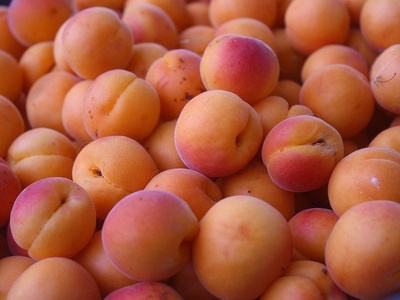
Apricot
Apricots are grown on a small scale in warm microclimates and tunnels; used fresh, for jams and drying, though production is limited by cool climate and often sold locally when available.
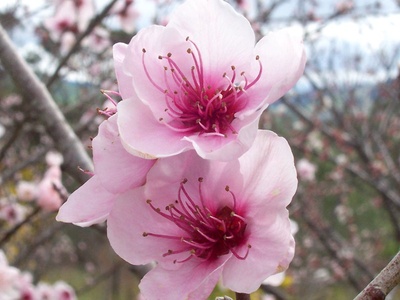
Peach
Peaches are produced in small quantities, often under protection or in microclimates; eaten fresh, used in preserves and sometimes sold at local markets, while home gardeners grow hardier varieties for summer use.
Nectarine
Nectarines are rare but cultivated in sheltered gardens or under glass; enjoyed fresh or in summer desserts during short availability windows and sold locally if harvest permits, mainly by hobby growers.
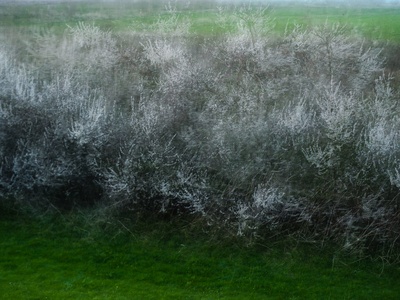
Sloe
Sloes are wild blackthorn berries used to flavor gin-like liqueurs, jams and preserves; typically foraged in hedgerows and processed after frost to reduce bitterness, common in rural Belgium and used by home distillers.
Bilberry
Bilberries (wild blueberries) grow in the Ardennes and upland heath; collected by foragers and used in jams, pancakes and traditional desserts, prized locally though not widely cultivated and sold occasionally at market stalls.
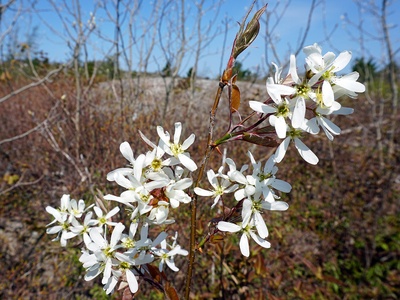
Serviceberry
Serviceberries produce sweet, blueberry-like fruits eaten fresh or in preserves; often grown in gardens and small permaculture plots for early summer harvests and used by artisan bakers in local markets.
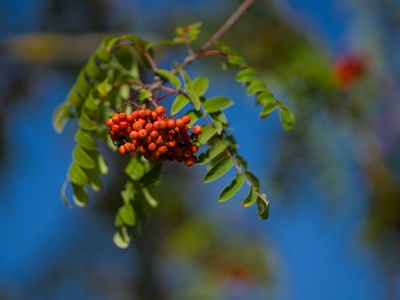
Rowan
Rowan berries are bitter and astringent but used cooked into jellies, syrups and flavoring; mainly wild or ornamental trees with occasional use in preserves, not a mainstream fruit but part of rural traditions.
Aronia
Aronia berries are tart, antioxidant-rich fruits grown by a few Belgian producers for juice, jams and dietary products; mainly small-scale cultivation for processing rather than fresh sales, sometimes sold at farmers’ markets.
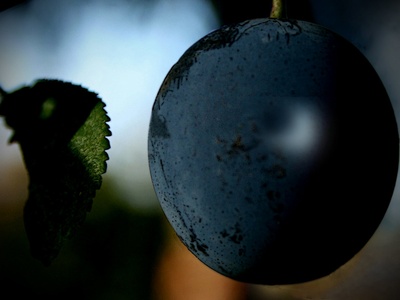
Damson
Damsons are tart small plums used for jams, gin flavoring and baking; common in hedgerows, traditional orchards and village preserves across Belgium, particularly in older gardens and artisanal liqueurs, seasonally prized.