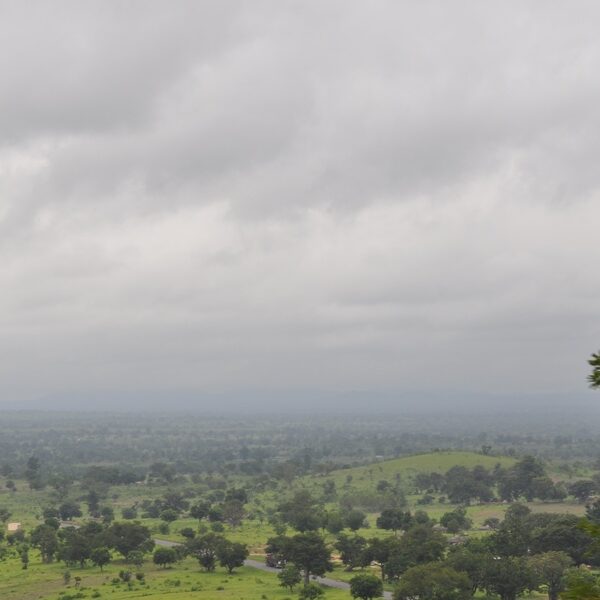
In 1971 Portugal designated Peneda-Gerês as its only national park, protecting 695 km² of mountains and forests—the same landscape that still shelters elusive species like the Iberian wolf.
For a country of modest size, Portugal supports a surprising range of habitats: an extensive Atlantic coast, two oceanic archipelagos (Madeira and the Azores) and mountain systems in the north. Those contrasts pack a lot of ecological variety into a compact area, which in turn shapes local economies, traditional pastoralism and growing nature-based tourism.
From estuary dolphins to rare forest cats, the wildlife of portugal tells a story of recovery, pressure and community action. Read on for eight emblematic species grouped by coastal/marine, forest/mountain mammals, birds, and reptiles or amphibians—each illustrates conservation challenges and successes.
Coastal and Marine Life
Portugal’s long Atlantic margin and island territories are vital for marine biodiversity and migratory birds. Coastal lagoons, estuaries and offshore waters sustain fisheries, support tourism and host seasonal visitors from across Europe and Africa.
Protected areas such as Ria Formosa Natural Park and monitoring by ICNF, IPMA and NGOs like SPEA help track trends and manage pressures from development, fishing and pollution. Local volunteer networks also play a big role in nest monitoring and beach protection.
1. Bottlenose Dolphin (Estuaries like Sado)
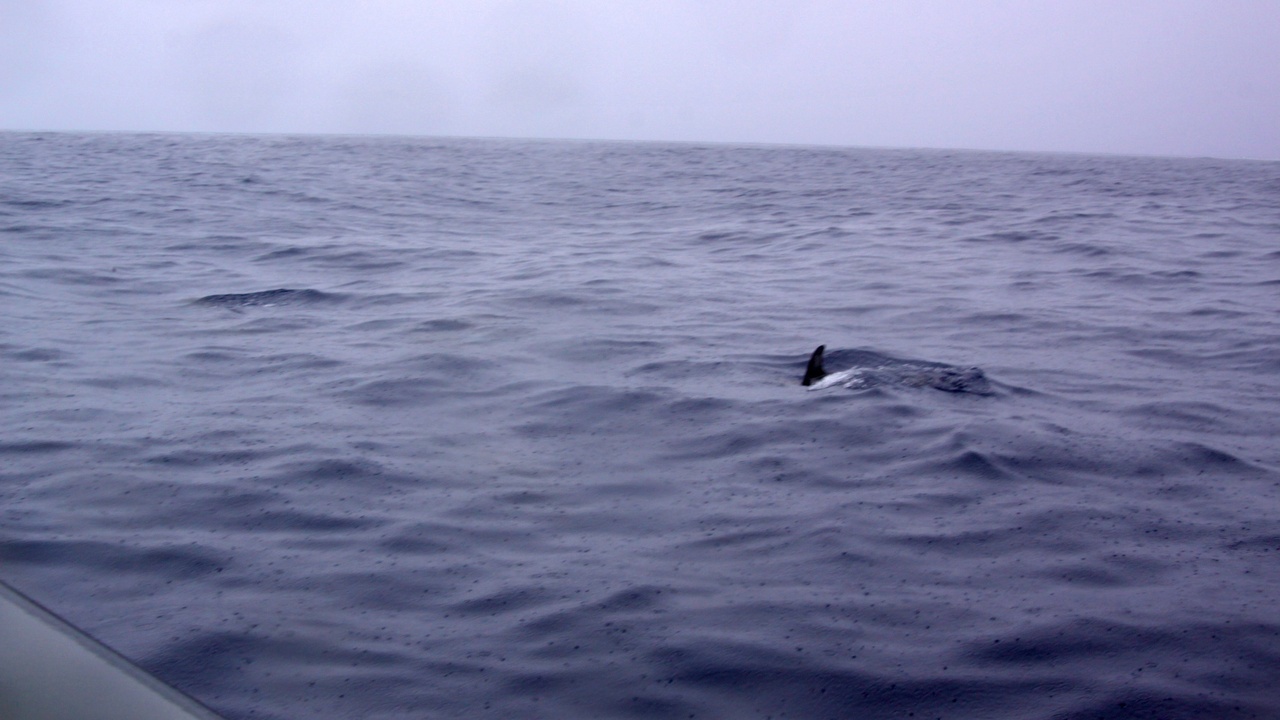
Portugal hosts small resident groups of bottlenose dolphins, with the Sado Estuary population estimated at about 30–40 individuals. That makes them an especially local, familiar presence on the Setúbal coast.
Researchers from the University of Lisbon and teams working with ICNF conduct photo-identification and long-term surveys to monitor health and trends. Those data inform boat-spacing rules and seasonal guidance for wildlife-watching operators.
Dolphins are a clear example of how wildlife underpins coastal economies: dolphin-watching tours in Sado generate income and raise awareness, while healthy estuaries also support shellfish and small-scale fisheries. Threats include bycatch, heavy boat traffic and habitat degradation, which is why disturbance mitigation and fisheries collaboration matter.
2. Loggerhead Sea Turtle (Caretta caretta) – nesting beaches
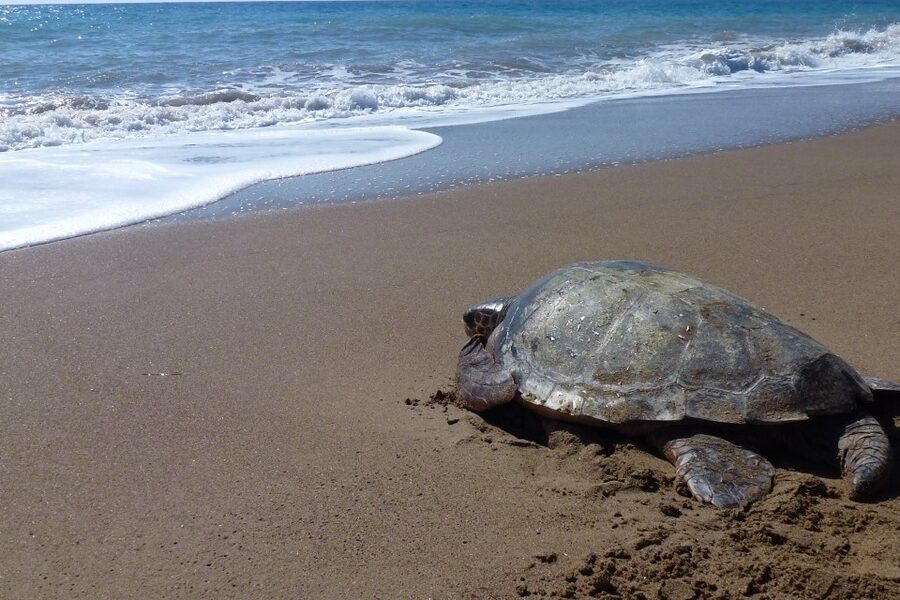
Loggerhead turtles use Portuguese shores and adjacent waters for feeding and occasional nesting, especially around the Algarve and on island beaches. Volunteers and NGOs record dozens of nests annually across monitored sites on the mainland and islands.
Local programs—often coordinated by ICNF, SPEA and municipal teams—run night patrols, relocate vulnerable nests when necessary and enforce lighting rules so hatchlings can find the sea. Community volunteers log sightings and support hatchling releases in places like Ria Formosa.
Main threats remain coastal development, light pollution and marine debris, but practical measures such as protected beach stretches, signage, and nest-relocation protocols have measurably improved hatchling survival at monitored beaches.
Forest and Mountain Mammals
Peneda-Gerês National Park (established 1971) and the northern mountain forests act as refuges for Portugal’s larger mammals. Those areas still support traditional pastoralism, which both shapes and sometimes conflicts with carnivore conservation.
Land management that integrates grazing, afforestation control and targeted protections helps maintain habitat connectivity. Across mountains and coast, the wildlife of portugal benefits when local livelihoods and conservation measures align.
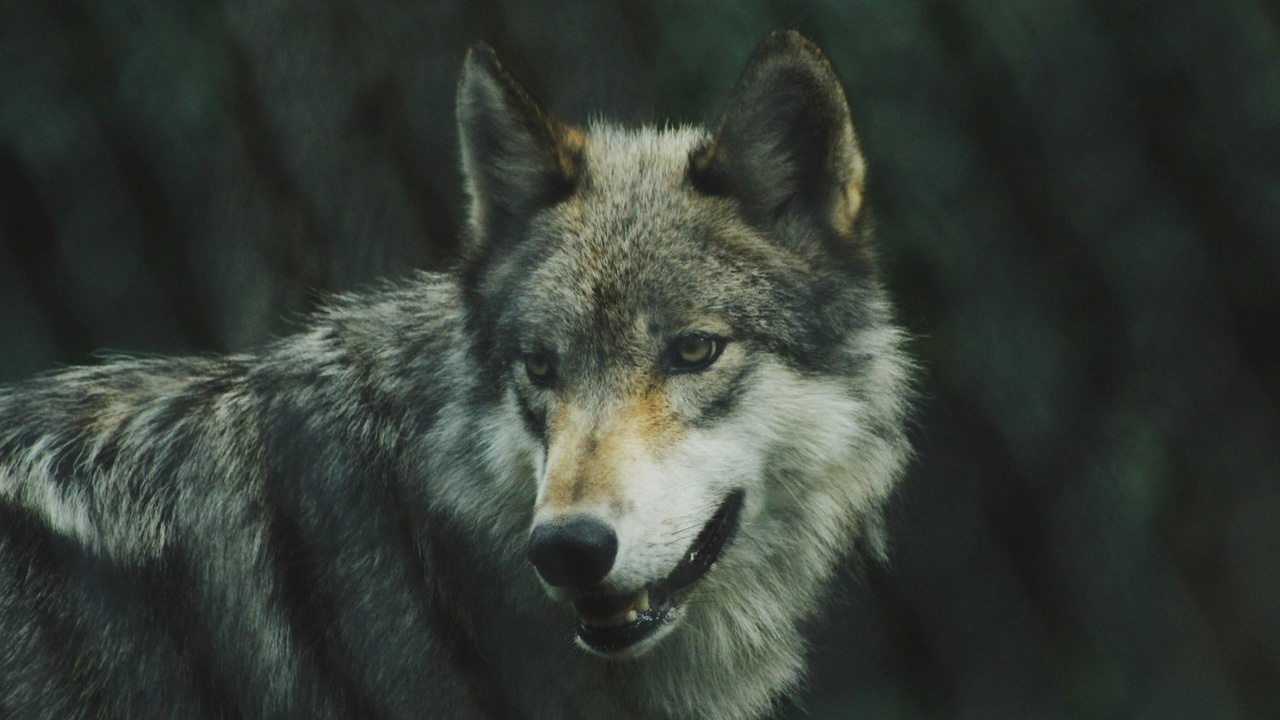
3. Iberian Wolf (Canis lupus signatus)
The Iberian wolf is a signature predator concentrated in northern Portugal. Historically persecuted, its distribution contracted sharply but has stabilized or shown modest recovery in some northern ranges.
Regional ICNF surveys and academic teams document packs and movement corridors, while practical measures—guardian dogs, reinforced fencing and compensation schemes—reduce livestock losses and local conflict. Shepherds and conservationists increasingly work together to test non-lethal deterrents.
Wolves also attract a type of wildlife tourism that brings extra income to remote areas, creating incentives for coexistence. Ongoing monitoring and community engagement remain essential to maintain those gains.
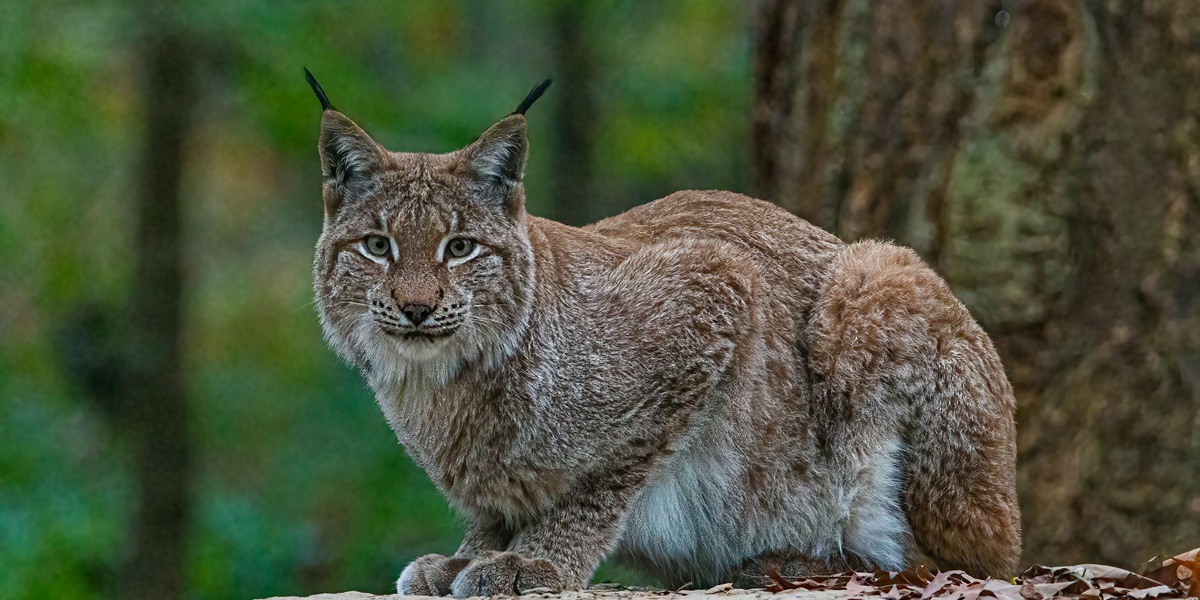
4. Iberian Lynx (Lynx pardinus) — a conservation comeback
The Iberian lynx was once the world’s most endangered cat and has been the focus of intensive recovery work across the peninsula. Concerted action helped raise numbers from fewer than 100 individuals in 2002 to over 1,000 by 2020 across Spain and Portugal.
Portugal has participated in reintroduction and habitat-restoration efforts, combined with captive-breeding releases and rabbit population management to rebuild prey bases. ICNF, SPEA and Spanish partners coordinated many of those programs.
The lynx comeback shows targeted conservation can reverse extreme declines, but threats like habitat fragmentation and road mortality persist and require continued planning and mitigation.
Birds: Wetlands and Raptors
With more than 450 species recorded, Portugal is an important stopover and wintering area on Atlantic flyways. Estuaries, salt pans and mountain ridges host both massive wetland flocks and territorial raptors.
Sites like the Tagus Estuary, Ria Formosa and Castro Marim salt pans are internationally important for staging and wintering birds, and fieldwork by BirdLife/SPEA helps guide habitat protection and visitor management.
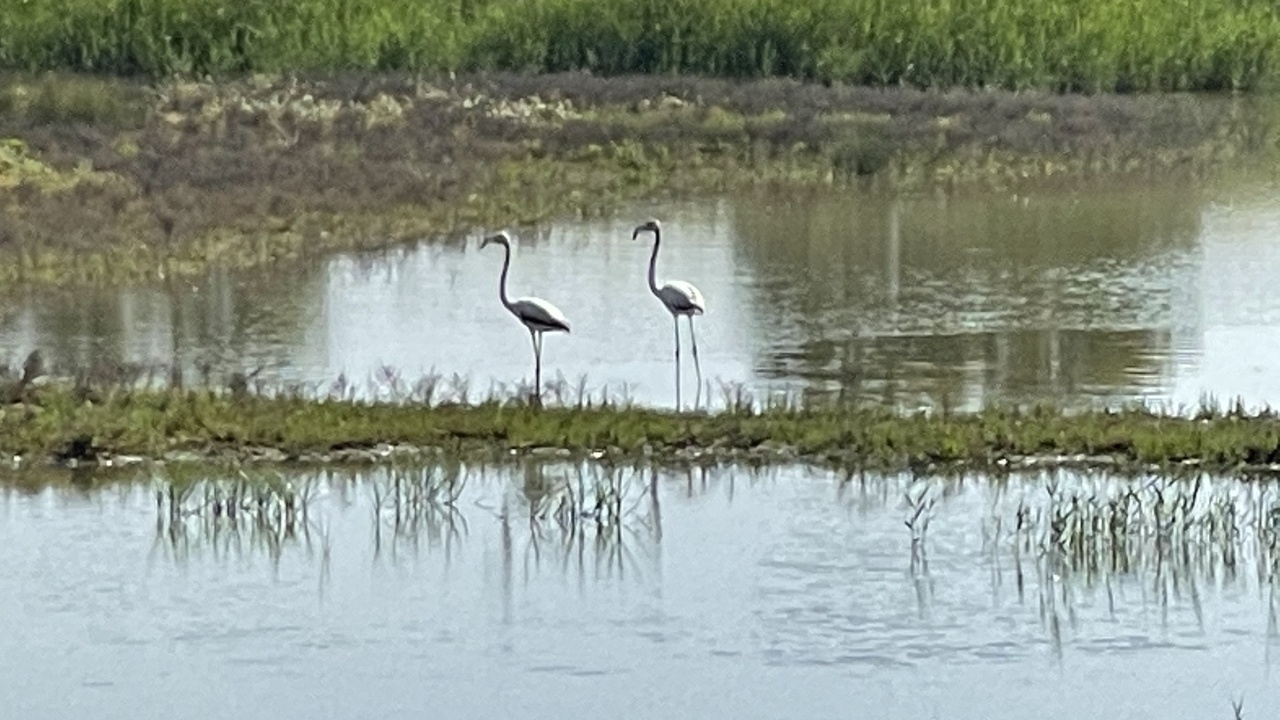
5. Greater Flamingo (Phoenicopterus roseus)
Greater flamingos gather in estuaries and salt pans, especially in the Tagus and Algarve regions. At peak times, counts can reach several hundred to low thousands, making these sites key for birdwatching and conservation.
Flamingo viewing supports local guides and salt-pan conservation schemes; Castro Marim and the Tagus hosts regular counts and guided tours organized with SPEA and reserve staff. Pressures include land reclamation and water-quality issues, so maintaining tidal flats and clean input waters is critical.
6. Bonelli’s Eagle (Aquila fasciata) and other raptors
Bonelli’s eagle occupies cliffs and rugged terrain and serves as an indicator of a healthy prey base and undisturbed landscape. Iberian populations are relatively small and have been vulnerable to nest disturbance and poisoning.
Conservation focuses on nest protection, monitoring and anti-poisoning campaigns led by SPEA and regional partners. Those actions often involve community outreach and working with landowners to keep feeding areas and nesting cliffs safe.
Reptiles, Amphibians and Invertebrates
Smaller species—lizards, amphibians and invertebrates—are often overlooked but they’re vital for soil health, pest control and food webs. Southern Portugal contains range-edge populations and a few near-endemics that depend on intact microhabitats.
Protecting scrub, hedgerows and humid forest patches benefits these taxa and the wider ecosystem services they provide, from pollination to decomposition.
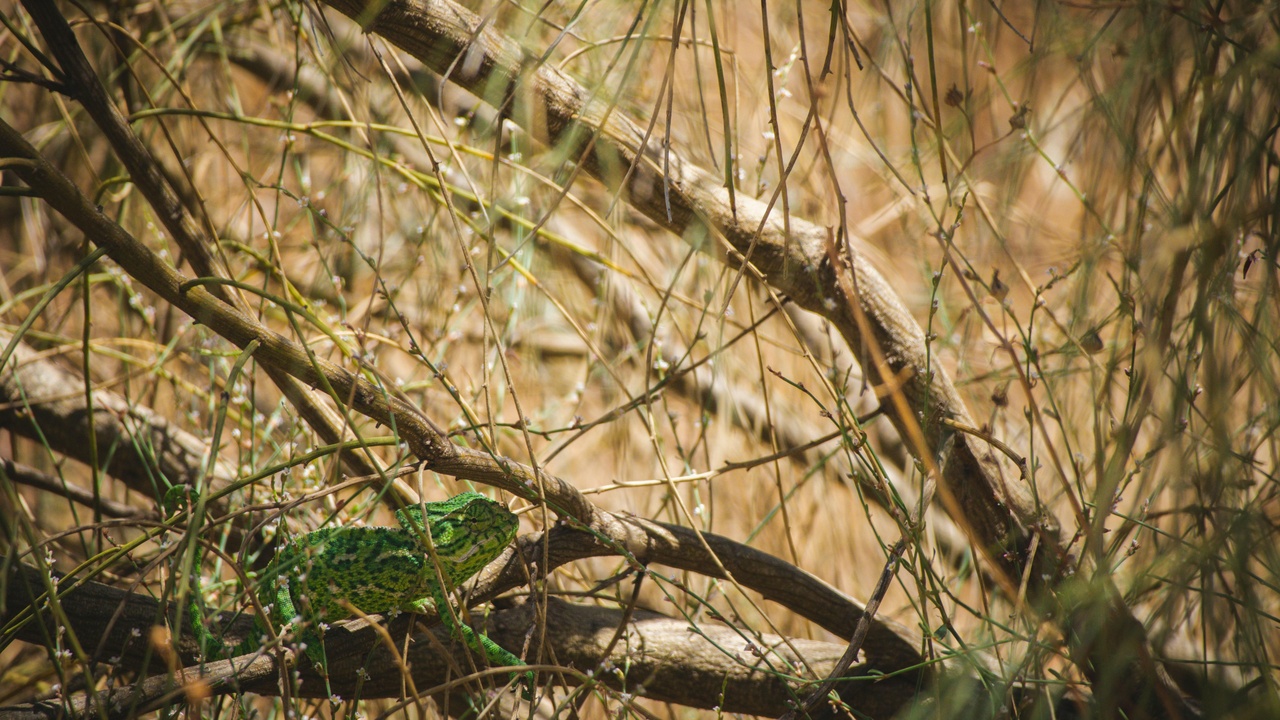
7. Mediterranean Chameleon (Chamaeleo chamaeleon) in the Algarve
The Mediterranean chameleon occurs in warm scrub and garden edges of the Algarve, where favorable microclimates let it thrive. Sightings are most common in late spring and summer when insects are abundant.
Citizen-science records and local naturalists help map its distribution, and simple habitat steps—retaining native shrubs, avoiding heavy pesticide use and creating insect-friendly gardens—support chameleons and other wildlife.
Coastal development and intensive pesticide use are the main threats, so planners and residents can make a tangible difference with modest actions.
8. Iberian Emerald Lizard and other endemic reptiles
The Iberian emerald lizard (Lacerta schreiberi) exemplifies species tied to humid forests, rock-strewn slopes and streamside vegetation. These reptiles need intact understory and connected microhabitats to persist.
Forest restoration, careful fire-break planning and biodiversity surveys help maintain the mosaic of cover and open sunny patches these lizards use. Protecting them also supports the invertebrate communities they depend on—and vice versa.
Local conservation efforts that combine habitat work with monitoring give the best chance for these range-restricted species to survive increasing wildfire and fragmentation risks.
Summary
- Portugal’s combination of coast, islands and mountains supports a surprising range of species and habitats.
- Targeted efforts—most visibly the Iberian lynx recovery—show that focused conservation can reverse steep declines.
- Community science, volunteers and local businesses (from dolphin tours to nest patrols) are central to ongoing protection.
- Small habitats such as salt pans, coastal scrub and humid forest patches punch above their weight for endemic reptiles and migratory birds.
- Learn how you can help: support ICNF or SPEA, join volunteer nest or bird counts, and visit responsibly to observe the wildlife of portugal without disturbing it.