South Sudan’s mix of savanna, wetlands and riverine forests supports wildlife that struggles under pressure from habitat loss, conflict and changing water regimes. Protecting species here means understanding where they live and how their populations are faring across a landscape still recovering from years of disruption.
There are 13 Endangered Species in South Sudan, ranging from the African elephant to the Wattled crane. For each species you’ll find below the Scientific name, IUCN status, Range in South Sudan, giving a quick reference to taxonomy, threat level and local distribution you’ll find below.
How recent and reliable is the information on these endangered species?
Most entries draw on the IUCN Red List and recent regional surveys by conservation groups; however, field data in South Sudan can be sparse or out of date in places, so check the IUCN website or local NGO reports for the latest assessments and any new findings.
What practical actions can a reader take to help these species?
Support reputable conservation organizations working in the region, report credible sightings to local wildlife authorities or citizen-science platforms, choose responsible travel operators if visiting, and advocate for policies that protect wetlands and migration corridors crucial to these species.
Endangered Species in South Sudan
| Name | Scientific name | IUCN status | Range in South Sudan |
|---|---|---|---|
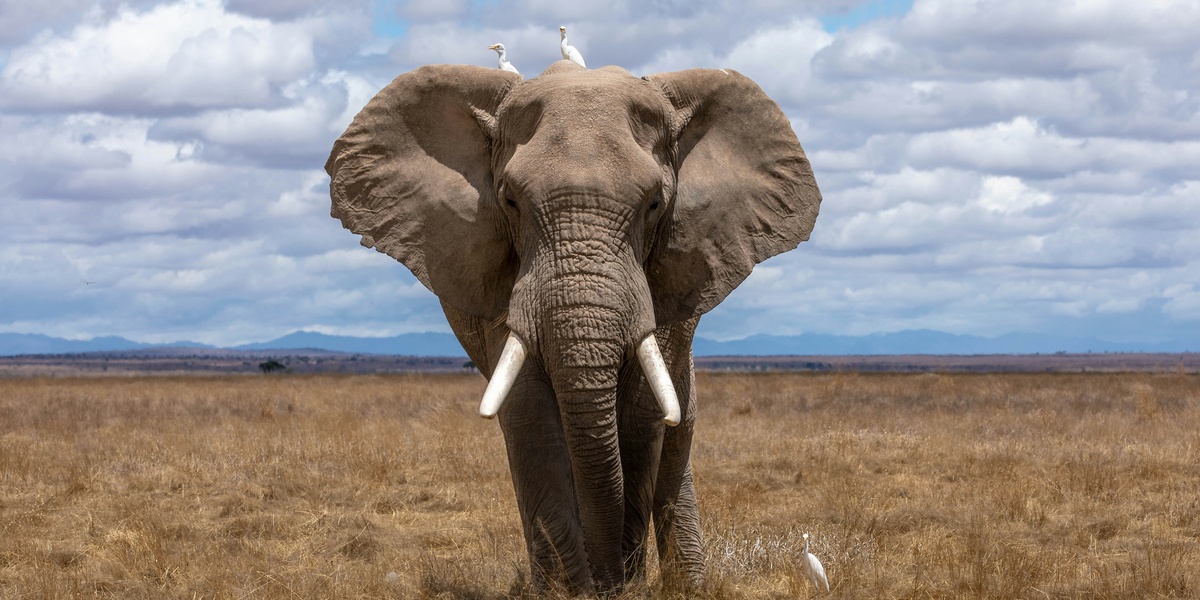
| African elephant | Loxodonta africana | EN (2021) | Sudd floodplains, savanna (Jonglei,Boma) |
| Nile lechwe | Kobus megaceros | EN (2016) | Sudd wetlands, seasonal floodplains (Jonglei,Bahr el Ghazal) |
| Shoebill | Balaeniceps rex | VU (2016) | Sudd marshes, papyrus swamps and floodplains |
| Wattled crane | Bugeranus carunculatus | VU (2016) | Sudd marshes and seasonally flooded grasslands |
| Hippopotamus | Hippopotamus amphibius | VU (2017) | White Nile, Sudd rivers and lakes |
| African wild dog | Lycaon pictus | EN (2018) | Savanna and grassland (Boma,Badingilo areas) |
| Cheetah | Acinonyx jubatus | VU (2015) | Open savanna and grassland (southeast regions) |
| Lion | Panthera leo | VU (2016) | Savanna woodlands and floodplains (Boma,Kidepo) |
| Leopard | Panthera pardus | VU (2016) | Woodlands, riverine forests across South Sudan |
| Northern giraffe | Giraffa camelopardalis | VU (2016) | Savanna woodlands, eastern and central regions |
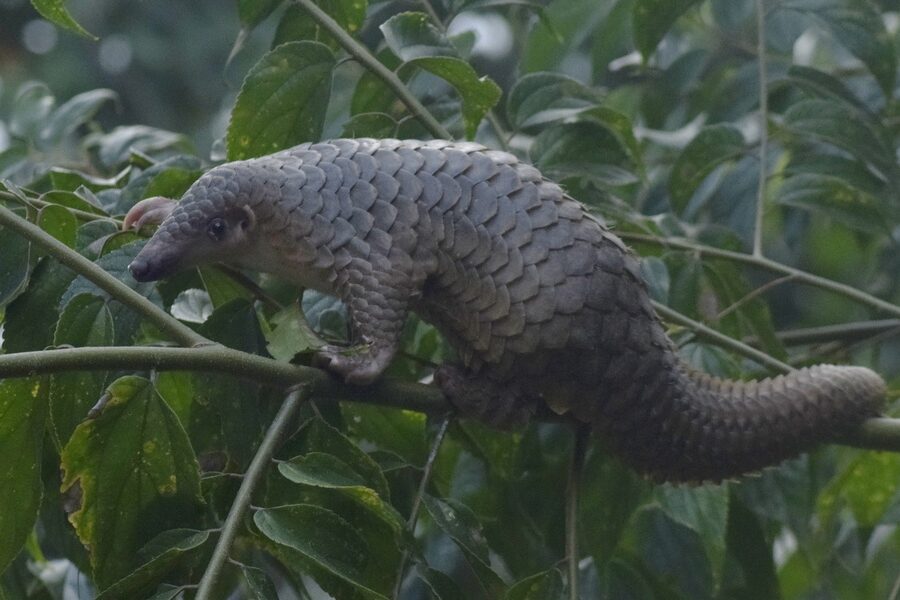
| Temminck’s pangolin | Smutsia temminckii | VU (2019) | Dry savanna, woodland (scattered records) |
| African manatee | Trichechus senegalensis | VU (2008) | White Nile and major rivers |
| Secretarybird | Sagittarius serpentarius | VU (2017) | Open grasslands and savanna |
Images and Descriptions
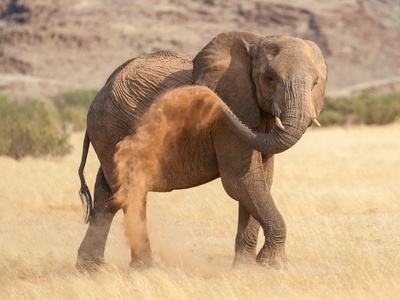
African elephant
Majestic keystone of South Sudan’s floodplains and savannas, elephants face poaching for ivory and habitat loss from settlement and conflict-driven land use; important ecological engineers shaping wetlands and grasslands, with recoveries seen where protection exists.
Nile lechwe
The swamp-adapted Nile lechwe is an antelope endemic to South Sudan’s Sudd wetlands; threatened by hunting, wetland drainage and civil unrest that fragments habitat, making it a flagship species for wetland conservation in the region.
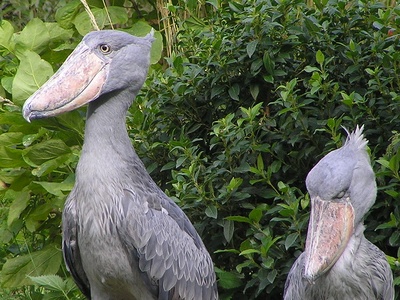
Shoebill
Iconic, prehistoric-looking shoebills inhabit South Sudan’s papyrus swamps; they’re vulnerable to disturbance, wetland loss and trapping for the wildlife trade, and are most often seen in remote Sudd channels and seasonal floodplain pools.
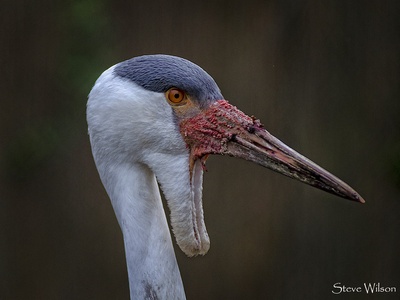
Wattled crane
Large wetland crane dependent on shallow marshes and floodplain grasses; threatened by drainage, agriculture and disturbance, South Sudan holds important breeding and feeding grounds that are crucial for the species’ regional survival.
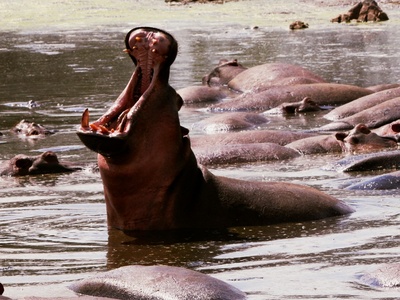
Hippopotamus
Hippos are common in White Nile waters but declining due to illegal hunting for meat and ivory-like teeth, habitat change and water pollution; they play key roles in river ecosystems but need better protection to sustain populations.
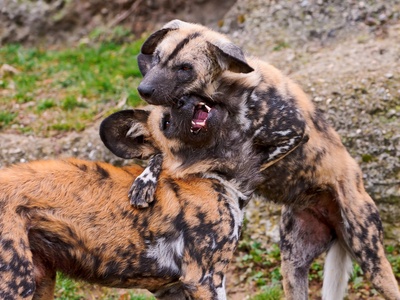
African wild dog
Highly social and wide-ranging, African wild dogs are endangered in South Sudan from habitat loss, human persecution and disease; small, fragmented groups persist in remote protected areas and are extremely sensitive to disturbance.
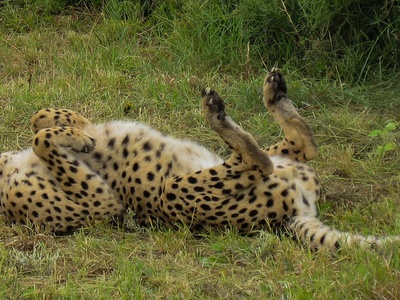
Cheetah
Cheetahs are vulnerable across Africa and occur in South Sudan’s open plains; they suffer from habitat loss, retaliatory killing and reduced prey, with few reliable populations surviving outside protected zones.
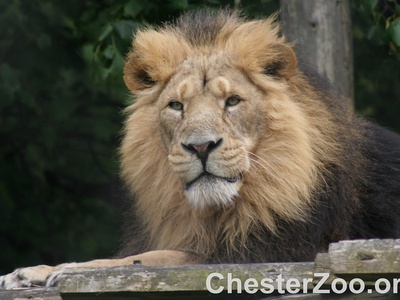
Lion
Lions are vulnerable due to habitat loss, prey declines and conflict with people; South Sudan holds some of the region’s last strongholds but insecurity and hunting pressure limit recovery of populations.
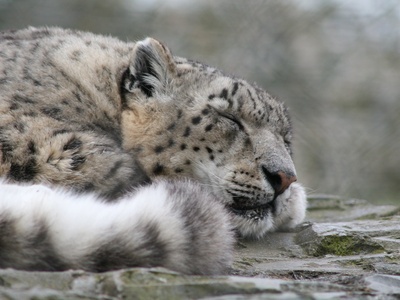
Leopard
Secretive leopards persist in South Sudan’s woodlands but face snaring, habitat loss and persecution; adaptable yet declining locally, they remain important apex predators helping regulate ecosystems, though intensive poaching threatens small populations.
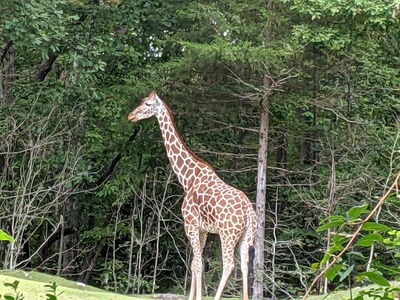
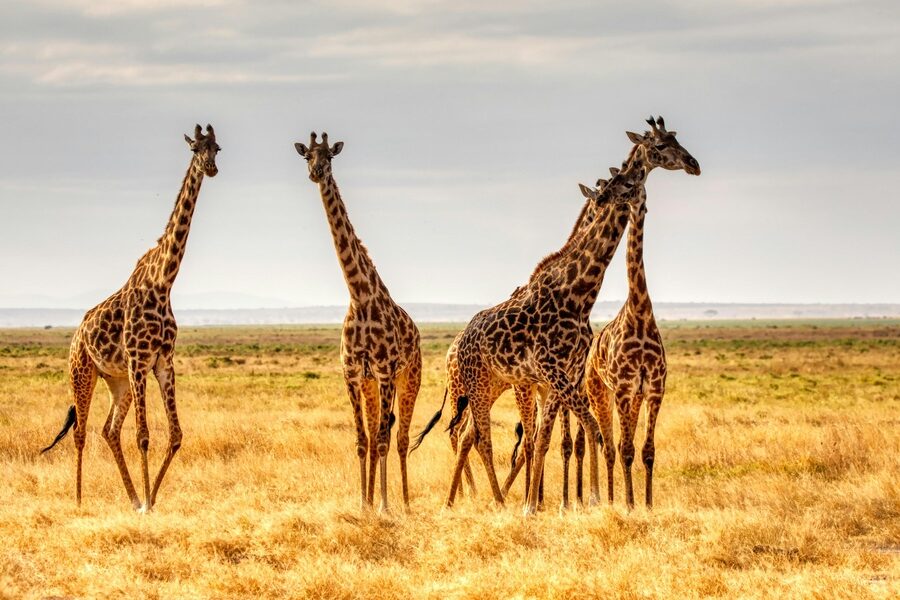
Northern giraffe
Northern giraffes are scattered in South Sudan’s woodlands; threatened by habitat conversion, poaching and civil instability, their fragmented populations need monitoring and protection to prevent local extinctions.
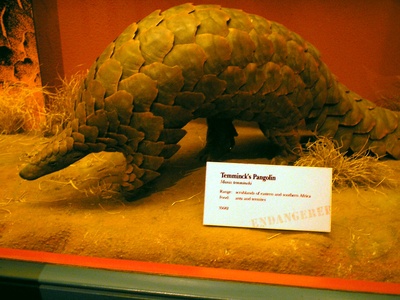
Temminck’s pangolin
Nocturnal, solitary pangolin vulnerable to poaching for scales and meat; records in South Sudan are scarce but confirmed, making anti-poaching and trade controls vital for its survival.
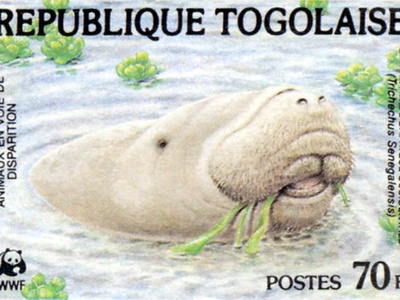
African manatee
Elusive riverine mammal found in South Sudan’s waterways; vulnerable to hunting, boat strikes and habitat alteration, African manatees need protected river corridors and community awareness to reduce threats.
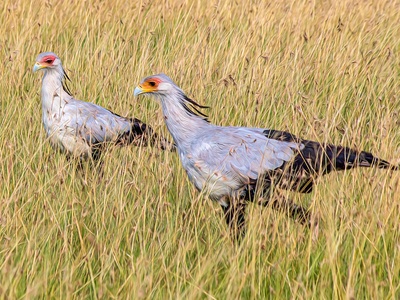
Secretarybird
Tall, terrestrial raptor of grasslands threatened by habitat loss, agricultural expansion and persecution; South Sudan’s open habitats host this striking bird, but populations are fragmented and declining across its range.