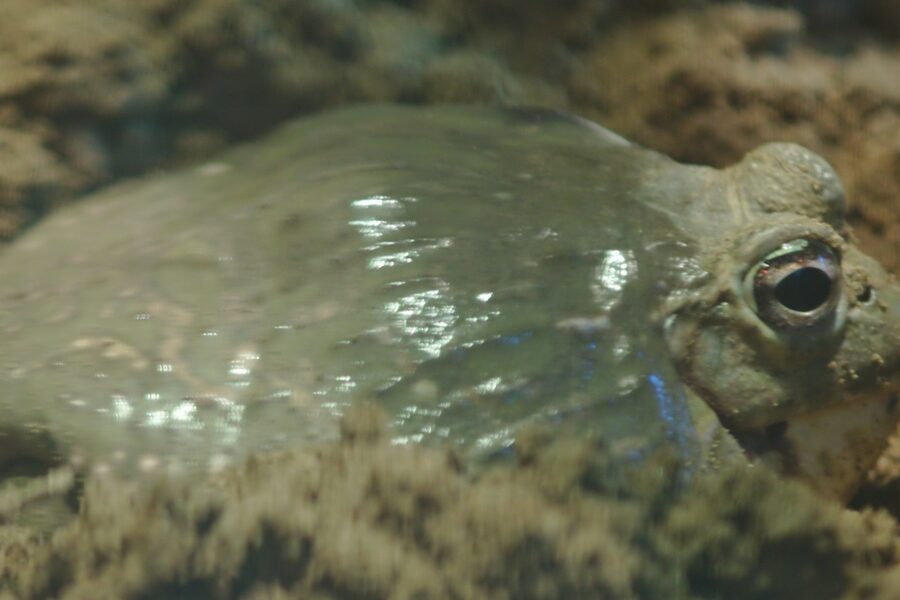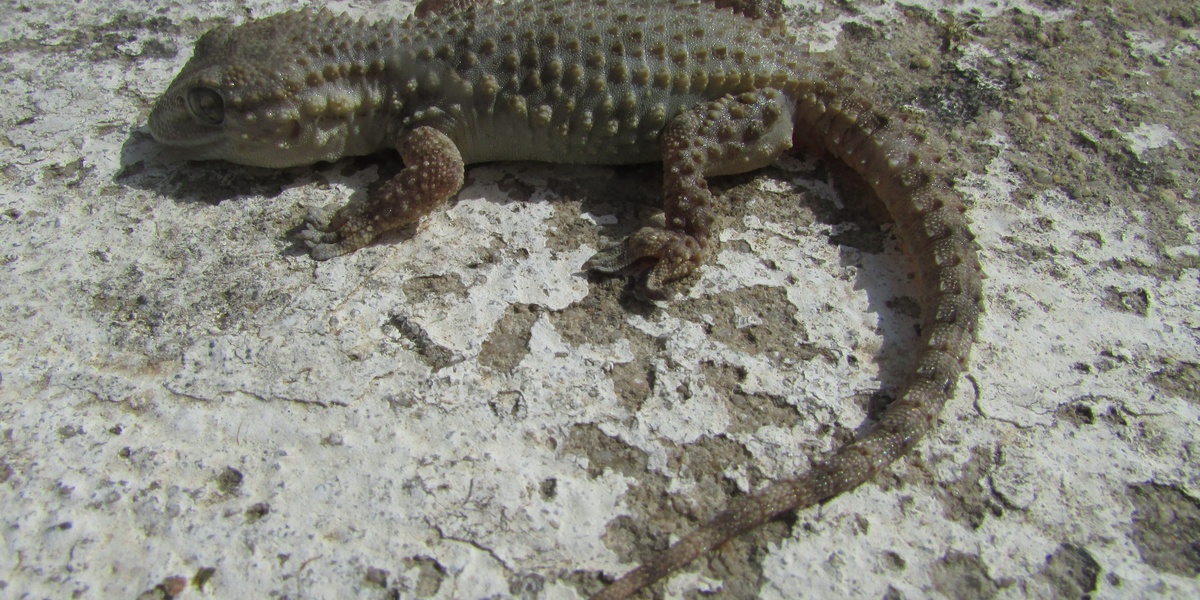
Morocco’s landscapes — from the Atlantic coast and Rif foothills to the Sahara’s dunes and the High Atlas — create pockets of habitat that support a surprising mix of reptiles. Walks along rocky outcrops, riverbanks and arid plains reveal species adapted to heat, altitude and wetland edges.
There are 35 Reptiles of Morocco, ranging from Algerian sand gecko to Viperine (water) snake. For each species you’ll find below Scientific name,Max length (cm),Range & habitat.
Where in Morocco am I most likely to spot these reptiles?
Search sunny, sheltered spots: rocky slopes, scrubland, river margins and oasis edges are prime. Spring and early summer are best for activity; national parks and nature reserves (and quieter rural roads at dawn) often yield the most sightings.
Which species are dangerous and what should I do if I encounter a snake?
Only a few Moroccan snakes are medically significant; most are non‑aggressive if left alone. Give any snake space, avoid handling, photograph from a distance for ID, and seek immediate medical attention if bitten.
Reptiles of Morocco
| Name | Scientific name | Max length (cm) | Range & habitat |
|---|---|---|---|
| Moorish gecko | Tarentola mauritanica | 15 | Widespread northern Morocco, coastal towns, rocky walls and buildings |
| Mediterranean house gecko | Hemidactylus turcicus | 12 | Coastal cities and towns, patios, old buildings across northern Morocco |
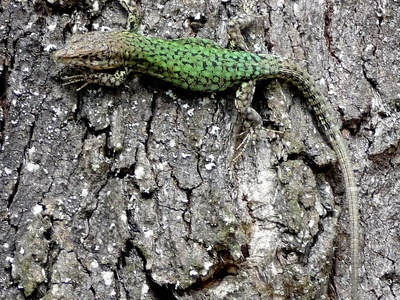
| Vaucher’s wall lizard | Podarcis vaucheri | 20 | Rif and Atlas foothills, rocky outcrops, gardens and walls |
| Andréansky’s rock lizard | Atlantolacerta andreanskyi | 18 | High Atlas above ~2,200 m, rocky scree and cliffs (endemic) |
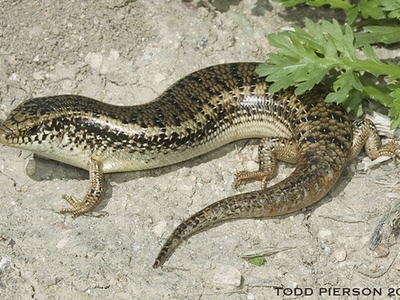
| Ocellated skink | Chalcides ocellatus | 30 | Coastal dunes, scrub and cultivated areas, widespread including Saharan fringe |
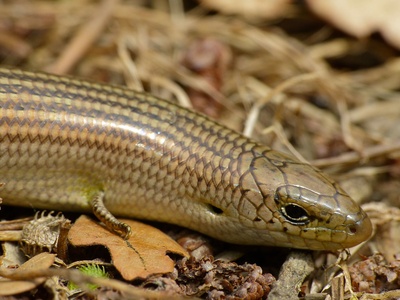
| Three-toed skink | Chalcides chalcides | 25 | Northern and central Morocco, grassy meadows, scrub and cultivated land |
| Atlas long-tailed skink | Chalcides polylepis | 30 | Middle and High Atlas foothills, rocky and grassy slopes |
| Sandfish (sand skink) | Scincus scincus | 25 | Saharan dunes and sandy deserts, southern Morocco |
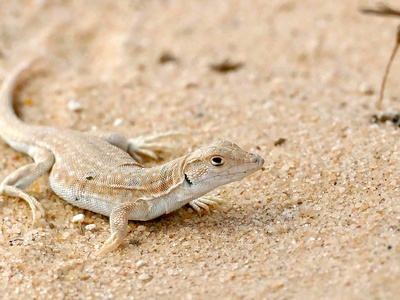
| Fringe-fingered lizard | Acanthodactylus erythrurus | 25 | Northwest Morocco, sandy open habitats, dunes, fields and steppe |
| Bosk’s fringe-toed lizard | Acanthodactylus boskianus | 20 | Semi-arid plains and rocky steppe across Morocco |
| North African agama | Agama impalearis | 40 | Rocky hills, cliff faces, Atlas and Rif foothills, human structures |
| Spiny-tailed lizard (Dabb) | Uromastyx acanthinura | 40 | Southeast Morocco, rocky hamada and desert plateaus |
| Moroccan eyed lizard | Timon tangitanus | 70 | Northwest Morocco, scrubland, rocky hills and maquis |
| Javelin sand boa | Eryx jaculus | 100 | Sandy and semi-desert habitats, dunes and arable fringe |
| Moorish viper (Moorish adder) | Daboia mauritanica (Macrovipera mauritanica) | 120 | Rif, Atlas foothills, dry rocky country and scrub |
| Horned viper | Cerastes cerastes | 80 | Saharan dunes and sandy desert regions of southern Morocco |
| Saharan sand viper | Cerastes vipera | 60 | Sandy deserts and dune fields across southern Morocco |
| Montpellier snake | Malpolon monspessulanus | 150 | Widespread northern and central Morocco, scrub, maquis, farmland |
| False smooth snake | Macroprotodon brevis | 60 | Northern and central Morocco, rocky slopes and scrubby habitats |
| Horseshoe whip snake | Hemorrhois hippocrepis | 200 | Coastal lowlands, dry plains and rocky hills across Morocco |
| Viperine (water) snake | Natrix maura | 120 | Rivers, streams, wetlands in northern and central Morocco |
| Sand racer (Schokari) | Psammophis schokari | 120 | Arid and semi-arid plains, steppes and desert margins |
| Southern smooth snake | Coronella girondica | 70 | Northern Morocco, woodland edges, scrub and rocky slopes |
| Spanish pond turtle | Mauremys leprosa | 30 | Northern rivers, marshes, irrigation canals and oases |
| Spur-thighed tortoise | Testudo graeca | 40 | Mediterranean woodlands, scrub and olive groves in northern and Atlas foothills |
| Egyptian (dwarf) tortoise | Testudo kleinmanni | 15 | Southwestern deserts and oasis zones (rare, localized) |
| Loggerhead sea turtle | Caretta caretta | 120 | Atlantic and Mediterranean coasts, nesting beaches on southern Atlantic shore |
| Green sea turtle | Chelonia mydas | 120 | Coastal foraging grounds and migration routes along Atlantic Morocco |
| Leatherback turtle | Dermochelys coriacea | 210 | Offshore Atlantic waters, occasional coastal sightings |
| Atlas worm-lizard | Blanus tingitanus | 30 | Northern Morocco, cork-oak and maquis soils, under stones and logs |
| Moroccan blanus | Blanus mettetali | 25 | Middle and High Atlas, montane soils and loose substrate (endemic) |
| Algerian sand gecko | Tropiocolotes algericus | 6 | Saharan and arid regions, under stones and in crevices |
| Mauritanian dwarf gecko | Tropiocolotes mauritanicus | 6 | Saharan dunes, rocky desert and hamada regions |
| Large psammodromus | Psammodromus algirus | 20 | Rif mountains, cork-oak woodland and maquis in NW Morocco |
| Common chameleon | Chamaeleo chamaeleon | 50 | Rif and Atlantic coastal scrub, olive groves and hedgerows |
Images and Descriptions
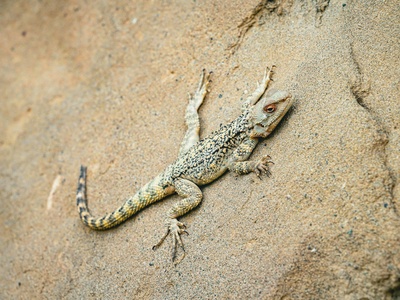
Moorish gecko
A sturdy, flattened gecko with mottled grey-brown skin and sticky toes; common on walls and ruins. Harmless to people, very adaptable and often seen at night. Good species for beginners to spot in towns and rocky coastlines.
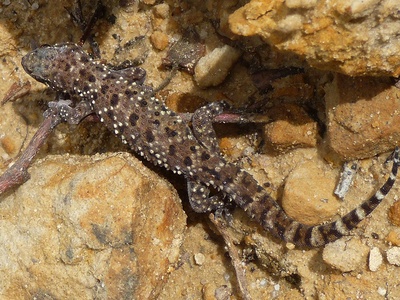
Mediterranean house gecko
Small nocturnal gecko with slender body, large eyes and sticky toe pads; frequents lamp-lit walls and houses. Non-venomous and very common in settlements — often overlooked but easy to hear and photograph at night.
Vaucher’s wall lizard
Slim, active daytime lizard with variable green/brown coloration and a long tail. Quick-moving, often on sunny rocks and walls. Not dangerous, locally common and useful for insect control around villages and orchards.

Andréansky’s rock lizard
A compact, bluish-green rock lizard restricted to high-elevation granite slopes. Endemic and range-restricted; shy and localized—interesting to hikers exploring alpine habitats. Conservation concern due to small distribution.
Ocellated skink
Glossy, snake-like skink with small limbs and smooth scales; often lives under stones or in loose soil. Harmless, frequently encountered in sandy habitats and gardens, and notable for its ability to “swim” through sand.
Three-toed skink
Elongate skink with reduced limbs and smooth scales; slides through vegetation and loose soil. Shy but widespread in humid lowlands and scrub. Not dangerous and often secretive at dusk.
Atlas long-tailed skink
A relatively large Chalcides with distinct long tail and glossy scales. Prefers rocky, vegetated slopes; secretive but locally common. Harmless and an interesting sight in montane habitats.
Sandfish (sand skink)
Smooth, rounded skink adapted to “swimming” beneath hot sand; sandy coloration and streamlined body. Fascinating behavior — dives into sand to escape heat and predators. Not dangerous and a classic desert specialist.
Fringe-fingered lizard
Thin, active diurnal lizard with pale stripes and fringed toes for running on sand. Common in dry open areas and easy to spot basking on low vegetation. Non-venomous and fast-moving.
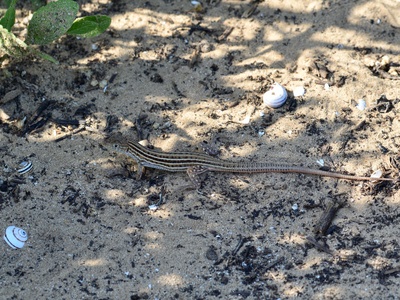
Bosk’s fringe-toed lizard
Lightly built lacertid with long tail and distinct striping in juveniles. Prefers open, stony habitats and agricultural fringes. Harmless and abundant where habitat is intact.
North African agama
Robust, often colorful agama with flattened head and spiny tail base; males show bright breeding colors. Diurnal and territorial on rocks. Not dangerous; a bold, showy reptile of rocky landscapes.
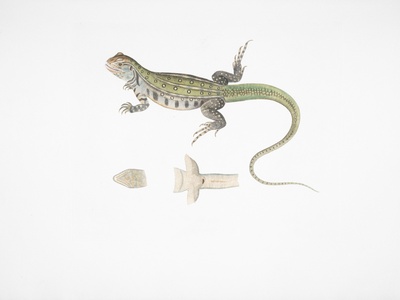
Spiny-tailed lizard (Dabb)
Stocky, herbivorous desert lizard with armored tail and chunky body. Diurnal and slow-moving, basks on rocks and retreats to burrows. Locally persecuted but a charismatic desert specialist; not venomous.
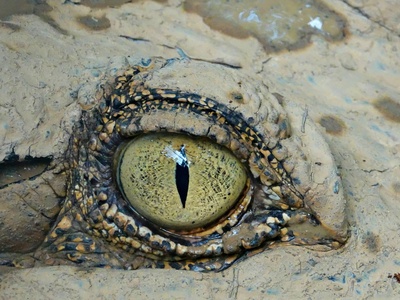
Moroccan eyed lizard
Large, colorful lacertid with spotted pattern and powerful build; among Morocco’s biggest lizards. Diurnal and insectivorous/omnivorous. Non-venomous; impressive size makes it a highlight for field observers.
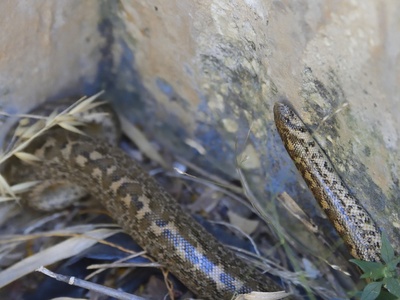
Javelin sand boa
Stout, short snake that burrows in sand and soil; smooth scales and blunt tail. Non-venomous constrictor feeding on rodents and lizards. Often encountered as buried individuals or crossing sandy tracks.
Moorish viper (Moorish adder)
Large, heavy-bodied viper with keeled scales and powerful build. Venomous and capable of delivering medically significant bites; avoid handling. Found in rocky, arid hills and some cultivated areas.
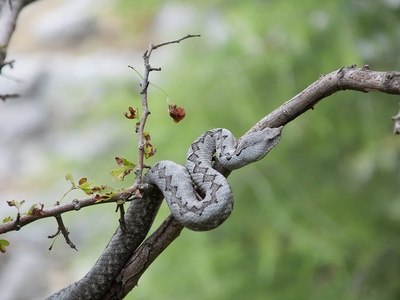
Horned viper
Small- to medium-sized sand viper with distinctive supraocular “horns” (in many individuals). Ambush predator that buries itself in sand. Venomous and common in true desert — exercise caution in dunes.
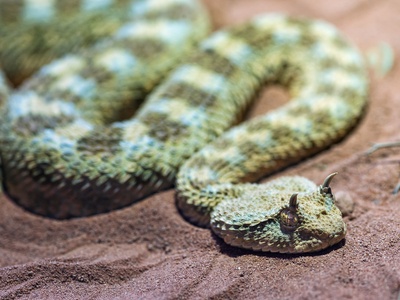
Saharan sand viper
Smaller, agile sand viper adapted to shifting dunes; often partially buried with only eyes and snout exposed. Venomous but small; important desert predator of lizards and rodents.
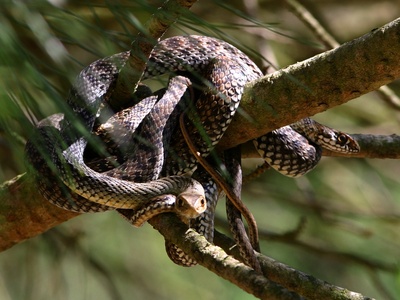
Montpellier snake
Large, fast snake with rear fangs — mildly venomous to prey but generally not dangerous to humans with typical encounters. Active hunter in daylight; common in warm, open habitats and hedgerows.
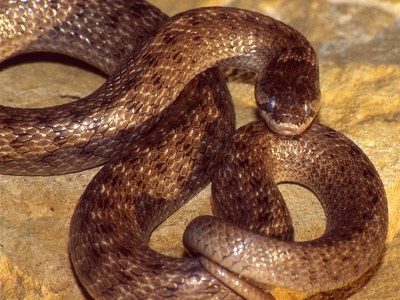
False smooth snake
Small, secretive colubrid with rear-fanged mild venom used on small prey. Smooth-scaled and often hiding under stones. Rarely threatens humans and typically shy and nocturnal.
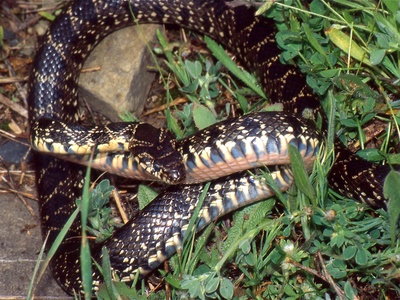
Horseshoe whip snake
Long, slender, fast-moving snake with distinct horseshoe-shaped neck pattern. Non-venomous and an adept climber, often found in open farmland and scrub. Impressive when seen hunting in daylight.
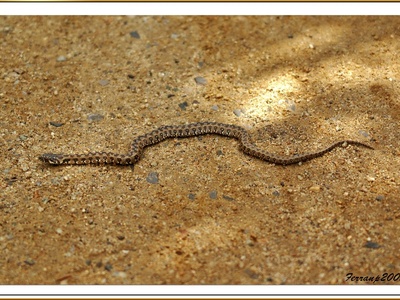
Viperine (water) snake
Aquatic, keeled-bodied snake often swimming in or near water; feeds on fish and amphibians. Harmless to humans despite dramatic gaping displays; common in freshwater habitats and riparian vegetation.
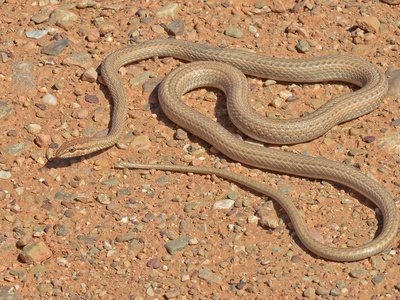
Sand racer (Schokari)
Slender, diurnal racer with quick movements and pointed head; preys on lizards and rodents. Mildly venomous to prey but generally not dangerous to people. Typical of open dry habitats.
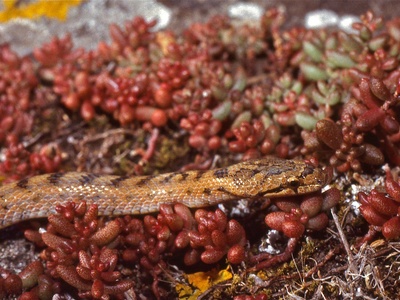
Southern smooth snake
Small, secretive colubrid with smooth scales and subtle patterning. Non-venomous and specialized on lizards and small snakes. More often encountered under stones and in leaf litter than in open sight.
Spanish pond turtle
Freshwater turtle with flattened shell and variable dark markings; omnivorous and common in slow-flowing water. Non-threatening and a useful indicator of healthy freshwater habitats where it persists.
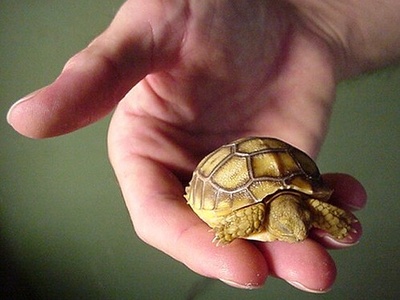
Spur-thighed tortoise
Medium-sized tortoise with domed shell and herbivorous diet; often seen in dry scrub and agricultural mosaics. Non-venomous and culturally familiar; local populations impacted by collection and habitat loss.
Egyptian (dwarf) tortoise
Very small tortoise of arid scrub and oasis edges; critically endangered and extremely range-restricted. Secretive and susceptible to illegal collection; sightings are rare and should be reported to conservation authorities.
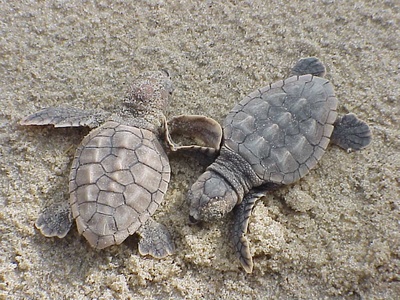
Loggerhead sea turtle
Large marine turtle with robust head and reddish-brown carapace; nests on Moroccan Atlantic beaches. Threatened globally; occasional nesting and regular migrant in coastal waters.
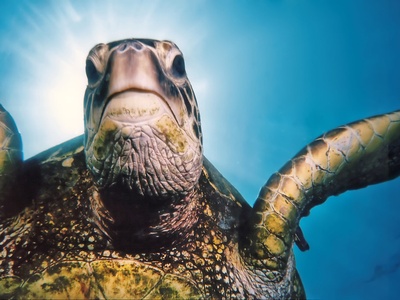
Green sea turtle
Herbivorous, large-shelled marine turtle found near seagrass beds and coastal waters. Occasional nester and regular migrant; protected and monitored due to conservation concerns.
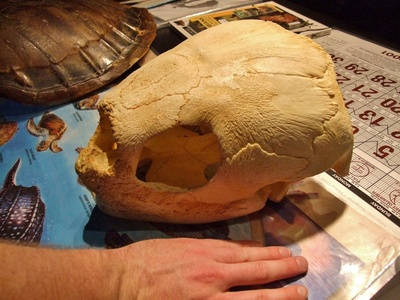
Leatherback turtle
World’s largest turtle with distinctive leathery carapace; a rare but recorded visitor to Moroccan Atlantic waters. Pelagic and migratory, often found offshore and sometimes strandings are reported.
Atlas worm-lizard
An amphisbaenian (legless burrowing reptile) with a pinkish, annulated body adapted for subterranean life. Endemic regionally and secretive; harmless and rarely seen except when turned up by ploughing or floods.
Moroccan blanus
Local, burrowing amphisbaenian with stout, limbless body; restricted to Atlas ranges. Little-known and mainly encountered by specialists; harmless and fossorial in habits.
Algerian sand gecko
Tiny, delicate gecko with short limbs and cryptic desert coloration. Nocturnal and secretive, often under rocks or in crevices. Harmless and an attractive miniature desert specialist.
Mauritanian dwarf gecko
Very small gecko adapted to arid environments; nocturnal and often sheltering in small crevices or under stones. Non-venomous and a subtle but characteristic desert species.
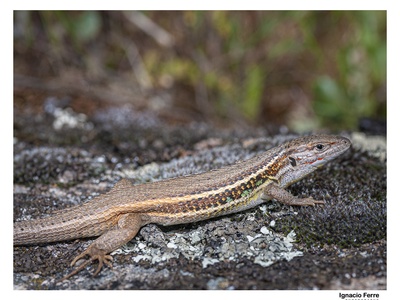
Large psammodromus
Small, agile lacertid with streaked back and slender build; prefers shaded scrub and forest edges. Diurnal and insectivorous, common in Mediterranean-type habitats and often seen basking on low vegetation.
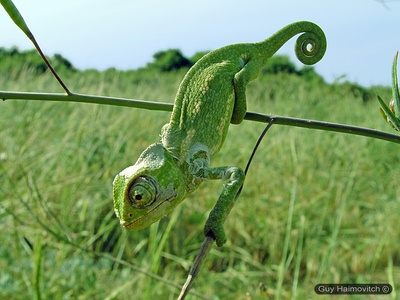
Common chameleon
Moderately sized chameleon with laterally compressed body and grasping feet; changes color with mood and temperature. Arboreal and mainly nocturnal in cooler months. Non-venomous and a special find for naturalists in scrubby coastal zones.