Naturalists in the 19th century—like Charles Darwin and Alfred Russel Wallace—noted that animal teeth and stomachs reflect diet, a key insight that helped shape modern ecology.
Comparing plant-eaters and meat-eaters matters because those anatomical and physiological differences ripple outward into agriculture, conservation, and human diets. Knowing why a cow needs multiple stomach chambers or why a domestic cat must eat meat informs livestock management, pet nutrition, and wildlife rehabilitation.
This piece lays out eight clear, evidence-backed differences across anatomy, digestion, nutrition, behavior, ecology, and human interactions, with concrete examples—cow, deer, lion, wolf, domestic cat, elephant—and a handful of quantifiable facts you can use in practical decisions.
Anatomy and Digestive Physiology

Diet shapes major anatomical features: mouthparts, teeth, stomachs, and gut length adapt to what an animal eats. Plant-eating species tend toward grinding surfaces and extended fermentation systems, while meat-eaters show pronounced cutting teeth and compact, acidic guts. Below are three concrete ways anatomy reflects diet.
1. Dentition and mouthparts
Herbivores generally bear flat molars for grinding cell walls and often have reduced or absent upper incisors (cattle lack upper incisors), whereas carnivores possess large canines and specialized carnassial teeth for slicing flesh.
Tooth shape matches function: broad occlusal surfaces crush and shred fiber; sharp canines pierce hide and carnassials shear muscle. Jaw motion differs too—many grazers move the jaw side-to-side to grind, while predators use an up-and-down shearing motion.
Examples: cattle (Bos taurus) have broad molars for breaking down forage; lions and wolves have pronounced canines and carnassials; rabbits rely on ever-growing incisors to clip vegetation. These differences matter in practice—wildlife rehab, livestock dentistry, and pet feeding all hinge on correct dental care and diet.
2. Stomach structure and fermentation
Many plant-eaters host microbial fermentation to unlock cellulose, while most meat-eaters have a single-chambered stomach optimized for protein and fat digestion. Ruminants famously possess four stomach chambers—rumen, reticulum, omasum, and abomasum—where fermentation occurs before the small intestine.
Other herbivores are hindgut fermenters; horses and rabbits ferment fiber in the cecum and large intestine rather than the foregut. Carnivores rely on strong gastric acid and enzymes to denature protein and kill pathogens instead of long fermentation.
Practical effects include feed formulation (ruminant feeds must support microbial populations), digestion rates (foregut fermentation retains material longer), and environmental outputs—ruminant fermentation produces methane, which is relevant for greenhouse-gas accounting in agriculture.
3. Gut length and microbial communities
Herbivores generally have longer digestive tracts and complex microbiomes to extract energy from fiber; carnivores have shorter guts that process high-protein meals quickly. Microbial fermentation produces short-chain fatty acids that supply a large share of herbivore energy.
For scale: an African elephant can consume up to about 150 kg of vegetation a day, which reflects both intake needs and gut capacity for processing low-quality forage. Disrupting microbial communities—by antibiotics or poor diet—can seriously reduce nutrient extraction in ruminants and hindgut fermenters.
Veterinarians and zookeepers use this knowledge to design diets, manage antibiotics, and monitor gut health in captive animals to match each species’ gut morphology and microbial needs.
Nutrition, Metabolism, and Feeding Strategies
Nutrition and metabolism shape life history and behavior. Plant-eaters extract energy continuously through fermentation or prolonged grazing, while meat-eaters often require nutrient-dense prey and show metabolic adaptations for feast-or-famine cycles.
4. Dietary requirements and essential nutrients
Carnivorous species often need certain nutrients preformed in their diet. Domestic cats, for example, are obligate carnivores that require preformed taurine and vitamin A in their food to avoid heart and vision problems.
Herbivores rely heavily on microbial synthesis for some nutrients; microbes synthesize vitamins and amino acid precursors that the host then absorbs. In managed settings, both groups may need supplements—livestock often get mineral mixes to balance forage deficiencies.
That difference explains why pet-food formulation for cats is tightly regulated, and why ruminant diets emphasize forage quality and mineral availability rather than direct vitamin A supplementation in many cases.
5. Feeding frequency and energy budgeting
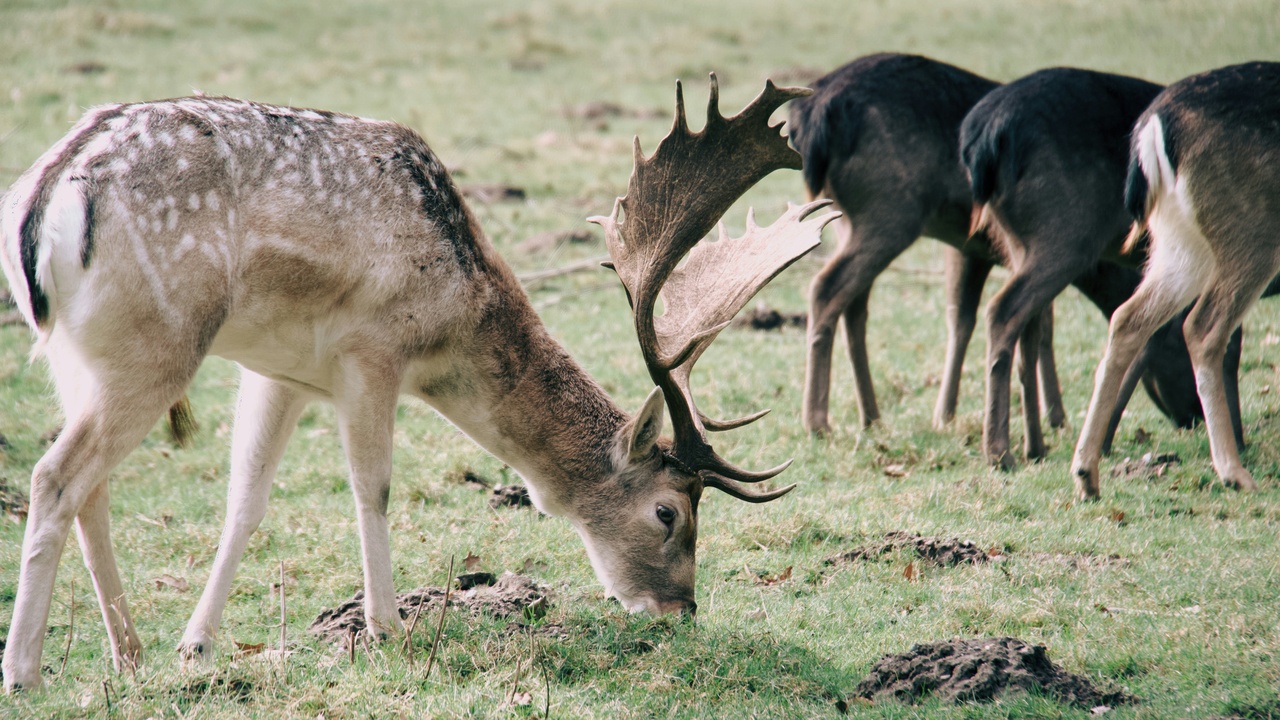
Many herbivores graze or browse for much of the day to meet energy needs; ruminants commonly spend 6–10 hours or more feeding depending on management. Continuous intake compensates for low energy density of plants.
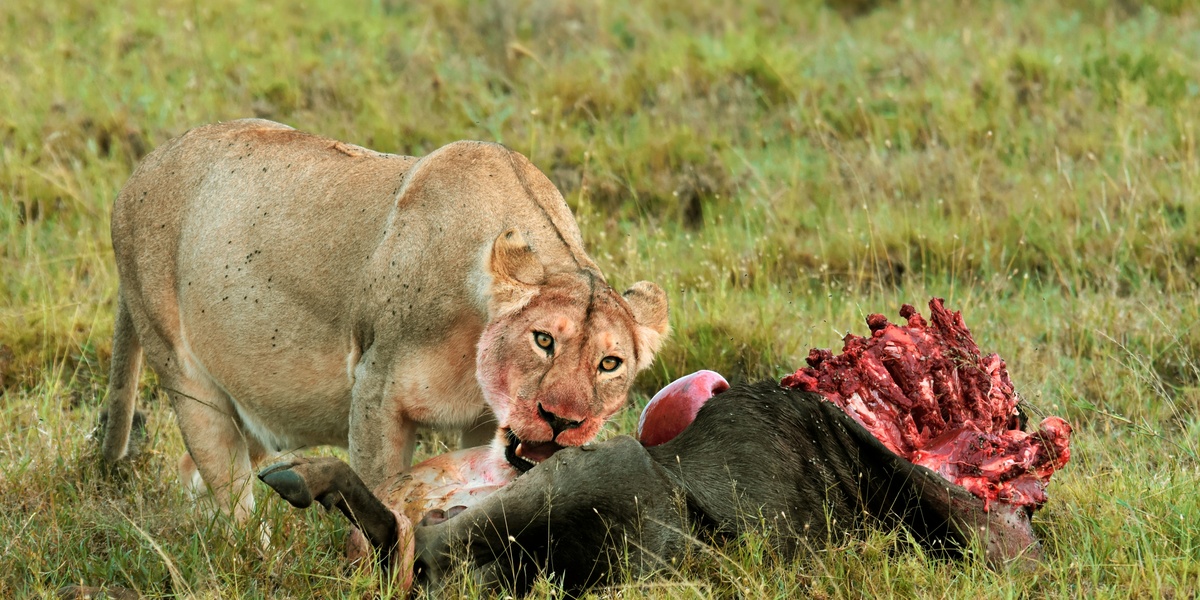
By contrast, predators often hunt in concentrated periods and consume large meals intermittently. Wolves may eat several kilograms of meat in a single feeding and then not feed again for a day or more, relying on metabolic flexibility.
These strategies influence social organization—herds and continuous vigilance in grazers versus pack hunting coordination in predators—and they shape how humans schedule feeding for livestock and captive carnivores.
6. Energy extraction efficiency and waste products
Fermentation converts fiber into short-chain fatty acids, an effective but energetically dilute process per unit mass; carnivores get concentrated calories from fat and protein directly. That difference sets waste composition and ecosystem effects.
Herbivore dung is bulky, seeds often survive passage, and dung supports nutrient recycling and seed dispersal. Carnivore scat is more nitrogen-rich and concentrated, affecting local soil chemistry differently.
On an environmental scale, the livestock sector has been estimated by the FAO to contribute roughly 14.5% of human-related greenhouse-gas emissions, largely due to ruminant methane from fermentation and manure management—context for discussions about agricultural practices and waste handling.
Behavior, Ecology, and Human Interactions
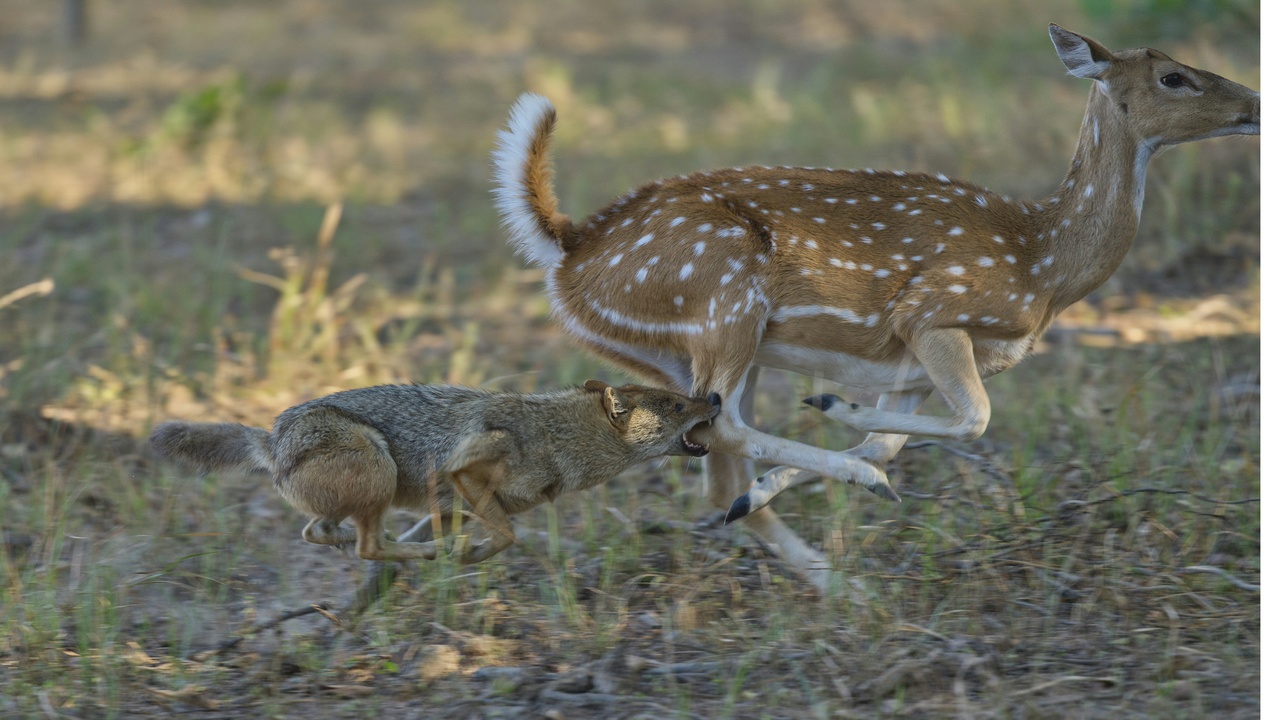
Individual anatomical and nutritional differences scale up to community and ecosystem effects. Plant-eaters and predators fill distinct roles in food webs, and human management treats them differently—farming versus protection—so the consequences for biodiversity and livelihoods diverge.
7. Ecological roles and trophic interactions
Herbivores are primary consumers that shape plant communities through selective grazing and seed dispersal. Carnivores act as regulators of prey numbers and behavior, creating top-down effects that ripple through ecosystems.
A classic example: wolves were reintroduced to Yellowstone in 1995, and researchers documented shifts in elk behavior and numbers, willow recovery in some riparian zones, and even increased beaver activity where willows returned—an illustration of trophic cascades unfolding over years.
Losing large herbivores or apex predators can shift vegetation composition, alter fire regimes, and change nutrient flows, so conserving a balanced set of consumers is often key to ecosystem resilience.
8. Human interactions: agriculture, conservation, and disease
Humans cultivate and manage herbivores for food, fiber, and labor, while attitudes toward carnivores often center on conflict or protection. That leads to different policies: range management, feed and breeding programs for livestock; compensation, fencing, or legal protection for predators.
Diseases also play out differently. Livestock can act as reservoirs for zoonoses at the wildlife–human interface, and vaccination or biosecurity is routine in agriculture. Predator-livestock conflicts, like wolves attacking sheep, are often mitigated with non-lethal deterrents, guardian animals, or compensation schemes.
Policy implications are practical: sustainable grazing practices, science-based predator management, and targeted disease controls all depend on recognizing the biological differences between plant-focused and meat-focused species.
Summary
- Teeth, jaws, and gut architecture directly mirror diet—grinding surfaces and long fermentation systems for plant-eaters; canines, carnassials, and short acidic guts for meat-eaters.
- Nutrient needs and feeding patterns differ: obligate carnivores need preformed nutrients like taurine, grazers feed many hours a day, and metabolic strategies shape social behavior and husbandry.
- Microbial fermentation in herbivores produces energy but also methane; carnivores deliver concentrated calories and nitrogen-rich wastes—each influencing nutrient cycles and management practices.
- At ecosystem scales, primary consumers and predators drive distinct cascading effects—think Yellowstone’s wolves (reintroduced in 1995) versus large-scale livestock grazing—and conservation actions must reflect those roles.
- Practical takeaway: consumer choices, pet feeding, and land-management decisions should respect these biological differences—support science-based conservation and sustainable livestock practices for better outcomes.