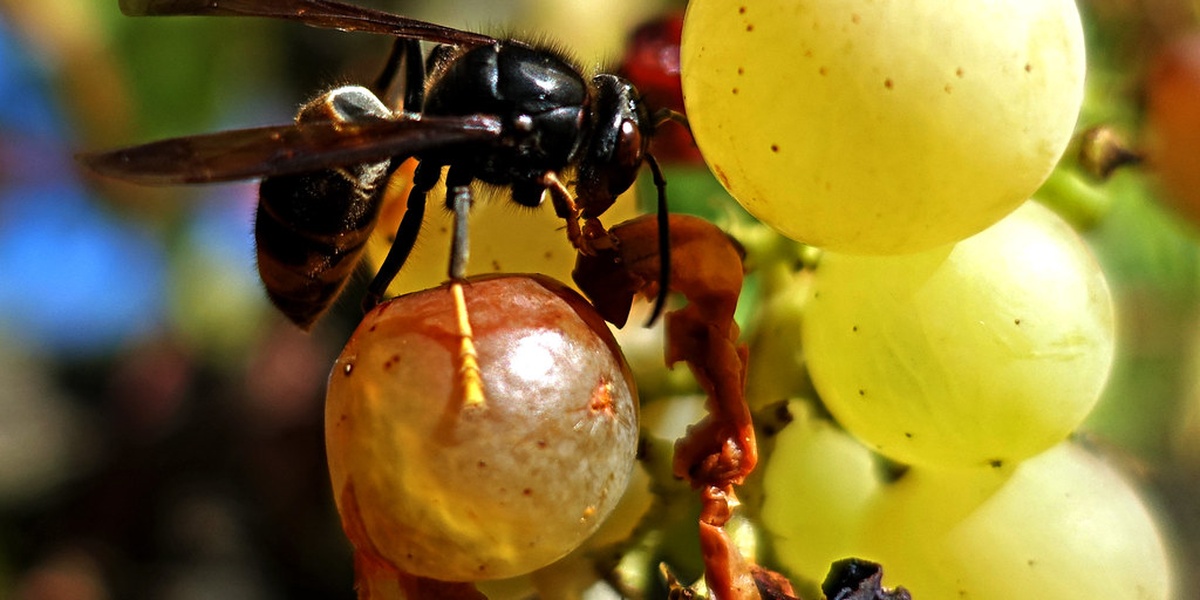
Spain’s rivers, coasts and protected areas are feeling the impact of non-native plants and animals that alter habitats, outcompete native species and complicate conservation work. Understanding which species are present helps managers, volunteers and curious readers track risks and priorities across the country.
There are 26 Invasive Species in Spain, ranging from the American mink to the Zebra mussel. For each entry you’ll find below concise records organized by Scientific name, Status, Distribution so you can quickly scan where a species occurs and how it’s classified.
How do species like the American mink and Zebra mussel get introduced and spread in Spain?
Introductions happen in different ways: escapes from fur farms or deliberate releases (American mink), ballast-water and hull fouling from ships (Zebra mussel), and accidental transport on equipment or in trade. Once established, many spread quickly via waterways, human movement and suitable habitats, so early detection and rapid response are essential.
What practical actions can people take to reduce the spread of invasive species?
Report sightings to local environmental authorities, avoid releasing pets or plants into the wild, clean and dry boats and gear between waterbodies, and support local removal or monitoring efforts—small steps by many people help slow introductions and protect native ecosystems.
Invasive Species in Spain
| Common name | Scientific name | Status | Distribution |
|---|---|---|---|
| Hottentot fig | Carpobrotus edulis | Listed invasive; control and eradication programmes | Mediterranean and Atlantic coasts; Balearic and Canary Islands |
| Silver wattle | Acacia dealbata | Recognised invasive; local eradication and containment measures | Northern and NW Spain; Galicia, Asturias, Cantabria; some Mediterranean sites |
| Long‑leaved wattle | Acacia longifolia | Listed invasive in regional lists; active control in coastal dunes | Coastal Andalusia, Galicia, Canary Islands |
| Pampas grass | Cortaderia selloana | Listed invasive; removal recommended near sensitive sites | Coastal and river corridors; Galicia, Basque Country, Canary Islands |
| Japanese knotweed | Reynoutria japonica | Recognised invasive; strict control and disposal rules | Riversides and disturbed soils across northern and central Spain |
| Himalayan balsam | Impatiens glandulifera | Listed invasive; riparian control programmes ongoing | Northern Spain riverbanks and wetlands |
| Canadian goldenrod | Solidago canadensis | Recognised invasive; monitoring and local eradication | Widespread in disturbed areas, north and central regions |
| Common ragweed | Ambrosia artemisiifolia | Listed invasive and public‑health concern; control required | Scattered across Spain, common in NE and irrigated areas |
| Water hyacinth | Eichhornia crassipes | Listed invasive; rapid eradication where found | Warm freshwater reservoirs and canals in southern Spain |
| Red swamp crayfish | Procambarus clarkii | Officially listed invasive; eradication and containment efforts | Widespread in wetlands, rice fields and rivers across Spain |
| American mink | Neovison vison | Listed invasive; control and local eradication campaigns | Coastal and inland waterways, northern and western Spain |
| Red‑eared slider | Trachemys scripta | Recognised invasive; removal and public education measures | Urban ponds, reservoirs, eastern and southern Spain |
| Ring‑necked parakeet | Psittacula krameri | Listed invasive in cities; monitoring and control plans | Major cities: Barcelona, Madrid, Seville, Valencia |
| Monk parakeet | Myiopsitta monachus | Recognised invasive; nest management required in urban areas | Urban parks and suburbs across Spain |
| Western mosquitofish | Gambusia holbrooki | Listed invasive; control in sensitive waters | Widespread in ponds, ditches and irrigation channels |
| Zebra mussel | Dreissena polymorpha | Recognised invasive; biosecurity and containment measures | Reservoirs and rivers in NE Spain and Ebro basin |
| Asian tiger mosquito | Aedes albopictus | Listed invasive; public‑health monitoring and control | Widespread in Mediterranean coasts, urban areas nationwide |
| Raccoon | Procyon lotor | Recognised invasive; local control where established | Scattered populations in NW Spain, Galicia and Asturias |
| Tree of heaven | Ailanthus altissima | Listed invasive; urban and riparian control actions | Cities and river corridors across Spain |
| Giant hogweed | Heracleum mantegazzianum | Recognised invasive and health hazard; control required | Isolated established sites in northern Spain |
| Butterfly bush | Buddleja davidii | Listed invasive in many regions; monitor and remove where needed | Railways, riverbanks and disturbed sites nationwide |
| Water primrose (ludwigia) | Ludwigia spp. | Recognised invasive; aquatic control programmes | Rivers, reservoirs and wetlands, common in NE and central Spain |
| Rhododendron | Rhododendron ponticum | Listed invasive; control in upland and coastal woodlands | Woodlands and heathlands in Galicia and northern mountains |
| Water fern | Azolla filiculoides | Recognised invasive; monitored in freshwater bodies | Ponds, canals and slow rivers across Spain |
| Spartina | Spartina alterniflora | Listed invasive in estuaries; eradication in sensitive wetlands | Ebro Delta and some Atlantic estuaries |
| Goldenrod (rush species) | Solidago gigantea | Recognised invasive; local control measures | Wet meadows and roadsides, scattered across Spain |
Images and Descriptions
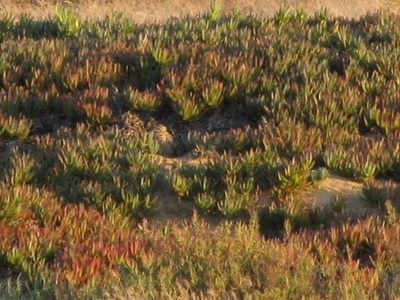
Hottentot fig
Prostrate succulent forming dense mats on dunes, cliffs and rocky shores that outcompete native flora and alter dune dynamics. Remove by hand or mechanised excavation and monitor for regrowth; report new infestations to regional environmental services.
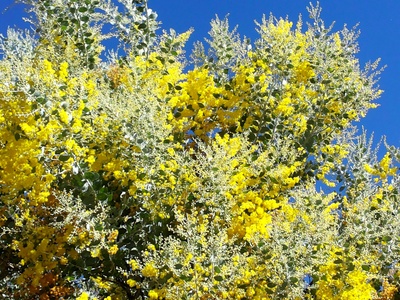
Silver wattle
Fast‑growing tree invading forest edges and scrub, shading native vegetation and fixing nitrogen that alters soils. Control by cutting followed by herbicide on stumps and removing seedlings; prevents spread of seeds and manage fire risk.
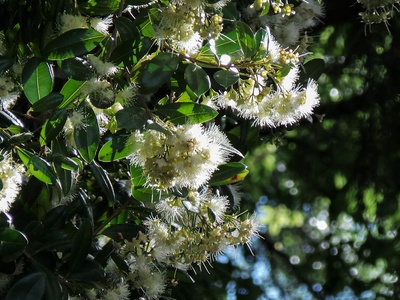
Long‑leaved wattle
Forms dense stands on dunes and coastal scrub, displacing native plants and changing sand dynamics. Remove seedlings, cut and treat stumps, and restore native vegetation; report large stands to authorities.

Pampas grass
Tall tussock grass that colonises disturbed ground, outcompetes natives and increases fire risk. Control by cutting before seed set and excavating crowns; bag seeds and coordinate removal with authorities.
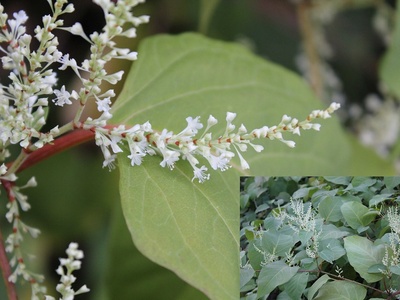
Japanese knotweed
Robust perennial forming dense stands that damage banks, infrastructure and biodiversity; very hard to eradicate. Requires repeated herbicide application, root excavation and proper disposal; report sightings to local control programs.
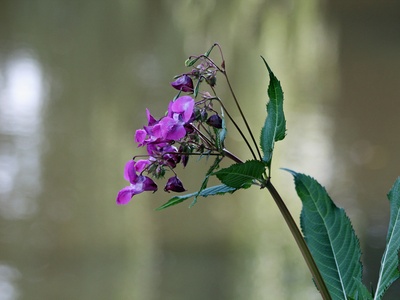
Himalayan balsam
Aggressive annual that colonises riverbanks, causing erosion by outcompeting natives. Pull before seed set or use targeted herbicide; small populations can be hand‑pulled and reported to river management authorities.
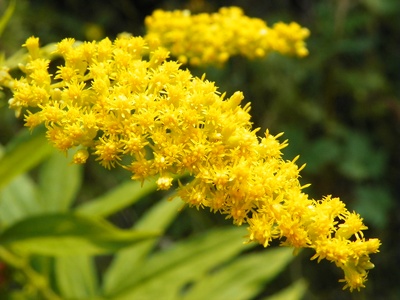
Canadian goldenrod
Perennial herb that spreads by rhizomes and seed, forming dense stands that reduce native diversity. Control by mowing before seeding, repeated cutting or herbicide; report expanding populations to regional services.
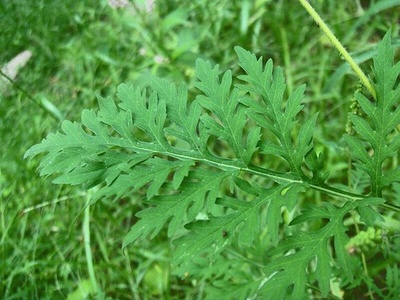
Common ragweed
Annual plant producing allergenic pollen and outcompeting crops and natives. Control by preventing seed set, mechanical removal, and herbicide; report populations that threaten public health or crops.
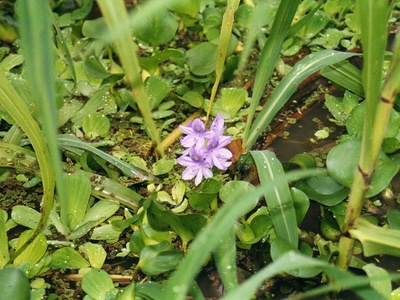
Water hyacinth
Free‑floating aquatic forming dense mats that block waterways, harm biodiversity and impede irrigation. Remove mechanically and with herbicide where permitted; report new infestations immediately to water authorities.
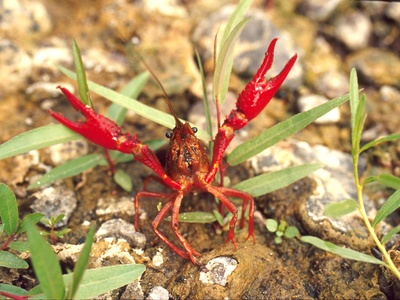
Red swamp crayfish
Highly invasive crayfish that burrows banks, preys on native fauna and spreads disease. Control by trapping, habitat management and preventing transfers; report captures and restrict movement of equipment.
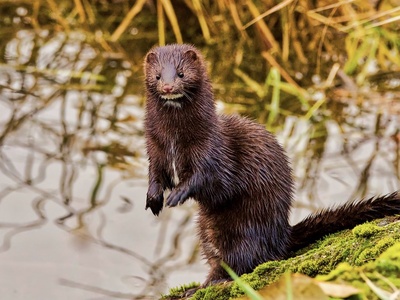
American mink
Semi‑aquatic predator that preys on birds, fish and mammals, impacting native waterbirds. Trapping and removal by authorised teams recommended; report sightings to wildlife authorities.
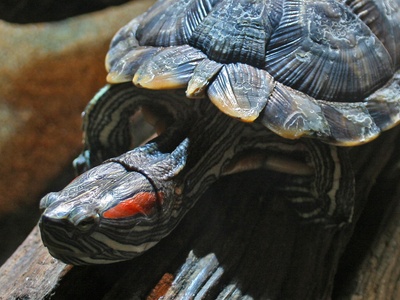
Red‑eared slider
Released pet turtle establishing breeding populations; competes with native turtles and alters pond ecosystems. Capture and handover to authorities; do not release pets and report breeding populations.
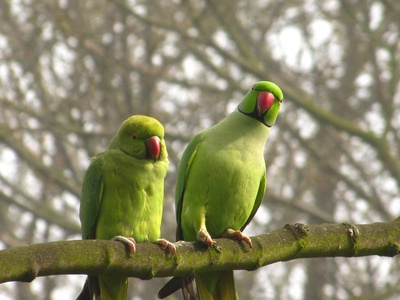
Ring‑necked parakeet
Adaptable parakeet forming noisy colonies that damage crops, outcompete cavity nesters and create sanitation issues. Control via nest removal, egg oiling and population management; report roosts to local wildlife services.
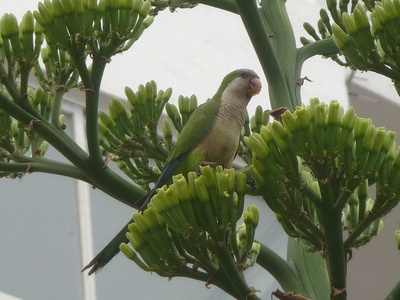
Monk parakeet
Builds large communal stick nests on trees and infrastructure, causing power outages and competing with natives. Remove nests safely, manage populations and report nests on infrastructure to utilities and authorities.
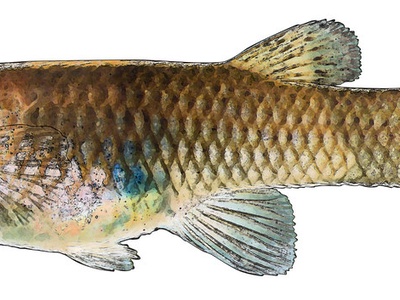
Western mosquitofish
Small predatory fish introduced for mosquito control that preys on native larvae and alters ecosystems. Prevent transfers between waters, drain small ponds periodically and report new populations to fisheries authorities.
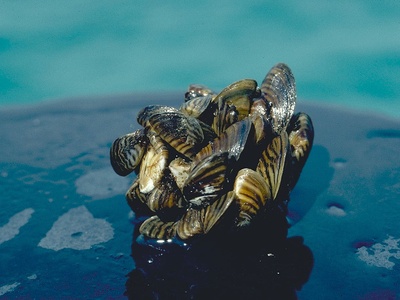
Zebra mussel
Bivalve that encrusts surfaces, clogs intakes, and alters food webs. Clean boats and equipment, report colonised sites, and follow decontamination protocols to limit spread.
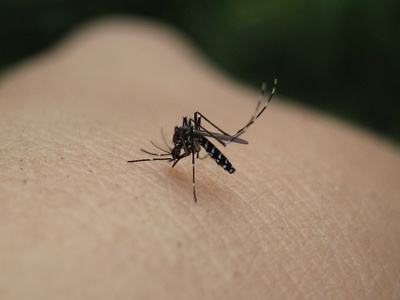
Asian tiger mosquito
Aggressive day‑biting mosquito that transmits diseases and thrives in small water bodies. Eliminate standing water, use repellents, report high densities to health authorities for vector control.
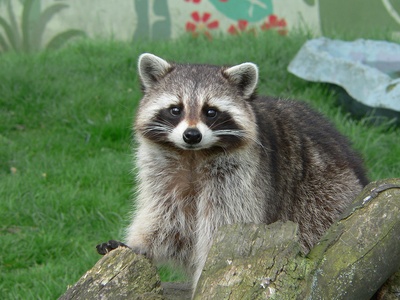
Raccoon
Omnivorous mammal that damages crops, preys on wildlife and hosts pathogens. Secure waste and poultry, avoid feeding, and report sightings to regional wildlife control for removal options.

Tree of heaven
Fast‑growing tree invading roadsides and riverbanks, producing abundant seed and resprouting after cutting. Control by cutting plus herbicide on stumps, monitor regrowth and report large stands.
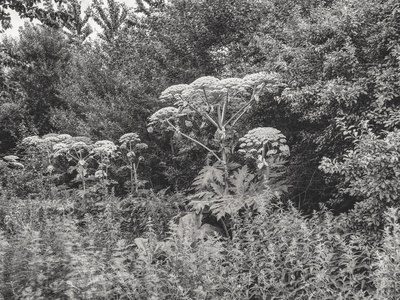
Giant hogweed
Tall plant causing severe skin burns from sap and outcompeting natives along waterways. Avoid contact, wear protection when removing, report locations to health/environmental authorities for managed removal.
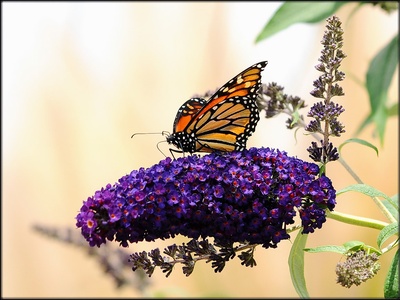
Butterfly bush
Fast‑growing shrub that spreads by seed, colonises disturbed ground and reduces native plant diversity. Cut and remove flower heads before seed set; remove seedlings and report large infestations.
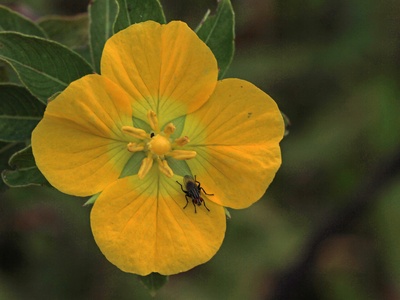
Water primrose (ludwigia)
Rooted aquatic plants forming dense mats that choke waterways, reduce oxygen and biodiversity. Mechanical removal, herbicide in controlled programs and strict cleaning of boats and gear recommended.
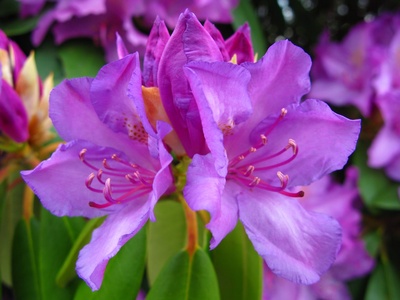
Rhododendron
Evergreen shrub invading acidic soils, shading natives and altering habitats. Control by cutting and herbicide, remove seedlings and coordinate landscape‑scale eradication.
Water fern
Small floating fern that multiplies rapidly, blocking light and oxygen exchange and affecting fisheries. Remove mechanically, prevent dispersal on equipment and report blooms to water managers.
Spartina
Saltmarsh grass altering sedimentation and outcompeting native estuarine plants, changing habitats for birds. Control by coordinated removal and monitoring; report new colonisation to coastal managers.
Goldenrod (rush species)
Perennial that forms dense stands via rhizomes, reducing meadow biodiversity and altering habitats. Repeated mowing, excavation of rhizomes or herbicide application recommended; report spreading stands.