Togo’s mix of coastal lagoons, riverine wetlands and forest patches supports a rich bird community despite the country’s small size. Whether you’re planning a short visit or building a reference, a compact list helps you spot patterns, prioritize sites and check conservation status quickly.
There are 30 Birds of Togo, ranging from African Darter to White‑throated Bee‑eater. For each species, Scientific name,IUCN status,Residency & key sites are listed so you can see identity, conservation status and likely locations — you’ll find the full list below.
When is the best time to go birdwatching in Togo?
The dry season (roughly November–March) is generally easiest for visibility and access, and it overlaps with many migratory arrivals; wetlands and coastal lagoons are especially good then. Visiting during migration windows will add passage species, while the rainy season can be better for resident forest species but harder logistically.
How should I use the columns to plan a trip?
Use the Scientific name to confirm identifications, IUCN status to prioritize rare or threatened species, and Residency & key sites to choose where and when to look. Combine that with local access info and a recent checklist to turn the list you’ll find below into a practical itinerary.
Birds of Togo
| Common name | Scientific name | IUCN status | Residency & key sites |
|---|---|---|---|
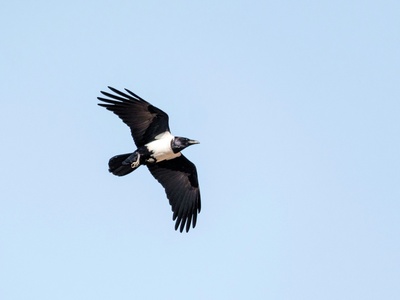
| Pied Crow | Corvus albus | LC | Resident; Lomé, towns and coastal villages |
| African Grey Parrot | Psittacus erithacus | EN | Resident; Fazao‑Malfakassa NP, Kéran NP, southern forest patches |
| Hooded Vulture | Necrosyrtes monachus | CR | Resident/scavenger; Lomé markets, roadside and savanna near Fazao‑Malfakassa |
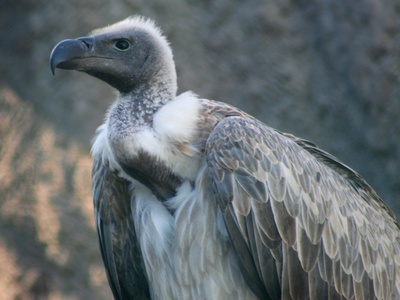
| White‑backed Vulture | Gyps africanus | CR | Rare resident/visitor; Fazao‑Malfakassa NP, Kéran NP |
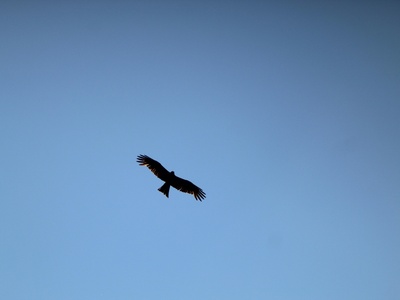
| Black Kite | Milvus migrans | LC | Resident and migrant; Lomé coast, inland wetlands |
| African Jacana | Actophilornis africanus | LC | Resident; Lake Togo, coastal lagoons, inland ponds |
| Pied Kingfisher | Ceryle rudis | LC | Resident; Lake Togo, coastal lagoons, rivers near Lomé |
| Malachite Kingfisher | Corythornis cristatus | LC | Resident; small streams, Lake Togo margins, wetlands |
| African Pygmy Kingfisher | Ispidina picta | LC | Resident; forest edges and gardens around Kpalimé, southern forests |
| Little Bee‑eater | Merops pusillus | LC | Resident; savanna woodlands, Fazao region, Oti areas |
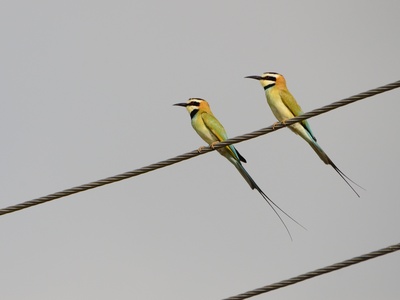
| White‑throated Bee‑eater | Merops albicollis | LC | Seasonal migrant; open savanna at Oti, Kéran, dry season |
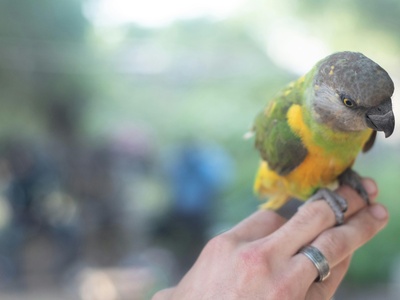
| Senegal Parrot | Poicephalus senegalus | LC | Resident; savanna woodlands, Kpalimé outskirts, Fazao‑Malfakassa |
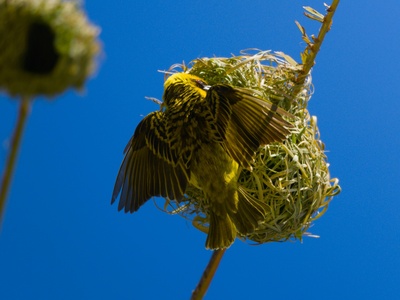
| Village Weaver | Ploceus cucullatus | LC | Resident; villages, farmlands, lakeshores around Lomé and central Togo |
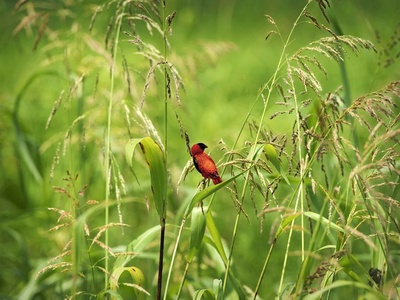
| Northern Red Bishop | Euplectes franciscanus | LC | Resident; marshy grasslands, Lake Togo wetlands, seasonal pools |
| Western Plantain‑eater | Crinifer piscator | LC | Resident; gallery forest, towns like Kpalimé, coastal plantations |
| Palm‑nut Vulture | Gypohierax angolensis | LC | Resident; coastal lagoons, Lake Togo, Aného mangroves |
| African Fish Eagle | Haliaeetus vocifer | LC | Resident; Lake Togo, inland reservoirs, coastal lagoons |
| Spur‑winged Lapwing | Vanellus spinosus | LC | Resident; mudflats, Lake Togo margins, coastal lagoons |
| Black‑winged Stilt | Himantopus himantopus | LC | Migrant/visitor; coastal saltpans, Lake Togo, lagoons near Aného |
| Grey Heron | Ardea cinerea | LC | Resident and migrant; Lake Togo, rivers, wetlands near Lomé |
| Great Egret | Ardea alba | LC | Resident; wetlands, Lake Togo, coastal lagoons and mangroves |
| Little Egret | Egretta garzetta | LC | Resident; lagoons, mangroves, wetlands around Aného and Togoville |
| African Darter | Anhinga rufa | LC | Resident; sheltered lakes and slow rivers, Lake Togo fringes |
| Western Reef Heron | Egretta gularis | LC | Resident; rocky coast, tidal flats and lagoons near Lomé coast |
| African Grey Hornbill | Lophoceros nasutus | LC | Resident; savanna woodland, towns, Fazao and Kpalimé outskirts |
| Blue‑bellied Roller | Coracias cyanogaster | LC | Resident; open woodland and savanna, Fazao and Oti areas |
| Violet‑backed Starling | Cinnyricinclus leucogaster | LC | Resident and migrant; forest edges, gardens around Kpalimé and southern Togo |
| African Silverbill | Euodice cantans | LC | Resident; dry scrub, farmland edges, near Lomé and central savanna |
| Red‑billed Firefinch | Lagonosticta senegala | LC | Resident; scrub, village gardens, wetlands margins across Togo |
| Rock Pigeon | Columba livia | LC | Resident; towns and ports foraging around Lomé and coastal settlements |
Images and Descriptions
Pied Crow
A bold, medium-sized crow with black body and contrasting white belly and neck. Common around towns, markets and coast; omnivorous and highly opportunistic, often seen perching on buildings and feeding on scraps and carrion.

African Grey Parrot
Large, charismatic grey parrot with a red tail and powerful beak. Highly intelligent and vocal, inhabits mature lowland forest; declining due to trapping and habitat loss, best seen deep in protected forest reserves.

Hooded Vulture
Small, long‑necked vulture with a brown hood and pale head. Scavenging specialist found near human settlements and carcasses; populations have crashed regionally, making sightings increasingly notable.
White‑backed Vulture
Large vulture with broad wings, pale back and soaring flight. Prefers savanna and open country; critically endangered from poisoning and habitat loss, now rare but historically recorded in Togo’s protected areas.
Black Kite
Medium raptor with forked tail, dark plumage and buoyant flight. Common around towns and wetlands, often scavenging; some populations are migratory, arriving in greater numbers in dry season.

African Jacana
Slender wading bird with long toes and yellow facial patch. Walks on floating vegetation, feeding on insects and invertebrates; distinctive in shallow wetlands and lakeshores.
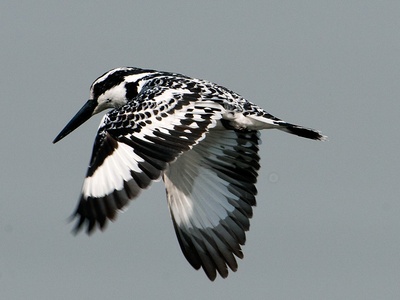
Pied Kingfisher
Black-and-white diving kingfisher that hovers over water before plunging for fish. Common on lakes and estuaries; unmistakable silhouette and rattling call make it easy to spot.
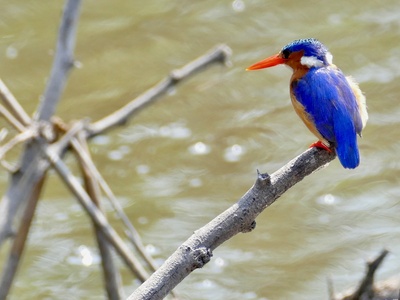
Malachite Kingfisher
Tiny, bright kingfisher with metallic blue back and rufous underparts. Darts from low perches to catch small fish; favours vegetated edges of rivers and lagoons.
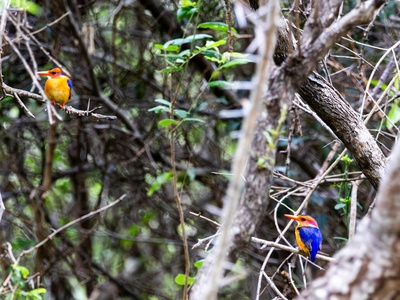
African Pygmy Kingfisher
Small colourful kingfisher with rufous belly and blue wings. Secretive and often perched low, hunts insects and small prey; common in scrub and forest clearings.
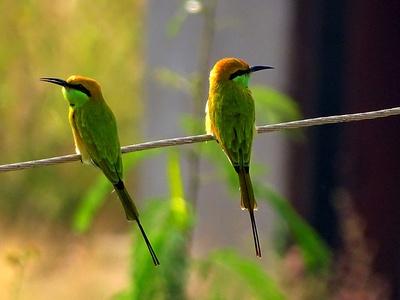
Little Bee‑eater
Small, green bee‑eater with yellow throat and black eye stripe. Agile aerial insectivore that nests in burrows; often seen in small flocks perched on wires or branches.
White‑throated Bee‑eater
Striking migrant with white throat, chestnut crown and green body. Breeds north and disperses southwards; forms noisy colonies on bare earth banks during migration.
Senegal Parrot
Medium parrot with green body and yellow chest patch. Common in dry woodland and agricultural edges, with squawky calls; often seen feeding on seeds and fruit.
Village Weaver
Stocky, sociable weaver with bright yellow breeding plumage in males and intricate woven nests. Common near human habitation, feeding on seeds and insects in flocks.
Northern Red Bishop
Small, brightly coloured finch in breeding plumage with fiery red and black. Breeds in wet grass; conspicuous in reedbeds and flooded meadows during the rainy season.
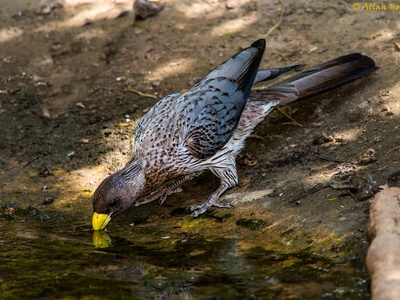
Western Plantain‑eater
Large, noisy turaco‑like bird with grey plumage and white streaks; feeds on fruit in tree canopy. Often heard before seen, perching conspicuously near fruiting trees.
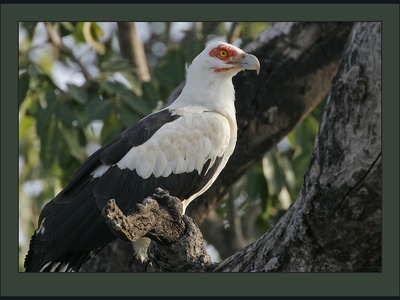
Palm‑nut Vulture
Medium vulture specialized on palm fruit and crabs; pale head and distinctive flight silhouette. Found along coast and mangroves, often near oil‑palm stands and estuaries.
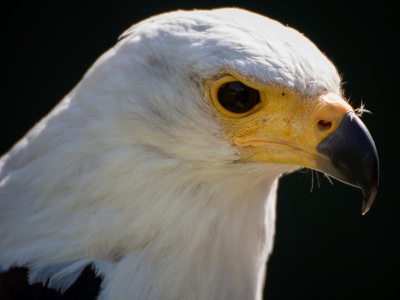
African Fish Eagle
Powerful eagle with white head, dark body and loud, evocative cry. Perches near water to hunt fish; a classic wetland raptor of lakes and large rivers.
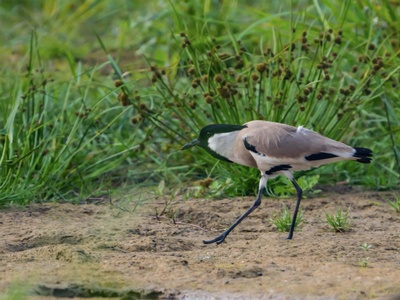
Spur‑winged Lapwing
Bold wader with black crown and white face, pale belly and spur on wing. Frequent on mud and shallow water; often feeds in small groups.
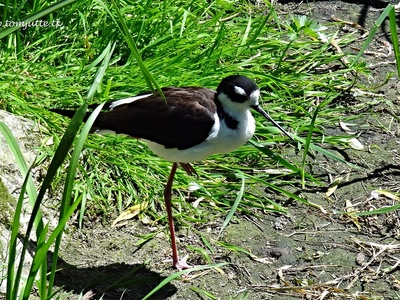
Black‑winged Stilt
Very long‑legged wader with black wings and white body. Probes shallow water for invertebrates; seen on tidal flats and seasonal wetlands during migration.
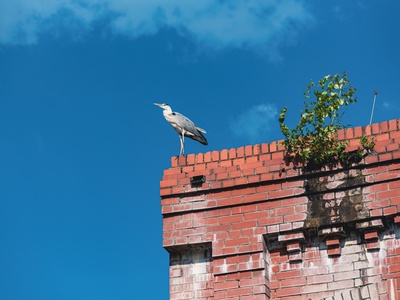
Grey Heron
Large, grey wading bird with long neck and dagger bill. Patient ambush predator feeding on fish and amphibians; common on lakeshores and riverbanks.
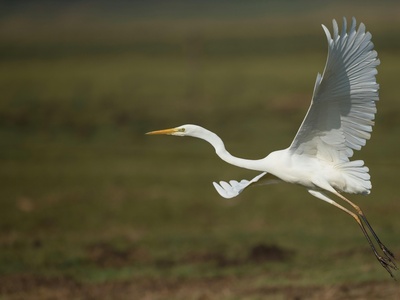
Great Egret
Tall, elegant white heron with S‑shaped neck and long yellow bill. Forages in shallow water for fish and amphibians; noticeable in breeding displays.
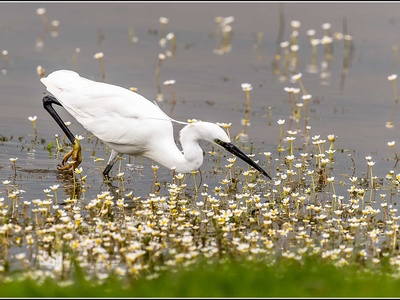
Little Egret
Small white heron with black bill and legs, yellow feet. Active stalker of shallow water; often forms mixed foraging flocks with other waders.

African Darter
Slender, snake‑necked waterbird that swims low with only neck visible. Dries wings perched on branches; dives for fish in quiet waters and reedbeds.
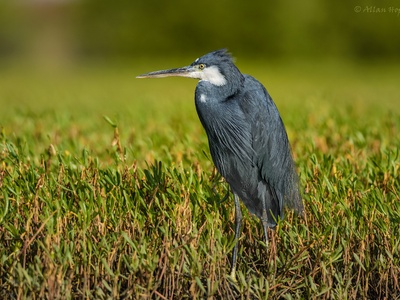
Western Reef Heron
Variable grey or white heron often seen along tidal shores. Probes shallow pools and mud for crustaceans and fish; favours coastal habitats and estuaries.
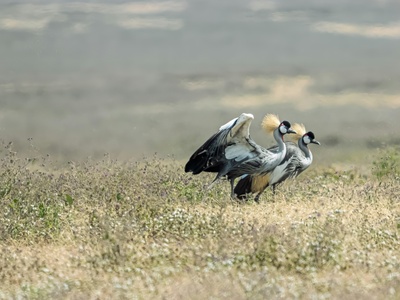
African Grey Hornbill
Medium hornbill with long curved bill and casque; grey plumage and white belly. Often seen in pairs or small groups, feeding on fruit and insects in trees.
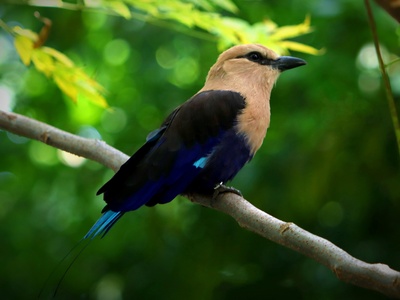
Blue‑bellied Roller
Colourful roller with blue belly, brown back and strong, acrobatic flight. Perches conspicuously and sallies out for large insects; a striking sight across open country.
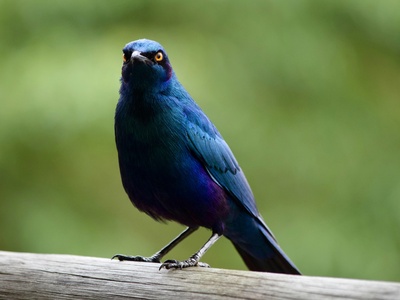
Violet‑backed Starling
Small, glossy starling; males show iridescent violet back and white underparts, females duller. Feeds on fruit and insects in canopy and plantations.
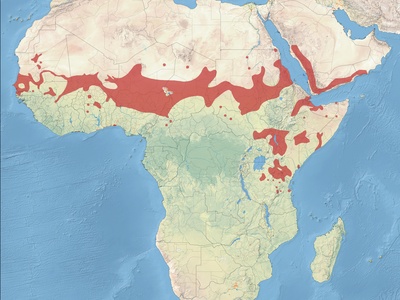
African Silverbill
Tiny, sociable finch with greyish body and fine bill. Feeds on grass seeds and often forms loose flocks; common in semi‑arid and cultivated areas.
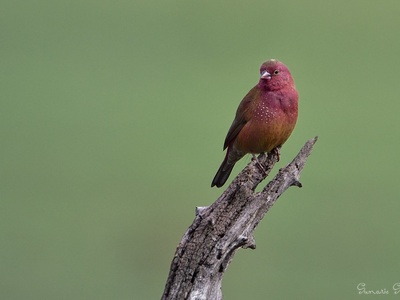
Red‑billed Firefinch
Small, stout finch with bright red head and underparts in males. Often near human habitation, nesting in hedges and feeding on seeds and small insects.
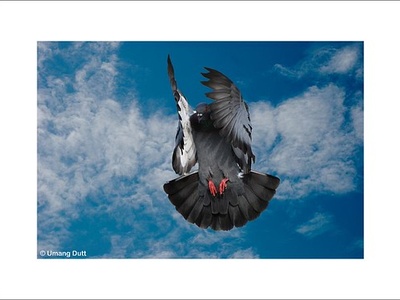
Rock Pigeon
Usually feral urban pigeon with variable grey plumage and iridescent neck. Abundant in built environments, roosting on buildings and feeding on scraps in city centres.