Asia’s ecosystems—from mangroves and tropical forests to high-altitude plateaus—support enormous wildlife diversity. Rapid development, habitat loss, poaching and pollution have pushed many animals toward extinction across the region.
There are 47 Endangered Species in Asia, ranging from Asian arowana to White-rumped vulture. For each species the listing shows Scientific name,IUCN status,Range so you can see classification and distribution — you’ll find below.
How can I help protect endangered wildlife in Asia?
Support reputable conservation organizations that work locally on habitat protection and anti-poaching, avoid buying wildlife products, choose responsible eco-tour operators, and take part in citizen science or local restoration projects; even small actions—donations, petitions, spreading accurate information—can influence policy and funding.
What are the main threats pushing species toward extinction in Asia?
Primary drivers are habitat loss and fragmentation from development and agriculture, illegal hunting and trade, pollution and invasive species, plus climate change effects that alter habitats; threats vary by species and region, so targeted conservation plans are essential.
Endangered Species in Asia
| Name | Scientific name | IUCN status | Range |
|---|---|---|---|
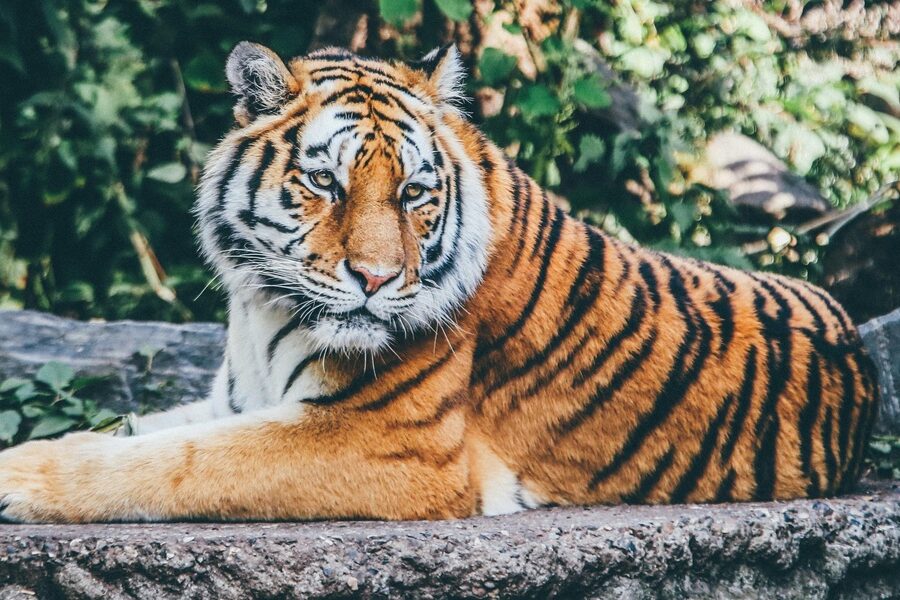
| Tiger | Panthera tigris | EN 2015 | India, Russia (Far East), China, Southeast Asia |
| Asian elephant | Elephas maximus | EN 2021 | India, Sri Lanka, Myanmar, Thailand, Indonesia (Sumatra), Malaysia |
| Giant panda | Ailuropoda melanoleuca | VU 2016 | Central China (Sichuan, Shaanxi, Gansu) |
| Snow leopard | Panthera uncia | VU 2017 | Himalayas, Tibetan Plateau, Central Asia |
| Clouded leopard | Neofelis nebulosa | VU 2015 | South and Southeast Asia (India to Borneo) |
| Leopard | Panthera pardus | VU 2016 | Widespread Asia (India, China, SE Asia) and Africa |
| Asiatic black bear | Ursus thibetanus | VU 2015 | Himalayas, East Asia, Southeast Asia, Japan |
| Javan rhinoceros | Rhinoceros sondaicus | CR 2011 | Indonesia (Ujung Kulon, Java) |
| Sumatran rhinoceros | Dicerorhinus sumatrensis | CR 2016 | Sumatra and Borneo (Indonesia, Malaysia) |
| Indian rhinoceros | Rhinoceros unicornis | VU 2015 | India (Assam), Nepal, Bhutan |
| Sunda pangolin | Manis javanica | CR 2019 | Southeast Asia (Indonesia, Malaysia, Thailand, Vietnam) |
| Chinese pangolin | Manis pentadactyla | CR 2014 | China, Nepal, India, Southeast Asia |
| Indian pangolin | Manis crassicaudata | EN 2014 | Indian subcontinent (India, Pakistan, Sri Lanka, Nepal) |
| Bornean orangutan | Pongo pygmaeus | CR 2016 | Borneo (Indonesia, Malaysia) |
| Sumatran orangutan | Pongo abelii | CR 2016 | Northern Sumatra, Indonesia |
| Tapanuli orangutan | Pongo tapanuliensis | CR 2017 | Tapanuli region, North Sumatra, Indonesia |
| Gharial | Gavialis gangeticus | CR 2007 | India, Nepal, Bangladesh |
| Mekong giant catfish | Pangasianodon gigas | CR 2011 | Mekong River (Cambodia, Laos, Thailand, Vietnam) |
| Hawksbill turtle | Eretmochelys imbricata | CR 2018 | Tropical Asia (Indian Ocean, Southeast Asia) |
| Green turtle | Chelonia mydas | EN 2018 | Tropical and subtropical Asia coasts |
| Leatherback turtle | Dermochelys coriacea | VU 2013 | Oceans bordering Asia (Indian Ocean, Pacific coasts) |
| Olive ridley turtle | Lepidochelys olivacea | VU 2017 | Indian and Pacific coasts of Asia |
| Dugong | Dugong dugon | VU 2008 | Coastal waters of South and Southeast Asia, Red Sea |
| Irrawaddy dolphin | Orcaella brevirostris | VU 2017 | Coastal and river systems in South and Southeast Asia |
| Fishing cat | Prionailurus viverrinus | VU 2016 | South and Southeast Asia wetlands and mangroves |
| Flat-headed cat | Prionailurus planiceps | EN 2015 | Peninsular Malaysia, Borneo, Sumatra |
| Red panda | Ailurus fulgens | EN 2015 | Himalayas (Nepal, India, Bhutan) and southwestern China |
| Saola | Pseudoryx nghetinhensis | CR 2019 | Annamite Range (Vietnam, Laos) |
| Bengal florican | Houbaropsis bengalensis | CR 2018 | South Asia (India, Cambodia, Vietnam) |
| Spoon-billed sandpiper | Calidris pygmaea | CR 2010 | Russian Arctic breeders; winters/coastal stopovers in East and Southeast Asia |
| Siberian crane | Leucogeranus leucogeranus | CR 2018 | Breeds Siberia; winters in China and Iran |
| White-rumped vulture | Gyps bengalensis | CR 2004 | Indian subcontinent, parts of Southeast Asia |
| Indian vulture | Gyps indicus | CR 2007 | Indian subcontinent |
| Slender-billed vulture | Gyps tenuirostris | CR 2004 | Indian subcontinent and Southeast Asia |
| Ganges river dolphin | Platanista gangetica | EN 2017 | Ganges–Brahmaputra–Meghna and Karnaphuli river systems (India, Bangladesh, Nepal) |
| Malayan tapir | Tapirus indicus | EN 2019 | Peninsular Malaysia, Sumatra, southern Thailand |
| Asian arowana | Scleropages formosus | EN 2011 | Southeast Asia (Indonesia, Malaysia) |
| Greater adjutant | Leptoptilos dubius | EN 2017 | India (Assam), Cambodia |
| Javan hawk-eagle | Nisaetus bartelsi | EN 2015 | Java, Indonesia |
| Philippine eagle | Pithecophaga jefferyi | CR 1998 | Philippines (Luzon, Mindanao, Samar) |
| Chinese giant salamander | Andrias davidianus | CR 2010 | Central and southern China |
| Northern river terrapin | Batagur baska | CR 2010 | Southeast Bangladesh, India, Malaysia |
| Horseshoe crab (tri-spine) | Tachypleus tridentatus | EN 2016 | East and Southeast Asia coasts |
| Black-faced spoonbill | Platalea minor | EN 2018 | East Asia (Korea, China, Taiwan, Japan) |
| Sunda slow loris | Nycticebus borneanus | EN 2015 | Borneo, Sumatra, Malay Peninsula |
| Indus river dolphin | Platanista minor | EN 2008 | Indus River, Pakistan |
| Malabar large-spotted civet | Viverra civettina | EN 2015 | Southwest India (Western Ghats) |
Images and Descriptions

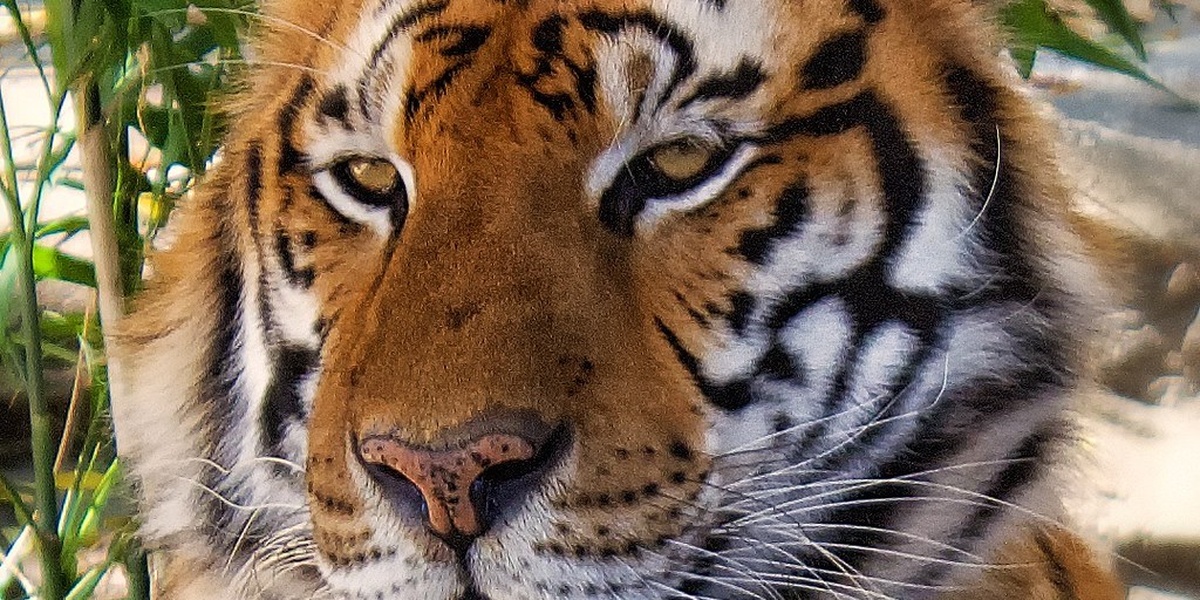
Tiger
Iconic large cat found across Asia’s forests and grasslands; threatened by poaching, habitat loss, and prey decline. Conservation focuses on anti-poaching patrols, protected areas, and community-based conflict reduction.

Asian elephant
Social, long-lived species of forests and grasslands; threatened by habitat fragmentation, human–elephant conflict, and poaching. Conservation includes habitat corridors, rescue centers, and anti-poaching enforcement.
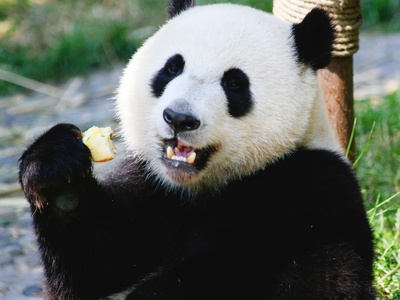
Giant panda
Beloved bamboo specialist with a recovering population due to strict reserves and reforestation. Main threats were habitat fragmentation and low birth rates; conservation uses protected areas and captive breeding.
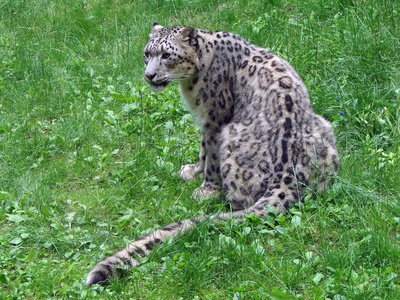
Snow leopard
Stealthy mountain predator adapted to cold, high-altitude ranges; threatened by habitat loss, retaliatory killing, and prey depletion. Conservation emphasizes transboundary reserves and community livestock compensation.

Clouded leopard
Medium-sized, arboreal predator with striking cloud-like spots; threatened by deforestation and illegal trade. Protected-area management and anti-poaching efforts are key.
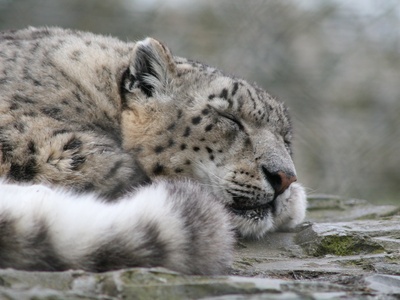
Leopard
Flexible carnivore surviving in fragmented habitats; faces poaching, habitat loss, and conflict with people. Conservation includes anti-poaching, landscape connectivity, and conflict mitigation.
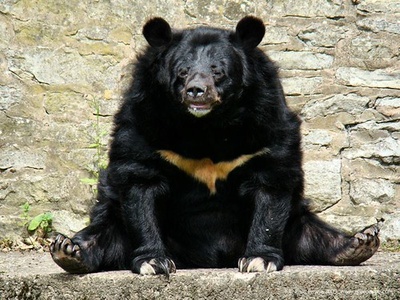
Asiatic black bear
Forest-dwelling omnivore threatened by habitat loss, illegal bile farming, and poaching. Conservation focuses on law enforcement, rescue of bile-farm bears, and habitat protection.

Javan rhinoceros
One of the world’s rarest large mammals, now restricted to a single Indonesian park; threatened by tiny range, poaching, and disease. Intensive protection, monitoring, and habitat management are vital.

Sumatran rhinoceros
Small, hairy rhino species driven to tiny, fragmented populations by habitat loss and poaching. Captive breeding and forest protection are central to recovery.

Indian rhinoceros
Large one-horned rhino of floodplain grasslands; threatened historically by poaching and habitat conversion. Successful anti-poaching and translocation have helped populations rebound.

Sunda pangolin
Scaly mammal heavily targeted by illegal international trade for scales and meat. Rapid decline led to strict trade bans, rescue efforts, and demand-reduction campaigns.
Chinese pangolin
Small, nocturnal insectivore severely impacted by hunting and trade for scales and traditional medicine. Rescue centers and stronger law enforcement aim to curb illegal trade.
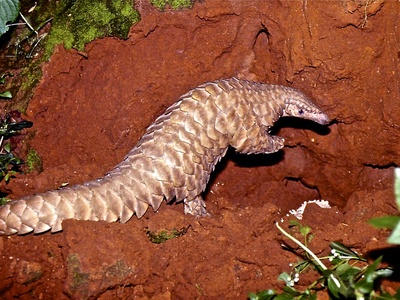
Indian pangolin
Terrestrial pangolin hunted for meat and scales while losing habitat. Conservation work includes anti-poaching patrols, rehabilitation, and public awareness.

Bornean orangutan
Great ape of Borneo suffering from deforestation, palm oil expansion, and illegal capture. Conservation emphasizes habitat protection, reintroduction, and law enforcement.

Sumatran orangutan
Critically endangered great ape with tiny fragmented forests; threats include logging, agricultural conversion, and hunting. Rescue, rehabilitation, and forest protection are critical.

Tapanuli orangutan
Newly described and the world’s most endangered great ape, threatened by small range, mining, and road development. Strict habitat protection and curbing development are urgent.
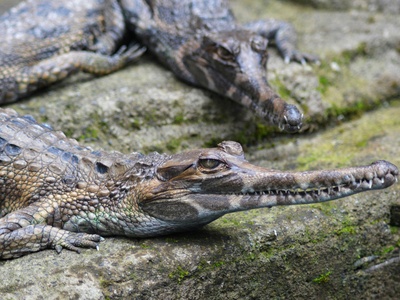
Gharial
River specialist with a slender snout, once widespread in South Asia; now fragmented due to river modification, fishing gear entanglement, and habitat loss. River protection and captive breeding are used.
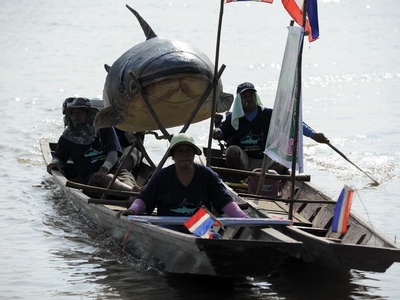
Mekong giant catfish
One of the largest freshwater fish, severely depleted by overfishing, dams blocking migration, and habitat changes. Fisheries management and dam impact mitigation are essential.
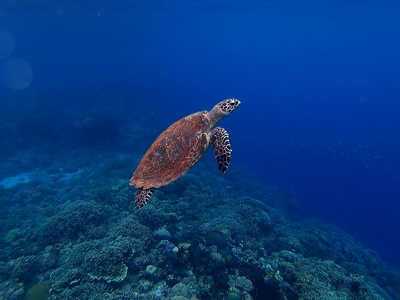
Hawksbill turtle
Sea turtle prized for its shell; coastal habitat loss, bycatch, and illegal trade have driven drastic declines. Nest protection, trade bans, and bycatch reduction help recovery.
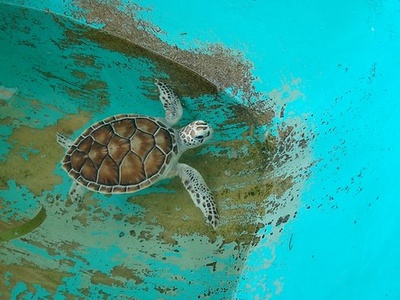
Green turtle
Widespread marine herbivore facing egg collection, bycatch, and coastal development. Nest monitoring, protected beaches, and fisheries reforms are common conservation tools.
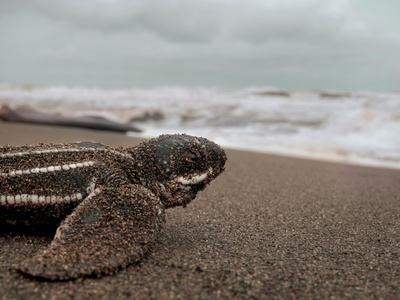
Leatherback turtle
Largest sea turtle, migratory and vulnerable from fisheries bycatch, egg poaching, and vessel strikes. International cooperation, protected beaches, and bycatch-reduction gear are vital.
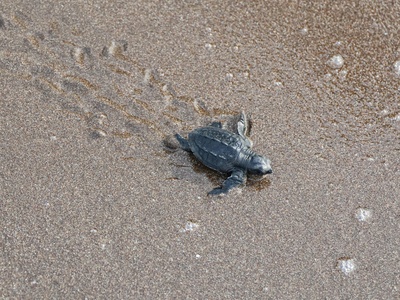
Olive ridley turtle
Mass-nesting species threatened by bycatch, coastal development, and egg harvesting. Conservation uses protected nesting sites and community-led patrols.
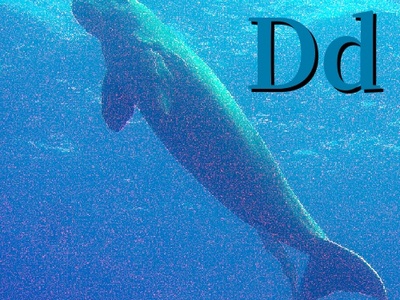
Dugong
Marine herbivore reliant on seagrass beds; threatened by habitat loss, bycatch, and boat strikes. Seagrass protection and fisheries management support recovery.
Irrawaddy dolphin
Small, estuarine dolphin threatened by bycatch, river pollution, and habitat degradation. Protected river stretches, bycatch reduction, and awareness programs help populations.

Fishing cat
Wetland specialist cat declining from habitat loss, wetland conversion, and persecution. Conservation focuses on wetland protection and community stewardship.
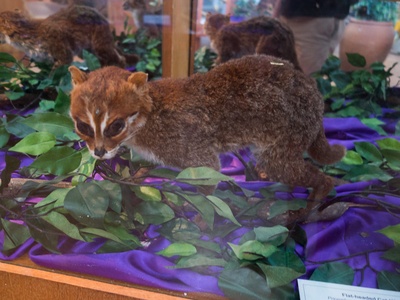
Flat-headed cat
Very rare, small wild cat tied to rivers and peat swamp forests; threatened by drainage, deforestation, and pollution. Protecting freshwater habitats is crucial.
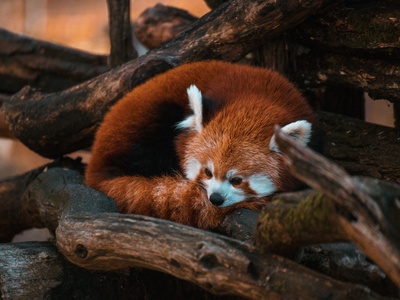
Red panda
Small arboreal mammal dependent on bamboo; faces habitat loss, fragmentation, and poaching. Community conservation and habitat corridors are priorities.
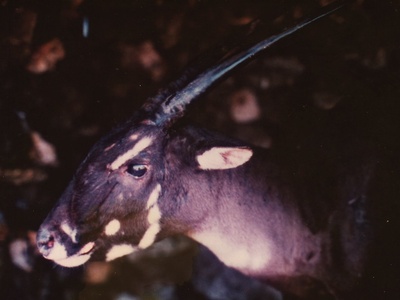
Saola
Elusive “Asian unicorn” discovered recently and already critically endangered from snaring and habitat loss. Intensive anti-snaring and protected-area management are essential.

Bengal florican
Rare grassland bustard declining from agricultural expansion and habitat conversion. Grassland protection, incentives for low-intensity farming, and captive breeding are used.
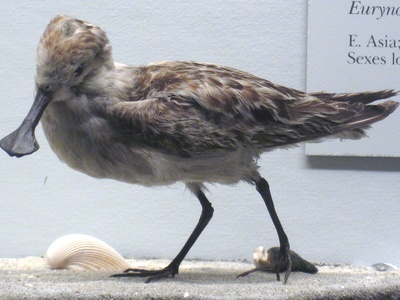
Spoon-billed sandpiper
Tiny migratory shorebird facing rapid loss of tidal flats, hunting, and disturbance. Habitat protection along flyways and captive breeding support survival.
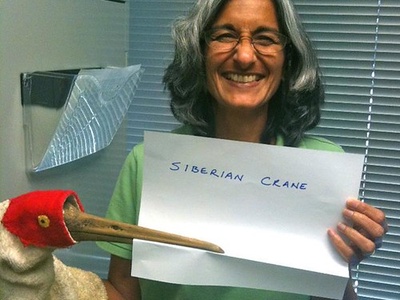
Siberian crane
White crane with specialized wetlands habitat, devastated by hunting and wetland loss. International wetland conservation and captive flocks are critical.

White-rumped vulture
Once-common scavenger collapsed from NSAID poisoning (diclofenac) in livestock carcasses. Bans on toxic drugs, vulture restaurants, and captive breeding aid recovery.

Indian vulture
Critically endangered scavenger decimated by veterinary drug poisoning; recovery efforts focus on safe-drug policies, captive breeding, and monitoring.

Slender-billed vulture
Another vulture species hit hard by diclofenac with very small remnant populations; conservation mirrors other vulture recovery programs.
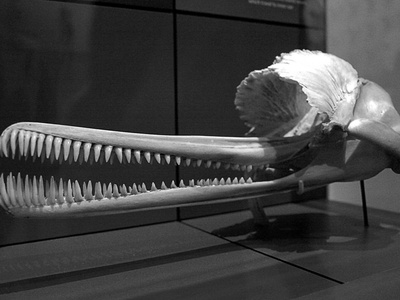
Ganges river dolphin
Freshwater dolphin threatened by pollution, damming, and entanglement. River conservation, fisheries regulation, and protected river sanctuaries are key.
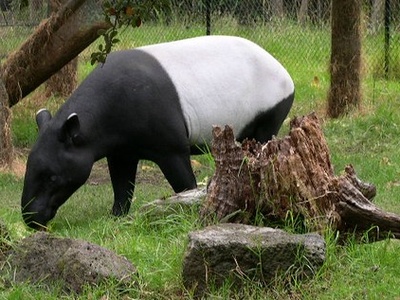
Malayan tapir
Distinctive trunked mammal of lowland forests; threatened by deforestation, hunting, and road kills. Protected areas and wildlife corridors help survival.

Asian arowana
Ornamental freshwater fish prized in aquaria and threatened by over-collection and habitat loss. Trade controls, captive breeding, and habitat protection are conservation tools.
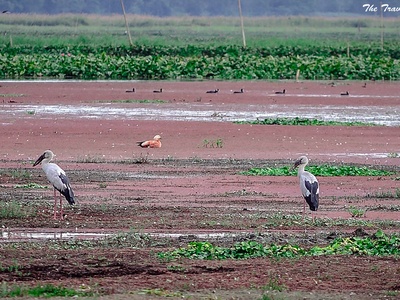
Greater adjutant
Large stork found near wetlands and villages, threatened by habitat loss, disturbance, and low breeding success. Nest protection and wetland conservation help local populations.

Javan hawk-eagle
Endemic forest raptor threatened by habitat loss from agriculture and logging. Protected forest reserves and anti-logging enforcement are primary actions.

Philippine eagle
Massive forest eagle critically endangered by deforestation and persecution. Habitat protection, captive breeding, and community education are central to survival.

Chinese giant salamander
World’s largest salamander suffering from over-collection for food and habitat degradation; captive breeding and habitat protection are urgent.

Northern river terrapin
Large river turtle nearly extirpated by egg collection, hunting, and river modification. Nesting beach protection and head-starting programs support recovery.

Horseshoe crab (tri-spine)
Important coastal species used in biomedical industry and bait; threatened by coastal development and overharvest. Sustainable harvest practices and habitat protection are promoted.

Black-faced spoonbill
Migratory wader relying on tidal flats and estuaries; threatened by habitat loss and disturbance. Tidal-flat protection and international flyway conservation are key.
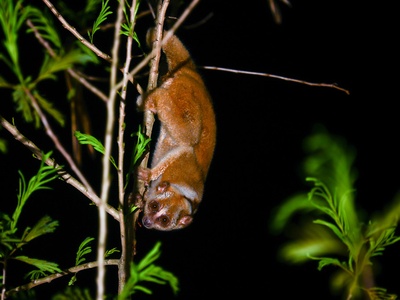
Sunda slow loris
Nocturnal primate targeted for illegal pet trade and habitat loss; slow loris conservation emphasizes trade enforcement, rescue, and habitat protection.
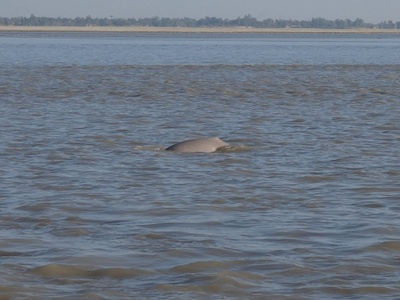
Indus river dolphin
Riverine dolphin fragmented by dams and water extraction; threatened by pollution and entanglement. River flow management and protected river stretches support recovery.
Malabar large-spotted civet
Rare civet restricted to fragmented forest patches; threats include habitat loss and hunting. Protecting remnant forests and surveys to map populations are priorities.