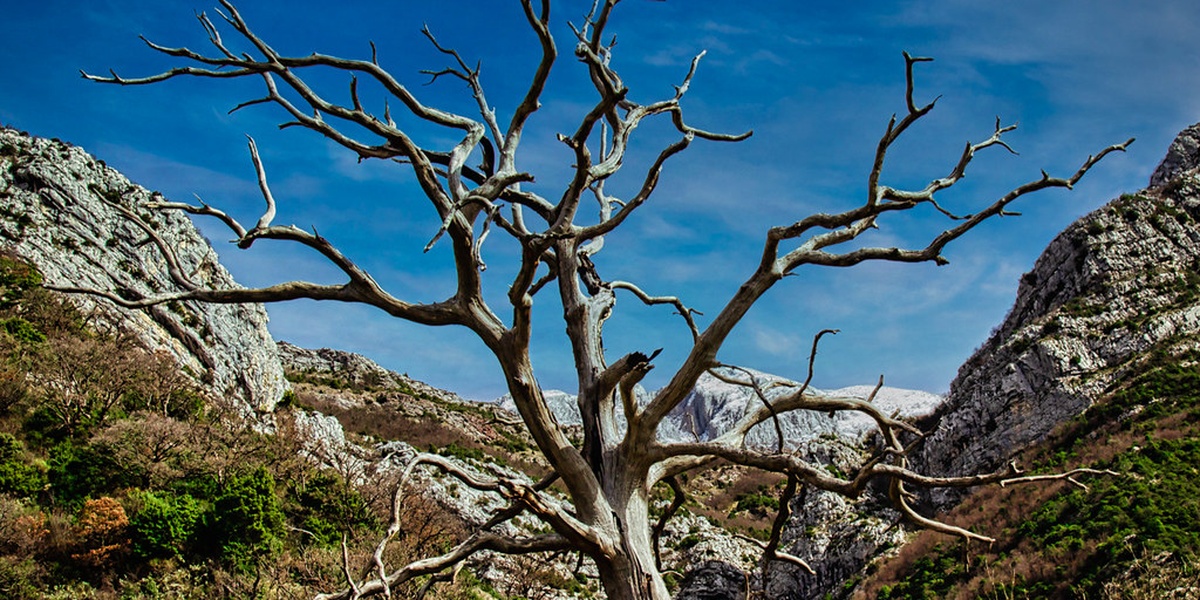
Durmitor National Park was established in 1952 to protect high‑mountain habitats and their wildlife. For a country of about 13,812 km², Montenegro supports a surprisingly broad range of species across mountains, lakes, rivers and a short Adriatic coastline.
That protected legacy matters because biodiversity underpins conservation goals, nature-based tourism and local cultural practices from reed harvesting to pastoralism. This piece highlights eight standout wildlife examples that showcase the ecological range here, grouped into mammals, birds and raptors, and freshwater/marine species, and points toward how parks, cross‑border programs and responsible tourism sustain them.
Mammals and Large Terrestrial Fauna
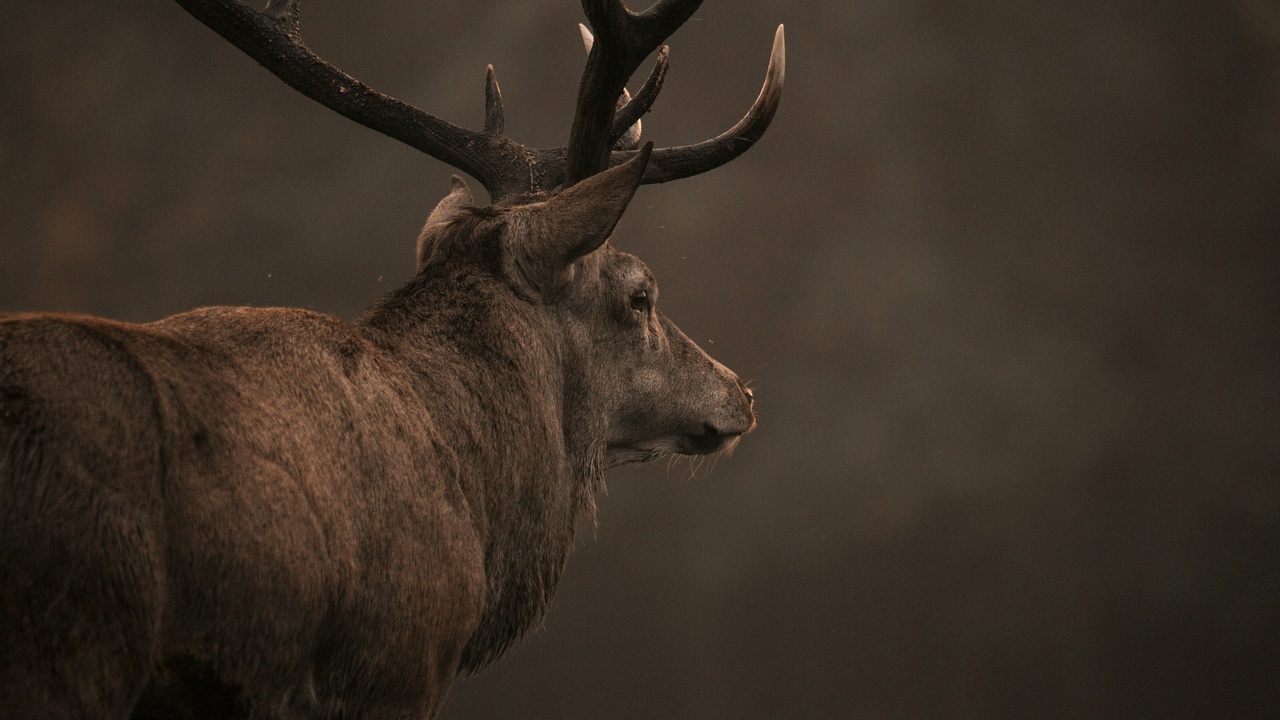
Montenegro’s mountains and ancient forests act as refuges for large mammals that depend on elevation gradients and intact habitat. The country’s five national parks—Durmitor, Biogradska Gora, Prokletije, Lovćen and Skadar Lake—anchor populations and link to broader Dinaric–Balkan corridors across borders, while karst plateaus and alpine meadows provide seasonal forage and shelter.
These species support ecotourism (bear- and raptor-watching, hiking) and regulated hunting where legal, but they also create conservation challenges near villages. Park agencies and IUCN-affiliated programs emphasize monitoring, transboundary cooperation and local mitigation—waste management, livestock protection and targeted outreach—to keep people and wildlife in balance.
1. Brown Bear (Ursus arctos)
Brown bears are among Montenegro’s most iconic large mammals, favoring mixed beech‑fir forests and high‑altitude meadows for denning and foraging. They form part of the wider Dinaric–Pindus population that connects Montenegro with neighboring Croatia and Albania, and their presence often signals good ecosystem integrity.
Bear‑watching excursions operate in Durmitor and the Bjelasica region, and managers have introduced practical mitigation measures—community waste programs, bear‑proof containers and visitor guidelines—to reduce attractants near settlements. Regionally there are several hundred bears across the Dinaric range, with Montenegro hosting a fraction of that total and relying on cross‑border connectivity to sustain genetic diversity.
2. Balkan Chamois (Rupicapra rupicapra balcanica)
The Balkan chamois is a mountain specialist found on steep, rocky slopes above the tree line and is endemic to the Balkan Peninsula. You’ll find them in Prokletije and Durmitor, where they graze high‑alpine meadows and use cliff ledges for escape terrain.
Chamois draw wildlife photographers and mountain hikers, and they serve as indicators of alpine habitat quality. Conservation efforts include population monitoring in Prokletije and restrictions on hunting pressure in key reserves, while conflicts can arise from overlap with summer grazing and pasture management at high elevations.
3. Gray Wolf (Canis lupus)
Wolves persist across Montenegro’s forests and mountains as part of a transboundary Dinaric–Balkan metapopulation. Packs exhibit territorial behavior and dietary flexibility, taking ungulates when available and smaller mammals opportunistically, which helps structure prey populations and vegetation dynamics.
Human–wolf interactions shape rural attitudes: livestock losses spur compensation schemes, the use of livestock guarding dogs and improved corrals. Conservation agencies recommend continued monitoring and community programs to reduce conflicts while recognizing wolves’ ecological role; across the region there are dozens of packs rather than a single isolated population.
Birds and Raptors: Lakes, Wetlands and Mountain Skies
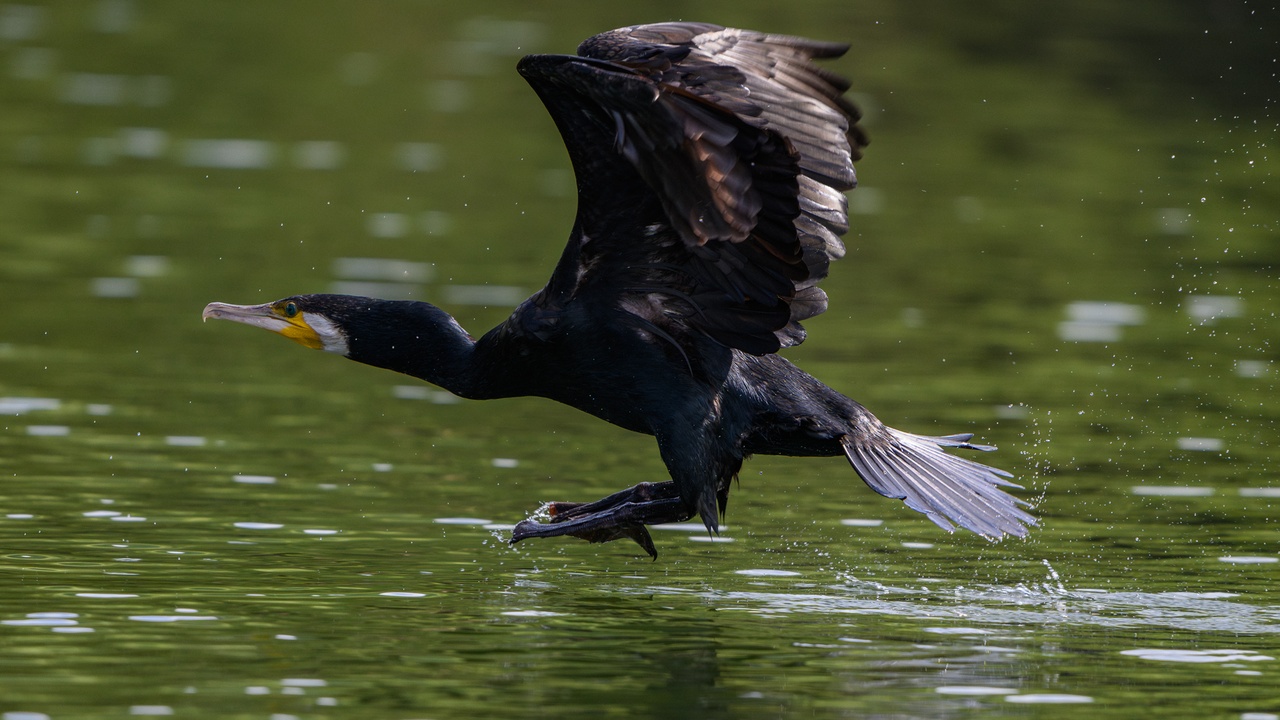
Montenegro’s combination of freshwater, coastal and alpine habitats produces abundant birdlife, with Skadar Lake standing out as a Ramsar-designated wetland that supports large seasonal congregations. Skadar and its shoreline host over 270 bird species and provide breeding, stopover and wintering habitat for waterfowl and colonial nesters.
For birdwatchers and conservationists, the wildlife of montenegro offers concentrated viewing opportunities—boat‑based tours, guided shore walks and migration watches—while wetland protection delivers services such as water filtration and flood buffering. Local park plans and BirdLife International data inform habitat restoration and nest‑protection programs in the lake basin.
4. Dalmatian Pelican and Waterfowl at Skadar Lake
Skadar Lake is one of the Balkans’ most important freshwater bird habitats and hosts Dalmatian pelicans alongside diverse waterfowl. The lake’s mosaic of marsh, reedbeds and open water provides nesting and feeding sites, and its Ramsar status highlights international conservation value.
Seasonally the lake supports hundreds of waterfowl during migration and sustained breeding populations in summer, contributing to local livelihoods through boat‑based birdwatching and artisanal fisheries. Community‑led nest protection and habitat management—guided by Ramsar and BirdLife data—help maintain those concentrations while balancing fishing and reed‑harvesting traditions.
5. Mountain Raptors: Golden Eagle and Griffon Vulture
Golden eagles and griffon vultures rely on cliffs, thermal updrafts and healthy prey bases in Montenegro’s high country. Golden eagles nest on remote ledges in Durmitor and Prokletije, while griffon vultures scavenge across alpine pastures and lower valleys.
These raptors draw specialist wildlife watchers and provide ecosystem services—vultures remove carrion and reduce disease risk—yet they face threats from poisoning, electrocution and disturbance. Regional monitoring projects document dozens of known nesting cliffs and emphasize mitigation measures such as safe powerline design and anti‑poison campaigns.
Freshwater, Marine Life and Riverine Species
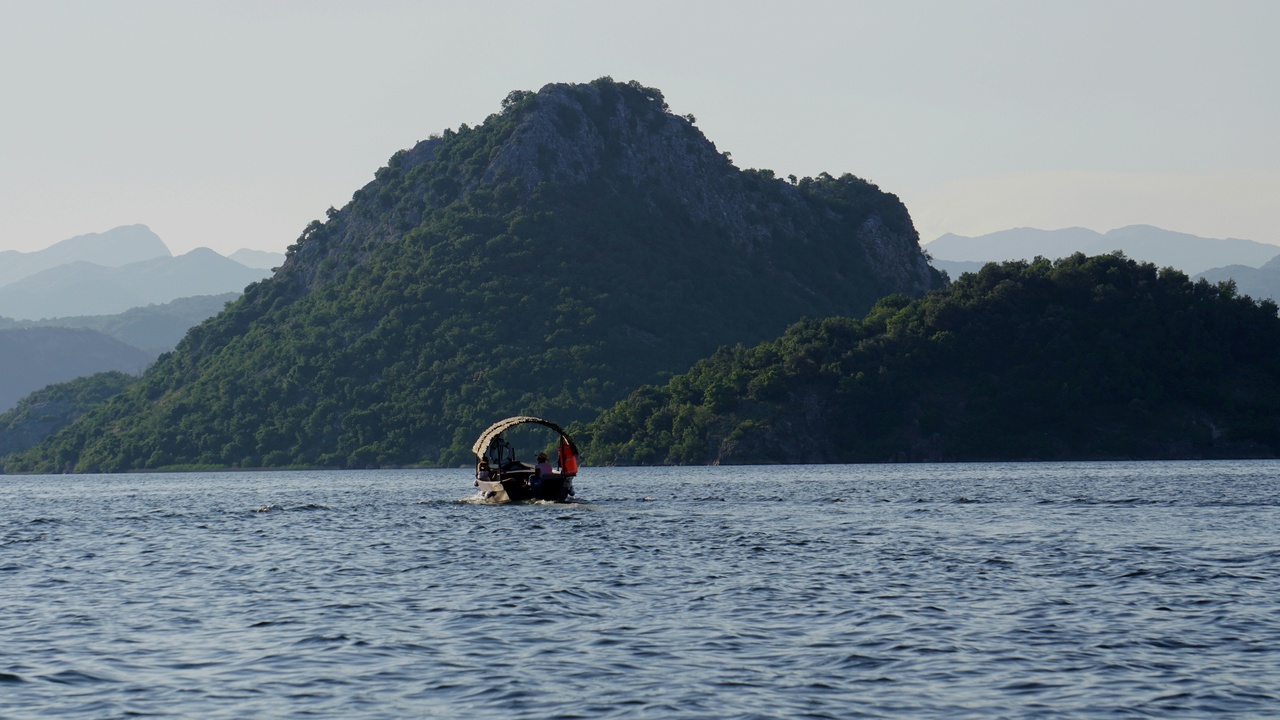
Montenegro’s freshwater networks—Skadar Lake, the Tara and Lim rivers—and a short Adriatic coast concentrate aquatic biodiversity in compact areas. The Tara River Canyon reaches depths approaching 1,300 meters, making it one of Europe’s deepest river gorges, and its cold, fast waters host specialized trout and invertebrate assemblages.
Aquatic species support fisheries, recreational rafting, and coastal dolphin‑watching, so planners must balance tourism, sustainable harvest and watershed protection. National park regulations, Ramsar and fisheries research provide the scientific basis for managing water levels, fishing quotas and invasive‑species prevention in these systems.
6. Skadar Lake’s Aquatic Biodiversity
Skadar Lake is the largest lake in the Balkans and a freshwater biodiversity hotspot with marshes, reedbeds and open water supporting dozens of fish species. Local fisheries target carp and pike among other species, and traditional reed‑harvesting persists alongside conservation efforts.
The lake’s mix of habitats supports more than 270 bird species and dozens of fish species, creating interlinked livelihoods from fishing to birdwatching. Park managers use seasonal quotas and habitat restoration to balance subsistence and tourism with the lake’s ecological integrity.
7. Adriatic Marine Life and Coastal Dolphins
The Montenegrin coast and the Bay of Kotor attract common and bottlenose dolphins, which frequent coastal shelves where prey is abundant and sheltered bays provide calm waters. These marine mammals act as visible indicators of offshore ecosystem health and support dolphin‑watching ventures from Kotor and nearby harbors.
Managing fisheries interactions and boat traffic helps reduce bycatch and disturbance, and proposals for nearshore protected areas aim to safeguard feeding grounds. Regular sightings occur in spring and summer, when tourism and fishing activity both peak and careful regulation is most needed.
8. Riverine Species of the Tara and Lim: Freshwater Specialists
The Tara and Lim rivers host cold‑water trout, specialized macroinvertebrates and plant communities adapted to fast, oxygen‑rich flows. The Tara River Canyon’s dramatic relief—depths around 1,300 m—creates isolated stretches that support distinct assemblages and high conservation value.
These rivers underpin whitewater tourism, with rafting operators running trips through the canyon during summer months, and they provide small‑scale fisheries for local communities. Hydropower proposals, pollution and sedimentation remain central management challenges, so watershed protection and species monitoring are priorities for park authorities and conservation groups.
Summary
- Montenegro supports disproportionately rich biodiversity across a compact landscape thanks to mountains, lakes, rivers and a short coast.
- Protected areas such as Durmitor (est. 1952), Biogradska Gora and Skadar Lake (Ramsar site) act as conservation linchpins for bears, chamois, raptors, waterfowl and aquatic species.
- Nature-based activities—bear watching, birding at Skadar, rafting in the Tara Canyon and dolphin trips from Kotor—generate local income while highlighting the need for sustainable management.
- Cross‑border coordination, community mitigation (waste programs, livestock protection), and support for park and Ramsar conservation help protect the wildlife of montenegro for future generations.