San Marino is 61 square kilometers of limestone perched on top of Monte Titano, and it has no coastline, no lake, and no river worth the name. So the first thing to understand about its birds is what you won’t see: ducks, herons, and the wetland waders that pad out most European country checklists. What you get instead is a montane, woodland, and cliff fauna squeezed onto a single dramatic ridge in the middle of central Italy.
Roughly 130 species have been recorded here, give or take, depending on which checklist you trust. That’s a small number for Europe, but the density of interesting raptors and the ease of birding a country you can walk across in an afternoon makes San Marino a genuinely fun stop. Here’s what lives here, where to find it, and when to go.
Table of Contents
- Why San Marino’s Birds Are Different
- The National Bird: Peregrine Falcon
- Notable and Common Birds of San Marino
- Where to Go Birding
- Best Time of Year to Visit
- The Full Picture: How Many Species?
Why San Marino’s Birds Are Different
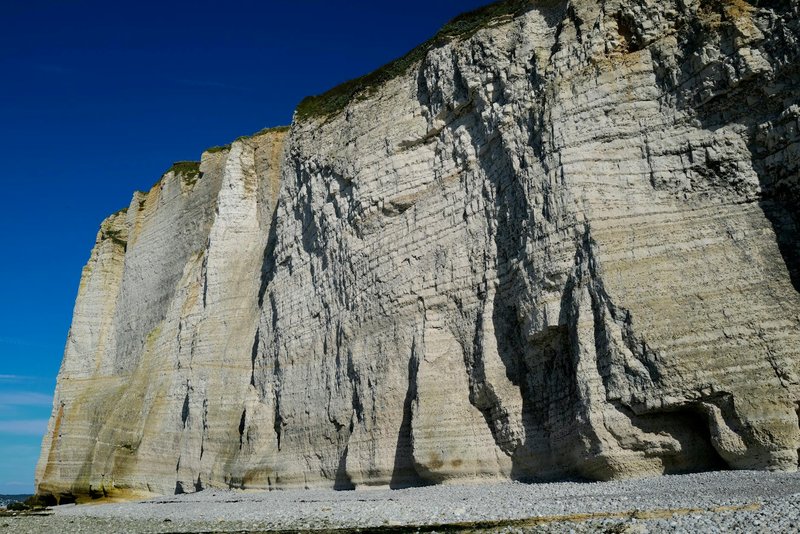
The geography does all the work here. Monte Titano rises to 739 meters, and the country wraps around three peaks of the same massif. That altitude, combined with sheer limestone faces and a cap of broadleaf woodland, sets the menu.
The cliffs are the headline feature. Vertical rock means cliff-nesting birds: raptors that need ledges, swifts and martins that hawk insects along the rock face, and the occasional rock-loving passerine. The woodland below the summit ridge — oak, hornbeam, and the usual central-Italian mix of native plants — holds tits, warblers, woodpeckers, and finches. What’s almost entirely absent is anything tied to standing or running water, because there essentially isn’t any. No marsh, no reedbed, no mudflat. If you’ve birded the Po Delta a couple hours north, San Marino is the inverse experience: dry, high, and rocky.
This matters for trip planning. A San Marino list is built on raptors, woodland passerines, and aerial feeders, not on the waterbirds that usually inflate species counts. Manage your expectations accordingly and you’ll have a better day.
The National Bird: Peregrine Falcon
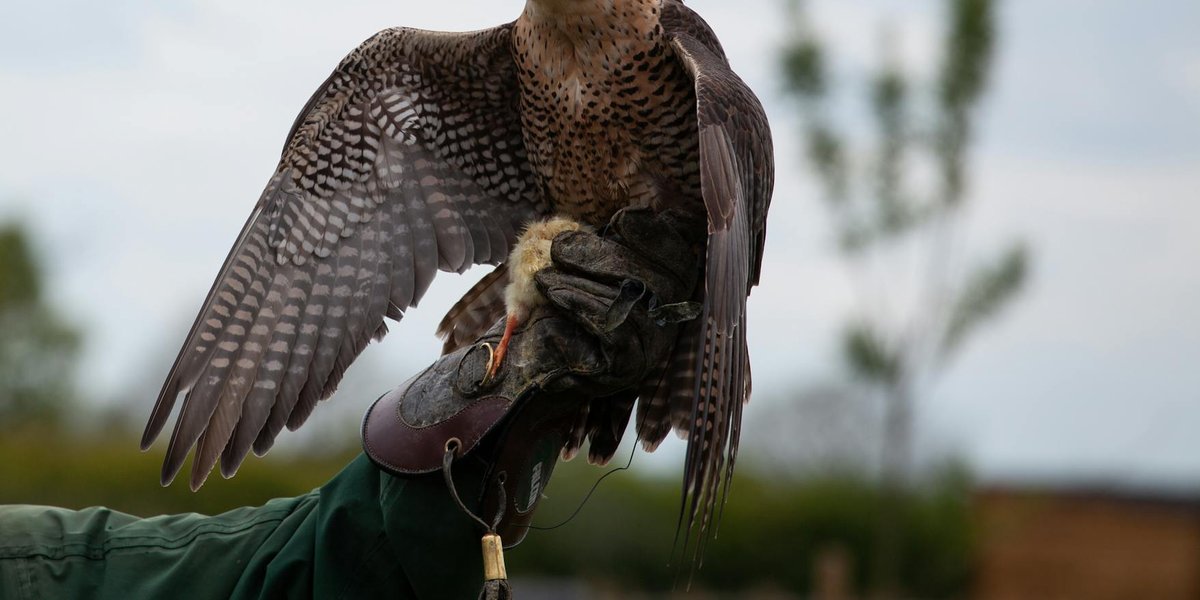
The national bird of San Marino is the Peregrine Falcon (Falco peregrinus), and for once a national-bird designation actually fits the terrain. Peregrines nest on cliffs. San Marino is, functionally, one big cliff. The match is almost too neat.
The peregrine is the fastest animal on the planet — in a hunting stoop it has been clocked at over 300 km/h, a figure documented by National Geographic among others. Watching one launch off Monte Titano and fold into a dive over the Romagna plain below is the single best wildlife moment the country offers. They hunt pigeons and other medium-sized birds on the wing, and the open air around the three towers gives them a clean stage.
If you want one species to anchor a San Marino birding trip, this is it. Scan the cliff faces below the historic center, especially in the early morning, and watch for the heavy-chested, pointed-winged silhouette that no other local bird quite matches.
Notable and Common Birds of San Marino
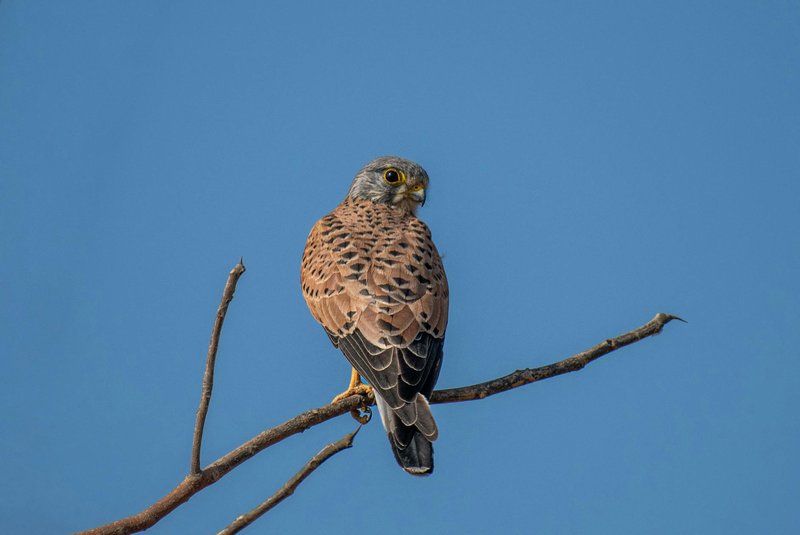
Here’s a scannable rundown of the species you’re realistically going to encounter, from the showstoppers to the everyday backdrop.
| Bird | Latin name | Where you’ll see it |
|---|---|---|
| Peregrine Falcon | Falco peregrinus | Cliff faces below the towers |
| Common Kestrel | Falco tinnunculus | Hovering over open slopes |
| Common Buzzard | Buteo buteo | Soaring over woodland edges |
| Eurasian Sparrowhawk | Accipiter nisus | Darting through tree cover |
| Alpine Swift | Apus melba | Screaming around the cliffs |
| Common Swift | Apus apus | Over the old town in summer |
| Eurasian Blackcap | Sylvia atricapilla | Woodland scrub, by song |
| Great Tit | Parus major | Everywhere with trees |
| Eurasian Blackbird | Turdus merula | Gardens and woodland floor |
| European Robin | Erithacus rubecula | Underbrush, year-round |
| Common Chaffinch | Fringilla coelebs | Woodland and edges |
| European Goldfinch | Carduelis carduelis | Open weedy ground |
| Eurasian Jay | Garrulus glandarius | Oak woodland, noisy |
| Hooded Crow | Corvus cornix | Open ground and rooftops |
| Common Wood Pigeon | Columba palumbus | Woodland and town |
The Common Kestrel deserves a callout because it’s the raptor you’ll actually see most. Where peregrines are an event, kestrels are reliable — that distinctive hover, head dead still while the wings work, hunting voles and lizards on the grassy slopes. Beginners often mistake the first hovering falcon for something rarer, but in San Marino, hovering almost always means kestrel.
Among the songbirds, the Eurasian Blackcap is the one you’ll hear before you see. Its rich, fluting song carries through the woodland scrub from spring onward, and the male’s black cap (the female’s is rusty brown) makes it an easy tick once you track it down. The Eurasian Jay is the noise complaint of the oak woods — a harsh, screeching call, then a flash of pinkish-brown and that blue-barred wing patch as it crashes off through the canopy. The jay’s prey, by the way, overlaps with the small mammals and reptiles that round out the country’s native animals, the same voles and lizards the kestrels hunt out on the slopes.
The Alpine Swift is the cliff specialist worth lifting your binoculars for. Bigger than the common swift, with a white belly and a piercing trilling call, it carves the air around the rock faces in tight screaming parties through the warmer months. If you’re standing at the base of one of the towers in June and hear a high mechanical trill overhead, that’s your bird.
Where to Go Birding
San Marino is small enough that “where to go” mostly means “which corner of one mountain.” A few spots stand out.
Monte Titano and the Three Towers. This is the core. The Guaita, Cesta, and Montale towers sit along the summit ridge, and the cliff faces beneath them are prime raptor habitat. Walk the path connecting the towers (the Passo delle Streghe, the Witches’ Pass) and you get cliff views in both directions — east over the Adriatic plain, west over the inland hills. Early morning, before the day-trip crowds arrive, is the window for peregrine and swift activity.
Montecchio and the wooded slopes. Below the historic center, the broadleaf woodland holds the passerine community: warblers, tits, finches, woodpeckers, and the jay. Quieter trails away from the tourist core give you the best chance at woodland birds.
Montecerreto and Fiorentino. The lower-lying areas and woodland reserves toward the country’s edges add habitat variety — woodland edge and scrubby open ground where you’ll pick up goldfinches, chaffinches, and the open-country raptors. These spots are less about a single target species and more about padding the day list. They’re also the best ground for spotting the mammals of San Marino, so a slow walk here often turns up more than just birds.
The whole country is walkable, and the official tourism office maps the trail network if you want to plan a loop. Realistically, you can cover the productive birding ground in a single full day.
Best Time of Year to Visit
Spring (April–May) and autumn (September–October) are the prime windows. Central Italy sits under European migration routes, and while San Marino isn’t a famous bottleneck, passage brings extra warblers, flycatchers, and raptors moving through on top of the residents. Spring also means birds are singing, which makes the woodland species dramatically easier to find and identify.
Summer is fine for the breeding cliff birds — swifts and martins are at peak, peregrines are active feeding young — but the woodland goes quiet as singing tails off, and the historic center gets busy with general tourists. Winter strips the list down to the hardy residents: robins, blackbirds, tits, and the year-round raptors. The cliffs still hold peregrines, but cold, windy days on an exposed ridge are not anyone’s idea of comfortable birding.
If you can only pick one window, go in late April or early May: resident woodland birds are in full song, migrants are passing, and the weather on Monte Titano is workable.
The Full Picture: How Many Species?
The standard reference checklists put San Marino at around 130 recorded species, including residents, breeding visitors, passage migrants, and the occasional vagrant. That total leans heavily on raptors, woodland passerines, corvids, and aerial feeders, with the wetland and waterbird families that fill out most country lists almost entirely missing — a direct consequence of having no significant water bodies.
For a serious country-checklist project, the species accounts on Avibase are the most complete machine-readable source, drawing on regional records and standard taxonomy. For a casual visit, the table above covers the birds you’ll actually meet.
San Marino won’t out-list its neighbors — Italy proper has over 500 species, and you’re surrounded by it. But there’s something satisfying about birding an entire sovereign country in a day, ending it watching the fastest bird alive carve up the sky over a thousand-year-old tower. For that alone, it earns a place on the itinerary.