Belgium is not a place where the wildlife is trying to kill you. There are no bears stalking the Ardennes, no big cats in the hedgerows, and the country’s only venomous snake is so shy that most Belgians live a full life without ever seeing one.
But “not deadly” isn’t the same as “nothing to know.” The animal most likely to send you to a doctor in Belgium is the size of a sesame seed, and the most painful land encounter involves a caterpillar you should never, ever touch. Here’s the honest rundown: eight animals worth respecting, where in Belgium you’d actually run into them, and what to do if you do.
Table of Contents
- How Dangerous Is Belgium, Really?
- The Risk at a Glance
- 1. Ticks
- 2. Common Adder (Vipera berus)
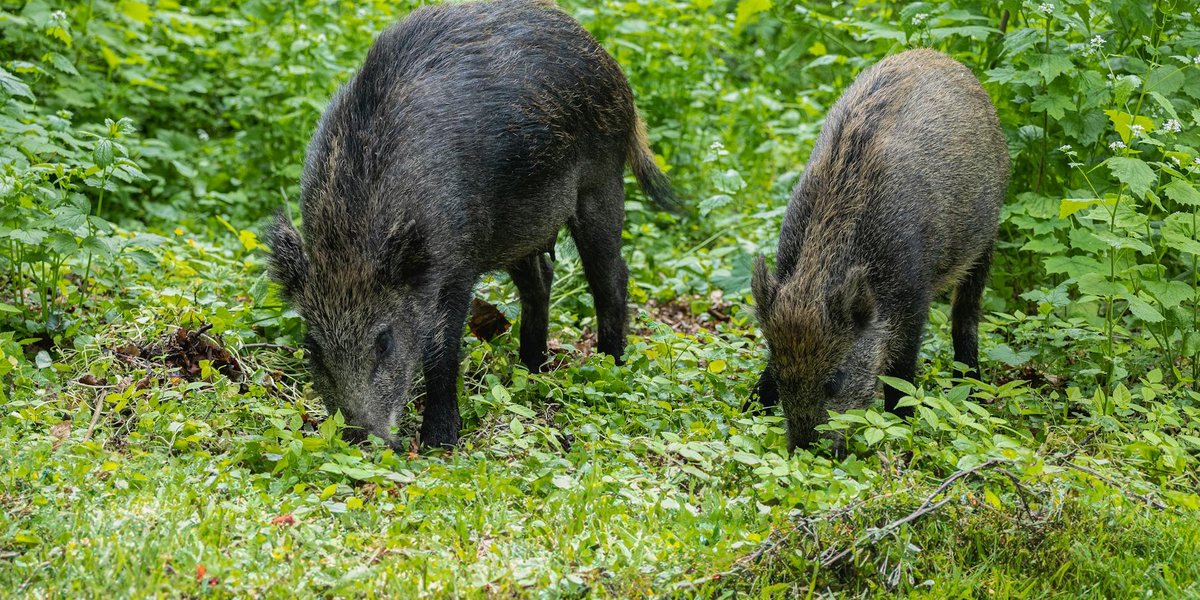
- 3. Wild Boar (Sus scrofa)
- 4. Oak Processionary Caterpillar
- 5. Eurasian Wolf (Canis lupus)
- 6. European Hornet (Vespa crabro)
- 7. Weever Fish
- 8. Compass Jellyfish
- Seasonal Danger Calendar
- Animals That Are NOT a Threat in Belgium
- FAQ
How Dangerous Is Belgium, Really?
Low. Genuinely low. Belgium has no large predators that hunt humans, one timid venomous snake, and a temperate climate that keeps the truly nasty tropical stuff out. You can hike the Ardennes, walk the dunes at the coast, and stroll Sonian Forest outside Brussels without any special gear or fear.
The real risks here are quiet ones. They’re the things that don’t look threatening: a tick latching onto your ankle in tall grass, a fuzzy caterpillar on an oak trunk, a startled boar crossing a forest path at dusk. None of these are dramatic. All of them are avoidable once you know what to look for. That’s the whole point of this list.
The Risk at a Glance
Here’s how the eight animals stack up on the two things that actually matter: how likely you are to encounter one, and how badly it can hurt you.
| Animal | Likelihood of encounter | Severity if it goes wrong | Where |
|---|---|---|---|
| Ticks | High | Moderate to serious (Lyme) | Everywhere with grass/woodland |
| Oak processionary caterpillar | Moderate | Moderate (painful rash) | Flanders, oak-lined roads |
| Wild boar | Moderate | Moderate to serious | Ardennes, Limburg, forests |
| European hornet | Moderate | Low (unless allergic) | Woodlands, rural areas |
| Weever fish | Low | Moderate (painful sting) | North Sea coast, shallows |
| Compass jellyfish | Low | Low to moderate | North Sea coast |
| Common adder | Low | Low to moderate | Heathland, Kempen, Ardennes |
| Eurasian wolf | Very low | Serious in theory, ~zero in practice | Limburg, eastern Belgium |
Notice the pattern: the things most likely to get you are the least dramatic, and the dramatic ones almost never happen. Plan around the top of the table, not the bottom.
1. Ticks
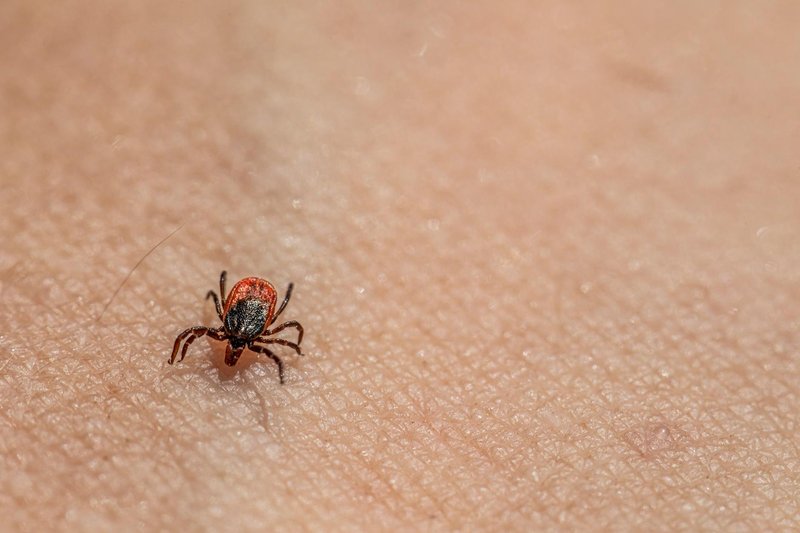
If anything on this list is going to ruin your week, it’s a tick. These tiny arachnids live in grassland, heath, and the leaf-litter edges of woodland across all of Belgium, and they climb onto you when you brush past vegetation. The species that matters is Ixodes ricinus, the castor bean tick, and a meaningful share of them carry Borrelia, the bacterium behind Lyme disease.
The danger isn’t the bite itself, which is painless. It’s what the tick can pass on if it stays attached. Lyme often announces itself with a spreading circular rash (erythema migrans) days to weeks after the bite, followed by flu-like aches if untreated. Belgium also sees tick-borne encephalitis, though that remains rare.
How dangerous is it really? The bite is harmless; the infection risk is the issue, and it’s real enough to take seriously. The good news: a tick generally needs to be attached for many hours before it can transmit Borrelia, so fast removal hugely cuts your risk.
Where you’ll meet it: Any walk through tall grass, the Sonian Forest, the Ardennes, Limburg heathland, even an overgrown city park.
What to do: Tuck trousers into socks, use repellent, and check your whole body after any walk in nature, focusing on the warm folds, behind the knees, groin, and hairline. If you find one attached, grip it close to the skin with fine tweezers and pull straight out, then disinfect. Watch the spot for a few weeks. The CDC’s guidance on Lyme disease is worth reading if you see a spreading rash, and you should see a doctor if you do.
2. Common Adder
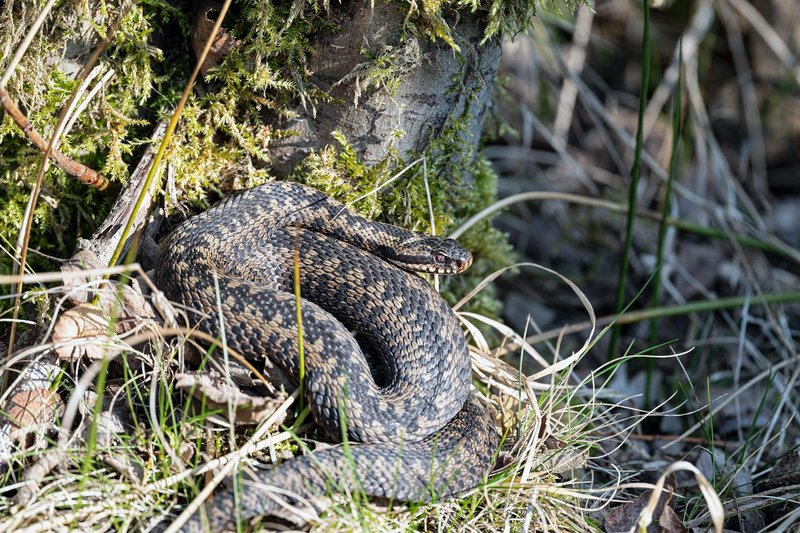
The common adder (Vipera berus) is Belgium’s only venomous snake, and it is genuinely uncommon. Its stronghold is the heathland of the Kempen region in the northeast, with scattered populations in parts of the Ardennes. You could spend years walking Belgian trails and never see one.
It’s a small, stocky snake, usually grey or brown with a dark zigzag stripe running down its back, the most reliable field mark. Adders are not aggressive. They bite only when stepped on, grabbed, or cornered, and they’d much rather slip away into the heather.
How dangerous is it really? Not very, for a healthy adult. An adder bite hurts and causes swelling, but fatalities are extraordinarily rare across its entire European range. The bite is more concerning for small children, the elderly, and anyone with an allergic reaction.
Where you’ll meet it: Sunny heathland and forest edges in the Kempen and Hoge Kempen National Park, on warm spring and summer days when adders bask.
What to do: Watch where you put your hands and feet on heath, and never try to handle or photograph one up close. If bitten, keep the limb still and below heart level, stay calm, remove rings or tight items in case of swelling, and get to a hospital. Don’t cut, suck, or apply a tourniquet, all of which do more harm than good per NHS advice on snake bites.
3. Wild Boar
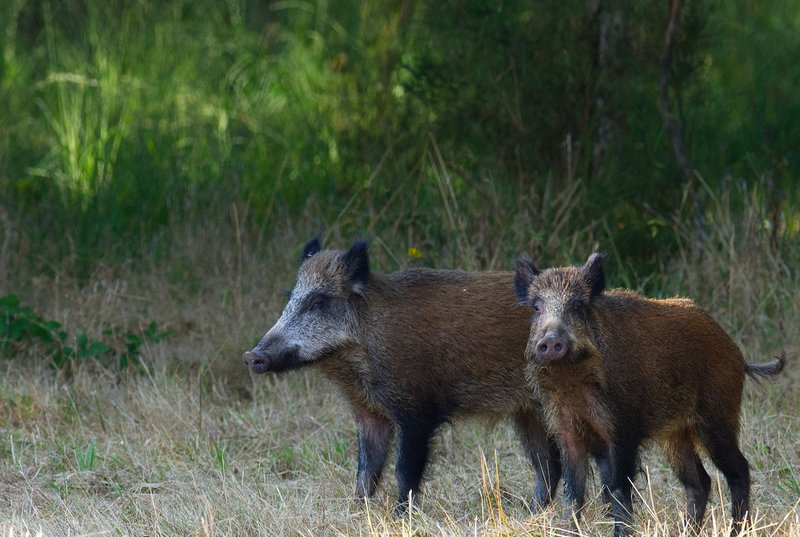
Wild boar (Sus scrofa) are the heavyweight on this list, in every sense. Adult males can top 100 kilograms, and Belgium’s population has boomed in recent decades, especially across the forests of the Ardennes, Wallonia, and parts of Limburg. They’re a real presence on rural roads, where collisions are a genuine hazard for drivers.
Boar are not predators and have no interest in eating you. The danger is their bulk, their tusks, and their temper when they feel cornered, especially a sow with piglets in spring. A defensive boar can charge, and at that weight it does damage.
How dangerous is it really? Encounters are common in boar country; attacks on people are rare. Most sightings end with the boar trotting off. The two real risks are a protective mother and a road collision at night.
Where you’ll meet it: Forested Wallonia and the Ardennes are the heartland. Boar are most active at dawn and dusk and increasingly venture toward the edges of towns to forage.
What to do: Keep your distance, never get between a sow and her piglets, and don’t feed them. If a boar acts agitated, back away slowly and put a tree or solid object between you. Don’t run unless you have somewhere to climb. Driving the Ardennes at night, slow down in forested stretches.
4. Oak Processionary Caterpillar
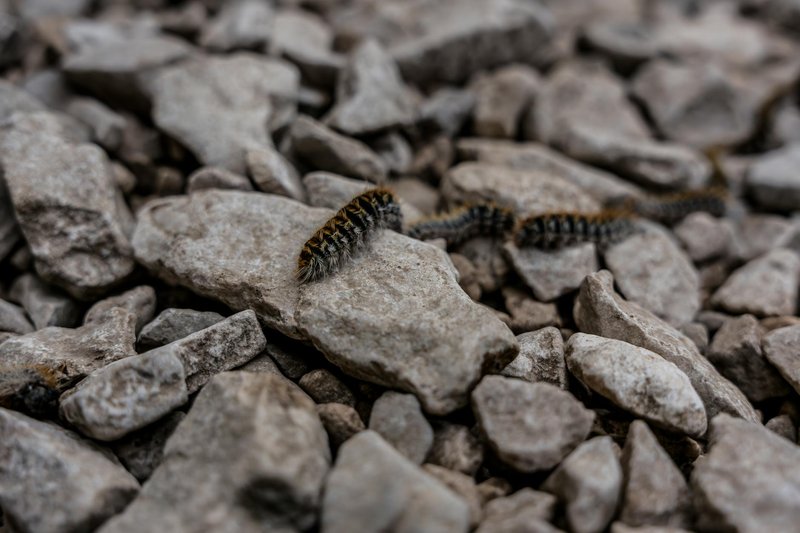
This one surprises people. The oak processionary moth caterpillar (Thaumetopoea processionea) has become a serious nuisance across Flanders and other oak-rich parts of Belgium, and it’s arguably the most reliably painful encounter on this whole list. You’ll see them in spring and early summer, marching nose-to-tail in long lines up oak trunks, or clustered in silky white nests in the branches.
The threat isn’t a bite. It’s the caterpillar’s tiny barbed hairs, which break off and become airborne. Contact with skin causes an intense itchy rash; in the eyes or airways it can cause irritation and, for sensitive people, more serious allergic reactions. The hairs stay active in old nests and on the ground for a long time after the caterpillars are gone.
How dangerous is it really? Not life-threatening for most people, but the rash is no joke, and reactions can be severe in those who are sensitised. Worth taking seriously, especially with kids and dogs.
Where you’ll meet it: Oak-lined avenues, parks, and woodland edges in Flanders and beyond, peaking late spring through midsummer.
What to do: Never touch the caterpillars or their nests, and keep children and pets well away from infested oaks. If hairs contact your skin, don’t scratch, rinse the area, and remove and wash affected clothing. Antihistamines and a cool compress help the rash; see a doctor for eye, breathing, or severe reactions. Report nests to your local council rather than removing them yourself.
5. Eurasian Wolf
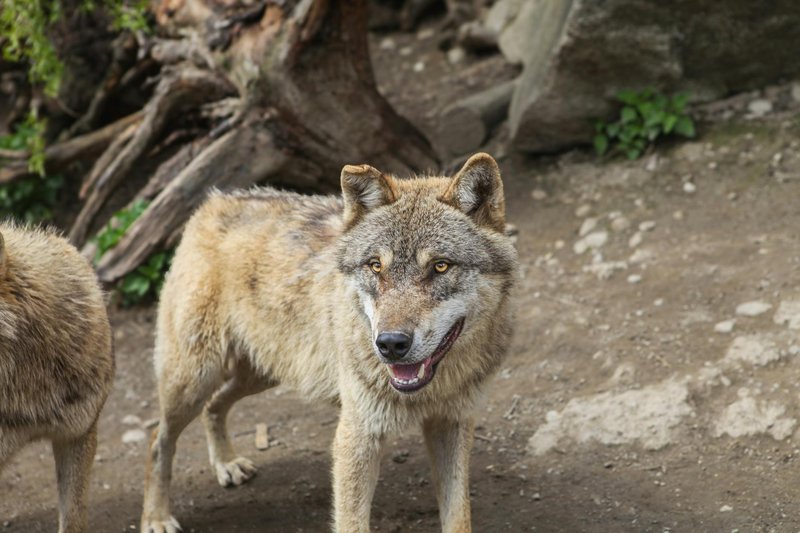
Yes, there are wolves in Belgium again. After more than a century of absence, the Eurasian wolf (Canis lupus) returned naturally, recolonising from German and Dutch populations. The first confirmed resident wolves settled in Limburg, and packs have since established in the eastern part of the country. It’s a real wildlife comeback story, and a point of national fascination.
Here’s the part that matters for your safety: wolves are not a meaningful danger to people. They are shy, avoid humans, and target deer and livestock, not hikers. There has not been a wolf attack on a person in modern Belgium, and across Europe such incidents are vanishingly rare.
How dangerous is it really? In practice, essentially zero risk to humans. The “danger” is almost entirely to sheep farmers, which is a real conservation tension but not a hiking hazard. We include the wolf here mainly to set the record straight.
Where you’ll meet it: You almost certainly won’t. Wolves roam Limburg, the Hoge Kempen, and eastern Wallonia, but they’re nocturnal, wide-ranging, and expert at avoiding people. A glimpse is a privilege, not a threat.
What to do: If you’re ever lucky enough to see one, watch from a distance and don’t approach or feed it. Keep dogs leashed in wolf territory. That’s genuinely all the caution required. The IUCN’s species information gives a sense of how protected and how shy these animals are.
6. European Hornet
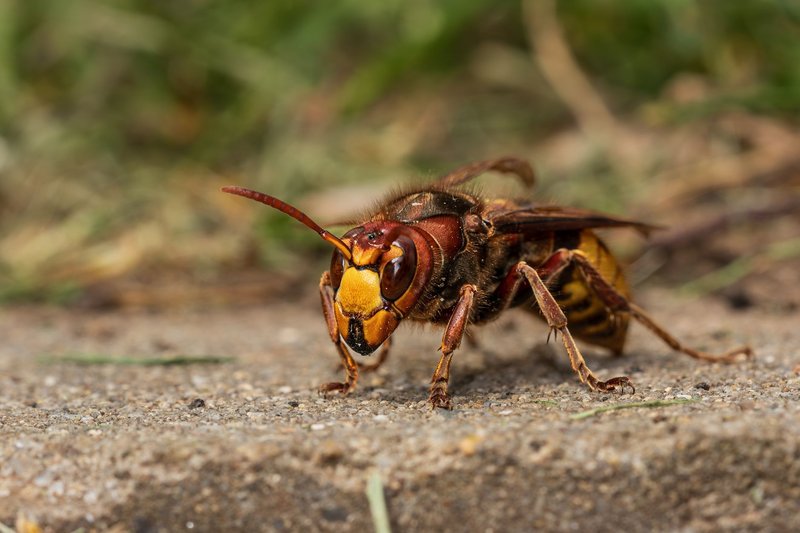
The European hornet (Vespa crabro) is the largest social wasp you’ll meet in Belgium, and its size alone makes people nervous. They nest in hollow trees, wall cavities, and outbuildings across woodland and rural areas. Despite the intimidating look and loud buzz, the European hornet is far more even-tempered than its reputation suggests.
A sting hurts and delivers more venom than a typical wasp, but for most people it’s a painful inconvenience, not a medical emergency. The real risk, as with any wasp or bee, is for people with a sting allergy, where a single sting can trigger a dangerous reaction.
How dangerous is it really? Low for most people. Hornets only sting when they or their nest are threatened. The danger climbs sharply if you’re allergic, or if you disturb a nest and get stung multiple times.
Where you’ll meet it: Woodland, orchards, gardens, and rural buildings, mostly in late summer and autumn when colonies are at their peak.
What to do: Don’t swat at them; stay calm and let them pass. Keep clear of nests and never try to remove one yourself. If you’re stung and start to feel dizziness, swelling away from the sting site, or trouble breathing, treat it as an emergency and call for help.
7. Weever Fish
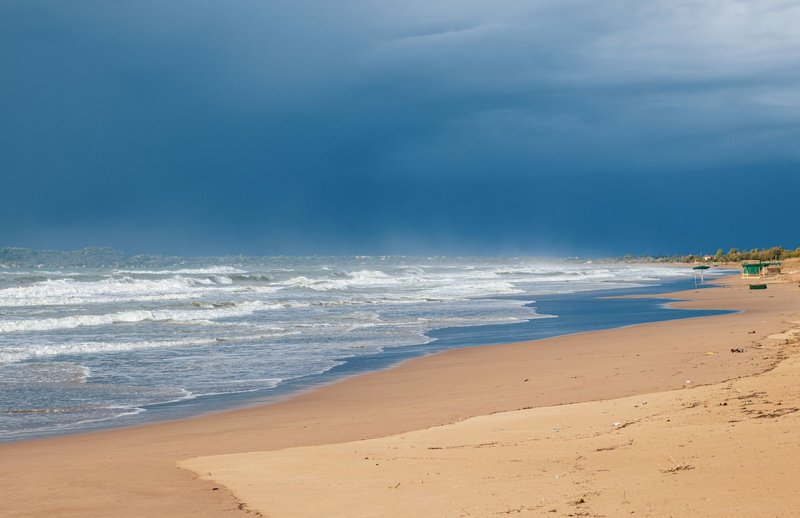
Belgium’s coastline is short, but it has its own hidden hazard, and it’s not a shark. The lesser weever (Echiichthys vipera) is a small fish that buries itself in the sand of shallow water, leaving only its venomous dorsal spines exposed. Wade barefoot in the shallows at low tide along the North Sea coast and you can step right on one.
The sting is the issue. It causes intense, throbbing pain out of all proportion to the fish’s size, sometimes lasting hours, along with swelling. It’s rarely dangerous, but it can genuinely ruin a beach day.
How dangerous is it really? Low overall risk, moderate pain if it happens. Most beachgoers never get stung, but those who do remember it.
Where you’ll meet it: Shallow, sandy water along the Belgian coast (Ostend, Knokke, De Panne and the rest), especially in warmer months at low tide.
What to do: Shuffle your feet in shallow water to scare buried fish away, or wear water shoes. If stung, immerse the foot in water as hot as you can tolerate (without scalding) for 30 to 90 minutes; the venom is heat-sensitive and this is the most effective relief. Remove any visible spine fragments and see a doctor if pain persists or the wound looks infected.
8. Compass Jellyfish

The compass jellyfish (Chrysaora hysoscella) drifts into Belgian coastal waters in warmer months, named for the brown V-shaped markings radiating from the centre of its bell like compass points. It’s the most common stinging jellyfish you’re likely to meet at the North Sea coast.
The sting is delivered by trailing tentacles and causes a burning, nettle-like rash and welts. It’s unpleasant rather than dangerous for most people, though sensitive individuals can react more strongly.
How dangerous is it really? Low. The sting stings, as advertised, but serious reactions are uncommon. The main rule is to look but don’t touch, including jellyfish that have washed up on the sand, which can still sting.
Where you’ll meet it: The North Sea coast and shallows during summer, sometimes in numbers after onshore winds push them in.
What to do: Don’t touch them, in or out of the water. If stung, rinse the area with seawater (not fresh water), carefully remove any clinging tentacles with a gloved hand or a flat edge, and treat the pain. Seek medical help for stings to the face, large areas, or any signs of a wider allergic reaction.
Seasonal Danger Calendar
Most of these animals are seasonal, which means you can largely predict your risk by the calendar. Here’s when each is most active in Belgium.
| Season | What’s active | Why |
|---|---|---|
| Spring (Mar–May) | Ticks, adders, processionary caterpillars, boar (sows with piglets) | Warming weather brings everything out; caterpillars hatch on oaks |
| Summer (Jun–Aug) | Ticks (peak), processionary caterpillars, weever fish, jellyfish, hornets | Peak outdoor season meets peak activity for nearly everything |
| Autumn (Sep–Nov) | Hornets (colony peak), boar (active, rutting), ticks (second peak) | Hornet nests are largest; boar move widely |
| Winter (Dec–Feb) | Very little | Adders hibernate, ticks dormant, jellyfish gone; boar still about |
If you only remember one thing: late spring through summer is when you do your tick checks and avoid touching fuzzy caterpillars. Winter walks are about as risk-free as Belgian nature gets.
Animals That Are NOT a Threat in Belgium
Plenty of “dangerous animals in Belgium” lists pad themselves out with species that either don’t live here or pose no real risk. Setting the record straight:
- Brown bears — None. Wild bears have been gone from Belgium for centuries. You will not meet one.
- Eurasian lynx — Not established in Belgium. Even where lynx exist in Europe, they avoid people entirely and are no threat to humans.
- Black widow / brown recluse spiders — Not native or established. Belgium has no spider whose bite poses a serious danger to a healthy person. The country’s spiders are harmless to alarming-but-harmless.
- Venomous snakes other than the adder — There’s only the one, and it’s barely venomous by global standards.
The honest verdict: Belgium is one of the safer countries in Europe for wildlife encounters. Respect the ticks, give boar and hornet nests space, keep your hands off caterpillars and jellyfish, and you’ve covered ninety-five percent of the real risk.
FAQ
Are there any deadly animals in Belgium? Not really. No animal in Belgium is likely to kill a healthy adult. The most serious risks are indirect: Lyme disease from a tick bite, a severe allergic reaction to a hornet or adder, or a road collision with a wild boar. Direct fatal attacks are essentially unheard of.
What’s the most dangerous animal in Belgium? By the numbers, the tick. It’s the most common, and it’s the only animal here that routinely causes a serious ongoing illness (Lyme disease). It wins not because it’s frightening but because the risk is real and widespread.
Are there venomous snakes in Belgium? One: the common adder. It lives mainly in the Kempen heathland and parts of the Ardennes, it’s shy, and its bite is rarely dangerous to healthy adults. Most people never encounter it.
Are there really wolves in Belgium? Yes. Wolves returned naturally and now live in Limburg and eastern Belgium. They avoid humans and pose no realistic danger to hikers; the conflict is with livestock farmers, not the public.
Is it safe to hike in the Ardennes? Very. The main things to watch for are ticks (do a body check after) and wild boar (keep your distance, especially from sows with young). Neither should stop you from hiking; both are easy to manage.
What should I do about ticks after a walk? Check your whole body the same day, paying attention to warm, hidden spots. Remove any attached tick promptly with fine tweezers, pulling straight out. Watch the bite for a few weeks and see a doctor if you develop a spreading circular rash or flu-like symptoms.