New Brunswick has a flower that grows nowhere else on Earth except a few muddy banks of one river — and it’s almost gone. In 2002, surveyors counted 915 Furbish’s lousewort plants in the province. By 2024, the number was 260. That’s not a slow fade. That’s a species walking toward the exit.
The province sits at the meeting point of Acadian forest, the Bay of Fundy, and the Saint John River system, which makes it unusually rich in wildlife and unusually full of species under pressure. Nearly 90 plants and animals here are formally listed as extirpated, endangered, or threatened. This guide profiles the ones that matter most, grouped by category, with current status, habitat, the threats stacked against them, and the actual numbers. At the end, what you can do that isn’t just a feel-good gesture.
First, a quick decoder on how the law works — because “endangered” means two different things in New Brunswick, and the distinction is the whole game.
Table of Contents
- How Species Get Protected: SARA vs. Provincial Law
- Birds
- Mammals
- Plants
- Fish
- Reptiles
- Insects
- How You Can Actually Help
How Species Get Protected: SARA vs. Provincial Law {#how-species-get-protected}
There are two separate legal systems protecting wildlife in New Brunswick, and a species can be covered by one, both, or neither.
The federal one is the Species at Risk Act (SARA), passed in 2002. SARA only has teeth on federal land, in federal waters, and for aquatic species and migratory birds anywhere in the country. The science behind it comes from COSEWIC — the Committee on the Status of Endangered Wildlife in Canada — an independent body that assesses species and assigns a status: special concern, threatened, endangered, or extirpated. COSEWIC recommends; the federal cabinet decides what actually gets listed on Schedule 1.
The provincial one is New Brunswick’s Species at Risk Act, which covers everything inside the province’s borders that isn’t federal jurisdiction — most land animals and plants. This is the law that matters for, say, a turtle in a stream on private property.
Here’s the catch that conservation groups keep raising: a listing doesn’t automatically come with protection. Protection assessments — the documents that trigger the actual “don’t kill, harm, or harass” prohibitions — haven’t been prepared for nearly two-thirds of the roughly 88 listed species. So a species can be officially endangered on paper and still have no working legal shield. Keep that in mind as you read the profiles below.
Birds {#birds}
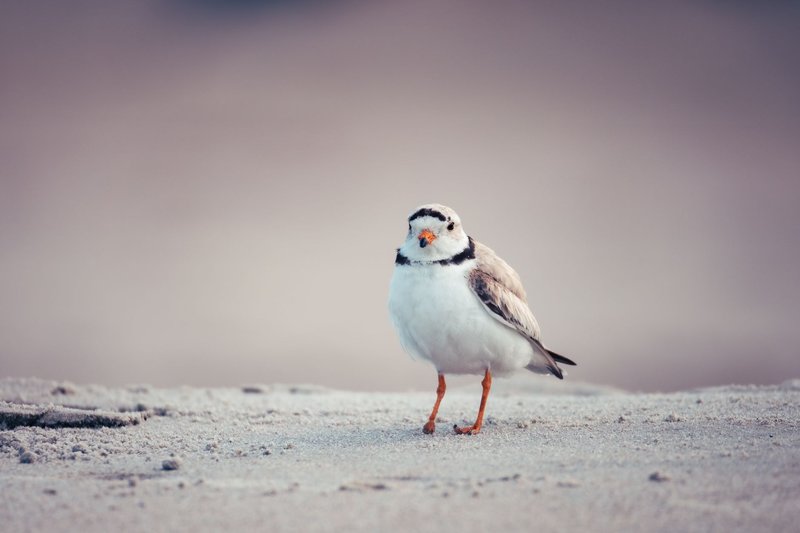
Piping Plover — Endangered. A small, sand-colored shorebird that nests directly on open beach above the tide line, which is exactly the part of the beach people want to walk, drive, and sunbathe on. Its nests are barely-there scrapes in the sand, nearly invisible, and easily crushed. New Brunswick’s Bay of Fundy and Gulf of St. Lawrence beaches host some of the last Maritime breeding pairs. Nature NB has run plover monitoring and beach-stewardship programs for years, fencing off nesting zones during the summer. The threats are blunt: foot traffic, off-leash dogs, ATVs, and rising storm surges that wash out nests.
Chimney Swift — Threatened. A cigar-shaped bird that spends almost its entire life airborne, only landing to roost and nest — historically in hollow trees, now mostly in old brick chimneys. As those chimneys get capped, demolished, or lined, the swift loses its homes. The Canadian population has dropped nearly 30 percent in just over a decade, and the area the bird occupies has shrunk by about a third. If you own an old uncapped chimney and swifts are using it, you’re hosting a threatened species.
Bobolink and Eastern Meadowlark — Threatened. Two grassland birds that nest in hayfields and pastures, which ties their fate to farming schedules. Modern hay is cut earlier and more often than it used to be, often right when chicks are still in the nest. They’re a reminder that “habitat loss” isn’t always bulldozers — sometimes it’s a mowing calendar.
Mammals {#mammals}
Canada Lynx — Endangered (in New Brunswick). The lynx is a snowshoe-hare specialist with huge furred paws built for deep snow, and its population rises and falls with the hare cycle. At the southern edge of its range here, it’s squeezed by forestry-driven habitat loss and warmer winters with less reliable snowpack — which also let bobcats, a competitor, push north into lynx territory. New Brunswick is one of the few places in the Maritimes lynx still hang on.
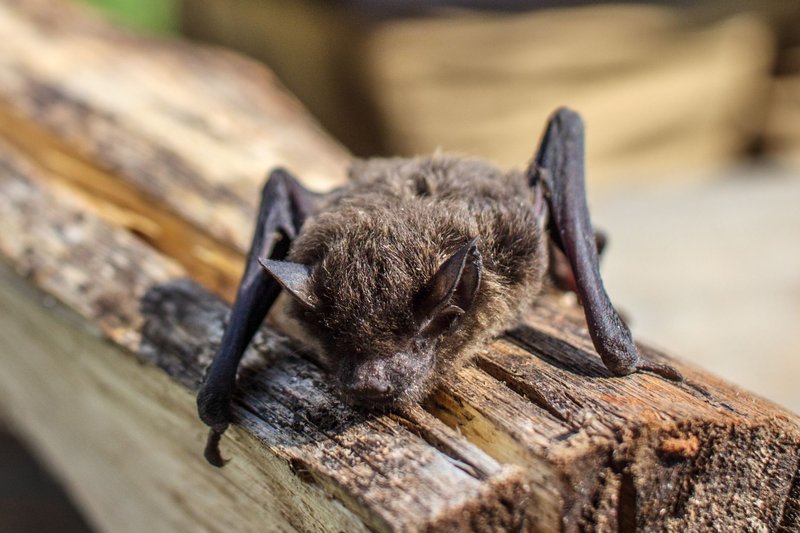
Little Brown Bat — Endangered. This one is a catastrophe with a date attached. White-nose syndrome, a fungal disease, arrived in New Brunswick in 2011 and tore through the bats hibernating in the province’s caves and mines. The survival rate has been brutal: less than half of one percent of the cave-dwelling bats made it through. A species that was once the most common bat in the province is now functionally collapsed. The northern long-eared bat and tri-colored bat were hit just as hard.
Plants {#plants}
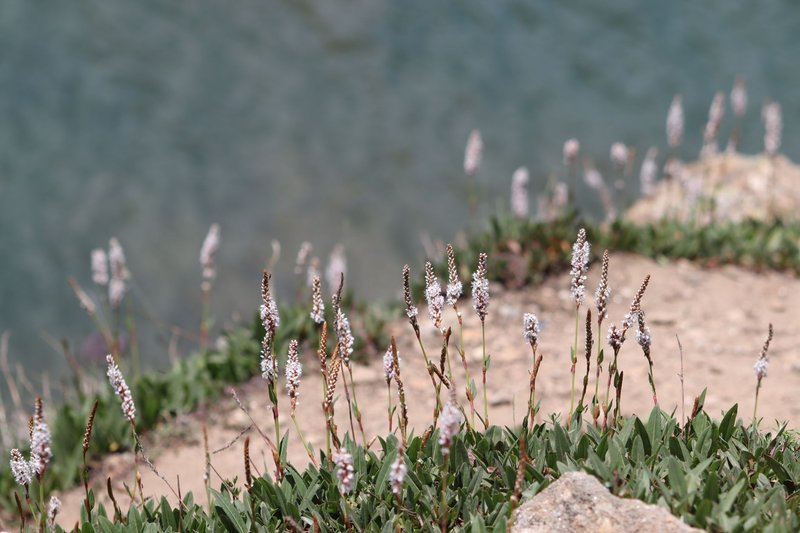
Furbish’s Lousewort — Endangered. The headline species, and a genuinely New Brunswick story. This yellow-flowered plant grows only on the steep, ice-scoured banks of the upper Saint John River — nowhere else in Canada, and only a handful of sites in Maine besides. It’s been federally endangered since 1980. The plant evolved to depend on the river’s natural violence — periodic ice and floods clear out competing vegetation — but now that same violence, amplified by more frequent severe winter storms, is wiping out colonies faster than they recover. Only four New Brunswick sites remain, and three of them have fewer than 10 plants each. That’s the 915-to-260 collapse in the intro.
Butternut — Endangered. A native nut tree being killed off by butternut canker, an introduced fungal disease that girdles and kills the trees over a few years. Because the disease spreads on its own, protecting the species means more than leaving trees alone — it means finding and breeding the rare canker-resistant individuals before the rest are gone.
Eastern Lilaeopsis and Anticosti Aster — species of concern. Small riverbank and shoreline plants that, like the lousewort, depend on specific tidal or freshwater shore habitats that are easy to disturb and slow to recover.
Fish {#fish}
Atlantic Salmon (Inner and Outer Bay of Fundy populations) — Endangered. The Outer Bay of Fundy population, which includes New Brunswick’s Big Salmon River, has seen adult returns decline by roughly 95 percent. The threats are layered: dams blocking spawning runs, the legacy of acid rain on river chemistry, sea-cage aquaculture, and a marine environment shifting under climate change so fewer fish survive at sea. Because salmon are aquatic, they fall squarely under federal SARA jurisdiction.
Shortnose Sturgeon — species of special concern. An ancient, bottom-feeding fish that, like the lousewort, is tied to the Saint John River system and found in few other places in Canada. It’s slow to mature and slow to recover, which makes any population dip dangerous.
Reptiles {#reptiles}
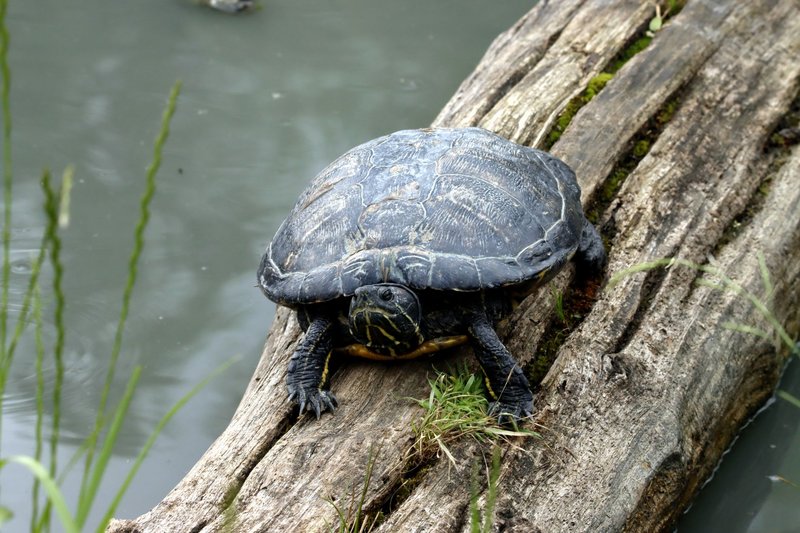
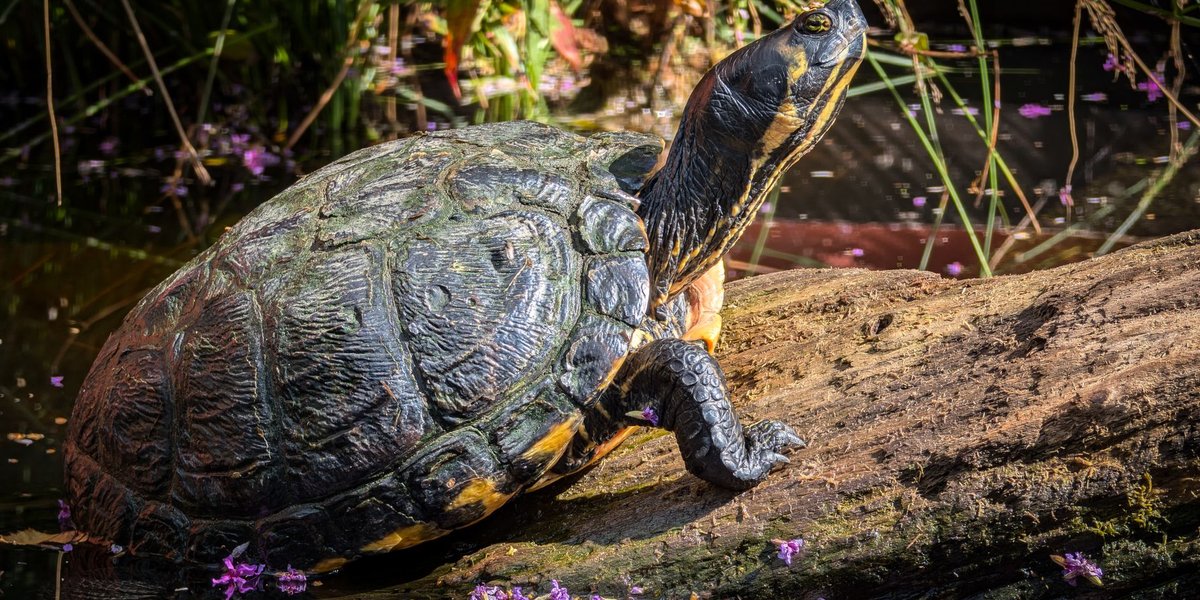
Wood Turtle — Threatened. A sculpted-shell turtle that splits its life between clean rivers and the surrounding forest and fields, which is exactly why it’s in trouble — its range overlaps with roads, farm machinery, and riverbank development. Wood turtles take 12 to 18 years to reach breeding age and lay small clutches, so losing even a few adult females to a road or a poacher can sink a local population. The illegal pet trade is a real and specific threat here; these turtles are attractive and slow, a bad combination. The Nature Trust of New Brunswick lists it among its priority species.
Insects {#insects}
Maritime Ringlet — Endangered. A small brown butterfly found in salt marshes, and one of the most range-restricted animals in the country — known from just six locations, most of them around the Bay of Chaleur in northern New Brunswick. It depends entirely on salt-marsh cordgrass for its caterpillars and a specific marsh flower for nectar. Lose the marsh — to development, sea-level rise, or drainage — and you lose the butterfly. It was designated endangered in 1997.
Monarch Butterfly — Endangered. The famous orange migrant got a grim upgrade in late 2023, when the federal government reclassified it from special concern to endangered under SARA. Monarchs pass through New Brunswick in late summer, and their collapse is driven by milkweed loss across the continent, pesticide use, and deforestation in their Mexican wintering grounds. This is a species you can directly help in your own yard, which most on this list isn’t.
How You Can Actually Help {#how-you-can-help}
Skip the vague “raise awareness” advice. Here’s what moves the needle in New Brunswick specifically.
Plant native milkweed and let part of your yard go wild. Milkweed is the only plant monarch caterpillars eat. A patch of it, plus native nectar flowers and no pesticides, turns a lawn into a working monarch refuel stop. This is the rare case where a homeowner directly supports an endangered species.
Respect the beach fences in summer. Those roped-off sections of Bay of Fundy and Gulf beaches are piping plover nests. Keep dogs leashed, keep ATVs off, and don’t cut through. A single crushed scrape can end a pair’s whole breeding season.
Don’t cap an active chimney, and report swift roosts. If swifts are nesting in your old chimney, you’re hosting a threatened bird — leave it open through the breeding season and tell Nature NB.
Report wood turtle sightings — and never take one home. Logging where turtles turn up helps map populations, but moving or keeping a wood turtle is illegal and feeds the pet trade that’s hammering them. If you see one crossing a road, move it across in the direction it was already heading and leave it there.
Support the groups doing the on-the-ground work. The Nature Trust of New Brunswick buys and protects habitat outright, and Nature NB runs the species monitoring. Land protection is the one intervention that helps nearly every species on this list at once.
Push for the protection assessments. Remember that two-thirds of listed species lack the assessments that activate real legal protection. That’s a political problem with a political fix, and constituent pressure is part of how it gets solved.
New Brunswick’s at-risk species aren’t abstractions in a registry. They’re a butterfly clinging to six salt marshes, a flower hanging on at four river bends, a bat population that lost 99.5 percent of itself in a decade. The numbers are stark, but several of these stories are still being written — and a few of them, like the milkweed in your backyard, have your name in them.