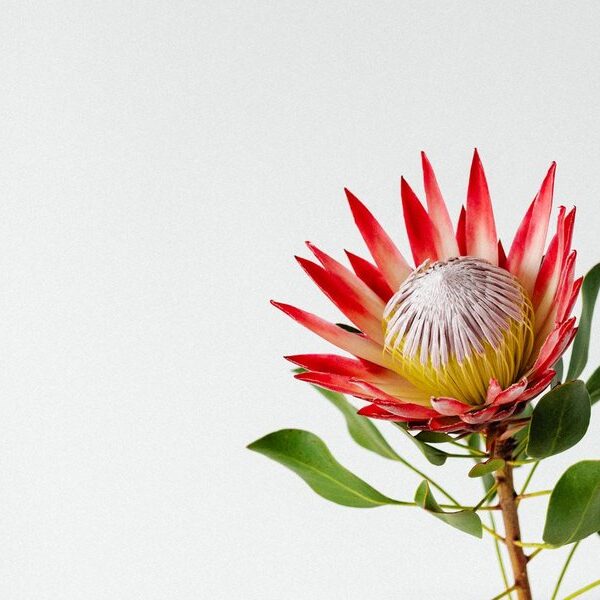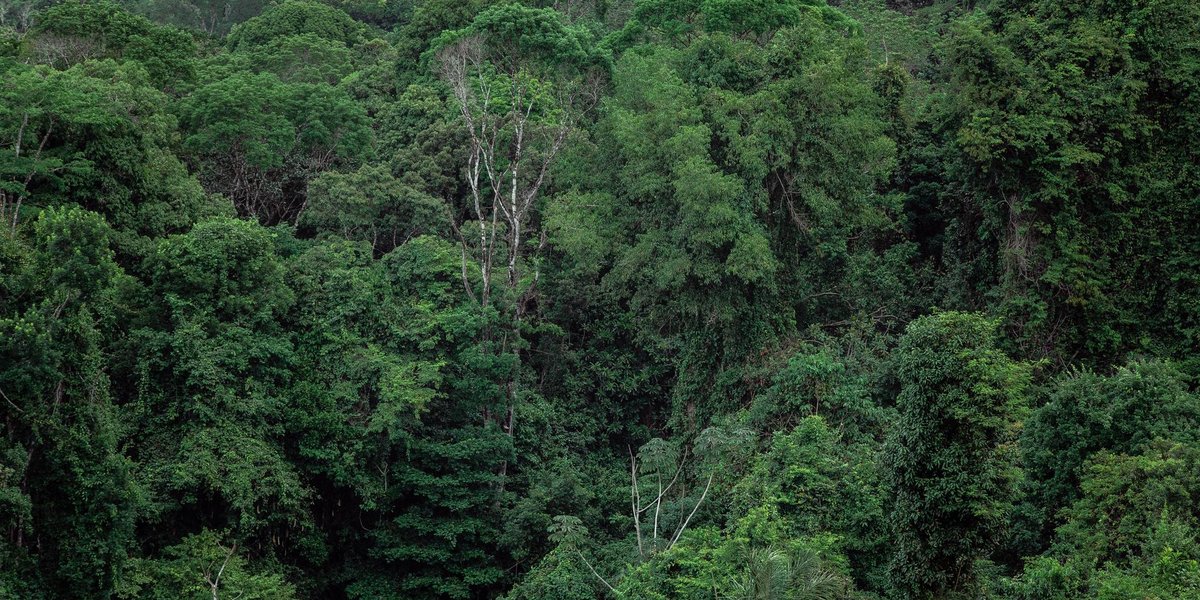
Indonesia has somewhere between 24,000 and 30,000 species of vascular plants, and roughly 3,800 of them are orchids. That’s more plant diversity packed into a chain of 17,000-odd islands than most continents can claim. Most lists of Indonesia’s native plants stop at “tropical flowers.” This one goes species by species: where each plant lives, what makes it strange, what people do with it, and how it’s holding up.
Contents
- Why Indonesia’s flora is so varied
- Quick reference table
- 14 native Indonesian plants
- Indonesia’s national flowers
- Threats to Indonesia’s native plants
- Where to see them
Why Indonesia’s flora is so varied
Three things stack up here.
Climate. Indonesia sits on the equator. Warm temperatures and heavy rain run year-round across most of the archipelago, which is the recipe for rainforest.
Soil. The islands sit on the Pacific Ring of Fire. Volcanic ash feeds the soils of Java and Sumatra, which is part of why Java supports farming at such density.
Geography. The western islands (Sumatra, Java, Borneo) were once joined to mainland Asia and share its plant families, especially the towering dipterocarp trees. The eastern islands (Papua) share a lineage with Australia. In between lies Wallacea, a belt of deep-water islands such as Sulawesi and the Moluccas that were never connected to either side. The boundary is called the Wallace Line, and it runs through the narrow strait between Bali and Lombok. Plants and animals on either side look noticeably different. Wallacea has its own mix of both, plus a lot of species found nowhere else.
Islands, isolation and heat make a diversity engine. That’s why a short list of Indonesia’s native plants still has to jump from a corpse-scented giant to your breakfast spice.
Quick reference table
| # | Species | Main region | Known for |
|---|---|---|---|
| 1 | Rafflesia arnoldii | Sumatra, Borneo | Largest single flower |
| 2 | Titan arum | Sumatra | Tallest unbranched flower cluster |
| 3 | Moon orchid | Across the archipelago | National flower |
| 4 | Teak | Java, Muna | Timber |
| 5 | Ulin (ironwood) | Borneo, Sumatra | Water-resistant timber |
| 6 | Nutmeg | Banda Islands, Maluku | Spice (nutmeg and mace) |
| 7 | Clove | North Maluku | Spice, kretek cigarettes |
| 8 | Rattan | Kalimantan, Sumatra, Sulawesi | Furniture, weaving |
| 9 | Pitcher plants (Nepenthes) | Sumatra, Borneo, Sulawesi, Papua | Carnivorous traps |
| 10 | Java cassia | Java and other islands | Pink spring blossoms |
| 11 | Sandalwood | East Nusa Tenggara | Fragrant heartwood |
| 12 | Sago palm | Papua, Maluku | Staple starch |
| 13 | Meranti (Shorea) | Borneo, Sumatra | Rainforest canopy timber |
| 14 | Temulawak | Java | Jamu herbal medicine |
14 native Indonesian plants
1. Rafflesia arnoldii
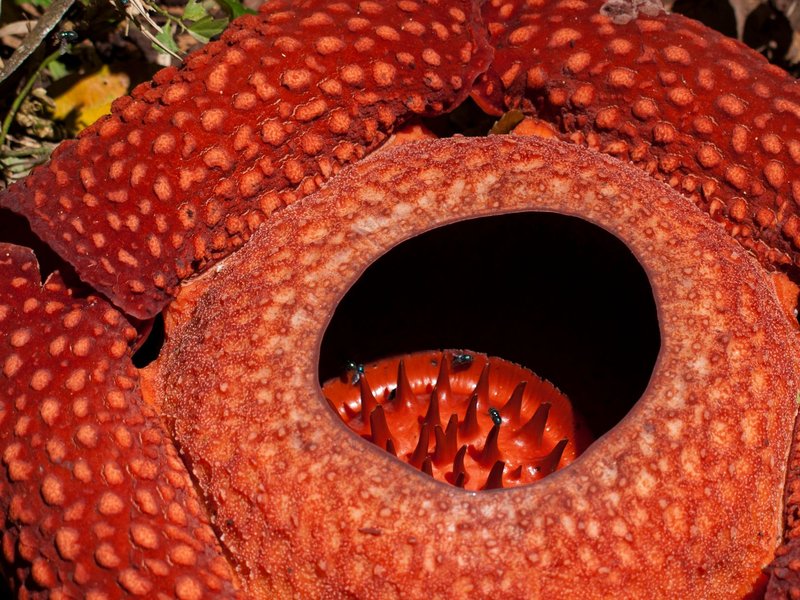
The largest individual flower on Earth. It can reach about a meter across and weigh several kilograms, and it has no leaves, stems or roots. It’s a parasite that lives inside the tissue of a Tetrastigma vine and only shows itself when it blooms.
It grows in the rainforests of Sumatra, and Bengkulu province treats it as a local emblem. A bloom lasts only a few days and smells of rotting meat, which draws the flies that pollinate it. Because the buds take months to develop and the flowers are so short-lived, spotting one open is mostly luck. Local guides in Sumatra will often tell you where a bud is about to open. The species is threatened by forest clearing and by the loss of its host vine.
2. Titan arum (Amorphophallus titanum)
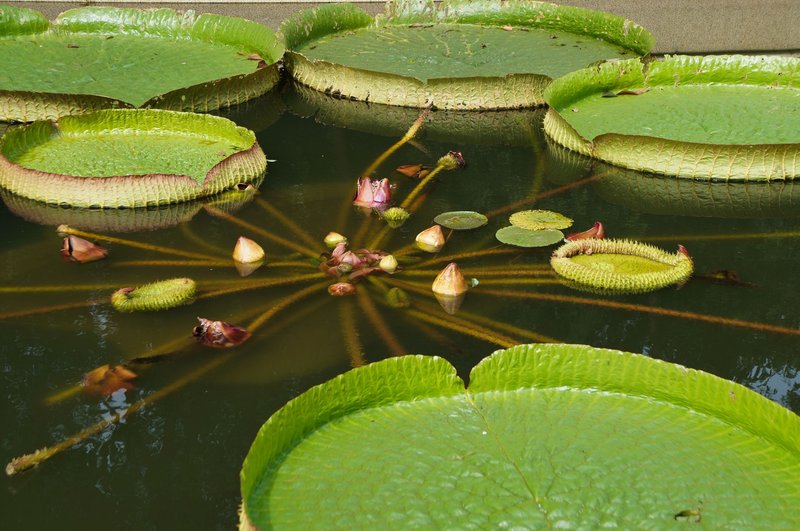
Rafflesia has the widest flower. The titan arum has the tallest unbranched flower cluster, a spike that can pass three meters. It’s native to the rainforests of Sumatra and is also known as the corpse flower, for the same reason as Rafflesia: it smells of decay to attract carrion beetles and flies.
The plant spends most of its life as a single giant leaf growing from an underground tuber. Flowering is rare and unpredictable, which is why botanical gardens worldwide queue up to see one bloom. In the wild, it’s listed as threatened by the IUCN, mainly because lowland Sumatran forest keeps shrinking.
3. Moon orchid (Phalaenopsis amabilis)
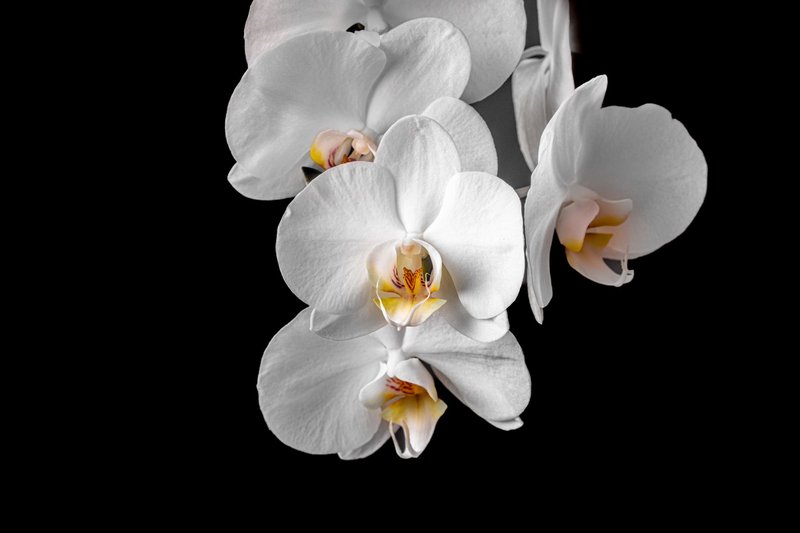
White, wide, flat and shaped like a moth, which is where the genus name Phalaenopsis (“moth-like”) comes from. It grows on tree trunks across Indonesia and is one of the country’s national flowers, called puspa pesona. Almost every supermarket orchid you’ve seen descends from this group, so you’ve probably owned a relative.
4. Teak (Tectona grandis)
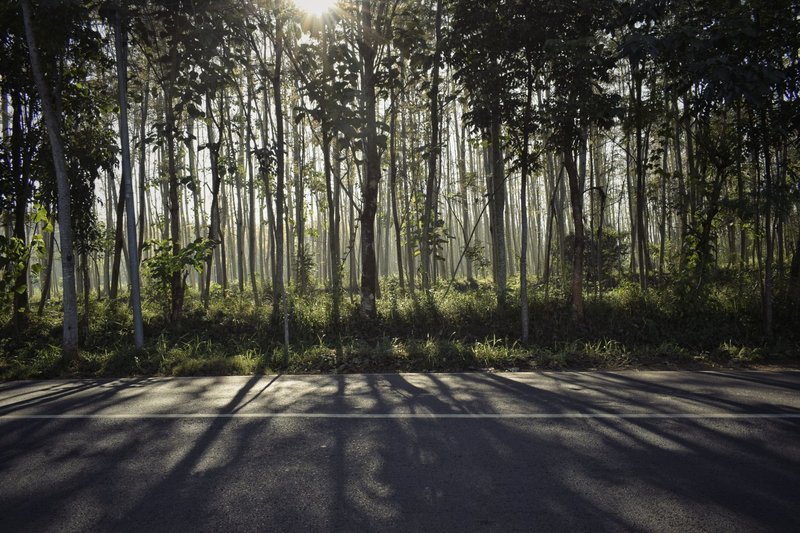
Teak’s native range includes Java and the island of Muna, off southeast Sulawesi. Dutch colonial foresters planted it across Java in huge plantations, and Java is still strongly associated with the timber. It’s dense and naturally oily, so it resists rot and termites, which explains its use in ships, outdoor furniture and traditional houses.
5. Ulin, or Bornean ironwood (Eusideroxylon zwageri)
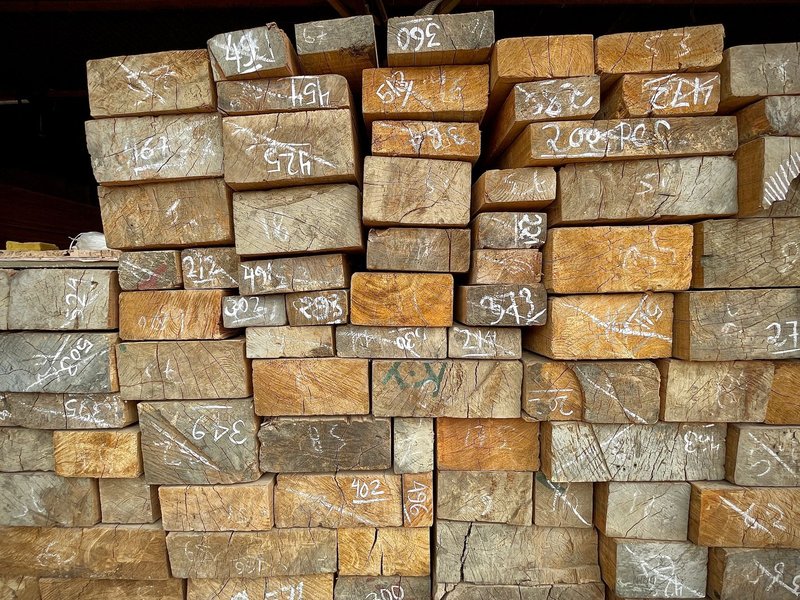
The name says it. Ulin is so dense that nails bend and it sinks in water. Local builders have used it for roof shingles, house stilts and bridge pilings because it can sit in swamp water for decades. It grows slowly, which is the problem. Overharvesting has put it on the IUCN’s Vulnerable list, and mature trees are now scarce outside protected areas.
6. Nutmeg (Myristica fragrans)
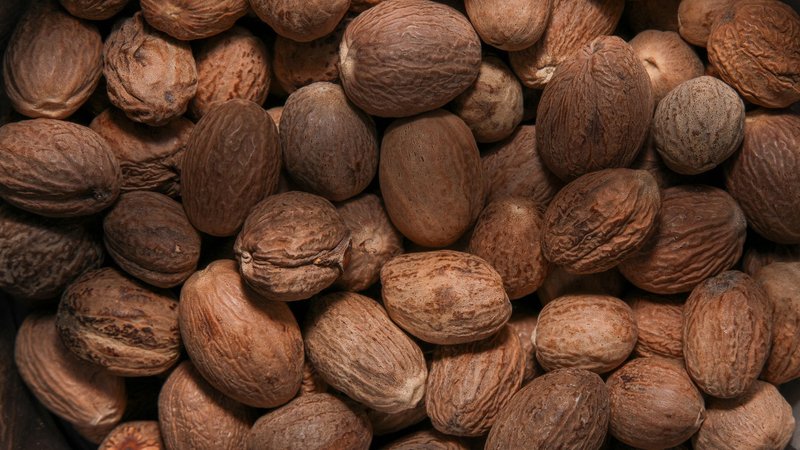
Nutmeg is native to the Banda Islands in Maluku, a group of volcanic specks that were for centuries the only source of the spice. European traders fought over them. The fruit splits open to show a brilliant red web (mace) wrapped around the seed (nutmeg), so one tree gives you two spices. Banda residents still grow it in shaded groves, and it still ends up in everything from Dutch speculaas to Indonesian soups and sweets.
7. Clove (Syzygium aromaticum)
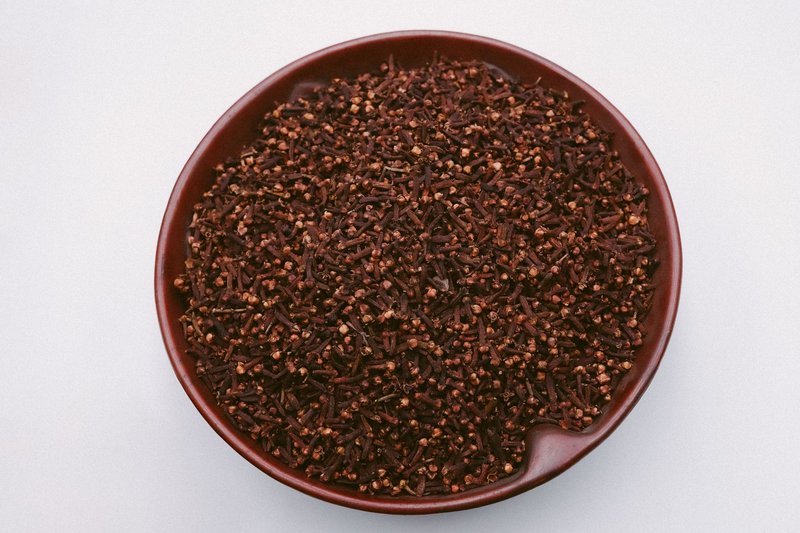
Clove comes from the same part of Maluku, the northern islands such as Ternate and Tidore. What you’re using in the kitchen is the unopened flower bud, picked by hand and dried. Today Indonesia is one of the world’s largest clove producers, and a big share of the crop goes into kretek, the clove-and-tobacco cigarettes smoked across the country.
8. Rattan (Calamus and related genera)
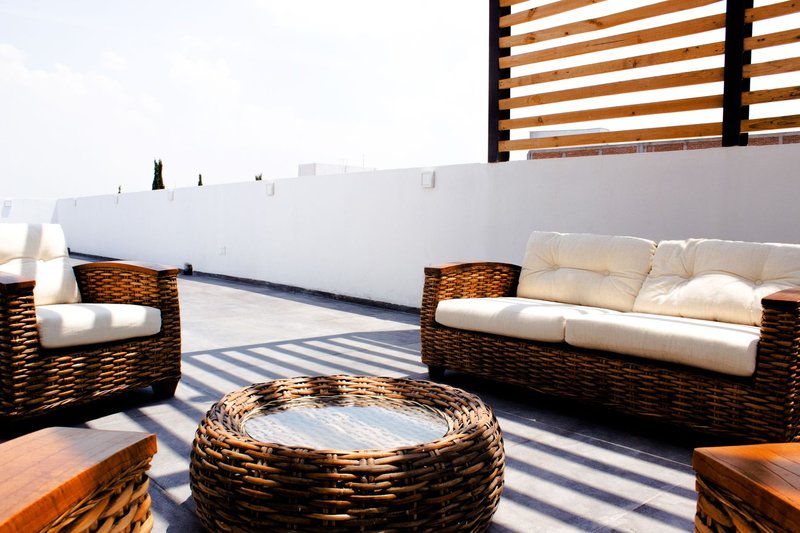
Rattan is a climbing palm, not a tree. It uses backward-pointing spines on its stem to haul itself up through the canopy, sometimes for more than a hundred meters. Indonesia, mainly Kalimantan, Sumatra and Sulawesi, is the world’s biggest supplier of rattan cane. Harvesters take it without felling the host trees, which makes it one of the more forest-friendly products out there, as long as wild stands aren’t overcut.
9. Pitcher plants (Nepenthes)
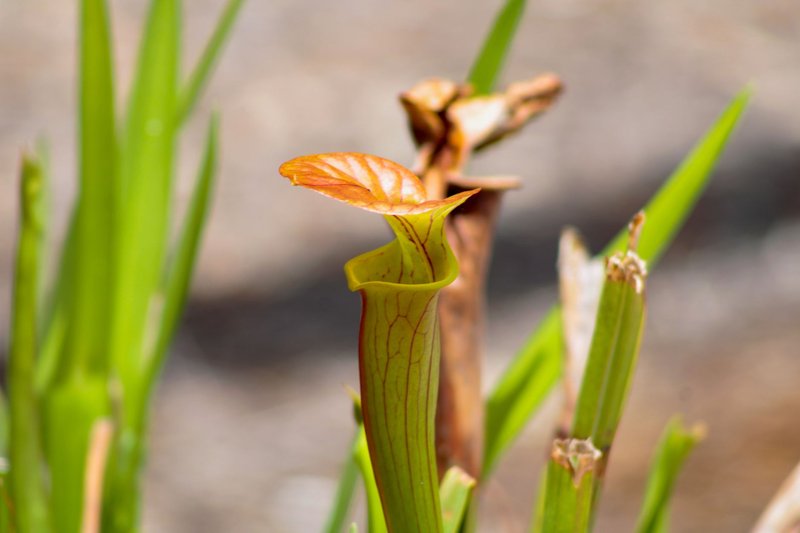
Indonesia is home to dozens of Nepenthes species, in Sumatra, Borneo, Sulawesi and Papua, many of them found on only one mountain. Called kantong semar in Indonesian, they grow slippery-rimmed jugs that fill with digestive fluid. Insects slip in and dissolve. Poor soil is the reason: in nutrient-starved heath and mountain forest, eating bugs pays off. Collectors have taken many wild plants, so several species are rare in nature.
10. Java cassia (Cassia javanica)
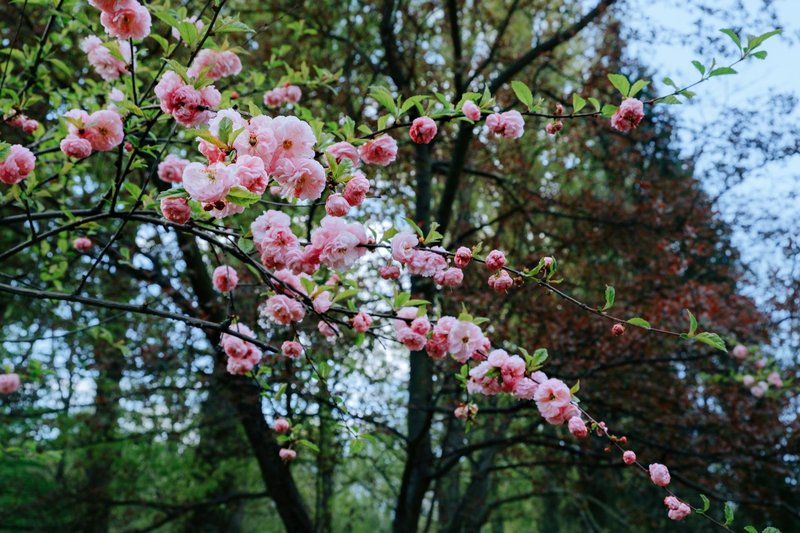
Locally called sakura jawa or “Java cherry blossom,” even though it isn’t a cherry. In the dry season the tree drops its leaves and covers itself in pink-and-white flowers, which is what makes it look like a spring cherry. It’s a favorite street and park tree around Java.
11. Sandalwood (Santalum album)
Sandalwood’s native range includes the dry islands of Nusa Tenggara, especially Timor and Sumba. Its heartwood holds an oil used in perfume and incense, and that oil value is the trouble: wild trees were cut so heavily that the species is now listed as Vulnerable. It’s also a hemiparasite, tapping the roots of neighboring plants, so it can’t simply be planted alone.
12. Sago palm (Metroxylon sagu)
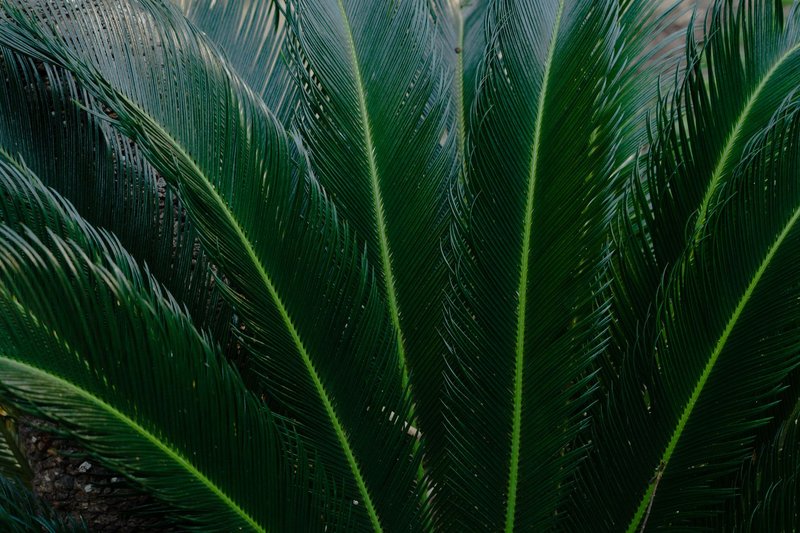
In Papua and Maluku, sago is dinner. Starch is pounded and washed out of the trunk, then cooked into papeda, a glue-like porridge eaten with fish soup. One palm grows for years, then flowers once and dies, and by then the trunk is packed with starch. Swamps that would be useless for rice stay productive with sago, which is why it matters so much for food security in the east.
13. Meranti (Shorea species)
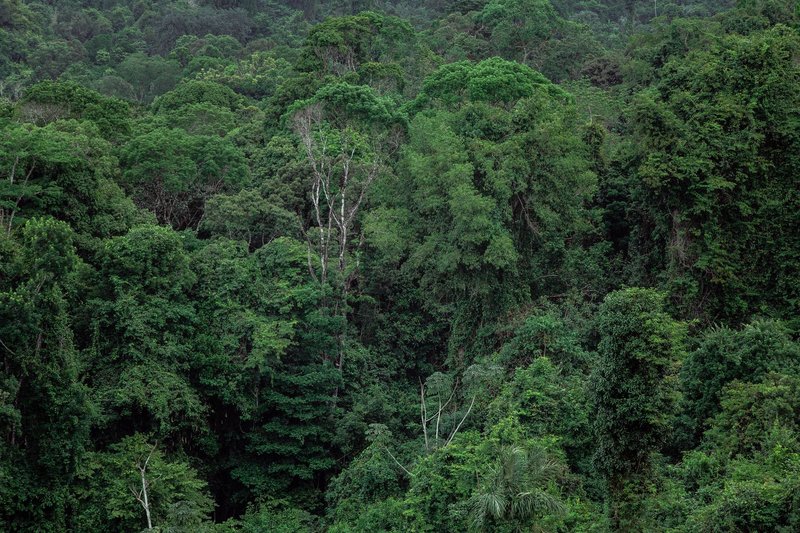
Meranti belongs to the dipterocarp family, the trees that define the lowland rainforests of Borneo and Sumatra. Dipterocarps flower and fruit together in “mast” years, which happen every few years and produce a seed glut. It also means a logged forest can recover only slowly. Many Shorea species are listed as Critically Endangered by the IUCN, and meranti is a widely traded timber for plywood and furniture.
14. Temulawak (Curcuma zanthorrhiza)
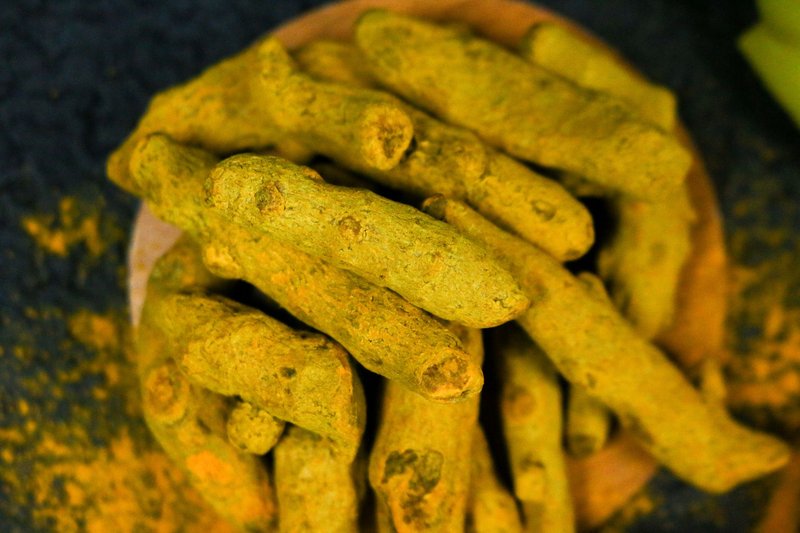
A relative of turmeric, with larger, orange-yellow rhizomes. Temulawak is a Javanese plant and one of the backbone ingredients of jamu, the traditional herbal drinks that vendors still sell door to door in Java. It’s taken for digestion and liver support in traditional use, though evidence in humans is limited. It’s easy to grow in warm, moist gardens, which makes it one of the few plants here you can actually keep at home.
Indonesia’s national flowers
Indonesia officially has three national flowers, set by presidential decree in 1993:
- Jasmine (melati putih, Jasminum sambac) is the “national flower of the people” (puspa bangsa). It’s woven into wedding garlands. Botanists debate its original native range, but it’s been grown in Indonesia for so long that it’s tied to the culture.
- Moon orchid (Phalaenopsis amabilis) is the “enchanting flower” (puspa pesona), covered above.
- Rafflesia (Rafflesia arnoldii) is the “rare flower” (puspa langka), also covered above.
Threats to Indonesia’s native plants
The pressures are not mysterious. Forests have been cleared for oil palm, pulp and paper, mining and farmland, and Sumatra and Borneo have lost huge areas of lowland rainforest in recent decades. Lowland forest is also where the richest tree diversity lives, so the cuts hit the most species per hectare. Specialists suffer first: Rafflesia can’t survive without its host vine, ulin grows too slowly to replace itself, and orchids and pitcher plants are collected for the horticulture trade.
The IUCN Red List tracks which Indonesian species are in trouble, and botanical institutions such as Royal Botanic Gardens, Kew keep seed banks and run conservation programs for tropical species.
Where to see them
- Bogor Botanical Gardens (West Java). Founded in 1817, with thousands of tree and palm species and an orchid house. It’s the easiest place to see Indonesian plants in one afternoon, and it’s an hour or two from Jakarta.
- Cibodas Botanical Garden (West Java). A cooler, mountain-side garden with highland species and a good collection of orchids.
- Bali Botanic Garden (Bedugul). Highland garden with orchids and tropical plants.
- Bengkulu and West Sumatra. The best places to ask about Rafflesia blooms. Local guides know the sites, but timing is chance.
- Gunung Leuser and Kerinci Seblat national parks (Sumatra). Lowland and mountain rainforest where Rafflesia, titan arum and pitcher plants grow wild.
- Kalimantan national parks. Heart-of-Borneo forest with ironwood, meranti, rattan and pitcher plants.
You don’t need to see all of it. Pick one garden, one park and one spice stall, and you’ll have met most of what’s on this list. Indonesia’s native plants reward anyone who looks closely, and almost every one of them is already part of a meal, a house, or a ritual somewhere on the map.