Contents
- Why Somalia is easy to invade
- Prosopis juliflora: the invader with a Somali name
- What it does to herders and farmers
- Why it spreads so fast
- What people are doing about it
- Other invaders: what the record shows
- Invasive species in Somalia at a glance
- Policy: commitments without a plan
- Summary
Ask what the main invasive species in Somalia is and the documented answer is a thorny tree with feathery leaves: Prosopis juliflora, called Ali-Garoob in Somali. Almost everything else on the list is a gap in the record. That says something about how little attention the problem has had, and it’s why this article spends most of its length on one species and is blunt about what nobody has measured.
Why Somalia is easy to invade
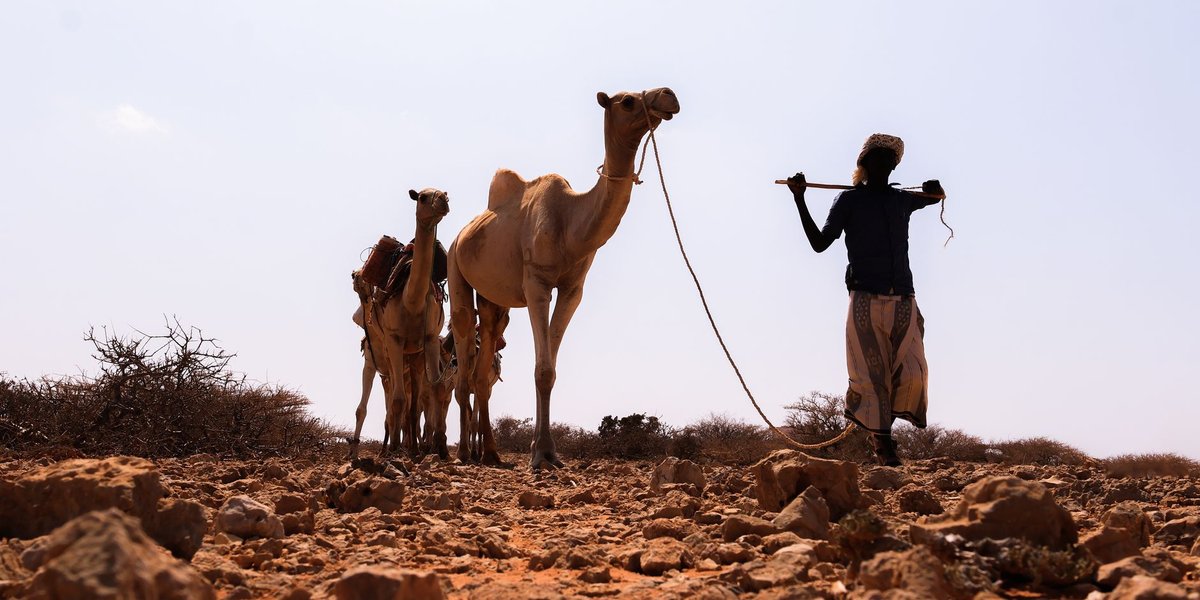
Somalia has the longest coastline on mainland Africa, a mostly arid interior, and an economy built on livestock. Rain is erratic, droughts push herders to move, and grazing land is the main resource most families have. A plant that stays green through the dry season and takes over pasture hits that system directly.
Add decades of conflict and weak state capacity, and there’s little money or monitoring for the work that stops an invader early: mapping it, clearing small patches, and tracking where it goes next.
Prosopis juliflora: the invader with a Somali name
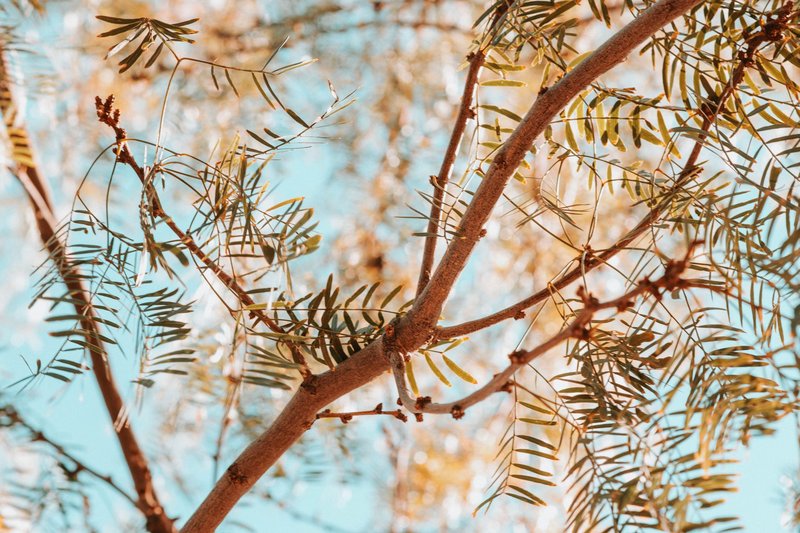
Prosopis juliflora is a mesquite native to Colombia and Venezuela. It reached Somalia through development projects, not by accident. In Somaliland it was brought in by the FAO in the late 1970s and by several NGOs in the 1980s as a fast-growing tree for deforested ground. In Hiran, near Beledweyne, it was used to stabilize sand dunes around settlements. It did the job. It out-performed the other trees planted.
That was the problem. The same traits that made it a good fuelwood and dune tree, hardiness in dry conditions and heavy seed production, made it hard to contain. The IUCN’s Global Invasive Species Database records that it was introduced in many countries in the 1970s and 1980s to address fuelwood shortages, and cites it as one of the world’s most invasive alien species.
In Somalia it has been reported in the Sool region in the north, around Beledweyne in Hiran, and across parts of Somaliland, where a Landsat mapping study produced a baseline map of its distribution. No nationwide survey has told us how many hectares it now covers.
What it does to herders and farmers
The most detailed Somalia-specific reporting comes from Radio Ergo’s coverage of Teleh in Sool region, and the numbers are small and local, which is exactly why they land.
- Grazing land lost. About 1,500 pastoralist families once grazed in the Dhumay valley. Only about 200 still do, because they fear the tree harms their animals.
- Livestock deaths. One herder said his pregnant camel died after eating the seeds. A necropsy by the family found many seeds in its stomach.
- Farms overrun. The head of the farmers’ association in Halin said 80 farms had been invaded, and some farmers left for Lasanod to find work.
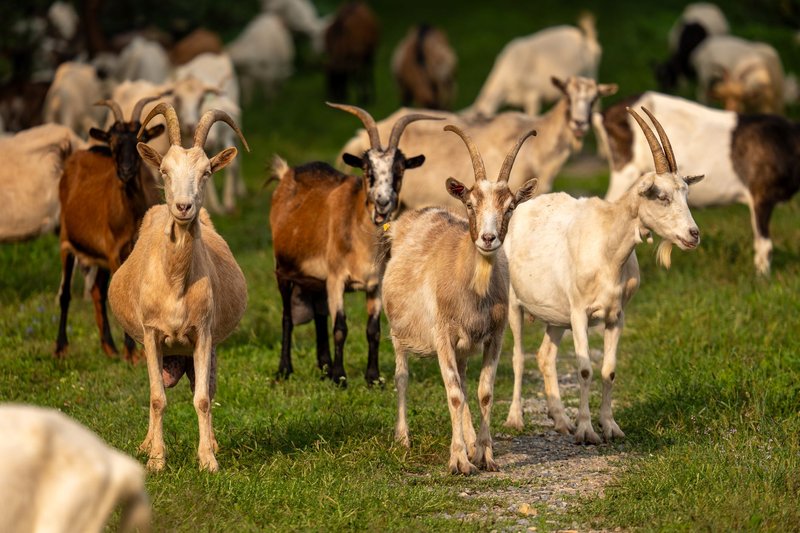
- Predators moving in. One herder reported losing four goats to hyenas and wild cats in 20 days. He said the tree had crowded out other vegetation and turned the valley into wildlife habitat.
A survey in the Beledweyne area points the same way. About 80% of respondents agreed the tree outcompetes native plants for light, water, and nutrients, and 81% agreed that invasion reduces fodder on grazing land. Those are opinion figures from a small study, not measurements across the country, and they should be read that way.
For a measured comparison of what the tree does to rangeland plants, the closest evidence is next door. A study in Ethiopia’s Somali Region compared invaded and uninvaded one-hectare plots and found plant diversity of 1.56 in invaded areas against 3.40 in uninvaded ones on the Shannon index. The authors warned that fodder species were disappearing from invaded ground. The ecology there is similar, but it isn’t Somalia, and the study doesn’t prove the same numbers apply across the border.
Why it spreads so fast
The Radio Ergo report describes three habits that make Ali-Garoob hard to stop:
- It stays green. The leaves persist through both wet and dry seasons, so it outcompetes grasses that die back.
- Seeds germinate quickly. Once pods fall, new seedlings come up fast.
- Livestock move the seeds. Animals eat the pods and spread the seeds in their dung, often kilometers from the parent tree.
The third point is the cruelest. Herds are what the tree harms, and herds are also what carries it into new valleys. A moving pastoral economy is an efficient delivery system for mesquite seed.
What people are doing about it
Local control has been mostly manual, and mostly temporary. In Sool, people have cut and burned the bushes and sprayed kerosene on them without lasting results. An official of the Da’algaarshe Environmental Conservation Centre told Radio Ergo that burning is the most effective of those methods.
Cutting alone often fails with mesquite. The tree resprouts from the stump unless the root crown is dealt with, so a cleared field can be green again within a season or two if nobody follows up.
Some communities have turned the problem into a product. Around Beerato village in Somaliland, residents working with World Vision reported reclaiming eight hectares of infested land, using the cleared wood for charcoal, fencing, and construction. Pod-based livestock feed has also been trialed in the region. Ground pods are used as feed elsewhere in Eastern Africa. In Somalia, though, the uses are small-scale, and the report on Teleh itself notes that livestock eating the seeds in quantity is part of the harm. Feed use needs processing that breaks the seed, otherwise it just spreads more of it.
That is the honest state of management: a few village-scale cleanups and trials, no national control program with published results.
Other invaders: what the record shows
The research brief behind this article looked for other documented invaders and came up with very little. There are no verified, Somalia-specific records for the usual suspects elsewhere in East Africa, such as water hyacinth, prickly pear, or lantana. A list of 40 prominent invasive species across Africa covers the wider regional picture, but a regional list can’t say which of them have reached Somalia. They may be present. They may also be missing from the record because nobody has surveyed.
The same goes for the coast. Ballast-water introductions are a recognized pathway for marine species worldwide, and Somalia has major ports at Mogadishu, Berbera, and Bosaso. But no published inventory of marine or coastal invaders in Somali waters turned up in the sources reviewed. Listing species here would mean guessing, so this article doesn’t.
If you see lists of “invasive species in Somalia” that name a dozen plants and animals without sources, treat them with suspicion. The documented picture is one dominant tree and a long blank.
Invasive species in Somalia at a glance
| Species | Where reported | Impact | Control attempts |
|---|---|---|---|
| Prosopis juliflora (Ali-Garoob) | Sool (Teleh, Halin), Hiran (Beledweyne), Somaliland (Beerato and elsewhere) | Displaces grazing land and farms, reduces fodder, linked to livestock illness and deaths from seed ingestion | Cutting, burning, kerosene spraying, charcoal and fencing use, pod-feed trials |
| Aquatic and marine invaders | No verified Somalia records found | Unknown | None documented |
| Other terrestrial plants | No verified Somalia records found | Unknown | None documented |
Policy: commitments without a plan
Somalia became a party to the Convention on Biological Diversity by accession on 10 December 2009. The CBD country profile lists invasive alien species among the main threats to Somalia’s biodiversity, but gives no further detail, and states that the country’s National Biodiversity Strategy and Action Plan is still in development.
Put plainly, the commitment exists and the plan to meet it doesn’t yet. Without a finished strategy, there’s no agreed priority list, no national mapping program, and no funded control effort. The BioDB country profile treats invasive species as one threat among several, next to pollution and climate change, and names none.
What would change that is not exotic: a national survey of where Prosopis now grows, a clear rule on whether it’s still planted anywhere, and coordinated clearing with follow-up on the highest-value grazing and farm land.
Summary
Invasive species in Somalia come down to one well-documented problem and a lot of unanswered questions. Prosopis juliflora was planted with good intentions in the 1970s and 1980s, and it has since spread through Sool, Hiran, and Somaliland. It takes grazing land and farms, and its seeds are linked to livestock deaths. Cutting and burning give short relief, and a few communities earn income from the wood.
Everything beyond that, from river weeds to marine hitchhikers, is undocumented rather than absent. Until someone surveys it, the honest answer to “what else is out there?” is that nobody knows.