As an Amazon Associate we earn from qualifying purchases. Disclosure
The best nonfiction books about horses are Seabiscuit by Laura Hillenbrand, the true story of an undersized racehorse who beat War Admiral in 1938; The Eighty-Dollar Champion by Elizabeth Letts, about a plow horse saved from slaughter who became a show jumping champion; and The Horse: A Galloping History of Humanity by Timothy Winegard, a 6,000-year history of horses and people. To understand how horses think, read Horse Brain, Human Brain or How to Think Like a Horse. The book riders recommend more than any other is Sally Swift’s Centered Riding.
When I was small, the only horse book on our farm in the south of France was a French horse-care manual my father kept on a shelf in the tack room. The damp had warped the cover and the pages smelled of hoof oil. He took it down the spring our gray mare Fleur went lame, turned to the drawings of the hoof and found the page on abscesses, and it was right: the vet opened one in her sole two days later. I learned to read those diagrams long before I could read the long words under them. Since then I have kept a shelf of horse books, and most of them are true stories, histories and the kind of practical books a rider keeps going back to. This list covers all three, plus the novels people often mistake for true stories.
Best nonfiction horse books at a glance
| Book | Author | Best for | Type |
|---|---|---|---|
| Seabiscuit | Laura Hillenbrand | Anyone, rider or not | True story |
| The Eighty-Dollar Champion | Elizabeth Letts | Show jumping and underdog fans | True story |
| The Perfect Horse | Elizabeth Letts | World War II readers | True story |
| The Ride of Her Life | Elizabeth Letts | Trail riders and older readers | True story |
| Sgt. Reckless | Robin Hutton | Military history readers | True story |
| Secretariat | William Nack | Racing fans | True story |
| American Pharoah | Joe Drape | Modern racing fans | True story |
| Ruffian | Jane Schwartz | Readers ready for a sad ending | True story |
| Unbreakable | Richard Askwith | Steeplechase and WWII readers | True story |
| Horse Soldiers | Doug Stanton | War and adventure readers | True story |
| The Horse: A Galloping History of Humanity | Timothy Winegard | History readers | History |
| The Horse: The Epic History of Our Noble Companion | Wendy Williams | Science readers | Science |
| Horse: How the Horse Has Shaped Civilizations | J. Edward Chamberlin | Art and myth readers | History |
| Horse Crazy | Sarah Maslin Nir | Lifelong horse girls | Memoir and reporting |
| Wild Horse Country | David Philipps | The mustang debate | Wild horses |
| Mustang | Deanne Stillman | Western history readers | Wild horses |
| The Horse Lover | H. Alan Day | Ranch and rescue stories | Wild horses |
| The Last Cowboys | John Branch | Rodeo and ranch life | Western |
| The Man Who Listens to Horses | Monty Roberts | Gentle training stories | Memoir |
| Chosen by a Horse | Susan Richards | Rescue horse stories | Memoir |
| The Horse Boy | Rupert Isaacson | Parents and travel readers | Memoir |
| Lady Long Rider | Bernice Ende | Long-distance riding dreamers | Memoir |
| Wild Horses of the Summer Sun | Tory Bilski | Adult riders and travelers | Memoir |
| Horse Brain, Human Brain | Janet L. Jones | Every rider | Behavior |
| How to Think Like a Horse | Cherry Hill | New riders and owners | Behavior |
| Language Signs and Calming Signals of Horses | Rachaël Draaisma | Reading stress and pain | Behavior |
| Horses in Company | Lucy Rees | Herd behavior | Behavior |
| Horses Never Lie | Mark Rashid | Calm, quiet leadership | Behavior |
| Horse Speak | Sharon Wilsie | Groundwork and body language | Behavior |
| Centered Riding | Sally Swift | Riders of any discipline | Riding |
| True Unity | Tom Dorrance | Natural horsemanship roots | Training |
| The Complete Training of Horse and Rider | Alois Podhajsky | Classical dressage | Training |
| 101 Arena Exercises for Horse and Rider | Cherry Hill | Riders who school alone | Riding |
| The USPC Manual of Horsemanship: D Level | United States Pony Club | Beginners of any age | Horse care |
| Horsekeeping on a Small Acreage | Cherry Hill | Keeping horses at home | Horse care |
| Horse Owner’s Veterinary Handbook | Thomas Gore, Paula Gore and James Giffin | Owners | Horse health |
| The Horse Encyclopedia | Elwyn Hartley Edwards (DK) | Breed lovers | Reference |
True horse stories
These are the books to give someone who has never sat on a horse. Each one follows a real horse and the people around it, and each reads like a novel. Elizabeth Letts has three on this list; she grew up riding and writes about horses better than almost anyone working today.
Best true story overall
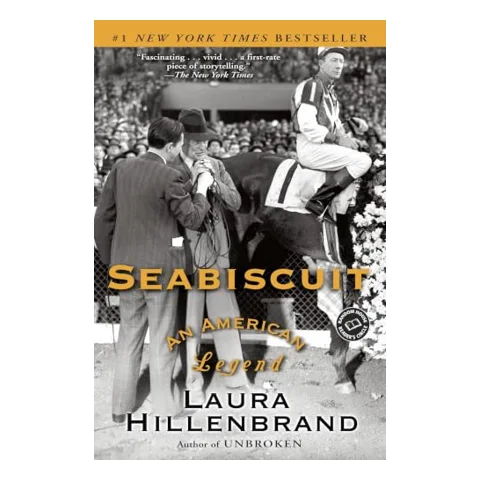
1. Seabiscuit: An American Legend
Seabiscuit was small, knobby-kneed and lazy, and he lost most of his early races. In the 1930s three men took him on: car dealer Charles Howard, a near-silent mustang breaker turned trainer named Tom Smith, and Red Pollard, a jockey who was blind in one eye and hid it. In 1938 Seabiscuit beat Triple Crown winner War Admiral in a two-horse match race at Pimlico that tens of millions of Americans followed on the radio. He entered the Racing Hall of Fame in 1958.
Hillenbrand wrote the book while severely ill with chronic fatigue syndrome, working largely through phone interviews with people who had known the horse. It became a No. 1 New York Times bestseller, and the 2003 film covers only part of it.
- Author: Laura Hillenbrand
- First published: 2001
- 448 pages, paperback
Good: a gripping story that needs no horse knowledge at all. Not great: long passages on Depression-era racing politics slow the middle.
Best underdog story
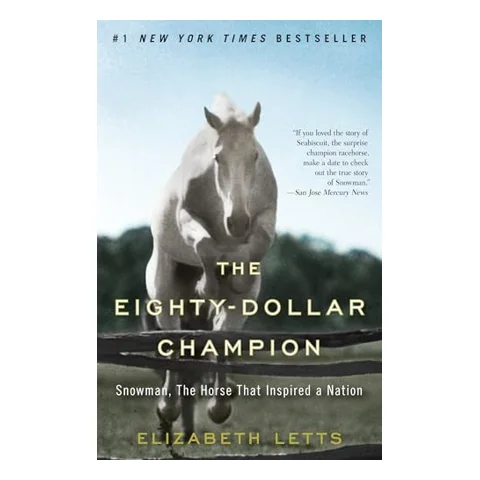
2. The Eighty-Dollar Champion
In 1956 Harry de Leyer, a Dutch immigrant who taught riding at a girls’ school on Long Island, arrived late to a Pennsylvania horse auction and bought a dirty gray plow horse for 80 dollars off a truck headed for the slaughterhouse. The horse, Snowman, turned out to jump anything. Two years later he was a show jumping champion at Madison Square Garden, beating horses bred and bought for the sport.
Letts tells it alongside de Leyer’s own story, from a Dutch farm under German occupation to a new life in America. Horse people press this book on friends who don’t ride.
- Author: Elizabeth Letts
- First published: 2011
- 368 pages, paperback
Good: warm, fast and easy to recommend to anyone. Not great: a gentle book; readers who want grit should start with Seabiscuit.
Best World War II story
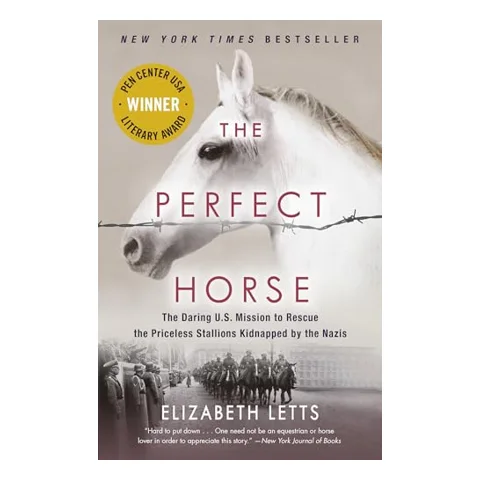
3. The Perfect Horse
During the war the Nazis gathered Europe’s finest horses, including the white Lipizzaners of Vienna’s Spanish Riding School, at a stud farm in Hostau, Czechoslovakia, to breed a “perfect” military horse. In April 1945, with the Soviet army closing in, Colonel Charles Reed of the U.S. 2nd Cavalry led a raid behind German lines to bring the horses west. The book follows Reed, the German officers who helped him, and Alois Podhajsky, the Riding School’s director, whose own training manual is further down this list.
It is a war book first, with tanks and politics, but the horses are at its center.
- Author: Elizabeth Letts
- First published: 2016
- 400 pages, paperback
Good: a little-known rescue told with real suspense. Not great: a large cast of officers to keep track of.
Best road-trip story
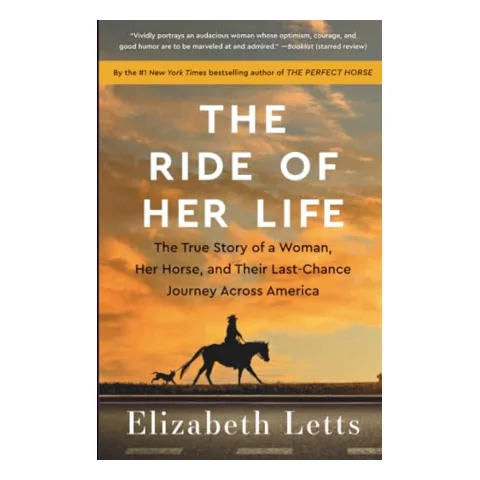
4. The Ride of Her Life
In 1954 Annie Wilkins was 63, broke and losing her farm in Maine when a doctor told her she had two years to live. She bought a cheap gelding named Tarzan, took her dog and rode west for California. The book follows her across a country still built on two-lane roads, where strangers fed her, housed her and wrote about her in local papers, and where traffic on the new highways was a constant danger.
It is the most popular of Letts’s books, with over 10,000 Amazon reviews, and the gentlest of the three.
- Author: Elizabeth Letts
- First published: 2021
- 336 pages, paperback
Good: a moving story for older riders and trail riders. Not great: slow and reflective, with little action.
Best military horse story
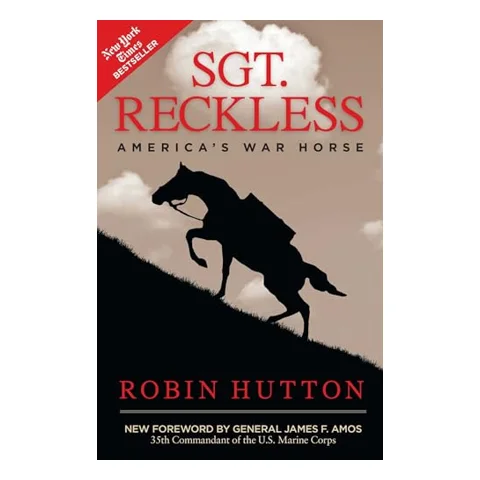
5. Sgt. Reckless: America’s War Horse
In 1952 a U.S. Marine recoilless rifle platoon in Korea bought a small chestnut racing mare from a Korean stable boy and trained her to carry ammunition up the hills under fire. At the Battle of Outpost Vegas in March 1953 Reckless made 51 trips to the front lines in a single day, most of them alone, and was wounded twice. The Marines promoted her to staff sergeant, and Life magazine later named her one of America’s 100 all-time heroes.
Hutton built the book from interviews with the Marines who served with her.
- Author: Robin Hutton
- First published: 2014
- 368 pages, paperback
Good: a war story told through the men who loved one horse. Not great: the writing is plain and sometimes repetitive.
Best racing book
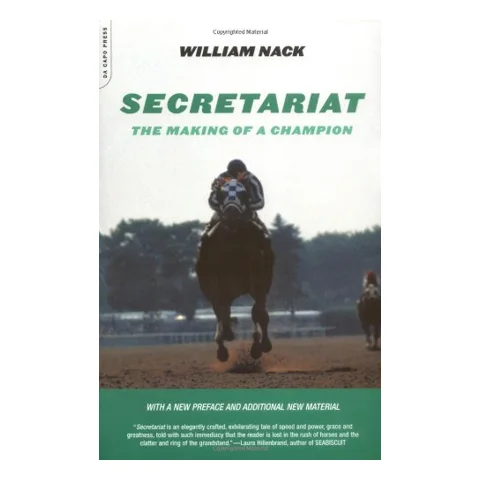
6. Secretariat: The Making of a Champion
Nack covered Secretariat for Newsday through the 1973 season, when the big chestnut won the Triple Crown and took the Belmont Stakes by 31 lengths in a time that still stands as the record. Nack was in the barn and at the rail for all of it, and the book has the detail only a reporter who was there could give it: the groom, the exercise rider, the owner Penny Chenery fighting to keep her family’s farm.
The 2010 Disney film is based on it. Readers on r/Equestrian still recommend “Bill Nack’s Secretariat” when someone asks for a horse book.
- Author: William Nack
- First published: 1975
- 384 pages, paperback
Good: the definitive book on the greatest racehorse of the century. Not great: heavy on breeding and racing detail in the early chapters.
Best modern racing story
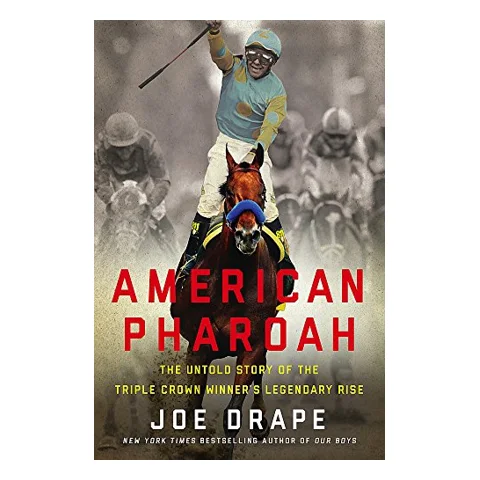
7. American Pharoah
In 2015 American Pharoah became the first Triple Crown winner in 37 years. New York Times racing reporter Joe Drape follows him from the farm where he was foaled through the Belmont, along with his owner Ahmed Zayat, trainer Bob Baffert and the grooms who cared for him. Drape is clear-eyed about the money and the problems in modern racing, which makes this a more honest book than most sports biographies.
- Author: Joe Drape
- First published: 2016
- 304 pages, hardcover
Good: a close, current look inside big-money racing. Not great: more about the people and the business than the horse.
Best racing tragedy
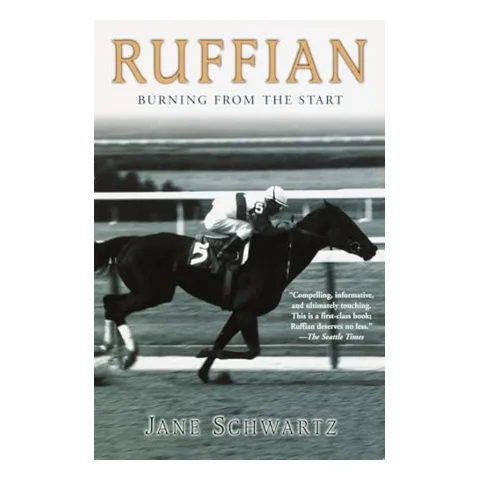
8. Ruffian: Burning from the Start
Ruffian was a near-black filly who won all ten of her races in 1974 and 1975, most of them by huge margins, and set a stakes record in almost every one. In July 1975 she met Kentucky Derby winner Foolish Pleasure in a match race at Belmont Park and broke down on the backstretch. She could not be saved and is buried in the Belmont infield. Schwartz tells her short life through the people who raised, trained and rode her.
- Author: Jane Schwartz
- First published: 1991
- 348 pages, paperback
Good: a powerful portrait of one of the greatest fillies ever to race. Not great: the ending is hard to read, and every reader knows it is coming.
Best for World War II readers
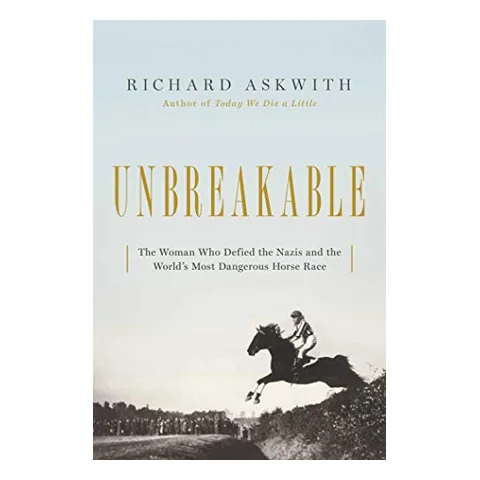
9. Unbreakable: The Woman Who Defied the Nazis in the World’s Most Dangerous Horse Race
The Velká Pardubická is a Czech steeplechase over more than four miles of brutal fences, and riders and horses have died in it. In 1937 Lata Brandisová, a quiet countess in her forties, won it on her mare Norma against a field that included German army officers, the first woman to do so, as Nazi Germany prepared to take her country. Askwith follows her through the war and the Communist years that followed.
- Author: Richard Askwith
- First published: 2019
- 440 pages, paperback
Good: a little-known story with a remarkable woman at its center. Not great: slow in the family history chapters before the race.
Best adventure story
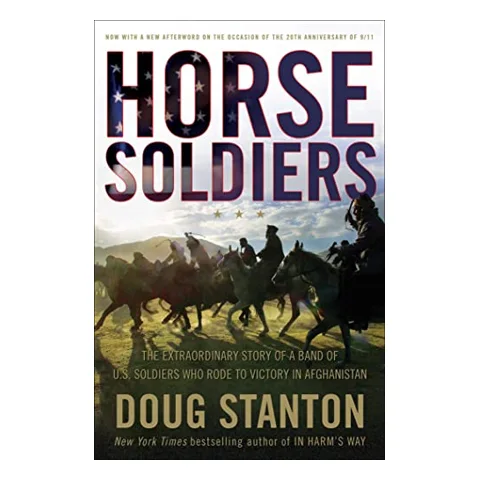
10. Horse Soldiers
A few weeks after September 11, 2001, a 12-man U.S. Special Forces team landed in northern Afghanistan and rode into battle on small, tough local horses alongside an Afghan warlord’s cavalry. Most of the soldiers had barely ridden before; the saddles were wooden and the stirrups too short. Stanton’s account of the campaign to take Mazar-i-Sharif became the 2018 film 12 Strong.
- Author: Doug Stanton
- First published: 2009
- 416 pages, hardcover
Good: a fast war story with horses in an unexpected role. Not great: the horses are part of the story, not the subject of it.
Horse history and science books
People have ridden horses for at least 4,000 years, and for most of that time the horse set the speed of travel, trade and war. These books explain how a fox-sized forest animal became the animal that built empires, and what science now knows about how horses see, think and live.
Best history of horses and people
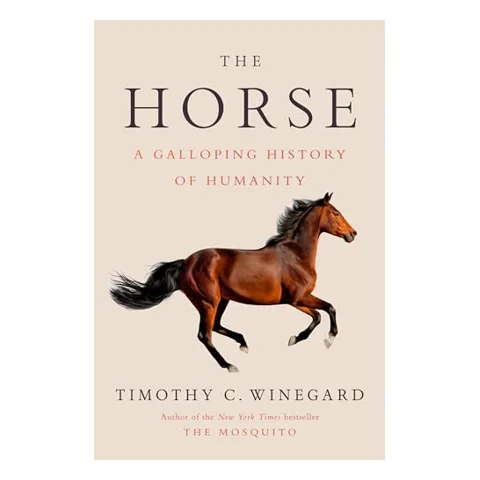
11. The Horse: A Galloping History of Humanity
Historian Timothy Winegard, who also wrote the bestseller The Mosquito, tells human history through the horse: the steppe peoples who first rode, the chariots of the ancient world, the Mongol empire, the Spanish horses that changed life on the Great Plains, the horse-drawn cities of the 1800s and the eight million horses that died in the First World War. It is the newest and widest-ranging book on this list, written for general readers.
- Author: Timothy C. Winegard
- First published: 2024
- 544 pages, hardcover
Good: huge in scope and easy to read in short sittings. Not great: long, and it moves fast past any one era.
Best science book
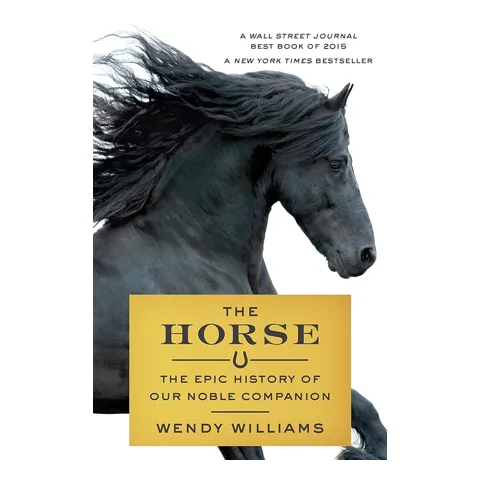
12. The Horse: The Epic History of Our Noble Companion
Science writer Wendy Williams starts with the horse’s ancestors, small forest browsers that lived about 56 million years ago, and follows the horse through evolution in North America, its disappearance from that continent at the end of the last ice age and its return with the Spanish. Then she turns to modern research on how horses see, form friendships and live in herds, with visits to wild horse bands in the American West.
It is the book for a rider who wants to understand why their horse does what it does.
- Author: Wendy Williams
- First published: 2015
- 320 pages, paperback
Good: evolution and behavior in one readable book. Not great: more science than horse care or riding.
Best for art and myth
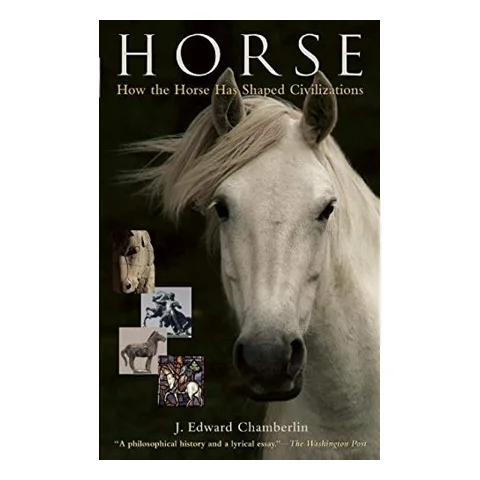
13. Horse: How the Horse Has Shaped Civilizations
Chamberlin, a Canadian literature professor, writes about the horse in religion, art, poetry and ceremony across cultures, from cave paintings and the Greek gods to the Plains nations and the Mongol steppe. It is a short, thoughtful book of essays more than a timeline.
- Author: J. Edward Chamberlin
- First published: 2006
- 288 pages, paperback
Good: covers the horse’s place in culture, which the other histories skim. Not great: only a handful of Amazon reviews, and it rambles in places.
Best for lifelong horse girls
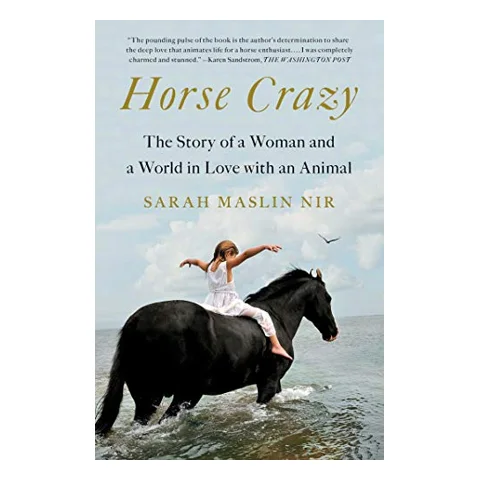
14. Horse Crazy: The Story of a Woman and a World in Love with an Animal
New York Times reporter Sarah Maslin Nir started riding as a small child in Manhattan and never stopped. Her book mixes her own story with reporting on the people who share the obsession: the Chincoteague pony swim, the Compton Cowboys of Los Angeles, polo players and the question of why horse obsession runs so strongly in girls.
Readers who rode as children recognize themselves in it.
- Author: Sarah Maslin Nir
- First published: 2020
- 304 pages, paperback
Good: funny, personal and full of horse worlds most readers never see. Not great: jumps between memoir and reporting, which some readers find choppy.
Books about wild horses and mustangs
About 85,000 wild horses and burros live on U.S. public land, more than three times the 25,600 the Bureau of Land Management says the range can support, and another 58,000 live in government holding pens and pastures, according to BLM figures for 2026. How to manage them is one of the most argued-over animal questions in America. These books explain how the mustang got here and why no one agrees on what to do.
Best book on the mustang debate
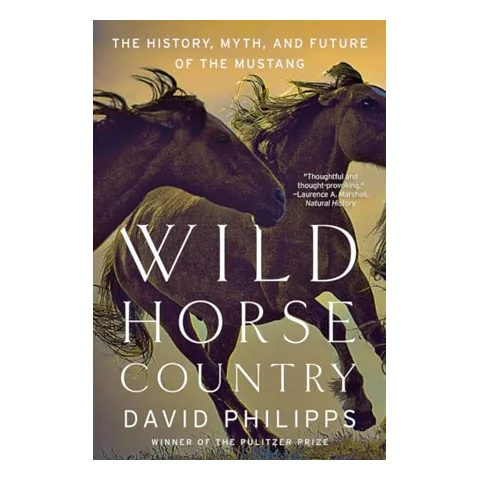
15. Wild Horse Country
Pulitzer Prize-winning reporter David Philipps traces the mustang from its evolution in North America to the Spanish horses that went feral, the cowboys who rounded them up for dog food, and the 1971 law that protected them. Then he goes inside the federal program: the helicopter roundups, the holding pens and the adoption system. He is fair to ranchers, advocates and federal managers, and he ends with what might actually work.
- Author: David Philipps
- First published: 2017
- 368 pages, paperback
Good: the clearest, most balanced book on wild horses. Not great: the policy chapters are sobering reading.
Best wild horse history
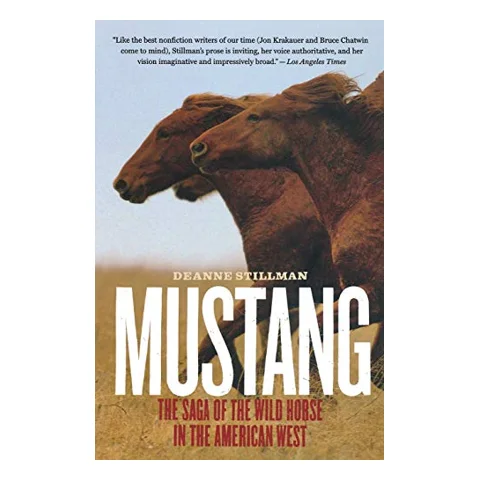
16. Mustang: The Saga of the Wild Horse in the American West
Stillman opens with the 1998 killing of more than 30 wild horses near Reno and then goes back 500 years, telling the story of the mustang through the conquistadors, the Plains nations, the cavalry, Buffalo Bill and the Hollywood West. It is written with open anger at how the West has treated the horses that helped settle it.
- Author: Deanne Stillman
- First published: 2008
- 368 pages, paperback
Good: a sweeping, passionate history. Not great: more argument than balance; read it alongside Wild Horse Country.
Best wild horse memoir
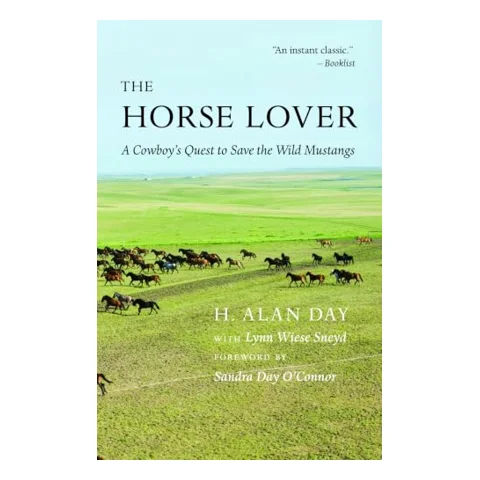
17. The Horse Lover
Alan Day, an Arizona cattle rancher and brother of Supreme Court Justice Sandra Day O’Connor, opened the first government-contracted private sanctuary for unadoptable wild horses on his South Dakota ranch in 1988 and took in about 1,500 mustangs. The book is his account of learning to handle a herd of horses that had never been touched, and of the bureaucracy that eventually ended the project.
- Author: H. Alan Day
- First published: 2014
- 264 pages, paperback
Good: a cowboy’s plain, honest account. Not great: the writing is simple and the ending is sad.
Best for rodeo and ranch life
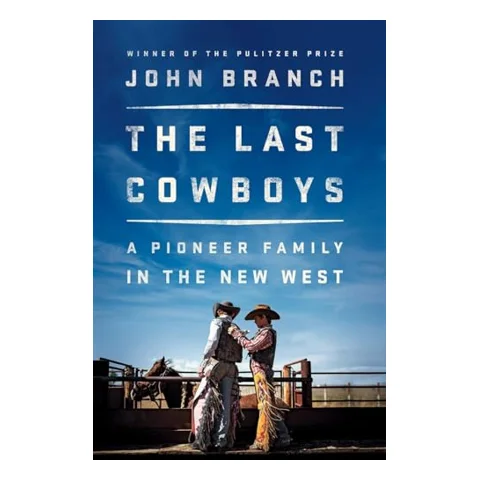
18. The Last Cowboys: A Pioneer Family in the New West
The Wright family of Utah has produced several world champion saddle bronc riders, and they still run cattle on the land their ancestors settled. Pulitzer winner John Branch follows them through a few seasons of rodeo and ranching, as drought, land fights and money push against the life they want to keep.
- Author: John Branch
- First published: 2018
- 288 pages, hardcover
Good: an inside look at bronc riding and modern ranch life. Not great: more about the family than the horses.
Horse memoirs
The best horse memoirs are about what a horse changed in someone’s life. Some are about training, some about grief or illness, and one is about riding a horse across a continent alone.
Best training memoir
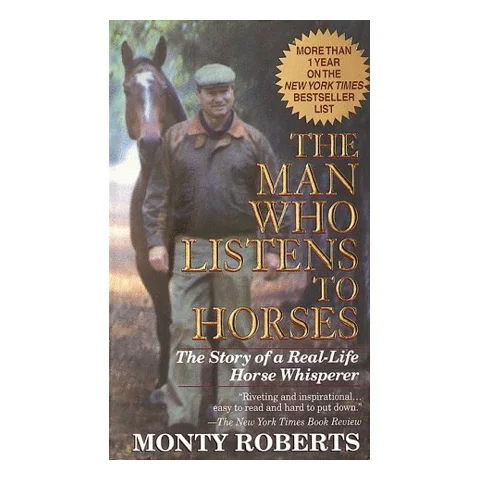
19. The Man Who Listens to Horses
Monty Roberts grew up on a California horse ranch where young horses were “broken” by force. As a teenager he spent weeks watching wild mustangs in Nevada and built a method, which he calls join-up, that uses a horse’s own body language to start it under saddle without force in about half an hour. Queen Elizabeth II invited him to demonstrate it in 1989, and the book became an international bestseller.
Some of Roberts’s family have publicly disputed his account of his childhood; the training method itself is widely used.
- Author: Monty Roberts
- First published: 1997
- 352 pages, mass market paperback
Good: a readable introduction to gentler horse training. Not great: heavy on self-promotion, and parts of the life story are contested.
Best rescue horse memoir
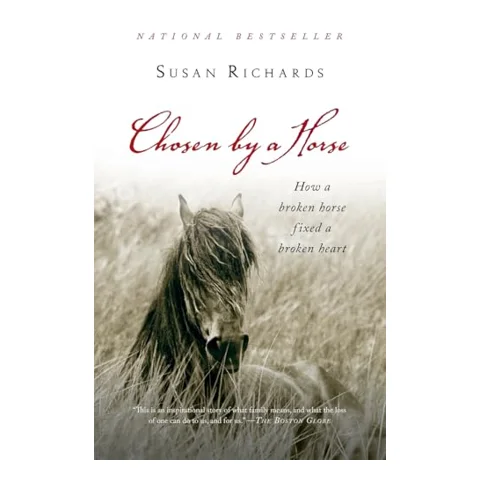
20. Chosen by a Horse
Susan Richards agreed to foster a horse from a neglect case and ended up keeping a pregnant Standardbred mare called Lay Me Down. The mare’s steady trust in her opened up things in Richards’s own past she had never faced. It is a short, quiet book, and it was recommended by name in a recent r/Equestrian thread on horse books.
- Author: Susan Richards
- First published: 2006
- 256 pages, paperback
Good: honest and moving without being sentimental. Not great: it ends in loss; keep tissues nearby.
Best for parents
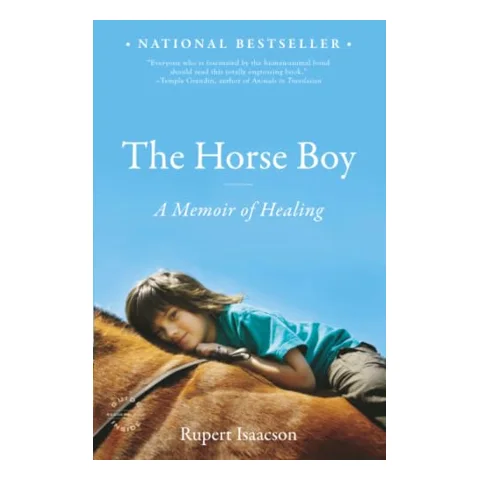
21. The Horse Boy
Rupert Isaacson’s son Rowan was diagnosed with autism at two. Rowan calmed and began to speak when he rode with his father on a neighbor’s mare, so the family traveled to Mongolia, where horses and shamans are still part of daily life, and rode across the steppe to meet them. The trip became this book and a documentary of the same name.
- Author: Rupert Isaacson
- First published: 2009
- 401 pages, paperback
Good: a remarkable family journey. Not great: the spiritual parts of the trip will not suit every reader.
Best long-distance riding memoir
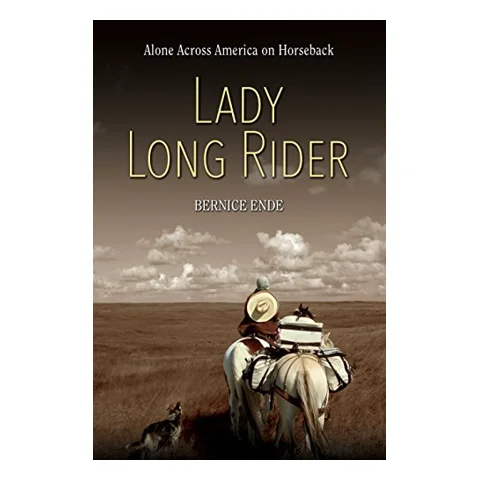
22. Lady Long Rider: Alone Across America on Horseback
Bernice Ende was a retired ballet teacher in Montana when she began riding long distances in her fifties. Over the following years she covered tens of thousands of miles across the United States and Canada with her Norwegian Fjord horses, camping by the road and relying on strangers. Her book is about the horses, the weather and the people she met.
- Author: Bernice Ende
- First published: 2018
- 272 pages, paperback
Good: real advice and real hardship from the road. Not great: reads like a journal, with a loose structure.
Best for adult riders
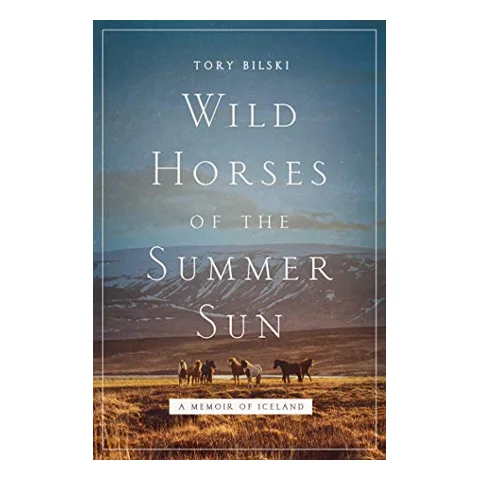
23. Wild Horses of the Summer Sun: A Memoir of Iceland
Every June for more than a decade, Tory Bilski left her job and family in Connecticut to ride Icelandic horses on a farm in the north of Iceland with a small group of women. Her memoir is about the horses, the endless summer light, the farm family and the friendships that grow over years of the same trip. It is a gentle book for anyone who came back to horses as an adult.
- Author: Tory Bilski
- First published: 2019
- 272 pages, hardcover
Good: funny and warm about midlife and horses. Not great: little plot; it is a book of moments.
Books on how horses think
At feeding time on our farm Fleur pinned her ears at the old bay gelding every morning, and he backed off every morning. My father put their buckets ten paces apart and the fuss stopped. Most problems between horses and people come down to the same thing: reading what the horse is saying. Most of these books come up again and again when riders on r/Equestrian ask how to understand their horse.
Best behavior book
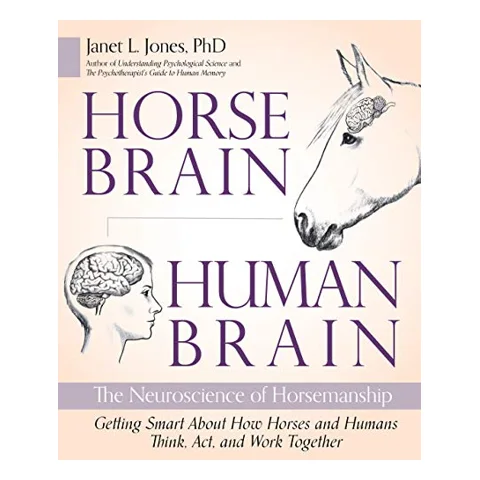
24. Horse Brain, Human Brain: The Neuroscience of Horsemanship
Janet Jones is a neuroscientist who has trained horses all her life. Her book explains how the horse brain differs from ours: horses have almost no prefrontal cortex for planning, they see the world through wide-set eyes with a blind spot in front of the nose, and they learn through consequence within seconds. Each chapter ends with what that means for handling and riding.
It came up in five recent r/Equestrian threads asking for horse books. One rider called it “AMAZING” and another said it taught them “the whys” of their horse’s behavior.
- Author: Janet L. Jones
- First published: 2020
- 312 pages, paperback
Good: real science applied directly to riding. Not great: some chapters are dense for readers new to biology.
Best behavior book for beginners
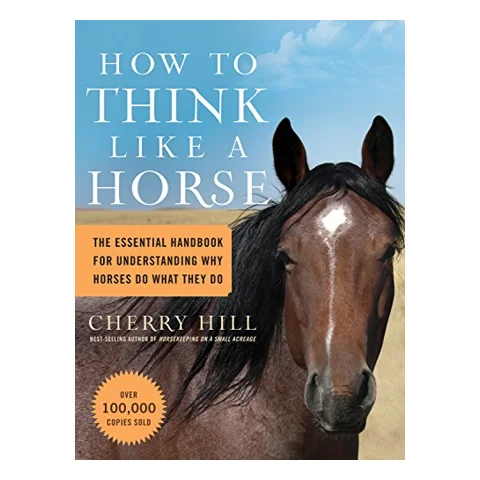
25. How to Think Like a Horse
Cherry Hill has written more than 30 horse books, and this is the one to start with. She covers the horse’s senses, instincts, herd behavior, how horses learn and what their body language means, in short sections with photographs. It is simple enough for a teenager and still useful to an experienced owner.
- Author: Cherry Hill
- First published: 2006
- 192 pages, paperback
Good: clear, practical and well illustrated. Not great: covers a lot of ground without going deep.
Best for spotting stress and pain
26. Language Signs and Calming Signals of Horses
Dutch behaviorist Rachaël Draaisma catalogs the small signals horses use to calm themselves and each other, such as licking and chewing, turning the head away, blinking and the speed at which they eat, with photographs of each. Riders who read it start noticing stress and discomfort earlier. One r/Equestrian commenter wrote that “every horse person should give it a look over regardless of experience level.”
- Author: Rachaël Draaisma
- First published: 2017
- 182 pages, paperback
Good: teaches you to see signals most people miss. Not great: reads like a textbook, and it is priced like one.
Best book on herd behavior
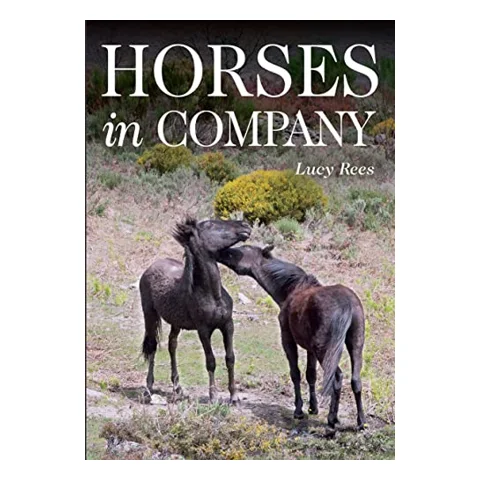
27. Horses in Company
Lucy Rees has studied free-living horses for decades in Wales, Spain and Venezuela. Her book describes how horses actually behave in natural herds: friendships, cooperation and how bands move, rather than the strict “pecking order” many riders were taught. It changes how readers think about turnout, herd changes and their own place in a horse’s world.
- Author: Lucy Rees
- First published: 2017
- 160 pages, paperback
Good: challenges old dominance myths with field research. Not great: short, and light on practical training steps.
Best training philosophy
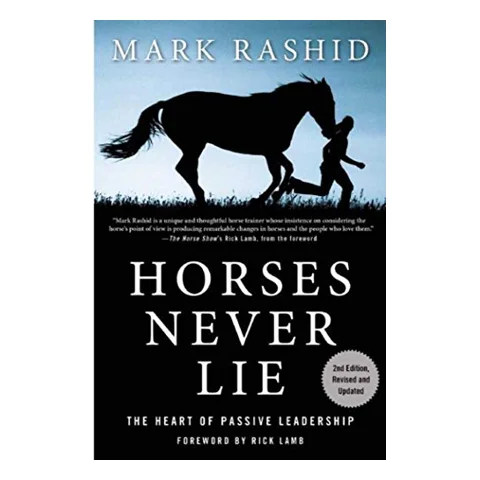
28. Horses Never Lie: The Heart of Passive Leadership
Colorado trainer Mark Rashid noticed that the horse other horses follow is rarely the bossy one. It is the calm, consistent one, which he calls the passive leader. The book is a series of short stories from his years of working with problem horses, each showing how to be that leader for your own horse. A rider in a recent r/Equestrian thread said they recommend it “all the time”.
- Author: Mark Rashid
- First published: 2000
- 240 pages, paperback
Good: short, wise and easy to read in an evening. Not great: stories rather than step-by-step instructions.
Best for groundwork
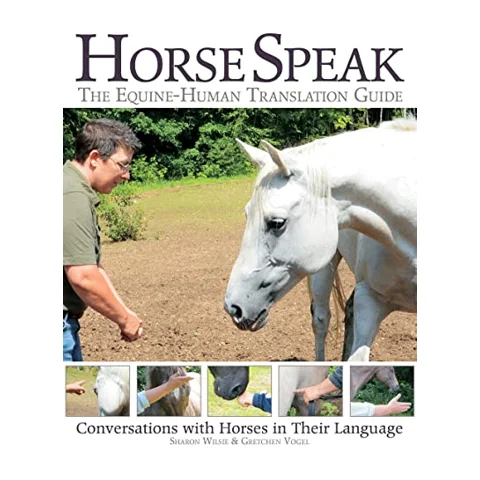
29. Horse Speak: The Equine-Human Translation Guide
Horse Speak breaks horse body language into a “vocabulary” of postures, greetings and touch points on the horse’s body, with photos, and shows how to answer a horse using the same signals. It suits handlers who want structured exercises on the ground.
- Author: Sharon Wilsie
- First published: 2016
- 224 pages, paperback
Good: practical exercises you can try at the barn the same day. Not great: some of its system is the author’s own, not mainstream science.
Riding and training classics
No book replaces a good instructor. These four have stayed in print for decades because they explain the why behind what an instructor says, in a way a lesson rarely has time for.
Most recommended by riders
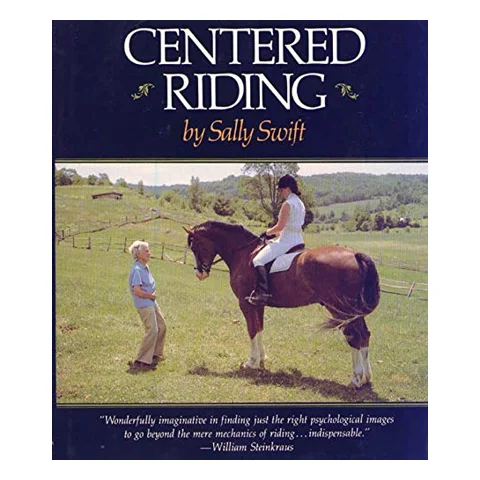
30. Centered Riding
Sally Swift had scoliosis as a child and learned to ride through body awareness rather than force. Her book teaches four basics, soft eyes, breathing, centering and building blocks (stacking the body in balance), through mental images and drawings. It works for English and Western riders alike, and Centered Riding is now taught by certified instructors around the world.
In the r/Equestrian thread “good horsemanship books?”, the top answer was simply “Centered Riding”.
- Author: Sally Swift
- First published: 1985
- 208 pages, paperback
Good: changes how riders sit and use their bodies. Not great: some of the imagery feels odd until you try it in the saddle.
Best natural horsemanship book
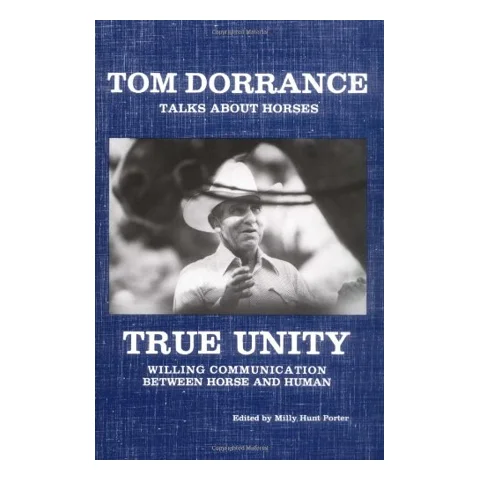
31. True Unity: Willing Communication Between Horse and Human
Tom Dorrance and his brother Bill were California and Oregon ranch horsemen whose quiet methods shaped Ray Hunt, Buck Brannaman and the whole natural horsemanship movement. True Unity is Tom in his own words, recorded and edited from conversations: short, plain and full of ideas about feel, timing and letting the horse find the answer.
- Author: Tom Dorrance
- First published: 1987
- 151 pages, paperback
Good: the source most modern horsemanship comes from. Not great: conversational and loose; it rewards rereading more than a first read.
Best classical dressage book
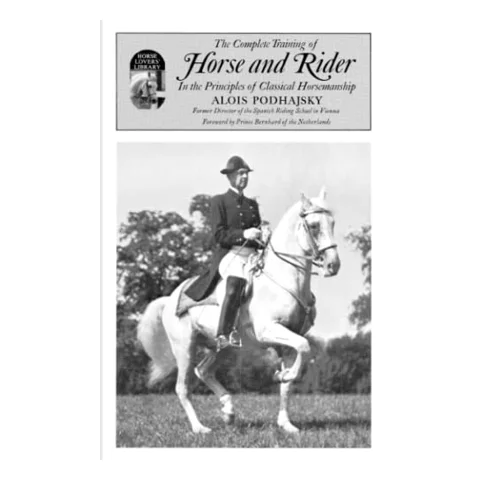
32. The Complete Training of Horse and Rider
Alois Podhajsky ran the Spanish Riding School of Vienna from 1939 to 1965 and saved its Lipizzaners during the Second World War, the story told in The Perfect Horse. His book sets out classical training from the first lessons of a young horse to the movements of the high school, and the training of the rider alongside it.
- Author: Alois Podhajsky
- First published: 1965
- 287 pages, paperback
Good: a classic by the man who led the world’s most famous riding school. Not great: old-fashioned prose and few photos.
Best for riders who school alone
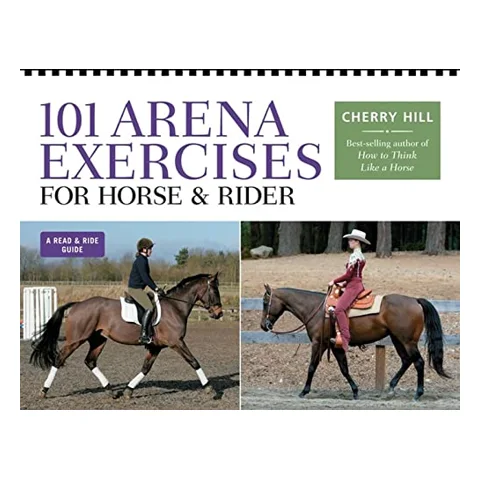
33. 101 Arena Exercises for Horse and Rider
Each page shows one exercise as an arena diagram with the aim, the steps and common mistakes. The spiral binding lets the book lie open on the arena rail or a mounting block, so a rider without a lesson that day still has a plan.
- Author: Cherry Hill
- First published: 1995
- 224 pages, spiral-bound
Good: ends the “what do I do today?” problem. Not great: a workbook, not a book to read cover to cover.
Horse care and reference books
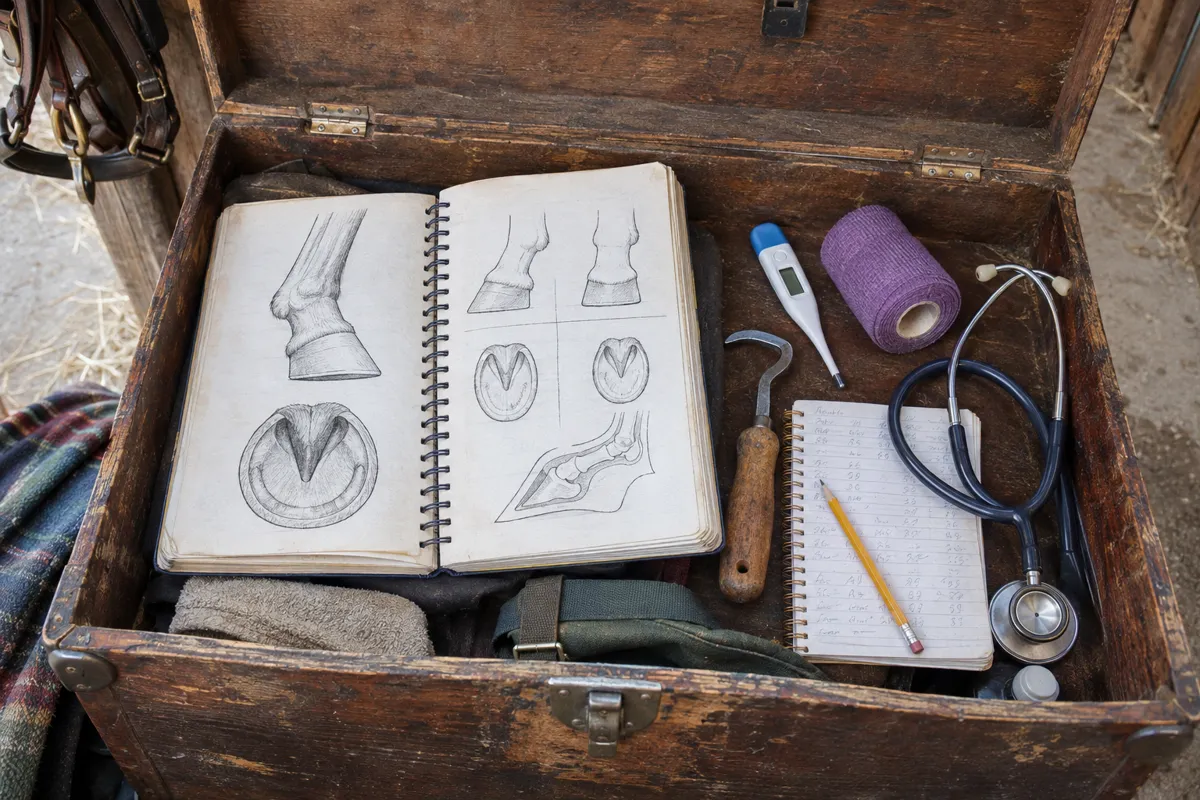
Every barn should have one good care book and one veterinary reference in the tack trunk. The University of Minnesota Extension recommends that owners know their horse’s normal temperature, pulse and breathing rate before an emergency; these books explain those numbers and what to do when they change.
Best first horse care book
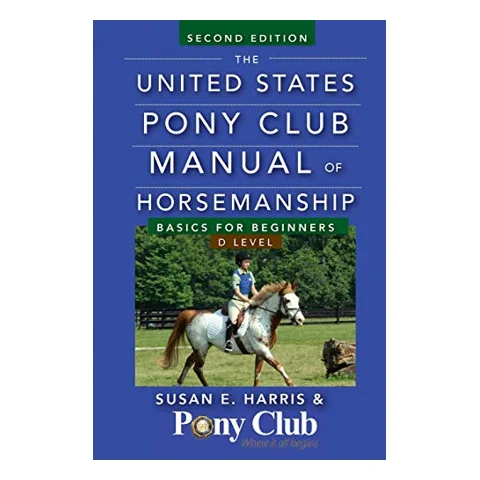
34. The USPC Manual of Horsemanship: Basics for Beginners / D Level
The U.S. Pony Club manuals are the books horse people recommend most for basic care: in every r/Equestrian thread on general horse care, someone answers “Pony Club manuals” first. The D Level book covers grooming, feeding, tack, safety, horse health and beginning riding, written for children but used by adult beginners too. The C and B level manuals follow.
- Author: Susan E. Harris for the United States Pony Club
- First published: 1994
- 336 pages, paperback
Good: complete, reliable basics in one book. Not great: written for young riders, so the tone is simple.
Best for keeping horses at home
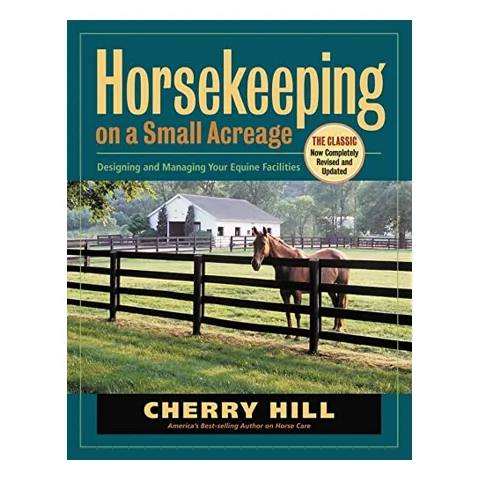
35. Horsekeeping on a Small Acreage
Cherry Hill’s guide to keeping horses on a few acres covers barn and shelter design, fencing, pasture and manure management, water and feed storage. It is the book to read before buying land for horses, and a rider on r/Equestrian recommended it for exactly that.
- Author: Cherry Hill
- First published: 1990
- 308 pages, paperback
Good: practical planning for owners who want horses in the backyard. Not great: facility advice more than day-to-day care.
Best veterinary reference
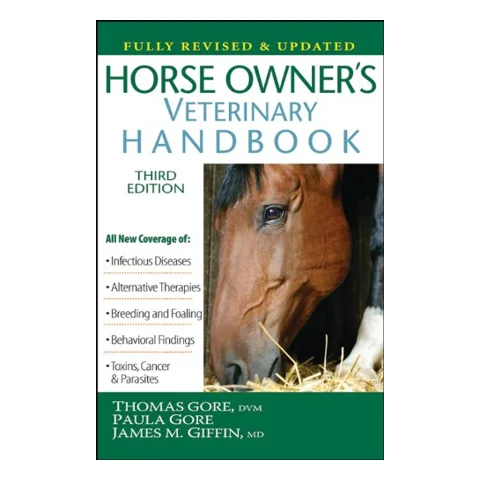
36. Horse Owner’s Veterinary Handbook
Written by veterinarians for owners, this handbook is organized by symptom and body system, with an index of signs that leads from “what is wrong” to the likely causes and when to call the vet. The third edition covers colic, lameness, wounds, foaling and the diseases owners worry about most.
- Author: Thomas Gore, Paula Gore and James Giffin
- First published: 1989
- 746 pages, hardcover
Good: the most complete home vet reference. Not great: the current edition dates from 2008, so check newer guidance on vaccines and deworming with your vet.
Best breed reference
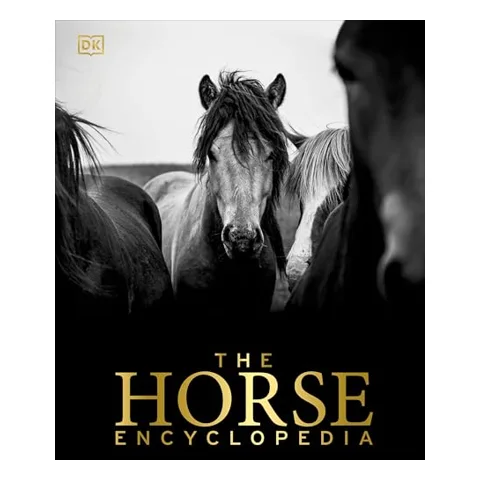
37. The Horse Encyclopedia
DK’s encyclopedia profiles more than 150 horse and pony breeds with large color photos, from Arabians and Shires to rare native ponies, plus sections on anatomy, behavior and the history of horses and people. It is a heavy coffee-table book that suits young readers and adults alike.
- Author: Elwyn Hartley Edwards
- First published: 2016
- 360 pages, hardcover
Good: beautiful photos and solid breed facts. Not great: big and heavy to hold for reading in bed.
Horse books people think are true (but are fiction)
- Black Beauty by Anna Sewell (1877) is a novel, told in the voice of a horse. Sewell wrote it to show how cruelly cab and carriage horses were treated, and it helped end the use of the bearing rein in Britain.
- War Horse by Michael Morpurgo (1982) is a novel for young readers. It was inspired by the real horses of the First World War; for the true history, read Winegard’s The Horse.
- Horse by Geraldine Brooks (2022) is a novel built around a real racehorse, the 19th-century stallion Lexington, whose skeleton is at the Smithsonian. The horse is real; the people around him are partly invented.
- Half Broke Horses by Jeannette Walls (2009) is labeled a “true-life novel”. It is based on the life of Walls’s grandmother, but the author filled in scenes and dialogue.
- Misty of Chincoteague by Marguerite Henry (1947) is fiction based on a real pony and a real family. The annual pony swim at Chincoteague is real, and the wild ponies still live on Assateague Island.
- Hidalgo (2004) is a film, not a book, and is billed as a true story. Historians have found no evidence that Frank Hopkins’s claimed 3,000-mile Arabian desert race ever took place.
How to choose a horse book
For someone who doesn’t ride: start with a true story. Seabiscuit, The Eighty-Dollar Champion and The Ride of Her Life need no horse knowledge and make good gifts.
For a new rider: Centered Riding for the saddle, How to Think Like a Horse for the ground, and the Pony Club D manual for basic care.
For a new owner: add the Horse Owner’s Veterinary Handbook and, if the horse lives at home, Horsekeeping on a Small Acreage. Our horse years calculator shows how long that commitment lasts.
For an experienced rider: Horse Brain, Human Brain, Language Signs and Calming Signals of Horses and True Unity offer the most new ideas.
For a history reader: Winegard for the big picture, The Perfect Horse for one dramatic episode and Wild Horse Country for the American West.
Audiobooks count. Most of the true stories here have audiobook editions, and several riders on Reddit said they listened to Horse Brain, Human Brain on the drive to the barn before buying the print copy. Libraries carry nearly all of these books and can order the rest through interlibrary loan.
Shopping for a horse person? See our Christmas gifts for horse owners, Christmas gifts for horses and the rest of our buying guides.
FAQ
What is the best nonfiction book about horses?
Seabiscuit by Laura Hillenbrand is the best-known and best-selling nonfiction horse book. For history, read The Horse: A Galloping History of Humanity by Timothy Winegard. For understanding horses, read Horse Brain, Human Brain by Janet L. Jones.
What are good true horse stories for adults?
Seabiscuit by Laura Hillenbrand; The Eighty-Dollar Champion, The Perfect Horse and The Ride of Her Life by Elizabeth Letts; Sgt. Reckless by Robin Hutton; and Secretariat by William Nack.
Is Seabiscuit a true story?
Yes. Seabiscuit was a real racehorse who won the 1938 match race against War Admiral at Pimlico and was named Horse of the Year in 1938. Laura Hillenbrand’s book is nonfiction, and the 2003 film is based on it.
Is The Eighty-Dollar Champion a true story?
Yes. Harry de Leyer bought the gray horse Snowman from a slaughter-bound truck in 1956, and Snowman went on to win show jumping championships, including at Madison Square Garden. Snowman is in the Show Jumping Hall of Fame.
What book is the movie Secretariat based on?
The 2010 Disney film Secretariat is based on Secretariat: The Making of a Champion by William Nack, a racing reporter who covered the horse through his 1973 Triple Crown season.
Is Black Beauty a true story?
No. Black Beauty by Anna Sewell is a novel written in the voice of a horse, published in 1877. It drew on real conditions for working horses in Victorian England, but the horse and his story are fiction.
What is the best book on horse behavior?
Horse Brain, Human Brain by neuroscientist Janet L. Jones is the most recommended by riders. For beginners, How to Think Like a Horse by Cherry Hill is simpler. Language Signs and Calming Signals of Horses by Rachaël Draaisma is the best guide to reading stress and pain.
What horse book should a new horse owner read first?
The USPC Manual of Horsemanship D Level covers basic care, feeding, grooming and safety. Pair it with the Horse Owner’s Veterinary Handbook for health problems and How to Think Like a Horse for behavior.
What are good books about wild horses?
Wild Horse Country by David Philipps is the most balanced book on American mustangs and the federal wild horse program. Mustang by Deanne Stillman tells the history, and The Horse Lover by H. Alan Day is a rancher’s memoir of running a wild horse sanctuary.
Sources
- Bureau of Land Management. Wild Horse and Burro Program Data.
- National Museum of Racing and Hall of Fame. Seabiscuit and Secretariat.
- National Park Service. Wild Horses of Assateague Island.
- University of Minnesota Extension. Basic horse first aid and preparing for emergencies.
- r/Equestrian. Reading books about horses.
- r/Equestrian. Good horse books?
- r/Equestrian. Horse Psychology Books.
- r/Equestrian. good horsemanship books?
- r/Equestrian. Best books on general horse care?