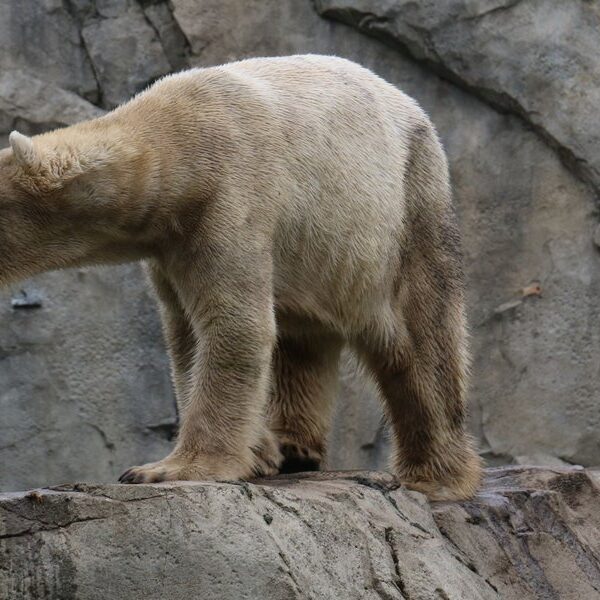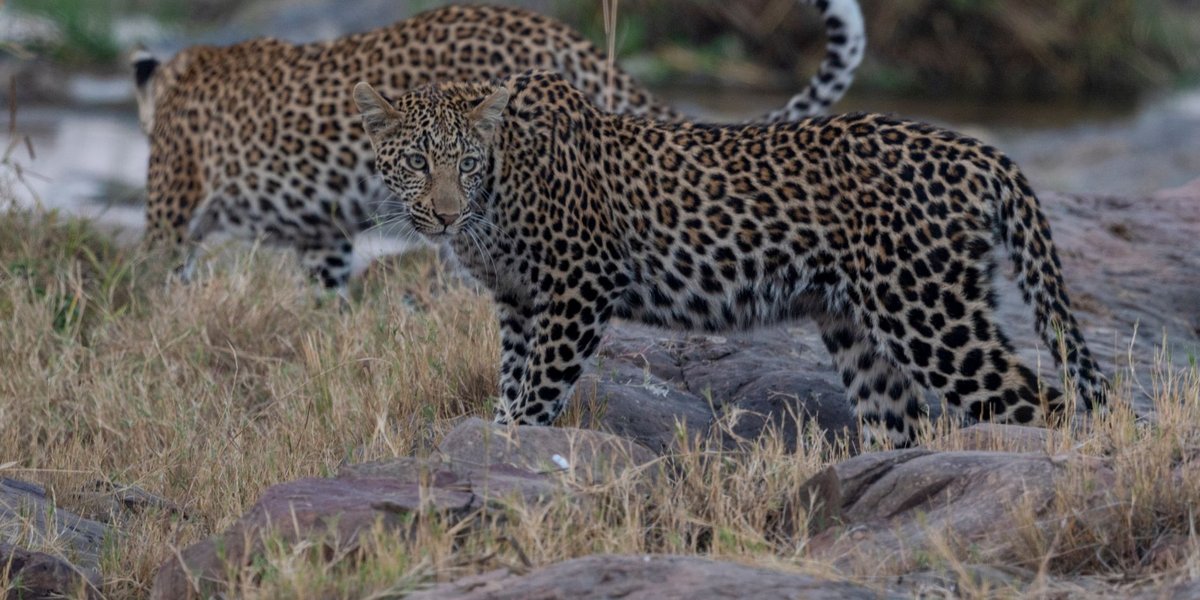
Iran holds roughly 190 mammal species and about 500 bird species, spread across mountains, deserts, two seas and a wet green forest strip. It is also the last country on Earth with wild Asiatic cheetahs. That one fact explains why the animals of Iran get more conservation attention than the country’s size would suggest.
This guide groups the wildlife by type, gives each featured species its habitat, range and status, and tells you where the animals actually live.
Contents
- Why Iran has so much wildlife
- Big cats and carnivores
- Hoofed mammals
- Birds
- Reptiles and amphibians
- Marine and freshwater life
- Quick-reference table
- Extinct animals of Iran
- Where to see wildlife in Iran
- Conservation
Why Iran has so much wildlife
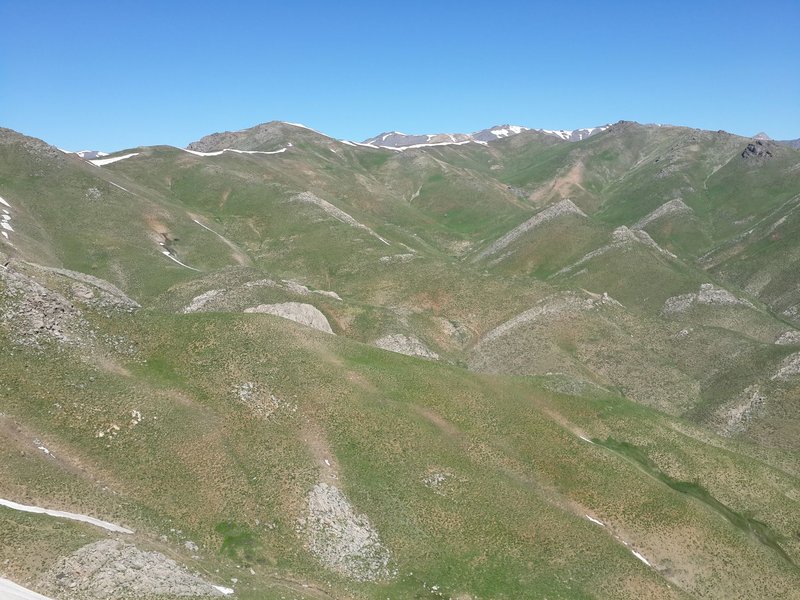
Iran sits where Europe, Central Asia, South Asia and Africa meet. The Zagros and Alborz ranges rise past 4,000 meters, the central plateau is mostly desert and salt flat, and the Caspian coast gets enough rain to grow temperate forest that looks nothing like the rest of the country. The south has the Persian Gulf and the Gulf of Oman, with mangroves and coral.
Each of those zones has its own cast. Caspian forests hold brown bears and red deer. The central deserts hold cheetahs and wild asses. The Gulf holds dolphins and nesting sea turtles. A single drive from Tehran north to the coast crosses more habitat types than most countries have in total.
Big cats and carnivores
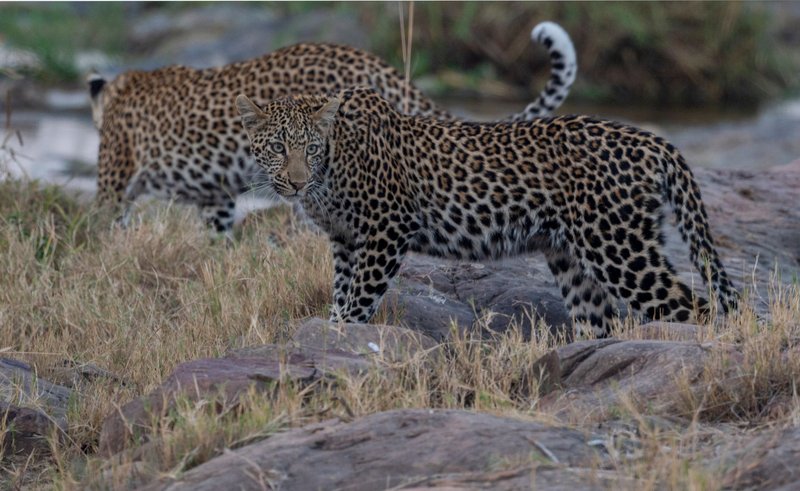
Asiatic cheetah (Acinonyx jubatus venaticus)
The Asiatic cheetah is the animal Iran is best known for, and the numbers are grim. Only a few dozen survive, almost all in Iran, and recent counts have put the population in the low tens. It is listed as Critically Endangered on the IUCN Red List. It is a smaller, leaner animal than its African cousin, with a thinner build suited to dry steppe.
Its stronghold is the desert reserves of the central plateau: Touran National Park, Miandasht and Bafq. Road collisions, shrinking prey and herding dogs are the main killers.
Persian leopard (Panthera pardus tulliana)
The Persian leopard is the largest leopard subspecies, and Iran holds most of what remains of it. It is listed as Endangered. It lives in the Zagros and Alborz mountains and along the Caspian forest edge, often in rocky terrain close to wild goat and sheep.
It is shy and mostly nocturnal. Camera traps record far more of them than people ever see.
Other predators
- Brown bear lives in the Alborz and Zagros, with good numbers in the northern forests.
- Asiatic black bear reaches its western limit in the south-east of Iran, in Baluchistan. This is a small, isolated population.
- Caracal, striped hyena, golden jackal, gray wolf and the Pallas’s cat also range through the country.
- Eurasian lynx survives in a few northern and western forest areas.
Hoofed mammals
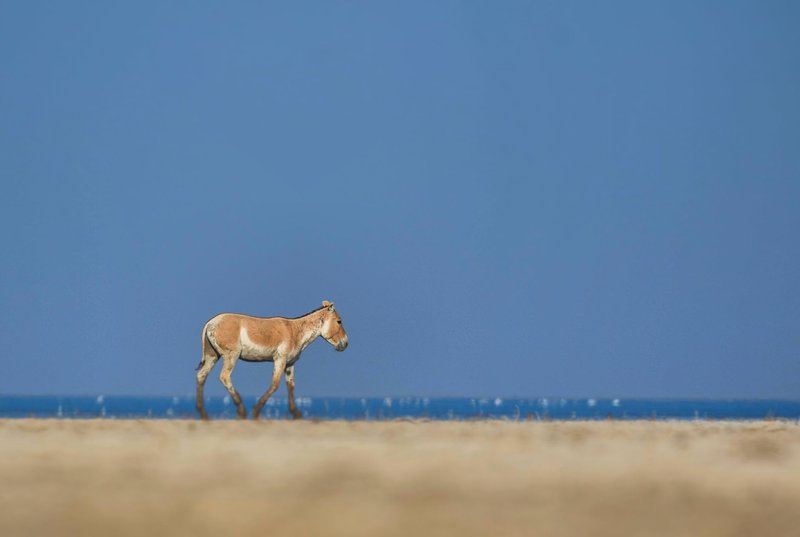
Iran’s open ground supports a lot of wild hoofed mammals, and they are the base of the food chain for the cats.
- Persian onager (Equus hemionus onager): a wild ass that looks like a pale, lanky donkey. It can run at roughly 60 km/h and lives in the semi-desert of Touran and Bahram-e-Goor. Listed as Endangered.
- Persian ibex (wild goat): found in rocky mountains across the country. Males carry huge curved horns.
- Urial and mouflon: wild sheep of the dry hills and plateaus. The Iranian mouflon is endemic in the north-west and was brought to Kaboodan island in Lake Urmia.
- Goitered gazelle and Persian gazelle: the main prey for cheetahs on the plains.
- Persian fallow deer (Dama mesopotamica): once believed extinct, rediscovered in Iran in the 1950s. A small number live in protected forest in Khuzestan, such as the Dez and Karkheh areas.
- Caspian red deer: a forest animal of the northern woods.
Birds
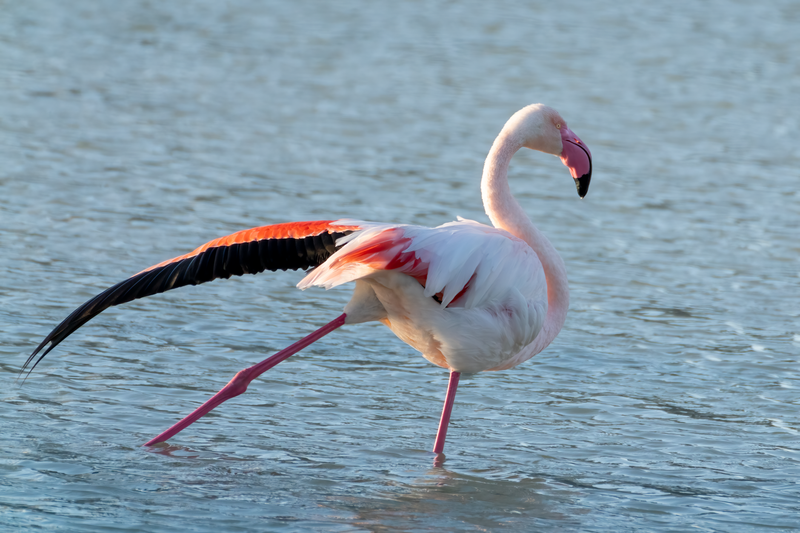
Iran’s 500-odd bird species come from the country’s position on migration routes between Siberia, Europe and Africa. Wetlands such as Lake Urmia, Miankaleh and the Gavkhouni lagoon pull in huge numbers of waterfowl in winter.
- Greater flamingo: breeds and feeds at Lake Urmia and the southern wetlands.
- Siberian crane: a Critically Endangered migrant that has wintered in the Caspian lowlands, though sightings have become extremely rare.
- Iranian ground jay (Podoces pleskei): a pale, desert-colored bird that sprints across the ground rather than flying. It is found only in the Iranian plateau and is one of the country’s few endemic birds.
- Persian pheasant and chukar: game birds that live on scrub mountainsides.
- Eurasian eagle-owl and golden eagle: top aerial predators of the hills.
Reptiles and amphibians
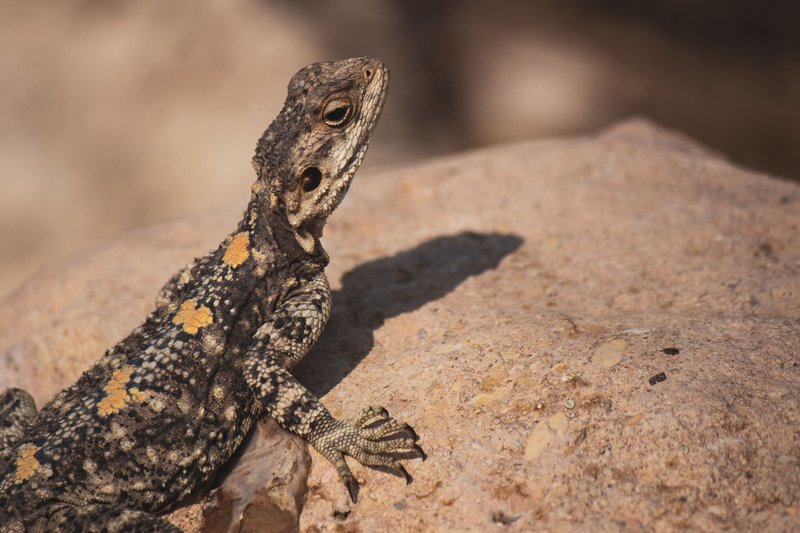
Reptiles get far less coverage than mammals, but Iran has well over 200 species of them. A separate guide to Iran’s reptiles goes through the main ones. Deserts and dry hills are home to horned vipers, monitor lizards and toad-headed agamas. Mountain streams hold several of the country’s rarest amphibians.
- Desert monitor: a long, heavy lizard of the dry south and east.
- Caspian turtle: a freshwater turtle of the northern wetlands and rivers.
- Persian horned viper: a small, venomous snake that buries itself in sand.
- Luristan newt (Neurergus kaiseri): a black-and-orange newt restricted to a few Zagros streams in Lorestan. It is Endangered and heavily affected by collection for the pet trade.
Marine and freshwater life
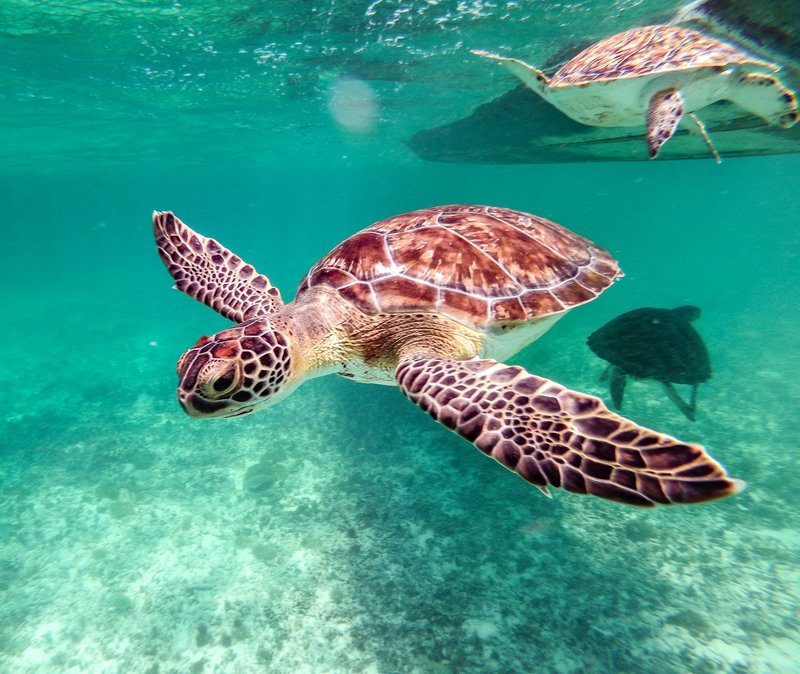
The Caspian Sea is a separate world from the Persian Gulf, and both have their own wildlife.
- Caspian seal: the only marine mammal of the Caspian Sea. It is Endangered, and ice-breeding colonies are mostly in the north, not Iran, though seals reach the southern shores.
- Caspian sturgeon and beluga: the fish that produce caviar. Overfishing pushed these to Critically Endangered, and Iran’s catch has been restricted.
- Indian Ocean humpback dolphin and finless porpoise: found around Qeshm and the Hormuz strait.
- Hawksbill turtle: nests on Hengam island in the Gulf, one of the main sites in the region.
- Mangrove birds and crabs: the Hara mangrove forests near Qeshm shelter herons, kingfishers and fiddler crabs.
Quick-reference table
| Species | Scientific name | Status | Where it lives |
|---|---|---|---|
| Asiatic cheetah | Acinonyx jubatus venaticus | Critically Endangered | Touran, Miandasht, Bafq |
| Persian leopard | Panthera pardus tulliana | Endangered | Alborz, Zagros, Caspian forests |
| Persian onager | Equus hemionus onager | Endangered | Touran, Bahram-e-Goor |
| Persian fallow deer | Dama mesopotamica | Endangered | Khuzestan reserves |
| Brown bear | Ursus arctos | Least Concern | Alborz, Zagros |
| Iranian ground jay | Podoces pleskei | Least Concern | Central plateau |
| Caspian seal | Pusa caspica | Endangered | Caspian Sea |
| Luristan newt | Neurergus kaiseri | Endangered | Zagros streams, Lorestan |
| Hawksbill turtle | Eretmochelys imbricata | Critically Endangered | Hengam island, Persian Gulf |
Extinct animals of Iran
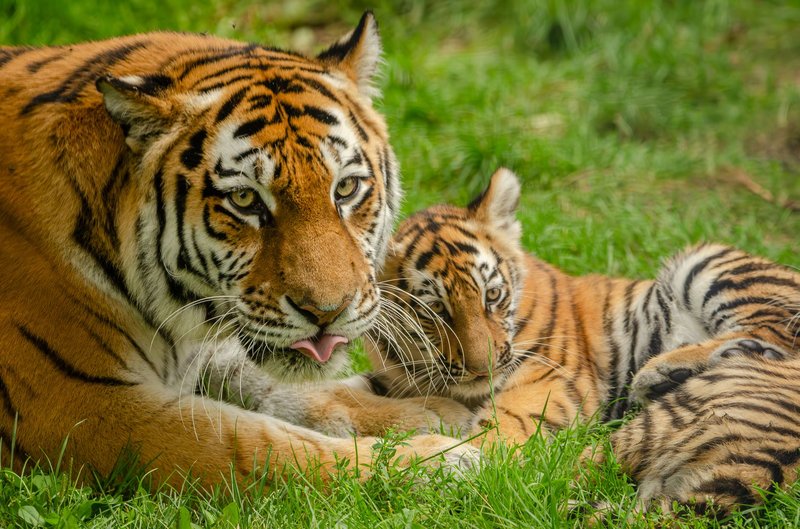
Two of the biggest cats are gone. The Caspian tiger lived in the forests and reed beds of the north and was wiped out in Iran by the 1950s, with the last animals disappearing across its range by the early 1970s. The Asiatic lion once ranged through the south-west, near Khuzestan and Fars, but was gone from Iran by the 1940s. Today the only wild Asiatic lions live in India’s Gir Forest.
The Caspian tiger is also sometimes cited as the same animal as the Siberian tiger genetically, which has led to talk of reintroduction. That remains a debate, not a plan.
Where to see wildlife in Iran
If you want to see animals, pick the habitat before the animal.
- Touran National Park: Persian onagers on open plain, with a small chance of cheetah signs. Go with a ranger.
- Golestan National Park: Iran’s oldest park, where forest meets steppe. Good for deer, leopard tracks, and birds.
- Lake Urmia and the northern wetlands: flamingos and waterfowl, best in winter and spring.
- Qeshm and Hormuz: dolphins, mangroves and turtles.
- Caspian forests: bears, red deer and woodland birds. This is the greenest part of the country.
Cheetahs and leopards are almost never seen by visitors. Expect tracks and camera-trap photos, and treat a real sighting as luck.
Conservation
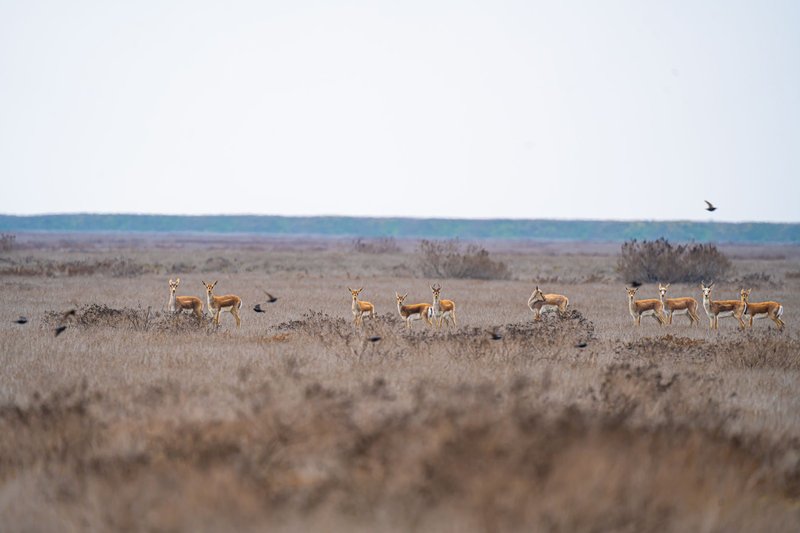
Iran has run a cheetah protection project for years with United Nations and international partners. Rangers monitor cheetahs by camera trap, limit grazing in key reserves and fence roads in sensitive areas. Despite that, losses to road accidents continue, and the population is not growing quickly.
For the animals in general, the biggest problems are habitat loss, drought, overgrazing, poaching and illegal pet trade. Lake Urmia, once among the largest saltwater lakes in the world, has shrunk drastically and hurt its flamingo and brine shrimp populations. The IUCN tracks the status of most of these species, and the CMS secretariat coordinates action on migratory ones like the Siberian crane. For deeper reading on cheetah biology, see National Geographic’s cheetah profile.
The animals of Iran are not a footnote to Middle Eastern wildlife. They include the last wild Asiatic cheetahs, the biggest leopards on the planet, and a bird that prefers running to flying. The plan to protect them depends largely on whether prey, water and open land survive.