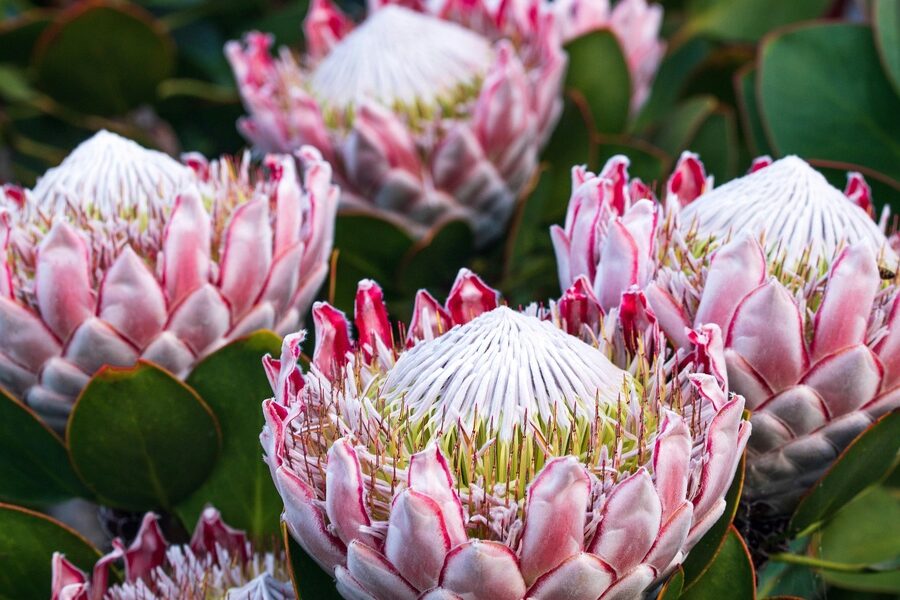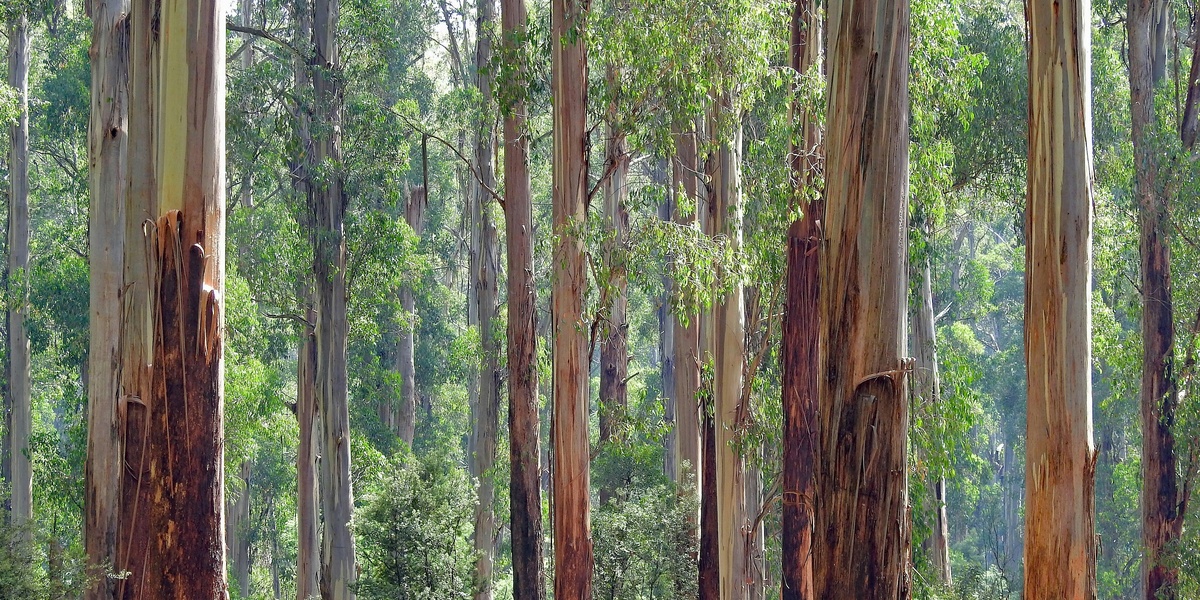
From sunbaked coasts to red-center deserts, plant communities shape Australia’s regions, support wildlife and inform local land use and gardening practices.
There are 30 Australia’s native plants, ranging from Australian blackthorn to White cypress pine; for each, the table lists Scientific name,Height (m),Habitat & range — you’ll find below.
How can I use this list to help identify plants where I live?
Look at the Habitat & range and Height (m) columns first to narrow candidates by location and size, then match leaves, flowers or bark to the Scientific name to confirm identification; local field guides or plant ID apps can speed this up, and comparing multiple traits reduces mistakes.
Are any of these species rare or regulated, and how should I source plants?
Some species have restricted ranges or conservation listings—check state conservation registers before collecting or propagating; for gardening, buy from reputable native nurseries that label plants by scientific name and avoid wild-harvesting protected species.
Australia’s Native Plants
| Common name | Scientific name | Height (m) | Habitat & range |
|---|---|---|---|
| Blue gum | Eucalyptus globulus | 30 | Wet forests; Tasmania and southern Victoria |
| Mountain ash | Eucalyptus regnans | 70 | Cool highland forests; Victoria, Tasmania |
| River red gum | Eucalyptus camaldulensis | 20 | Rivers and floodplains across mainland Australia |
| Lemon-scented gum | Corymbia citriodora | 30 | Coastal and inland QLD, NSW |
| Golden wattle | Acacia pycnantha | 6 | Woodlands, open forests; southeastern Australia |
| Old man banksia | Banksia serrata | 8 | Coastal heath and sandstone; eastern Australia |
| Coast banksia | Banksia integrifolia | 10 | Coastal dunes and headlands; east coast Australia |
| Bull banksia | Banksia grandis | 15 | Woodland and kwongan; southwest Western Australia |
| Silky oak | Grevillea robusta | 30 | Rainforest margins; coastal NSW and QLD |
| Juniper grevillea | Grevillea juniperina | 2 | Heath and open forest; NSW, QLD |
| Crimson bottlebrush | Melaleuca citrina | 4 | Swamps and coastal heaths; eastern Australia |
| Paperbark | Melaleuca quinquenervia | 10 | Wetlands and swamps; coastal NSW, QLD |
| Waratah | Telopea speciosissima | 3 | Heath and open forest; coastal NSW |
| Red kangaroo paw | Anigozanthos manglesii | 1 | Sandy plains and coastal heath; southwest WA |
| Grass tree | Xanthorrhoea australis | 3 | Heathland and sclerophyll forests; southeast Australia |
| Spiny-head mat-rush | Lomandra longifolia | 1 | Grassy woodlands and open forests across Australia |
| Blue flax-lily | Dianella caerulea | 1 | Forest and coastal scrub; eastern Australia |
| Pincushion hakea | Hakea laurina | 5 | Heath and woodland; southwest WA |
| Manuka tea-tree | Leptospermum scoparium | 3 | Heath and bogs; Tasmania, Victoria, southern Australia |
| Spotted emu-bush | Eremophila maculata | 2 | Arid inland shrublands; widespread Australia |
| Fragrant boronia | Boronia megastigma | 0.5 | Heath and low shrublands; southwest WA |
| Firewheel tree | Stenocarpus sinuatus | 30 | Rainforest margins; NE NSW and QLD |
| Burrawang (cycad) | Macrozamia communis | 2 | Coastal sclerophyll forests; NSW |
| White cypress pine | Callitris columellaris | 8 | Dry inland woodlands across Australia |
| Mulla mulla | Ptilotus exaltatus | 1 | Grasslands and arid zones across mainland Australia |
| Australian blackthorn | Bursaria spinosa | 3 | Woodlands and forest edges; southeastern Australia |
| Daisy bush | Olearia phlogopappa | 2 | Moist coastal to subalpine; Tasmania, Victoria |
| Silver banksia | Banksia marginata | 6 | Coastal and montane regions across southern Australia |
| Lance-leaf geebung | Persoonia lanceolata | 3 | Woodland and heath; NSW, Victoria |
| Native violet | Viola hederacea | 0.1 | Forest floor and shaded gardens; eastern Australia |
Images and Descriptions
Blue gum
Tall, aromatic eucalyptus with smooth bark and long blue-green leaves. Grows fast in cool, damp sites; useful for shade and timber. Support local wildlife but avoid planting outside native range; some populations have conservation importance in Tasmania.

Mountain ash
One of the tallest flowering trees, with straight trunk and flaky bark. Thrives in deep, moist soils and regrows after fire from seed; valued for timber and habitat. Large trees are ecologically important; old-growth stands need protection.
River red gum
Iconic riverine tree with spreading branches and smooth pale bark. Tolerates flooding and drought; great for banks and wildlife hollows. Useful in large landscapes; conserve floodplain habitats to maintain healthy populations.
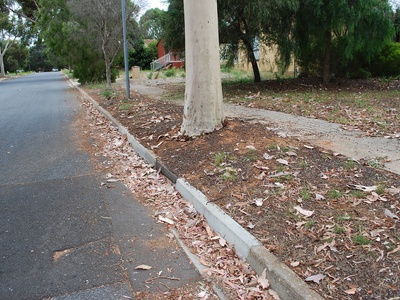
Lemon-scented gum
Distinctive smooth, pale trunk and lemon-scented leaves when crushed. Fast-growing ornamental for streets and parks; needs well-drained soil and space. Attractive to birds; protect natural stands from clearing and pests.
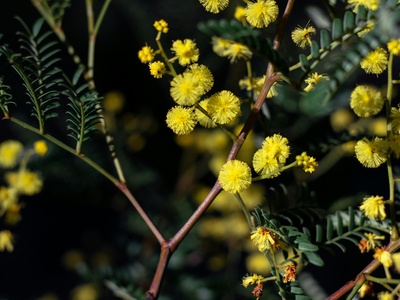
Golden wattle
Australia’s floral emblem; bright yellow pompom flowers in winter–spring. Useful as shelterbelt and soil improver; tolerates poor soils and drought. Easy to grow from seed; some local forms are regionally conservation-important.
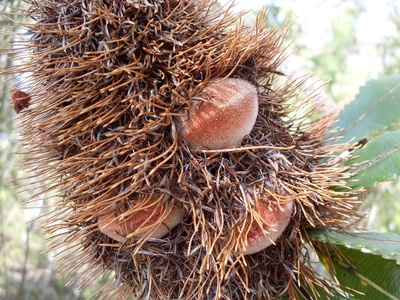
Old man banksia
Rough-furred bark and large cylindrical flower spikes attracting birds and mammals. Excellent coastal hedge or specimen; prefers well-drained sandy soils. Seed banks persist in soils; fire regimes affect regeneration and conservation.
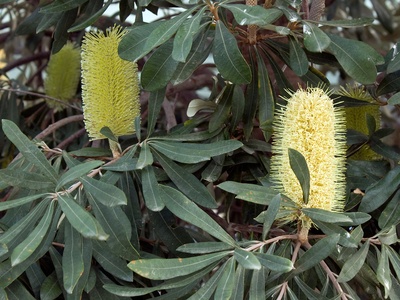
Coast banksia
Salt-tolerant tree with serrated leaves and golden flower spikes. Popular for coastal plantings and wildlife gardens; tolerates wind and poor soils. Conserved in coastal reserves; plant local provenance for best results.
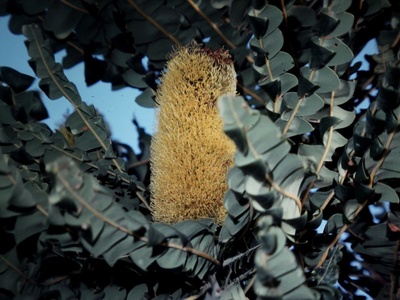
Bull banksia
Large shrub or small tree with massive flower heads and serrated leaves. Striking specimen for sunlit gardens; requires excellent drainage and summer dryness. Endemic to WA; habitat protection important for wild populations.
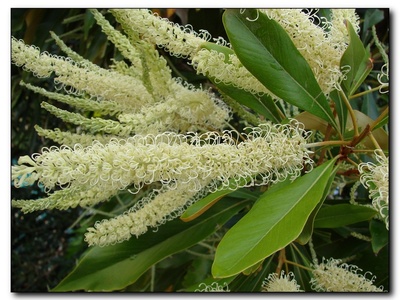
Silky oak
Fast-growing tree with fern-like foliage and orange toothbrush flowers that attract birds. Excellent shade and screening tree; prefers sheltered positions and good drainage. Native habitat shrinking from clearing; support remnant vegetation conservation.
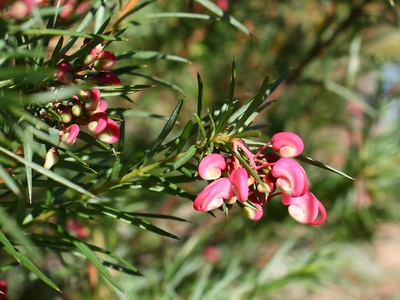
Juniper grevillea
Dense, low shrub with needle-like leaves and red to orange spider flowers. Versatile garden plant for borders and rockeries; prune after flowering and plant in well-drained soil. Many local forms; preserve wild genetic diversity.
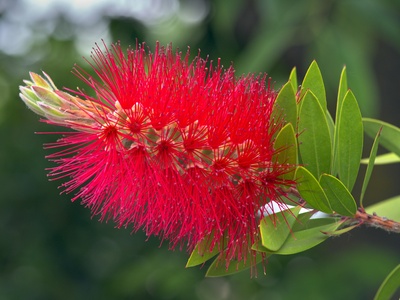
Crimson bottlebrush
Eye-catching red bottlebrush flowers and papery bark; nectar-rich for birds. Good for coastal gardens and wet sites with sun; tolerate periodic waterlogging. Protect wetland habitats where species occurs; avoid planting outside natural range.
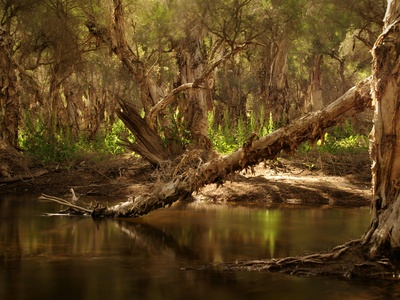
Paperbark
Rough, layered bark and creamy bottlebrush flowers; excellent for damp soils and wildlife. Useful as feature tree in wet gardens; tolerates periodic inundation. Natural wetland habitat conservation is crucial for this species’ health.
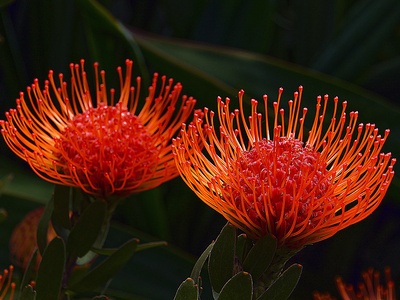
Waratah
Large dramatic red flower heads on woody shrubs; NSW floral emblem. Prefers acid, well-drained soils and cool climates; excellent for showy native gardens. Localised wild populations can be sensitive to land clearing and altered fire regimes.
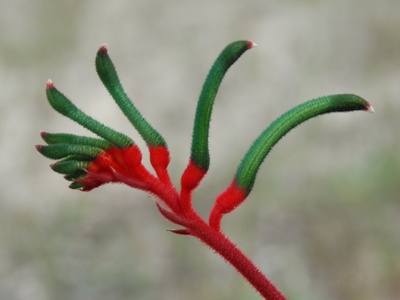
Red kangaroo paw
Striking tubular flowers on tall stalks in red hues; attracts birds. Ideal for sunny, well-drained gardens and pots; avoid overwatering and provide good drainage. Endemic to WA; habitat fragmentation threatens some populations.
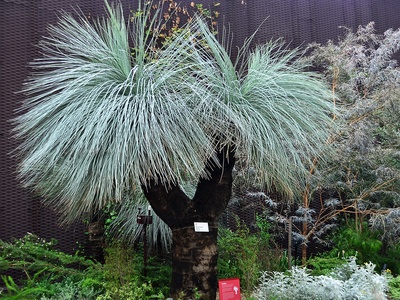
Grass tree
Iconic slow-growing plant with tough trunk, tufted leaves and tall flower spikes. Superb in native rockeries and low-fire regimes; sensitive to root disturbance and Phytophthora. Many species are long-lived and conservation-important.
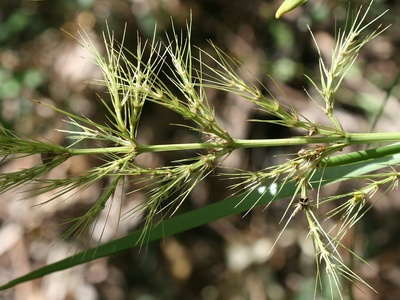
Spiny-head mat-rush
Tough, grasslike clumping perennial used for erosion control, massing and borders. Drought-tolerant, low-maintenance and great for wildlife. Widely used in revegetation; choose local provenance to support native ecosystems.
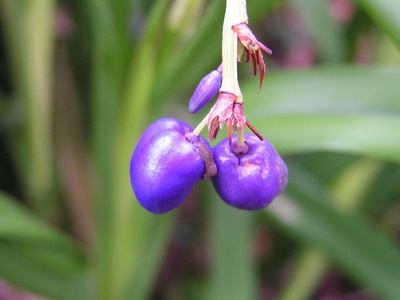
Blue flax-lily
Clumping perennial with blue berries, strappy leaves and blue-lilac flowers. Good for understorey plantings, pots and banks; tolerates light shade and coastal exposure. Provides food for birds; maintain habitat to support pollinators.
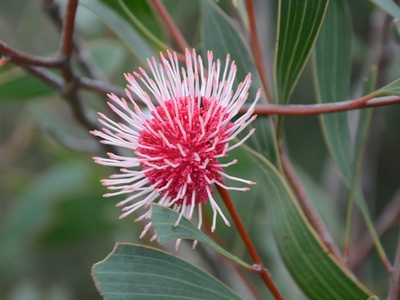
Pincushion hakea
Rounded flower heads resembling pincushions and leathery leaves. Attractive specimen for banks and hedging; requires well-drained sandy soils and sun. Endemic to WA; protect native kwongan habitat to conserve populations.
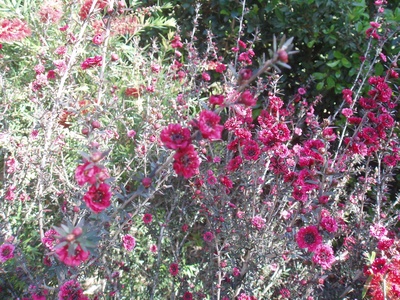
Manuka tea-tree
Compact shrub with small needle leaves and white to pink flowers; nectar source for bees. Ideal in moist, acidic soils and bog gardens; prune lightly after flowering. Regional populations may have conservation value.
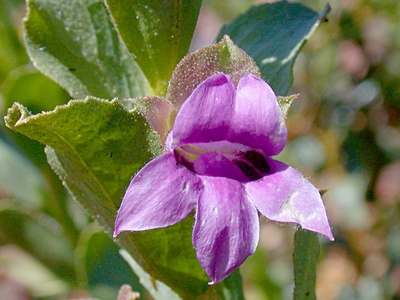
Spotted emu-bush
Variable shrubs with tubular flowers in many colours, drought-hardy and bird-attracting. Excellent for dry gardens and revegetation; prefers free-draining soils and full sun. Occurs across harsh regions; maintain natural habitats and seed sources.
Fragrant boronia
Low, intensely fragrant pink flowers prized for perfumes and gardens. Prefers well-drained, sandy soils and dappled sun; can be short-lived in cultivation. Many species restricted to SW WA; habitat conservation critical for survival.
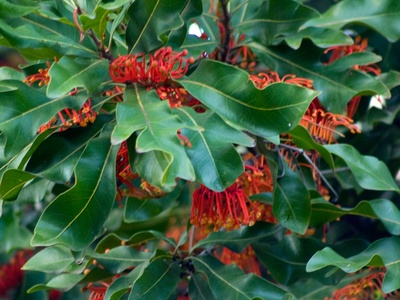
Firewheel tree
Attractive canopy tree with wheel-like red flower clusters that attract birds. Suited to large gardens and subtropical streetscapes; needs sheltered, fertile sites. Rainforest habitat protection supports species longevity and genetic diversity.
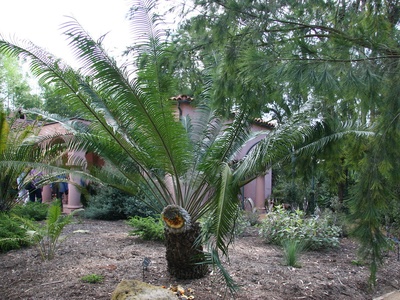
Burrawang (cycad)
Robust cycad with pinnate leaves and stout trunk; ancient lineage. Slow-growing feature plant for native gardens; avoid soil waterlogging and protect from root disturbance. Many cycads are legally protected; wild collection is prohibited.
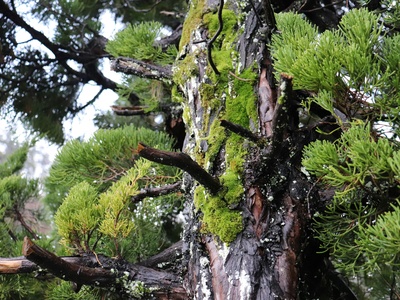
White cypress pine
Conical native conifer with durable timber and fine foliage. Useful windbreak and shelterbelt species; tolerates poor soils and drought. Supports inland ecosystems; logging and land clearing can reduce populations.
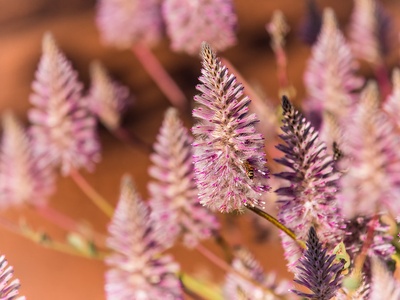
Mulla mulla
Heat-tolerant perennial with soft, fluffy pink flower spikes. Great for low-water gardens and mass plantings; prefers open sunny positions and free-draining soils. Widespread but local populations benefit from protecting native grasslands.
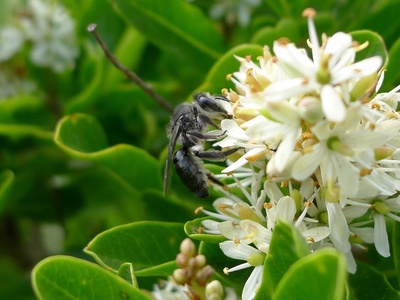
Australian blackthorn
Spiky shrub with small white flowers that attract native insects and birds. Useful wildlife hedge and shelter for small creatures; tolerates varied soils. Retain remnant patches to support local biodiversity and pollinators.
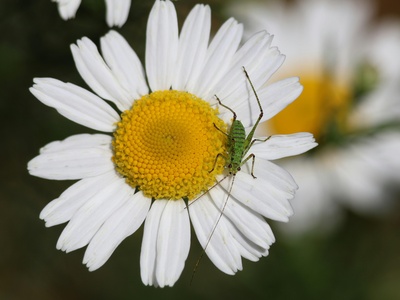
Daisy bush
Shrubby daisy with aromatic leaves and abundant daisy-like flowers. Great for cottage-style native gardens and hedging; prefers cool, moist, well-drained sites. Some populations are sensitive to habitat loss; source nursery stock responsibly.
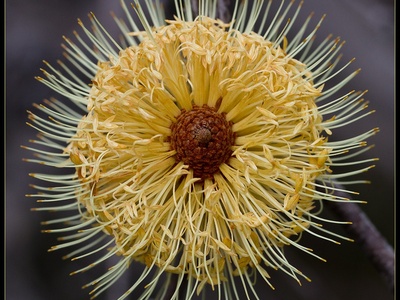
Silver banksia
Versatile banksia with variable habit, serrated leaves and golden flower spikes. Good for wildlife gardens and coastal plantings; tolerates a range of soils and climates. Local genetic forms adapted to regions; conserve natural stands.
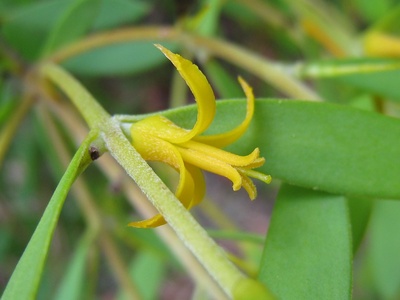
Lance-leaf geebung
Small tree or shrub with yellow tubular flowers and fleshy fruit eaten by wildlife. Prefers well-drained sandy soils and open sites; generally slow to establish. Many Persoonia species are sensitive to habitat change and require conservation.
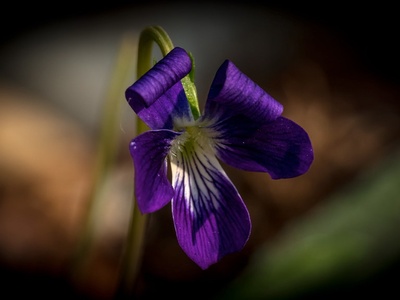
Native violet
Delicate groundcover with heart-shaped leaves and small purple-white flowers. Ideal for shaded rockeries, underplanting and damp corners; tolerates light foot traffic. Local groundcover remnants support native insect communities; avoid over-clearing.