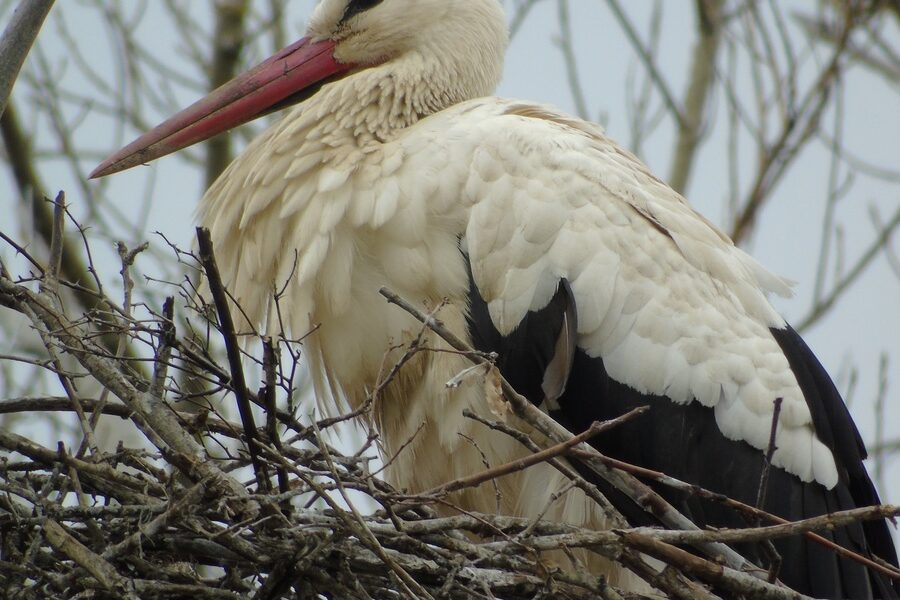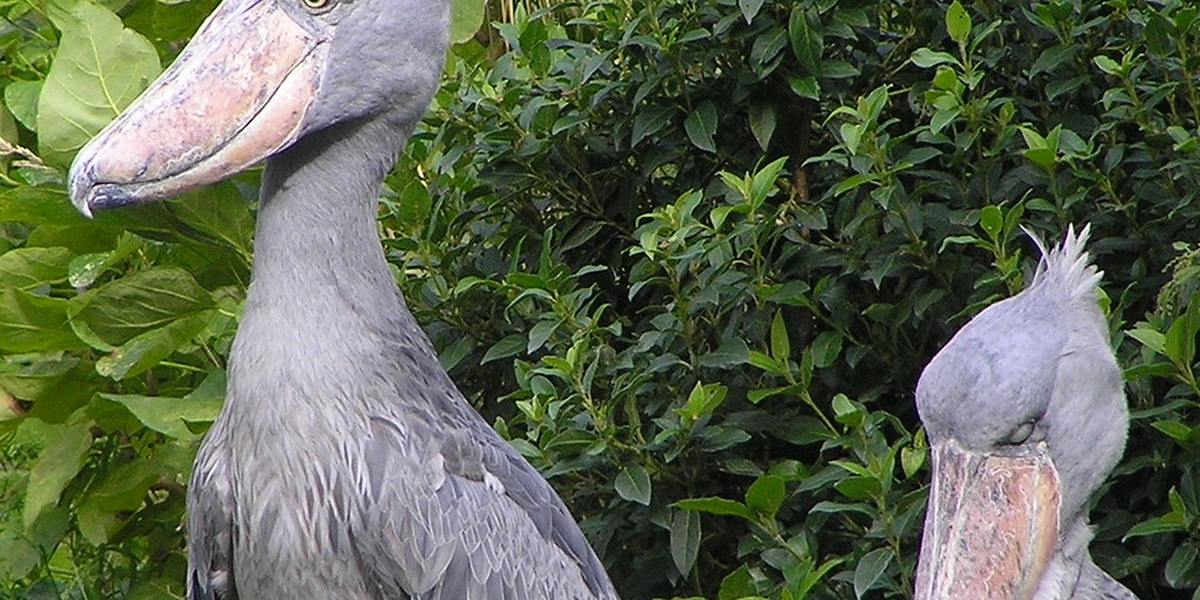
South Sudan’s mosaic of floodplains, marshes and acacia savanna supports a surprising variety of waterbirds, raptors and passerines. From river corridors like the White Nile to seasonal grasslands, the country is a crossroads for both resident species and migrants, offering lots of opportunities for birdwatching and study.
There are 49 Birds of South Sudan, ranging from Abdim’s stork to Yellow-billed stork. For each entry you’ll find below Scientific name,IUCN status,Primary habitat and range so you can quickly see identification, conservation concerns and where each species is typically found.
When is the best time to visit South Sudan for birdwatching?
The peak window is the dry season after floods recede (roughly November–March), when water concentrates birds into accessible areas and visibility is better; local conditions and access can vary, so check recent reports and guides before planning.
How reliable is the conservation status in this list?
Statuses are drawn from widely used references and reflect current IUCN designations where available, but check the latest IUCN updates or regional surveys for the most recent changes and local conservation actions.
Birds of South Sudan
| Common name | Scientific name | IUCN status | Primary habitat and range |
|---|---|---|---|
| Shoebill | Balaeniceps rex | Vulnerable | Sudd wetlands, marshes and slow-flowing channels across central and southern South Sudan |
| African fish eagle | Haliaeetus vocifer | Least Concern | Rivers, lakes and Sudd wetlands nationwide, especially along the Nile and major floodplains |
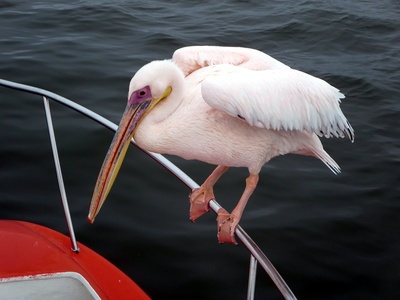
| Great white pelican | Pelecanus onocrotalus | Least Concern | Lakes, large rivers and seasonal floodplains, especially northern and central wetlands |
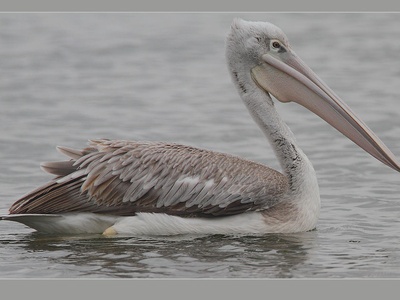
| Pink-backed pelican | Pelecanus rufescens | Least Concern | Shallow lakes, marshes and floodplains across Sudd and river systems |
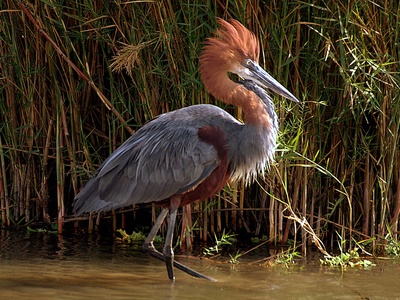
| Goliath heron | Ardea goliath | Least Concern | Permanent marshes, river edges and large wetlands across South Sudan |
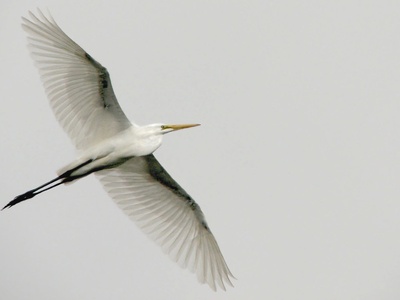
| Great egret | Ardea alba | Least Concern | Marshes, floodplains and river margins throughout the country |
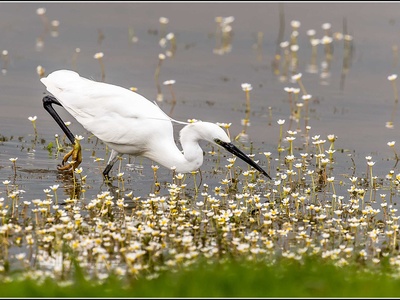
| Little egret | Egretta garzetta | Least Concern | Wetlands, floodplain pools and irrigated areas across South Sudan |
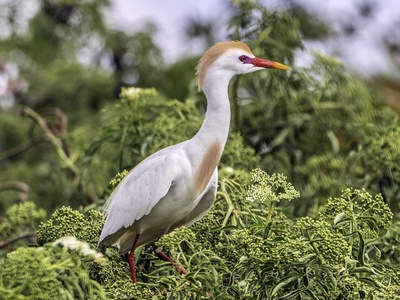
| Cattle egret | Bubulcus ibis | Least Concern | Open grassland, wetlands and agricultural areas nationwide |
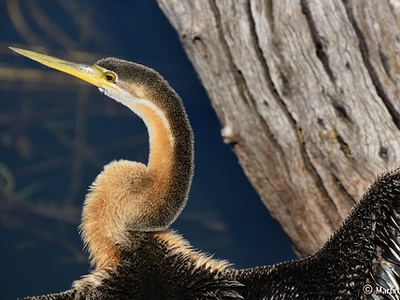
| African darter | Anhinga rufa | Least Concern | Slow rivers, pools and papyrus swamps in central and southern wetlands |
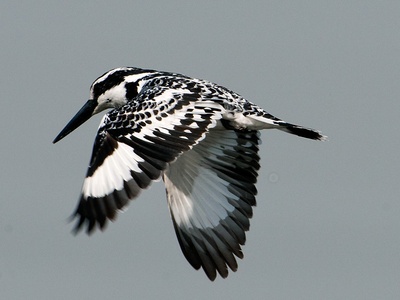
| Pied kingfisher | Ceryle rudis | Least Concern | Rivers, lakes and Sudd wetlands widely across the country |
| Malachite kingfisher | Corythornis cristatus | Least Concern | Vegetated stream edges, reedbeds and marshes throughout wetland areas |
| Giant kingfisher | Megaceryle maxima | Least Concern | Large rivers and lakes, often along wooded banks of the Nile and Sudd |
| African jacana | Actophilornis africanus | Least Concern | Floating vegetation in marshes and seasonal floodplains across central wetlands |
| Black-winged stilt | Himantopus himantopus | Least Concern | Shallow lakes, flooded grasslands and mudflats in wet season across South Sudan |
| African spoonbill | Platalea alba | Least Concern | Shallow marshes and mudflats in Sudd and seasonal floodplains |
| Yellow-billed stork | Mycteria ibis | Least Concern | Marshes, flooded grasslands and lake edges, especially central wetlands |
| Saddle-billed stork | Ephippiorhynchus senegalensis | Least Concern | Large wetlands, floodplain woodlands and river edges in Sudd and Nile fringe |
| Abdim’s stork | Ciconia abdimii | Least Concern | Dry savanna, floodplain margins and seasonal wetlands; common in north and east |
| Marabou stork | Leptoptilos crumenifer | Least Concern | Open wetlands, garbage dumps and riverine areas throughout the country |
| White-faced whistling-duck | Dendrocygna viduata | Least Concern | Shallow lakes, floodplains and seasonal pools across South Sudan |
| Fulvous whistling-duck | Dendrocygna bicolor | Least Concern | Flooded grasslands and shallow ponds in Sudd and Nile wetlands |
| Egyptian goose | Alopochen aegyptiaca | Least Concern | Rivers, lakes, irrigation canals and ponds across much of South Sudan |
| Spur-winged goose | Plectropterus gambensis | Least Concern | Wet grasslands, floodplains and shallow lakes, widespread in Sudd |
| Black-crowned night heron | Nycticorax nycticorax | Least Concern | Marshes, riverine woodlands and reedbeds throughout wetlands |
| Squacco heron | Ardeola ralloides | Least Concern | Shallow marshes, flooded fields and reedbeds across Sudd region |
| Grey heron | Ardea cinerea | Least Concern | Rivers, lakes and wetlands nationwide, especially open water margins |
| African openbill | Anastomus lamelligerus | Least Concern | Marshes, flooded grasslands and river edges, especially central wetlands |
| African skimmer | Rynchops flavirostris | Near Threatened | Sandy river bars and wide Nile channels, especially during low-water seasons |
| African swamphen | Porphyrio madagascariensis | Least Concern | Dense reedbeds, papyrus and marshy lakes throughout Sudd and southern wetlands |
| Common moorhen | Gallinula chloropus | Least Concern | Freshwater marshes, ponds and river margins across the country |
| Black crake | Zapornia flavirostra | Least Concern | Dense marsh vegetation, papyrus and flooded grasslands in central wetlands |
| Wood sandpiper | Tringa glareola | Least Concern | Shallow flooded grasslands, pools and marsh edges during migration and breeding |
| Common greenshank | Tringa nebularia | Least Concern | Mudflats, floodplain edges and shallow lakes during migration and wet season |
| Ruff | Calidris pugnax | Least Concern | Temporary wetlands, flooded fields and shallow pools during migration and wet season |
| Little stint | Calidris minuta | Least Concern | Mudflats and shallow flooded patches during northerly migration |
| Northern carmine bee-eater | Merops nubicus | Least Concern | River cliffs, savanna and woodland near the Nile and Sudd escarpments |
| Little bee-eater | Merops pusillus | Least Concern | Wooded wetlands, riparian trees and savanna across much of South Sudan |
| European bee-eater | Merops apiaster | Least Concern | Open country, riverine cliffs and sandbanks during migration and winter |
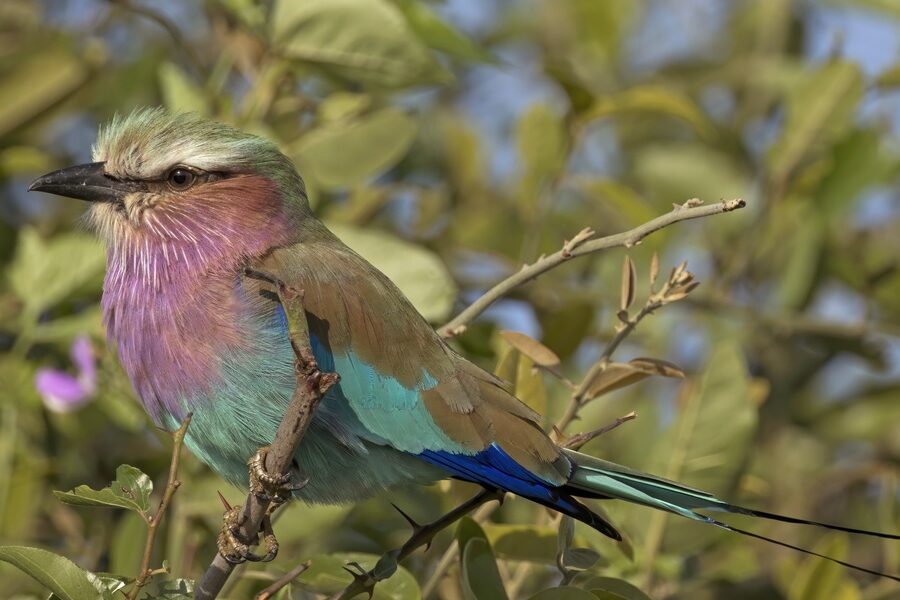
| Lilac-breasted roller | Coracias caudatus | Least Concern | Open savanna, woodland edges and riverine trees across much of the country |
| Red-billed quelea | Quelea quelea | Least Concern | Open grasslands, agricultural fields and floodplain scrub; widespread and abundant |
| Village weaver | Ploceus cucullatus | Least Concern | Savanna, woodlands and wetlands near villages and rivers across South Sudan |
| White-browed sparrow-weaver | Plocepasser mahali | Least Concern | Dry acacia scrub, savanna and cultivated areas in northern and eastern regions |
| Northern red-billed hornbill | Tockus erythrorhynchus | Least Concern | Savanna, dry woodland and riverine areas across much of the country |
| Laughing dove | Spilopelia senegalensis | Least Concern | Open woodland, towns, gardens and scrub throughout South Sudan |
| White-backed vulture | Gyps africanus | Critically Endangered | Scattered over savanna, open woodland and grassland; records from central and southern areas |
| Hooded vulture | Necrosyrtes monachus | Critically Endangered | Savanna and human settlements where it scavenges; recorded across South Sudan |
| Rüppell’s griffon | Gyps rueppelli | Critically Endangered | Open country and escarpments; scattered records from northern and central regions |
| Lappet-faced vulture | Torgos tracheliotos | Endangered | Dry savanna and open country; occurs in drier regions of South Sudan |
| Secretarybird | Sagittarius serpentarius | Vulnerable | Open grassland and savanna, especially in central and eastern plains |
Images and Descriptions
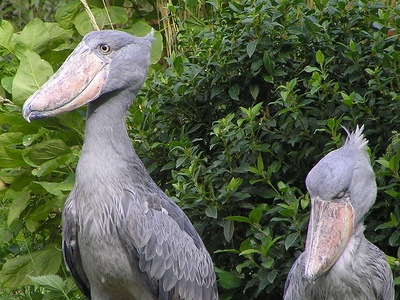
Shoebill
Tall, prehistoric-looking bird with a massive shoe-shaped bill; stands motionless in papyrus and reedbeds hunting lungfish and catfish. Best seen around permanent marshes; solitary and often slow, deliberate movements make it unforgettable.
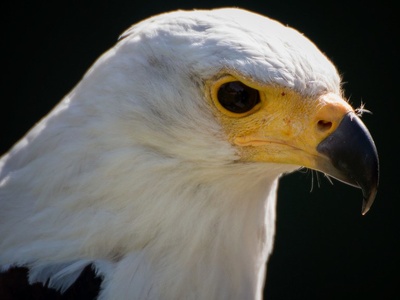
African fish eagle
Large, bold raptor with white head and chest and dark body; loud, distinctive call. Watches water edges from treetops then snatches fish; common and easily identified around open water.
Great white pelican
Huge pale pelican with long bill and gular pouch; flies in V-formations. Feeds cooperatively in shallow water, often seen in large flocks during flooding seasons.
Pink-backed pelican
Smaller pelican with pinkish back and greyish bill; more solitary than whites and often roosts in trees. Watch for floating feeding groups and slow wingbeats in flight.
Goliath heron
World’s largest heron; rusty neck and grey body with slow stalking gait. Hunts fish and frogs in shallow water, often solitary and wary—easier to spot by size than sound.
Great egret
Tall white heron with black legs and yellow bill in non-breeding plumage; elegant flight and slow stalking. Breeds in colonies with other waterbirds; common in wet season.
Little egret
Small white egret with black legs and yellow feet; quick, active hunter of small fish and invertebrates. Shows breeding plumes in season and often accompanies humans and cattle.
Cattle egret
Chunky white egret often near livestock; short neck and yellow bill in breeding season. Feeds on insects flushed by grazing animals; abundant and nomadic with rains.
African darter
Long, snake-like neck and slender body; dries wings perched on branches. Swims with body low and only neck visible when hunting fish underwater.
Pied kingfisher
Black-and-white hovering kingfisher that plunges for fish; distinct crest and rapid wingbeat. Common and conspicuous along open water; often perches on low posts.
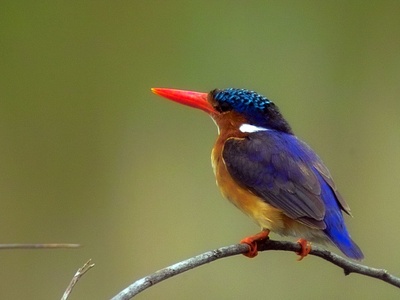
Malachite kingfisher
Tiny, bright blue-and-orange kingfisher; quick darts from perches to catch small fish. Best seen at dawn along quiet channels and papyrus margins.
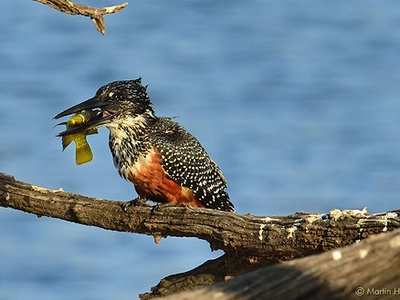
Giant kingfisher
Big kingfisher with barred belly and heavy bill; plunges for large fish. More secretive than pied kingfisher; perches lower over deep water.
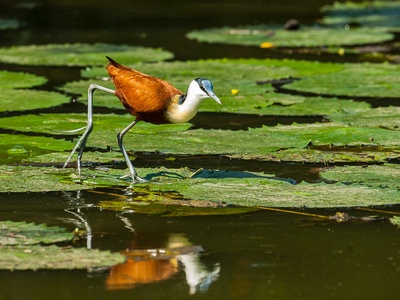
African jacana
Long-toed wader walking on lily pads; chestnut back and black breast. Skims vegetation for insects and small invertebrates, very visible on floating mats.
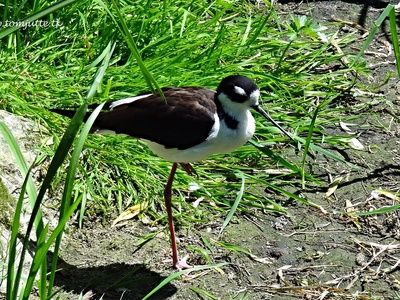
Black-winged stilt
Slender long-legged wader with black back and white underparts; high-stepping gait. Feeds in shallow water on invertebrates; conspicuous in large flocks.
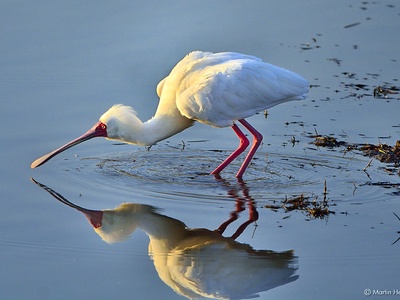
African spoonbill
White wader with flat, spatulate bill used for sweeping through water. Forages in small groups; shows crest in breeding season and noisy at roosts.

Yellow-billed stork
White stork with yellow bill and pink legs; slow, deliberate feeder in shallow water. Often forages with herons and egrets; breeds in mixed waterbird colonies.

Saddle-billed stork
Tall, striking stork with black-and-white plumage and large, colorful bill. Walks slowly through shallow water hunting fish and frogs; silent and conspicuous.
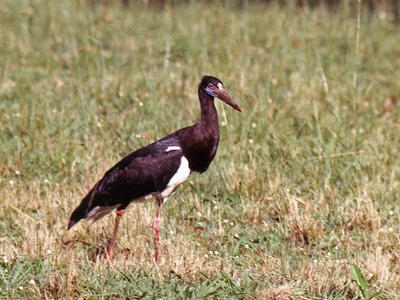
Abdim’s stork
Small, dark-backed stork that migrates in large groups; feeds on insects and small vertebrates. Seen in flocks during migrations and wet-season movements.
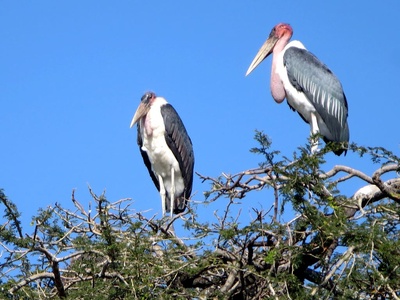
Marabou stork
Huge, bare-headed stork with a bulky silhouette and inflatable throat sac. Scavenges widely and nests in colonies; recognisable by slow wingbeats and massive bill.
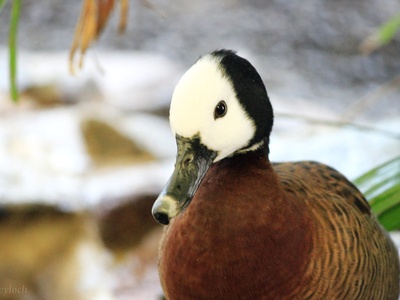
White-faced whistling-duck
Dark-backed duck with white face and musical whistling calls; forms large, noisy flocks. Grazes on aquatic vegetation; very common in flooded season.
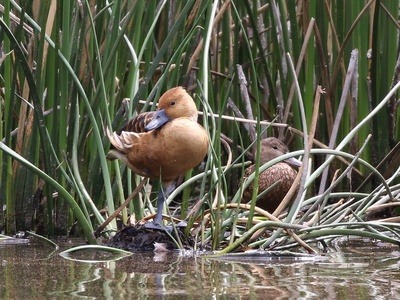
Fulvous whistling-duck
Warm brown duck with long neck and whistling calls; often in large flocks. Prefers shallow freshwater and roosts communally at night.
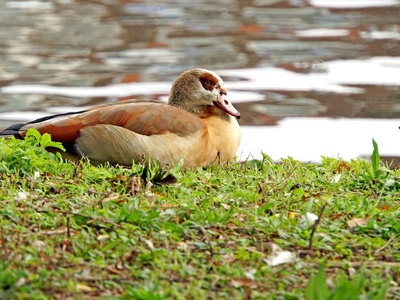
Egyptian goose
Large, chunky goose with dark eye patches and pink legs; often pairs or small groups. Tolerant of people and common on open water and wetlands.
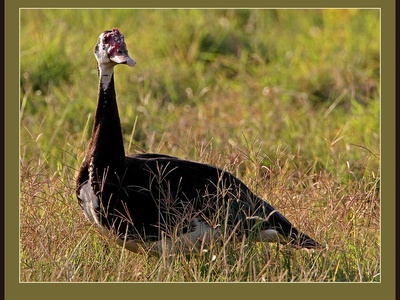
Spur-winged goose
Huge, dark goose with white face patch and wing spurs; grazes and dives for vegetation. Often seen in small groups near marshy shorelines.
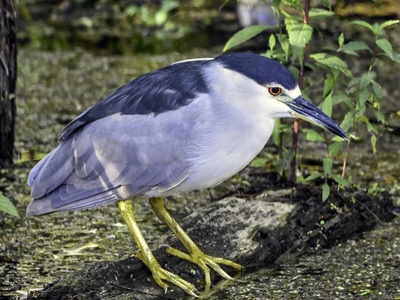
Black-crowned night heron
Stocky, nocturnal heron with black cap and red eyes; active at dusk and night. Hunts fish and invertebrates from low perches and shallow edges.
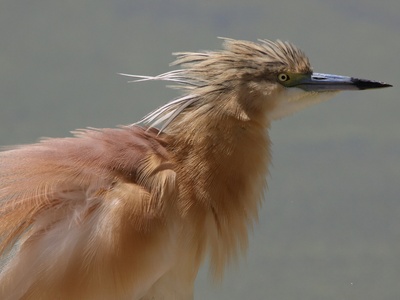
Squacco heron
Small, buffy heron with streaked back in flight and quick stabbing bill; often freezes before spearing prey. Common in dense vegetation at water’s edge.
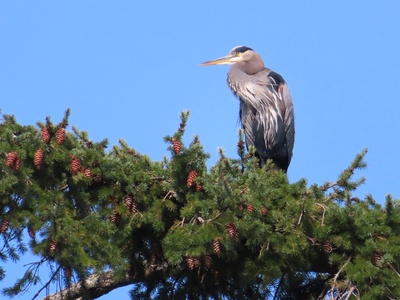
Grey heron
Tall grey heron with slow deliberate movements and long S-shaped neck; fishes in shallow water. Widespread and familiar in wetlands and river floodplains.

African openbill
Medium stork with gap between mandibles adapted for snatching snails and molluscs. Often feeds in small groups and perches in trees; distinctive bill shape aids ID.
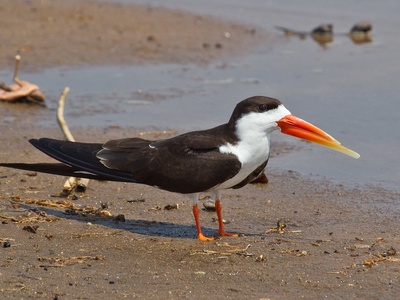
African skimmer
Black-and-white tern-like bird with long lower mandible that skims surface for fish. Localized and vulnerable to disturbance; best seen on wide, quiet river stretches.
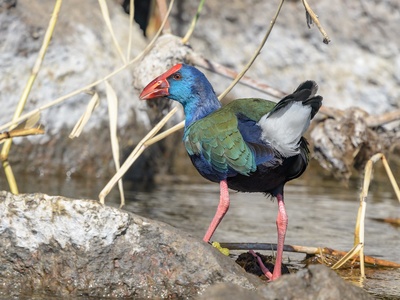
African swamphen
Large, purple-blue rail with red bill and long toes; skulks but can be flushingly loud. Walks on floating vegetation and hides in thick cover.
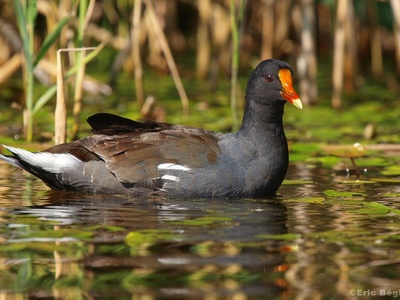
Common moorhen
Dark waterbird with white flank stripes and red frontal shield; swims and walks on floating vegetation. Widespread and common in vegetated wetlands.
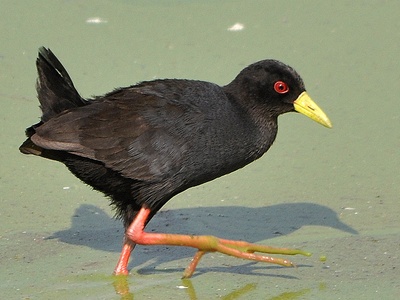
Black crake
Small, glossy black rail with red bill and legs; secretive but often heard giving sharp calls. Dashes through reeds and forages on invertebrates.
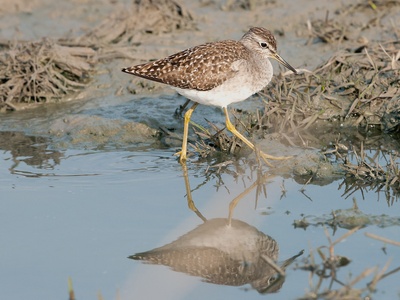
Wood sandpiper
Slim wader with spotted upperparts and long legs; pecks rapidly for insects. Common Palearctic migrant seen in wet season across floodplains.
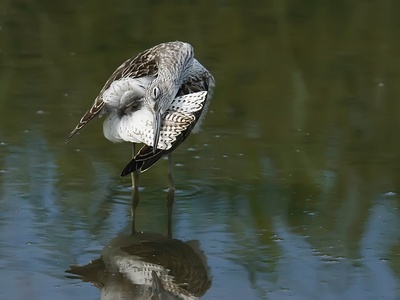
Common greenshank
Large, leggy sandpiper with slightly upcurved bill; active probe-forager. Seen in mixed wader flocks on exposed mud and shallow water.
Ruff
Medium wader with dramatic breeding plumages in males; forages by probing wet mud. Common migrant in wet season; flocks can be boisterous.
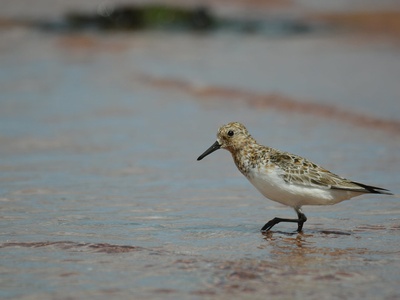
Little stint
Tiny, active sandpiper with short bill and flashy feeding style; seen in mixed flocks. Appears in wet season in large numbers on exposed mud.
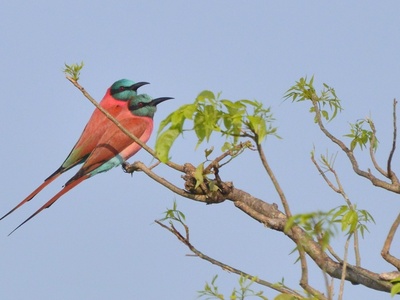
Northern carmine bee-eater
Vivid red and green bee-eater with elegant tail streamers; nests in sandy banks. Hunts flying insects in aerial sallies and forms noisy colonies.
Little bee-eater
Tiny, bright green and yellow bee-eater; perch-and-sally hunter of flying insects. Very vocal and often seen in small family groups.
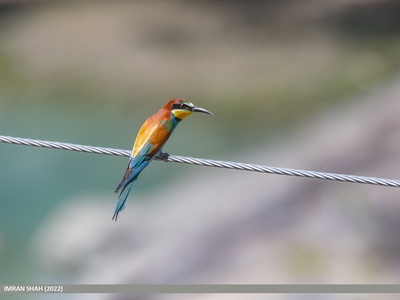
European bee-eater
Colorful migrant with chestnut back and blue underparts; nests in burrows on banks. Flies through region in passage and sometimes winters locally.
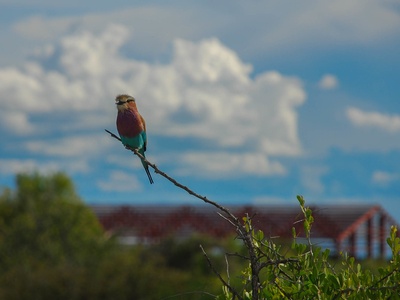
Lilac-breasted roller
Striking blue, lilac and green roller often perched conspicuously on treetops; performs rolling aerial displays. Easy to spot by color and bold perch behavior.
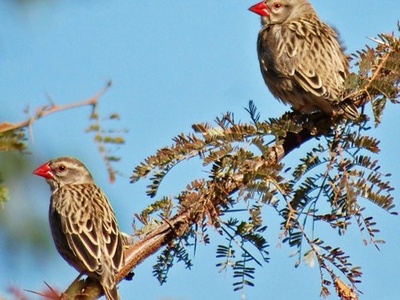
Red-billed quelea
Tiny, sparrow-like weaver that forms enormous flocks and can devastate crops. Breeding males show red bill and face; enormous airborne swarms are characteristic.

Village weaver
Male weaver builds hanging woven nests in colonies; yellow and black breeding plumage. Common around human habitation and near water where insects are abundant.
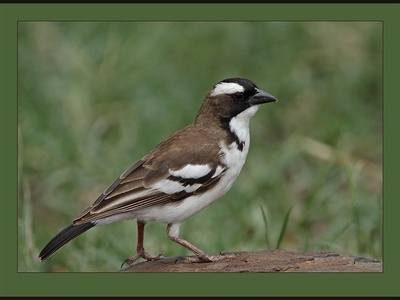
White-browed sparrow-weaver
Chunky, streaked weaver with prominent white brow; builds communal nests in trees. Sociable and noisy, often seen near settlements.
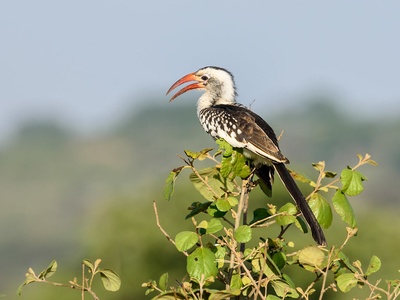
Northern red-billed hornbill
Small hornbill with long red bill and white-speckled wings; often perches on low branches. Eats insects and fruit; common and familiar in open habitats.
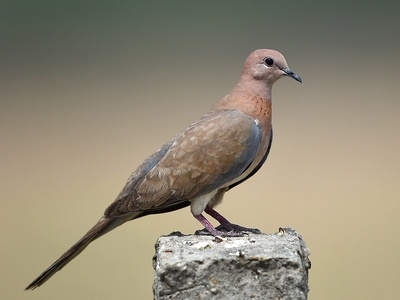
Laughing dove
Delicate, small dove with pinkish tones and spotted neck; soft cooing call. Tolerant of human presence and common around settlements and fields.
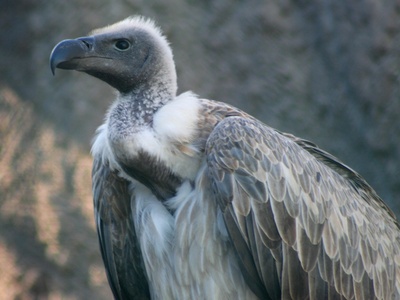
White-backed vulture
Large gyps vulture with pale back and soaring flight; highly threatened by poisoning and habitat loss. Often seen circling over carcasses and villages.
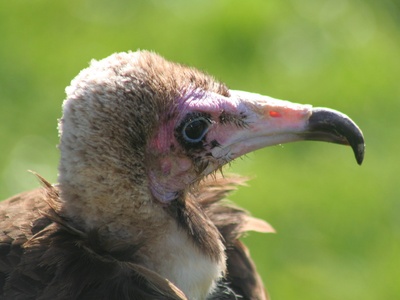
Hooded vulture
Small, hooded vulture with a bare head; scavenges around villages and markets. Extremely vulnerable to poisoning and decline; conversant in human-modified landscapes.
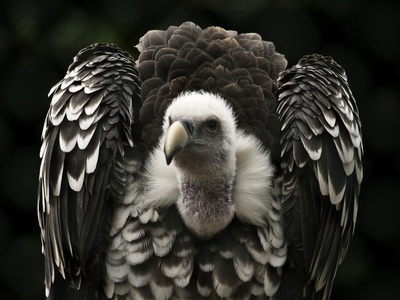
Rüppell’s griffon
Powerful cliff-soaring vulture with pale plumage; high-altitude flyer often seen in groups. Faces dramatic declines from poisoning and habitat threats.
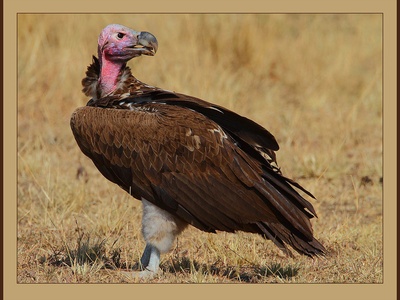
Lappet-faced vulture
Massive vulture with bare pink face and black lappets; dominant scavenger that rips tough hides. Solitary or small groups at carcasses; threatened by poisoning.
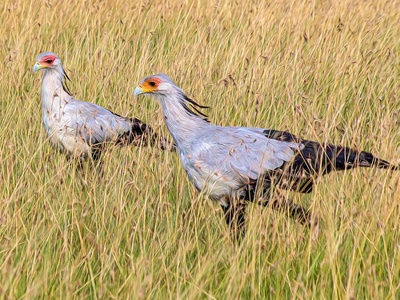
Secretarybird
Tall, crane-like raptor with long legs and crest; hunts snakes and small mammals by walking. Upright silhouette and slow gait make it unmistakable on open plains.