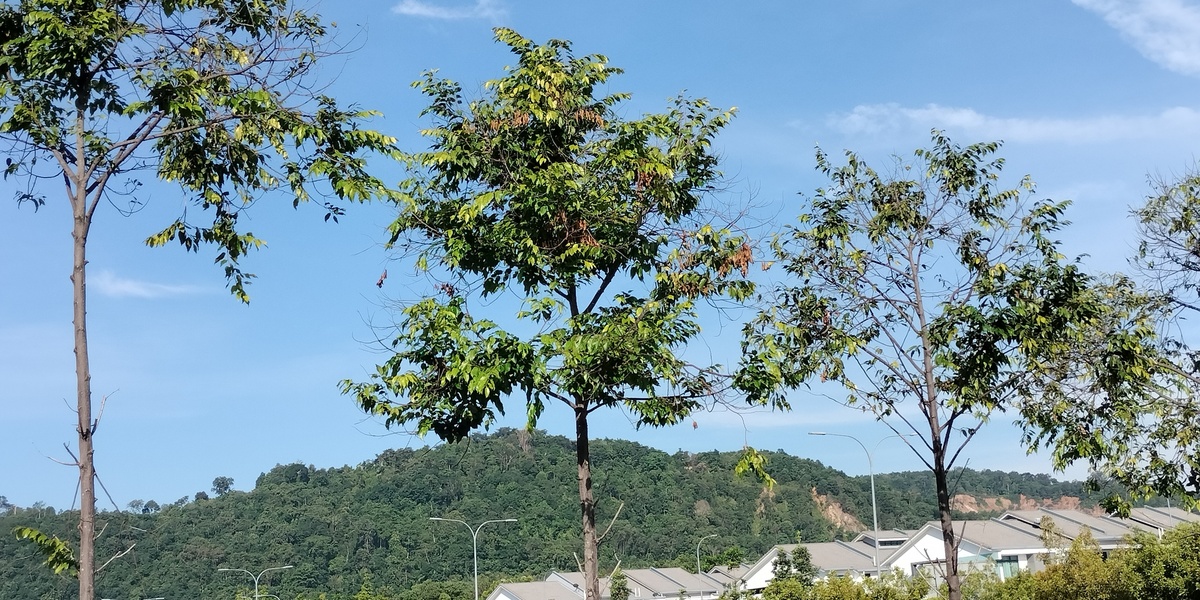
Cambodia’s landscapes — from the Mekong floodplains to evergreen hills and coastal mangroves — are home to a wide range of native trees, shrubs and herbs that shape local ecosystems and livelihoods. Whether you’re a gardener, naturalist or traveler, knowing the common species helps you read the land and spot changes in habitat.
There are 35 Cambodia’s native plants, ranging from Anisoptera to Ylang-ylang. For each species I list Scientific name,Typical height (m),Habitat & Cambodia range so you can quickly compare where each grows and how large it typically gets — you’ll find below.
How can I use the Scientific name, Typical height (m), and Habitat & Cambodia range to identify plants in the field?
Start with the habitat and typical height to narrow likely candidates (e.g., floodplain shrub vs. canopy tree), then check the Scientific name against photos or an ID app for precise matches; carrying a small field guide or taking clear photos of leaves, flowers and bark speeds confirmation.
Are any of these 35 species considered at risk, and where can I see conservation status?
Some native species face pressure from logging and land change; the Habitat & Cambodia range column indicates limited distributions that often correlate with higher risk. For up-to-date protection status, cross-reference scientific names with the IUCN Red List and Cambodia’s national protected-area listings.
Cambodia’s Native Plants
| Name | Scientific name | Typical height (m) | Habitat & Cambodia range |
|---|---|---|---|
| Red mangrove | Rhizophora apiculata | 10 | Mangrove forests, Koh Kong and Sihanoukville coasts |
| Loop-root mangrove | Rhizophora mucronata | 12 | Estuaries and sheltered coasts, southwest provinces |
| Grey mangrove | Avicennia alba | 8 | Upper mangrove zones, estuaries and salt flats |
| Mangrove apple | Sonneratia alba | 8 | Seaward mangrove fringe, open mudflats, coastal provinces |
| Spurred mangrove | Ceriops tagal | 10 | Back-mangrove zones, sheltered coasts and creeks |
| Red mangrove (Bruguiera) | Bruguiera gymnorrhiza | 12 | Mangrove swamps, river mouths and estuaries |
| Nipa palm | Nypa fruticans | 6 | Tidal creeks and estuarine swamps, Mekong and coastal zones |
| Blind-your-eye tree | Excoecaria agallocha | 12 | Mangrove understory, coastal swamps and creeks |
| River mangrove | Aegiceras corniculatum | 6 | Mangroves, creeks and tidal river banks |
| Freshwater barringtonia | Barringtonia acutangula | 15 | Freshwater swamps and floodplains, Tonle Sap and Mekong wetlands |
| Sea poison tree | Barringtonia asiatica | 10 | Coastal beaches, lagoons and outer islands, southern provinces |
| Sacred lotus | Nelumbo nucifera | 1 | Shallow lakes, ponds and Tonle Sap floodplain |
| White waterlily | Nymphaea lotus | 0.3 | Lakes, slow rivers and flooded fields, Tonle Sap region |
| Common reed | Phragmites australis | 2 | Riverbanks, marshes and seasonally flooded plains |
| Yang | Dipterocarpus alatus | 40 | Lowland seasonal evergreen forests, Cardamom Mountains and plains |
| Gurjan | Dipterocarpus turbinatus | 45 | Evergreen and semi-evergreen forests, Cardamom and eastern ranges |
| Ironwood | Xylia xylocarpa | 30 | Dry deciduous forests and plains, Angkor to eastern provinces |
| Padauk | Pterocarpus macrocarpus | 25 | Dry deciduous forests and open woodlands, central and eastern provinces |
| Hopea | Hopea odorata | 35 | Lowland evergreen and riverine forests, west and southwest ranges |
| Shorea obtusa | Shorea obtusa | 25 | Deciduous dipterocarp forests, central plains and hills |
| Anisoptera | Anisoptera costata | 40 | Lowland evergreen forests, Cardamom and eastern ranges |
| Crape myrtle | Lagerstroemia calyculata | 20 | Seasonal woodlands and riverbanks across central provinces |
| Cluster fig | Ficus racemosa | 20 | Riverbanks, lakeshores and lowland forests nationwide |
| Indian laurel fig | Ficus microcarpa | 25 | Urban areas, riverine forests, lowland woodlands |
| Velvet tamarind | Dialium cochinchinense | 15 | Dry and moist evergreen forests, southern and eastern provinces |
| Ylang-ylang | Cananga odorata | 15 | Moist evergreen and riverine forests, coastal lowlands |
| Burmese kino | Pterocymbium tinctorium | 30 | Lowland evergreen and riparian forests, southern ranges |
| Rattan palms | Calamus spp. | 10 | Lowland rainforests and understory, Cardamom and eastern forests |
| Palmyra palm | Borassus flabellifer | 20 | Open dry forests, floodplain edges and villages |
| Corypha palm | Corypha utan | 20 | Sandy riverbanks and coastal areas, southern provinces |
| Areca palm | Areca catechu | 15 | Riverine zones, village groves and lowland forests |
| Giant bamboo | Bambusa blumeana | 20 | Secondary forest, riverbanks and disturbed lands nationwide |
| Pigeon orchid | Dendrobium crumenatum | 0.3 | Lowland forests, edges and shaded human habitats |
| Mangrove fern | Acrostichum aureum | 1 | Mangrove fringes, tidal swamps and estuarine mudflats |
| Golden shower tree | Cassia fistula | 15 | Open woodlands, riverbanks and roadside areas |
Images and Descriptions
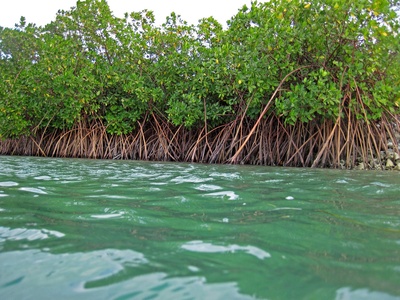
Red mangrove
Classic mangrove with prop roots stabilizing muddy shores. Timber and traditional uses locally, vital nursery habitat for fish and crustaceans. Sensitive to coastal development and important for shoreline protection; conservation focuses on protecting remaining mangrove belts.

Loop-root mangrove
A common seaward mangrove with strong prop roots and salt tolerance. Supports fisheries and local wood needs. Vulnerable where coastal clearance or shrimp ponds occur; key species for mangrove restoration efforts.
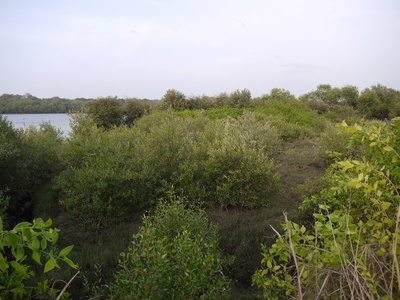
Grey mangrove
Salt-tolerant tree with peg roots and creamy flowers. Roots trap sediment and enrich shores; used locally for small timber and firewood. Often first line of coastal defense, threatened by conversion to aquaculture.
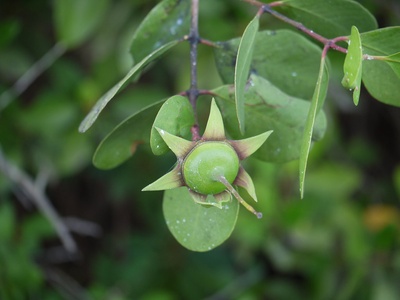
Mangrove apple
Tree with sponge-like pneumatophores and large showy flowers visited by bats. Important for coastal biodiversity and shoreline stabilization; common but locally reduced where coastal reclamation occurs.
Spurred mangrove
Smaller mangrove with stout prop roots often forming dense stands. Wood is dense and used for charcoal; stands are vital breeding habitat for juvenile fish and crabs, sensitive to coastal development.
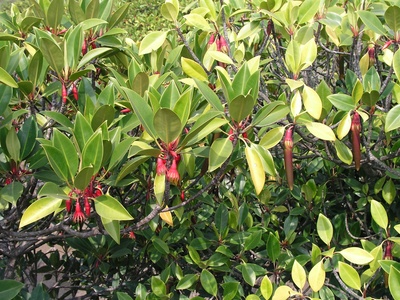
Red mangrove (Bruguiera)
Robust mangrove with knee roots and buttressed trunks. Provides timber and coastal protection; characteristic of sheltered estuaries and often used in local medicines. Threatened by habitat loss.
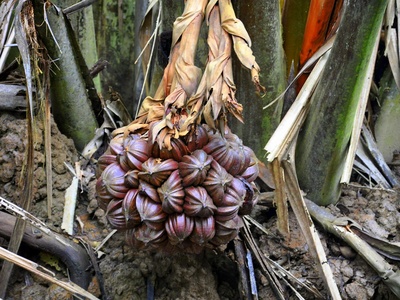
Nipa palm
Unique palm growing from mud with long feathery leaves and edible shoots. Thatched roofs, sugar and local crafts derive from it. Key for stabilizing estuaries; declines where waterways are altered.
Blind-your-eye tree
A toxic mangrove shrub with milky sap that can irritate skin and eyes. Though hazardous, it forms dense understories that support coastal biodiversity and helps trap sediment; should be left intact in restoration.
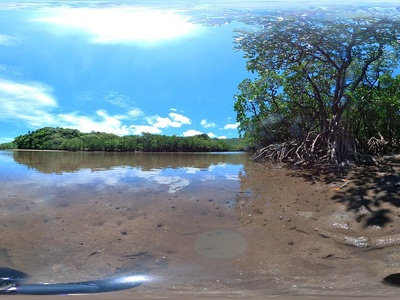
River mangrove
Shrub/tree with small tubular flowers and slender fruits. Occupies creek margins and supports local birdlife. Useful for erosion control; common but vulnerable to intensive coastal alteration.
Freshwater barringtonia
Tall swamp tree with pendulous racemes of white flowers and large seeds. Seeds and wood have local uses; typical floodplain species that signals healthy seasonal wetlands and is impacted by hydrological changes.
Sea poison tree
Coastal tree with large prop-like roots and dramatic sea-dispersed fruits. Traditionally used for soap or fish stunning. Iconic on beaches, sensitive to coastal development and tourism pressure.
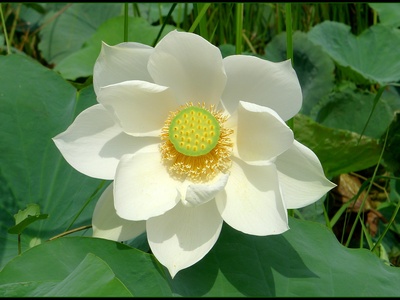
Sacred lotus
Floating aquatic with large round leaves and fragrant flowers; culturally important and edible tubers and seeds. Indicator of shallow, undisturbed wetlands; valued for food and ceremonial use, often conserved by communities.
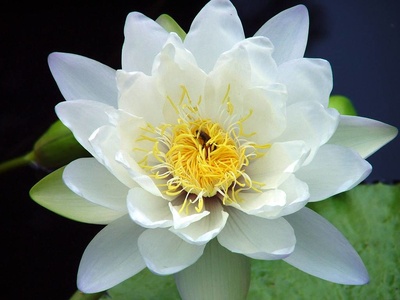
White waterlily
Floating lily with creamy flowers that lift above water. Common in shallow waterbodies and important for aquatic habitat structure. Often used ornamentally and sometimes harvested locally.
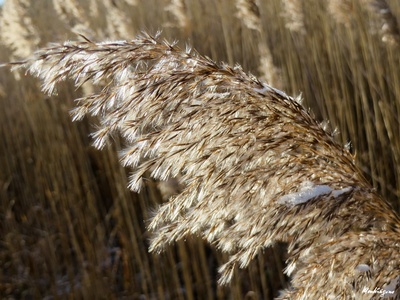
Common reed
Tall perennial grass forming dense stands in wetlands. Used for thatching and fencing; provides nesting habitat for birds and stabilizes banks. Can expand after disturbance, so hydrology conservation matters.
Yang
Large emergent dipterocarp prized for resin and heavy timber. Dominant in mature forests and culturally important. Overharvesting and land conversion have reduced populations; conservation focuses on protecting old-growth stands.
Gurjan
Massive canopy tree producing resin and durable timber. Found along ridges and riverine slopes. Suffered from logging; important for forest structure and biodiversity.
Ironwood
Dense hardwood used for heavy construction and tools. Characteristic of seasonally dry forests; slow-growing and vulnerable to overexploitation, making local conservation and sustainable use important.
Padauk
Striking hardwood tree valued for fine timber and red heartwood. Flowers produce attractive golden display. Overcutting has reduced populations; reforestation and protection are key for recovery.
Hopea
Tall, buttressed tree of the Dipterocarpaceae with heavy timber used locally. Prefers moist soils near rivers. Habitat loss threatens mature stands; important for canopy continuity in evergreen forests.
Shorea obtusa
Hardwood species of seasonally dry forests with flaky bark and leathery leaves. Provides timber and resin; an indicator species of long-established dry dipterocarp woodland, sensitive to conversion to agriculture.

Anisoptera
Large emergent dipterocarp with buttresses and winged seeds. Important canopy tree supporting diverse forest fauna. Logging has reduced numbers; conservation prioritizes undisturbed forest reserves.
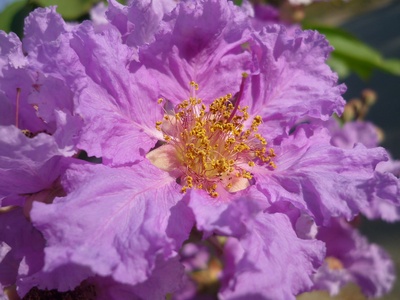
Crape myrtle
Deciduous tree with peeling bark and clusters of crinkled pink flowers. Used ornamentally and for light timber. Tolerant of dry sites and common in secondary woodlands and forest edges.
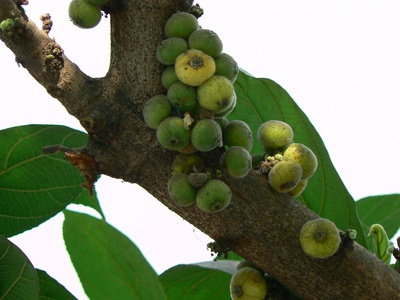
Cluster fig
Fig tree producing cauliflorous clusters of figs eaten by wildlife and people. Important keystone species supporting many frugivores; often protected near temples and waterways for cultural and ecological value.

Indian laurel fig
Evergreen fig often forming broad crowns and aerial roots. Provides year-round fruit for birds and bats; commonly found in disturbed sites and villages, supporting urban biodiversity.
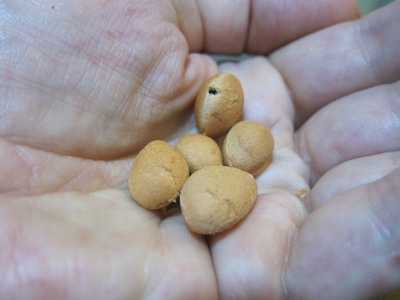
Velvet tamarind
Medium tree with hard dark wood and edible sweet-sour fruit. Locally foraged and sometimes sold; forest fragmentation threatens populations where harvest is heavy.
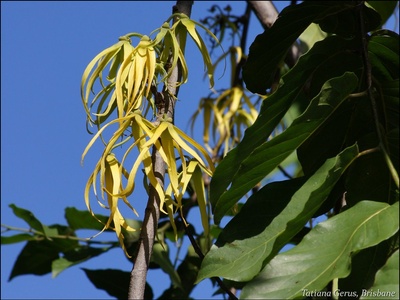
Ylang-ylang
Fragrant tree with pendulous greenish-yellow flowers used for perfume and traditional medicine. Grown near villages for scent and oil; wild populations exist in lowland forests and are culturally prized.
Burmese kino
Tall tree with flaky bark and winged seeds; resin historically used as dye/medicine. Part of mature forest mixes; declines with logging pressures, so conserving riverine corridors helps protect it.
Rattan palms
Clumping climbing palms whose flexible stems are traditionally harvested for baskets and furniture. Important non-timber resource that can support livelihoods if harvested sustainably; habitat loss reduces wild stands.
Palmyra palm
Iconic fan-palm used for sugar, thatch, food and tools. Deep cultural and economic role in rural life. Long-lived and drought tolerant, often a landscape landmark and useful in agroforestry.
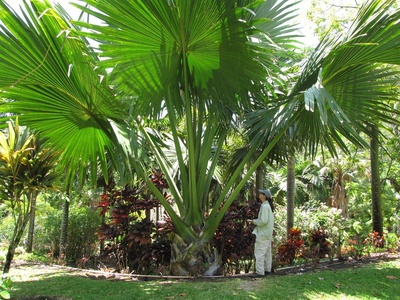
Corypha palm
Massive solitary palm with huge leaves and monocarpy (flowers once then dies). Leaves used for thatching and mats; dramatic when flowering and important for coastal ecology where it occurs naturally.
Areca palm
Betel nut palm common in village landscapes and wild margins. Nuts are chewed culturally; tree supports local economies and grows naturally in lowland moist areas.
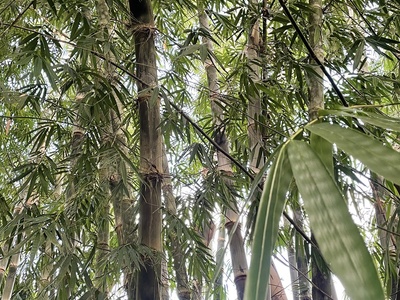
Giant bamboo
Robust clumping bamboo used for construction, scaffolding and handicrafts. Fast-growing and regenerates after disturbance, important for rural materials and streambank stabilization.
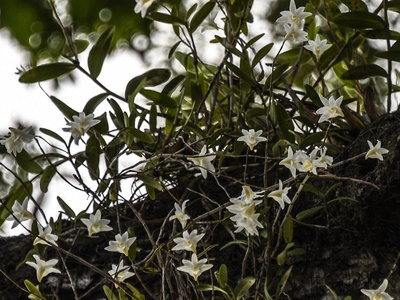
Pigeon orchid
Small epiphytic orchid with fragrant white blooms that open synchronously. Common on tree trunks near villages and forests; enjoyed by gardeners and an indicator of intact canopy conditions.
Mangrove fern
Robust fern that colonizes exposed mangrove margins and mudflats. Helps stabilize sediments and is tolerant of salinity; often abundant in degraded mangrove areas and useful in restoration.
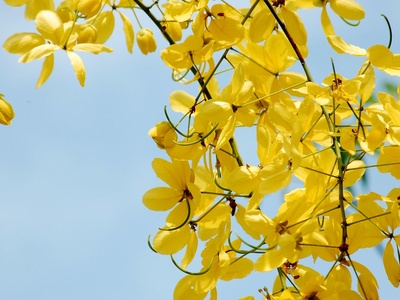
Golden shower tree
Deciduous tree with pendulous yellow flower clusters; used ornamentally and medicinally. Naturalized widely across seasonally dry areas; valued culturally and for shade in rural landscapes.