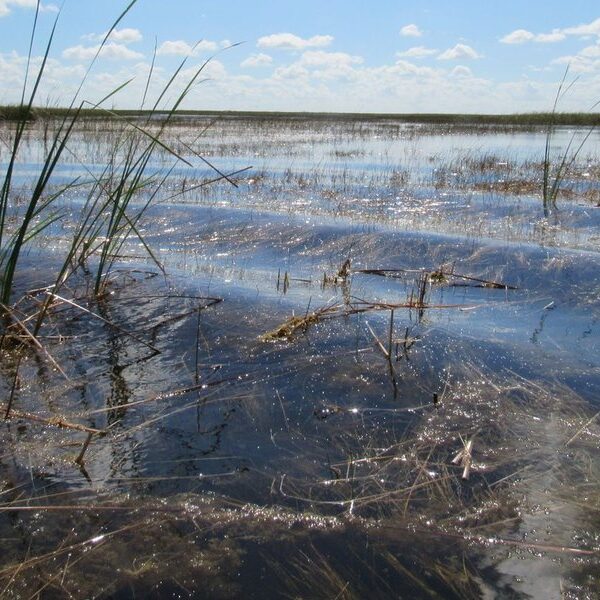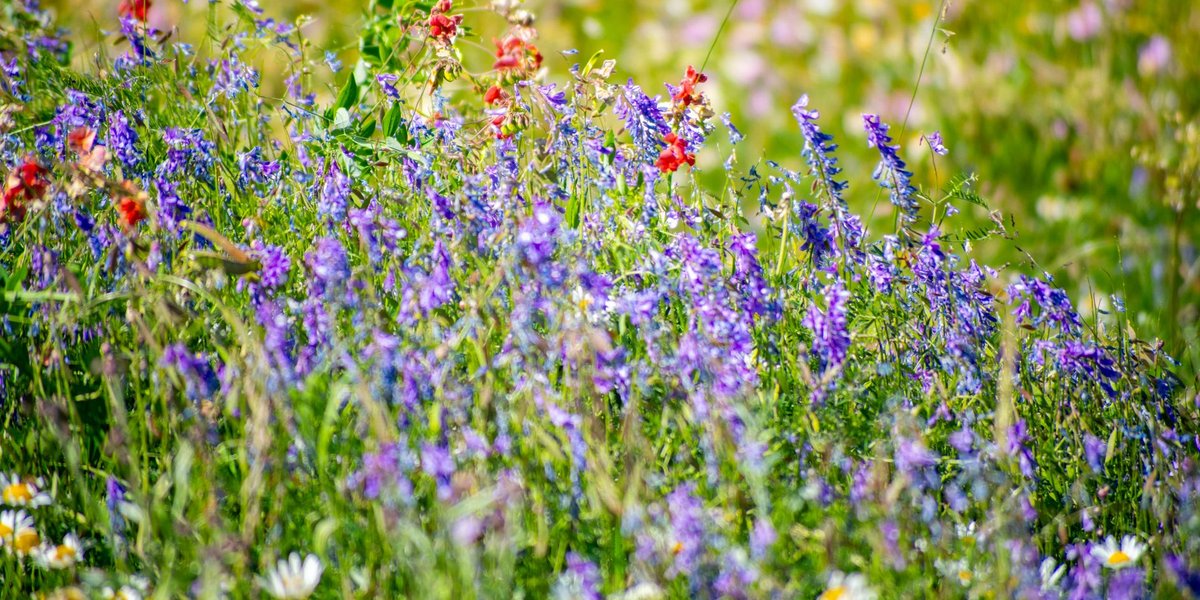
Canada’s native plants number somewhere between 3,300 and 5,300 species, depending on who is counting and what they count. Nobody needs all of them. What you need is the dozen or so that belong in your region, suit your yard, and feed the insects and birds that live there.
“Native” means the plant was here before European settlement and evolved alongside local insects, birds, soil fungi, and weather. That history is the whole appeal. Native plants usually need less water once established, skip the fertilizer, and support far more wildlife than imported ornamentals. A native oak or willow can host hundreds of caterpillar species. A ginkgo hosts almost none.
One catch: native to Canada is not the same as native to your backyard. A Pacific dogwood is Canadian, and it will still sulk in Manitoba. This guide is organized by region for that reason.
Contents
- Before you plant: zones, sun, and soil
- British Columbia and the Pacific coast
- The Prairies
- Ontario and Quebec
- Atlantic Canada
- The North
- Quick-reference table
- Which native plant for your yard
- Protected species and plants to leave alone
- Where to buy native plants ethically
Before you plant: zones, sun, and soil
Check your zone first. Natural Resources Canada publishes plant hardiness zone maps that run from zone 0 in the far north to zone 9 on the southern coast of British Columbia. Most plants below are rated to a zone, so you can match them to your postal code in about a minute.
Then look at your actual site, not the one in your head. Watch where the sun falls for a full day. Dig a hole, fill it with water, and time how long it takes to drain. Native plants are fussy about conditions they evolved for and relaxed about almost everything else.
British Columbia and the Pacific coast
The coast has mild, wet winters and dry summers. The plants here are built for exactly that pattern.
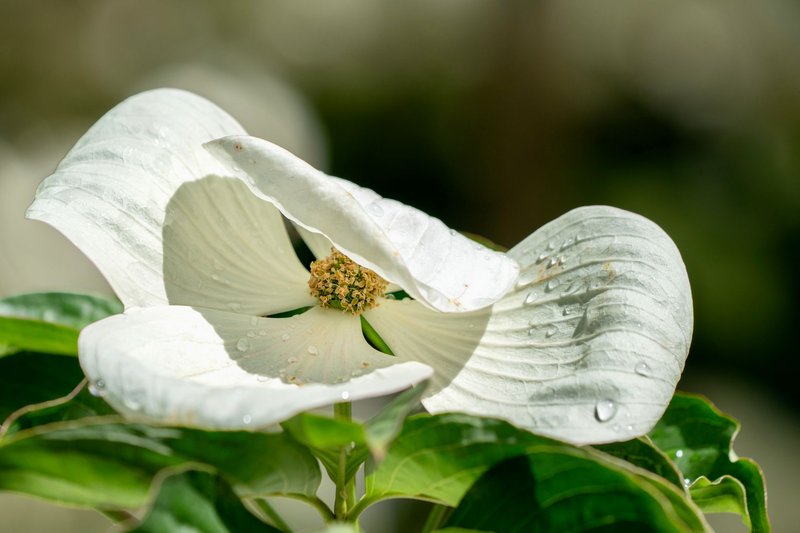
Pacific dogwood (Cornus nuttallii) is BC’s provincial flower and a small tree reaching 6 to 10 metres in a garden. Creamy-white bracts appear in May, sometimes again in early fall. It wants part shade and rich, well-drained soil, and it dislikes being moved or having its roots disturbed. Anthracnose, a fungal disease, has thinned wild populations, so choose a disease-resistant nursery plant.
Salal (Gaultheria shallon) is an evergreen shrub that carpets coastal forest floors. Pink-white urn-shaped flowers in late spring turn into dark berries that birds and people both eat. It handles deep shade, which is rare and valuable in a garden.
Common camas (Camassia quamash) produces spikes of blue-purple flowers from April to June in meadows that are soggy in spring and baked in summer. Coast Salish and other Indigenous peoples cultivated camas meadows and pit-cooked the bulbs for centuries. One warning: death camas looks similar when not in bloom, and it is poisonous. Never forage bulbs without an expert.
Tall Oregon-grape (Mahonia aquifolium) has holly-like leaves and clusters of yellow flowers in early spring, when little else is open for hungry bumblebees. Blue berries follow in summer.
The Prairies
Prairie plants live under wind, drought, and brutal winters, and they do it with roots that run 2 to 3 metres deep. That makes them tough garden plants for dry, sunny sites.
Prairie crocus (Pulsatilla nuttalliana), Manitoba’s floral emblem, is among the first flowers of spring and often pushes through the last of the snow. Silvery hairs cover the lilac petals and stems, which insulate against the cold. It needs full sun and dry, well-drained soil. It establishes slowly, so buy nursery-grown plants rather than digging from the wild.
Purple prairie clover (Dalea purpurea) sends up compact purple cones from July to September. Like other legumes, it fixes nitrogen, so it improves poor soil instead of demanding good soil. Native bees swarm it.
Blanket flower (Gaillardia aristata) blooms from June into September in red, orange, and yellow. It tolerates heat, poor soil, and neglect. Deadhead it and it keeps going.
Saskatoon (Amelanchier alnifolia) is a shrub or small tree with white spring flowers and purple-blue berries in June. Prairie peoples dried the berries and mixed them into pemmican. Today robins, waxwings, and gardeners compete for the harvest. It is hardy to zone 2.
Ontario and Quebec
The Great Lakes and St. Lawrence lowlands have the widest range of habitats in this guide: hardwood forest, wetlands, tallgrass remnants, and rocky shield.
White trillium (Trillium grandiflorum) is Ontario’s provincial flower. Three white petals open in April and May above a whorl of three leaves, and the flowers fade pink with age. Ants carry the seeds away, which is how trilliums spread across forest floors. A plant takes 7 to 10 years to flower from seed, which is why picking one is a bad idea. It needs shade and rich, moist woodland soil.
Blue flag iris (Iris versicolor) is Quebec’s floral emblem. It grows in wet ground at pond edges and ditches, and flowers in June. It does well in zone 2 or 3 and later, and it handles standing water that kills most perennials.
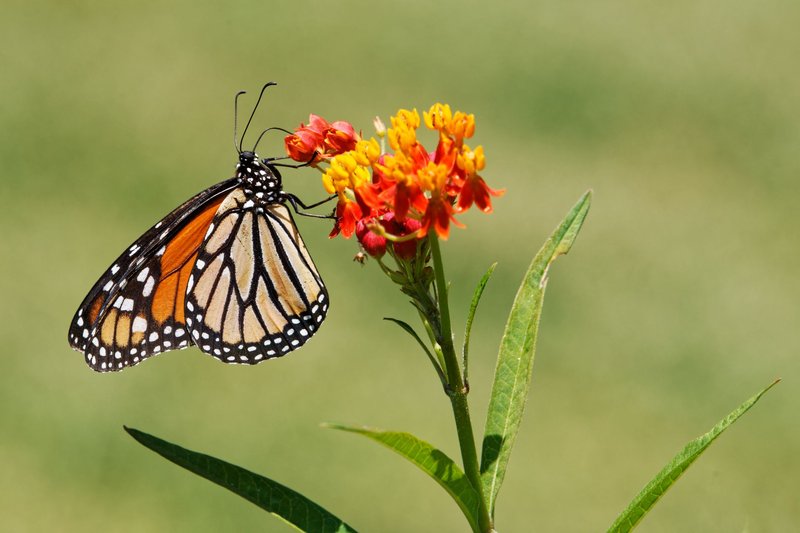
Milkweed (Asclepias) is the plant monarchs cannot do without. Female monarchs lay eggs only on milkweed, and the caterpillars eat nothing else. Canada’s wildlife status committee, COSEWIC, assessed the monarch as endangered in 2016, so milkweed is a practical contribution rather than a gesture. Common milkweed (A. syriaca) is the classic, and it spreads aggressively by rhizomes. Swamp milkweed (A. incarnata) is the better-mannered choice for a small yard, with pink flower clusters and a preference for moist soil.
Wild bergamot (Monarda fistulosa) has lavender, shaggy flowers from July to August that draw hummingbirds, bumblebees, and hummingbird moths. It likes full sun and average to dry soil. Give it airflow, because it can get powdery mildew in humid summers.
New England aster (Symphyotrichum novae-angliae) blooms in September and October, when almost nothing else does. That timing matters: migrating monarchs need late-season nectar to fuel the trip to Mexico. It reaches 1.5 metres and likes moist soil.
Red osier dogwood (Cornus sericea) is a shrub with bright red stems that look vivid against winter snow. It thrives in wet soil and feeds birds with white berries in late summer. It grows across the country.
Atlantic Canada
Acidic soils, fog, and salt wind define the Maritimes and Newfoundland. Plants from this region often depend on those conditions, and many do not transplant.
Lowbush blueberry (Vaccinium angustifolium) is the easy win here. It needs acidic soil and full sun, stays under 50 centimetres, turns scarlet in fall, and produces fruit for you and the bears. Wild blueberries are a major crop in Nova Scotia, where they are the provincial berry. They are one of 32 native and cultivated fruits that grow from coast to coast.
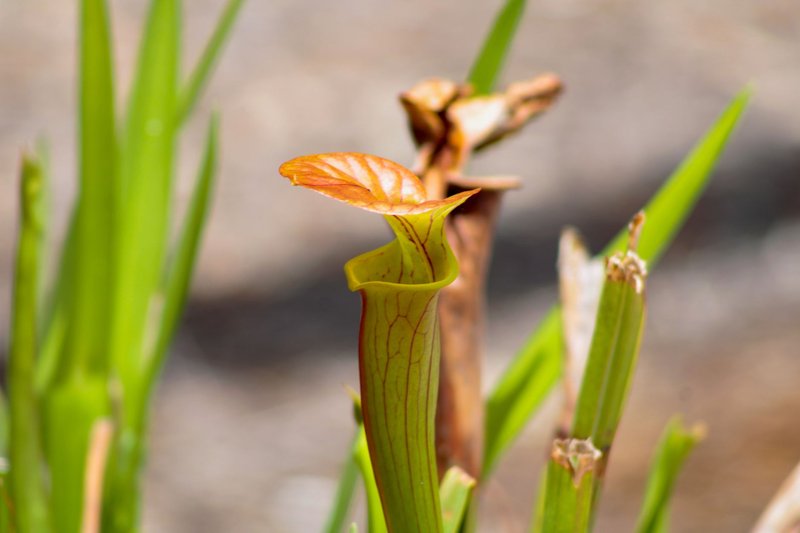
Purple pitcher plant (Sarracenia purpurea) is Newfoundland and Labrador’s floral emblem. It is a carnivorous plant that traps insects in water-filled leaves, and it grows in acidic bogs with almost no nutrients. You can grow one in a container bog with rainwater and peat-based mix, but only from a nursery-propagated plant.
Mayflower (Epigaea repens) is Nova Scotia’s emblem, a trailing evergreen with fragrant pink-white flowers in April. Pink lady’s slipper (Cypripedium acaule) is Prince Edward Island’s. Both rely on specific soil fungi, and both almost always die when dug up and moved. Look at them in the woods and leave them there.
The North
The Arctic and subarctic growing season can be six weeks long. Northern plants grow low, grow slowly, and flower the minute they can.
Fireweed (Chamaenerion angustifolium) is the Yukon’s floral emblem. It is often the first plant back after a forest fire, and it throws up magenta spikes up to 2 metres tall in July and August. The young shoots are edible, and bees make a pale, delicate honey from it. In a garden, it spreads aggressively by rhizomes, so give it room to roam or keep it in a bed with hard edges.
Purple saxifrage (Saxifraga oppositifolia), Nunavut’s emblem, is a mat-forming plant that flowers within days of snowmelt, sometimes while the ground is still half frozen. It does well in a sunny rock garden with sharp drainage.
Mountain avens (Dryas integrifolia) is the Northwest Territories’ emblem. Its eight-petalled cream flowers sit above evergreen leaves, and its roots host nitrogen-fixing bacteria, which helps it colonize bare gravel.
Quick-reference table
| Plant | Region | Sun | Soil | Wildlife value |
|---|---|---|---|---|
| Pacific dogwood | BC coast | Part shade | Rich, well-drained | Berries for birds, pollinators |
| Salal | BC coast | Shade to part shade | Acidic, well-drained | Berries for birds, hummingbirds |
| Common camas | BC coast | Full sun | Moist spring, dry summer | Native bees |
| Tall Oregon-grape | BC coast | Sun to part shade | Average, well-drained | Early bumblebees, birds |
| Prairie crocus | Prairies | Full sun | Dry, well-drained | Early-spring bees |
| Purple prairie clover | Prairies | Full sun | Dry to average | Native bees, nitrogen fixer |
| Blanket flower | Prairies, BC interior | Full sun | Poor, well-drained | Bees, butterflies, seed-eating birds |
| Saskatoon | Prairies, widespread | Sun to part shade | Average, well-drained | Pollinators, fruit-eating birds |
| White trillium | Ontario, Quebec | Shade | Rich, moist woodland | Ants, early bees |
| Blue flag iris | Ontario, Quebec, Atlantic | Sun to part shade | Wet to standing water | Bees, wetland birds |
| Swamp milkweed | Ontario, Quebec | Full sun | Moist to wet | Monarch caterpillars, nectar for bees |
| Wild bergamot | BC to Quebec | Full sun | Average to dry | Hummingbirds, bees |
| New England aster | Ontario, Quebec | Full sun | Moist | Late-season nectar for monarchs |
| Red osier dogwood | Nationwide | Sun to part shade | Moist to wet | Birds, pollinators |
| Lowbush blueberry | Atlantic, Quebec | Full sun | Acidic, sandy | Bees, birds, bears |
| Purple pitcher plant | Newfoundland, Atlantic bogs | Full sun | Acidic bog | Insect prey, specialized habitat |
| Fireweed | Yukon, nationwide | Full sun | Disturbed, well-drained | Bees, honey |
| Purple saxifrage | Arctic, Nunavut | Full sun | Gravelly, sharp drainage | First nectar of the Arctic spring |
Which native plant for your yard
Searching by province only gets you so far. These pairings start from the problem in your yard.
- Deep shade: White trillium, salal, and wild ginger. Pair them with ferns and leaf litter.
- Wet or soggy ground: Blue flag iris, swamp milkweed, and red osier dogwood. They turn a drainage problem into habitat.
- Hot, dry, full sun: Purple prairie clover, blanket flower, prairie crocus, and wild bergamot. Skip the sprinkler.
- A hedge or privacy screen: Saskatoon, red osier dogwood, and tall Oregon-grape. All three feed birds.
- Monarchs and other pollinators: Milkweed for the caterpillars, bergamot for summer nectar, and New England aster for fall.
- Acidic soil that struggles with everything else: Lowbush blueberry. Stop amending the soil and plant with it.
Start with three to five species that match your zone, light, and soil. A small patch of the right plants outperforms a big patch of the wrong ones.
Protected species and plants to leave alone
Some native plants are rare because people took them.
Wild ginseng (Panax quinquefolius) is listed as endangered under Canada’s Species at Risk Act. Poachers dig the roots from Ontario and Quebec woodlands for sale overseas, and harvesting it from the wild is illegal. Dozens of Canadian orchids, lilies, and prairie plants appear on the same registry.
Picking wildflowers in national parks is banned, and most provincial parks follow suit. Rules vary by province, so check locally. As a rule of thumb, don’t pick trilliums, lady’s slippers, or anything you cannot identify. Take photos instead.
Where to buy native plants ethically
Buy nursery-propagated plants, not wild-collected ones. Ask the seller directly: “Were these grown from seed or cuttings at this nursery?” A good native plant nursery answers in a sentence and can tell you where the seed came from.
Two more questions are worth asking. Is the stock local? Seeds from within your region are adapted to your climate and are better suited than plants shipped across the continent. And were the plants treated with neonicotinoid insecticides? Those chemicals persist in plant tissue and can poison the bees you planted for.
Look for native plant societies and conservation authorities in your province, many of which hold seasonal plant sales. WWF-Canada’s province-by-province list of native species is a useful starting point if you’re not sure what belongs where.
Native plants from Canada’s own regions will do more for your yard than anything from a big-box garden centre. Pick your region, choose three plants, and put them in this spring.