TLDR
- Nunavut has no confirmed, established invasive species on land.
- One marine species is now suspected: the bay barnacle, detected through environmental DNA (eDNA) near Pond Inlet and reported in Global Change Biology in October 2025.
- The detection is not yet a confirmed population. Fisheries and Oceans Canada (DFO) wants visual confirmation of live animals.
- The main routes in are ships: ballast water, hull biofouling, cruise vessels and mining supply traffic. Arctic shipping has risen roughly 250% since 1990.
Table of contents
- Do invasive species exist in Nunavut?
- Native, non-native, invasive: why the numbers disagree
- The bay barnacle and the eDNA caveat
- Land species: plants and birds
- How species get to the Arctic
- Which ports carry the most risk
- What residents and visitors can do
- Frequently asked questions
Do invasive species exist in Nunavut?
Not on land, as far as anyone has confirmed. In the water, possibly one. That’s the short answer, and it’s changing.
For years the official line was simple. A Government of Nunavut brochure from 2022 states that no invasive species are currently known in the territory. Then researchers sampling seawater near Pond Inlet, on northern Baffin Island, picked up genetic traces of a barnacle that doesn’t belong there. It was the first suspected invasive marine animal in Nunavut, and it turned a “none known” territory into a “none confirmed, one suspected” one.
The cold has been Nunavut’s main defense. Short growing seasons, frozen ground and sea ice that scours the shoreline make life hard for newcomers. Those barriers are thinning as the Arctic warms and ice-free shipping seasons lengthen.
Native, non-native, invasive: why the numbers disagree
You’ll see two figures online: “no invasive species” and “15 to 17 exotic species.” Both can be true, because they count different things.
- Native: a species that arrived on its own, over natural timescales, and belongs to the local ecosystem.
- Non-native (exotic): a species found outside its natural range because people moved it, on purpose or by accident.
- Invasive: a non-native species that spreads and causes ecological, economic or health harm.
Most exotic species stay quiet. A dandelion seed that hitched a ride on a boot and sprouts beside a gravel road is non-native, but it isn’t taking over the tundra. The “15 to 17” figure counts non-natives that have been recorded. The “none known” line counts only the ones doing documented damage. Neither source reconciles the two, which is why the same territory can look both untouched and already compromised.
The bay barnacle and the eDNA caveat
The bay barnacle (Amphibalanus improvisus) is a small, hard-shelled filter feeder that attaches itself to rocks, pilings and ship hulls. It tolerates a wide range of salinity and temperature, which has let it spread across temperate coasts worldwide, largely on ships.
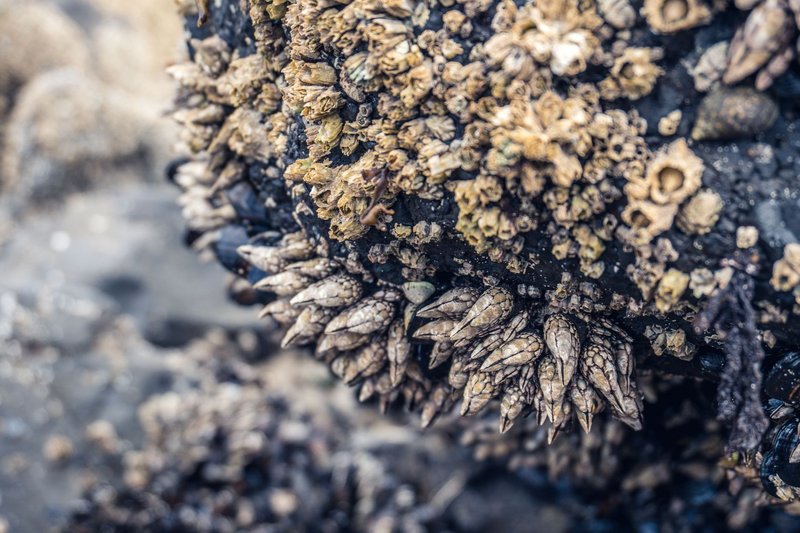
The Nunavut detection came from eDNA: fragments of genetic material that animals shed into the water. Researchers filter a water sample, sequence what’s in it, and match the results against known species. It’s a sensitive method that can flag an animal long before anyone sees one. The finding was published in Global Change Biology in October 2025.
The weak point is that DNA in water doesn’t prove a living population. It can come from a larval drift, from a dead animal, or from material discharged by a passing vessel. That’s why DFO wants a diver or a survey team to find and photograph actual barnacles before calling the species established. Until that happens, the accurate wording is “suspected,” not “confirmed.”
Why it matters if it holds: barnacles foul hulls, nets and infrastructure, and they compete for hard surfaces with native filter feeders. In an ecosystem with few species, one aggressive newcomer takes up a lot of the available room.
Land species: plants and birds
On land, the picture is quieter. The research flagged a few species worth watching, including northern tansy mustard, a weedy plant that favors disturbed ground, and the European starling, a bird that spread across North America after being released in New York in the 1890s.
Neither is a documented crisis in Nunavut. The risk pattern is the same one seen elsewhere in Canada: disturbed soil around airstrips, roads, mine camps and construction sites gives hardy weeds their first foothold. A seed carried in on a boot tread, a gravel load or a shipment of fill can do the work.
Here’s the gap in the coverage. Almost nothing public profiles Nunavut-specific risks for insects, freshwater fish or the lakes and rivers that Arctic char depend on. Inuit knowledge and community-based monitoring are also missing from most write-ups, even though the people who hunt, fish and travel the land are usually first to notice something unfamiliar.
How species get to the Arctic
Almost every route runs through shipping. Traffic in the Arctic has grown by about 250% since 1990, and each extra vessel is a chance for something to travel north.
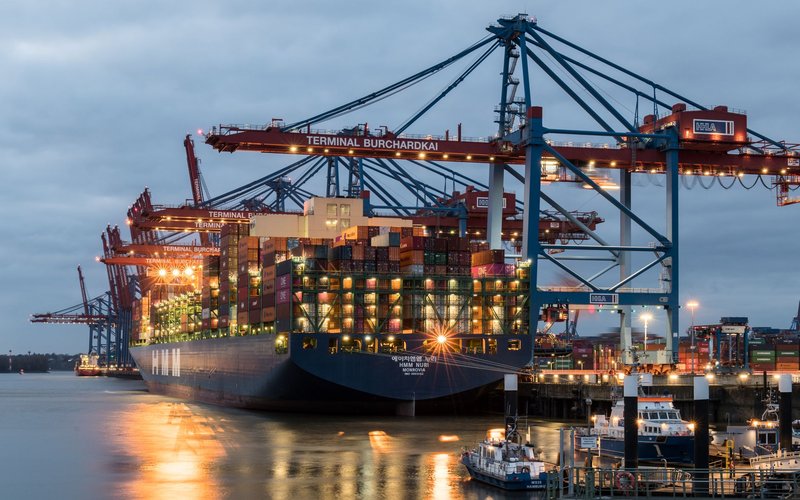
- Ballast water: ships take on water in one port to stay stable and release it in another. A tank loaded in a temperate harbor can carry larvae and eggs into Arctic waters. The International Maritime Organization has ballast water management rules meant to treat this water, but compliance and cold-water performance are ongoing concerns.
- Hull biofouling: organisms that grow on a ship’s hull, propeller and sea chests travel with it. Barnacles are a textbook case, and they’re the likeliest explanation for the Pond Inlet signal.
- Cruise tourism: expedition cruises visit Nunavut communities along routes that were once blocked by ice, and they move between regions quickly.
- Mining supply: resupply ships serve remote mine sites that depend on seasonal sealift.
- Aircraft and cargo: seeds and insects ride in gear, vehicles and freight.
The Northwest Passage is the larger story behind all of this. As it opens for longer stretches, it connects Atlantic and Pacific waters that stayed separate for millennia, and that makes the whole Arctic a more open system for species movement.
Which ports carry the most risk
Not every port is equal. The ones that combine heavy traffic with deep-water access are the likeliest entry points. DFO’s aquatic invasive species program tracks risk in Canadian waters, and several Arctic-linked ports stand out.
| Port | Location | Why it matters |
|---|---|---|
| Iqaluit | Baffin Island, Nunavut | Territorial capital and main sealift hub; receives ships from southern ports |
| Churchill | Hudson Bay, Manitoba | Canada’s northern deep-sea port; ships here sail into Nunavut waters |
| Deception Bay | Northern Quebec | Mining port on Hudson Strait; heavy bulk-carrier traffic |
Churchill and Deception Bay aren’t in Nunavut, but vessels loading there move through the same shared waters. An organism that settles in one can reach the others within a shipping season.
What residents and visitors can do
The best control for an invasive species is stopping it before it lands. Most of the practical steps are cheap.
- Clean your gear. Brush soil and seeds from boots, tents, packs and vehicle tires before you travel north and again between sites.
- Clean your boat. Scrub the hull and flush the engine and bilge. Let everything dry fully before moving to a new body of water.
- Don’t move fish, bait or plants. Releasing a pet, dumping a bait bucket or transplanting a garden plant is how many invasions begin.
- Report what looks unfamiliar. Photograph it, note the location and contact local wildlife officers or the territorial government.
- Ask operators. Cruise and charter companies should be able to tell you how they manage ballast water and hull cleaning.
Frequently asked questions
Are there invasive species in Nunavut right now? None are confirmed. The bay barnacle is the first suspected invasive marine species, based on eDNA, and it still needs visual confirmation.
Why does eDNA not count as proof? It shows genetic material was in the water. It can’t tell you whether the animal was alive, local, or carried in by a passing ship.
What’s the biggest threat? Shipping. Ballast water and hull fouling are the main pathways, and Arctic ship traffic has risen about 250% since 1990.
Could invasive species survive the cold? Some can. Species with wide temperature tolerance, like the bay barnacle, are the most likely to cope, and warming waters make it easier each year.