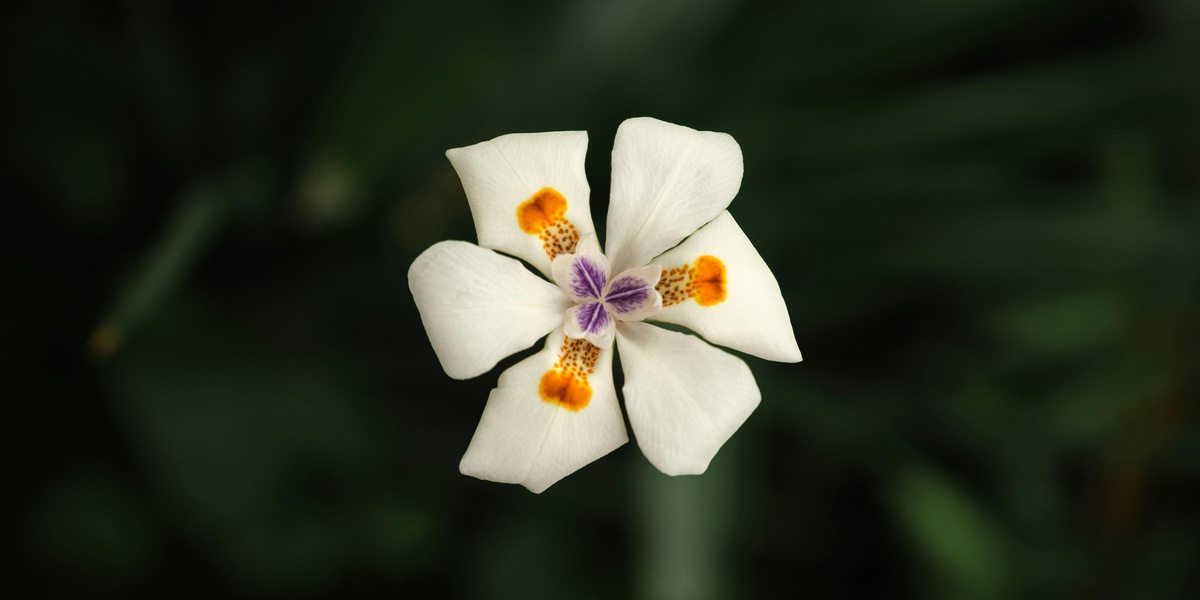
Chile’s long, narrow shape creates dramatic habitat changes—from Pacific coast fog belts to high Andean plateaus—so the plants here have evolved in isolation and surprising variety. This list focuses on species that define those landscapes and the roles they play for ecosystems and people.
There are 30 Chile’s native plants, ranging from Alerce to Yareta; for each entry you’ll find below the Scientific name, Region(s), and Habitat to help you place and identify them in the field, and you’ll find below full details for easy reference.
How can I identify these native plants when I’m out in nature?
Start by noting location and habitat (coastal, montane, desert), then record leaf shape, flower color, growth form and any bark or resin traits; take clear photos of multiple parts. Use the Scientific name column to match with regional field guides or apps, and compare with trusted herbarium or conservation sites for confirmation.
Are any of these species protected or considered at risk?
Yes—several are protected or listed as threatened; Alerce (Fitzroya) is a well-known protected tree and others face pressures from habitat loss and grazing. Check the IUCN Red List and Chilean conservation authorities for current status and local protection rules before collecting or disturbing plants.
Chile’s Native Plants
| Common name | Scientific name | Region(s) | Habitat |
|---|---|---|---|
| Pehuén | Araucaria araucana | Araucanía,Ñuble,Maule,Los Ríos | Andean temperate forests,subalpine |
| Alerce | Fitzroya cupressoides | Los Ríos,Los Lagos,Aysén | Temperate rainforest |
| Copihue | Lapageria rosea | Los Lagos,Los Ríos,Ñuble | Temperate rainforest understory |
| Lenga | Nothofagus pumilio | Aysén,Magallanes,Los Lagos | Subalpine and alpine forests |
| Coihue | Nothofagus dombeyi | Los Ríos,Los Lagos,Bío-Bío | Temperate evergreen forest |
| Raulí | Nothofagus alpina | Ñuble,Bío-Bío,La Araucanía,Los Ríos | Temperate forests |
| Quillay | Quillaja saponaria | Coquimbo,Valparaíso,Metropolitana | Sclerophyllous forest,coastal scrub |
| Arrayán | Luma apiculata | Los Ríos,Los Lagos | Riparian temperate forests,wetlands |
| Chilean wine palm | Jubaea chilensis | Coquimbo,Valparaíso,Metropolitana | Coastal foothills,semi-arid valleys |
| Algarrobo | Prosopis chilensis | Antofagasta,Atacama,Coquimbo,Valparaíso | Dry valleys,arid scrub |
| Notro | Embothrium coccineum | Los Lagos,Los Ríos,Aysén | Temperate forest edges,shrubland |
| Chagual | Puya chilensis | Coquimbo,Valparaíso,Metropolitana | Coastal hills,yucca-like scrub |
| Echinopsis | Echinopsis chiloensis | Coquimbo,Valparaíso,Metropolitana | Coastal scrub,rocky slopes |
| Copiapoa cactus | Copiapoa cinerea | Atacama Region | Coastal fog desert,sandy slopes |
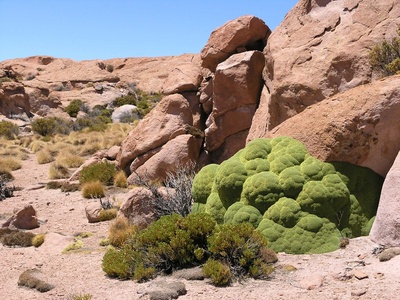
| Yareta | Azorella compacta | Antofagasta,Atacama,Arica | High Andean puna,alpine |
| Maitén | Maytenus boaria | Coquimbo,Valparaíso,Metropolitana,La Araucanía | Sclerophyll forest,coastal woodland |
| Peumo | Cryptocarya alba | Coquimbo,Valparaíso,Metropolitana | Sclerophyll forest,coastal valleys |
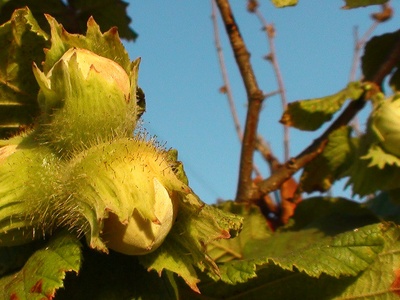
| Avellano | Gevuina avellana | Los Ríos,Los Lagos | Valdivian forest,riverbanks |
| Olivillo | Aextoxicon punctatum | Los Ríos,Los Lagos | Valdivian forest,coastal woodlands |
| Quila bamboo | Chusquea quila | Los Ríos,Los Lagos | Valdivian understory,bamboo thickets |
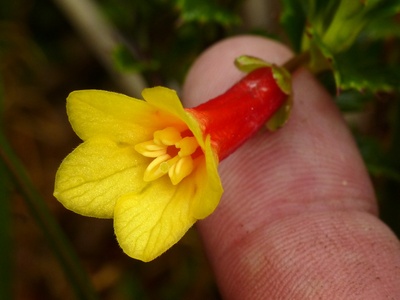
| Desfontainia | Desfontainia spinosa | Los Ríos,Los Lagos,La Araucanía | Temperate understory,shrubland |
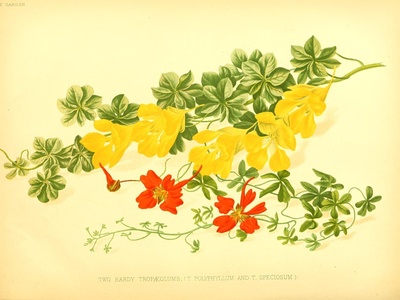
| Flame nasturtium | Tropaeolum speciosum | Los Lagos,Los Ríos | Temperate forest edges,rocky slopes |
| Fascicularia bromeliad | Fascicularia bicolor | Los Lagos,Los Ríos | Temperate forest,epiphytic,rocky |
| Nolana flower | Nolana paradoxa | Antofagasta,Atacama | Coastal desert,sandy flats |
| Guaitecas cypress | Pilgerodendron uviferum | Aysén,Los Lagos,Magallanes | Peat bogs,temperate wet forests |
| Boldo | Peumus boldus | Valparaíso,Metropolitana,Coquimbo | Sclerophyll forest,Mediterranean scrub |
| Matico | Buddleja globosa | Coquimbo,Valparaíso,Metropolitana | Sclerophyll scrub,riverbanks |
| Nalca | Gunnera tinctoria | Los Ríos,Los Lagos | Riparian wetlands,swamps |
| Calafate | Berberis microphylla | Los Lagos,Aysén,Magallanes | Shrubland,patagonian steppe,coastal scrub |
| Tabaco del diablo | Lobelia tupa | Valparaíso,Metropolitana,Los Ríos | Forest edges,coastal scrub |
Images and Descriptions
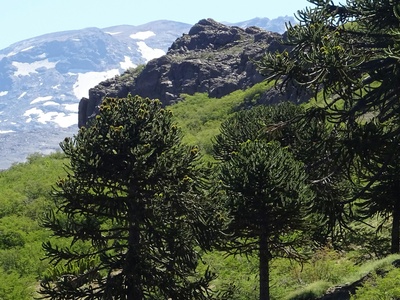
Pehuén
Ancient conifer with distinctive spiky branches and edible pine nuts valued by indigenous Mapuche people. Grows on Andean slopes in central-southern Chile. Slow-growing, culturally important and legally protected; vulnerable due to logging and fires.

Alerce
Colonial long-lived conifer forming massive trunks in cool, wet Valdivian forests. Alerce trees reach millennia of age and yield valuable rot-resistant timber; now heavily protected with scattered old-growth stands and critical conservation importance.
Copihue
Climbing vine with large waxy bell-shaped pink to red flowers, Chile’s national flower. Occurs in shaded southern forest understories where humidity is high. Endemic and prized for ornament; threatened by habitat loss and overcollection.
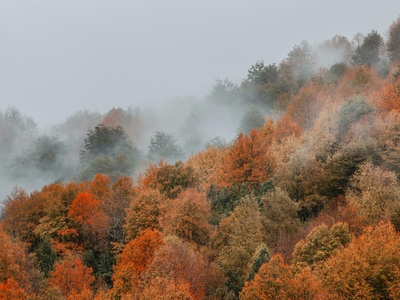
Lenga
Deciduous southern beech forming treeline forests across southern Andes. Leaves turn coppery in autumn; important for mountain ecosystems, timber, and as habitat for wildlife. Tolerant of harsh alpine conditions and cold winds.
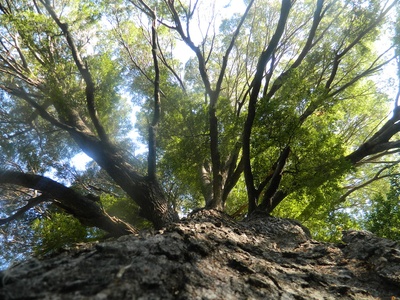
Coihue
Large evergreen beech common in lowland and montane temperate rainforests. Coihue forms tall, dense stands providing timber and habitat. Notable for rapid growth and broad crown shading the forest understory where mosses and ferns thrive.
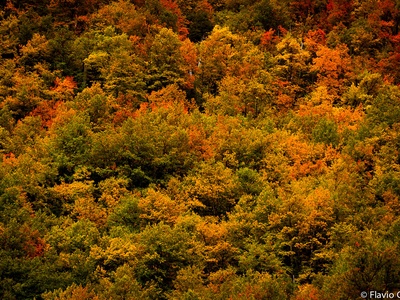
Raulí
Moderately large deciduous tree of central-southern Chile with smooth grey bark and broad leaves. Raulí wood is valued for furniture and construction; populations have declined from logging, so older stands are important for forest restoration and conservation.
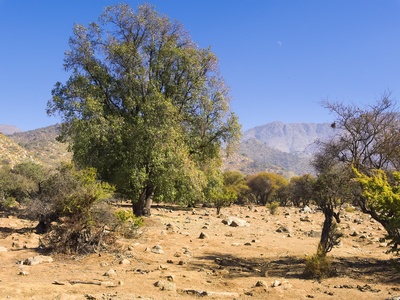
Quillay
Evergreen tree of Chile’s Mediterranean zone with smooth bark and fragrant flowers. Bark contains saponins used traditionally and commercially as a soap substitute and in pharmaceuticals. Important for dry forest ecosystems and erosion control.
Arrayán
Small evergreen tree with cinnamon-orange smooth bark and dense glossy leaves, often along streams in Valdivian forests. Produces edible berries and scented flowers; prized for its ornamental bark and cultural value in local landscapes.
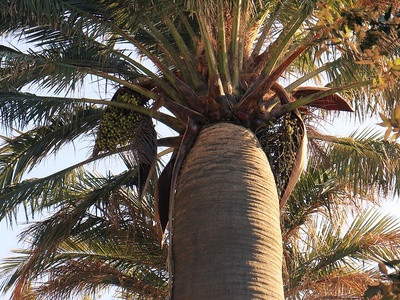
Chilean wine palm
Massive slow-growing palm with stout trunk and pinnate leaves, once widespread in central Chile. Produces sweet sap and edible seeds; now survives in scattered wild remnants and cultivated stands, considered endangered from historical exploitation and habitat loss.
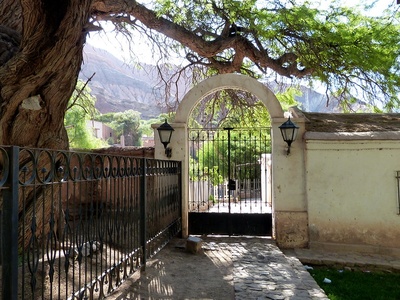
Algarrobo
Pioneer nitrogen-fixing leguminous tree of northern and central arid regions, producing edible pods used as livestock feed and traditional flour. Deep roots stabilize soils; tolerant of drought and important in rural agroecosystems and desert fringes.
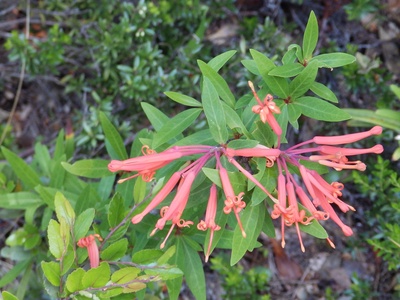
Notro
Striking shrub or small tree with bright red-orange brushlike flowers favored by hummingbirds. Widely admired in parks and forests of southern Chile; flowers provide nectar in spring and its wood and bark have traditional uses.
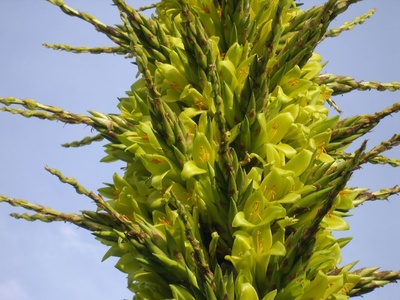
Chagual
Large terrestrial bromeliad with spiny rosette leaves and tall towering inflorescences bearing tubular flowers. Common on dry slopes of central Chile; sharp leaves deter herbivores and colorful flower spikes attract hummingbirds and insects.
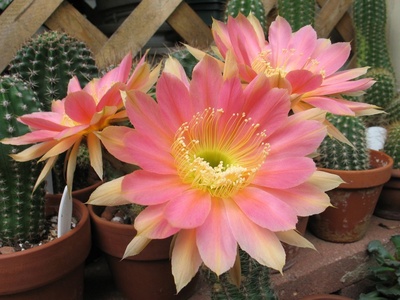
Echinopsis
Columnar cactus native to Chile’s coastal and lowland regions, forming stout stems and nocturnal white flowers. Drought-tolerant and often seen on rocky outcrops; historically used by indigenous peoples and important for desert biodiversity.
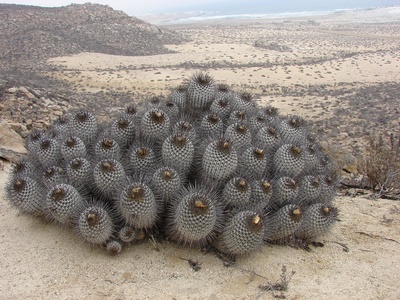
Copiapoa cactus
Iconic pale grey columnar cactus forming cushions in Atacama fog oases. Endemic to northern coastal deserts, adapted to capture fog moisture and survive extreme aridity; many species in the genus are locally restricted and conservation-concerned.
Yareta
Dense low cushion plant forming bright green mats on high Andean puna. Extremely slow-growing and long-lived, yareta provides habitat and was traditionally harvested for fuel. Highly adapted to cold, UV intense alpine environments.
Maitén
Evergreen tree with small glossy leaves and flaky bark common in central Chile. Produces small fruits eaten by birds; used as windbreaks and ornamentals. Resilient to dry summers and important in native woodland restoration.
Peumo
Aromatic evergreen tree of central Chile producing red edible berries and fragrant foliage. Peumo’s wood is dense and its fruits feed birds. Integral to sclerophyllous ecosystems and valued by indigenous communities for food and medicine.
Avellano
Evergreen tree producing rich oily nuts similar to hazelnuts, prized as food and flavoring. Grows in temperate rainforests and riparian zones; seeds are nutritious and locally harvested, with potential for wider culinary use.
Olivillo
Unique evergreen tree of Valdivian rainforests, sole species in its family, with dense canopy and leathery leaves. Produces small fruits eaten by birds and contributes to complex forest structure and high local biodiversity.
Quila bamboo
Native bamboo forming dense understory thickets called quilantales in southern Chile. Produces edible shoots and provides habitat for birds and mammals. Its extensive rhizomes influence forest regeneration and fire ecology.
Desfontainia
Evergreen woody shrub with glossy lanceolate leaves and tubular fragrant flowers, often found in shaded forest understories. Historically used in rituals by indigenous peoples; contains alkaloids and has a distinctive balsamic scent.
Flame nasturtium
Tuberous climbing plant with cascades of bright scarlet flowers, attractive to hummingbirds. Native to southern Chile’s cool, moist rocky outcrops and forest margins; valued in gardens for bold floral displays but vulnerable in wild populations.
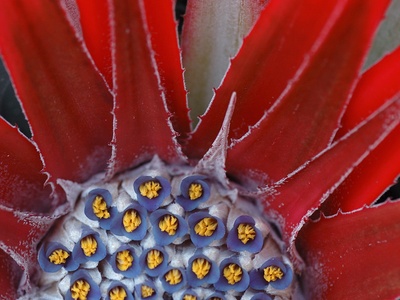
Fascicularia bromeliad
Compact bromeliad with silver-green leaves and striking red inflorescence; often epiphytic or terrestrial in Valdivian forests. Tolerates cool wet conditions and is used ornamentally; attracts pollinators and adds color to shaded understories.
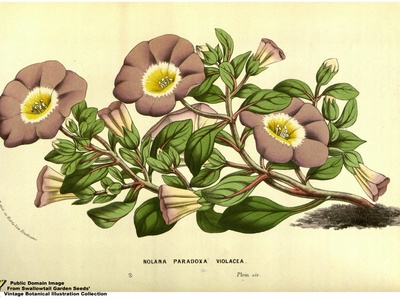
Nolana flower
Low-growing perennial with bright blue to violet flowers found on foggy coastal flats of northern Chile. Shows remarkable tolerance to saline soils and is a classic example of Atacama floral adaptation and endemism.
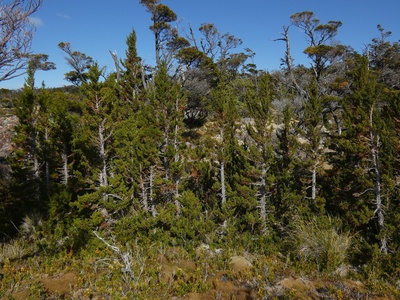
Guaitecas cypress
Slow-growing cypress of southern Chile’s wet peatlands and forests, tolerant of cold and waterlogged soils. Valuable timber historically; many populations reduced, making conservation of remaining stands important for peatland ecosystems. It supports unique understory biodiversity.
Boldo
Aromatic evergreen shrub or small tree with glossy leaves used traditionally as herbal medicine and flavoring. Boldo thrives in central Chile’s dry woodlands and contributes to local ethnobotany and biodiversity.
Matico
Shrubby plant with golden-orange globular flower clusters attractive to bees and hummingbirds. Matico has traditional medicinal uses and is common in disturbed sites, roadsides, and riparian scrub across central Chile.
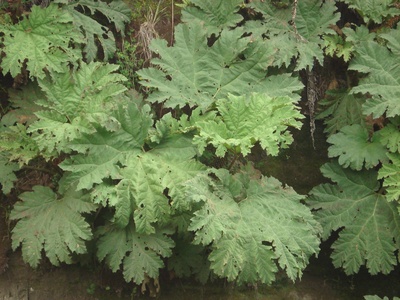
Nalca
Giant-leaved herb with enormous umbrella-like leaves along streams and wetlands in southern Chile. Young leaf stalks are edible as a traditional vegetable; the plant shapes streamside microhabitats and supports wetland biodiversity.
Calafate
Spiny evergreen shrub with dark glossy leaves and deep blue edible berries. Calafate is culturally significant in Patagonia for jams and folklore; birds disperse its fruit and it helps stabilize soils in harsh southern environments.
Tabaco del diablo
Shrubby plant with tall spikes of tubular red flowers and sticky leaves used traditionally as a medicinal and ritual plant. Attractive to hummingbirds, common on coastal slopes and disturbed sites in central-southern Chile.