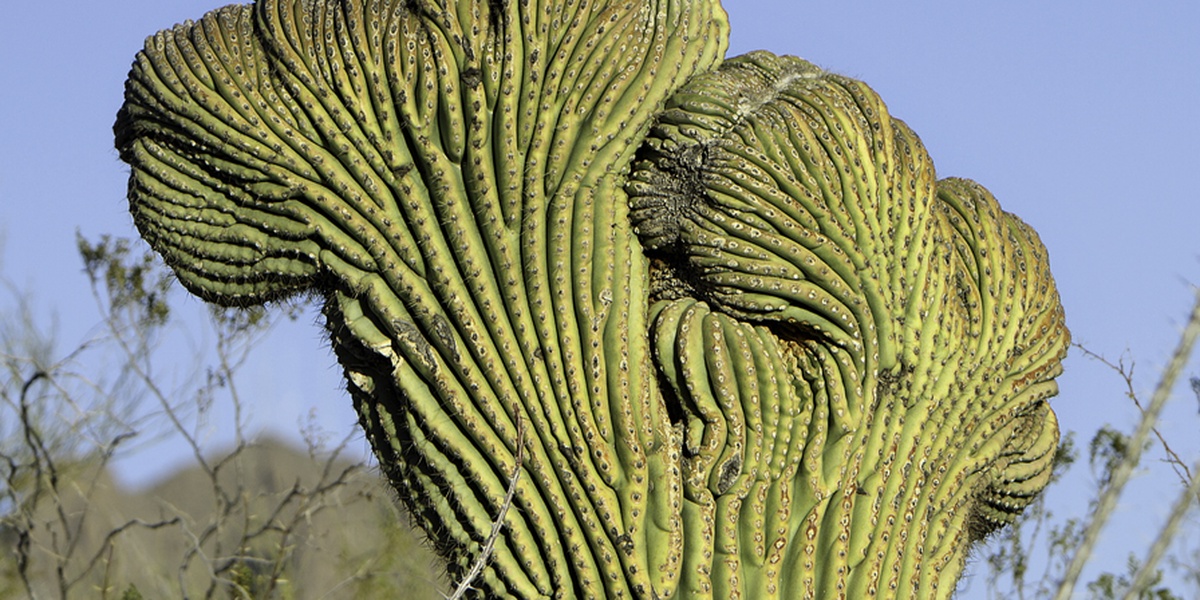
Across arid regions from the Sonoran to the Altiplano, plants have evolved clever ways to cope with heat, scarce rain and salty soils. Observing leaf shapes, root systems and growth forms reveals how life persists where conditions seem toughest.
There are 49 Desert Flora, ranging from Agave (desert agave),Yareta, illustrating forms from water-storing rosettes to dense cushion plants. I’ve organized each entry by Scientific name,Max height (m),Native range — you’ll find below.
How do most desert plants conserve water?
Many use a mix of strategies: succulent tissues to store water, deep or widespread roots to capture rare rains, small or no leaves to reduce evaporation, reflective or hairy surfaces to lower leaf temperature, and CAM photosynthesis to fix CO2 at night when humidity is higher.
Can any of these species be grown in home gardens or used for restoration?
Yes—several are excellent for drought-tolerant landscaping and ecological restoration when matched to local conditions; choose native species, ensure fast drainage, avoid overwatering, and check legal protections (some slow-growing endemics are protected or hard to source).
Desert Flora
| Common name | Scientific name | Max height (m) | Native range |
|---|---|---|---|
| Saguaro | Carnegiea gigantea | 12 | Sonoran Desert, USA and Mexico |
| Joshua tree | Yucca brevifolia | 9 | Mojave Desert, USA |
| Creosote bush | Larrea tridentata | 3 | SW USA and northern Mexico deserts |
| Ocotillo | Fouquieria splendens | 6 | Sonoran and Chihuahuan deserts, USA and Mexico |
| Barrel cactus | Ferocactus wislizeni | 2.5 | Sonoran and Chihuahuan deserts, USA and Mexico |
| Prickly pear | Opuntia engelmannii | 3 | Southwestern USA and Mexico deserts |
| Teddy-bear cholla | Cylindropuntia bigelovii | 3 | Sonoran Desert, USA and Mexico |
| Agave (desert agave) | Agave deserti | 1 | Sonoran Desert, SW USA and Baja California |
| Brittlebush | Encelia farinosa | 2 | Sonoran and Mojave deserts, USA and Mexico |
| Mesquite | Prosopis glandulosa | 10 | Chihuahuan and southern North American deserts |
| Palo verde | Parkinsonia microphylla | 8 | Sonoran Desert, USA and Mexico |
| Ironwood | Olneya tesota | 12 | Sonoran Desert, USA and Mexico |
| Spanish bayonet (Yucca) | Yucca schidigera | 4 | Mojave and Sonoran deserts, USA and Mexico |
| Desert willow | Chilopsis linearis | 10 | Southwestern USA and northern Mexico deserts |
| Jojoba | Simmondsia chinensis | 2.5 | Sonoran and Mojave deserts, USA and Mexico |
| Globemallow | Sphaeralcea ambigua | 1.2 | Sonoran and Mojave deserts, USA and Mexico |
| Desert milkweed | Asclepias subulata | 1.5 | Sonoran and Baja deserts, USA and Mexico |
| Beavertail cactus | Opuntia basilaris | 0.6 | Southwestern USA and Baja California deserts |
| Desert marigold | Baileya multiradiata | 0.4 | Sonoran and Chihuahuan deserts, USA and Mexico |
| Big sagebrush | Artemisia tridentata | 3 | Great Basin cold deserts, USA |
| Mulga (Acacia) | Acacia aneura | 12 | Australian arid interior |
| Spinifex (triodia) | Triodia basedowii | 0.6 | Australian arid interior |
| Fourwing saltbush | Atriplex canescens | 3 | SW USA deserts and plains |
| Welwitschia | Welwitschia mirabilis | 1.5 | Namib Desert, Namibia and Angola |
| Pencil tree (Euphorbia) | Euphorbia tirucalli | 6 | East Africa and African arid zones |
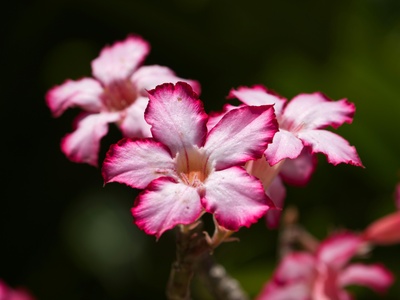
| Desert rose | Adenium obesum | 3 | Sahel to Arabian Peninsula arid zones |
| Frankincense tree | Boswellia sacra | 8 | Socotra, Arabian Peninsula and Horn of Africa arid zones |
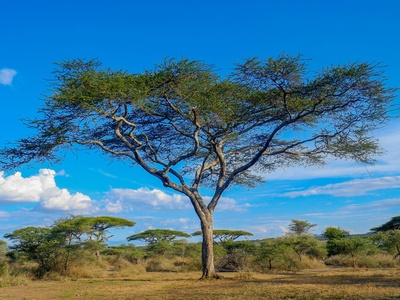
| Umbrella thorn / Vachellia tortilis | Vachellia tortilis | 20 | Sahara, Sahel and Arabian deserts |
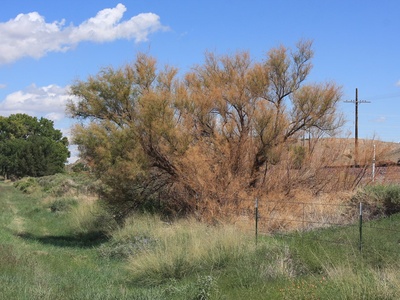
| Tamarisk (saltcedar) | Tamarix aphylla | 14 | Central Asia and Middle East arid regions |
| Saxaul | Haloxylon ammodendron | 8 | Central Asian deserts (Gobi, Taklamakan) |
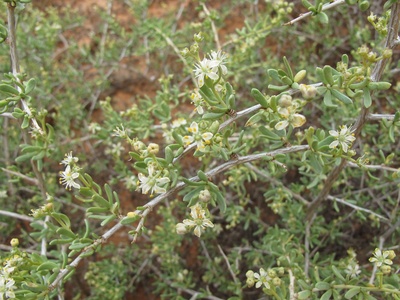
| Nitre bush | Nitraria retusa | 3 | Sahara, Arabian Peninsula and North Africa |
| Date palm | Phoenix dactylifera | 25 | Middle Eastern and North African oases |
| Tamarugo mesquite | Prosopis tamarugo | 10 | Atacama Desert, Chile |
| Yareta | Azorella compacta | 0.2 | High Andean puna (Peru, Bolivia, Chile) |
| Copiapoa cactus | Copiapoa cinerea | 1.8 | Atacama Desert, Chile |
| Echinopsis (Atacama cactus) | Echinopsis atacamensis | 3 | Andean foothills and Atacama region |
| Greasewood | Sarcobatus vermiculatus | 3 | Great Basin and Mojave desert flats, USA |
| Calligonum | Calligonum comosum | 1.5 | Sahara and Arabian deserts |
| White wormwood | Artemisia herba-alba | 1 | Sahara and Middle Eastern deserts |
| Ghaf (Prosopis) | Prosopis cineraria | 10 | Arabian Peninsula and Thar Desert, South Asia |
| Syrian bean-caper (Zygophyllum) | Zygophyllum qatarense | 1.5 | Arabian Peninsula desert and sand seas |
| Mormon tea (Ephedra) | Ephedra nevadensis | 1.2 | Great Basin and Mojave deserts, USA |
| Sotol | Dasylirion wheeleri | 2 | Chihuahuan and Sonoran deserts, USA and Mexico |
| Quiver tree | Aloidendron dichotomum | 9 | Namib and Succulent Karoo, Namibia and S Africa |
| Poison Euphorbia | Euphorbia virosa | 5 | Namib and Kalahari arid regions |
| Hoodia | Hoodia gordonii | 0.3 | Kalahari Desert, Namibia and Botswana |
| Fagonia | Fagonia indica | 0.5 | Sahara fringe, Arabian Peninsula and South Asian arid zones |
| Camelthorn (Vachellia erioloba) | Vachellia erioloba | 12 | Kalahari and Namib deserts, Southern Africa |
| Aloe quiver tree common name | Aloidendron dichotomum | 9 | Namib and Succulent Karoo, Namibia and S Africa |
Images and Descriptions
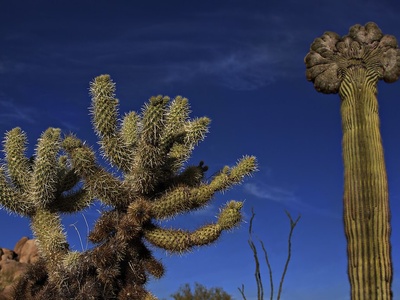
Saguaro
Iconic columnar cactus with deep water-storing stem and pleated ribs that expand after rains. Grows on rocky slopes and bajadas, provides bird nesting sites and cultural value; slow-growing, long-lived, vulnerable to habitat loss.
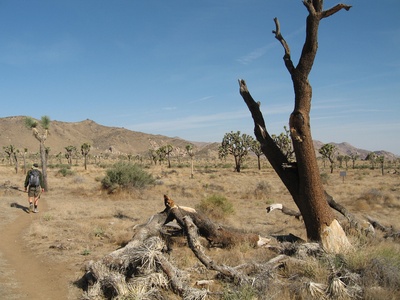
Joshua tree
Striking, branched yucca tree adapted to arid, sandy soils with fibrous roots and CAM photosynthesis. Flowers attract moth pollinators; keystone species for Mojave desert ecology, sensitive to climate change and land-use impacts.
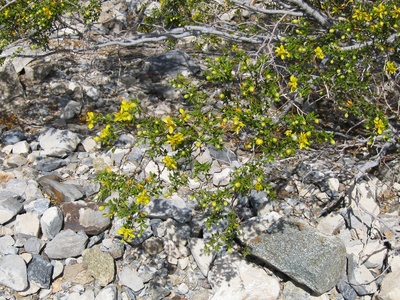
Creosote bush
Dominant desert shrub forming clonal rings with resinous leaves that reduce water loss and allelopathic chemicals to limit competitors. Thrives on rocky flats and washes; key species for soil stabilization and desert food webs.
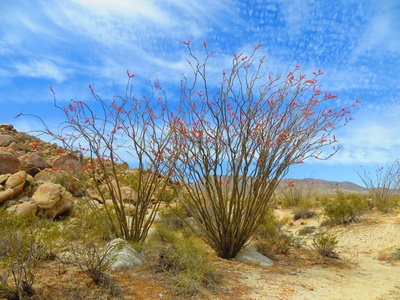
Ocotillo
Tall spiny stems leaf out after rains, dropping leaves in drought to conserve water. Produces showy red flowers that feed hummingbirds; common on slopes and desert washes, valued for erosion control and ornamental use.
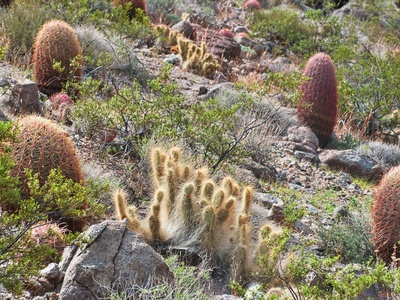
Barrel cactus
Round, ribbed cactus with thick water-storing stem and stout spines. Blooms spring flowers; adapted to infrequent heavy rains, provides food and moisture to wildlife, and suffers from illegal collection.
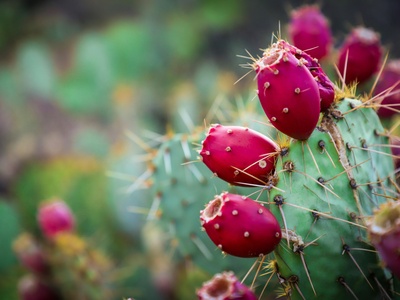
Prickly pear
Flattened pads store water and perform photosynthesis; edible fruits and pads used by people and wildlife. Tolerant of salt and poor soils, reproduces by pads and seeds, common in desert scrub and riparian margins.
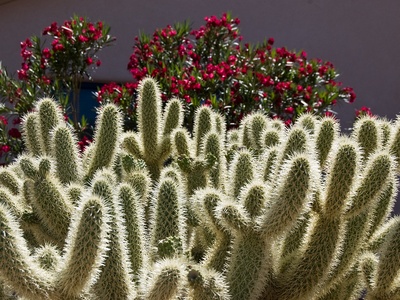
Teddy-bear cholla
Dense, spiny branching cactus with barbed spines that detach to clonally disperse. Succulent stems store water, bloom yellow flowers, and create tricky habitat for animals and hikers in sandy, rocky deserts.
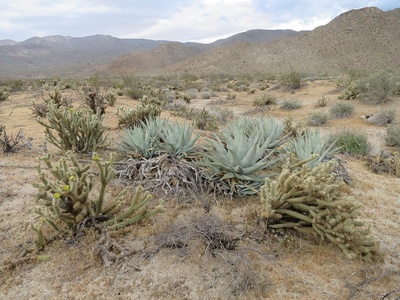
Agave (desert agave)
Rosette succulent with fleshy leaves that store water and minimize surface area; monocarpic flowering stalks attract pollinators. Grows on rocky slopes, used traditionally for fiber and food, adapted to hot, dry summers.
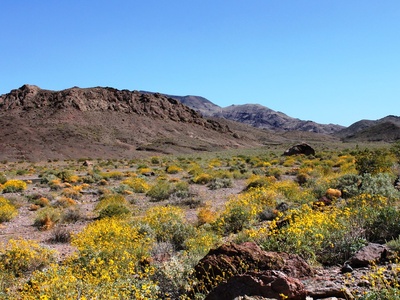
Brittlebush
Silvery, hairy leaves reflect sunlight and reduce water loss; bright yellow daisy-like flowers attract pollinators after rains. Common on rocky slopes and flats, important nectar source and soil stabilizer in arid communities.
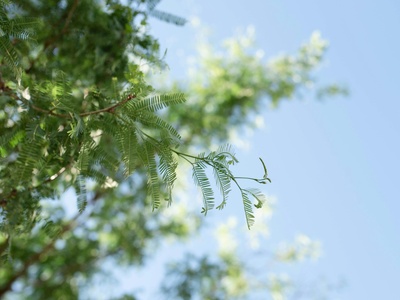
Mesquite
Deep-rooted legume tree that fixes nitrogen and taps groundwater with long roots, tolerating extreme heat and drought. Produces pods eaten by wildlife and historically by people; can form dense woodlands in desert washes.
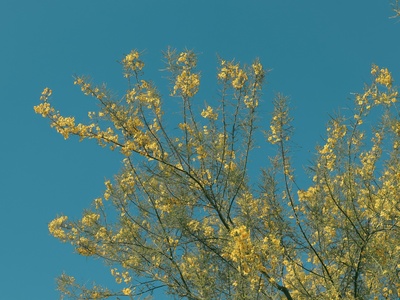
Palo verde
Green photosynthetic bark carries out photosynthesis during drought when leaves drop. Small-leafed, drought-deciduous tree with pea-like flowers, commonly shading desert soils and providing habitat and forage in washes and bajadas.

Ironwood
Slow-growing, long-lived legume tree with dense wood and deep roots that create desert “nurse” habitats. Supports biodiversity by shading seedlings and providing nesting sites; threatened by development in parts of its range.
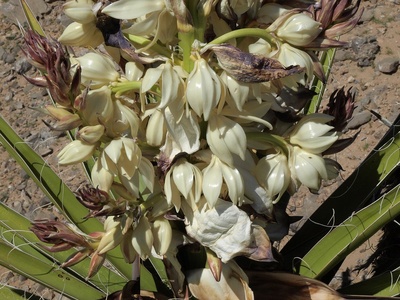
Spanish bayonet (Yucca)
Stiff, dagger-like leaves form rosettes and reduce water loss; tall flower spikes host yucca moth pollinators. Durable in rocky or sandy soils, used traditionally for fibers and as a hardy landscape plant.
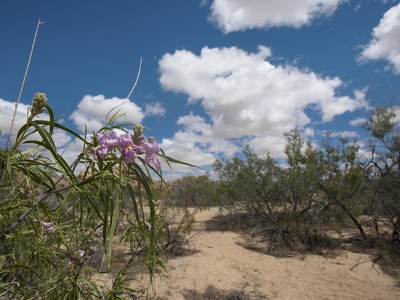
Desert willow
Small, deciduous tree of dry washes with long narrow leaves and tubular flowers that attract hummingbirds. Deep roots access intermittent water; used as ornamental and stabilizer in arid riparian habitats.
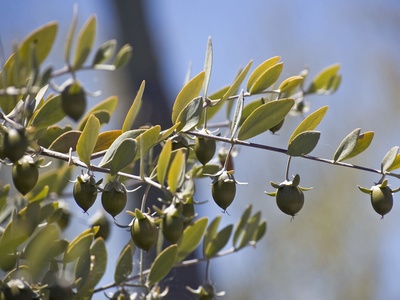
Jojoba
Evergreen, woody shrub adapted to sandy soils with drought-tolerant leaves and deep roots. Seeds yield oil long used by indigenous peoples and industry; important for desert restoration and tolerant of saline soils.
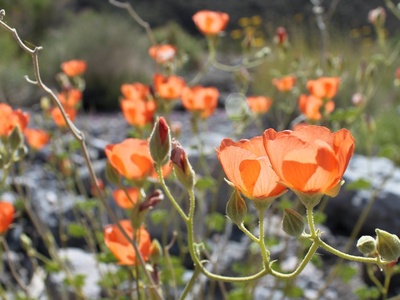
Globemallow
Low multi-stemmed shrub with hairy leaves that limit water loss and showy orange flowers after rains. Common on slopes and desert flats, provides nectar for native bees and is used in xeriscaping.
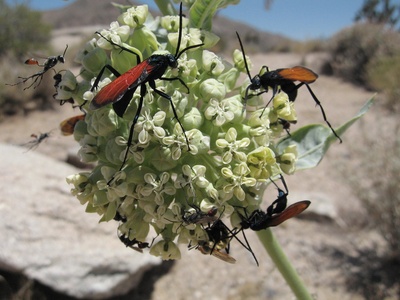
Desert milkweed
Leafless or thin-leaved shrub with succulent stems, shedding leaves in drought. Produces milky sap and clusters of white flowers attracting pollinators; hosts butterflies and survives in sandy washes and gravelly soils.
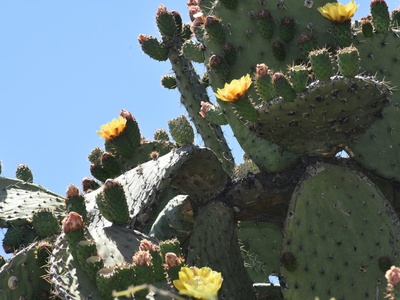
Beavertail cactus
Low, pad-forming cactus with bright pink flowers and flattened pads that conserve water. Thrives on rocky slopes and desert flats, important nectar source and less spiny than other prickly pears.
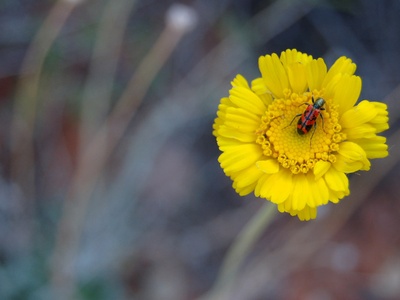
Desert marigold
Perennial herb with silvery foliage and long-blooming yellow daisy flowers after rains. Hairy leaves reduce evaporation; common on sandy soils and roadsides, providing early-season forage for pollinators.
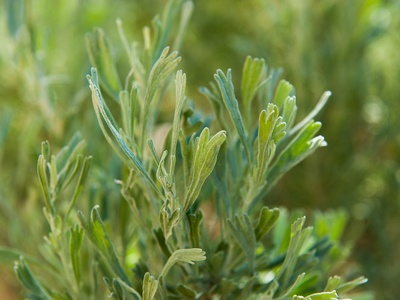
Big sagebrush
Woody, aromatic shrub adapted to cold, dry desert climates with small, resinous leaves that reduce water loss. Dominant in many cold desert shrublands, supports diverse wildlife and is used in restoration of arid rangelands.
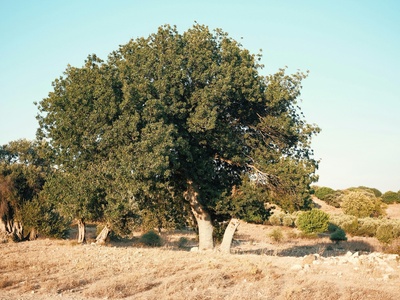
Mulga (Acacia)
Hardy, small-leaved legume tree forming extensive woodlands in Australia’s interior. Deep roots and phyllodes reduce transpiration; fixes nitrogen, provides fodder and shelter for fauna, and shapes arid ecosystems across vast areas.
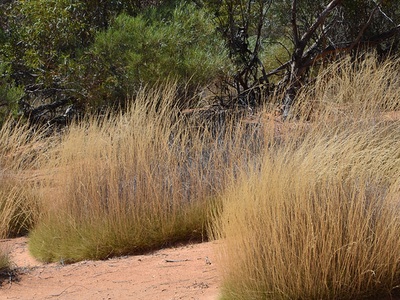
Spinifex (triodia)
Spiky hummock grass forming dense clumps adapted to fire and extreme heat. Tough leaves reduce water loss and trap detritus, providing habitat for reptiles and small mammals, and dominating many sandy desert landscapes.
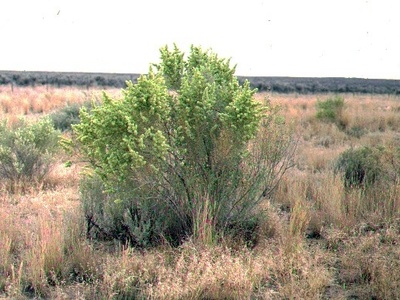
Fourwing saltbush
Salt-tolerant shrub with scaly leaves that excrete or compartmentalize salts, allowing survival on saline desert soils. Provides forage, erosion control, and shelter in arid rangelands; important for reclamation of degraded desert soils.
Welwitschia
Ancient, unique two-leaved plant with massive taproot and extreme longevity in fog-fed hyper-arid desert. Survives with minimal water using fog capture; a botanical icon with high conservation interest and restricted range.
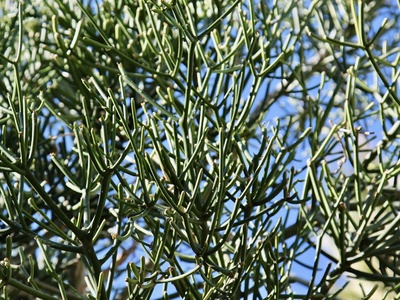
Pencil tree (Euphorbia)
Succulent, pencil-like stems perform photosynthesis with minimal leaves and toxic latex for herbivore defense. Tolerant of drought and poor soils, used locally for fuel and hedges, but can be invasive outside native range.
Desert rose
Succulent-stemmed shrub with swollen caudex for water storage and showy tubular flowers. Survives prolonged drought, used medicinally and ornamentally; occurs on rocky slopes and dry plains across arid Africa and Arabia.
Frankincense tree
Small, drought-tolerant tree producing fragrant resin harvested as incense. Deep roots, small leaves, and drought-deciduous behavior allow survival on rocky hillsides; culturally and economically significant with localized overharvest concerns.
Umbrella thorn / Vachellia tortilis
Iconic flat-topped acacia with small leaflets and deep roots surviving extreme drought. Fixes nitrogen, provides forage and shade, and shapes savanna-desert boundaries; common on arid plains and piedmonts across Africa and Arabia.
Tamarisk (saltcedar)
Small tree tolerant of saline soils and episodic water, with fine deciduous branches and tiny leaves reducing transpiration. Stabilizes dunes and provides shade in oasis and wadis but can alter local hydrology where abundant.
Saxaul
Small, woody shrub-tree adapted to blowing sands with reduced leaves and succulent shoots. Deep roots stabilize dunes, provide forage and fuel in harsh continental deserts, and are vital for sand fixation and desert livelihoods.
Nitre bush
Salt-tolerant shrub with fleshy leaves that dwell in saline depressions and coastal desert areas. Provides edible fruit and forage, stabilizes soils, and tolerates high salinity and drought typical of arid salt flats.

Date palm
Iconic oasis tree with deep roots tapping groundwater, pinnate leaves, and date fruits vital for desert societies. Thrives where groundwater or irrigation present, cultivars dominate oases and support traditional agriculture in arid regions.
Tamarugo mesquite
Leguminous tree adapted to hyper-arid Atacama by tapping deep groundwater; produces nutritious pods and stabilizes fragile soils. Has important cultural and ecological roles in fog-influenced desert landscapes and supports livestock where present.
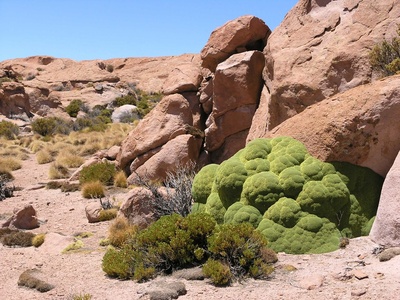
Yareta
Cushion-forming, woody plant in cold, high-elevation deserts with dense growth that reduces wind exposure and conserves heat. Extremely slow-growing and long-lived, used traditionally for fuel in sparse puna environments.
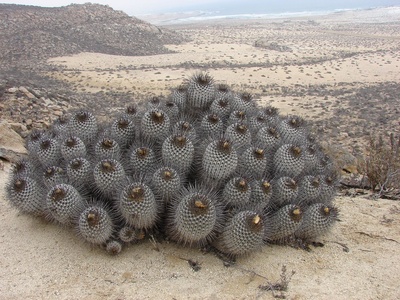
Copiapoa cactus
Slow-growing columnar cactus adapted to fog and rare rains with thick epidermis and dense spination. Forms colonies on rocky outcrops, important for local biodiversity and vulnerable to illegal collection in its restricted range.
Echinopsis (Atacama cactus)
Large columnar cactus storing water in stems and with nocturnal flowers pollinated by bats and moths. Survives extreme aridity by accessing deep moisture and using CAM photosynthesis on rocky slopes and valleys.
Greasewood
Halophytic shrub occupying saline playas and flats, with succulent-like tissues to tolerate salts and drought. Important for saline soil ecosystems though sensitive to overgrazing and altered hydrology in arid basins.
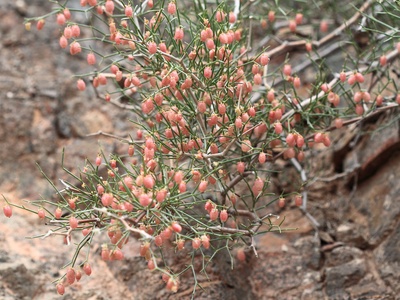
Calligonum
Deciduous, deep-rooted shrub with jointed, photosynthetic stems and small leaves that drop in drought. Stabilizes sandy dunes, provides forage and fuel, and tolerates shifting sands and very low rainfall across arid Arabia and North Africa.
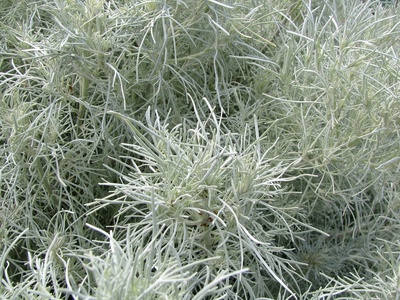
White wormwood
Aromatic, low shrub with silver foliage reducing water loss and bitter compounds deterring herbivores. Common on desert steppes and sandy soils, used medicinally and grazing-wise, tolerant of high temperatures and poor soils.
Ghaf (Prosopis)
Thorny legume tree with deep roots and drought-deciduous foliage, fixing nitrogen and sustaining oasis communities. Culturally valued as shade and forage tree, resilient to extreme aridity and salinity in desert landscapes.
Syrian bean-caper (Zygophyllum)
Shrub with succulent-like leaves and salt-tolerant physiology, surviving hot, sandy environments. Stabilizes dunes and provides forage in marginal desert soils, commonly found in gravel and sand plains of the Arabian deserts.
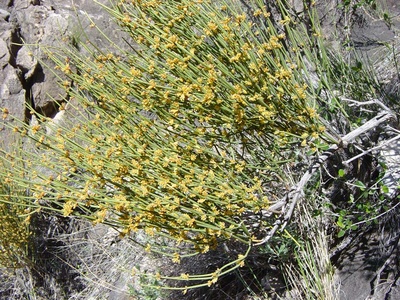
Mormon tea (Ephedra)
Leafless, jointed-stem shrub with photosynthetic stems and deep roots for sparse precipitation. Used traditionally for medicinal tea, tolerant of cold and dry desert conditions on rocky slopes and flats.
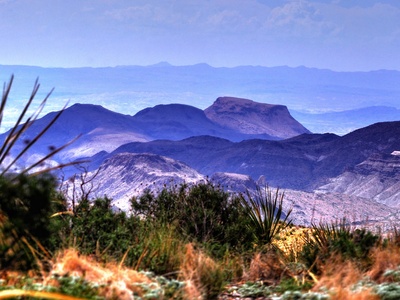
Sotol
Rosette-forming, shallow-rooted perennial with fibrous leaves adapted to aridity; flower spikes emerge after many years. Used for fiber and fermented beverages, common on rocky slopes and desert grassland margins.
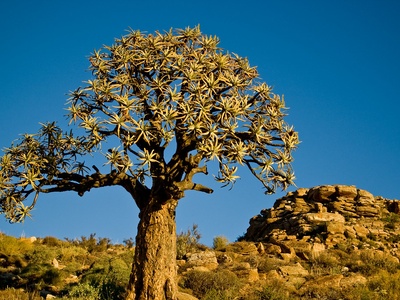
Quiver tree
Tall, branching succulent tree with water-storing trunk and reflective leaves that reduce heat stress. Creates dramatic desert silhouettes, provides habitat, and is sensitive to climate shifts across arid southwestern Africa.
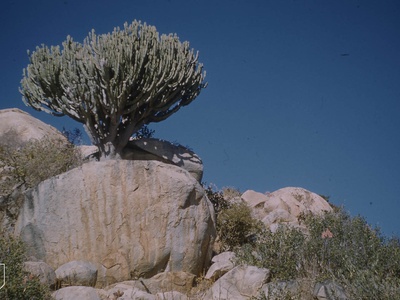
Poison Euphorbia
Succulent shrub with toxic latex for herbivore defense and reduced leaves to limit transpiration. Survives on rocky, gravelly soils; historically significant as a deterrent and used cautiously in local practices.
Hoodia
Low, stem-succulent with water-storing tissues and reduced leaves; traditionally used by San people to suppress appetite during long hunts. Adapted to extreme heat and low rainfall on sandy and gravelly plains.
Fagonia
Low, spiny shrub with small leaves and prostrate habit reducing water loss. Tolerant of poor soils and heat, used in traditional medicine and common on rocky desert slopes and plains.
Camelthorn (Vachellia erioloba)
Deep-rooted acacia with umbrella canopy, small leaflets, and drought tolerance providing forage, fuel, and nesting sites. Shapes arid savanna and desert-edge ecosystems; important in local pastoralist economies.
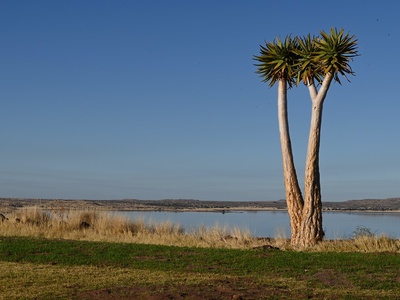
Aloe quiver tree common name
(Note: duplicate of Quiver tree entry)