No official entries for “Endangered Species in Chicago”
Define the scope up front: this list covers species officially listed as endangered within the Chicago city limits. Under that strict definition, no species currently meet the criteria for “Endangered Species in Chicago” on federal or Illinois endangered-species lists. Treat this as a factual result based on the city-boundary scope used by state and federal agencies.
Narrow scope creates this result. Legal listings apply to where a species is known to live now. Chicago is mostly urban and has limited continuous habitat. Many species that are endangered in Illinois live outside the city or in nearby natural areas. Others are locally extirpated and no longer occur inside the city. Recovery efforts also remove species from endangered lists over time. Because the search looks only inside Chicago proper and only for formal endangered status, the set returns empty.
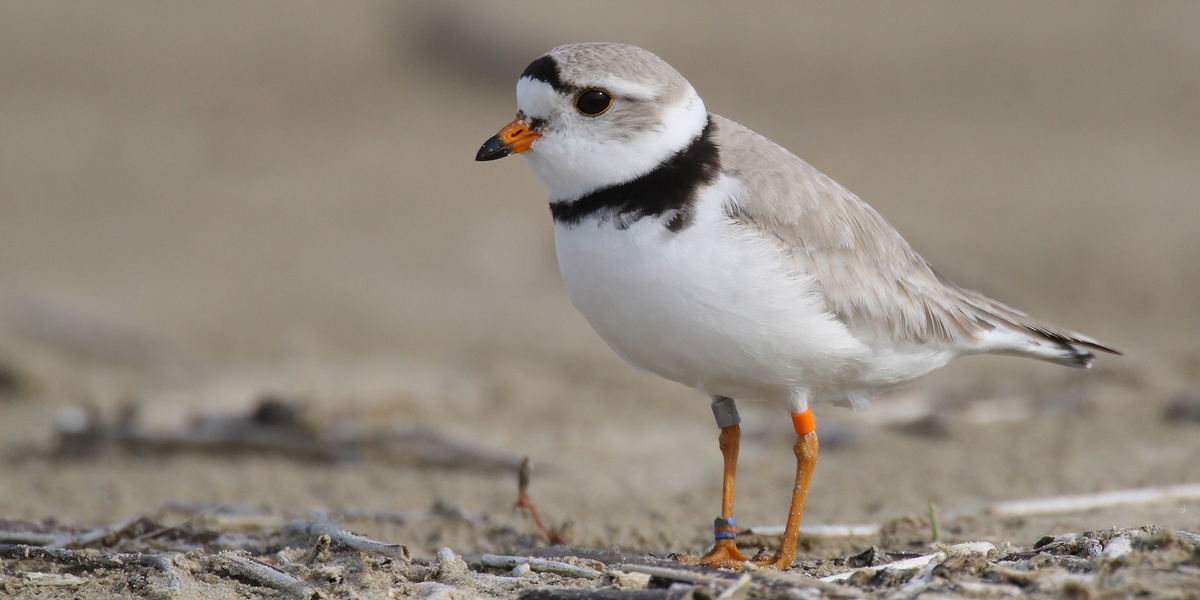
Technical and historical reasons explain the absence. State and federal lists use strict mapping, verified sightings, and peer-reviewed data. City boundaries, survey effort, and reporting rules matter. Some birds and fish use Lake Michigan or rivers that touch Chicago but nest or reproduce outside the city limits. Some species appear on Cook County or Illinois lists but not as confirmed residents of Chicago. Near matches include regionally threatened shorebirds on Lake Michigan beaches (for example piping plover nesting on nearby shores), rare freshwater fishes found in the Chicago region, and plants or insects protected in surrounding preserves. Check US Fish & Wildlife Service, the Illinois Endangered Species list, NatureServe, Chicago Park District records, and iNaturalist projects for the closest verified records.
Look instead at related categories that do exist. Search for “threatened or rare species in the Chicago region,” “state-listed species in Cook County,” and “species of special concern in Lake Michigan and suburban preserves.” Explore examples like shorebirds using the lakeshore, rare wetland plants in local nature reserves, and regionally uncommon turtles and freshwater fish in nearby waterways. Use the cited local resources and reporting links to find verified sightings and to learn how to help.