Ireland’s fields, hedgerows and coastal fringes have supported fruit for centuries, from household orchards to wild patches along lanes. Local climate, soil and traditional cultivation mean you’ll find familiar staples and some lesser-known varieties side by side.
There are 33 Fruits of Ireland, ranging from Apple to Wild Strawberry. For each entry, data are organized under Scientific name,Season (months),Wild or cultivated — practical details you’ll find below.
Which of these fruits are commonly wild versus cultivated in Ireland?
Many species occur both ways, but hedgerow staples like hawthorn, blackthorn and wild strawberry are typically wild, while apples, pears and some berries are mainly cultivated. The list notes each item’s status so you can see which to expect in gardens versus countryside.
When is the best time to identify or harvest these fruits?
Seasonal windows vary by species; spring brings blossoms, summer and early autumn hold most berries and soft fruits, and some apples and late berries ripen into autumn. Check the Season (months) column for exact timing for each fruit.
Fruits of Ireland
| Name | Scientific name | Season (months) | Wild or cultivated |
|---|---|---|---|
| Apple | Malus domestica | Sep–Nov | Cultivated |
| Blackberry | Rubus fruticosus agg. | Aug–Oct | Wild |
| Strawberry | Fragaria x ananassa | Jun–Jul | Cultivated |
| Raspberry | Rubus idaeus | Jul–Sep | Both |
| Gooseberry | Ribes uva-crispa | Jun–Jul | Both |
| Sloe | Prunus spinosa | Oct–Nov | Wild |
| Damson | Prunus insititia | Aug–Sep | Both |
| Elderberry | Sambucus nigra | Aug–Sep | Wild |
| Bilberry / Fraughan | Vaccinium myrtillus | Jul–Aug | Wild |
| Rosehip | Rosa canina | Sep–Nov | Wild |
| Crab Apple | Malus sylvestris | Sep–Oct | Wild |
| Plum | Prunus domestica | Aug–Sep | Cultivated |
| Blackcurrant | Ribes nigrum | Jul–Aug | Both |
| Redcurrant | Ribes rubrum | Jul–Aug | Both |
| Pear | Pyrus communis | Sep–Oct | Cultivated |
| Hawthorn Berry | Crataegus monogyna | Oct–Nov | Wild |
| Rowanberry | Sorbus aucuparia | Aug–Sep | Wild |
| Rhubarb | Rheum rhabarbarum | Apr–Jul | Cultivated |
| Wild Strawberry | Fragaria vesca | Jun–Aug | Wild |
| Cherry | Prunus avium | Jul | Cultivated |
| Wild Cherry / Gean | Prunus avium | Jun–Jul | Wild |
| Hazelnut | Corylus avellana | Sep–Oct | Wild |
| Loganberry | Rubus × loganobaccus | Jul–Aug | Cultivated |
| Tayberry | Rubus fruticosus x R. idaeus | Jul–Aug | Cultivated |
| Whitecurrant | Ribes rubrum | Jul–Aug | Cultivated |
| Quince | Cydonia oblonga | Oct–Nov | Cultivated |
| Medlar | Mespilus germanica | Nov–Dec | Cultivated |
| Cranberry | Vaccinium oxycoccos | Sep–Oct | Wild |
| Sea Buckthorn | Hippophae rhamnoides | Sep–Nov | Both |
| Guelder Rose | Viburnum opulus | Sep–Oct | Wild |
| Crowberry | Empetrum nigrum | Aug–Sep | Wild |
| Dewberry | Rubus caesius | Jul–Sep | Wild |
| Juniper Berry | Juniperus communis | Sep–Oct (year-round) | Wild |
Images and Descriptions
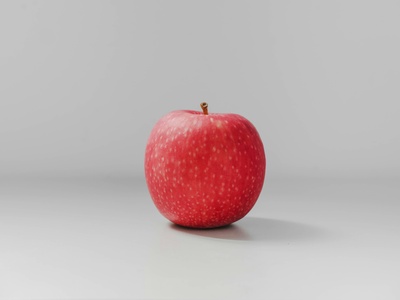
Apple
A cornerstone of Irish gardens and orchards, with heritage varieties like the Irish Peach. They are a versatile autumn staple, perfect for pies, ciders, sauces, or simply eating crisp from the tree.
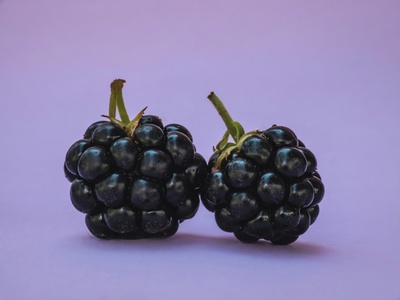
Blackberry
The classic Irish wild fruit, found in almost every hedgerow. Picking blackberries in late summer is a beloved tradition, perfect for crumbles, jams, and pies.
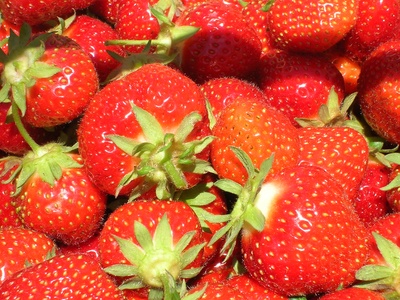
Strawberry
A celebrated summer fruit, famously grown in Co. Wexford. The arrival of fresh Irish strawberries signals the start of summer, traditionally enjoyed with a splash of cream.
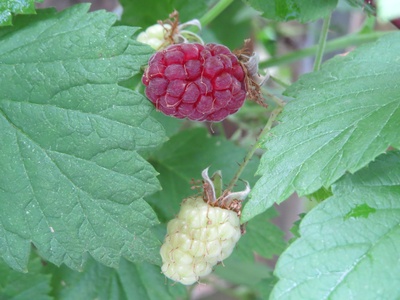
Raspberry
Found wild in woodlands and commonly grown in gardens. Wild raspberries are smaller but packed with flavour. Delicious eaten fresh, or made into jams, sauces, and summer desserts.
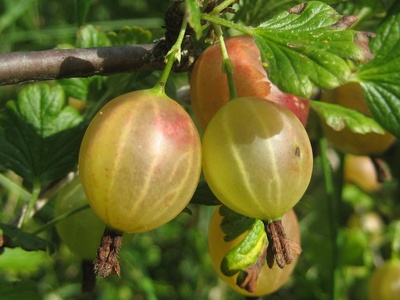
Gooseberry
A tart, green berry that grows on thorny bushes in gardens and hedgerows. Traditionally used for making gooseberry fool, crumbles, and sharp-tasting jams that set beautifully.
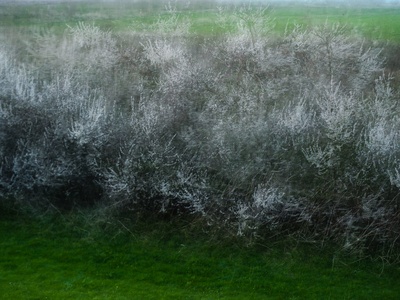
Sloe
The deep purple fruit of the blackthorn tree, found in hedgerows everywhere. Incredibly tart, they are traditionally picked after the first frost to make the iconic sloe gin.
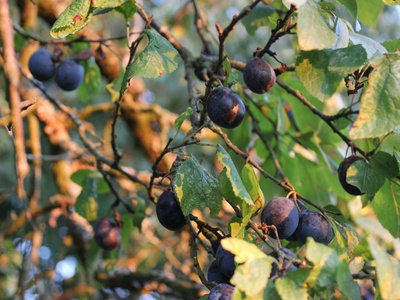
Damson
A small, oval plum with a rich, tart flavour. Often found growing in old hedgerows, damsons make excellent jams, cheeses, and flavoured gin or whiskey.
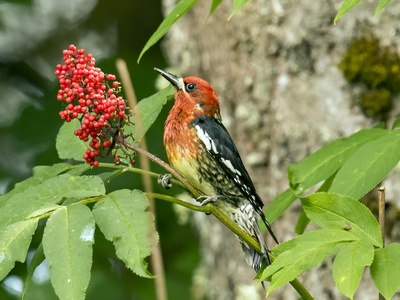
Elderberry
Dark purple berries that hang in heavy clusters on elder trees. They must be cooked before eating and make wonderful cordials, wines, and immune-boosting syrups for winter.
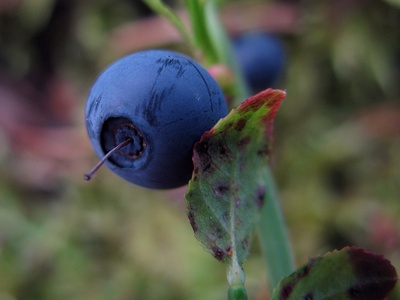
Bilberry / Fraughan
Ireland’s native wild blueberry, found on heaths and mountainsides. Smaller and more intense than cultivated blueberries, they are traditionally gathered on ‘Fraughan Sunday’ for pies.
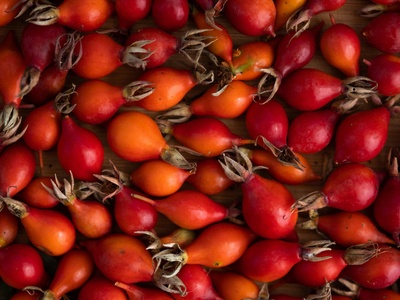
Rosehip
The bright red ‘hips’ of the wild dog rose, found in hedgerows after the petals fall. A fantastic source of vitamin C, they are used for syrups, jellies, and teas.
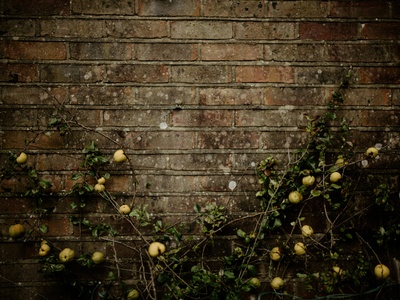
Crab Apple
Small, hard, and sour apples found on wild trees in woodlands and hedgerows. Too tart to eat raw, their high pectin content makes them perfect for creating firm, flavourful jellies.
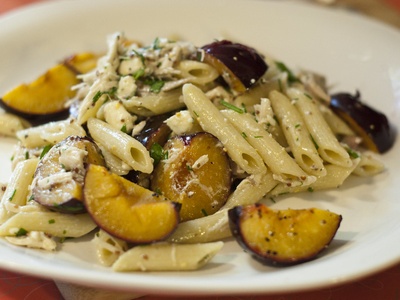
Plum
A popular garden fruit with many varieties grown in Ireland. Victoria plums are a classic choice for eating fresh, stewing, or making delicious homemade jams and tarts.
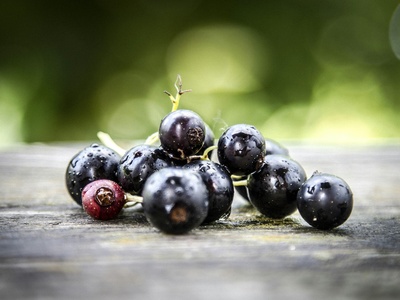
Blackcurrant
A small, dark berry with a distinctive tart flavour, grown in gardens and found naturalized. Famously used to make cordials and jams, it’s a staple of Irish home preserving.
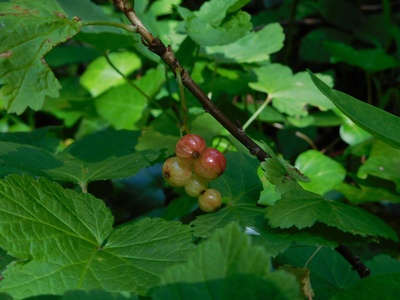
Redcurrant
Small, jewel-like red berries that grow in clusters. Their tart flavour and high pectin make them perfect for beautiful, clear jellies traditionally served with lamb or game.
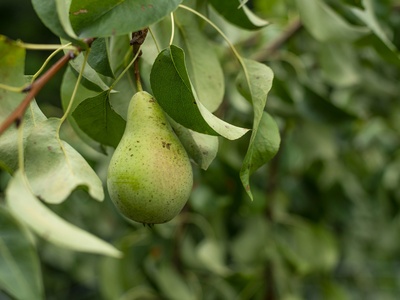
Pear
A classic orchard fruit grown in walled gardens and allotments. Delicious when poached, baked in tarts, or eaten fresh on a crisp autumn day, often with Irish blue cheese.
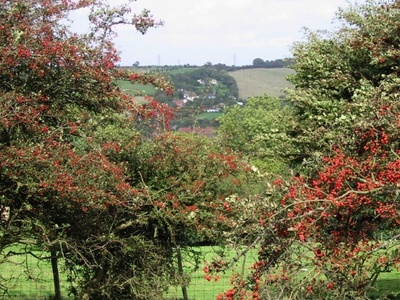
Hawthorn Berry
The shiny red berries, or ‘haws’, of the common hawthorn tree. They have a mild, mealy taste and are cooked down to make savoury jellies, ketchups, and fruit wines.
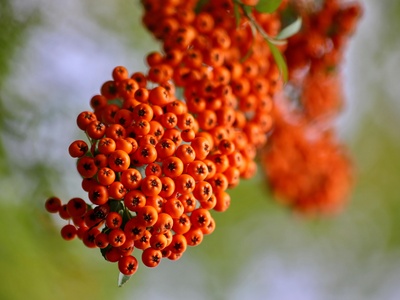
Rowanberry
Bright orange-red berries of the Rowan or Mountain Ash tree. They are bitter raw but can be cooked into a sharp, vibrant jelly that pairs wonderfully with game and lamb.
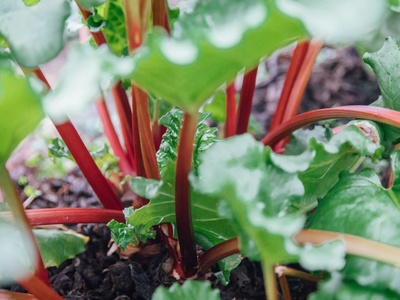
Rhubarb
Though a vegetable, it’s treated as a fruit in Irish kitchens. Its tart stalks are a sign of spring, used in iconic crumbles, tarts, and jams, often paired with ginger.
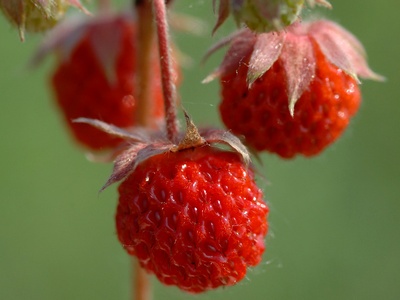
Wild Strawberry
A tiny, intensely flavoured version of its cultivated cousin. Found in woodlands and grassy banks, finding a patch of these fragrant berries is a true forager’s delight.
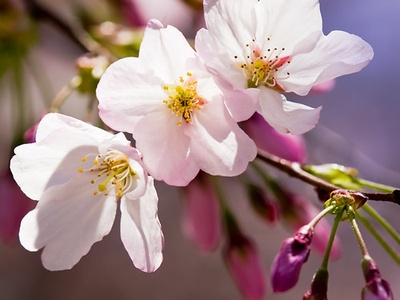
Cherry
Sweet cherries are a luxurious summer treat grown in some Irish gardens and small orchards. A sign of a warm summer, they are best eaten fresh from the tree.
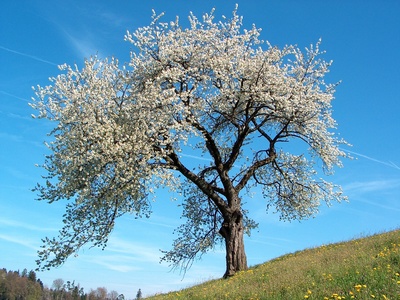
Wild Cherry / Gean
The ancestor of the sweet cherry, found in native woodlands. The small fruits are often tart but can be sweet if perfectly ripe, and are a favourite of birds.
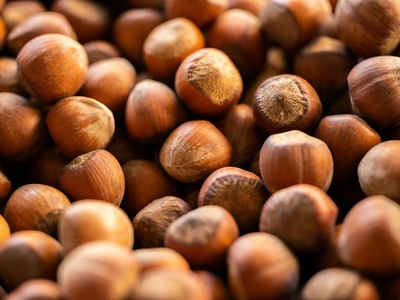
Hazelnut
A common nut found in woodlands and hedgerows, encased in a leafy husk. Foraging for hazelnuts is a classic autumn activity; they’re delicious roasted or eaten raw.
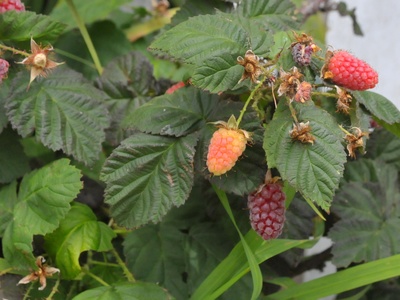
Loganberry
A hybrid of a raspberry and a blackberry, this large, dark red fruit is grown in gardens. It has a sharp, tart flavour that is excellent for pies and jams.
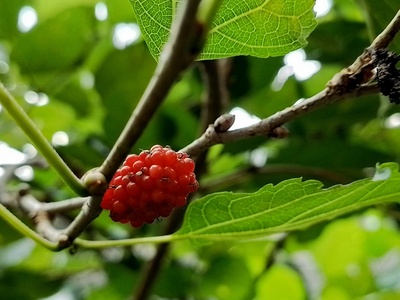
Tayberry
A cross between a blackberry and a raspberry. Tayberries are sweet, aromatic, and larger than raspberries, making them a delicious addition to summer desserts and fruit salads.
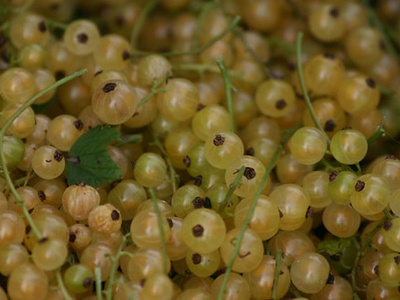
Whitecurrant
An albino variety of the redcurrant, these translucent berries are sweeter and less acidic. They are often used in fruit salads or for making delicate, pale-coloured jellies.
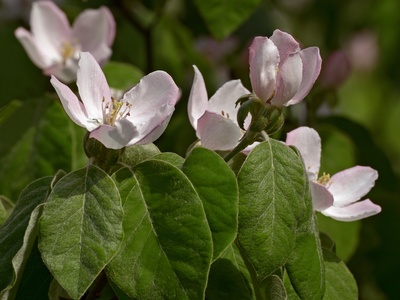
Quince
An old-fashioned fruit, resembling a lumpy pear. Inedible raw, its fragrant flesh turns pink and delicious when cooked slowly, making it perfect for preserves and sweet pastes.
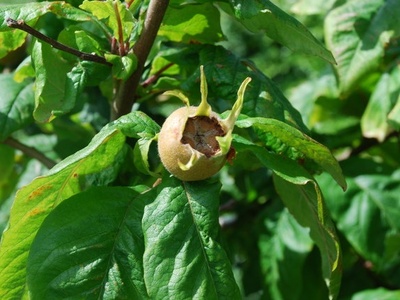
Medlar
A historic fruit that must be ‘bletted’ or left to soften before it’s edible. It develops a taste like spiced apple sauce and was a medieval delicacy.
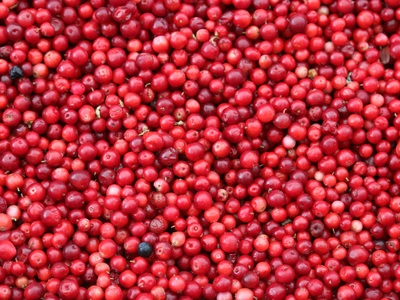
Cranberry
A small, tart red berry found creeping through the moss in Irish bogs. Much smaller than commercial varieties, these wild gems can be foraged to make a sharp, flavourful sauce.
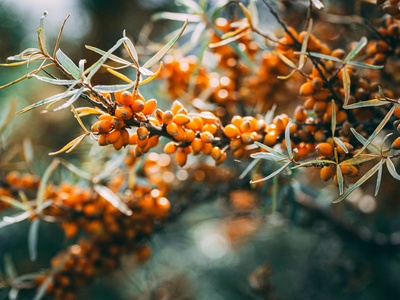
Sea Buckthorn
A thorny coastal shrub with intensely sour, bright orange berries. Packed with vitamins, they are used to make vibrant, tangy juices, syrups, and sauces for fish or desserts.
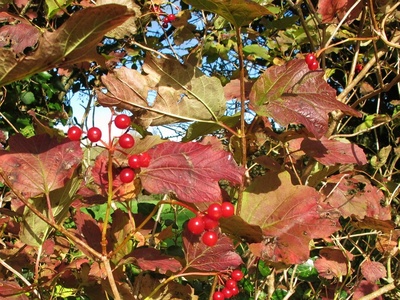
Guelder Rose
The translucent, bright red berries are visually striking but should only be eaten when cooked, as they are mildly toxic raw. They make a tart, cranberry-like jelly.
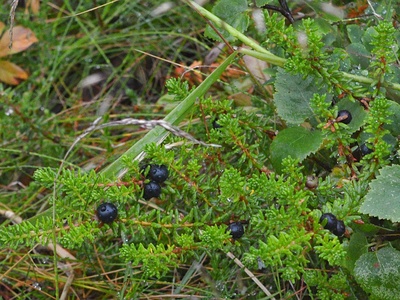
Crowberry
A small, black berry found on low-lying shrubs in boggy and mountainous areas. While edible, the taste is often considered bland or acidic, but they can be used in jellies.
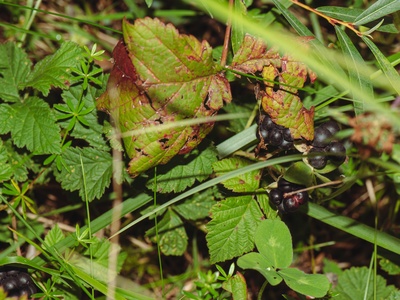
Dewberry
A relative of the blackberry, often found scrambling over low ground. The fruits have a greyish, waxy ‘dew’ and a sharper, juicier taste than their common cousins.
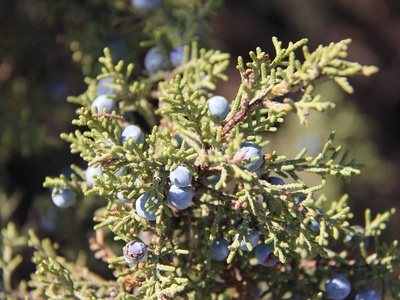
Juniper Berry
Not a true berry but a cone, found on low-growing shrubs in areas like the Burren. A key ingredient for flavouring gin and traditional game dishes.