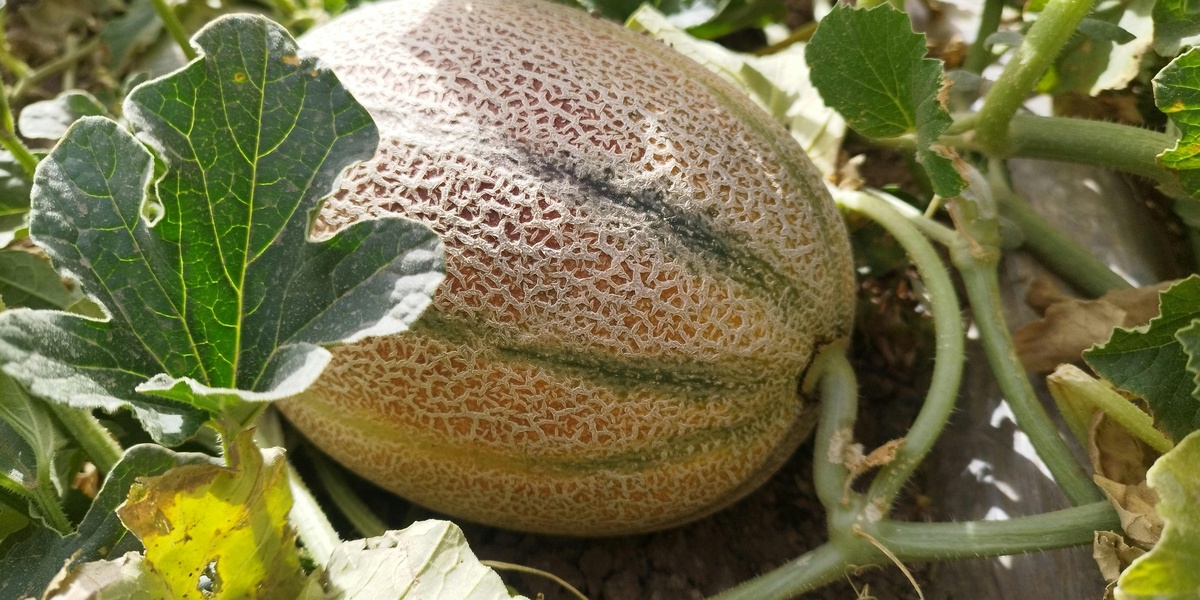
Japan’s climate and regional farming traditions give its fruit scene surprising variety: cool-temperate apples in the north, subtropical citrus in the south, and many seasonal specialties in between. Whether you visit markets in Tokyo, pick-your-own farms in Hokkaido, or small coastal stands, fruit in Japan often reflects local taste and timing.
There are 41 Fruits of Japan, ranging from Acerola to Yuzu (Acerola,Yuzu). For each entry you’ll find below Scientific name,Region,Peak season (months) to make it easy to spot where and when each fruit is at its best—you’ll find below.
When is the best time to eat these fruits while traveling in Japan?
Peak seasons vary by fruit and region, so use the Peak season (months) column to plan: cherries and apricots in late spring, many berries in early summer, peaches and plums mid to late summer, and citrus in autumn–winter. Local markets and farm stands are good for freshest picks and you can often ask vendors about the current harvest.
Can I buy these fruits outside Japan or are some only available locally?
Some common items like yuzu and mikan are exported or sold as processed products, but many varieties are seasonal, region-specific, or sold fresh only within Japan; look for preserved, frozen, or specialty-import routes for rarer types.
Fruits of Japan
| Name | Scientific name | Region | Peak season (months) |
|---|---|---|---|
| Apple | Malus domestica | Aomori | Sep–Nov |
| Asian pear | Pyrus pyrifolia | Tottori,Aichi | Aug–Oct |
| Persimmon | Diospyros kaki | Nara,Wakayama | Sep–Nov |
| Mikan (Satsuma) | Citrus unshiu | Ehime,Wakayama | Nov–Feb |
| Yuzu | Citrus junos | Kochi,Tokushima | Nov–Feb |
| Sudachi | Citrus sudachi | Tokushima | Aug–Oct |
| Kabosu | Citrus sphaerocarpa | Oita | Aug–Oct |
| Hassaku | Citrus hassaku | Hiroshima,Ehime | Jan–Mar |
| Dekopon (Shiranui) | Citrus reticulata × sinensis | Kumamoto,Ehime | Jan–Mar |
| Ume (Japanese plum) | Prunus mume | Wakayama,Yamagata | Jun–Jul |
| Peach | Prunus persica | Yamanashi,Fukushima | Jul–Aug |
| Grape | Vitis vinifera / labrusca | Yamanashi,Nagano | Aug–Oct |
| Strawberry | Fragaria × ananassa | Tochigi,Fukuoka | Dec–May |
| Blueberry | Vaccinium spp. | Hokkaido,Aomori | Jul–Aug |
| Kiwi | Actinidia deliciosa/tchinensis | Shizuoka,Hiroshima | Oct–Nov |
| Melon | Cucumis melo | Hokkaido | Jul–Aug |
| Watermelon | Citrullus lanatus | Kanto,Hokkaido | Jul–Aug |
| Loquat | Eriobotrya japonica | Kumamoto,Nagasaki | May–Jun |
| Fig | Ficus carica | Wakayama,Kagawa | Aug–Sep |
| Cherry (Sakuranbo) | Prunus avium / Prunus pseudocerasus | Yamagata,Hokkaido | Jun |
| Akebi | Akebia quinata | Tohoku,Chubu mountains | Sep–Oct |
| Haskap (Honeyberry) | Lonicera caerulea | Hokkaido | Jun–Jul |
| Mulberry | Morus spp. | Throughout Japan | Jun–Jul |
| Jujube (Red Date) | Ziziphus jujuba | Kochi,Shikoku | Sep–Oct |
| Kumquat (Kinkan) | Fortunella japonica | Kyushu | Dec–Feb |
| Pomelo (Buntan) | Citrus maxima | Kyushu,Okinawa | Nov–Jan |
| Iyokan | Citrus iyo | Ehime | Jan–Feb |
| Ponkan | Citrus reticulata | Wakayama | Jan–Mar |
| Amanatsu (Natsumikan) | Citrus natsudaidai | Kagoshima | Jun–Aug |
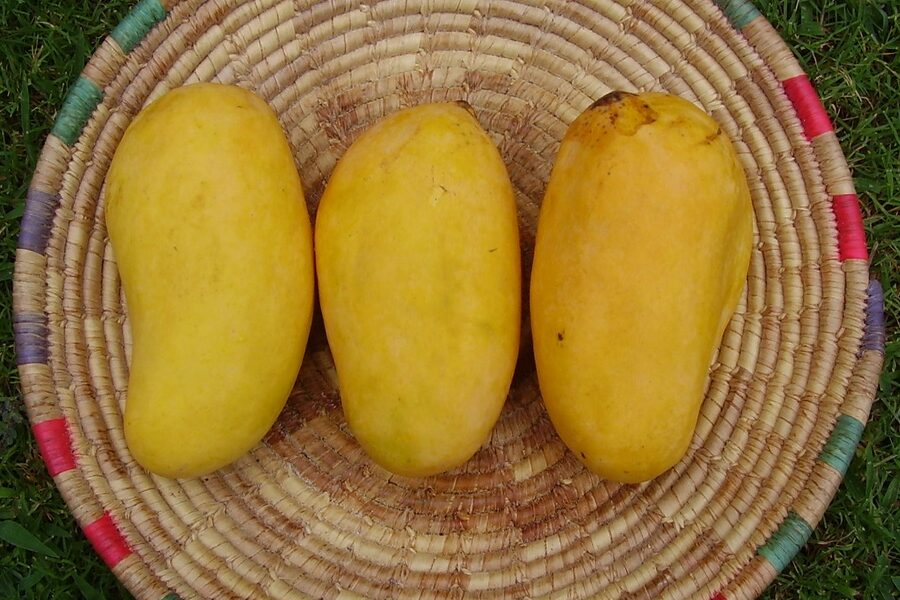
| Mango | Mangifera indica | Okinawa | May–Aug |
| Banana | Musa acuminata | Okinawa | Year-round (imported harvests differ) |
| Pineapple | Ananas comosus | Okinawa | Mar–Jul |
| Papaya | Carica papaya | Okinawa | Year-round (harvests vary) |
| Dragonfruit (Pitaya) | Hylocereus undatus | Okinawa | Jun–Sep |
| Acerola | Malpighia emarginata | Okinawa | Jun–Jul |
| Raspberry | Rubus idaeus | Hokkaido,Tohoku | Jul–Aug |
| Blackberry | Rubus fruticosus | Hokkaido,Honshu | Jul–Aug |
| Quince | Cydonia oblonga | Kyushu,Shikoku | Oct–Nov |
| Pomegranate | Punica granatum | Wakayama,Kyushu | Sep–Nov |
| Yamamomo | Myrica rubra | Shikoku,Kyushu | May–Jun |
| Sumomo (Japanese plum) | Prunus salicina | Yamanashi,Nagano | Jun–Jul |
Images and Descriptions
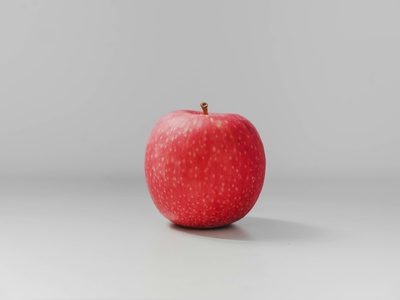
Apple
Crisp sweet-tart apples prized in Aomori; many cultivars like Fuji. Eaten fresh, in pies and juices, and used for cider. Harvest peaks September to November; fall festivals and orchard picking are popular across northern Honshu.
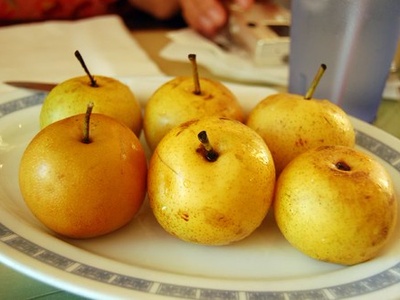
Asian pear
Round, crisp Asian pears (nashi) with juicy, mild sweetness and pear-like crunch. Widely eaten fresh, in salads, or preserved. Tottori and Aichi are major producers; harvest August through October and sold thinly sliced in supermarkets and fruit stands.
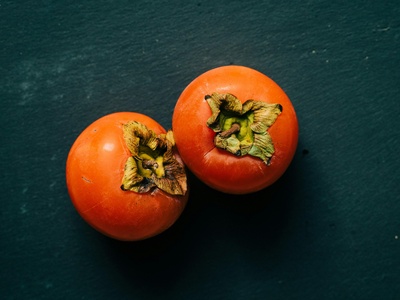
Persimmon
Kaki include astringent and sweet varieties like Fuyu. Orange, honeyed flesh eaten fresh, dried as hoshigaki, or used in desserts and salads. Harvest runs September to November; cultural importance includes drying traditions and autumn markets.
Mikan (Satsuma)
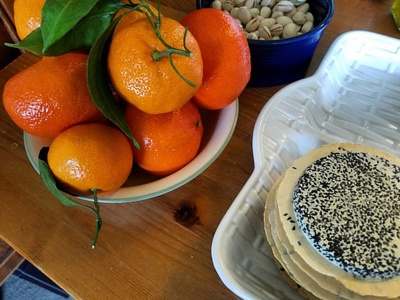
Seedless, sweet mikan are Japan’s favorite winter citrus, easy to peel and bright orange. Eaten fresh, juiced, or used in sweets. Ehime and Wakayama are top producers; peak season is November to February during New Year celebrations.
Yuzu
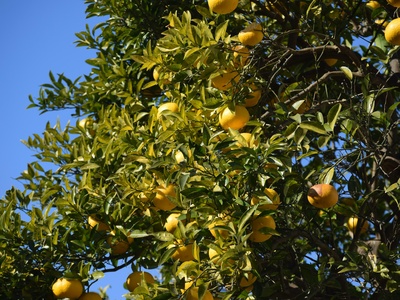
Aromatic, tart yuzu prized for zest and juice in sauces, ponzu, and baths. Small, knobbly fruits with intense fragrance used more for seasoning than raw eating. Harvest November through February, especially in Shikoku regions.

Sudachi
Tiny, very tart green citrus used as a souring agent for fish, noodles, and drinks. Sold fresh and as juice; Tokushima is famous for sudachi production. Best between August and October for bright acidity and aroma.
Kabosu
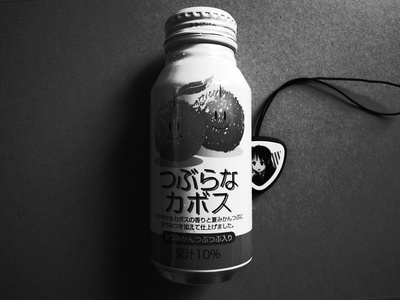
Aromatically tart kabosu is squeezed over fish, tempura, and hotpots; related to yuzu and sudachi. Oita’s kabosu are prized for juice and zest. Harvest occurs August to October when acidity and fragrance peak.
Hassaku
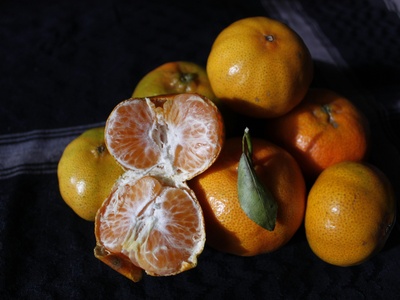
Large citrus with tangy-sweet juice and a slightly bitter pith; eaten fresh or juiced. Grown in Hiroshima and Ehime; season is January to March when fruits have mellowed winter flavor, often sold in markets or farm stalls.
Dekopon (Shiranui)
Dekopon (market name Shiranui) is a seedless, supremely sweet citrus with a characteristic bump. Loved fresh or in desserts, it commands premium prices. Harvest January to March from Kumamoto and Ehime orchards.
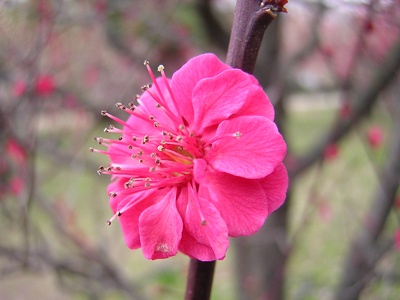
Ume (Japanese plum)
Tart ume used for umeboshi pickles and umeshu liqueur; pale, fragrant fruit harvested in early summer. Not usually eaten raw; processed into pickles, syrups, and sauces. Wakayama and Yamagata are chief producing areas.
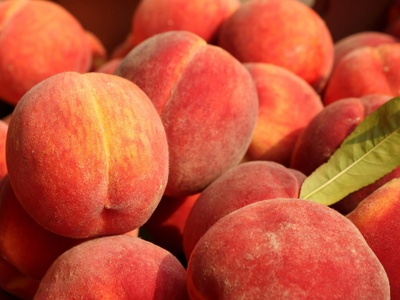
Peach
Juicy, fragrant peaches (momo) are a summer delicacy, often presented as gifts. Eaten fresh, in desserts, or canned; Yamanashi and Fukushima are noted producers. Peak season is July through August when flesh is soft and sugary.
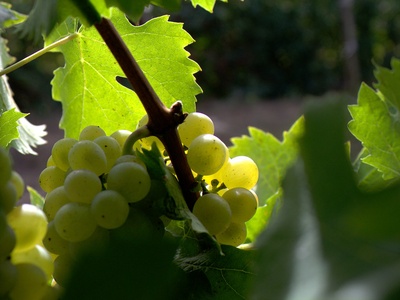
Grape
From sweet table grapes like Kyoho to Muscat varieties, Japanese vineyards produce high-quality fruit used for fresh eating and wine. Yamanashi and Nagano lead production; harvest runs August to October with premium varieties sold as luxury gifts.
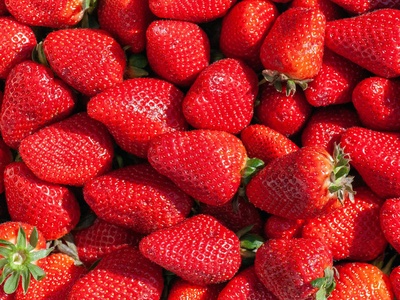
Strawberry
Strawberries are a prized winter-spring fruit in Japan, cultivated for sweetness and size. Eaten fresh, in shortcake, or as desserts; popular for farm-picking experiences. Peak season December through May, with many named cultivars.
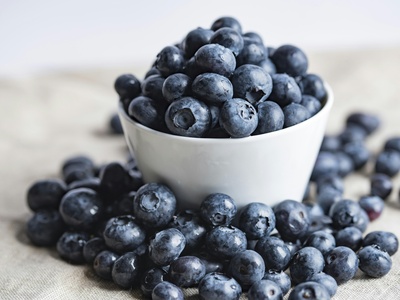
Blueberry
Blueberries grown in Hokkaido and northern Honshu are used fresh, in jams, and in dairy desserts. Varieties include highbush and lowbush; peak season July to August coincides with summer fruit festivals and U-pick farms.
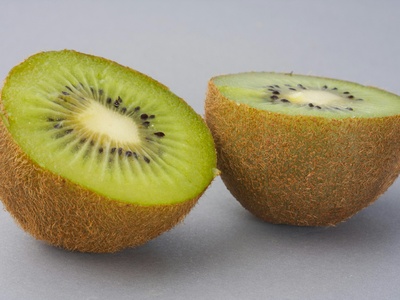
Kiwi
Kiwifruit are grown in mild regions like Shizuoka and Hiroshima. Fuzzy or smooth-skinned types offer tart-sweet green or golden flesh. Eaten fresh or in salads and desserts; harvest peaks October to November.
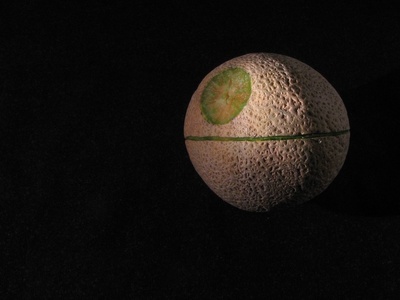
Melon
Muskmelon and cantaloupe varieties, including premium Yubari King, are symbols of luxury in Japan. Sweet, fragrant flesh often sold as gifts; main season July to August from Hokkaido greenhouses and fields.
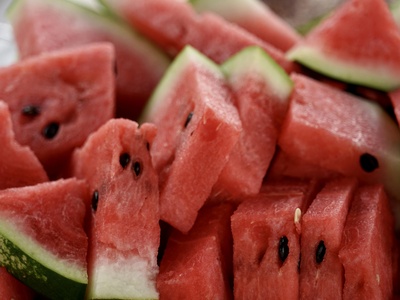
Watermelon
Juicy watermelons are a summer staple eaten fresh, in shaved-ice desserts, or as novelty gifts (square watermelons are grown as curiosities). Harvest peaks July–August; regions include Kanto plains and Hokkaido farms.
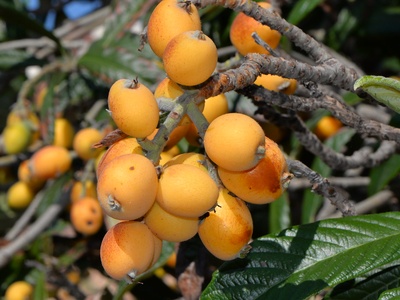
Loquat
Loquat (biwa) has sweet-tart golden flesh with a delicate aroma, eaten fresh or in jams and syrups. Grown in Kyushu, especially Kumamoto and Nagasaki; main season is May to June.
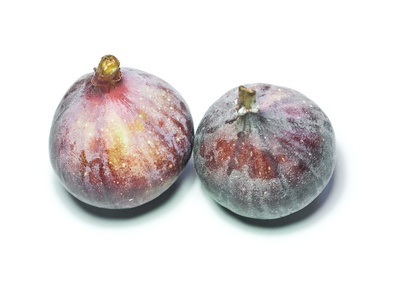
Fig
Sweet, honeyed figs are grown in Wakayama and Kagawa; eaten fresh, dried, or in desserts. Soft, jewel-toned flesh with edible seeds; late summer harvest produces fragrant fruits used in jams and confectionery.
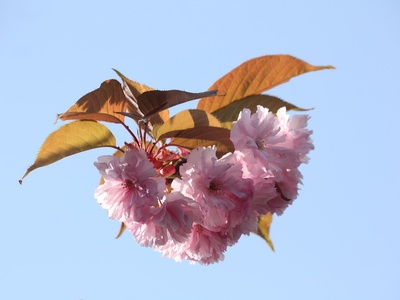
Cherry (Sakuranbo)
Sweet cherries are a celebrated summer fruit, notably from Yamagata. Eaten fresh, commonly given as gifts, and used in sweets. Short season in June makes them sought-after and often sold in premium boxes.
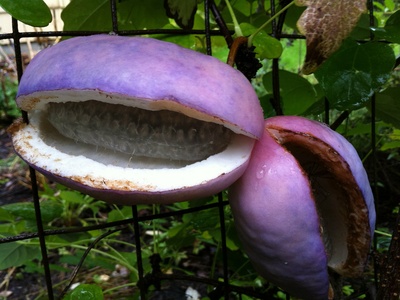
Akebi
Akebi is a wild mountain fruit with purple, sausage-shaped pods split to reveal translucent, sweet pulp and black seeds. Traditionally foraged in Tohoku and other inland areas; eaten raw or used in local sweets during autumn.
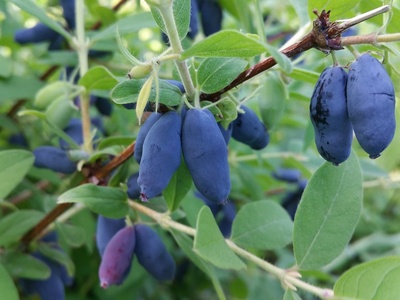
Haskap (Honeyberry)
Haskap, or honeyberry, is an edible blue honeysuckle native to Hokkaido with tart-sweet berries. Commonly eaten fresh, in jams or juices, and gaining popularity for antioxidants. Harvest in June–July on northern farms.
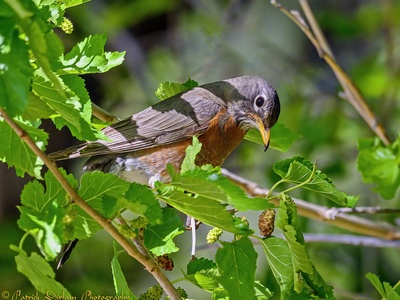
Mulberry
Mulberries grow across Japan; sweet, purple or white berries eaten fresh or used in jams and traditional sweets. Also historically used in sericulture regions. Peak fruiting occurs early summer, with local varieties found near countryside homes.
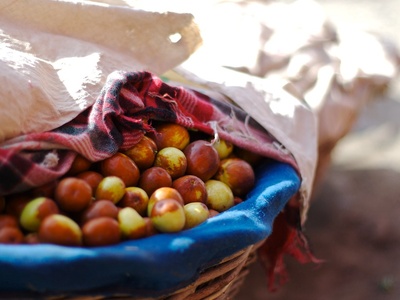
Jujube (Red Date)
Jujube, or red date, is grown in parts of Shikoku and Kochi; chewy, sweet flesh is eaten fresh, dried, or candied. Used in traditional snacks and herbal remedies with harvest in early autumn.
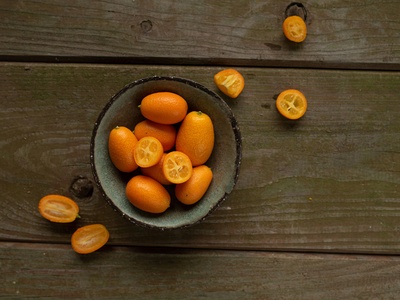
Kumquat (Kinkan)
Kumquat is a tiny sweet-tart citrus eaten whole with rind. Used in preserves, candied peels, and cocktails. Grown in Kyushu; season runs from late autumn through winter giving bright flavor to winter snacks and garnishes.
Pomelo (Buntan)
Pomelo yields large, mildly sweet citrus segments with a thick pith. Eaten fresh or candied, and used in salads. Grown in Kyushu and Okinawa with harvest from November through January.
Iyokan
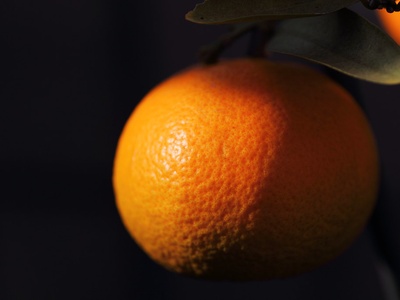
Iyokan is a juicy, mildly acidic mandarin developed in Ehime. Often eaten fresh or juiced, it has a bright aroma and slightly tangy finish. Season typically runs January to February after winter maturation.
Ponkan
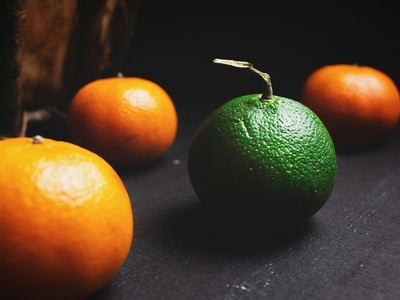
Ponkan is a sweet, easy-peel mandarin popular for fresh eating. Grown in Wakayama and other citrus areas, it appears in markets January to March and is favored for home snacking and desserts.
Amanatsu (Natsumikan)
Amanatsu is a large, mildly sweet citrus with fragrant flesh, sometimes called natsumikan. Eaten fresh or in marmalades; summer harvest from June to August in Kyushu offers refreshing citrus flavor.
Mango
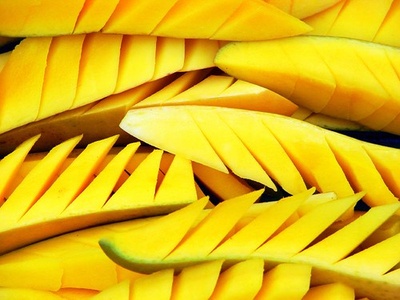
Tropical mangoes are cultivated in Okinawa, offering rich, sweet flesh and aromatic flavor. Eaten fresh or in desserts, local varieties ripen from May through August and are sold in local markets and tourist areas.
Banana
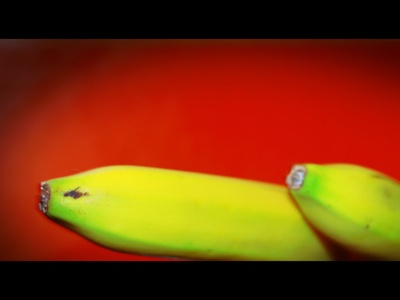
Bananas are grown commercially in subtropical Okinawa alongside imported varieties; sweet, creamy fruit eaten raw, in desserts, or as snacks. Local harvest seasons vary, but bananas are widely available year-round in Japan.
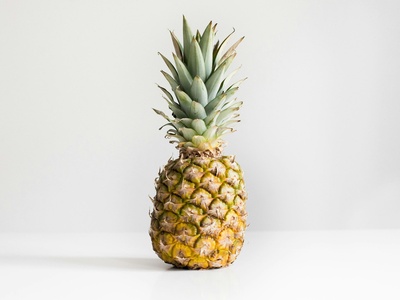
Pineapple
Pineapples are cultivated in Okinawa, offering tropical sweetness used fresh, in juices, and in Okinawan sweets. Harvest peaks spring to early summer; local pineapple is a common souvenir and island specialty.
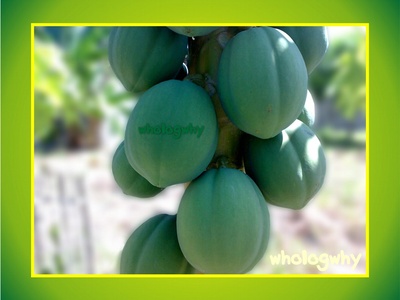
Papaya
Papaya is grown in southern Japan, especially Okinawa, giving sweet tropical flesh eaten fresh and in salads or smoothies. Smaller-scale cultivation supplies local markets; availability varies but often year-round in warm areas.
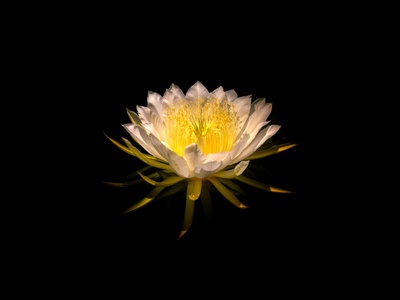
Dragonfruit (Pitaya)
Dragonfruit is grown in Okinawa and southern islands, with bright pink skin and white or red speckled flesh. Mildly sweet and juicy, used fresh or in salads and smoothies; peak summer harvest June to September.
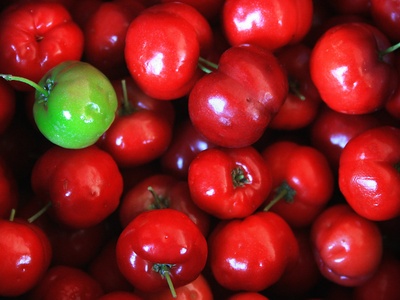
Acerola
Acerola, rich in vitamin C, is cultivated in Okinawa with tart, cherry-like red fruits used for juices, jams, and health products. Harvest season is typically early summer, and local farms sometimes offer U-pick.
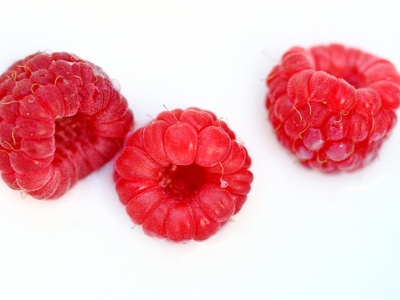
Raspberry
Raspberries are cultivated in Hokkaido and northern Honshu; tart-sweet berries used fresh, in jams, and desserts. Often farm-grown for U-pick and local markets; peak season in mid to late summer.
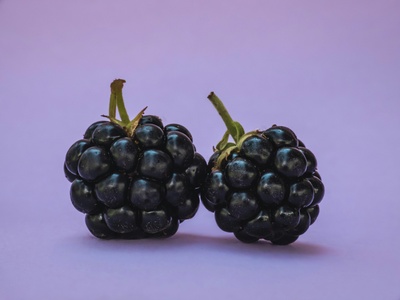
Blackberry
Blackberries are grown regionally, offering deep-flavored berries for fresh eating, preserves, and baking. Found on small farms in Hokkaido and Honshu; harvest peaks July to August during summer fruit season.
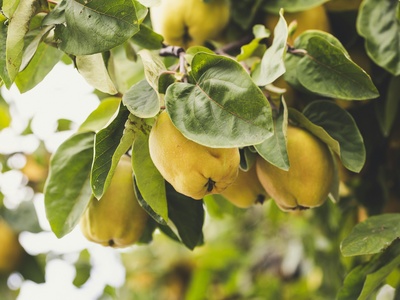
Quince
Quince grows in parts of Japan and is usually cooked into jams, jellies, or preserves because raw flesh is astringent. Aromatic when cooked; harvest in October–November in milder southern regions.
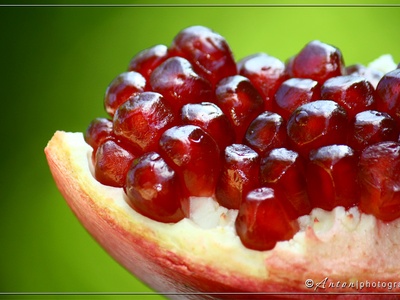
Pomegranate
Pomegranates are grown in Wakayama and Kyushu, offering jewel-like seeds with sweet-tart juice. Used fresh, in salads, and for juices; harvest spans early autumn from September to November.
Yamamomo
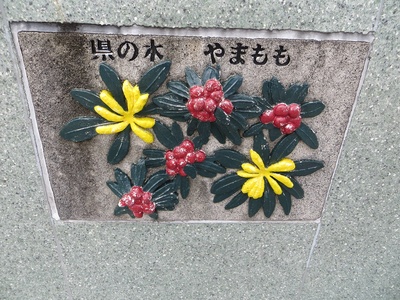
Yamamomo (Japanese bayberry) produces glossy red to purple berries with sweet-tart flavor. Eaten fresh, made into jam or sake; common in Shikoku and Kyushu gardens and coastal forests in late spring to early summer.
Sumomo (Japanese plum)
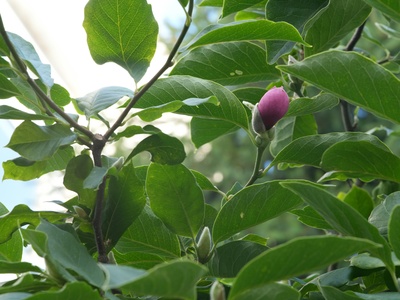
Sumomo or Japanese plums are sweet to tart stone fruits eaten fresh, pickled, or cooked. Grown in Yamanashi and Nagano, they ripen in early to mid-summer and are used in jams and local sweets.