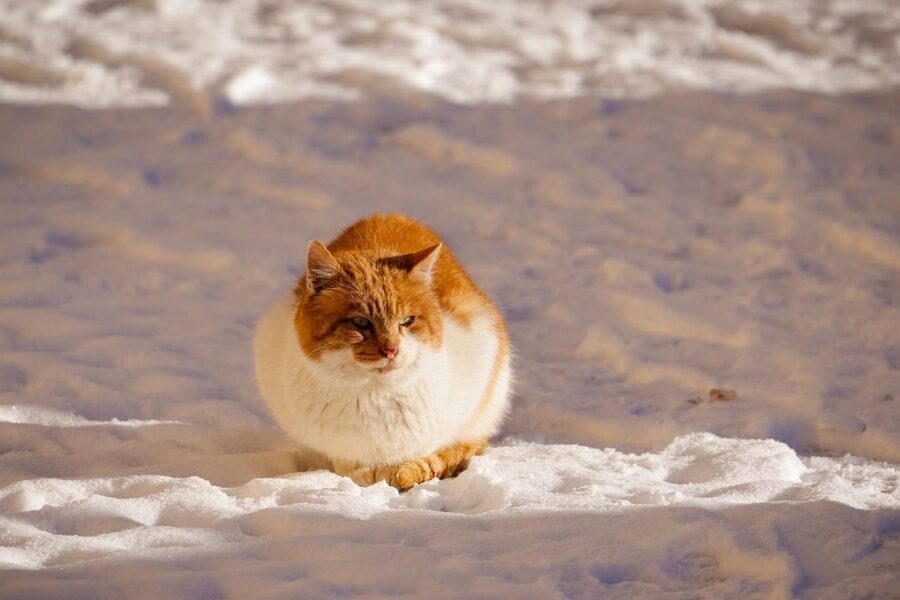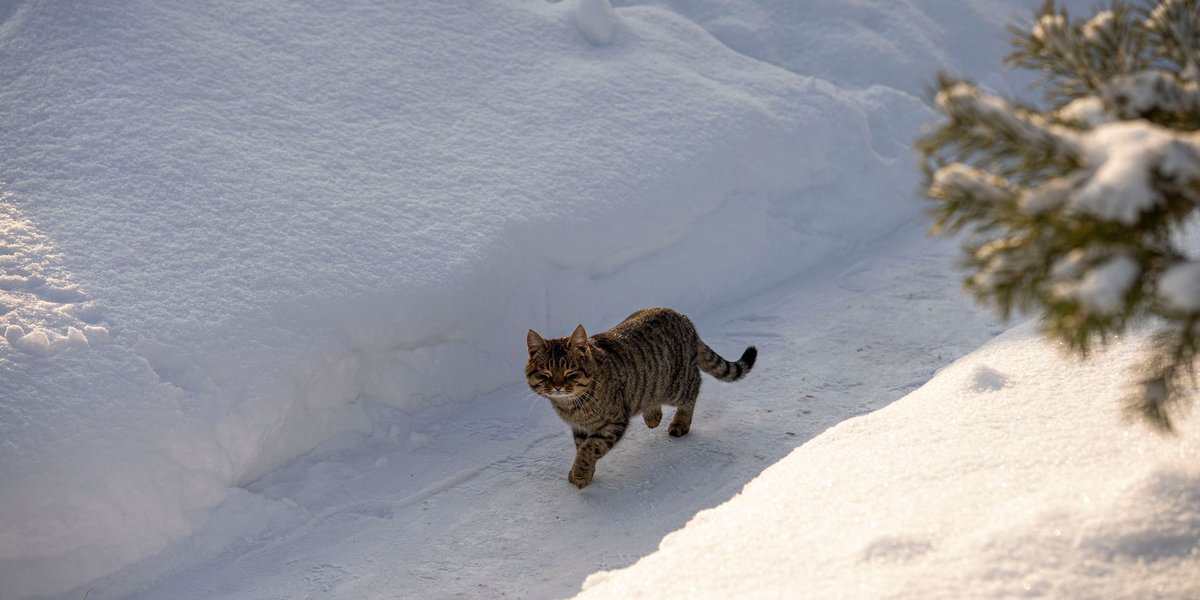
“Hardy” gets used for three different things in cat lists, and most pages blur them together. A Siberian handles a Minnesota winter and a Russian Blue rarely sees a vet, but neither is the best answer to both questions. Pick the kind of hardy you need first, then the breed.
TLDR
- Fewest health problems and long life: mixed-breed domestic cats, Russian Blue, American Shorthair.
- Cold winters: Siberian, Norwegian Forest Cat, Maine Coon.
- Outdoor or barn life: a domestic shorthair or longhair. Breed matters less than coat, vaccination and neutering.
- Overrated: Manx and Siamese show up on “hardy” lists but carry real structural and respiratory risks.
Contents
- What “hardy” actually means
- Quick-pick table
- Hardy cat breeds, profiled
- Mixed-breed cats: the strongest health argument
- Hardy is not invincible
- FAQ
What “hardy” actually means
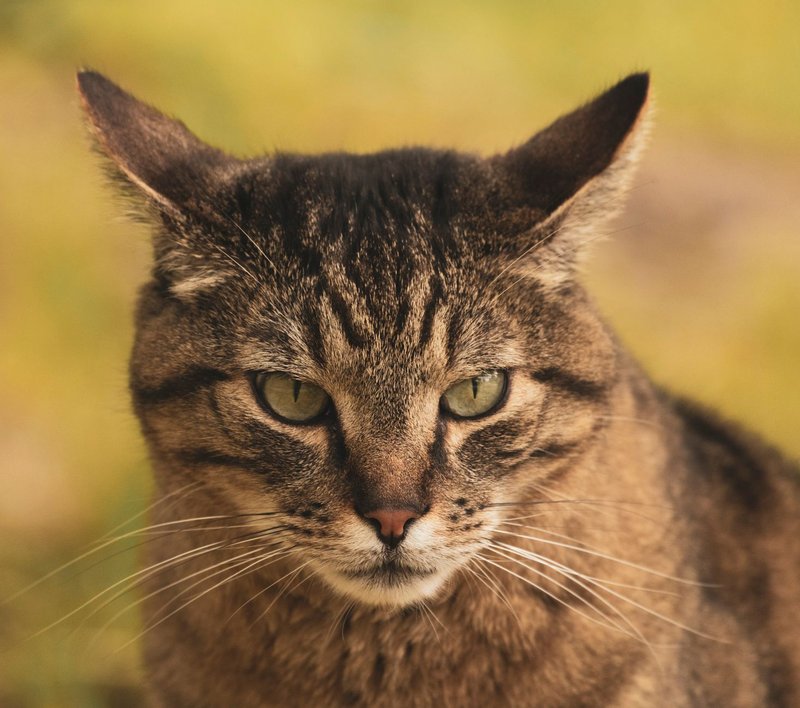
Health and longevity. Few inherited conditions, few vet visits, a lifespan that reaches the high teens. This is what insurers and prospective owners usually mean.
Cold and weather tolerance. A dense double coat, tufted paws and ears, a body that holds heat. This is about winter, not disease resistance. A cat built for snow can still carry a heart condition.
Robustness for indoor-outdoor life. Sturdy build, good hunting instincts, sense enough to come in. No breed is truly built for living outside year-round, and the cats that manage it are almost always mixed.
The overlap is smaller than lists suggest. Several of the best cold-weather breeds, including the Maine Coon and Norwegian Forest Cat, have well-documented genetic risks. A longer lineup of breeds built for snow and frost is in 12 Cold Weather Cat Breeds Built for Snow and Frost.
Quick-pick table
| Breed | Hardy in the sense of | Typical lifespan | Main health risks | Coat |
|---|---|---|---|---|
| Domestic mixed-breed | Health, outdoor | 13-17 years | Varies; fewer inherited issues | Short or long |
| Russian Blue | Health | 15-20 years | Obesity | Dense double, short |
| American Shorthair | Health, outdoor | 15-20 years | HCM, obesity | Short, thick |
| Siberian | Cold | 11-15 years | HCM | Triple, long |
| Norwegian Forest Cat | Cold | 14-16 years | Glycogen storage disease IV, HCM, hip dysplasia | Double, long, water-shedding |
| Maine Coon | Cold | 12-13 years | HCM, hip dysplasia, spinal muscular atrophy | Shaggy, long |
| Turkish Van | Cold, water | 12-17 years | HCM | Semi-long, single-layer feel |
| Chartreux | Weather, health | 12-15 years | Patellar luxation | Dense, woolly |
| Manx | Looks hardy | 9-13 years | Manx syndrome, arthritis | Short or long |
| Siamese | Longevity only | 15-20 years | Respiratory issues, amyloidosis, cold-sensitive | Short, fine |
Lifespans are typical ranges, not guarantees. Individual lines vary widely.
Hardy cat breeds, profiled
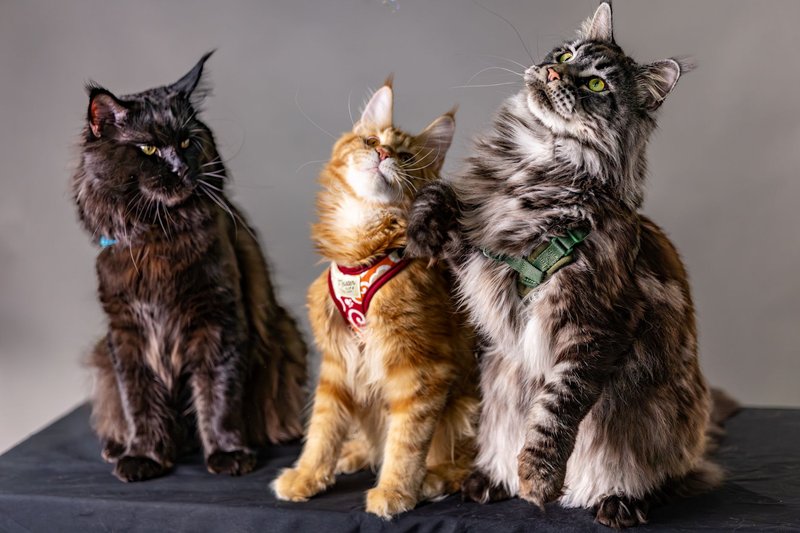
Russian Blue
The standard pick for “healthy cat that doesn’t cost much to keep.” The dense double coat is short but plush, and the breed has no widely documented inherited disease. Lifespans of 15 to 20 years are common.
Weak spot: they eat like they’re being timed. Obesity is the main health problem, and it leads to diabetes and joint trouble.
American Shorthair
A working barn cat in origin, which shows. Thick coat, solid frame, and the kind of generalist body that doesn’t get into much trouble. Many reach their late teens.
Weak spot: hypertrophic cardiomyopathy (HCM) occurs in the breed, and they gain weight easily.
Siberian
The cold-weather benchmark. A triple coat with a guard layer, a woolly undercoat and a ruff, built for the Russian taiga. They’re also strong jumpers and active well into adulthood.
Weak spot: HCM is reported in the breed. Reputable breeders screen with cardiac ultrasound, so ask for the results.
Norwegian Forest Cat
The water-shedding outer coat is the detail that matters: snow and sleet slide off rather than soak in. Heavy, well-muscled and slow to mature, often not fully grown until age five.
Weak spot: glycogen storage disease type IV, a fatal inherited condition with a DNA test, plus HCM and hip dysplasia. Buy only from breeders who test.
Maine Coon
Large frame, tufted paws that act like snowshoes, and a coat that handles harsh weather. Easygoing and sturdy.
Weak spot: this is the breed most associated with HCM. A specific mutation (MYBPC3) has been identified, and the Cornell Feline Health Center covers the disease in depth. Hip dysplasia and spinal muscular atrophy also occur. A typical lifespan sits at the lower end of this list.
Turkish Van
Known for swimming, which is unusual in a cat. The semi-long coat sheds water and handles cold, and the breed originates in the mountainous highlands of eastern Turkey.
Weak spot: HCM, and a coat that is much lighter in summer, so these are not true all-season outdoor cats.
Chartreux
A dense, woolly coat that repels rain, sturdy bones, and a calm temperament. Healthy overall, with lifespans of 12 to 15 years.
Weak spot: patellar luxation, where the kneecap slips out of place.
Manx
The Manx appears on nearly every toughest-cats list, usually because of the stubby tail and sturdy hindquarters. The honest picture is different.
Weak spot: the gene that shortens the tail can cause Manx syndrome, which affects the spine and can lead to bowel, bladder and mobility problems. Some kittens don’t survive. This is a risky pick for anyone prioritizing health.
Siamese
Often listed as long-lived, and 15 to 20 years is realistic. But it isn’t a cold-weather cat: the fine coat offers almost no insulation.
Weak spot: respiratory problems, amyloidosis and dental disease. Hardy on lifespan alone.
Mixed-breed cats: the strongest health argument
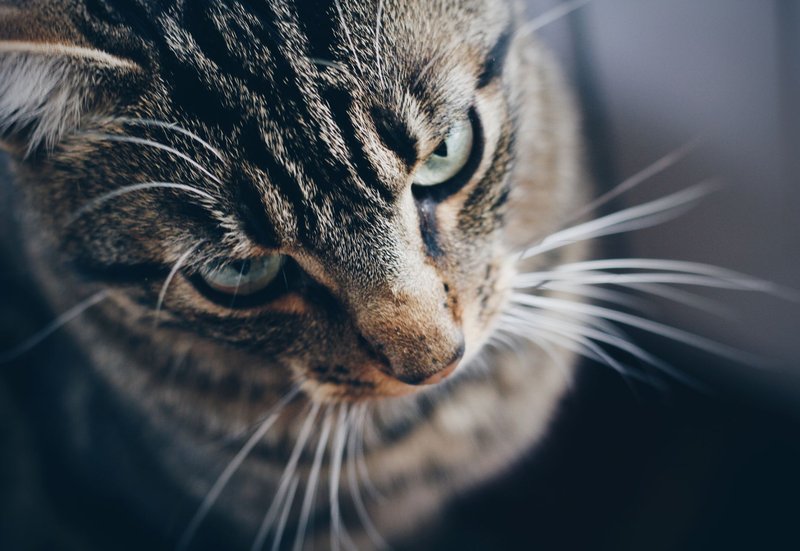
Gene-pool diversity is the best predictor of fewer inherited diseases. Purebred cats come from small founding populations, and conditions like HCM, polycystic kidney disease (PKD) and Manx syndrome persist because related animals keep getting bred together.
Domestic shorthairs and longhairs sit at the opposite end. They descend from thousands of unrelated lines, with centuries of natural selection for survival. Many live into their late teens, and outdoor ones can handle weather that would stress a flat-faced Persian.
A mixed-breed cat from a shelter also removes the breeder lottery. For anyone who wants a cat that survives, rather than a particular look, this is the safer bet.
Hardy is not invincible
Even the toughest cat needs the basics:
- Vaccinations. Core vaccines against feline panleukopenia, herpesvirus, calicivirus and rabies. Outdoor cats may also need feline leukemia vaccination.
- Neutering or spaying. It reduces roaming, fighting and the injuries that come with them.
- Indoor care. Indoor cats live longer on average than outdoor cats. A hardy coat doesn’t protect against traffic, parasites or predators. The ASPCA has a practical guide on care basics.
- Breeder screening. For breeds with known genetic conditions, ask for HCM echocardiogram results from the parents, plus DNA tests for the relevant mutations. The UC Davis Veterinary Genetics Laboratory offers cat genetic tests.
- Weight. Cold-adapted breeds put on weight quickly when they live indoors. Obesity is the most preventable health problem in the list above.
Flat-faced breeds like the Persian and Exotic Shorthair sit at the opposite end of “hardy”: their short airways cause breathing problems, and their eyes and dental alignment need constant attention. They’re lovely cats, but they’re not on this list.
FAQ
What is the healthiest cat breed? No breed has a clean record, but the domestic mixed-breed cat and the Russian Blue have the fewest documented inherited problems.
What is the longest-lived cat breed? Siamese, Russian Blue and American Shorthair commonly reach 15 to 20 years. The record for any cat is far beyond that, but it belongs to an individual, not a breed.
Which cat breeds handle cold winters best? Siberian, Norwegian Forest Cat and Maine Coon, thanks to dense, water-resistant double or triple coats and tufted paws and ears.
Can any cat live outside year-round? Not safely. Even a cold-tolerant breed needs shelter, fresh water that doesn’t freeze, and vaccinations. Barn cats are mostly domestic shorthairs for a reason.
Is a hardy cat low maintenance? Not automatically. Long-coated cold breeds need regular brushing, and indoor life changes what they need in food and exercise.