Costa Rica’s mix of rainforests, coasts and agricultural zones makes it a hotspot for both native biodiversity and species that arrive from elsewhere. Human trade, ornamental plantings and accidental stowaways have introduced organisms that can change habitats, harm crops or spread disease, so keeping track of them matters for conservation and public health.
There are 31 Invasive Species in Costa Rica, ranging from African tulip to Yellow fever mosquito. The list is organized with Scientific name,Status,Primary region (Costa Rica) so you can quickly see each species, its established status and where it’s most often found — you’ll find below.
How do most invasive species arrive and spread in Costa Rica?
Many arrive through international trade (plants, timber, shipping containers) or as intentionally introduced ornamentals and livestock; once present, they spread via waterways, roads and human movement, and some insects or seeds hitch rides on vehicles, cargo or clothing, so pathways vary by species.
What should I do if I spot a suspected invasive species?
Take a clear photo, note the location and habitat, avoid moving the organism, and report it to local authorities or conservation groups (for example regional SINAC offices or local environmental NGOs) so experts can verify the sighting and advise on containment.
Invasive Species in Costa Rica
| Name | Scientific name | Status | Primary region (Costa Rica) |
|---|---|---|---|
| Lantana | Lantana camara | invasive | Pacific lowlands, Central Valley, Guanacaste |
| Koster’s curse | Clidemia hirta | invasive | Caribbean lowlands, central forests, disturbed sites |
| African tulip | Spathodea campanulata | invasive | Pacific lowlands, Central Valley, coastal zones |
| Strawberry guava | Psidium cattleyanum | invasive | Highland pastures, Central Valley, cloud forest edges |
| Siam weed | Chromolaena odorata | invasive | Caribbean and Pacific disturbed zones, roadsides |
| Australian pine | Casuarina equisetifolia | invasive | Coastal beaches, Guanacaste, Puntarenas |
| Water hyacinth | Eichhornia crassipes | invasive | Rivers, lakes, wetlands across lowlands |
| Giant salvinia | Salvinia molesta | invasive | Freshwater ponds and slow rivers, Caribbean lowlands |
| Kikuyu grass | Pennisetum clandestinum | invasive | Grazing lands, highland pastures, Central Valley |
| Molasses grass | Melinis minutiflora | invasive | Pacific dry zones, pastures, disturbed forests |
| Feral pig | Sus scrofa | invasive | Widespread: lowlands to montane forests |
| Feral cat | Felis catus | invasive | Nationwide, especially coastal and island areas |
| Feral dog | Canis familiaris | invasive | Rural and peri-urban areas, protected zones |
| Black rat | Rattus rattus | invasive | Ports, urban areas, islands, forests near settlements |
| Norway rat | Rattus norvegicus | invasive | Urban centers, ports, agricultural zones |
| House mouse | Mus musculus | invasive | Urban and agricultural areas, islands |
| Nile tilapia | Oreochromis niloticus | established | Reservoirs, lowland rivers, aquaculture ponds |
| Suckermouth catfish | Pterygoplichthys pardalis | established | Rivers and lagoons, lowland drainages |
| Golden apple snail | Pomacea maculata | invasive | Rice fields, canals, wetlands, Pacific lowlands |
| Common carp | Cyprinus carpio | introduced | Reservoirs and ponds, lowlands |
| Guppy | Poecilia reticulata | established | Streams, small ponds, lowland waters |
| Red imported fire ant | Solenopsis invicta | invasive | Ports, disturbed sites, lowland provinces |
| Argentine ant | Linepithema humile | established | Urban and coastal sites, ports |
| Yellow fever mosquito | Aedes aegypti | established | Nationwide, especially urban lowlands |
| Asian tiger mosquito | Aedes albopictus | established | Peri‑urban, coastal and highland margins |
| Africanized honey bee | Apis mellifera scutellata | established | Widespread lowlands and disturbed zones |
| Chytrid fungus | Batrachochytrium dendrobatidis | established | Cloud forests, amphibian habitats nationwide |
| Coffee rust | Hemileia vastatrix | established | Central Valley and coffee-growing regions |
| Bacterial wilt | Ralstonia solanacearum | established | Banana, potato and solanaceous crop areas |
| Phytophthora dieback | Phytophthora cinnamomi | established | Forest fragments, plantations, nurseries |
| Common myna | Acridotheres tristis | invasive | Urban and agricultural areas, some Pacific lowlands |
Images and Descriptions
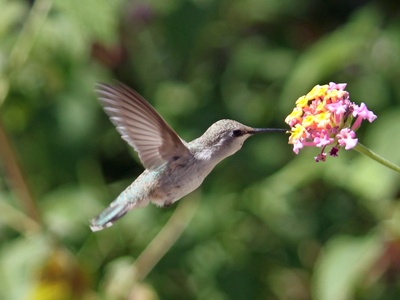
Lantana
Shrubby ornamental gone wild across disturbed sites; Lantana forms dense thickets that outcompete native plants, reduce pasture productivity, and hinder restoration. Introduced as garden plants, control uses manual removal, herbicide and sustained restoration.

Koster’s curse
Fast-growing shrub invading forests and pastures, shading seedlings and altering regeneration. Arrived as ornamental/accidental seed spread. Notorious for ecological impacts; managers use cutting, herbicides and biological-control research to reduce dense stands.

African tulip
Showy ornamental tree naturalized in disturbed forests and riverbanks, displacing native canopy species and altering habitats. Introduced for landscaping; control involves removal of seedlings and replanting native trees to limit spread.
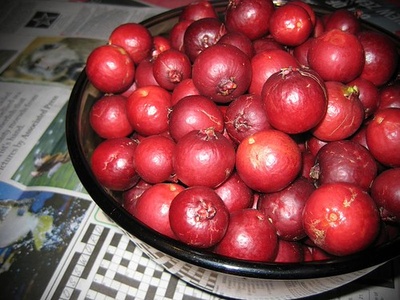
Strawberry guava
Forest-invading fruit tree forming dense thickets, suppressing native regeneration and altering seed dispersal. Brought for fruit cultivation; management combines mechanical removal, chemical treatment, and local eradication campaigns.
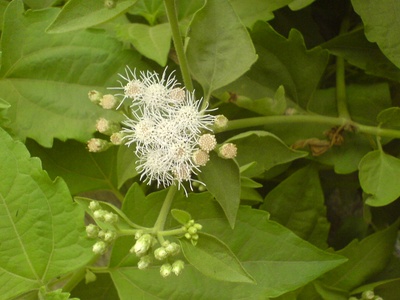
Siam weed
Rapidly spreading shrub that invades pastures and secondary forests, reducing biodiversity and fodder quality. Introduced accidentally with contaminated seed or soil; control uses slashing, herbicide and pasture management, with biological control trials.
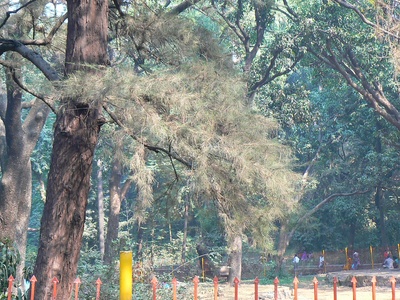
Australian pine
Coastal plantation and windbreak species that stabilizes sand but outcompetes native vegetation and alters dune ecology. Introduced for ornamentals and erosion control; management includes mechanical removal and follow-up native planting.

Water hyacinth
Floating aquatic plant that clogs waterways, reduces oxygen, blocks boats and fisheries. Introduced through aquarium trade and ornamental ponds; managed with mechanical removal, herbicides, and localized biological control.
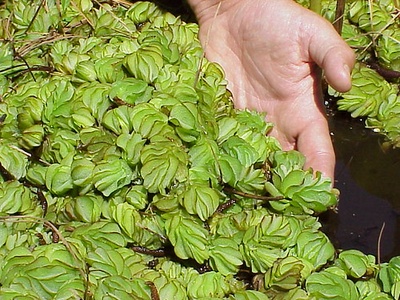
Giant salvinia
Rapidly forming dense mats that obstruct waterways, harm fisheries, and reduce oxygen. Likely introduced via aquarium releases. Control uses mechanical removal, herbicides, and biological agents where possible.
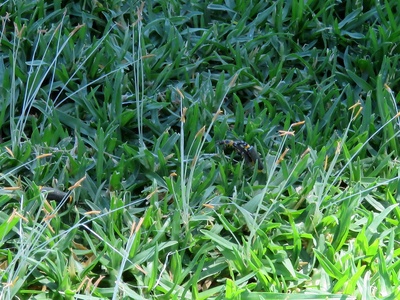
Kikuyu grass
Intensively used pasture grass that spreads into native grasslands and forest edges, smothering native species and altering fire regimes. Introduced for grazing; control requires sustained grazing management, herbicides, and revegetation.
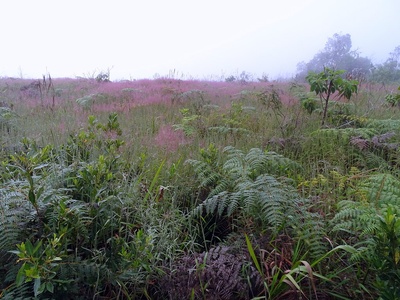
Molasses grass
Introduced pasture grass that increases fire frequency and displaces native flora, altering ecosystems. Arrived with forage introductions; management includes fire control, herbicide, and native restoration to reduce dominance.
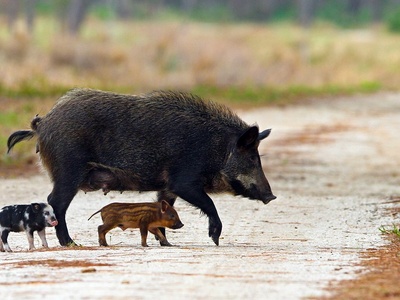
Feral pig
Feral pigs root soils, eat native vegetation and animals, spread weeds and diseases. Introduced by settlers for hunting and farming; control uses hunting, trapping and targeted removal to reduce ecological and agricultural damage.
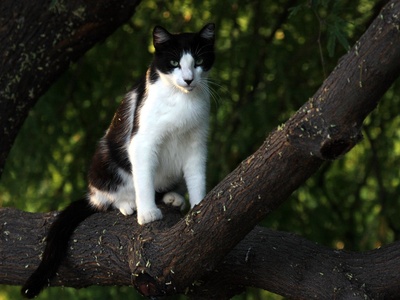
Feral cat
Domestic cats that form feral populations and heavily predate native birds, reptiles and mammals, driving declines. Introduced with human settlement; control combines sterilization, adoption programs and targeted removal in protected areas.
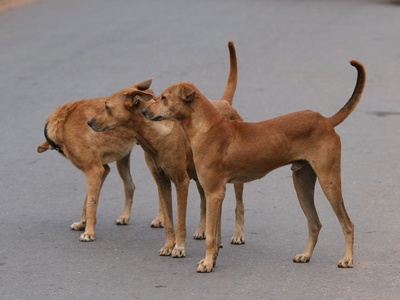
Feral dog
Free-roaming dogs attack wildlife, spread disease to livestock and humans, and scavenge native fauna. Result of abandoned/stray pets; management uses vaccination, sterilization, owner education and removal in sensitive reserves.
Black rat
Widespread commensal rodent that damages crops, preys on eggs and transmits disease. Arrived with ships and trade centuries ago; control uses trapping, baiting and biosecurity on islands and farms.
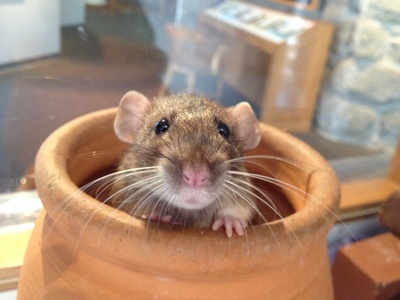
Norway rat
Ground-dwelling rat that impacts crops, stored food and transmits pathogens. Introduced via shipping and commerce; management uses integrated rodent control, sanitation and trapping.
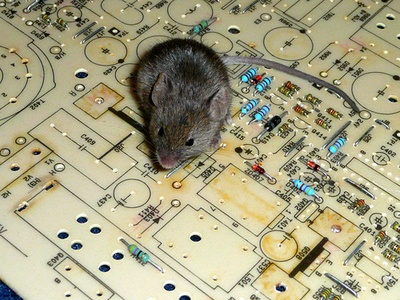
House mouse
Small commensal rodent damaging stored products and spreading disease, introduced with human settlement. Control relies on sanitation, trapping and rodenticides with monitoring.
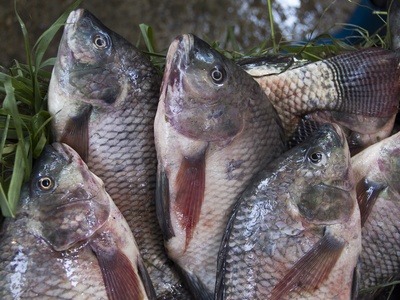
Nile tilapia
Introduced for aquaculture, tilapia have escaped to wild waters, competing with native fishes, altering habitats and impacting fisheries. Management focuses on farm biosecurity, removal and preventing escapes.
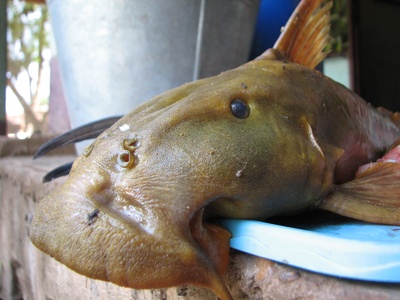
Suckermouth catfish
Aquarium-released armored catfish that burrow banks, disrupt sediments and compete with native fishes. Introduced via aquarium releases; control is localized removal and public education to prevent releases.
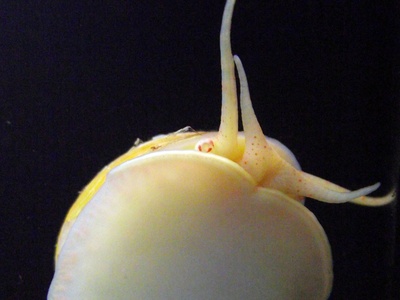
Golden apple snail
Large freshwater snail that eats aquatic plants and damages rice crops. Introduced through aquarium and food trade; management includes hand collection, barriers, and water management in paddies.
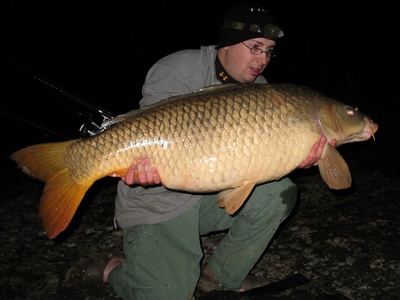
Common carp
Large benthic fish introduced for fishing and aquaculture, capable of uprooting vegetation, increasing turbidity and displacing natives. Control through fishing pressure, barriers and prevention of further introductions.
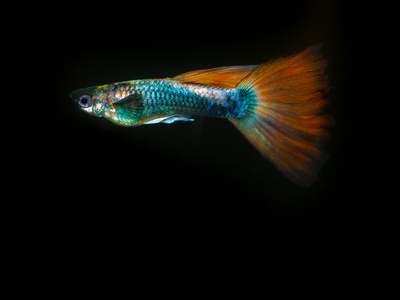
Guppy
Popular aquarium fish now established in some waterways; can compete with native small fishes and affect mosquito populations. Introduced from aquarium releases; management focuses on preventing releases and habitat protection.
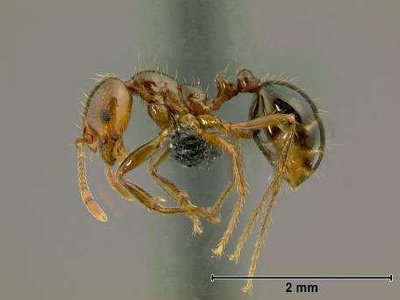
Red imported fire ant
Aggressive invasive ant causing painful stings, harming wildlife, crops and infrastructure. Introduced via shipping/commerce; control uses baiting programs, quarantine and public reporting to limit spread.
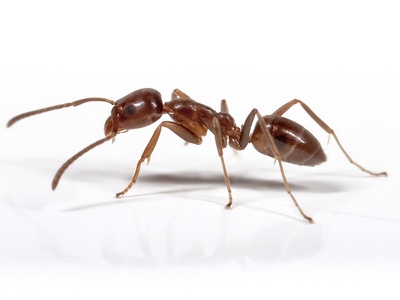
Argentine ant
Forming large invasive supercolonies that displace native ants and alter ecosystems, arriving via commerce and plant trade. Management includes hygiene, baiting and habitat modification in urban zones.
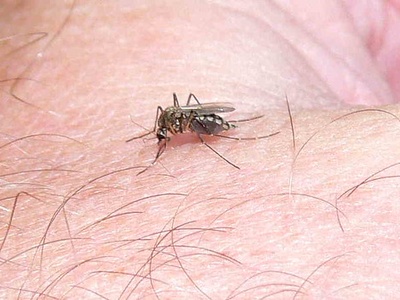
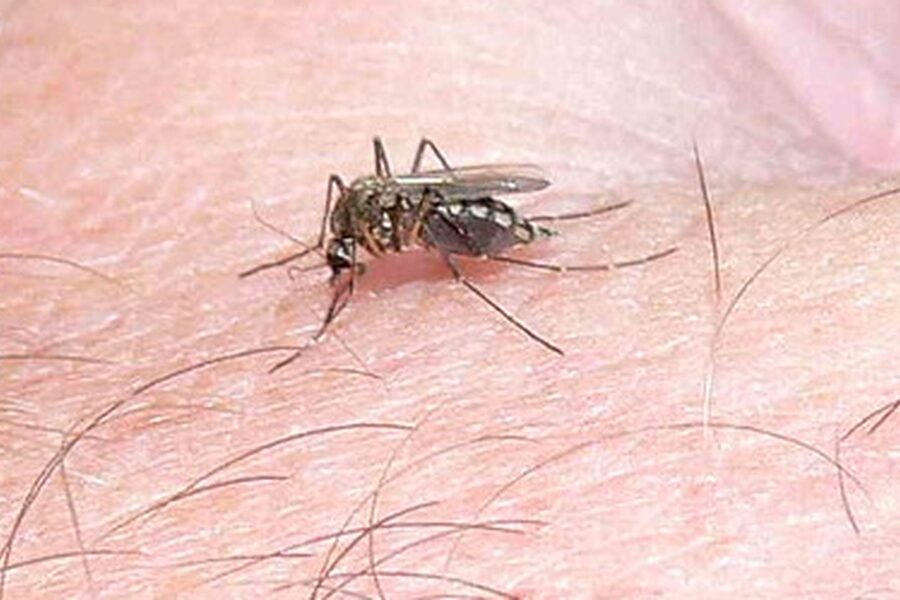
Yellow fever mosquito
Primary vector of dengue, Zika and yellow fever; breeds in artificial containers and thrives near people. Introduced historically via global trade; control focuses on source reduction, insecticides and community programs.
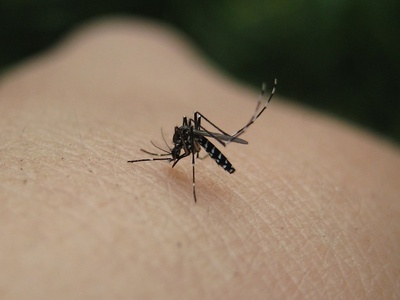
Asian tiger mosquito
Secondary vector for arboviruses, spread by tire and plant trade; competes with Aedes aegypti. Control requires container management, surveillance and localized insecticide use.

Africanized honey bee
Hybridized honey bees that are more defensive and affect beekeeping and native pollinators. Migrated from South America; management focuses on beekeeper practices, hive management and public safety measures.
Chytrid fungus
Pathogenic fungus causing severe amphibian declines and extinctions, spread via amphibian trade and water. Documented in Costa Rica; control limited to biosecurity, captive breeding and research on mitigation.
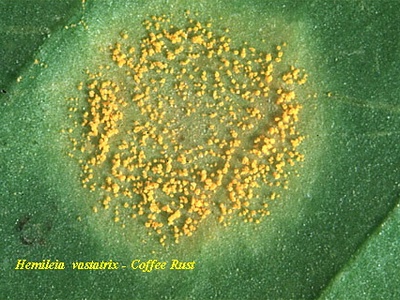
Coffee rust
Fungal disease causing defoliation and yield losses in coffee plantations; introduced historically with crop movement. Major economic impacts; management uses resistant varieties, fungicides and cultural practices.
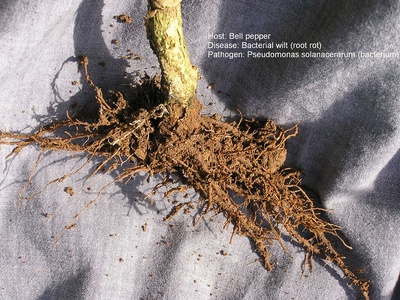
Bacterial wilt
Soil-borne bacterium causing wilt in many crops, spread via contaminated tools, seed and water. Significant economic pathogen; integrated management includes sanitary measures, resistant varieties and crop rotation.
Phytophthora dieback
Soil-borne pathogen killing roots of many plant species, contributing to forest dieback. Likely introduced with infected plants and soil; management emphasizes nursery hygiene, restricting soil movement and localized fungicide use.
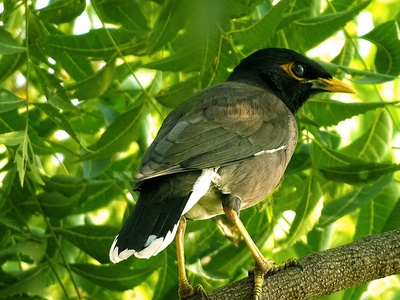
Common myna
Introduced for pest control/ornamental release, mynas compete with native birds, raid fruit and disturb nesting sites. Control includes trapping, removal, and public awareness to limit feeding and spread.