Eritrea’s varied landscapes — from Red Sea shores and coastal plains to highland plateaus — support diverse wildlife but also create entry points for non-native plants and animals. Trade, shipping and changing land use have helped some species establish outside their native ranges, with effects on agriculture, grazing and native biodiversity.
There are 6 Invasive Species in Eritrea, ranging from Black rat to Prickly pear. For each species you’ll find the Scientific name, Status in Eritrea, and Typical habitat in Eritrea to help identify where it occurs and how serious it is — you’ll find these details below.
How do these invasive species affect Eritrea’s ecosystems and livelihoods?
Invasive species can outcompete native plants, reduce forage for livestock, alter soil and fire regimes, and prey on or displace native animals; for example, rats can damage crops and ground‑nesting birds, while invasive cacti reduce grazing land and hinder movement. Those impacts translate into economic and ecological costs that vary by species and location.
What can residents and authorities do to detect and manage them?
Early detection, reporting sightings with photos and locations to local authorities, coordinated removal or containment efforts, and public awareness are key; preventing introductions at ports and in trade, avoiding planting known invasives, and supporting community control projects all help reduce spread and long‑term damage.
Invasive Species in Eritrea
| Common name | Scientific name | Status in Eritrea | Typical habitat in Eritrea |
|---|---|---|---|
| Mesquite | Prosopis juliflora | established, invasive | arid lowlands, rangeland, agricultural margins |
| Parthenium | Parthenium hysterophorus | established, invasive | roadsides, cropland, disturbed urban sites |
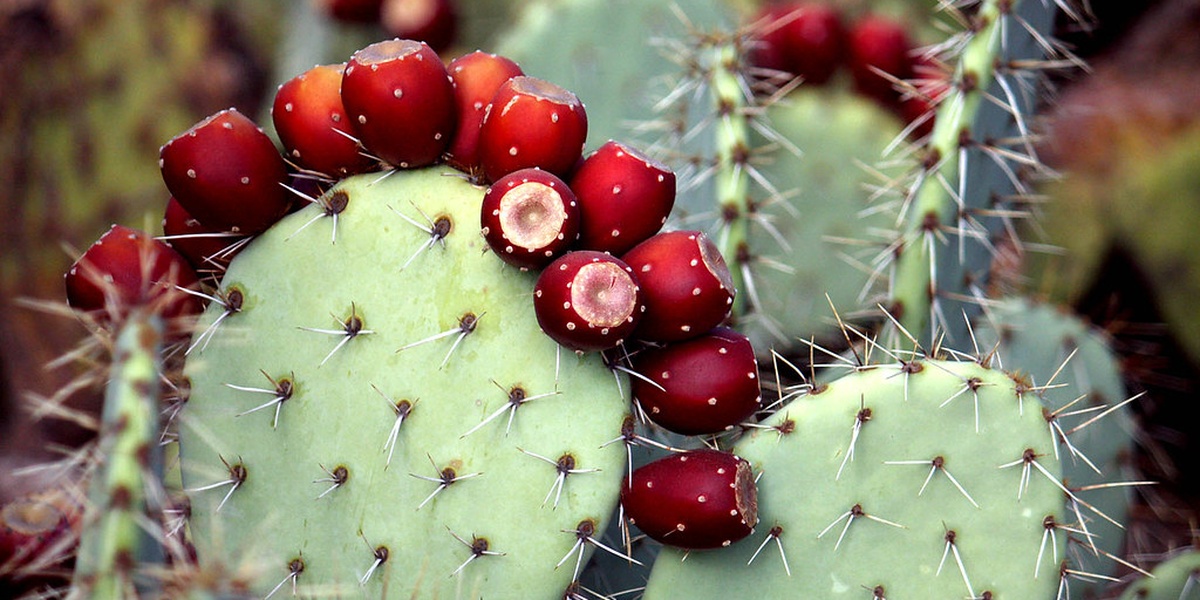
| Prickly pear | Opuntia ficus-indica | established, naturalized | semi-arid regions, hedgerows, degraded lands |
| Lantana | Lantana camara | established, invasive | disturbed sites, agricultural edges, riverbanks |
| Black rat | Rattus rattus | established, invasive (commensal) | ports, towns, farms, storage facilities |
| House mouse | Mus musculus | established, invasive (commensal) | homes, markets, granaries, farms |
Images and Descriptions

Mesquite
Native to the Americas, mesquite (Prosopis juliflora) was introduced for fuel and fodder and now forms dense thorny thickets in Eritrea’s arid lowlands and Gash-Barka, displacing native plants, reducing grazing, and lowering groundwater recharge while providing limited wood.
Parthenium
Parthenium hysterophorus, a weed from the Americas, is established along Eritrea’s roadsides, croplands and disturbed urban areas; it spreads rapidly, outcompetes crops and native flora, causes severe allergic dermatitis in people and livestock, and reduces agricultural yields and grazing quality.
Prickly pear
Prickly pear (Opuntia ficus-indica) from Mexico is naturalized across Eritrea’s semi‑arid zones and farm hedges; it provides fruit and fodder but can form dense, spiny stands that outcompete native vegetation and block access to grazing and farmland.
Lantana
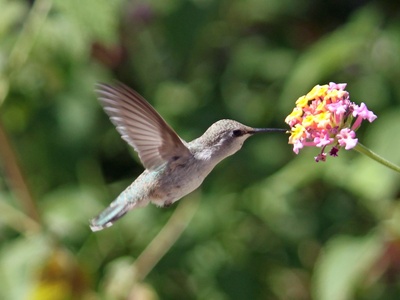
Lantana camara, introduced as an ornamental from the Americas, invades disturbed ground, river margins and farm edges in Eritrea; it forms impenetrable, prickly thickets that reduce plant diversity, lower forage quality and can be toxic to livestock if consumed.
Black rat
The black rat (Rattus rattus), spread historically by shipping, is established in Eritrea’s ports, towns and farms; it damages stored grain, transmits zoonotic diseases, and predates eggs and small wildlife, posing threats to food security and native biodiversity.
House mouse
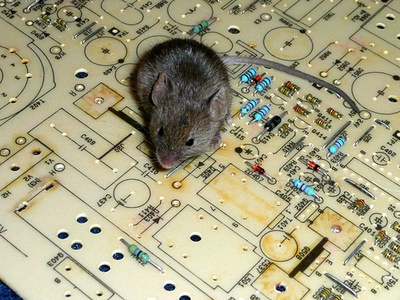
The house mouse (Mus musculus) is a widespread commensal in Eritrea’s homes, markets and granaries; introduced long ago, it causes losses to stored food, contaminates supplies, vectors pathogens and reproduces rapidly, creating persistent economic and public‑health problems.