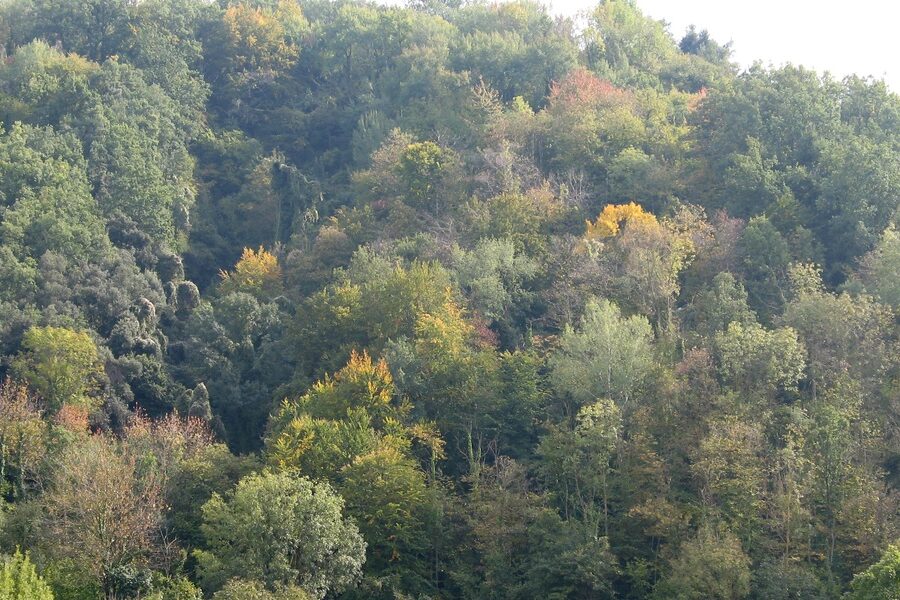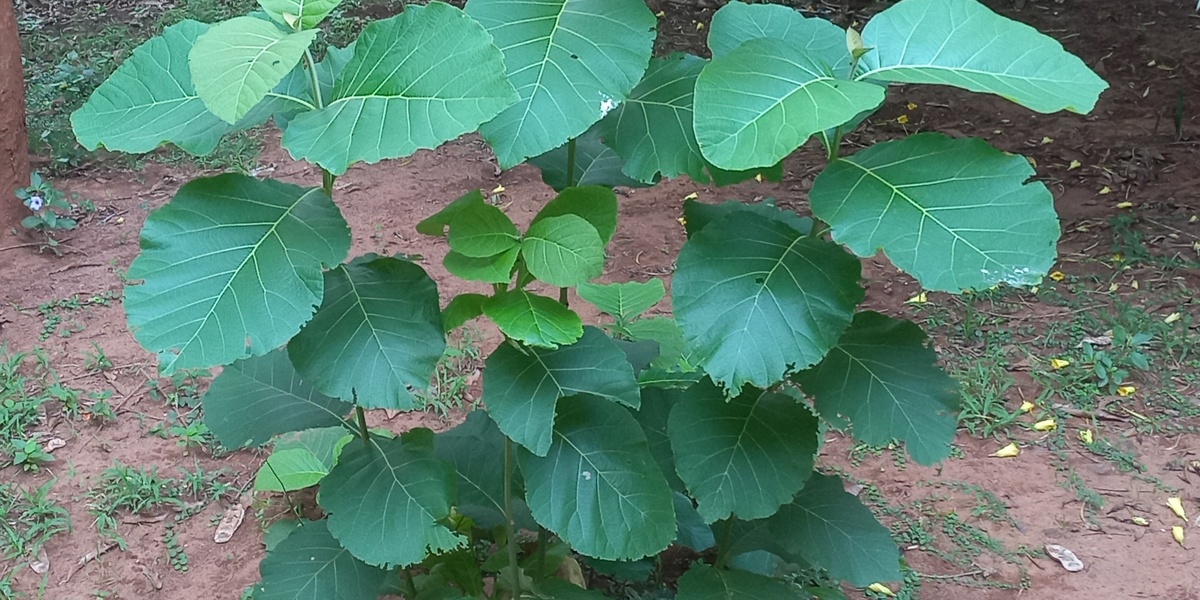
Laos sits at the heart of mainland Southeast Asia, where seasonal floods, limestone karsts and upland forests create varied habitats that support many useful and culturally important plants. Local knowledge and national surveys reveal a long history of botanical use across communities.
There are 31 Laos’ native plants, ranging from Agarwood to Yang. Each entry lists Scientific name,Type,Range (Laos),Uses (max 15 words) so you can quickly see taxonomy, where it grows in Laos, and practical uses; you’ll find below.
How were these particular plants selected?
The list focuses on species native to Laos cited in regional floras and ethnobotanical studies, prioritizing taxa with clear records of occurrence, traditional uses, or ecological importance so the list is useful for reference and field work.
Can I use this list to plan restoration or cultivation projects?
Yes — use the Range (Laos) and Type fields to match species to site conditions, check local propagation and legal restrictions, source plants from local nurseries or community programs, and consult regional experts for best practices.
Laos’ Native Plants
| Name | Scientific name | Type | Range (Laos) | Uses (max 15 words) |
|---|---|---|---|---|
| Yang | Dipterocarpus alatus | tree | Widespread lowland and foothills, central to southern Laos, up to 400 m | Timber, resin, ceremonial uses |
| Keruing (tubercled) | Dipterocarpus tuberculatus | tree | Central and northern dry forests, 100–600 m | Timber, resin, fuelwood |
| Light Red Meranti | Shorea obtusa | tree | Dry deciduous forests, central to southern provinces, 200–700 m | Timber, charcoal |
| Ironwood | Hopea odorata | tree | Riverine and evergreen forests, lowland to 500 m | Timber, shade, ecological woodlands |
| Burma padauk | Pterocarpus macrocarpus | tree | Seasonal forests across Laos, lowland to 800 m | Timber (furniture), medicinal |
| Siamese rosewood | Dalbergia cochinchinensis | tree | Lowland deciduous forests, southern and central Laos, below 700 m | Luxury timber, carvings |
| Teak | Tectona grandis | tree | Scattered native stands in dry forests, lowland to 600 m | Timber, flooring, boatbuilding |
| Tetrameles | Tetrameles nudiflora | tree | Gallery and mixed forests, widespread, up to 1,200 m | Timber, shade, wildlife habitat |
| Khasi pine | Pinus kesiya | tree | Upland and montane ridges in northern Laos, 800–1,800 m | Timber, resin, fuelwood |
| Agarwood | Aquilaria crassna | tree | Lowland and foothill evergreen forests, scattered, 100–600 m | Agarwood (oud), incense, medicinal |
| Queen’s crape-myrtle | Lagerstroemia speciosa | tree | Riverbanks and disturbed forests, widespread lowland, up to 600 m | Ornamental, shade, traditional medicine |
| Champak | Magnolia champaca | tree | Evergreen forests and villages, lowland to 1,000 m | Fragrant flowers, timber, perfumes |
| Sacred lotus | Nelumbo nucifera | herb | Shallow ponds and floodplains, Mekong basin and lowlands | Food, ornament, religious uses |
| Wild rice | Oryza rufipogon | herb | Seasonal wetlands and river margins, Mekong floodplains | Genetic resource, food origins |
| Giant bamboo | Bambusa bambos | bamboo | Disturbed forests, riverbanks, widespread lowlands | Construction, fencing, tools |
| Bamboo (tulda) | Bambusa tulda | bamboo | Lowland to foothill forests, central Laos | Culms for construction, mats, crafts |
| Dendrocalamus (river bamboo) | Dendrocalamus membranaceus | bamboo | Riparian forests and floodplains, Mekong valley | Timber, scaffolding, craft |
| Fishtail palm | Caryota urens | palm | Moist forests and stream valleys, lowland to 800 m | Sugar, weaving, edible pith |
| Tree fern | Cyathea spinulosa | fern | Montane and submontane forests, 500–1,800 m | Ornamental, habitat indicator |
| Giant fern | Angiopteris evecta | fern | Shaded streambanks and damp forests, lowland to 900 m | Traditional medicine, ornamental |
| Foxtail orchid | Rhynchostylis retusa | orchid | Seasonal and evergreen forests, lowland to 600 m | Ornamental, fragrant flowers |
| Fringed dendrobium | Dendrobium fimbriatum | orchid | Forests and limestone areas, lowland to 1,200 m | Ornamental, traditional uses |
| Fragrant aerides | Aerides odorata | orchid | Evergreen forests and ridges, lowland to 800 m | Ornamental, fragrant flowers |
| Long pepper | Piper retrofractum | vine | Humid forests and edges, Mekong lowlands | Spice, medicinal |
| Indian snakeroot | Rauvolfia serpentina | shrub | Disturbed forest margins and lowland areas | Medicinal (cardiac, sedative) |
| Green chiretta | Andrographis paniculata | herb | Open areas, roadsides, lowland to 1,000 m | Medicinal (fever, infections) |
| Kratom | Mitragyna speciosa | tree | Seasonal rainforest and riverine areas, lowland to 600 m | Traditional stimulant, medicinal |
| Wild sandalwood | Santalum album | tree | Scattered in dry forests, lowland areas | Fragrance, timber, medicinal |
| Nelumbo’s companion (Nymphaea) | Nymphaea lotus | herb | Shallow lakes and slow rivers, Mekong floodplains | Ornamental, cultural uses |
| Wild cinnamon | Cinnamomum tamala | tree | Evergreen and gallery forests, lowland to 1,200 m | Spice, medicinal |
| Indian gooseberry | Phyllanthus emblica | tree | Open forests and village edges, lowland to 800 m | Medicinal, food supplement |
Images and Descriptions

Yang
Large dipterocarp that dominates seasonal forests. Valued for heavy timber and aromatic resin; important for traditional construction and cultural rites. Faces logging pressure and habitat loss across Laos.
Keruing (tubercled)
Medium-sized dipterocarp of drier forest types. Recognizable by rough bark and winged fruit; common in deciduous dipterocarp stands and used locally for timber and firewood.
Light Red Meranti
A durable Shorea species of deciduous forests; produces quality timber used locally and for export. Forms part of important seasonal forest ecosystems in Laos.
Ironwood
Massive evergreen providing dense hardwood timber and shade. Often found near rivers and upland evergreen patches; valued for construction and ecological stability.
Burma padauk
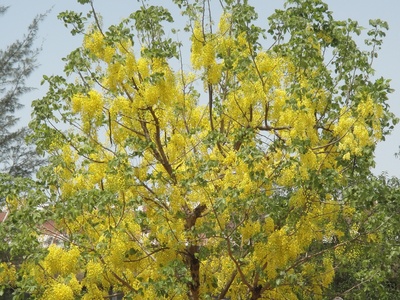
Iconic timber tree with decorative reddish wood; used for high-quality furniture and traditional medicine. Overharvesting has reduced populations in parts of Laos.
Siamese rosewood
Highly prized rosewood with deep reddish grain; historically common in Laos but now critically reduced due to illegal logging and international demand.
Teak
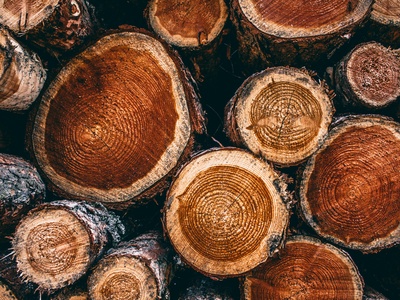
Familiar tropical hardwood tree producing durable, rot-resistant timber. Native stands exist in seasonal forests; also widely planted, though native remnants are conservation priorities.
Tetrameles
Very large deciduous tree with buttressed trunk and broad crown. Important for canopy structure, wildlife shelter, and as a source of light timber and shade in villages.
Khasi pine
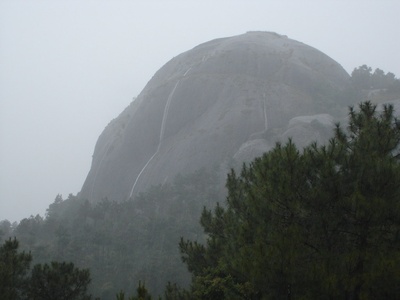
A resilient hill pine forming extensive montane forests. Provides local timber and resin; important for watershed protection and distinct highland landscapes.
Agarwood
Source of fragrant agarwood produced after fungal infection; highly prized for perfume and traditional medicine. Wild populations are heavily exploited and conservation concern is high.
Queen’s crape-myrtle
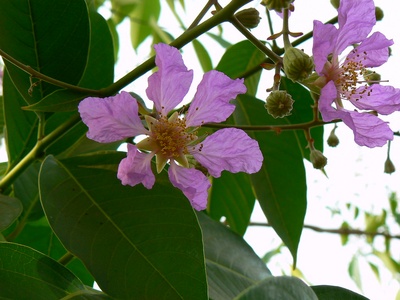
Showy flowering tree with spectacular purple blooms. Common near waterways and villages, used ornamentally and for traditional remedies.
Champak
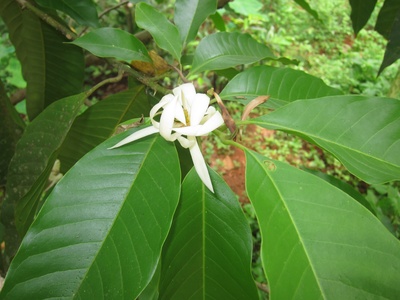
Fragrant-flowered tree treasured for its aromatic blossoms used in perfumes and ceremonies. Also harvested for light timber; culturally significant across Laos.
Sacred lotus
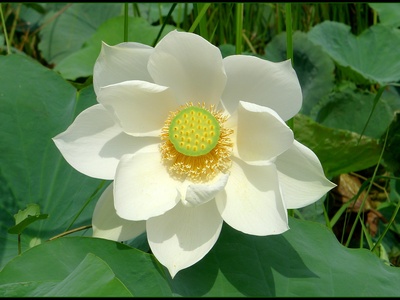
Iconic aquatic plant with floating leaves and large fragrant flowers. Roots, seeds, and petals are used as food and in rituals; common in wetlands and temple ponds.
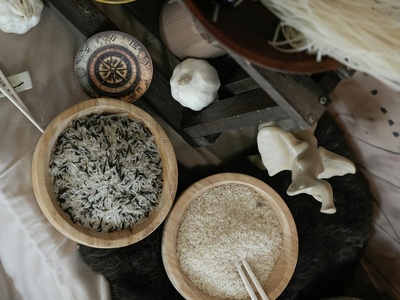
Wild rice
Progenitor of cultivated rice found in marshes and floodplains. Important genetic resource for rice breeding and conservation in Laos’ traditional wetland landscapes.
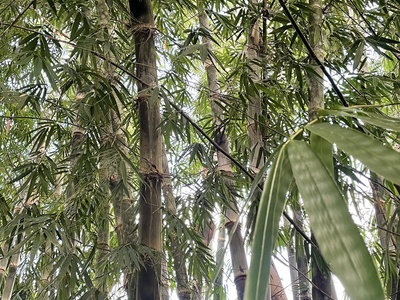
Giant bamboo
Robust clumping bamboo used widely for construction, fences, and rural implements. Rapid grower that regenerates after disturbance and supports local livelihoods.
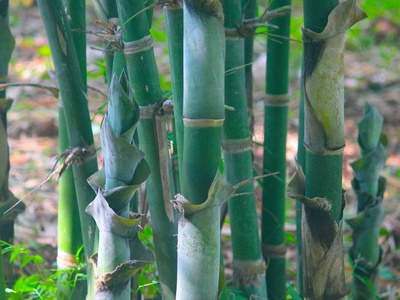
Bamboo (tulda)
Strong, straight bamboo valued for light construction and weaving. Common near settlements and forest edges; an important local resource.
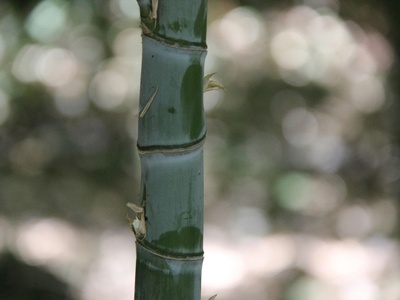
Dendrocalamus (river bamboo)
Large bamboo forming dense stands along rivers. Its thick culms are used for building, bridges, and traditional crafts across riverine communities.
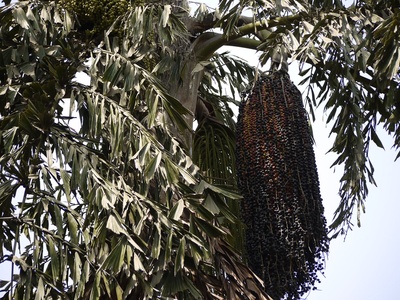
Fishtail palm
Distinctive fishtail-like leaves; tapped for sugar and sago-like starch. Common in moist valleys and used in folk economies for food and materials.
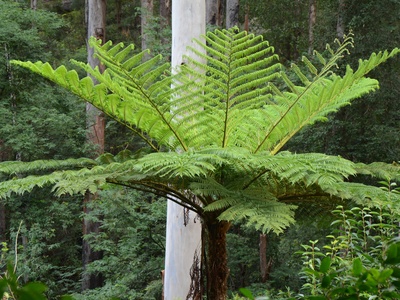
Tree fern
Impressive tree fern with erect trunk and graceful fronds. Marks shaded, humid forest understories and provides microhabitats for epiphytes and invertebrates.
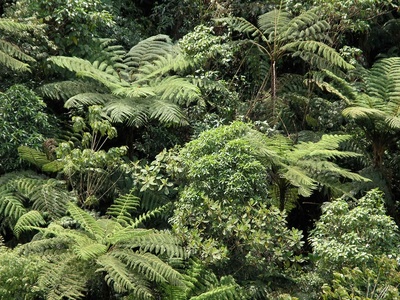
Giant fern
Massive-leaved fern of wet forests and streams. Its dramatic fronds are locally used and it indicates intact moist forest conditions.
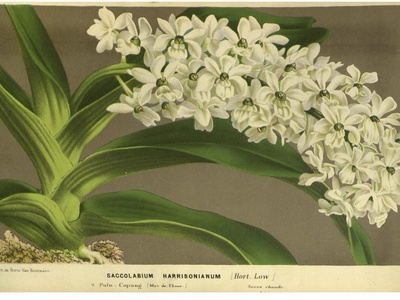
Foxtail orchid
Striking fragrant orchid with pendulous clusters of white to pink flowers. Collected locally for ornament and cultural use; found on tree trunks and forest edges.
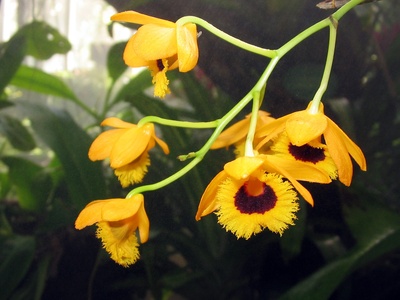
Fringed dendrobium
Epiphytic or lithophytic orchid with distinctive fringed lips. Occurs in forests and karst, popular among local collectors for its showy blooms.
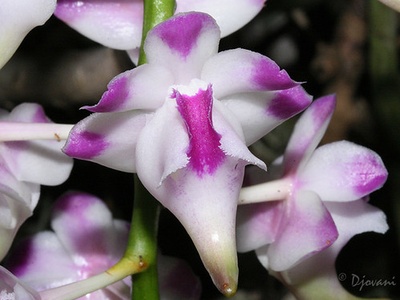
Fragrant aerides
A fragrant epiphytic orchid with clusters of perfume-scented flowers. Grows on large trees in evergreen forests and valued by collectors and local communities.
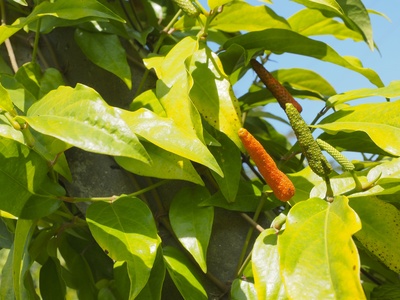
Long pepper
Climbing pepper vine producing elongated peppercorn spikes used as a spice and in traditional remedies. Found in shaded forest understories and agroforestry systems.
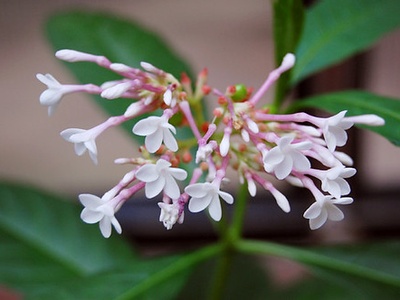
Indian snakeroot
Wrinkled shrub long used in traditional medicine for cardiac and sedative properties. Occurs naturally in lowland thickets and secondary growth.
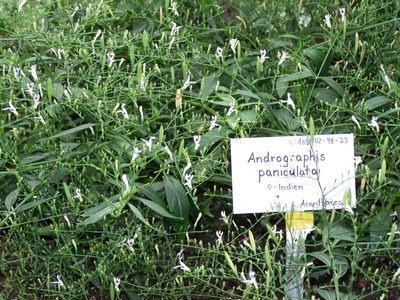
Green chiretta
Small annual herb widely used in traditional remedies for fever and infections. Common in disturbed ground and villages across Laos.
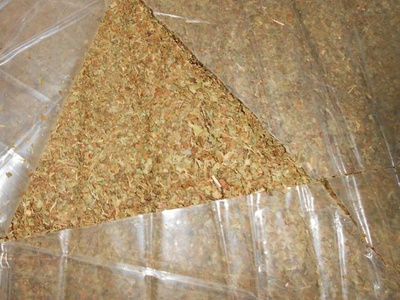
Kratom
Tropical tree used traditionally as a stimulant and for medicinal purposes. Naturally occurs in riverine and seasonal forests; cultural uses vary regionally.
Wild sandalwood
Hemiparasitic tree producing fragrant heartwood historically used for incense and carvings. Wild populations are localized and under pressure from harvest.
Nelumbo’s companion (Nymphaea)
White water-lily common in still waters and floodplain pools. Flowers and leaves are used locally and it decorates wetlands and temple ponds.
Wild cinnamon
Aromatic evergreen tree whose leaves and bark are used as spice and in traditional medicine. Occurs in moist forests and along streams.
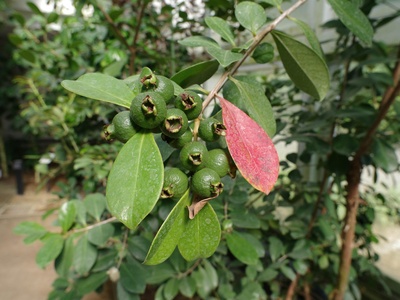
Indian gooseberry
Small fruiting tree known for vitamin-rich fruits used in traditional medicine and as a tonic. Found near settlements and in secondary growth.