Belarus sits where broadleaf forests, wetlands and farmland meet, so mammals here reflect both European woodland and open-country species you might spot on a morning walk or at the edge of a marsh. Seasonal movement and local habitats make the list varied but approachable for naturalists and curious locals alike.
There are 47 Mammals of Belarus, ranging from American mink to Yellow-necked mouse. For each species you’ll find below Scientific name,IUCN status,Typical length (cm) to help with identification and conservation context.
How current is this species list and what sources were used?
The list is drawn from recent national surveys and international assessments, with IUCN status included for conservation context; check the date on the dataset you consult since ranges and statuses can change with new studies. Local monitoring programs and museum records are useful for the most up-to-date regional occurrences.
How can I tell an American mink from a Yellow-necked mouse in the field?
Size and habitat are the quickest clues: an American mink is much larger, semi-aquatic and active near water with sleek dark fur, while a Yellow-necked mouse is small, arboreal/ground-dwelling and often found in woodlands; use the Typical length (cm) and photos where available, observe quietly and avoid handling wildlife.
Mammals of Belarus
| Common name | Scientific name | IUCN status | Typical length (cm) |
|---|---|---|---|
| European bison | Bison bonasus | Vulnerable | 250 |
| Moose | Alces alces | Least Concern | 220 |
| Roe deer | Capreolus capreolus | Least Concern | 100 |
| Red deer | Cervus elaphus | Least Concern | 200 |
| Wild boar | Sus scrofa | Least Concern | 140 |
| Gray wolf | Canis lupus | Least Concern | 95 |
| Eurasian lynx | Lynx lynx | Least Concern | 90 |
| Red fox | Vulpes vulpes | Least Concern | 60 |
| Raccoon dog | Nyctereutes procyonoides | Least Concern | 50 |
| European badger | Meles meles | Least Concern | 70 |
| European otter | Lutra lutra | Near Threatened | 65 |
| European wildcat | Felis silvestris | Least Concern | 60 |
| Pine marten | Martes martes | Least Concern | 45 |
| Stone marten | Martes foina | Least Concern | 45 |
| American mink | Neovison vison | Least Concern | 40 |
| Least weasel | Mustela nivalis | Least Concern | 12 |
| Stoat (ermine) | Mustela erminea | Least Concern | 20 |
| European polecat | Mustela putorius | Least Concern | 40 |
| European beaver | Castor fiber | Least Concern | 80 |
| Eurasian red squirrel | Sciurus vulgaris | Least Concern | 20 |
| European hare | Lepus europaeus | Least Concern | 50 |
| Brown rat | Rattus norvegicus | Least Concern | 20 |
| House mouse | Mus musculus | Least Concern | 8 |
| Muskrat | Ondatra zibethicus | Least Concern | 45 |
| Bank vole | Myodes glareolus | Least Concern | 11 |
| Field vole | Microtus agrestis | Least Concern | 10 |
| Common vole | Microtus arvalis | Least Concern | 9 |
| Water vole | Arvicola amphibius | Least Concern | 16 |
| Yellow-necked mouse | Apodemus flavicollis | Least Concern | 10 |
| Striped field mouse | Apodemus agrarius | Least Concern | 10 |
| Ural field mouse | Apodemus uralensis | Least Concern | 9 |
| Harvest mouse | Micromys minutus | Least Concern | 6 |
| European mole | Talpa europaea | Least Concern | 13 |
| Common shrew | Sorex araneus | Least Concern | 8 |
| Pygmy shrew | Sorex minutus | Least Concern | 4 |
| Eurasian water shrew | Neomys fodiens | Least Concern | 8 |
| Bicoloured white-toothed shrew | Crocidura leucodon | Least Concern | 6 |
| Common pipistrelle | Pipistrellus pipistrellus | Least Concern | 4 |
| Nathusius’ pipistrelle | Pipistrellus nathusii | Least Concern | 5 |
| Soprano pipistrelle | Pipistrellus pygmaeus | Least Concern | 4 |
| Noctule | Nyctalus noctula | Least Concern | 7 |
| Serotine | Eptesicus serotinus | Least Concern | 7 |
| Daubenton’s bat | Myotis daubentonii | Least Concern | 5 |
| Natterer’s bat | Myotis nattereri | Least Concern | 5 |
| Brandt’s bat | Myotis brandtii | Least Concern | 5 |
| Brown long-eared bat | Plecotus auritus | Least Concern | 6 |
| Pond bat | Myotis dasycneme | Near Threatened | 6 |
Images and Descriptions
European bison
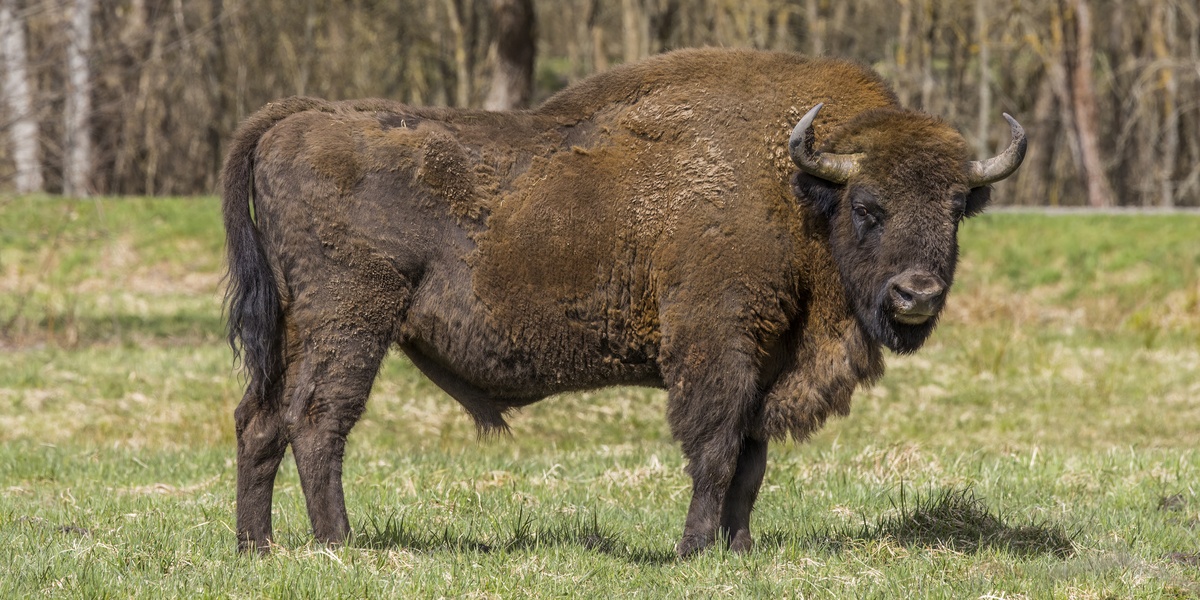
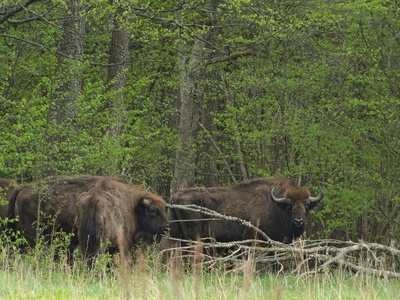
Europe’s heaviest land mammal reintroduced to Belarus; found in Belovezhskaya Pushcha and protected forest reserves. Large, shaggy herbivore recovering from extinction in the wild; conservation flagship with strict protection and ongoing reintroductions.
Moose
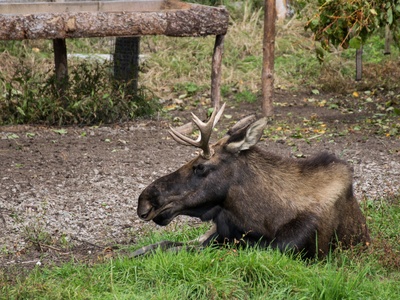
Huge, solitary browser of wet forests and marshes across northern and central Belarus. Adults frequent Polesie and river valleys; shy but occasionally seen at dawn or dusk. Populations are stable though sensitive to hunting and habitat change.
Roe deer
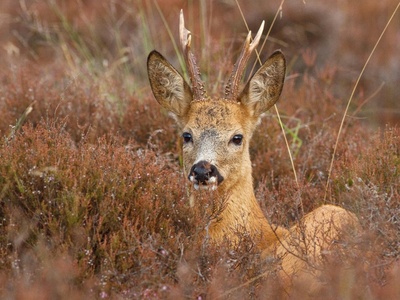
Common across Belarus in mixed forests, farmlands and hedgerows. Small, graceful deer often seen at forest edges and open fields. Important game species with stable populations and year-round presence.
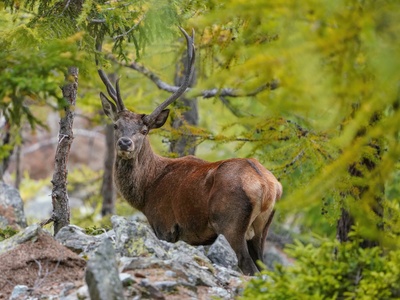
Red deer
Larger deer found in extensive woodlands and parks, especially in western and southern Belarus. Roars during autumn rut; populations are managed for hunting and conservation, and they prefer larger forest complexes.
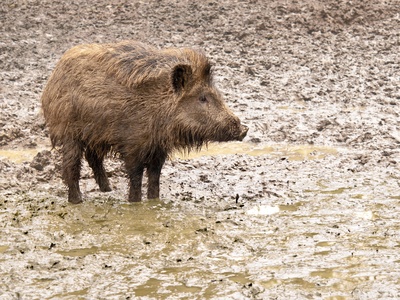
Wild boar
Widespread and adaptable omnivore in forests, marshes and agricultural areas throughout Belarus. Highly reproductive and sometimes causes crop damage; populations have increased in recent decades.
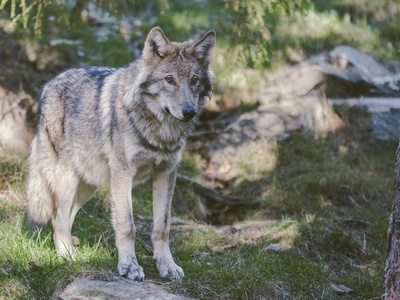
Gray wolf
Top predator of Belarusian forests and wetlands, present in most regions though at low densities. Packs forage on deer and boar; protected but managed where livestock conflicts occur. Elusive and mostly nocturnal.
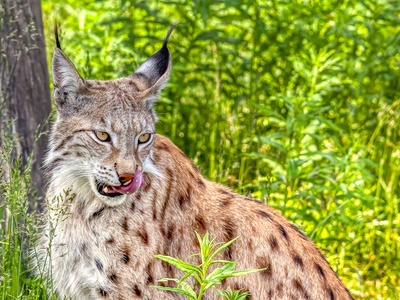
Eurasian lynx
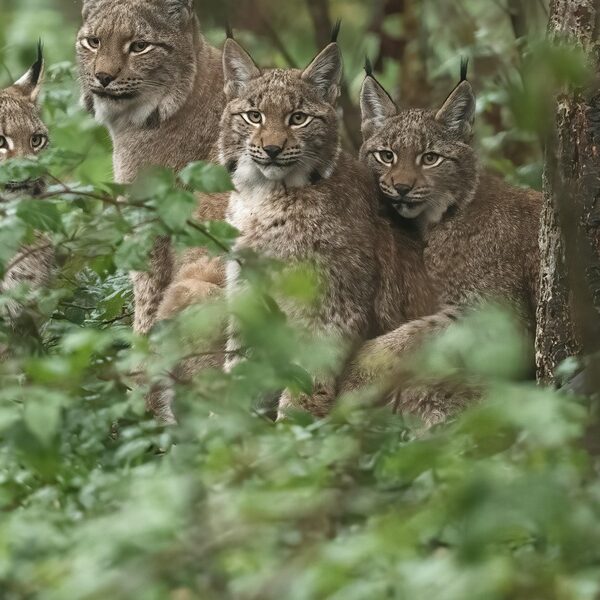
Solitary, secretive forest cat found in old-growth woodlands like Belovezhskaya Pushcha and remote eastern forests. Low-density, protected predator that prefers large territories and dense cover.
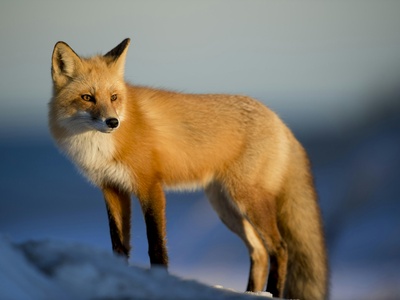
Red fox
Common and adaptable carnivore across Belarus from countryside to suburbs. Omnivorous and clever, often seen at dusk. Thrives near human settlements and farmland, playing a key role in controlling rodents.
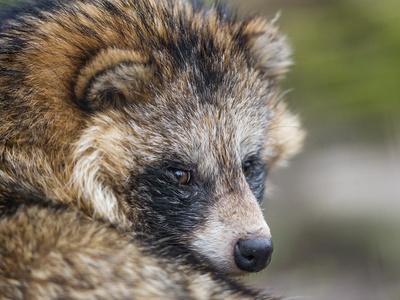
Raccoon dog
Introduced from East Asia and now widespread in Belarusian wetlands and forests. Nocturnal omnivore that breeds well and can impact native fauna; common in Polesie marshes and lowlands.
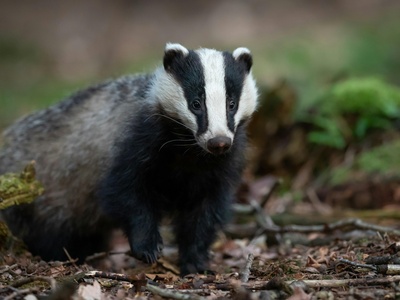
European badger
Stocky, social mammal living in setts in mixed woodlands and farmland. Active at night and feeds on earthworms, insects and small mammals. Populations stable in many Belarus regions, often in hedged countryside.
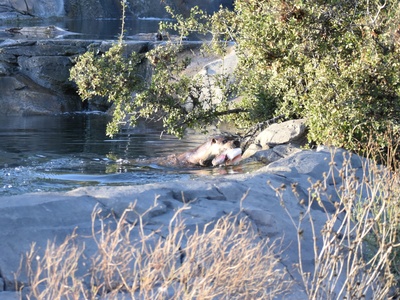
European otter
Semi-aquatic mustelid in rivers, lakes and wetlands—Polesie is a stronghold. Fish-eating and highly sensitive to water quality; populations recovering with conservation measures but still locally scarce.
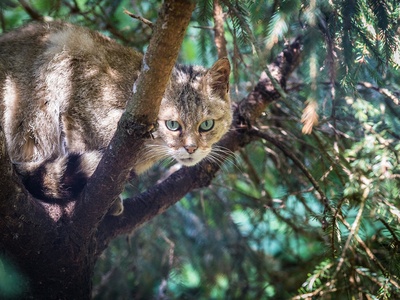
European wildcat
Elusive forest cat found in mature woodlands across Belarus. Shy and solitary, it avoids open farmland. Conservation concerns focus on hybridization with feral domestic cats and habitat loss.
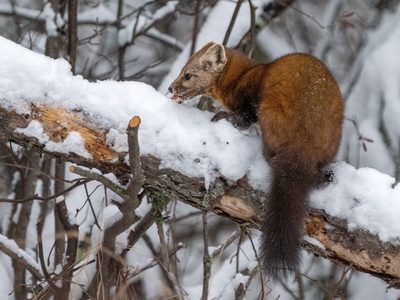
Pine marten
Arboreal mammal of mature forests, often seen on woodland edges and older stands. Eats fruits, small mammals and birds; benefited from forested habitats in Belarus and is fairly widespread.
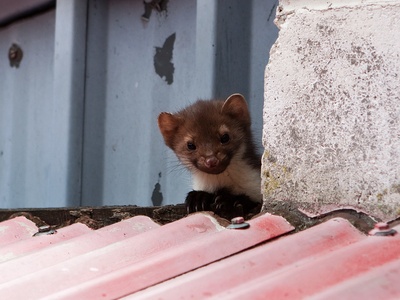
Stone marten
Prefers more open woodlands, villages and farmland edges; sometimes den in buildings. Omnivorous and adaptable, common in many parts of Belarus and tolerates human-altered landscapes.
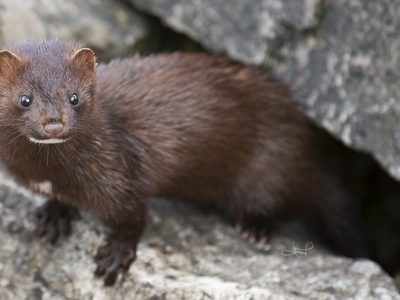
American mink
Introduced from fur farms and established in Belarusian waterways and wetlands. Predatory on fish and small birds; considered invasive with impacts on native water vole and bird colonies.
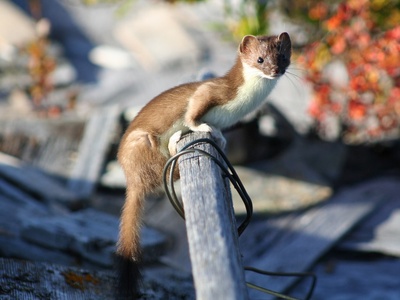
Least weasel
Tiny, fierce predator in fields, meadows and forest edges across Belarus. Hunts small rodents and is active year-round; often overlooked because of its small size and secretive habits.
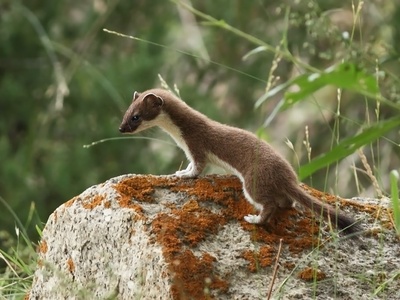
Stoat (ermine)
Small mustelid common in open forests, wetlands and fields. Turns white in winter in colder areas (ermine) and preys on rodents; widespread but locally variable in Belarus.
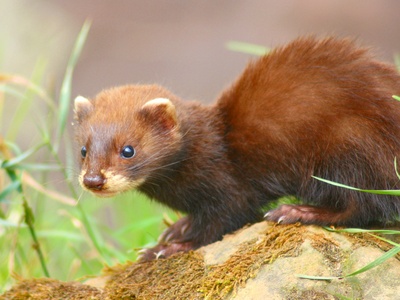
European polecat
Nocturnal carnivore of mixed habitats and farmlands, preying on rodents, amphibians and birds. Present across Belarus and known for adaptable diet and sometimes denning near human structures.
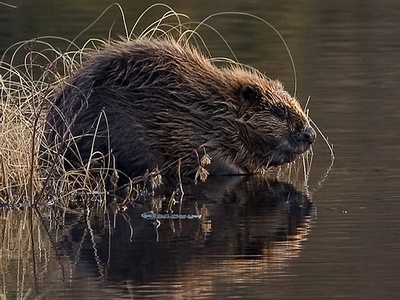
European beaver
Reintroduced and recovering in Belarusian rivers and wetlands, especially Polesie. Keystone species creating wetlands and improving biodiversity; often seen by rivers or detected by characteristic dams and lodges.
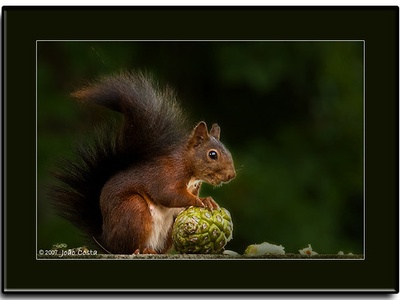
Eurasian red squirrel
Common in Belarusian broadleaf and coniferous forests, active during day. Easily recognized by ear tufts (in winter) and reddish coat; caches nuts and plays a role in seed dispersal.
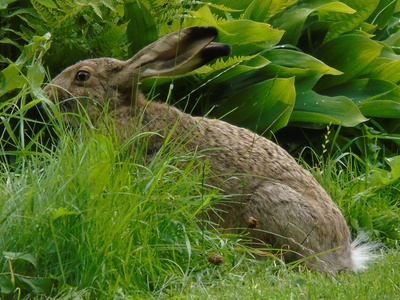
European hare
Open-country leporid abundant in fields, meadows and steppe-like areas. Fast and wary, often seen at dusk; important game species and adapted to agricultural landscapes in Belarus.
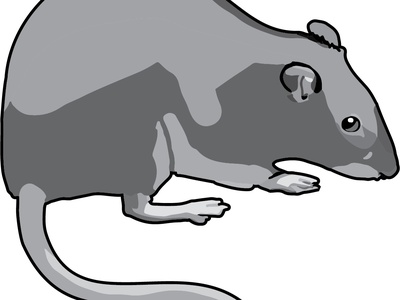
Brown rat
Commensal species widespread in towns, farms and riverbanks. Highly adaptable omnivore present across Belarus; commonly encountered near human habitations and storage areas.
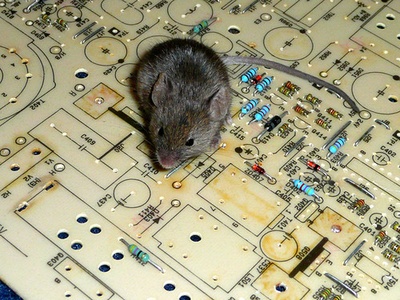
House mouse
Small commensal rodent living in and around buildings nationwide. Prolific breeder and common in rural and urban areas; often unnoticed but ubiquitous in Belarus.
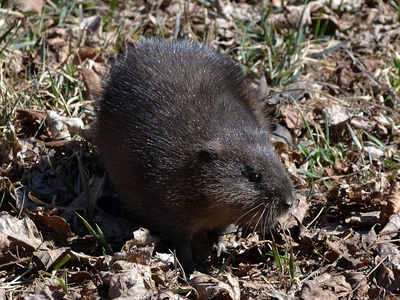
Muskrat
North American semiaquatic rodent introduced to Belarus; now common in marshes, reedbeds and slow rivers. Builds lodges and burrows, and can alter wetland vegetation and bank stability.
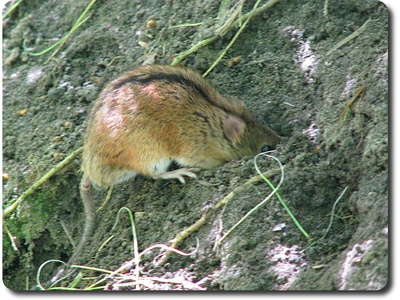
Bank vole
Common woodland rodent across Belarus, favouring moist forests and shrublands. Important prey for many predators and a key part of forest ecosystems; populations fluctuate seasonally.
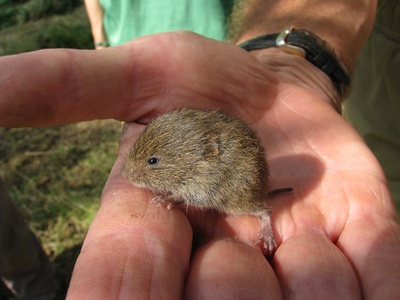
Field vole
Open-habitat vole found in meadows, wetlands and field margins. Important food for raptors and carnivores; populations can boom and collapse cyclically in Belarus.
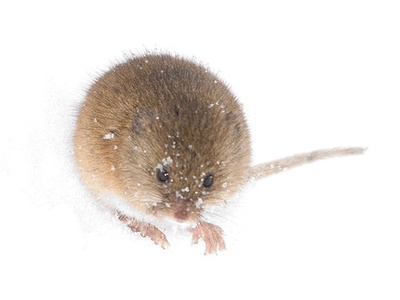
Common vole
Widespread in agricultural fields and grasslands. High reproductive rate and sometimes an agricultural pest; prey base for many predators in Belarusian lowlands.
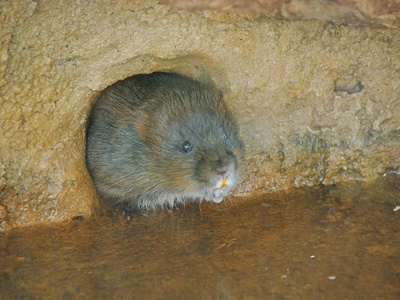
Water vole
Large vole of riverbanks and wetlands, common in Polesie. Strong swimmer that feeds on vegetation; populations declined historically but stable in many protected wetlands.
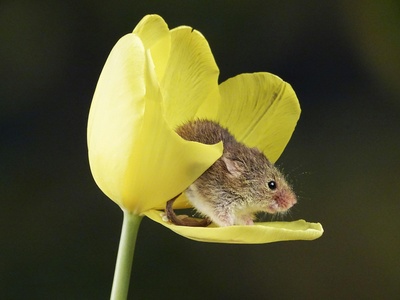
Yellow-necked mouse
Woodland rodent common in deciduous forests of Belarus. Notable yellowish collar and omnivorous diet; important seed disperser and prey item for forest predators.
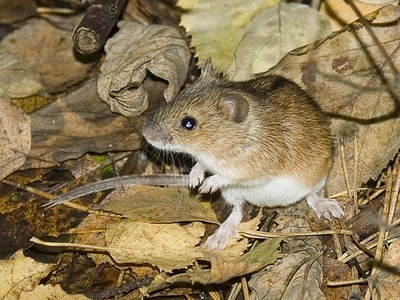
Striped field mouse
Occurring in open woodlands, field margins and scrub across Belarus. Distinctive dorsal stripe as a juvenile; common and adaptable to agricultural landscapes.
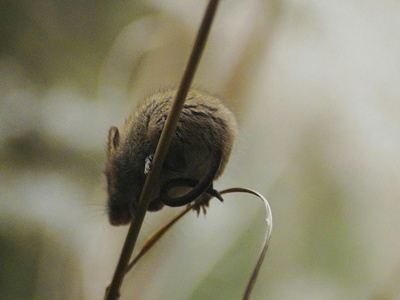
Ural field mouse
Small woodland and steppe-edge rodent present in parts of Belarus. Lives in grassy and shrubby habitats; less conspicuous than other Apodemus species but part of small-mammal communities.

Harvest mouse
Tiny, acrobatic rodent that nests in tall grasses and reedbeds. Found in wet meadows and river margins; prized for its remarkable nest-building and rare sightings.
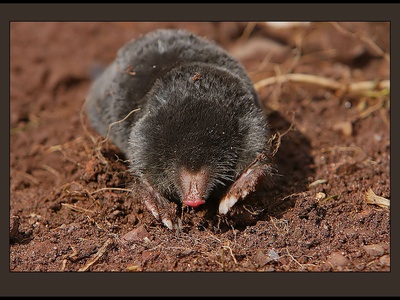
European mole
Fossorial insectivore creating molehills in fields and gardens across Belarus. Plays a role in soil aeration; typically unseen but signs are common in soft soils.
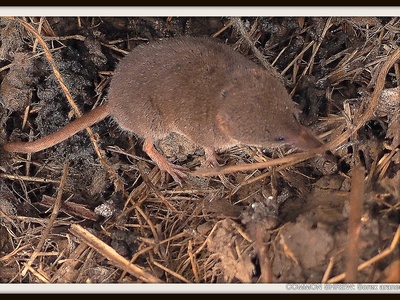
Common shrew
Abundant small insectivore in woodlands, grasslands and wetlands. High metabolism and short lifespan; important prey for many carnivores and birds in Belarus.
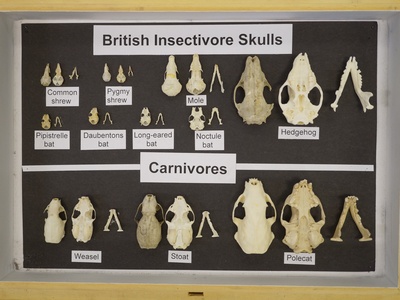
Pygmy shrew
Tiny, fast-moving insectivore of grassy and shrubby habitats. Often overlooked but widespread; prefers moist habitats and helps control invertebrate populations.
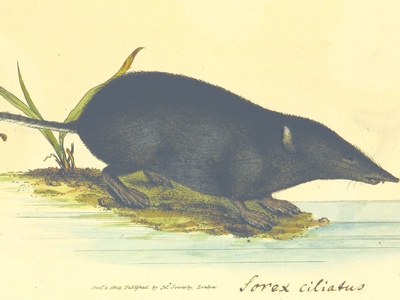
Eurasian water shrew
Aquatic insectivore found along streams and wetlands in Belarus. Strong swimmer with water-repellent fur; feeds on aquatic invertebrates and small fish.
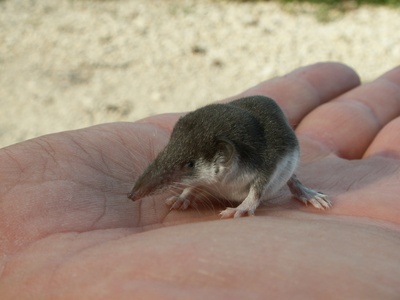
Bicoloured white-toothed shrew
Small insectivorous shrew occupying dry meadows and forest edges. Less common than the common shrew but present in suitable habitats across Belarus.
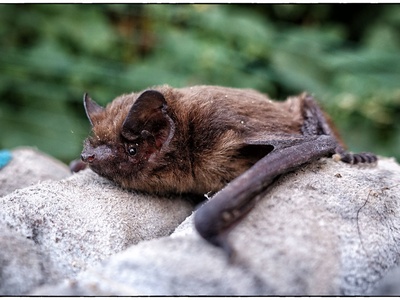
Common pipistrelle
Tiny flexible bat that roosts in buildings and trees, common in towns and countryside. Hunts insects at dusk and is one of the most frequently encountered bats in Belarus.

Nathusius’ pipistrelle
Migratory pipistrelle that passes through Belarus in spring and autumn and breeds in some woodlands. Prefers waterside habitats and is notable for long-distance movements.

Soprano pipistrelle
Close relative of the common pipistrelle, often found near rivers and wetlands in Belarus. Active over water catching insects and roosts in tree cavities or buildings.
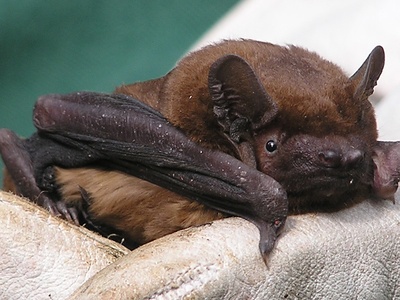
Noctule
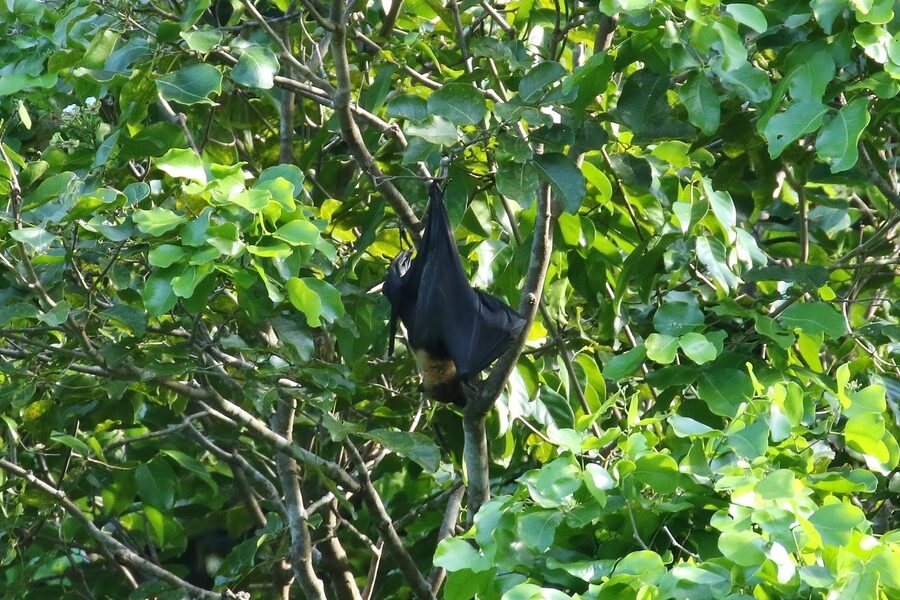
Large, fast-flying bat frequenting open woodlands and city parks. Emerges early and flies high to catch moths and beetles; migratory tendencies in some populations in Belarus.
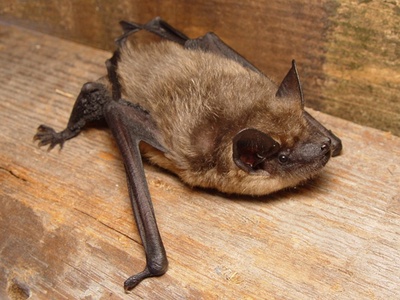
Serotine
Robust evening bat common in rural and urban areas, roosting in buildings and tree cavities. Hunts larger insects and tolerates human-modified landscapes across Belarus.
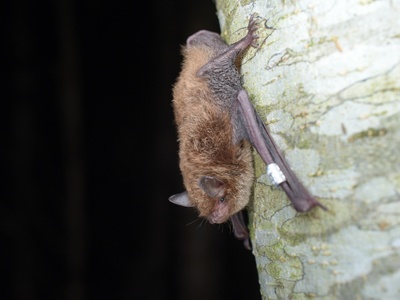
Daubenton’s bat
Water-loving bat often seen flying low over rivers and lakes in Belarus. Uses water surfaces to catch insects and roosts in bridges, trees and buildings.
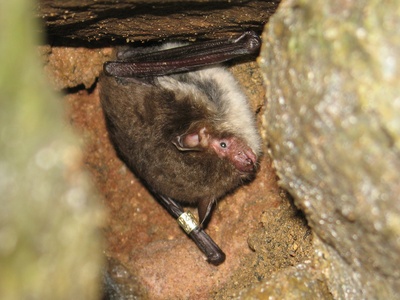
Natterer’s bat
Forest-associated bat that forages in cluttered habitats, feeding on small insects. Present across Belarus in mature woodlands and parklands.
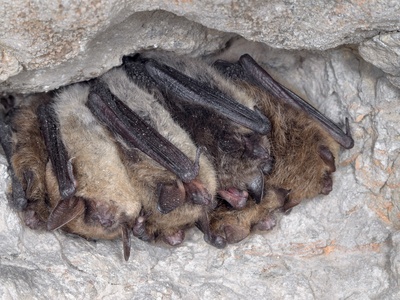
Brandt’s bat
Small Myotis species inhabiting mixed forests and rural areas. Roosts in tree cavities and buildings; present but less conspicuous than more common pipistrelles.
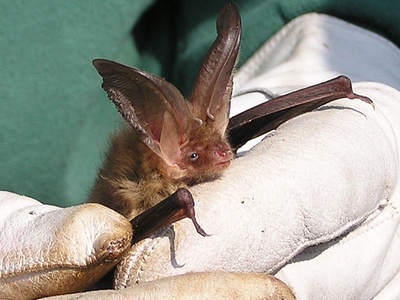
Brown long-eared bat
Distinctive large-eared bat that forages slowly among trees and buildings. Common in Belarusian woodlands and sometimes roosts in attics and church towers.
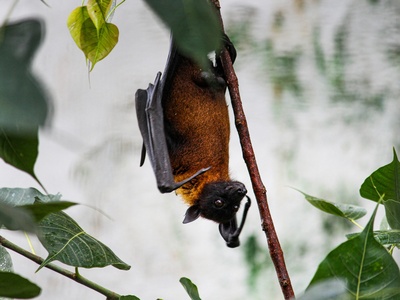
Pond bat
A bat closely associated with wetlands and slow rivers; found in Belarusian Polesie and lowland wetlands. Faces threats from wetland loss and water pollution; conservation important in wetland areas.