From the alpine peaks of the Rockies to the marshes of the Gulf Coast, the United States supports a wide mix of native and introduced mammals shaped by climate, habitat and human activity. Field biologists, wildlife managers and curious readers all rely on clear species lists to track where animals live and how populations are faring.
There are 50 Mammals of the United States, ranging from American badger to Wild boar (feral hog). For each species you’ll find below Scientific name, Primary U.S. range (states/regions), Conservation status (IUCN / U.S. federal) so you can quickly compare taxonomy, geographic distribution and protection status; see the full entries you’ll find below.
How is range information determined for each mammal?
Range entries summarize official state and regional records, published range maps and recent surveys; they may note introduced or vagrant occurrences separately so you can tell where a species consistently breeds versus where it appears only occasionally.
Which species on the list should readers watch for conservation concern?
Check the Conservation status column: species listed as IUCN Vulnerable/Endangered or with federal protections merit the most attention, and priorities often include localized populations (e.g., certain bats, large carnivores and island endemics), while invasive species like feral hogs are managed for different reasons.
Mammals of the United States
| Common name | Scientific name | Primary U.S. range (states/regions) | Conservation status (IUCN / U.S. federal) |
|---|---|---|---|
| White-tailed deer | Odocoileus virginianus | Most states east of the Great Plains; parts of West | Least Concern; not listed |
| Mule deer | Odocoileus hemionus | Western U.S., Rockies, Great Basin, Southwest | Least Concern; not listed |
| Elk | Cervus canadensis | Western U.S., reintroduced eastern parks | Least Concern; not listed |
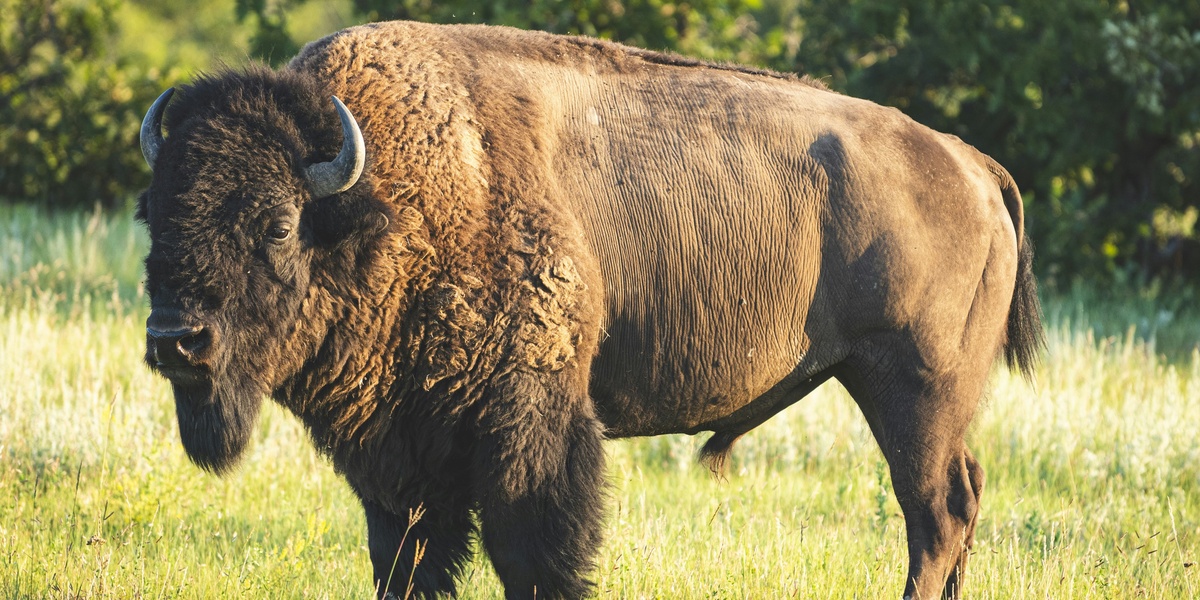
| American bison | Bison bison | Great Plains and managed herds across U.S. | Near Threatened; not listed |
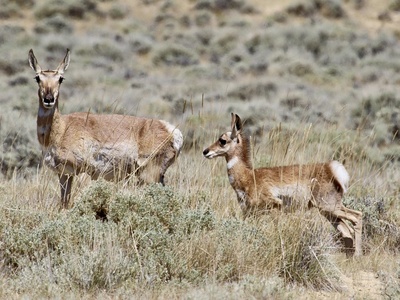
| Pronghorn | Antilocapra americana | Western plains and deserts, from Texas to Canada | Least Concern; not listed |
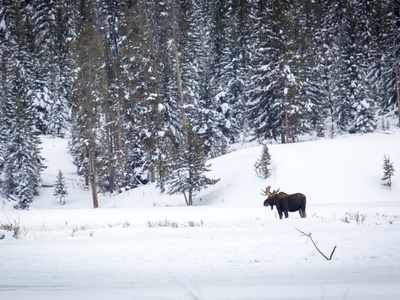
| Moose | Alces alces | Alaska, northern New England, northern Rockies | Least Concern; not listed |
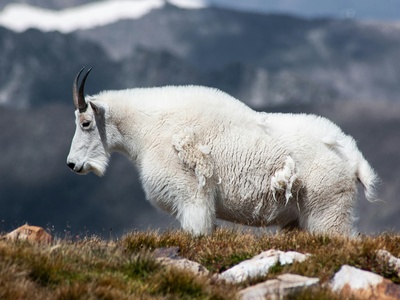
| Mountain goat | Oreamnos americanus | High alpine Rockies and Pacific Northwest | Least Concern; not listed |
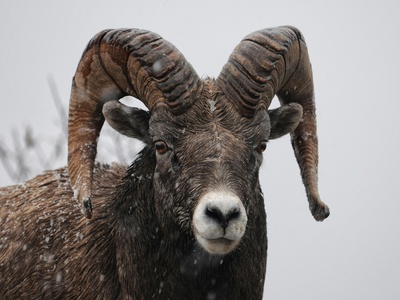
| Bighorn sheep | Ovis canadensis | Rocky Mountains, Sierra Nevada, Southwest ranges | Near Threatened; some subspecies protected |
| American black bear | Ursus americanus | Forested regions across much of U.S. | Least Concern |
| Brown bear (grizzly) | Ursus arctos | Alaska and parts of northwest U.S. | Least Concern; ESA: Threatened in lower 48 |
| Polar bear | Ursus maritimus | Arctic coastal Alaska and sea ice | Vulnerable; ESA: Threatened |
| Cougar | Puma concolor | Widespread West; Florida panther remnant in SE | Least Concern; ESA: Florida panther endangered |
| Bobcat | Lynx rufus | Most U.S. states from forests to deserts | Least Concern |
| Canada lynx | Lynx canadensis | Northern forests: Maine, northern Rockies, Alaska | Least Concern; ESA: Threatened in lower 48 |
| Jaguar | Panthera onca | Historically Southwest (Arizona, New Mexico, Texas) | Near Threatened; ESA: Endangered |
| Coyote | Canis latrans | Widespread across all U.S. regions | Least Concern |
| Gray wolf | Canis lupus | Alaska, Great Lakes, northern Rockies; reintroduced areas | Least Concern; protections vary |
| Red wolf | Canis rufus | Historic Southeast; reintroduced in eastern North Carolina | Critically Endangered; ESA: Endangered |
| Raccoon | Procyon lotor | Most U.S., urban and wild areas | Least Concern |
| American badger | Taxidea taxus | Plains and western U.S., grasslands | Least Concern |
| Striped skunk | Mephitis mephitis | Most U.S., varied habitats | Least Concern |
| Virginia opossum | Didelphis virginiana | Most U.S. east; expanding west and north | Least Concern |
| North American beaver | Castor canadensis | Rivers, lakes, wetlands across U.S. | Least Concern |
| Muskrat | Ondatra zibethicus | Freshwater marshes and wetlands nationwide | Least Concern |
| North American porcupine | Erethizon dorsatum | Forests across northern and montane U.S. | Least Concern |
| Eastern cottontail | Sylvilagus floridanus | Eastern and central U.S., adaptable | Least Concern |
| Snowshoe hare | Lepus americanus | Northern forests and alpine areas | Least Concern |
| American pika | Ochotona princeps | Alpine talus fields of western mountains | Least Concern; climate-sensitive populations |
| Wild boar (feral hog) | Sus scrofa | Southern and central U.S., expanding | Least Concern; invasive |
| Nutria | Myocastor coypus | Gulf Coast marshes and wetlands, introduced | Least Concern; invasive |
| Black-footed ferret | Mustela nigripes | Reintroduced in prairie reserves of western U.S. | Endangered; ESA: Endangered |
| Mexican free-tailed bat | Tadarida brasiliensis | Large colonies in Texas and southern states | Least Concern |
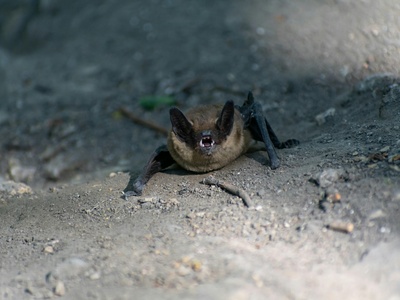
| Little brown bat | Myotis lucifugus | Widespread North America; caves and buildings | Endangered; severe declines from white-nose syndrome |
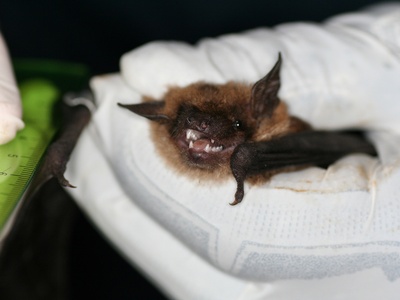
| Big brown bat | Eptesicus fuscus | Widespread, urban and rural areas | Least Concern |
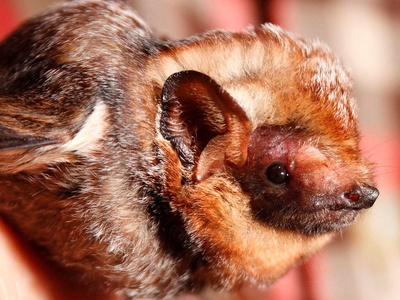
| Hoary bat | Lasiurus cinereus | Forests across U.S., migratory | Least Concern |
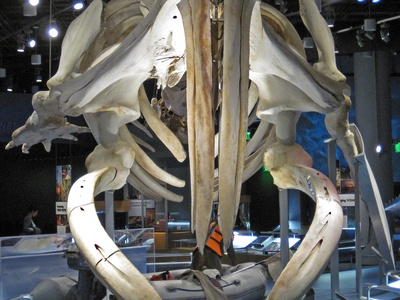
| North Atlantic right whale | Eubalaena glacialis | Atlantic coast: calving off southeast U.S. | Critically Endangered; ESA: Endangered |
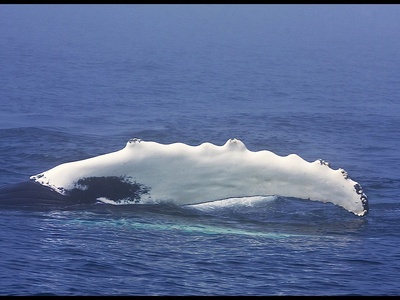
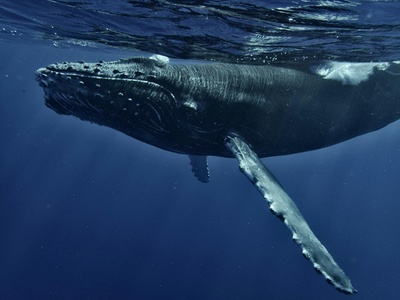
| Humpback whale | Megaptera novaeangliae | Coastal waters Atlantic and Pacific | Least Concern; some DPS protected |
| Blue whale | Balaenoptera musculus | Offshore Pacific and Atlantic waters | Endangered |
| Bottlenose dolphin | Tursiops truncatus | Coastal temperate and tropical waters nationwide | Least Concern |
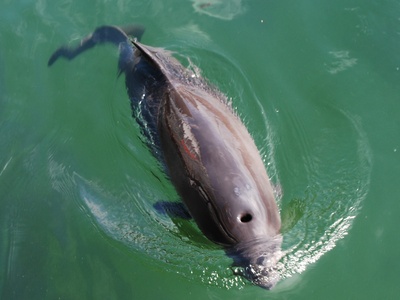
| Harbor porpoise | Phocoena phocoena | Coastal North Atlantic and North Pacific waters | Least Concern |
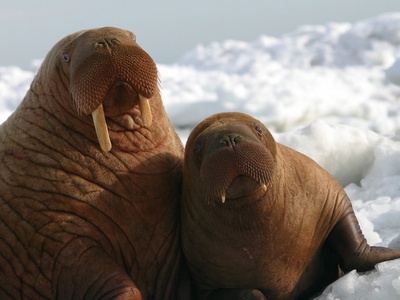
| Walrus | Odobenus rosmarus | Bering Sea and Arctic coast of Alaska | Vulnerable; climate-sensitive |
| Harbor seal | Phoca vitulina | Temperate coastal waters nationwide | Least Concern |
| California sea lion | Zalophus californianus | Pacific coast, from California to Alaska and Mexico | Least Concern |
| Hawaiian monk seal | Neomonachus schauinslandi | Northwestern and main Hawaiian Islands | Endangered; ESA: Endangered |
| Caribbean monk seal | Neomonachus tropicalis | Formerly Caribbean and Gulf of Mexico | Extinct |
| Steller’s sea cow | Hydrodamalis gigas | Formerly Aleutian Islands and Commander Is. | Extinct |
| Sea mink | Neovison macrodon | Coastal New England (historic) | Extinct |
| Norway rat | Rattus norvegicus | Widespread urban and agricultural U.S. | Least Concern; introduced |
| Black-tailed prairie dog | Cynomys ludovicianus | Great Plains grasslands | Near Threatened |
| Collared peccary | Pecari tajacu | Southwest deserts and south Texas | Least Concern |
Images and Descriptions
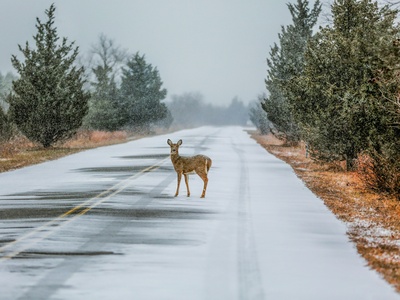
White-tailed deer
Medium-sized deer common in forests, fields and suburbs. Reddish-brown changing to gray in winter with a characteristic white tail flash. Highly adaptable browsers, important game species, and notable for females caring for fawns alone.
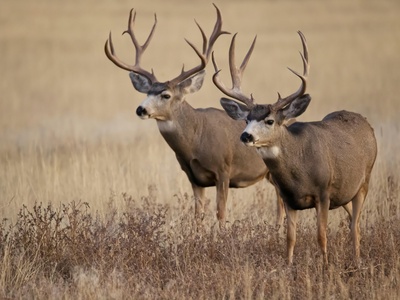
Mule deer
Large deer with distinctive large ears and black-tipped tail. Inhabits forests, shrublands and deserts of western mountains and basins. Known for bounding escape behavior called stotting and long-range seasonal movements across rugged terrain.
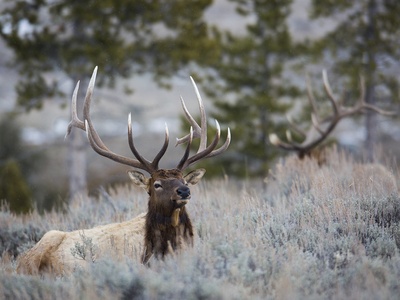
Elk
One of North America’s largest deer, with impressive antlers on males. Favors forests, meadows and montane valleys. Lives in herds, migrates seasonally in some regions, and supports big-game hunting and important ecosystem roles through grazing.
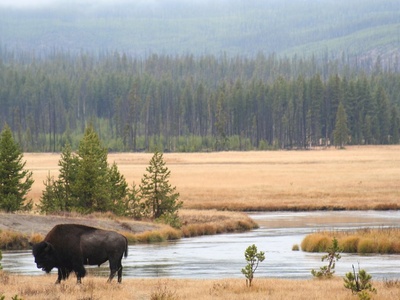
American bison
Iconic shaggy herbivore of grasslands with a massive head and hump. Once nearly wiped out, now conserved in parks and preserves. Plays a keystone role shaping prairie ecosystems and culturally important to many Native nations.
Pronghorn
Fast-running ungulate with tan coat and white markings, not a true antelope. Inhabits open grasslands and sagebrush steppe. Can reach high speeds for predator escape and relies on keen vision and endurance rather than stamina.
Moose
Massive solitary deer with palmate antlers on males and a long muzzle. Occupies boreal forests, wetlands and lakeshores, browsing on aquatic and woody plants. Vulnerable locally to parasites and habitat change but central to northern ecosystems.
Mountain goat
Sure-footed white goat-like mammal found on steep alpine cliffs and talus. Thick woolly coat and short curved horns enable cold, high-elevation living. Often solitary or in small groups; a charismatic sight on mountain ledges.
Bighorn sheep
Bighorn sheep sport muscular bodies and large curled horns on males. Inhabit rugged cliffs and steep terrain where they escape predators. Populations reduced historically by disease and hunting but recoveries occur with management.
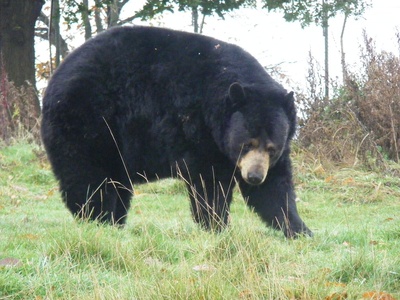
American black bear
Medium-sized bear often black but color variable. Uses forests and mixed habitats, omnivorous diet including plants, insects and small mammals. Adaptable to human presence, common in remote and suburban areas, and an important source of recreation and conflict.
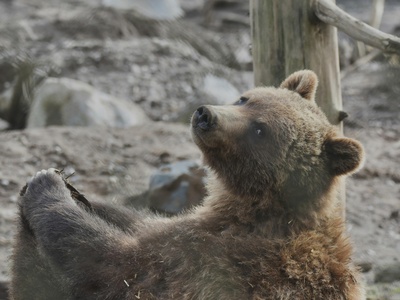
Brown bear (grizzly)
Large powerful bear with hump and long claws; color varies brown to blonde. Inhabits coastal forests, alpine meadows and river valleys. Important apex predator and omnivore, recovering in some areas but still restricted in the contiguous United States.
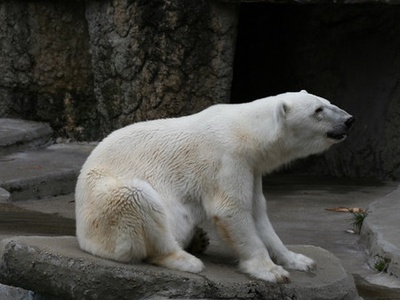
Polar bear
Sea-ice dependent predator with white insulating fur and large paws for swimming. Lives on Arctic shores hunting seals. Climate-driven sea-ice loss threatens range, feeding opportunities and reproduction across Alaskan populations.
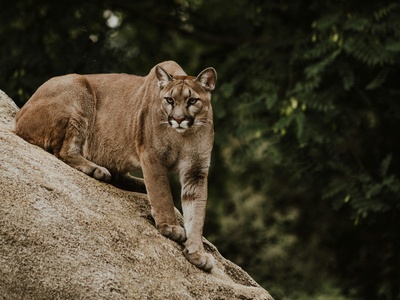
Cougar
Sleek large cat with tawny coat adapted for ambush hunting. Occupies forests, mountains and deserts across the West and some isolated eastern pockets. Solitary and secretive, it controls ungulate populations and occasionally conflicts with livestock.
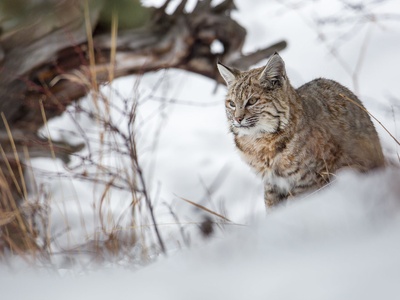
Bobcat
Medium-sized spotted cat with tufted ears and short bobbed tail. Highly adaptable across woodlands, swamps and suburban edges. Nocturnal predator of rabbits, rodents and birds, known for stealth and solitary territorial habits.
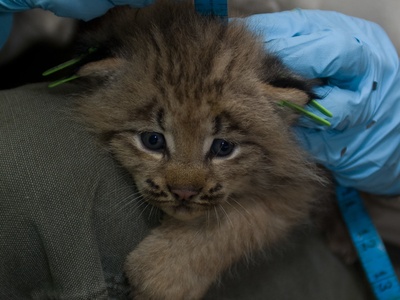
Canada lynx
Long-legged, large-pawed wildcat specialized in deep-snow boreal forests. Thick fur and large feet allow silent hunting of snowshoe hares. Populations fluctuate with prey cycles and face habitat fragmentation in southern range.
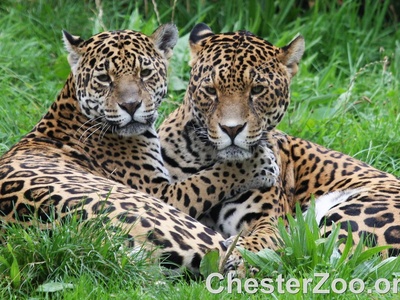
Jaguar
Large spotted big cat historically ranging into the U.S. from Mexico. Extremely rare now, with a few transboundary individuals recorded in Arizona. Powerful ambush predator occupying riverine and mountain habitats in its broader range.
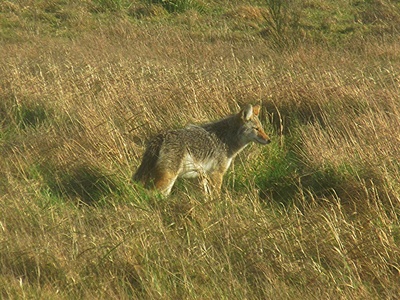
Coyote
Versatile canid with gray-brown coat, adaptable to deserts, forests and cities. Opportunistic omnivore feeding on rodents, fruits and carrion. Populations expanded with human-altered landscapes and they are known for vocal yips and flexible social organization.
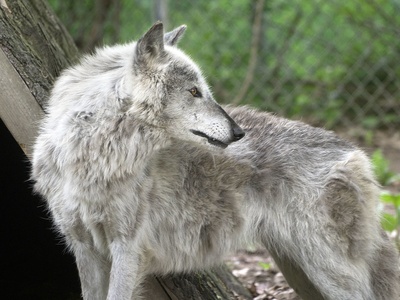
Gray wolf
Large social predator with complex pack behavior, often hunting ungulates like deer and elk. Present in Alaska and parts of mainland U.S. where recovery efforts and reintroductions have restored populations, sometimes sparking management debates.
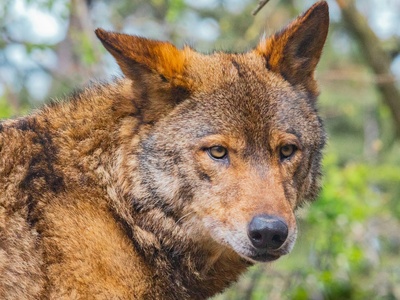
Red wolf
Small, reddish canid native to southeastern forests and coastal plains. Nearly extinct in the wild, a captive-breeding and reintroduction program maintains a tiny wild population in North Carolina, facing hybridization and habitat challenges.
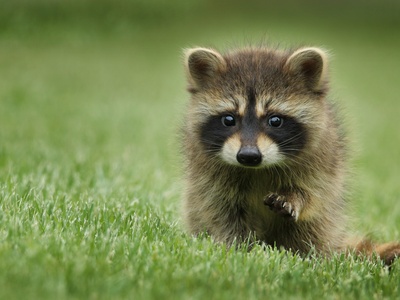
Raccoon
Masked-faced omnivore thriving in forests, wetlands and cities. Highly dexterous with front paws, eats fruits, insects and human refuse. Clever and adaptable, often denning in trees, buildings, and causing occasional human-wildlife conflicts.
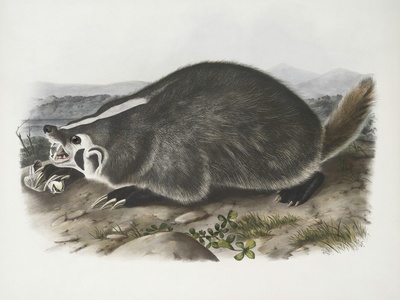
American badger
Stocky mustelid with powerful digging claws specialized for burrowing and hunting ground squirrels. Prefers open prairie and shrubland habitats. Solitary and primarily nocturnal, it influences rodent populations and creates burrows used by other species.
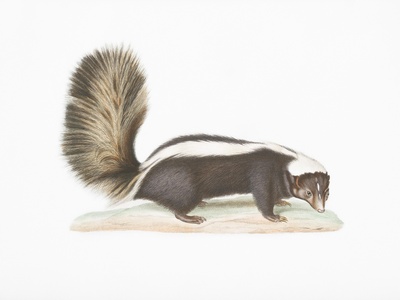
Striped skunk
Black-and-white omnivore well known for its defensive anal spray. Forages at night for insects, berries and small vertebrates in woodlands, fields and suburban areas. Its unmistakable coloration warns predators and humans.
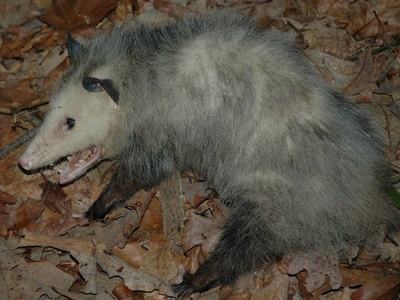
Virginia opossum
Nocturnal marsupial with a prehensile tail and opposable thumbs on hind feet. Omnivorous scavenger tolerates cold surprisingly well, often inhabiting edges and urban areas. Plays role in tick control by grooming and consuming many parasites.
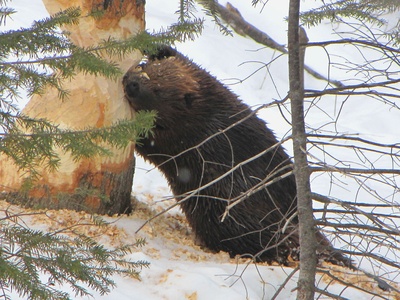
North American beaver
Large semi-aquatic rodent building dams and lodges from wood and mud. Alters waterways, creating wetlands that boost biodiversity. Iconic ecosystem engineer valued for habitat creation but sometimes considered a nuisance in human landscapes.
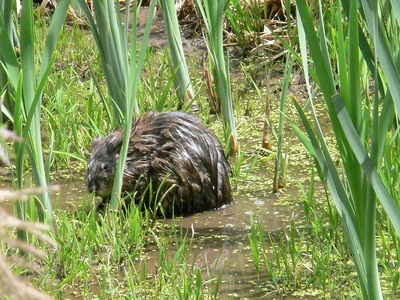
Muskrat
Medium-sized aquatic rodent with dense fur and a laterally compressed tail. Digs burrows or builds lodges in marshes and waterways, feeding on aquatic plants and small invertebrates. Important prey for many predators and indicator of wetland health.
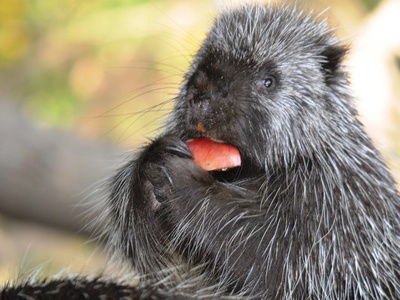
North American porcupine
Large arboreal rodent with quills for defense; slow-moving and primarily nocturnal. Feeds on bark, twigs and shrubs; impacts young trees in winter. Surprisingly good climber, often found in conifers and riparian woodlands.
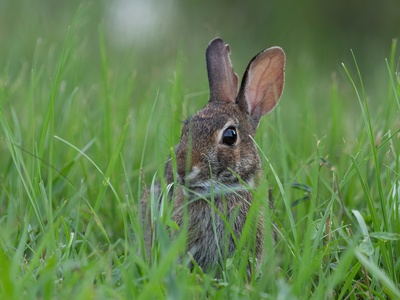
Eastern cottontail
Small brown rabbit with a fluffy white tail, common in fields, edges and suburbs. Reproduces prolifically and feeds on grasses and woody stems. Widely harvested and a key prey species for many predators.
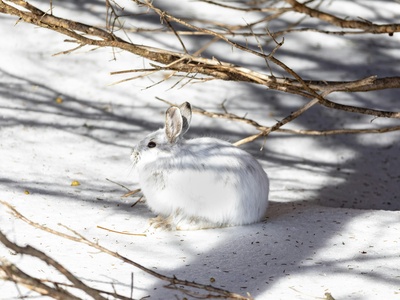
Snowshoe hare
Large-eared hare with seasonal coat color change from brown to white for camouflage. Inhabits boreal forests and tundra edges, relying on snow cover. Populations cycle with predator-prey dynamics, especially with lynx.
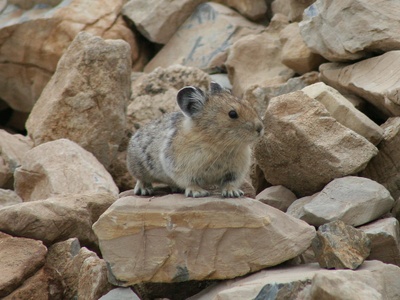
American pika
Small, round lagomorph living among high-elevation talus and scree. Does not hibernate, stores clipped vegetation ‘haypiles’ for winter. Sensitive to heat and climate change, making low-elevation populations vulnerable and an icon of alpine biodiversity.
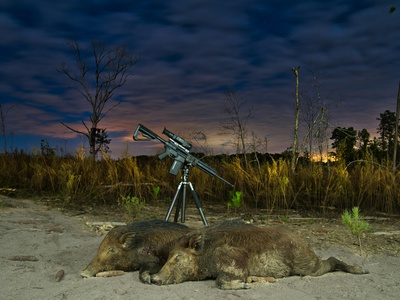
Wild boar (feral hog)
Heavy-bodied omnivore introduced from Eurasia, now feral and widespread in wetlands and forests. Rooting damages agriculture and native habitats. Highly prolific and adaptable, they pose ecological and economic problems in many states.
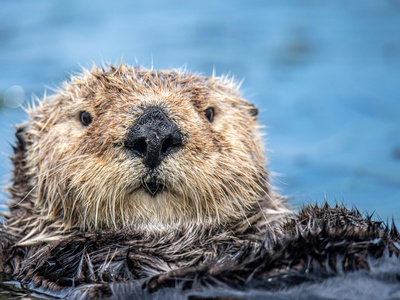
Nutria
Large semiaquatic rodent introduced from South America, now established in southern wetlands. Feeds heavily on marsh vegetation, causing erosion and habitat loss. Targeted by control programs due to its invasive impacts on coastal ecosystems.
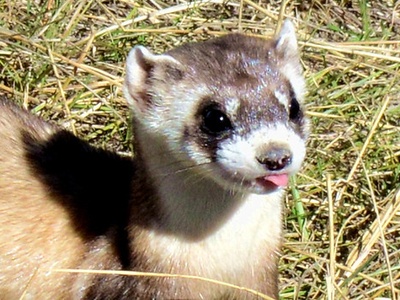
Black-footed ferret
Specialized nocturnal predator of prairie dogs with slender body and black feet. Once thought extinct, captive breeding and reintroduction have reestablished small populations. Highly dependent on prairie-dog colonies and sensitive to disease.
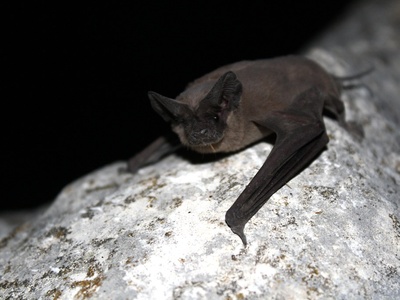
Mexican free-tailed bat
Fast-flying insectivorous bat forming enormous cave colonies, famously emerging in clouds at dusk. Roosts in bridges, buildings and caverns across the southern U.S., providing crucial pest control by consuming vast numbers of insects nightly.
Little brown bat
Small insectivorous bat with glossy brown fur that roosts in buildings and caves. Once common, populations crashed due to white-nose syndrome fungus. Conservation focuses on hibernacula protection and monitoring declining colonies.
Big brown bat
Stout insect-eating bat often roosting in buildings and attics. Tolerant of human environments, it forages over fields and water for beetles and moths. Helps control insect pests and is commonly observed around lights.
Hoary bat
Larger, frosted-furred migratory bat that uses foliage and tree roosts. Travels long distances seasonally and feeds on moths and large insects. Often killed by wind turbines during migration in some regions.
North Atlantic right whale
Large slow-moving baleen whale that calves in southeastern U.S. coastal waters. Highly endangered from ship strikes and entanglement in fishing gear. Conservation focuses on vessel speed restrictions and gear modifications to reduce mortalities.
Humpback whale
Acrobatic baleen whale known for complex songs and spectacular breaches. Migrates between high-latitude feeding grounds and low-latitude breeding areas, observed along both U.S. coasts and protected by varied regional measures.
Blue whale
World’s largest animal with a bluish-gray body and massive tongue. Filters tiny krill through baleen plates while migrating in offshore waters. Prior whaling severely reduced numbers, now recovering slowly under protections.

Bottlenose dolphin
Charismatic, robust dolphin often seen nearshore and in bays. Highly social and intelligent, forms pods and uses echolocation to hunt fish. Common in human-altered coastal environments and popular with ecotourism.
Harbor porpoise
Small, blunt-nosed porpoise favoring cool nearshore waters and estuaries. Feeds on fish and squid, often shy and subtle at the surface. Faces bycatch risk in some fisheries but remains locally common.
Walrus
Large tusked pinniped using sea ice and coastal haul-outs to forage for benthic invertebrates. Highly dependent on ice platforms for resting. Climate warming and sea-ice loss threaten foraging access and pup survival.
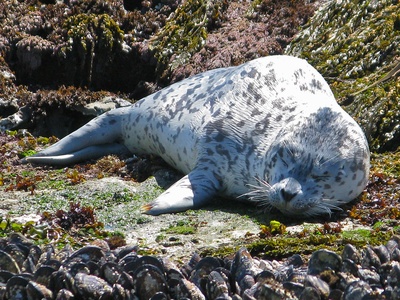
Harbor seal
Common coastal seal that basks on rocks and beaches and dives for fish and invertebrates. Flexible diet and habitat use allow presence from northern Alaska to southern coasts, often hauled out near human activity.
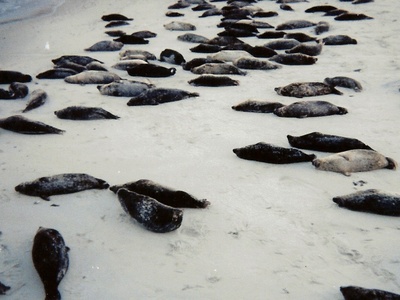
California sea lion
Social coastal pinniped known for noisy colonies and agility on land. Hunts fish and squid nearshore, using beaches and docks to rest. Common at haul-outs and performs well in rehabilitation and public display programs.
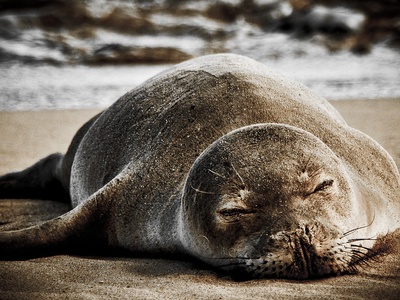
Hawaiian monk seal
Endemic Hawaiian pinniped with sleek dark coat, foraging on reefs and sandy beaches. Small, isolated populations suffer from entanglement, disease, and limited prey, with intensive recovery work underway to protect breeding sites.
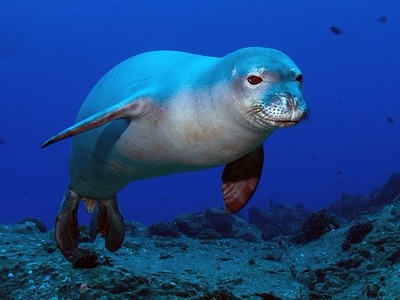
Caribbean monk seal
Once a tropical seal of the Caribbean and Gulf of Mexico, hunted intensively for oil and meat. Declared extinct in the 20th century, its loss is a cautionary example of human-driven marine mammal extinctions.
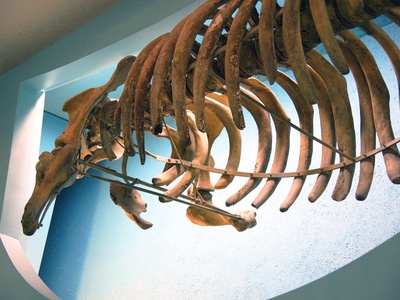
Steller’s sea cow
Enormous slow-moving cold-water sirenian that fed on kelp and seaweed. Hunted to extinction within decades of discovery in the 18th century, it exemplifies rapid human-caused loss of large marine herbivores.
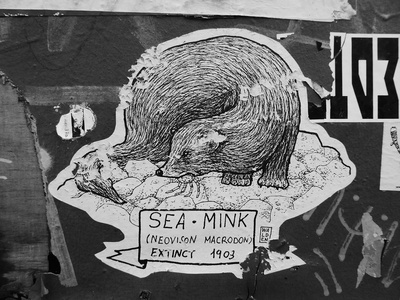
Sea mink
Now-extinct coastal mustelid once living along rocky shores of New England. Heavily hunted for its thick dark fur in the 19th century, the sea mink’s disappearance highlights historic overexploitation of coastal mammals.

Norway rat
Commensal rodent closely tied to human settlements, thriving in sewers, docks and farms. Omnivorous and prolific breeders, they can spread disease and compete with native species, making them one of the most successful invasive mammals.
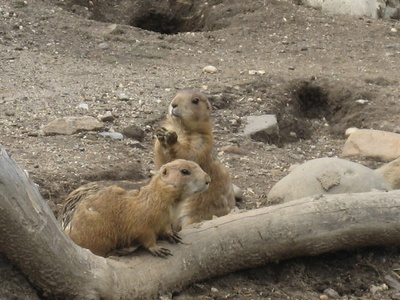
Black-tailed prairie dog
Social burrowing rodent forming large colonies or ‘towns’ on prairies. Herbivorous and important ecosystem engineers, their burrows support many species but populations declined from habitat loss, plague and eradication programs.
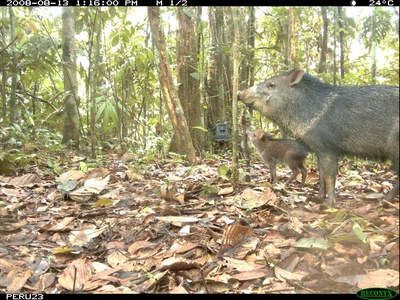
Collared peccary
Stocky pig-like hoofed mammal living in desert scrub and thorn forests. Travels in small social groups, feeds on cactus, roots and fruits, and is well adapted to arid environments across the U.S.-Mexico borderlands.