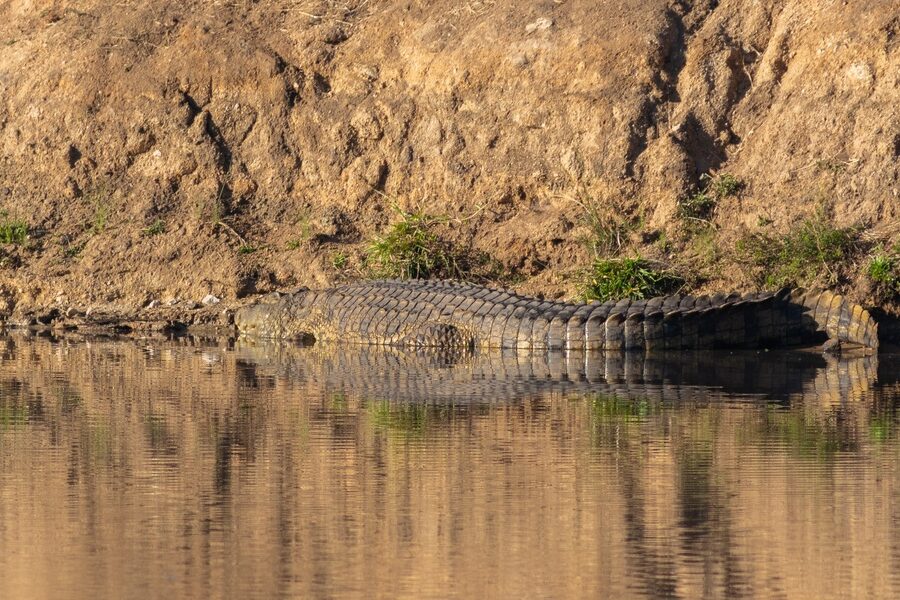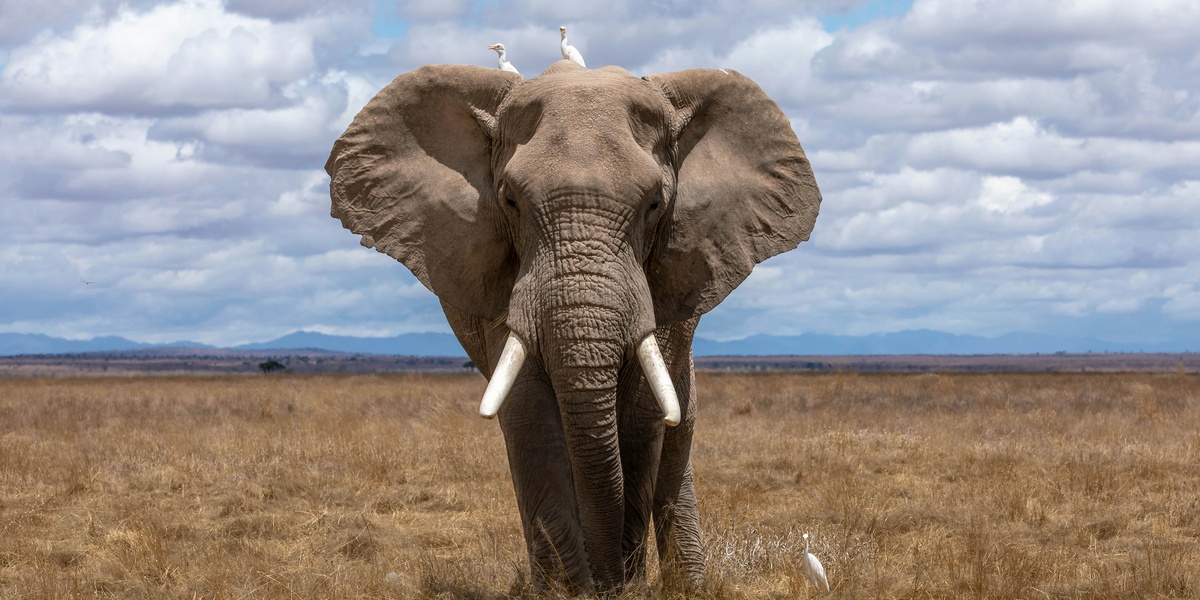
Zimbabwe’s varied habitats—from miombo woodlands and open savanna to riverine corridors—support a wide spectrum of mammals, both large and small. Observing wildlife here means noticing species adapted to different elevations, rainfall patterns and protected areas across the country.
There are 52 Mammals of Zimbabwe, ranging from African buffalo to Waterbuck. For each species, entries are organized by Scientific name, IUCN status, and Zimbabwe range & habitat—details you’ll find below.
How current are the IUCN statuses listed here?
The IUCN statuses shown reflect the most recent assessments available when the list was compiled, but conservation listings can change; for critical decisions (research, conservation planning, travel), cross-check the IUCN Red List website or local conservation authorities for the latest updates.
Can I use this list to plan wildlife viewing in Zimbabwe?
Yes — the Zimbabwe range & habitat notes help you narrow where a species is most likely to be seen, but local abundance and seasonal movements vary; pair the list with park guides, recent sightings records, or a local guide to improve your chances of spotting specific species.
Mammals of Zimbabwe
| Common name | Scientific name | IUCN status | Zimbabwe range & habitat |
|---|---|---|---|
| African elephant | Loxodonta africana | EN | Hwange,Mana Pools,midveld savanna |
| Black rhinoceros | Diceros bicornis | CR | small reserves,private conservancies |
| Southern white rhinoceros | Ceratotherium simum | NT | private reserves,south Zimbabwe savanna |
| Hippopotamus | Hippopotamus amphibius | VU | Zambezi,Lake Kariba,rivers,floodplains |
| African buffalo | Syncerus caffer | LC | floodplains,woodland,parks |
| Lion | Panthera leo | VU | Hwange,Mana Pools,Gonarezhou parks |
| Leopard | Panthera pardus | VU | woodlands,scattered across Zimbabwe |
| Cheetah | Acinonyx jubatus | VU | conservancies,open savanna,low density |
| African wild dog | Lycaon pictus | EN | rare pockets,Hwange and remoter areas |
| Spotted hyena | Crocuta crocuta | LC | savanna,den sites near waterholes |
| Black-backed jackal | Canis mesomelas | LC | open savanna,farmland edges |
| Bat-eared fox | Otocyon megalotis | LC | grasslands,termite-rich plains |
| Caracal | Caracal caracal | LC | thickets,rocky kopjes,nocturnal hunter |
| Serval | Leptailurus serval | LC | wet grasslands,reedbeds,near rivers |
| African wildcat | Felis lybica | LC | savanna,farm edges,nocturnal |
| Honey badger | Mellivora capensis | LC | woodlands,savanna,nocturnal,solitary |
| African civet | Civettictis civetta | LC | woodland,riverine,nocturnal,secretive |
| Common genet | Genetta genetta | LC | woodland,gardens,arboreal and nocturnal |
| Banded mongoose | Mungos mungo | LC | open woodland,termite mounds,social troops |
| Slender mongoose | Herpestes sanguineus | LC | woodland,around homesteads,diurnal |
| Marsh mongoose | Atilax paludinosus | LC | riverbanks,swamps,marshy areas |
| African clawless otter | Aonyx capensis | NT | rivers,lakes,Kariba shores |
| Giraffe | Giraffa camelopardalis | VU | northern parks,wooded savanna |
| Plains zebra | Equus quagga | NT | open grassland,savanna,herds in Hwange |
| Blue wildebeest | Connochaetes taurinus | LC | grasslands,savanna herds |
| Common warthog | Phacochoerus africanus | LC | savanna,near water,seen grazing |
| Common eland | Taurotragus oryx | LC | woodland,miombo,large antelope |
| Greater kudu | Tragelaphus strepsiceros | LC | woodland,miombo,rocky hills |
| Bushbuck | Tragelaphus scriptus | LC | thickets,riverine forest,secretive |
| Impala | Aepyceros melampus | LC | woodland edges,common in parks |
| Waterbuck | Kobus ellipsiprymnus | LC | near rivers,seasonal floodplains |
| Common reedbuck | Redunca arundinum | LC | wet grasslands,river edges |
| Sable antelope | Hippotragus niger | LC | woodlands,northern parks |
| Roan antelope | Hippotragus equinus | LC | open woodlands,scarce |
| Common duiker | Sylvicapra grimmia | LC | thickets,rocky bush,solitary |
| Klipspringer | Oreotragus oreotragus | LC | rocky kopjes,hills,tiny antelope |
| Steenbok | Raphicerus campestris | LC | open scrub,short grasslands |
| Oribi | Ourebia ourebi | LC | open grasslands,near water |
| Chacma baboon | Papio ursinus | LC | riversides,rocky hills,farms |
| Vervet monkey | Chlorocebus pygerythrus | LC | woodland,riverine,common near villages |
| Samango monkey | Cercopithecus mitis | LC | Eastern Highlands,montane forest patches |
| Thick-tailed greater galago | Otolemur crassicaudatus | LC | woodlands,nocturnal,arboreal |
| Senegal bushbaby | Galago senegalensis | LC | woodland,acacia savanna,nocturnal |
| African porcupine | Hystrix africaeaustralis | LC | woodland,farmland,nocturnal digger |
| Four-toed hedgehog | Atelerix albiventris | LC | savanna,gardens,nocturnal insectivore |
| Greater cane rat | Thryonomys swinderianus | LC | riverbanks,reedbeds,near crops |
| Bush squirrel | Paraxerus cepapi | LC | miombo woodland,trees,common |
| House mouse | Mus musculus | LC | towns,farmland,commensal introduced |
| Black rat | Rattus rattus | LC | buildings,farmland,introduced,commensal |
| Egyptian fruit bat | Rousettus aegyptiacus | LC | caves,fruiting trees,colonies near towns |
| Straw-coloured fruit bat | Eidolon helvum | NT | seasonal migrations,urban roosts,trees |
| Little free-tailed bat | Chaerephon pumilus | LC | roosts in buildings,cities and savanna |
Images and Descriptions
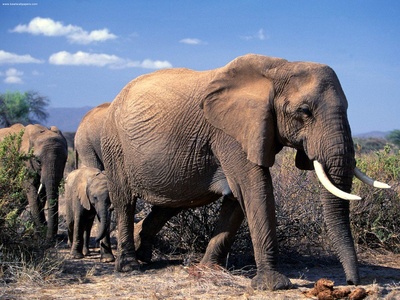
African elephant
Massive, unmistakable herbivore up to 3–4.5 m at shoulder; best seen in Hwange and Mana Pools. Moves in family herds, digs for water in dry seasons; conservation dependent on anti-poaching and protected areas.
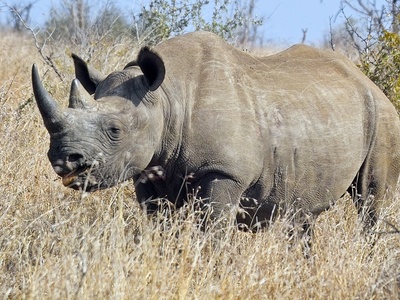
Black rhinoceros
Heavily threatened browser, stocky and solitary with an upturned prehensile lip. Very rare in Zimbabwe, mainly in fenced sanctuaries and private reserves where strict protection allows small populations to persist.
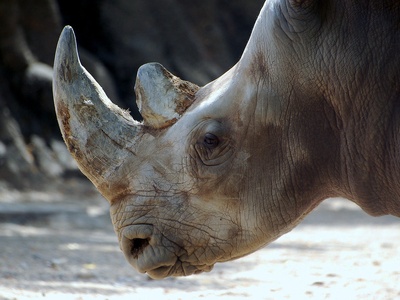
Southern white rhinoceros
Large grazing rhino with a broad, square lip; increasingly held on private reserves and national parks. Often seen in open grasslands and protected conservancies; approachable yet heavily managed for conservation.
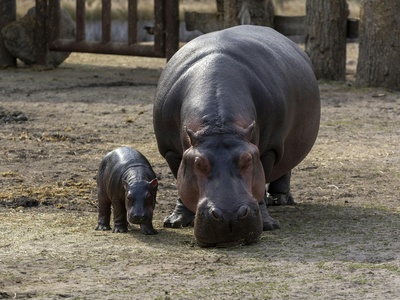
Hippopotamus
Enormous semi-aquatic mammal spending days in water and nights grazing riverbanks. Common along the Zambezi and Lake Kariba; dangerous if surprised, and easily seen from boats at dawn or dusk.
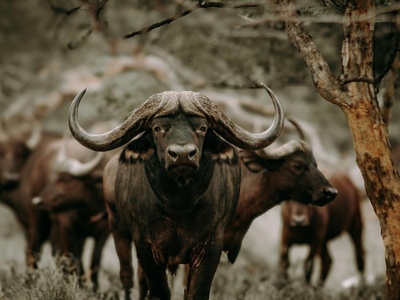
African buffalo
Sturdy herd-forming bovids frequenting floodplains and mopane/miombo woodland. Large herds common in Hwange and Zambezi Valley; formidable when alarmed and a key prey species for large predators.
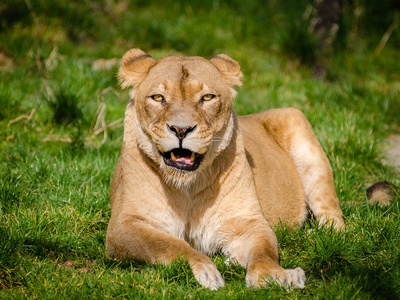
Lion
Iconic big cat seen in prides across major national parks. Best viewed on early morning drives in Hwange and Mana Pools; numbers reduced by habitat loss and conflict with people.
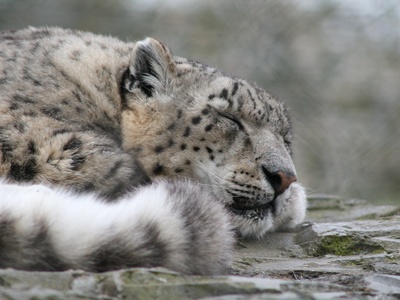
Leopard
Elusive, solitary predator often unseen but widespread in woodlands and rocky kopjes. Look for tracks, calls at night, or sightings in areas like Hwange and Matobo; excellent climber hiding kills in trees.
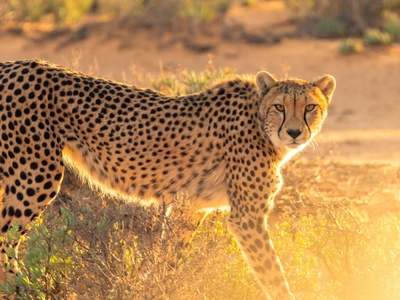
Cheetah
Graceful, slender daytime hunter of open plains, rare and localized in Zimbabwe. Most often encountered in private conservancies where they survive on small populations; notable for incredible sprinting speed.
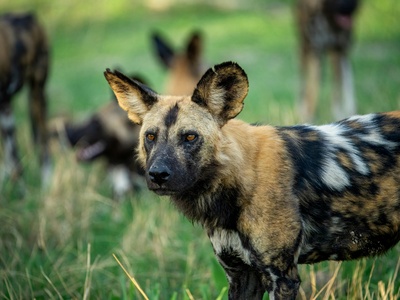
African wild dog
Highly social pack hunter with mottled coats and large ears; very rare and endangered in Zimbabwe. Occasionally recorded in large protected areas; packs require extensive undisturbed ranges to survive.
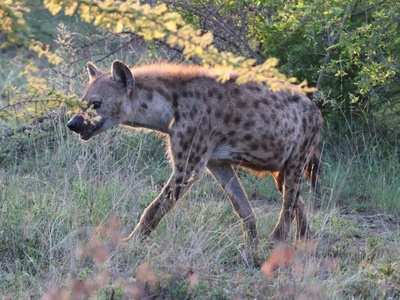
Spotted hyena
Powerful, vocal scavenger and hunter seen at night and sometimes near waterholes. Laughing calls often heard after dusk; common in many parks and an important ecological scavenger.
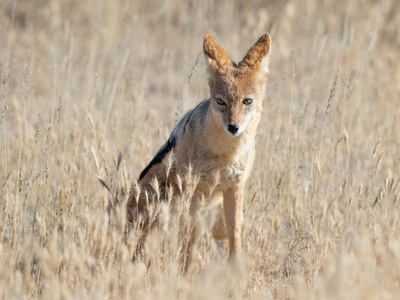
Black-backed jackal
Small, adaptable canid common around parks and farmland fringes. Often seen singly or in pairs scavenging and hunting small prey; distinctive black saddle on its back and bushy tail.
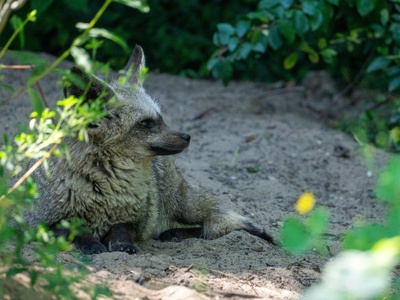
Bat-eared fox
Small fox with huge ears specialized on termites and insects. Usually crepuscular/nocturnal in open grasslands and plains; looks distinctive and is less common than jackals but locally widespread.
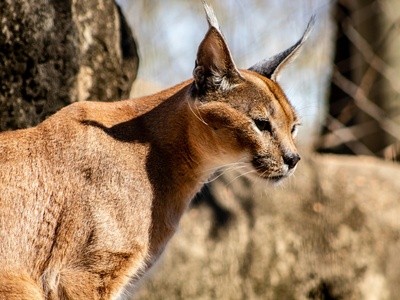
Caracal
Medium-sized, graceful nocturnal cat with tufted ears known for leaping to catch birds. Secretive in thorny thickets and rocky areas; occasionally seen in reserves or on camera traps.
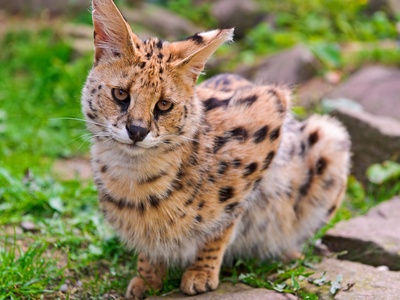
Serval
Slim spotted cat with long legs adapted for hunting rodents in tall grass and reedbeds. Often linked to wetter habitats; sometimes seen near rivers and pans at dawn or dusk.
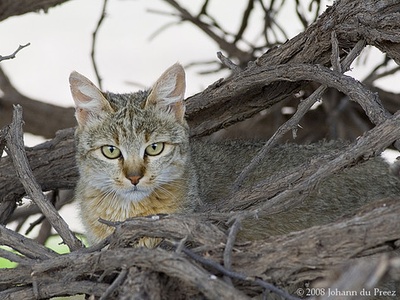
African wildcat
Small, striped ancestor of the domestic cat, shy and nocturnal. Found on farmland edges and savanna; looks like a tabby but with more graceful, wild behavior and excellent hunting skills.
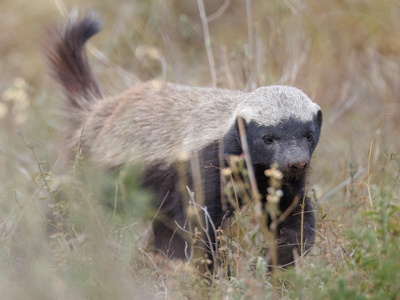
Honey badger
Ferocious, stout-bodied omnivore known for fearless behavior and digging abilities. Active at night across woodlands and savanna; opportunistic diet includes insects, small mammals and fruits.
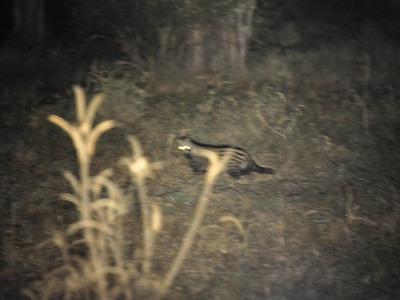
African civet
Striped, masked nocturnal mammal noted for producing civet musk historically used in perfumery. Lives along riverine and forested areas; solitary and mostly seen at night or on camera traps.
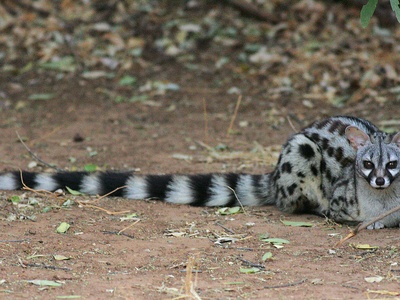
Common genet
Slender, spotted cat-like carnivore with long tail; arboreal and nocturnal, often seen around camps and gardens. Communal latrine sites and distinctive calls hint at presence after dark.
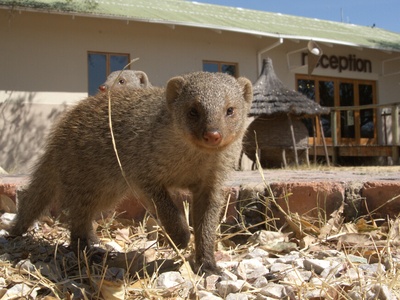
Banded mongoose
Small, social mongooses living in large groups that forage by day. Frequently use termite mounds for shelter; noisy, active and easy to spot on game drives.
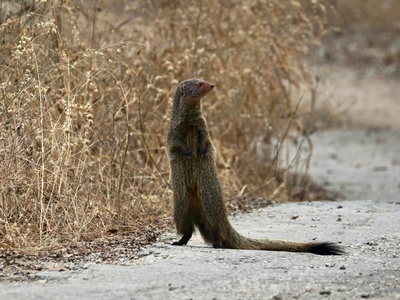
Slender mongoose
Sleek, diurnal mongoose common in woodlands and near farms. Hunts small mammals, birds and insects; often seen singly or in pairs darting through vegetation.
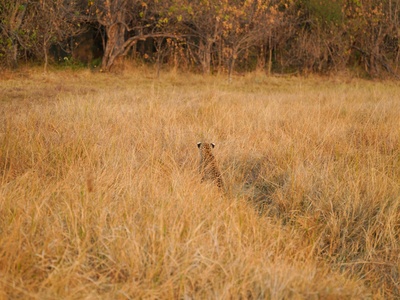
Marsh mongoose
Semi-aquatic mongoose specialized on fish, crustaceans and frogs. Found along rivers and marshes, especially where vegetation gives cover; shy but sometimes seen at water’s edge.
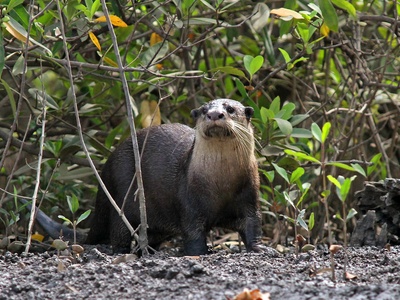
African clawless otter
Large river otter with partially webbed feet; skilled swimmer and fish-eater. Localized along rivers and Lake Kariba; easier to spot from boats at dawn or dusk, vulnerable to water pollution.
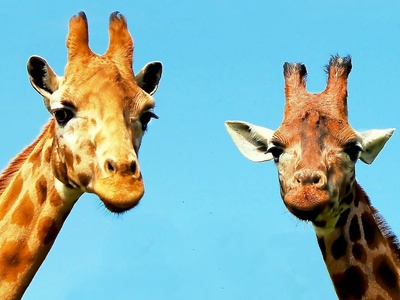
Giraffe
Tall iconic browser up to 5–6 m; patterned coat varies regionally. Found in Hwange and northern woodlands; browse acacia and are often seen silhouetted against mopane skyline.
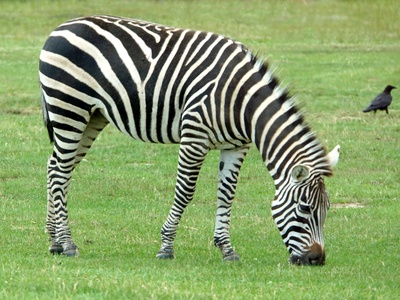
Plains zebra
Striped equid forming large herds on grasslands and floodplains. Common in Hwange and other parks; stripes act as camouflage and social signals, often moving with wildebeest herds.
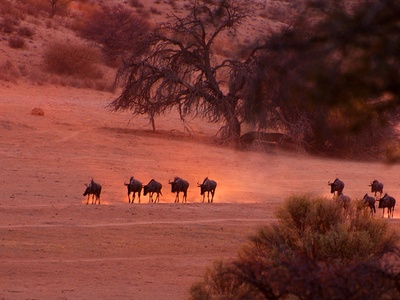
Blue wildebeest
Chunky, dark gnus forming large herds on open plains. Widespread in suitable grassland habitats and commonly seen in mixed grazers’ gatherings during dry seasons.
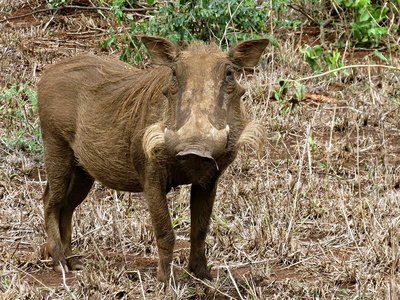
Common warthog
Large, tusked pig-like herbivore that grazes in the open and shelters in burrows. Common in parks such as Hwange; often seen kneeling to feed and living in family groups.
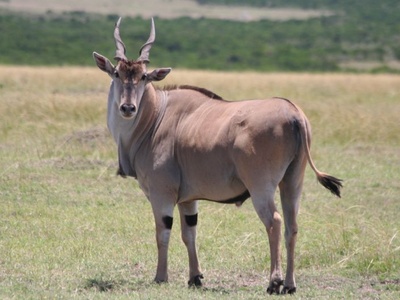
Common eland
Huge spiral-horned antelope, slow-moving and social. Occupies woodlands and miombo belts; less numerous than some antelopes but conspicuous due to size and dignified gait.
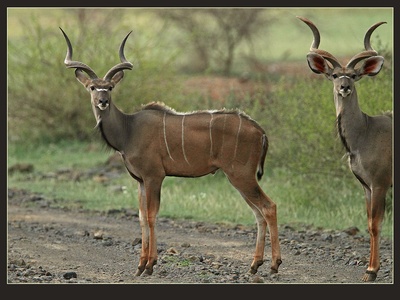
Greater kudu
Tall, striped spiral-horned antelope preferring thicker woodland and rocky slopes. Males have impressive twisted horns; secretive but locally common in suitable habitats.
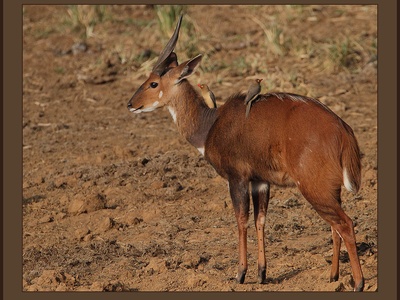
Bushbuck
Medium-sized solitary antelope of dense thickets and riverine forests. Good at camouflage with mottled coat; often heard more than seen and common along watercourses.
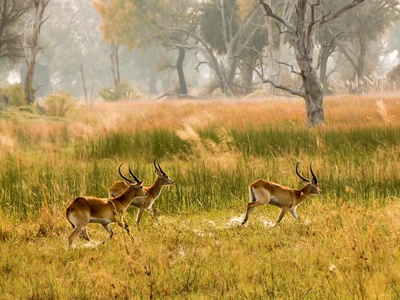
Impala
Graceful medium antelope abundant across parks; forms herds near woodland edges and water. Highly visible on early drives, known for leaps and social herds.
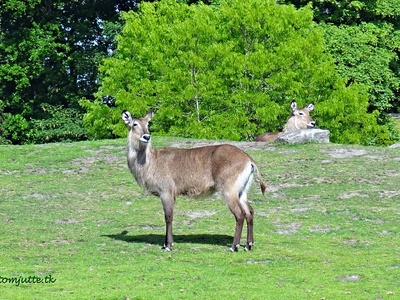
Waterbuck
Large, robust antelope with a white rump ring often found close to water. Common along floodplains and riverine areas; alarmed by predators but strong swimmers.
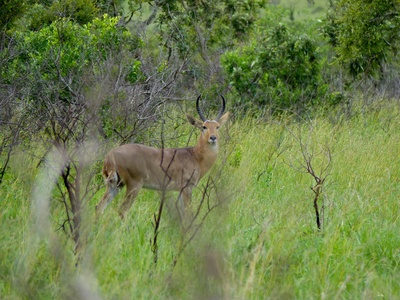
Common reedbuck
Medium-sized reed-dwelling antelope of marshy grasslands that favors dense reedbeds and swamps. Scent marking and bounding escapes make them distinctive in wetlands.
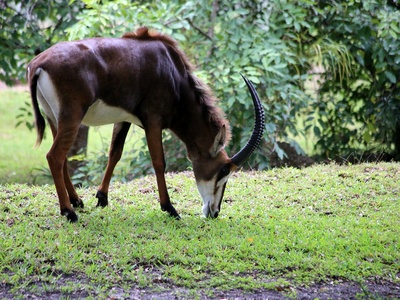
Sable antelope
Striking black-and-white-faced antelope with curved horns. Lives in woodlands of northern Zimbabwe; prized by observers for dramatic appearance and powerful presence.
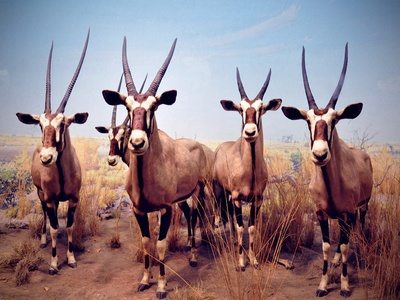
Roan antelope
Large, chestnut-colored antelope with ringed horns; rarer than sable and restricted to more open woodlands. Look for them in less disturbed northern reserves.
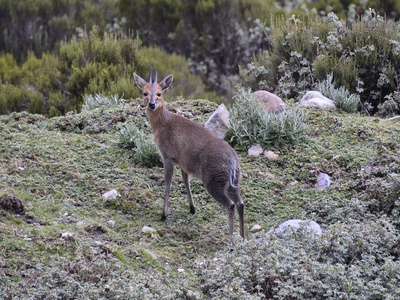
Common duiker
Small, stocky antelope that browses in thick cover and rocky bush. Solitary and secretive, often seen darting into cover; common in a variety of habitats.
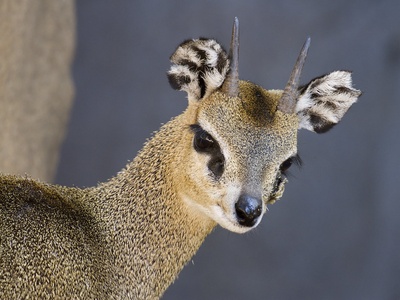
Klipspringer
Tiny, sure-footed antelope living on rocky outcrops and kopjes. Extremely agile and often spotted on granite hills; excellent for close-up views where rocks are accessible.
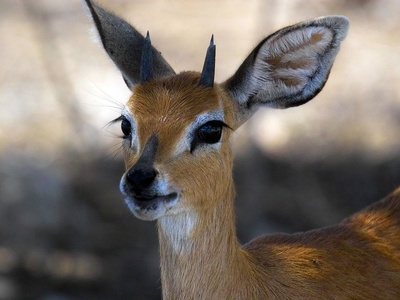
Steenbok
Small, compact solitary antelope of open scrub and short grass. Often sits motionless to avoid detection; common in drier bushveld and farmland edges.
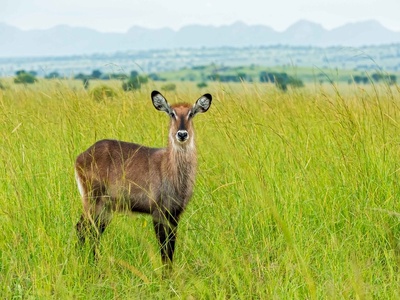
Oribi
Small, elegant antelope of grassland pockets and riverine clearings. Prefers short grass and is best seen in quiet, less-visited plains and marshy grasslands.
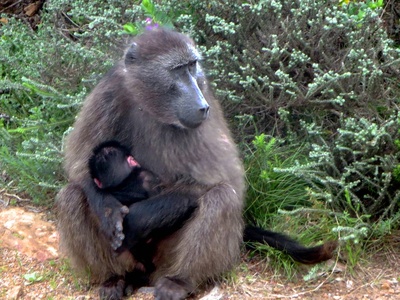
Chacma baboon
Large, social primate living in troops on rocky hills and river valleys. Bold and adaptable, often seen near homesteads and camp sites where they forage opportunistically.
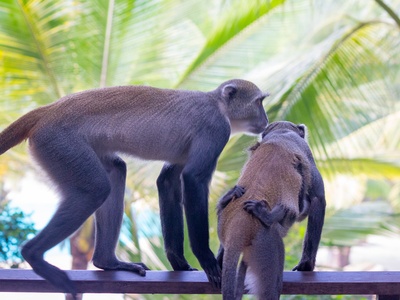
Vervet monkey
Medium-sized primate with grey-green coat and black face; common around watercourses and human settlements. Vocal and curious, often observed in family groups.
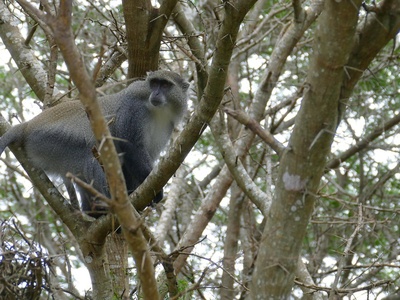
Samango monkey
Tree-dwelling monkey of montane forests in the Eastern Highlands. Colorful and arboreal, best seen in protected montane forest fragments and higher-elevation reserves.
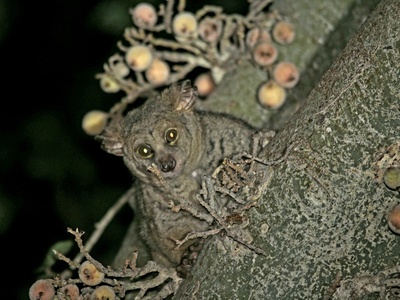
Thick-tailed greater galago
Large nocturnal bushbaby that hops between branches and emits loud calls. Common in woodlands and gardens at night; often glimpsed with torchlight.
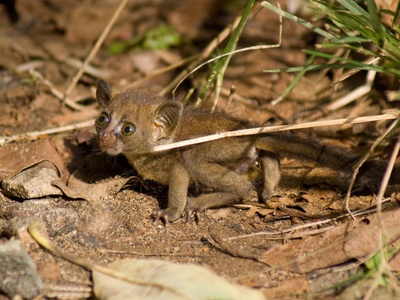
Senegal bushbaby
Small nocturnal primate with large eyes and vertical leaping ability. Active at night in savanna and woodland edges; ears and calls are distinctive to night drives.
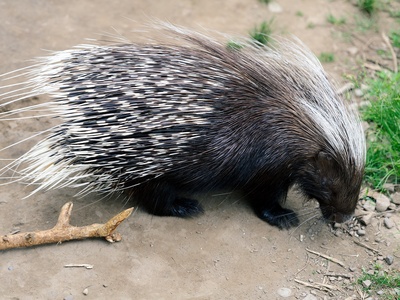
African porcupine
Large, nocturnal rodent covered in quills that feeds on roots, bulbs and crops. Common but often unseen; leaves characteristic feeding marks and burrow sites near rocks and fields.
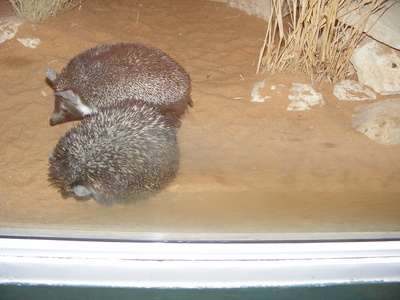
Four-toed hedgehog
Small nocturnal insect-eating mammal that curls into a ball when threatened. Found in savanna and near settlements; easy to spot at night under streetlights or camp edges.
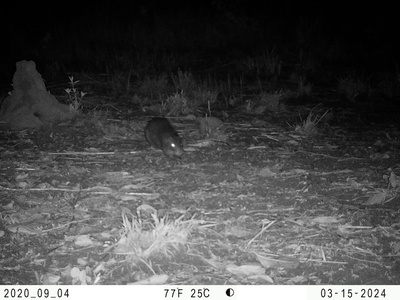
Greater cane rat
Large, chunky rodent often near water and crops; hunted and eaten locally. Nocturnal and secretive, commonly encountered where reeds and river margins provide cover.
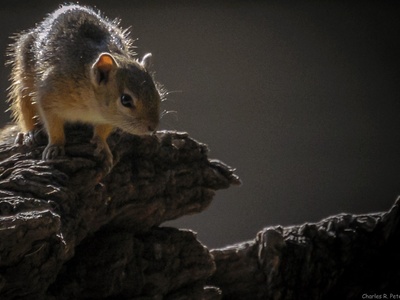
Bush squirrel
Arboreal tree squirrel of miombo and riverine woodlands. Active and noisy during the day; often foraging for fruits and seeds in trees near camps and trails.
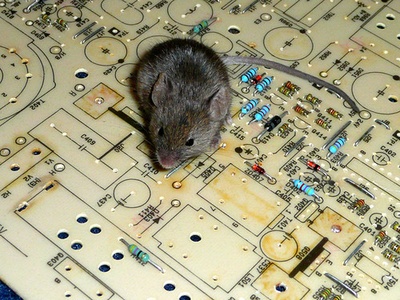
House mouse
Small introduced rodent common in buildings, farms and stores. Widely distributed and highly adaptable; not a native wild species but established and ubiquitous around people.

Black rat
Introduced, arboreal commensal rat frequenting homes, farms and warehouses. Widely established and easily found in settlements, storerooms and ports throughout Zimbabwe.
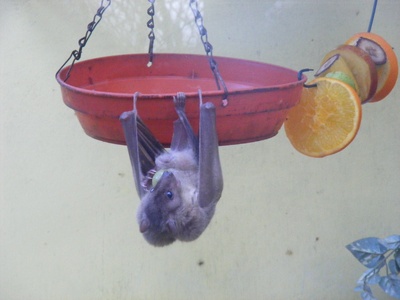
Egyptian fruit bat
Medium-sized cave-roosting fruit bat that forms large colonies in caves and old buildings. Feeds on fruit and is often visible at dusk leaving roosts en masse.
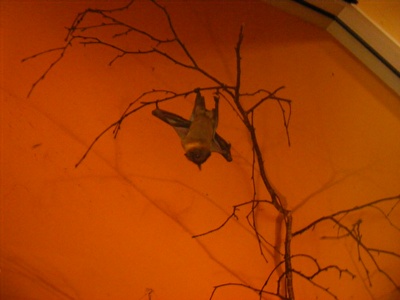
Straw-coloured fruit bat
Large migratory fruit bat that forms huge seasonal roosts in trees and towns. Important seed disperser; migratory patterns bring large flocks to Zimbabwe at certain times.
Little free-tailed bat
Small insectivorous bat that nests in roofs, caves and under bridges. Often emerges at dusk in fast, erratic flight to feed on flying insects over open ground and water.