TLDR
- No light: cast iron plant or ZZ plant.
- You travel a lot: ZZ plant, snake plant, or sedum outdoors.
- You have pets: cast iron plant or spider plant. Most of the other tough indoor plants here are toxic if chewed.
- Hot, dry, full sun: prickly pear, yucca, or Russian sage.
- Brutal winters: sedum, yarrow, catmint, or daylily, all hardy to zone 3 or 4.
The most common killer of “unkillable” plants isn’t neglect. It’s too much water.
Table of Contents
- What “resilient” actually means
- Resilient indoor plants
- Resilient garden plants
- Plants for extreme conditions
- Comparison table
- Which resilient plant should you pick?
- How even tough plants die
- How to revive a struggling plant
What “resilient” actually means
Most lists of the most resilient plants use the word as a vibe. Here it means a plant survives at least one specific stress that kills ordinary plants: weeks without water, a windowless corner, a hard freeze, 100°F afternoons, or a gardener who forgets it exists.
No plant survives all of them. A snake plant shrugs off a month of dry soil and dies in one soggy week. A prickly pear laughs at drought and rots in a rainy, humid yard. So each plant below has a “survives” line and a “dies from” line. Pick based on the stress you actually have.
The twelve are split into three groups: indoor, garden, and extreme conditions. For outdoor plants, hardiness zones refer to the USDA Plant Hardiness Zone Map, which is based on average annual minimum winter temperature. A zone 4 plant survives winters down to about -30°F.
Resilient indoor plants
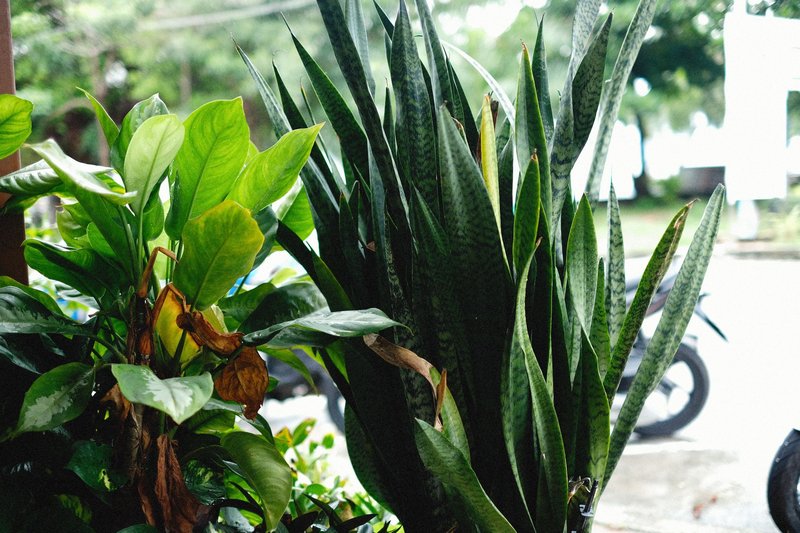
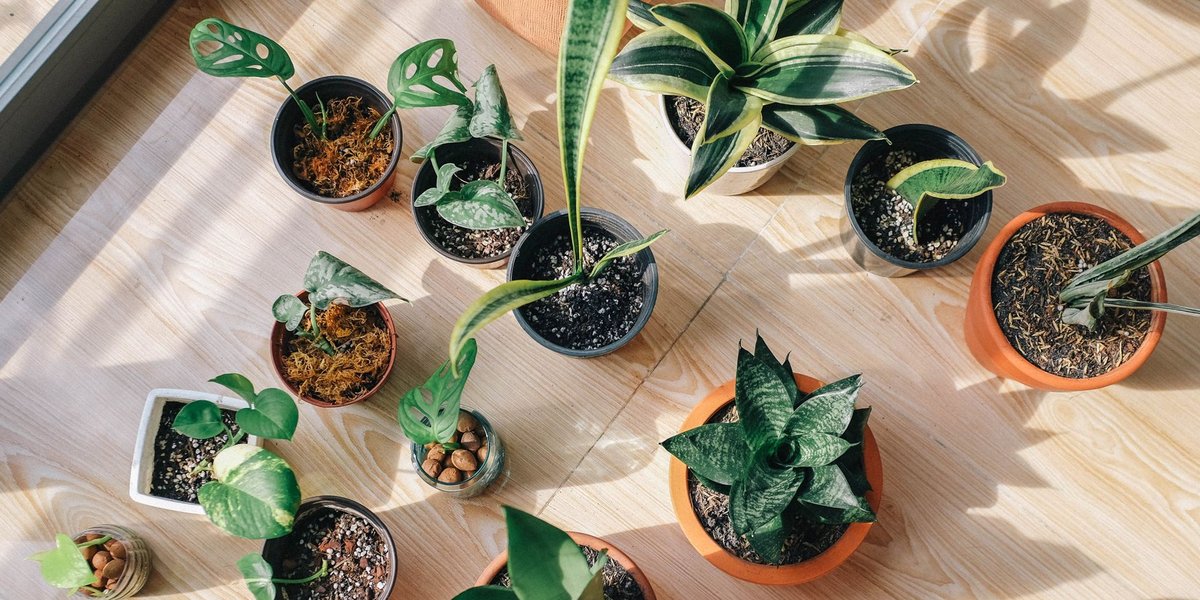
1. Snake plant (Dracaena trifasciata)
- Survives: Dim corners, dry air, and a month or more between waterings.
- Dies from: Wet soil. Roots rot before the leaves show a problem.
- Light/water: Low to bright indirect light. Water every 3 to 6 weeks.
- Pets: Toxic if eaten.
The stiff, upright leaves store water, which is why it tolerates a travel schedule that kills ferns. Keep it in a pot with a drainage hole and let the soil dry fully between waterings.
2. ZZ plant (Zamioculcas zamiifolia)
- Survives: Low light and long droughts.
- Dies from: Overwatering, and cold below about 45°F.
- Light/water: Low to medium light. Water every 3 to 4 weeks.
- Pets: Toxic if eaten.
ZZ plants grow from fat underground rhizomes that hold water like a camel’s hump. That’s the reason a ZZ in an office with no window is still alive after six months. If the stems droop and go yellow, the rhizomes are usually soggy.
3. Pothos (Epipremnum aureum)
- Survives: Low light, irregular watering, and bad pruning.
- Dies from: Standing water and temperatures below 50°F.
- Light/water: Low to bright indirect light. Water when the top inch of soil is dry.
- Pets: Toxic if eaten.
Pothos is the only plant on this list that tells you when it’s thirsty: the leaves go limp, then perk up within hours of watering. It also roots from a cut stem in a glass of water, so a dying plant can be restarted from a single node.
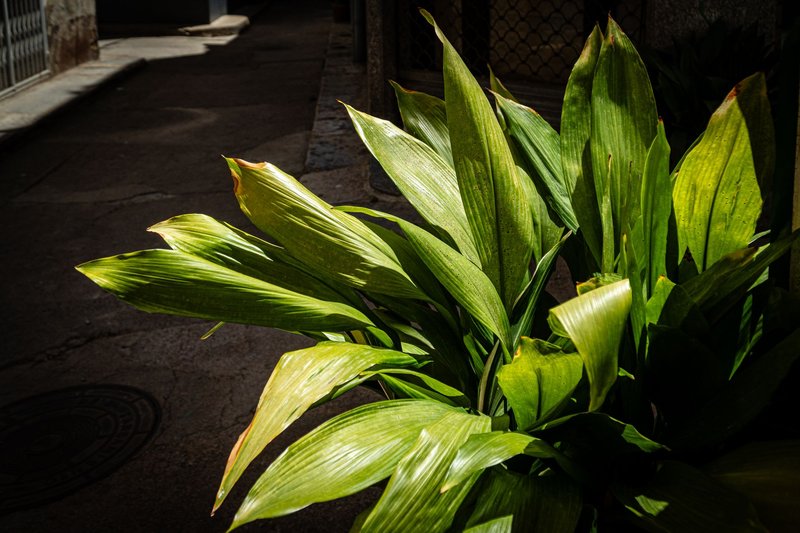
4. Cast iron plant (Aspidistra elatior)
- Survives: Deep shade, drafts, temperature swings, and irregular watering. Hardy outdoors in zones 7 to 11.
- Dies from: Direct sun, which scorches the leaves, and soggy soil.
- Light/water: Low light. Water when the top few inches are dry.
- Pets: Non-toxic.
The name is earned. It was a Victorian parlor staple because it tolerated gas lamps, cold halls and coal smoke. It grows slowly, so don’t expect fast results, but it’s one of the few tough shade plants that’s safe around cats and dogs.
5. Spider plant (Chlorophytum comosum)
- Survives: Inconsistent watering and a range of light levels.
- Dies from: Fluoride and salt buildup, which brown the leaf tips, and prolonged cold.
- Light/water: Medium to bright indirect light. Water when the top inch is dry.
- Pets: Non-toxic.
Spider plants store water in thick, tuberous roots and send out dangling baby plantlets that root in soil. Brown tips are cosmetic and usually come from tap water. Switching to rainwater or filtered water fixes it.
Resilient garden plants
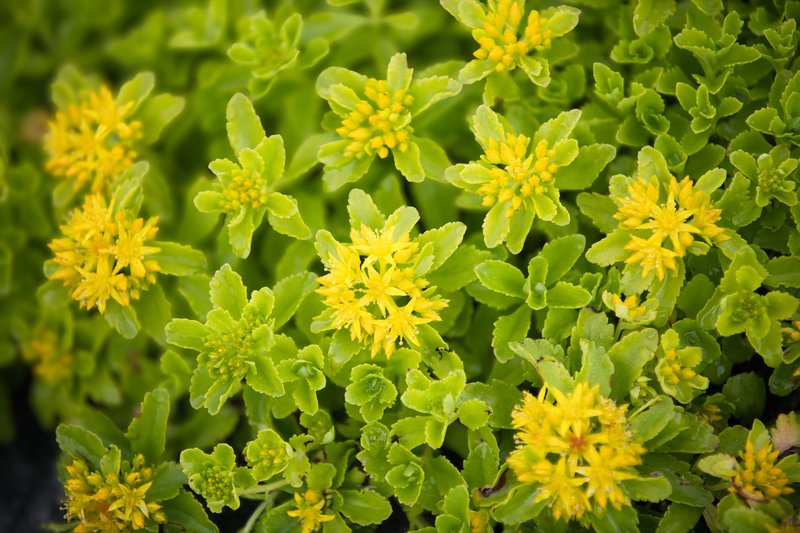
6. Sedum (stonecrop)
- Survives: Drought, heat, poor soil, and cold down to zone 3 for hardy types like ‘Autumn Joy’.
- Dies from: Soggy clay and heavy shade, which makes it floppy.
- Light/water: Full sun. Water only during establishment.
- Hardiness: Zones 3 to 9, depending on species.
Sedums are succulents that happen to be frost-proof. Pick upright varieties for borders and creeping ones for rock walls or gravel. Pollinators crowd the pink flower heads in late summer.
7. Yarrow (Achillea millefolium)
- Survives: Drought, heat, deer, and neglect.
- Dies from: Rich, wet soil. It gets leggy and flops.
- Light/water: Full sun. Minimal water once established.
- Hardiness: Zones 3 to 9.
Yarrow thrives in soil that other plants find disappointing. It spreads by rhizomes, so it fills gaps quickly. Skip fertilizer.
8. Catmint (Nepeta)
- Survives: Dry spells, heat, deer, and rabbits.
- Dies from: Waterlogged soil in winter.
- Light/water: Full sun to light shade. Moderate water in the first year, little afterward.
- Hardiness: Zones 3 to 8, depending on variety.
Shear it back by half after the first flush of lavender-blue flowers in early summer and it blooms again. Bees treat it like a buffet. Cats react to it too, so expect visitors to roll in it.
9. Daylily (Hemerocallis)
- Survives: Heat, cold, drought, poor soil, and being divided or moved at any time.
- Dies from: Almost nothing. Too much shade just means fewer flowers.
- Light/water: Full sun to part shade. Water during dry spells for the best bloom.
- Hardiness: Zones 3 to 9.
- Pets: True lilies are dangerous for cats, and daylilies are in the same warning category. Cat owners should avoid them.
Daylilies grow thick, fleshy roots that hold water. Highway embankments are lined with them for a reason. Each flower lasts one day, but a healthy clump produces dozens over several weeks.
Plants for extreme conditions
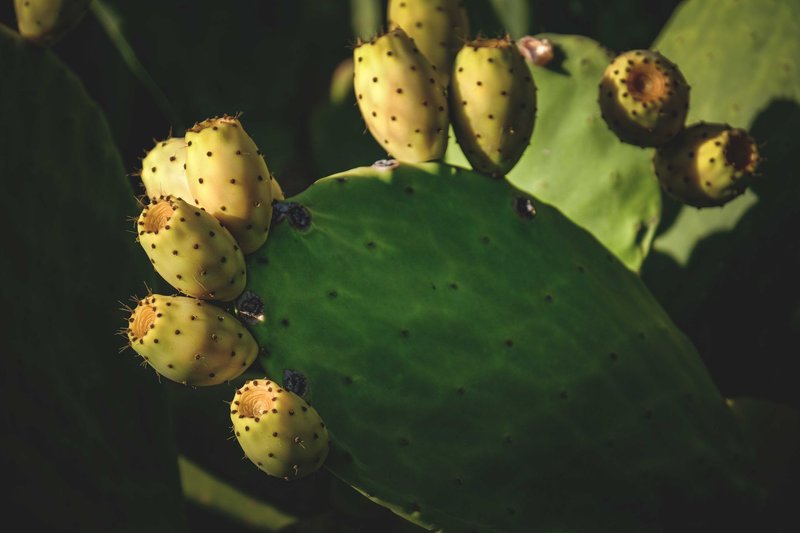
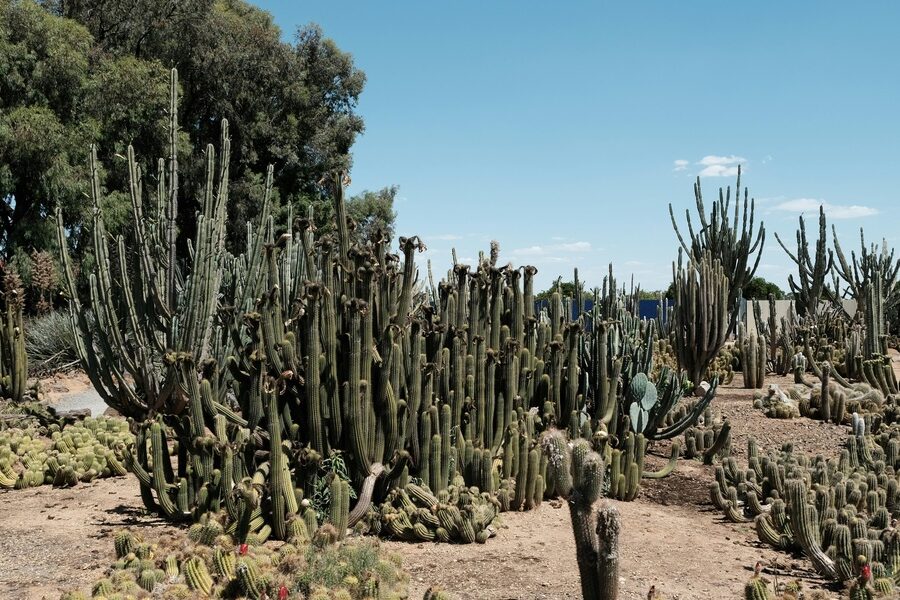
10. Prickly pear (Opuntia)
- Survives: Desert heat, months without rain, and some species survive winters in zone 4 or 5.
- Dies from: Cold, wet winters, which rot the pads.
- Light/water: Full sun, sharp drainage, almost no water.
- Hardiness: Zones 4 to 10, depending on species. Eastern prickly pear (Opuntia humifusa) is the cold-hardy one.
Prickly pear pads are thick water tanks, and the shallow root system soaks up even a light rain. Plant it on a slope or in gravel so water drains away. Wear thick gloves. The tiny hair-like glochids are worse than the large spines.
11. Yucca (Yucca filamentosa and relatives)
- Survives: Drought, wind, heat, and cold down to zone 4 for Adam’s needle.
- Dies from: Poor drainage.
- Light/water: Full sun. Water only during the first season.
- Hardiness: Zones 4 to 10, depending on species.
Yucca sends down a deep taproot and also sprouts new plants from root fragments. That’s why pulling one out of the ground rarely finishes the job. It also tolerates salt spray, which makes it useful near the coast.
12. Russian sage (Salvia yangii)
- Survives: Heat, drought, poor alkaline soil, and cold to zone 4.
- Dies from: Wet feet and rich soil. Both make it floppy.
- Light/water: Full sun. Little water once established.
- Hardiness: Zones 4 to 9.
Russian sage comes from the dry steppes of Central Asia and acts like it. The silvery, aromatic foliage reflects sun, and the lavender-blue flower spikes last from midsummer to fall. Cut stems back to 6 to 8 inches in early spring.
Comparison table
| Plant | Setting | Light | Water | Hardiness | Pet-safe? |
|---|---|---|---|---|---|
| Snake plant | Indoor | Low to bright | Every 3 to 6 weeks | Indoor only | No |
| ZZ plant | Indoor | Low to medium | Every 3 to 4 weeks | Indoor only | No |
| Pothos | Indoor | Low to bright | When top inch is dry | Indoor only | No |
| Cast iron plant | Indoor | Low | When top few inches are dry | Zones 7 to 11 | Yes |
| Spider plant | Indoor | Medium to bright | When top inch is dry | Indoor only | Yes |
| Sedum | Garden | Full sun | Minimal | Zones 3 to 9 | Mostly |
| Yarrow | Garden | Full sun | Minimal | Zones 3 to 9 | No |
| Catmint | Garden | Sun to part shade | Minimal | Zones 3 to 8 | Yes |
| Daylily | Garden | Sun to part shade | Moderate | Zones 3 to 9 | No (cats) |
| Prickly pear | Extreme | Full sun | Almost none | Zones 4 to 10 | No (spines) |
| Yucca | Extreme | Full sun | Minimal | Zones 4 to 10 | No |
| Russian sage | Extreme | Full sun | Minimal | Zones 4 to 9 | Yes |
Pet-safety ratings vary by species and variety. Check the ASPCA toxic and non-toxic plant list for the exact plant before bringing it home.
Which resilient plant should you pick?
You have no natural light. Cast iron plant, ZZ plant, or snake plant. All three live on low light, though none grows fast in a dark room.
You travel for weeks. ZZ plant or snake plant indoors. Outdoors, sedum, yarrow or yucca need no attention once established.
You’ve killed everything. Start with pothos. It wilts when it needs water, which gives you a signal other plants don’t.
You have cats or dogs. Cast iron plant or spider plant indoors. Catmint or Russian sage outdoors.
You live somewhere hot and dry. Prickly pear, yucca, Russian sage, or yarrow.
You live somewhere with hard winters. Sedum, yarrow, catmint, and daylily all survive zone 3 winters.
Your yard is mostly clay. Daylily. Most of the others on this list need drainage clay can’t offer.
How even tough plants die
Three mistakes account for most deaths of supposedly indestructible plants.
Overwatering. Drought-adapted plants store water and want soil that dries out. A weekly watering schedule is wrong for snake plants, ZZ plants, prickly pear and most of the garden plants above. Check soil with a finger instead of the calendar.
Poor drainage. A pot without holes, or a saucer full of standing water, does the same damage as overwatering. Outdoors, heavy clay does it too. Amend with grit or plant on a mound.
The wrong plant for the climate. A zone 7 plant in zone 4 won’t survive a hard winter however tough it looks. Look up your zone on the USDA map before buying.
How to revive a struggling plant
- Diagnose before acting. Yellow, mushy leaves at the base mean too much water. Crisp, brown, curled leaves mean too little. Scorched patches mean too much direct sun.
- Check the roots. Slide the plant out of its pot. Healthy roots are firm and pale. Rotten roots are brown or black and smell sour.
- Cut away the rot. Trim dead roots with clean scissors and repot in fresh, fast-draining mix in a pot with drainage holes.
- Wait to water. Give a rot-stressed plant a week or two of dryness before the next drink.
- Move it. Bright, indirect light speeds recovery for most of the indoor plants here. Avoid fertilizer until you see new growth.
- Be patient. A ZZ plant or snake plant can take months to put out new leaves, so a plant that looks static isn’t necessarily dead. If the rhizome or base is still firm, it’s alive.
If you want a single place to start, buy a pothos for the house and a sedum for the yard. Both forgive mistakes, and both will tell you plenty about what the rest of your plants need.