
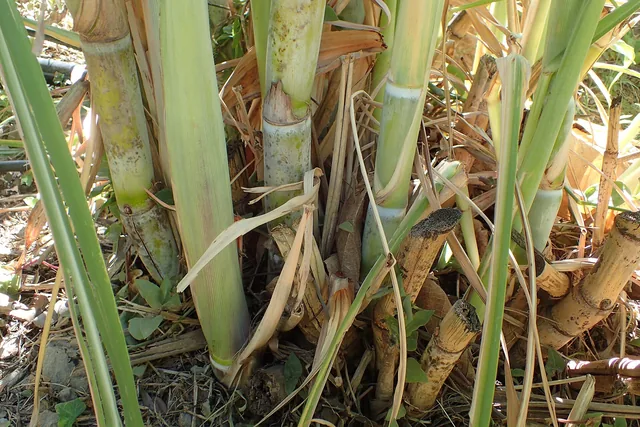
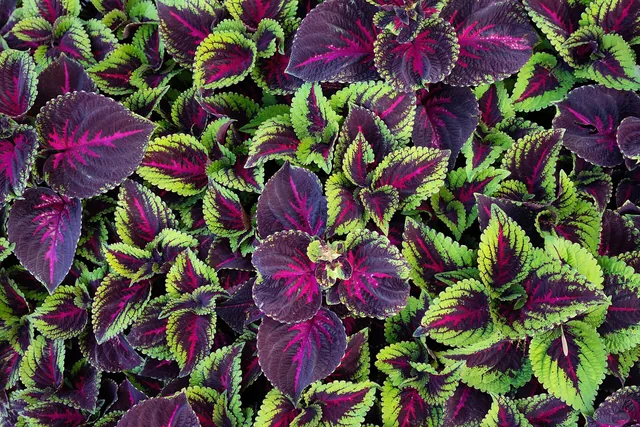
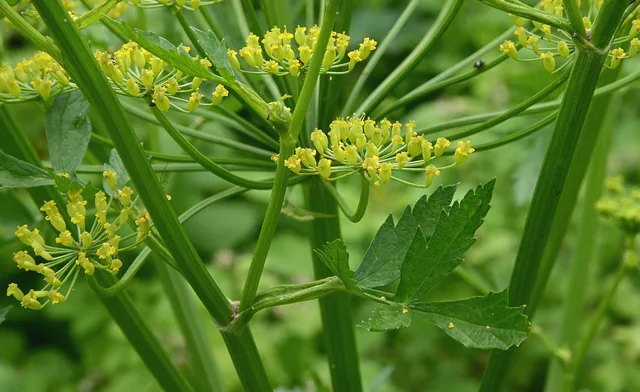
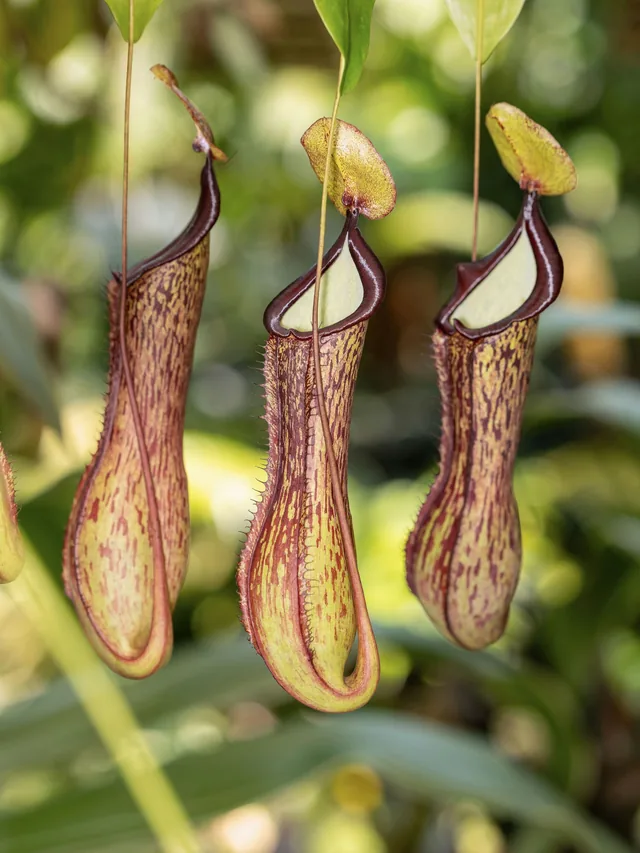
Can you name the plant?
Ten plant photos, four choices each, no timer. Pick a level.
Your photos
Keep reading about plants
More quizzes
This plant identification quiz shows you 10 plant photos and asks you to name each one from four choices. It works as a plant ID quiz for gardeners, houseplant owners, hikers and students. After every answer you see the mark that identifies the plant, so each round of this plant guessing game prepares you for the next.
How the plant ID quiz works
The quiz holds 120 plants, 40 per level. Every round draws 10 at random, so a second round is different from the first.
- Easy covers plants known around the world: Venus Flytrap, Saguaro Cactus, Aloe Vera, Monstera, Bamboo and Pineapple.
- Medium is a houseplant and herb quiz: Fiddle Leaf Fig, Golden Pothos, ZZ Plant, String of Pearls, Thyme and Oregano. The wrong answers are the plants most often confused with the one in the photo.
- Hard is wild plants and weeds: Poison Oak, Water Hemlock, Japanese Knotweed, Mugwort and Haircap Moss, with wrong answers drawn from the plants that grow beside them.
Score 10 out of 10 to earn the top rank, Master botanist, then share your score. Flowers and trees have their own quizzes: the flower identification quiz and the tree identification quiz.
How to identify a plant from a photo
Botanists check the same features in the same order. Flowers come late, because most plants spend most of the year without them.
- Look at the leaf arrangement. Leaves grow opposite each other in pairs, alternate up the stem or in a whorl. Mint, sage and basil are opposite. Poison ivy is alternate.
- Check if the leaf is simple or compound. A simple leaf is one blade. A compound leaf is split into leaflets: three on poison ivy and clover, five on Virginia creeper, a dozen or more on a sumac. See simple vs compound leaves.
- Read the leaf edge and veins. Edges are smooth, toothed or lobed. Parallel veins mark grasses, lilies and plantains. Netted veins mark most other broadleaf plants.
- Feel the stem. A square stem points to the mint family. A hollow stem with purple blotches is poison hemlock. Woody canes with thorns are brambles.
- Note texture and habit. Fleshy leaves mean a succulent. Fronds that unroll from a fiddlehead mean a fern. A vine that climbs with tendrils is a grape or a pea.
- Use fruit and habitat last. Berries, pods and seed heads confirm a guess. Wet ground, deep shade or a desert narrows the list fast.
How to tell look-alike plants apart
These are the marks that decide the hardest pairs in the quiz. Several of them separate a harmless plant from a dangerous one.
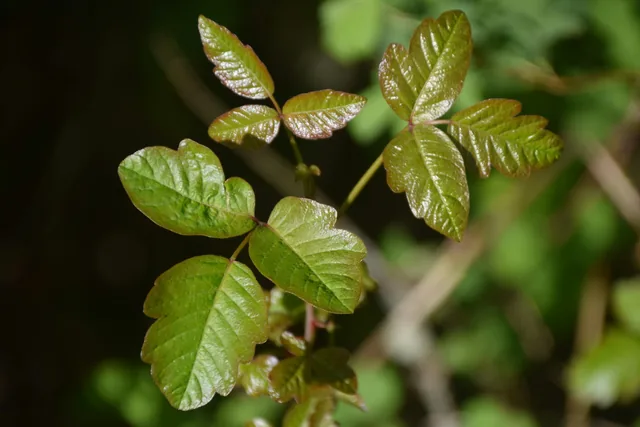
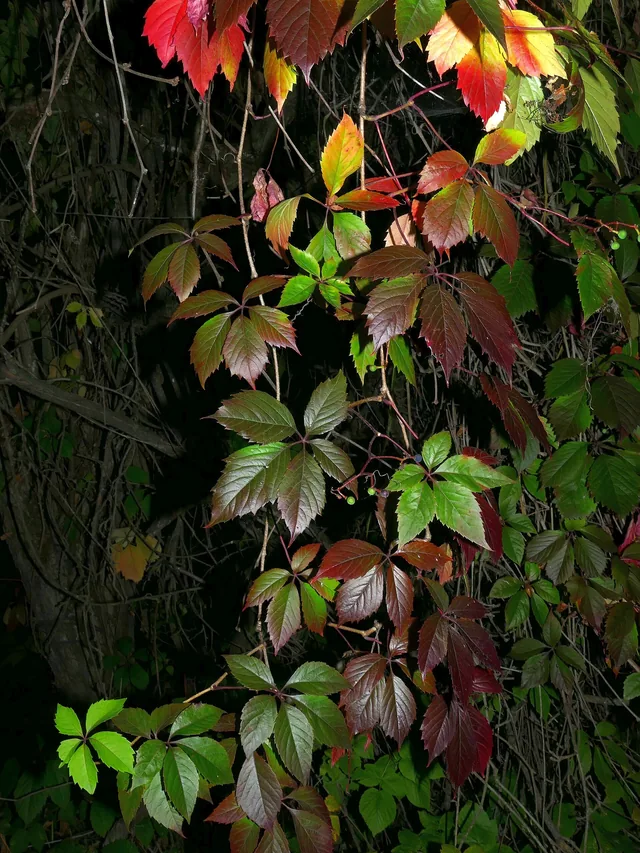
- Poison Ivy or Virginia Creeper: poison ivy has three leaflets, and the middle one has a longer stalk. Virginia creeper has five leaflets that meet at one point. “Leaves of three, let it be.”
- Poison Hemlock or Parsley: both have lacy leaves. Poison hemlock grows taller than a person and has a smooth stem blotched with purple. It is deadly in small amounts, so never taste a wild plant in the carrot family.
- Water Hemlock or Elderberry: both carry flat white flower clusters near water. Elderberry is a woody shrub with paired leaves. Water hemlock is a herb whose leaf veins end in the notches between teeth, not at the tips.
- Giant Hogweed or Cow Parsnip: cow parsnip reaches about 8 feet and has a hairy green stem. Giant hogweed reaches 15 feet and has a stem spotted with purple. The sap of both burns skin in sunlight.
- Golden Pothos or Heartleaf Philodendron: pothos leaves are thick and waxy with yellow streaks. Philodendron leaves are thin and soft with a long drawn-out tip.
- Monstera or Swiss Cheese Vine: mature Monstera leaves split to the edge. The holes in a Swiss cheese vine stay closed inside the leaf.
- Raspberry or Blackberry: a picked raspberry is hollow because the core stays on the plant. A blackberry keeps its white core inside the fruit.
Identify the plants you find
For a plant outside the quiz, upload a photo to iNaturalist, where other observers confirm the species. To check a name, search the USDA PLANTS Database for North American plants, the Missouri Botanical Garden Plant Finder for garden plants or the Royal Horticultural Society plant search for UK gardens. Before bringing a houseplant home to a cat or dog, check it on the ASPCA toxic and non-toxic plants list.
The insects and birds on those plants are a different job: WunderWild names animals from a photo you take on your iPhone.
Frequently asked questions
How do I find out what plant this is?
Note the leaf arrangement, whether the leaf is simple or compound, its edge and the stem. Those four facts narrow most plants to a few candidates in a field guide. A plant identifier app such as iNaturalist can suggest a name when you get stuck.
What is the best way to learn plant identification?
Learn plant families before species. The mint family has square stems and paired leaves, the carrot family has umbrella-shaped flower heads and the grass family has hollow jointed stems. A quiz like this one drills the species, and short walks with a field guide fix them in memory.
How can I tell if a plant is poisonous?
You cannot tell from looks alone. Poison hemlock resembles parsley, and deadly nightshade berries look like blueberries. Identify the species with certainty, then check it in a trusted source. Never eat a wild plant on a single identification.
How many plant species are there?
Botanists recognize about 390,000 species of vascular plants, and about 94 percent of them are flowering plants. Mosses, liverworts and hornworts add roughly 20,000 more. New species are described every year.
Are these real plant photos?
Yes. Every photo shows a living plant and comes from Wikimedia Commons, iNaturalist, Unsplash or Openverse. The photographer and license appear after you answer.
Can I use this plant quiz in class?
Yes. It runs on a projector, computer or tablet with nothing to install. To add it to your own site, click “Embed this quiz” under the game and copy the code.
More plants to learn
Practice between rounds with herbs from A to Z, the characteristics of ferns, vascular vs non-vascular plants, English ivy vs Boston ivy, plants that survive neglect and the benefits of indoor plants. Then try the other photo quizzes.