Guinea’s mix of coastal mangroves, lowland rainforests and the Fouta Djallon highlands supports a wide variety of wildlife, but many species are uncommon and easy to miss. Field surveys and local reports show a spectrum of animals — from the familiar African grey parrot to the rarely seen White-necked rockfowl — that reflect those different habitats and conservation pressures.
There are 16 Rare Animals in Guinea, ranging from African grey parrot to White-necked rockfowl. For each species you’ll find below the Scientific name,IUCN status,Habitat & Guinea range so you can quickly compare identification details and conservation status; you’ll find below the full list and table for reference.
How can I tell if a species in Guinea is considered rare?
Look at distribution, encounter frequency and formal assessments: a limited or fragmented range within Guinea, few recent records, or an IUCN listing of Vulnerable, Endangered or Critically Endangered are strong indicators. The table below uses scientific names and IUCN status to make those comparisons straightforward.
What can visitors or locals do to help protect these species?
Support local conservation groups, avoid purchasing wild-caught animals (important for parrots), report verified sightings to citizen-science platforms, and follow low-impact practices when visiting habitats—stay on trails, minimize noise, and respect protected areas to reduce disturbance.
Rare Animals in Guinea
| Name | Scientific name | IUCN status | Habitat & Guinea range |
|---|---|---|---|
| Western chimpanzee | Pan troglodytes verus | Endangered | Lowland and montane primary and secondary forests; recorded in Bossou, Nimba foothills, Gola and Upper Guinea forest fragments |
| Nimba viviparous toad | Nimbaphrynoides occidentalis | Critically Endangered | Montane grasslands and gallery forest on Mont Nimba (southeastern Guinea) — extremely restricted range within Mont Nimba Strict Nature Reserve |
| Nimba otter shrew | Micropotamogale lamottei | Endangered | Fast-flowing mountain streams, forest creeks and riparian zones on Mont Nimba and adjacent highlands in southeastern Guinea |
| Nimba shrew | Crocidura nimbae | Endangered | Montane forest and grassland patches on Mont Nimba (southeastern Guinea) — highly restricted local range |
| West African manatee | Trichechus senegalensis | Vulnerable | Estuaries, mangroves and slow-moving coastal rivers along Guinea’s Atlantic coast and major river mouths (e.g., Konkouré, Nunez, Rio Pongo) |
| Atlantic humpback dolphin | Sousa teuszii | Critically Endangered | Nearshore coastal waters, estuaries and mangrove-lined bays along Guinea’s Atlantic coast |
| White-necked rockfowl | Picathartes gymnocephalus | Vulnerable | Humid rocky forest outcrops, caves and forest edges in Fouta Djallon and southeastern forested zones (Ziama, Gola) in Guinea |
| Diana monkey | Cercopithecus diana | Endangered | Primary and secondary Upper Guinea rainforests; found in Gola, parts of Nimba and other southeastern forest fragments |
| African grey parrot | Psittacus erithacus | Endangered | Lowland humid forest and forest edges across Upper Guinea forest fragments (Gola, Ziama, protected patches) |
| Hooded vulture | Necrosyrtes monachus | Critically Endangered | Open woodlands, savanna and human-dominated landscapes across Guinea; commonly forages near settlements and markets |
| White-backed vulture | Gyps africanus | Critically Endangered | Savanna, open woodland and hill country where carrion is available; historically widespread but now highly reduced in Guinea |
| Leopard | Panthera pardus | Vulnerable | Forests, mountains, savanna and rugged remnant habitats; tiny, dispersed populations in areas such as Mont Nimba and Fouta Djallon |
| Jentink’s duiker | Cephalophus jentinki | Endangered | Primary lowland rainforest and forested valleys in southeastern Guinea (Gola landscape) and neighboring countries |
| Western red colobus | Piliocolobus badius | Endangered | Upper Guinea rainforests; restricted to remnant forest patches in southeastern Guinea (Gola, Ziama) and riverine forest fragments |
| African slender-snouted crocodile | Mecistops cataphractus | Critically Endangered | Freshwater rivers, creeks, wetlands and swampy forest streams in lowland Guinea and coastal river systems |
| Gola malimbe | Malimbus ballmanni | Endangered | Lowland primary forest of the Gola landscape spanning southeastern Guinea into adjacent Sierra Leone and Liberia |
Images and Descriptions
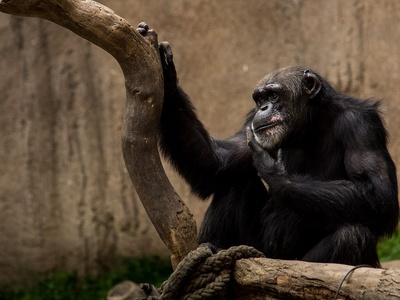
Western chimpanzee
A socially complex great ape found in forest patches across Guinea. Endangered from hunting and habitat fragmentation; best places to see populations are protected forest fragments (Bossou, parts of Nimba and Gola) where conservation and community programs operate.
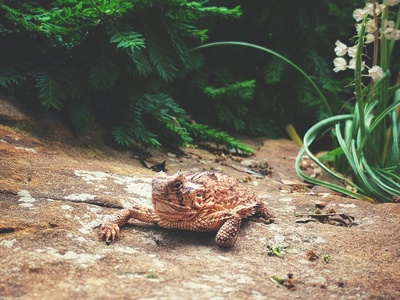
Nimba viviparous toad
A tiny, live-bearing toad known only from Mont Nimba. Critically endangered by its microscopic range, habitat loss and mining pressure; conservation relies on strict protection of Mont Nimba’s high-altitude habitats.
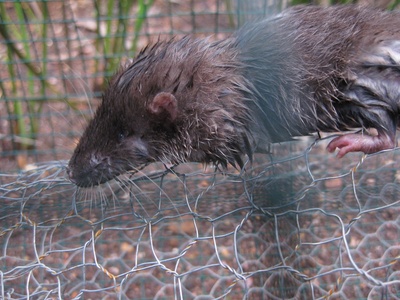
Nimba otter shrew
A small, semi-aquatic insectivore restricted to the Mont Nimba area. Endangered because of very limited distribution and habitat degradation from agriculture and mining; elusive and rarely seen except by specialist surveys.
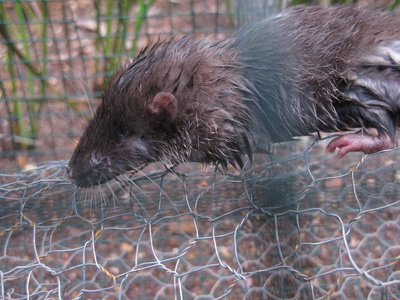
Nimba shrew
A small shrew endemic to Mont Nimba. Endangered due to tiny range and ongoing habitat loss; poorly known and of high conservation importance for Mont Nimba’s unique fauna.
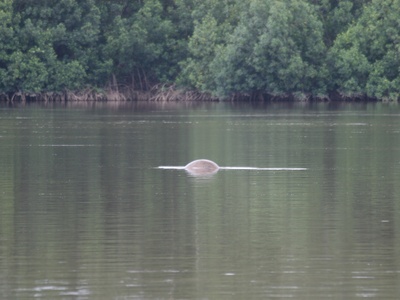
West African manatee
A gentle, slow-moving marine mammal of West African coasts and rivers. Vulnerable to hunting, boat strikes and habitat degradation; rare in Guinea’s estuaries and a high-profile conservation species for coastal communities.
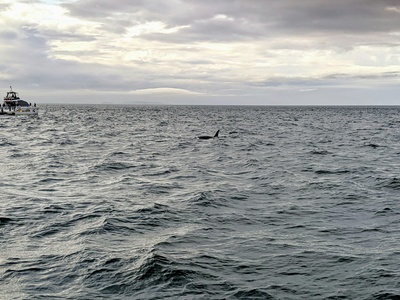
Atlantic humpback dolphin
A small, coastal dolphin restricted to West Africa. Critically endangered from bycatch, coastal development and pollution; sightings off Guinea are rare and local communities play a key role in monitoring remnant groups.
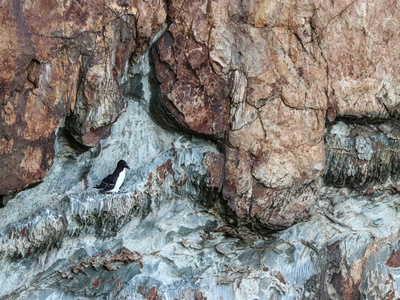
White-necked rockfowl
A striking ground-nesting bird with a bare, colorful head and unusual nesting on rock faces. Vulnerable due to habitat loss and disturbance; prized by birdwatchers visiting Guinea’s forested rocky areas.
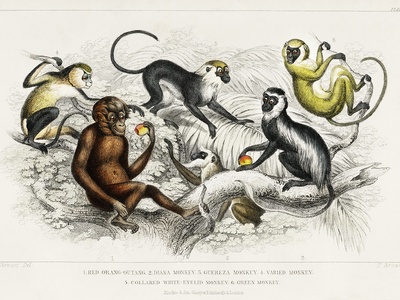
Diana monkey
A vividly marked arboreal monkey with bold facial patterns. Endangered because of hunting and severe forest fragmentation; persists in remnant forest blocks and community reserves in Guinea.

African grey parrot
A highly intelligent parrot widely trapped for the pet trade. Endangered from heavy trapping and habitat loss; Guinea populations are fragmented and declining, making remaining forest refuges vital for survival.
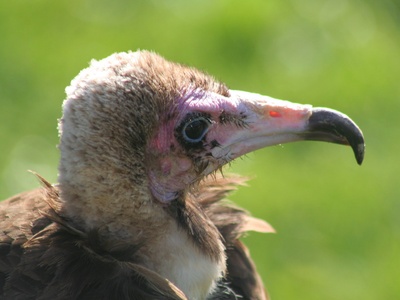
Hooded vulture
A small, slow-declining vulture species suffering catastrophic population losses due to poisoning, persecution and trade. Critically endangered yet still occasionally seen in Guinea; essential scavenger facing urgent conservation threats.
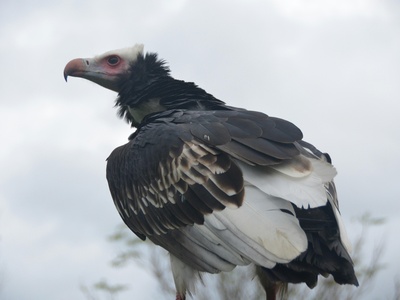
White-backed vulture
A large soaring vulture that has suffered dramatic declines from poisoning and habitat loss. Critically endangered and locally rare in Guinea; once-common congregations are now seldom observed.
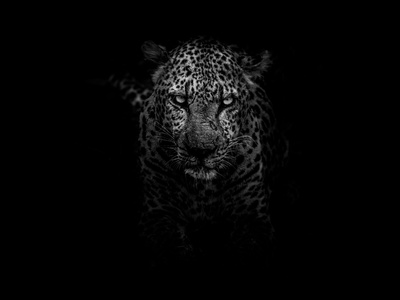
Leopard
A cryptic big cat surviving in small, fragmented pockets within Guinea. Vulnerable globally but locally scarce due to habitat loss and persecution; records are sporadic and mostly from remote protected highlands.

Jentink’s duiker
A shy, medium-sized forest antelope dependent on intact rainforest. Endangered from overhunting and habitat loss; persists in a few protected forests such as Gola where anti-poaching and habitat protection are critical.
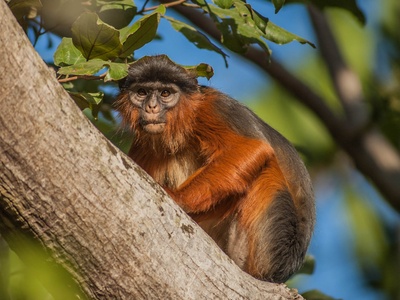
Western red colobus
A highly arboreal red colobus with a reddish coat that relies on continuous canopy. Endangered due to hunting and fragmentation; surviving populations in Guinea are small and isolated in forest reserves.
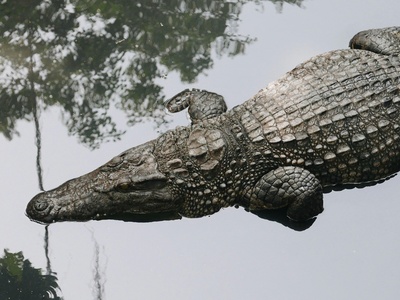
African slender-snouted crocodile
A secretive, long-snouted crocodile of forested waterways. Critically endangered from hunting and river modification; records in Guinea are sporadic and populations are small and vulnerable to local extirpation.
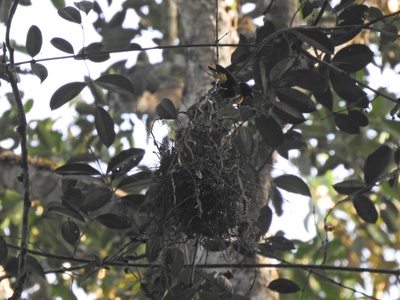
Gola malimbe
A scarce, forest-dependent passerine tied to the Gola forest complex. Endangered from logging and habitat fragmentation; of particular interest to birdwatchers visiting Guinea’s remaining primary forest patches.