featured_image

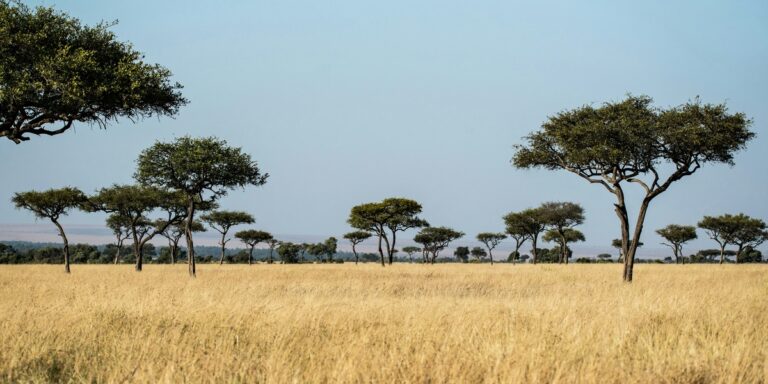
8 Characteristics of Xerophytic Plants

This post explains the 8 characteristics of xerophytic plants and how leaf shape, thick cuticles, water storage, deep or widespread roots, reduced stomata, spines, CAM photosynthesis and surface hairs enable survival in arid habitats. Use this hub to navigate linked deep-dive articles, species examples and practical tips for growing drought-tolerant plants.

Continue reading
0 Comments
featured_image

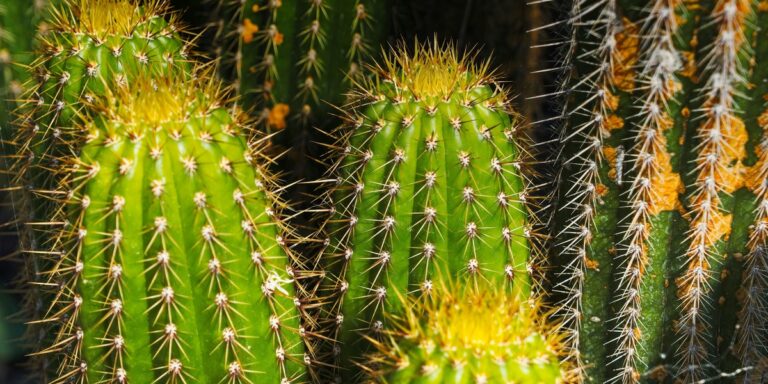
8 Characteristics of Halophytic Plants

Explore the eight defining characteristics of halophytic plants in this hub post. Learn how salt-tolerant species adapt morphologically, physiologically, and reproductively to saline environments, with examples and links to deeper articles on each trait — a starting point for students, ecologists, and gardeners interested in salt-adapted vegetation.

Continue reading
0 Comments
featured_image

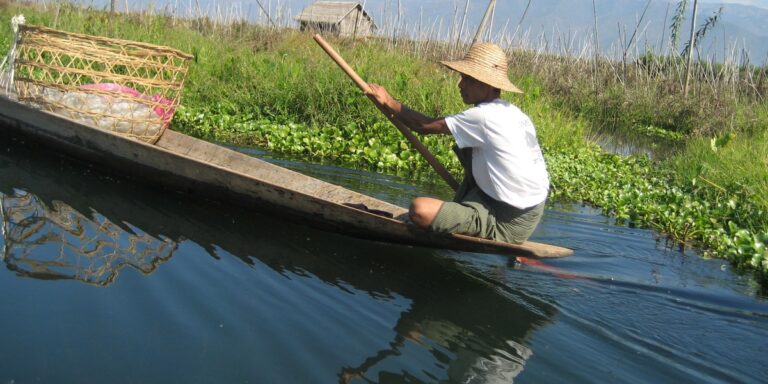
7 Adaptations of Floating Aquatic Plants

Explore the 7 key adaptations of floating aquatic plants—buoyant leaves, air-filled tissues, reduced stomata, modified roots and more—and how these traits let species thrive at the water surface. This hub links to detailed posts and real-world examples for students, gardeners, and pond-keepers seeking clear, practical explanations.

Continue reading
0 Comments
featured_image

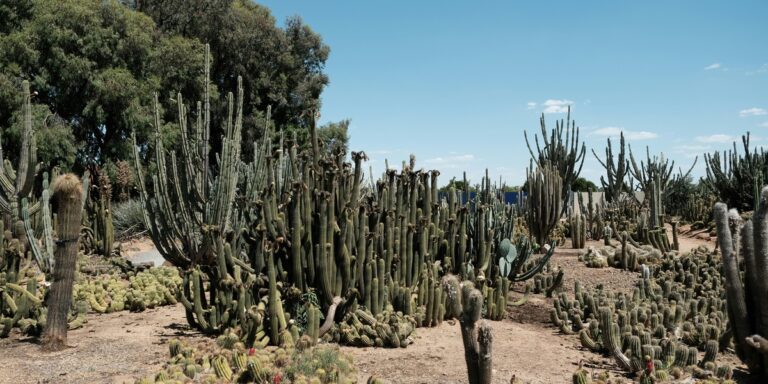
10 Characteristics of Desert Plants

Explore the 10 characteristics of desert plants that enable survival in extreme heat, drought, and intense sunlight. This hub post explains key adaptations—such as succulence, reduced leaves, reflective surfaces, deep roots, and CAM photosynthesis—and links to detailed articles and plant examples so you can learn how each trait works and identify these features in the field or garden.

Continue reading
0 Comments