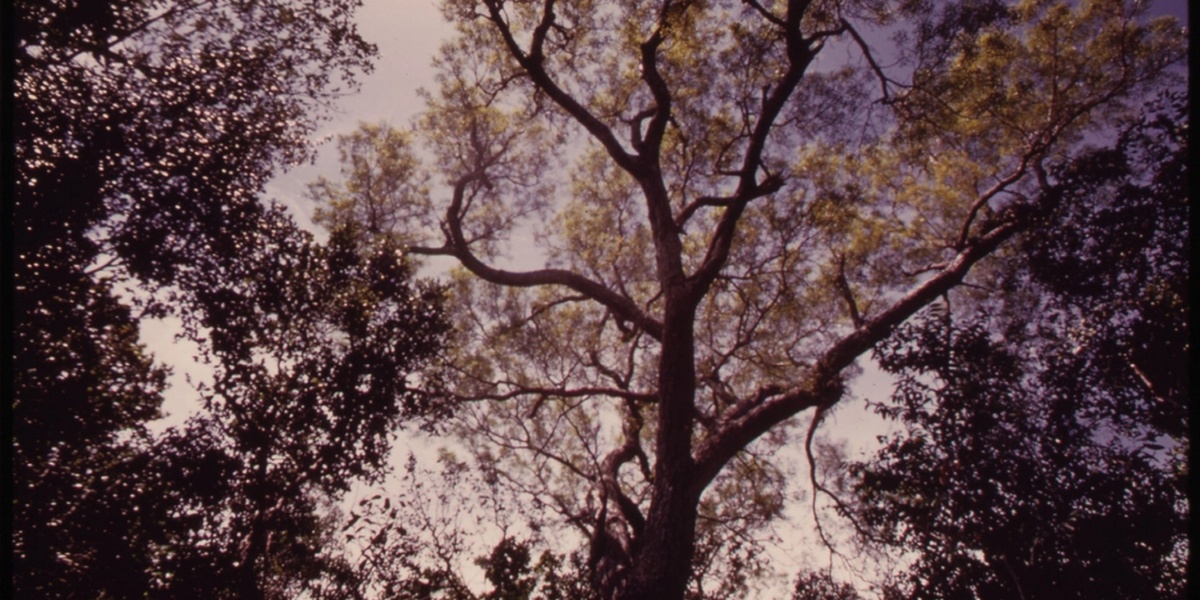
Barbados’s streets, parks and coastal edges are shaped by a mix of planted avenues and wild stands that offer shade, seasonal blooms and habitat for local wildlife. Noticing the trees that line neighborhoods or frame the beaches gives a quick window into the island’s ecology and history.
There are 36 Trees of Barbados, ranging from African tulip to Yellow poui; for each, Scientific name,Nativity,Primary habitat/location are listed, and you’ll find below.
How can I quickly identify common Trees of Barbados while walking around?
Look for a few repeating features: overall silhouette, leaf shape and arrangement, flower or fruit color, and bark texture. Use the Scientific name in the list to compare pictures in a field guide or app, photograph leaves and flowers, and note the location (coastal, urban, woodland) to narrow possibilities.
Which trees on the list are native, protected or considered invasive?
The list’s Nativity column flags native versus introduced species; protection status and invasive concerns are handled by local conservation authorities. If you spot a species that looks out of place or spreading aggressively, check the nativity field and consult Barbados environmental resources or local botanists for guidance.
Trees of Barbados
| Name (common) | Scientific name | Nativity | Primary habitat/location |
|---|---|---|---|
| Sea grape | Coccoloba uvifera | Native | Beaches, coastal dunes, southern and western shores |
| Buttonwood | Conocarpus erectus | Native | Coastal mangroves, lagoon edges, western shorelines |
| Red mangrove | Rhizophora mangle | Native | Mangrove forests, coastal lagoons, Graeme Hall area |
| Black mangrove | Avicennia germinans | Native | Mangrove flats, saline muds, sheltered bays |
| White mangrove | Laguncularia racemosa | Native | Upper mangrove zones, lagoon margins |
| Sea almond | Terminalia catappa | Naturalized | Beaches, parks, roadside shade, western parishes |
| Coconut | Cocos nucifera | Introduced | Beaches, coastal fringe, tourist resorts |
| Royal palm | Roystonea regia | Introduced | Avenues, gardens, urban parks across island |
| Flamboyant (Poinciana) | Delonix regia | Introduced | Roadsides, parks, ceremonial plantings, sunny spots |
| Yellow poui | Peltophorum pterocarpum | Introduced | Roadsides, parks, open dry areas, urban plantings |
| African tulip | Spathodea campanulata | Introduced | Gardens, parks, disturbed areas, urban sites |
| Rain tree (Saman) | Samanea saman | Introduced | Parks, fields, roadside shade, Central districts |
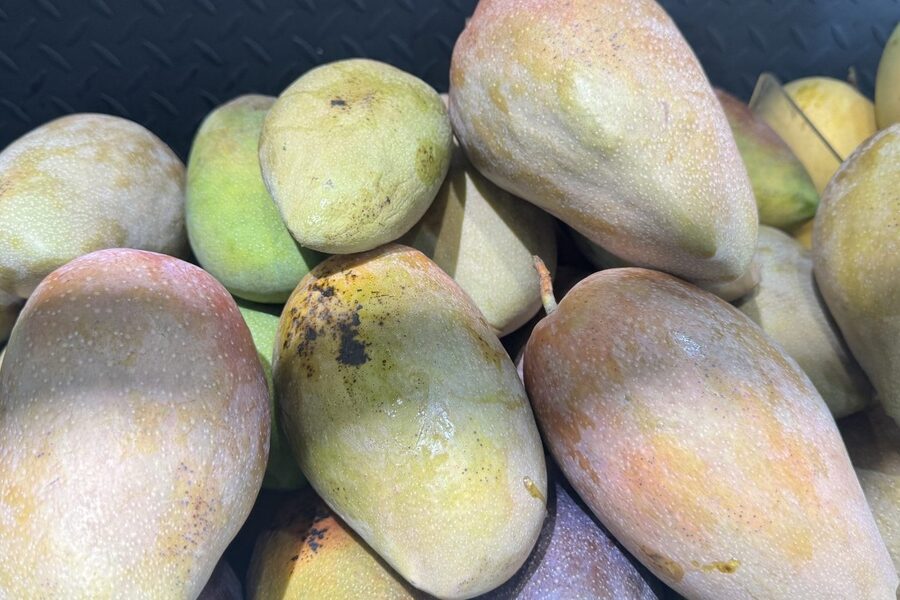
| Mango | Mangifera indica | Introduced | Home gardens, small farms, parishes island-wide |
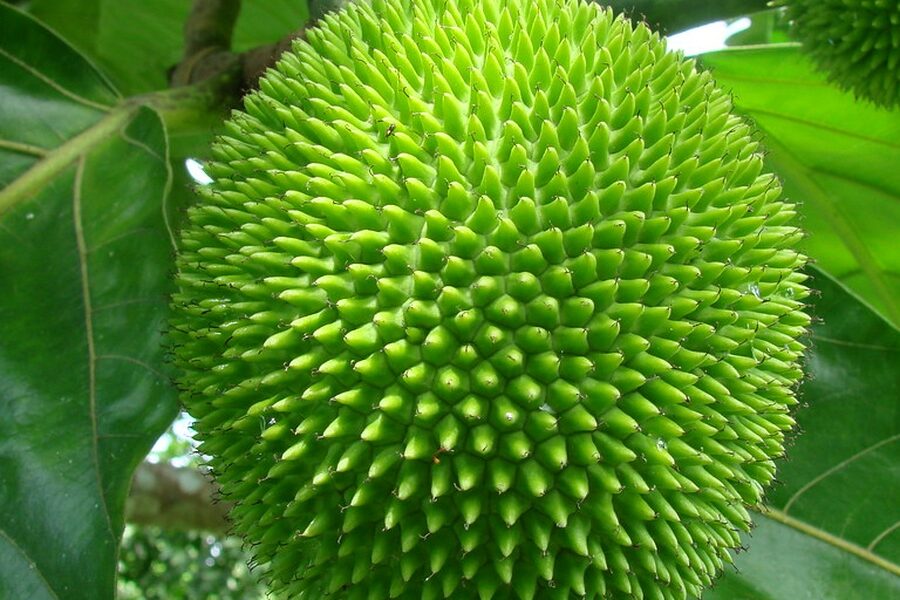
| Breadfruit | Artocarpus altilis | Introduced | Home gardens, rural yards, sheltered coastal zones |
| Jackfruit | Artocarpus heterophyllus | Introduced | Home gardens, orchards, rural areas |
| Avocado | Persea americana | Introduced | Home gardens, inland slopes, farm plots |
| Soursop | Annona muricata | Introduced | Shaded gardens, small farms, backyards |
| Guava | Psidium guajava | Naturalized | Roadsides, disturbed ground, home gardens, lower slopes |
| Cashew | Anacardium occidentale | Introduced | Coastal gardens, home orchards, open dry areas |
| Casuarina (Australian pine) | Casuarina equisetifolia | Introduced | Coastal windbreaks, dunes, eastern and southern coasts |
| Neem | Azadirachta indica | Introduced | Roadsides, farms, gardens, dry areas |
| Gumbo-limbo | Bursera simaruba | Native | Dry forests, rocky slopes, roadsides, St. Andrew areas |
| Strangler fig | Ficus citrifolia | Native | Scattered forest remnants, old estates, shaded gullies |
| Banyan | Ficus benghalensis | Introduced | Public parks, large estates, Bridgetown shade trees |
| Pink poui (Trumpet tree) | Tabebuia heterophylla | Introduced | Parks, avenues, gardens across island |
| Black olive (Spanish blackwood) | Bucida buceras | Introduced | Roadsides, coastal streets, urban plantings |
| Autograph tree | Clusia rosea | Native | Coastal forest edges, parks, neighborhoods |
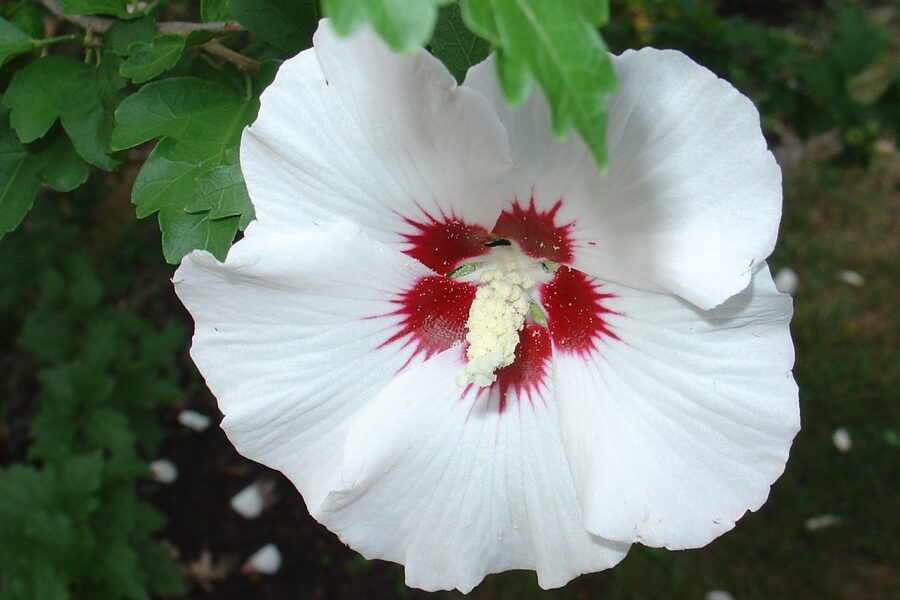
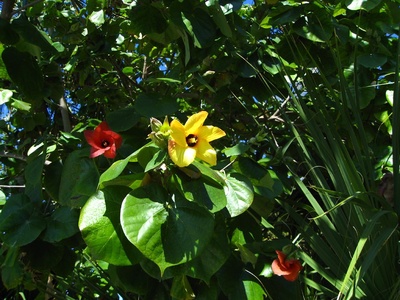
| Sea hibiscus | Hibiscus tiliaceus | Naturalized | Coastal fringe, beaches, windward shores |
| White stopper | Eugenia axillaris | Native | Dry forests, hedgerows, coastal woodlands |
| Mahogany | Swietenia mahagoni | Introduced | Parks, estates, planted groves, scattered locations |
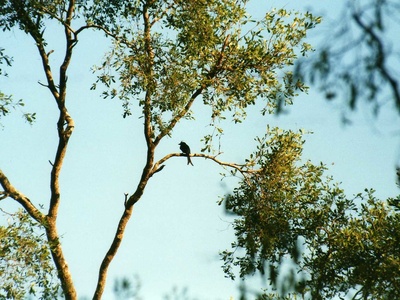
| Tamarind | Tamarindus indica | Introduced | Home gardens, roadside plantings, rural areas |
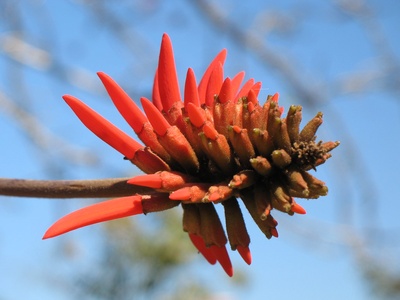
| Coral tree | Erythrina variegata | Introduced | Roadsides, parks, coastal gardens |
| Lead tree | Leucaena leucocephala | Introduced | Disturbed ground, fence rows, rural lots |
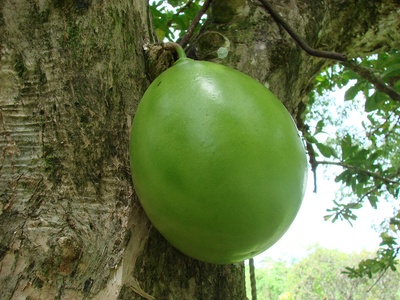
| Calabash | Crescentia cujete | Introduced | Village yards, roadside edges, cultural sites |
| Alexandrian laurel | Calophyllum inophyllum | Introduced | Coastal parks, beach plantings, western coast |
| Spanish cedar | Cedrela odorata | Introduced | Plantations, estates, scattered plantings |
Images and Descriptions
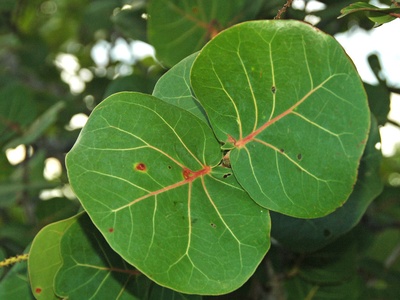
Sea grape
Broad-leaved coastal tree with round fruit clusters; leathery leaves, salt-tolerant. Grapes eaten fresh or made into jams; common shade and windbreak. Important for dune stabilization and coastal wildlife, generally secure but threatened by coastal development.
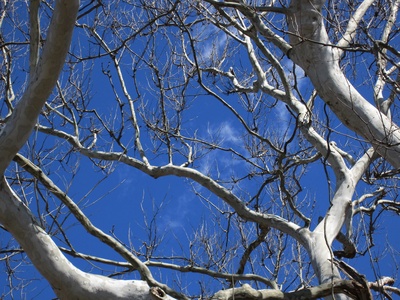
Buttonwood
Small to medium coastal tree with rough bark and clustered fruits; often in upper mangrove fringe. Tolerant of salt and wind, used for shoreline protection and timber. Important for coastal habitat, vulnerable where mangroves are cleared.
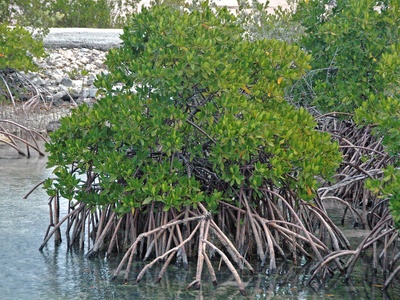
Red mangrove
Iconic mangrove with stilt roots and prop roots; red-brown bark and viviparous propagules. Critical for shoreline protection, nursery habitat for fish and birds. Protected in many areas due to coastal development threats.
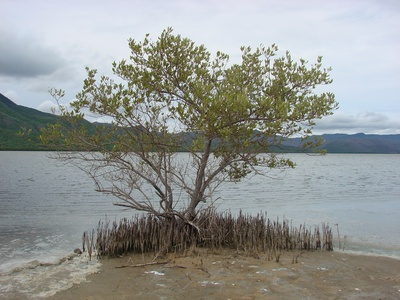
Black mangrove
Grey-green leaves often with salt crystals, pneumatophores (breathing roots). Found in drier mangrove zones; important for coastal resilience. Sensitive to large-scale habitat alteration and sea-level rise.
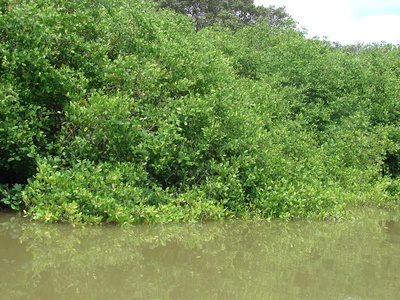
White mangrove
Shrub-tree in mangrove belts with rounded leaves and peg roots. Common at higher mangrove elevations; helps stabilize sediments. Conservation important where mangroves face conversion to development.
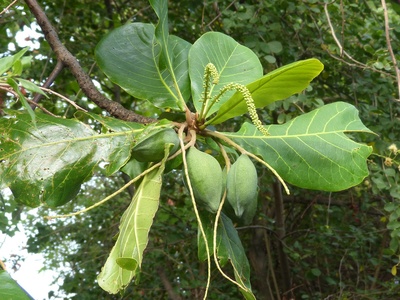
Sea almond
Large, spreading coastal tree with layered branches and edible almond-like nuts. Distinctive horizontal branches and red autumn leaf tints. Popular shade and ornamental tree, naturalized along coastlines; valued for shade and wind protection.
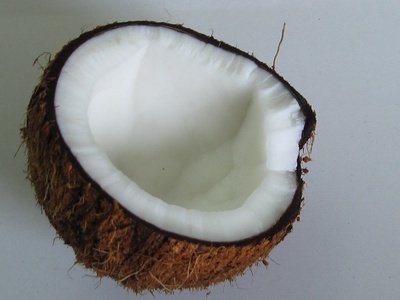
Coconut
Tall iconic palm with feathery fronds and coconuts. Widely planted along shores for shade, food, oil. Very familiar in Barbadian landscape; considered introduced but naturalized, not currently threatened.
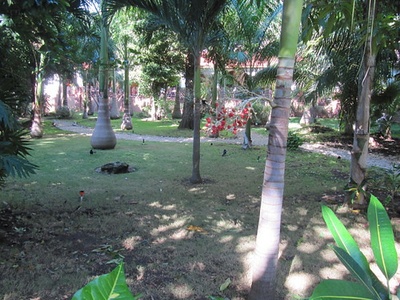
Royal palm
Tall, stately palm with smooth trunk and large crownshaft; used ornamentally along roads and in estates. Provides strong visual presence in urban landscapes; widely planted and not rare.
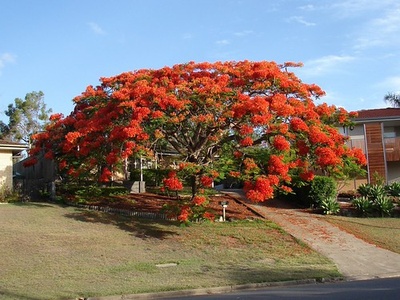
Flamboyant (Poinciana)
Striking tree with wide umbrella crown and brilliant red-orange flowers in summer. Fern-like leaves and flat pods follow flowering. Popular ornamental for shade; not native but naturalized in many gardens.
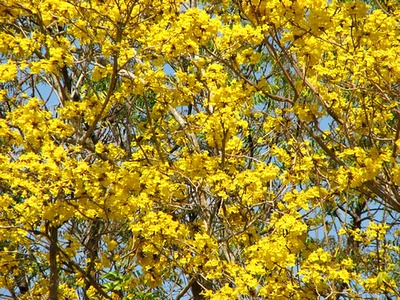
Yellow poui
Medium tree with bright yellow clusters of flowers and pinnate leaves. Common street and shade tree, valued for drought tolerance. Popular ornamental and provides nectar for pollinators.
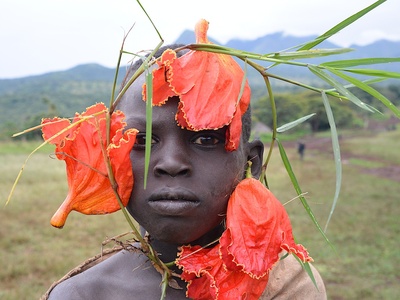
African tulip
Fast-growing tree with large orange-red tulip-like flowers and glossy leaves. Valued ornamentally for showy blooms but can naturalize and outcompete natives in disturbed areas.
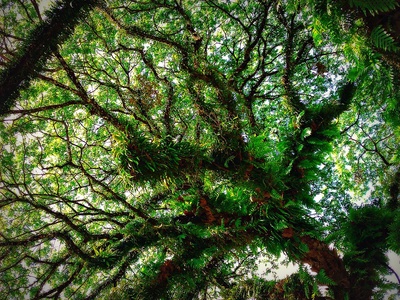
Rain tree (Saman)
Massive spreading canopy tree with feathery leaves and edible pods. Excellent shade and roadside tree; pods used as livestock fodder. Long-lived but non-native; seeds spread under lawns and pastures.
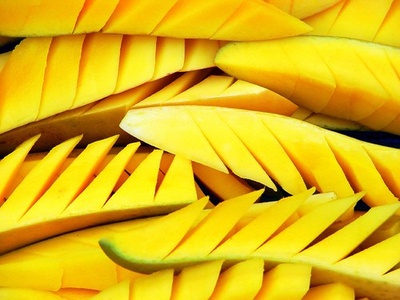
Mango
Broad evergreen tree with glossy leaves and sweet, prized fruit; variable cultivars. Flowers small, fruit large and eaten fresh or in preserves. Widely cultivated and culturally important; not native to Barbados.
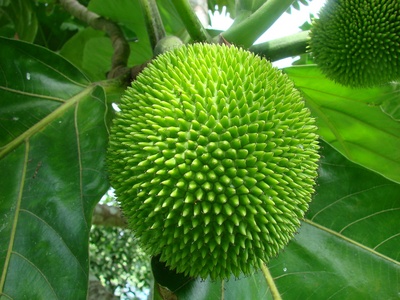
Breadfruit
Large, spreading tree with big lobed leaves and starchy round fruits. Fruit is a staple food when roasted or fried. Brought by Pacific peoples historically; now widely cultivated across island.
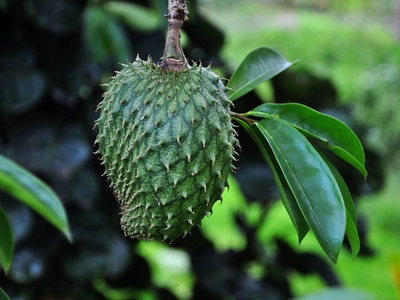
Jackfruit
Huge fruits with bumpy exterior; heavy tree with large evergreen leaves. Fruit eaten fresh or cooked; wood used locally. Common in home gardens though heavy fruiting can be messy.
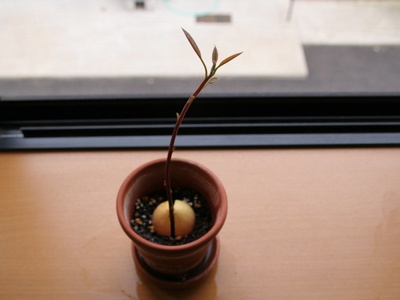
Avocado
Evergreen tree with smooth green fruit rich in oil; leathery leaves and small greenish flowers. Popular fruit tree in yards and markets. Requires some frost-free protection and is widely planted.
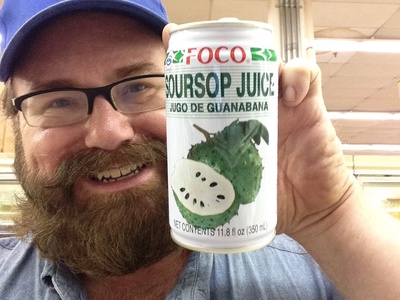
Soursop
Small to medium tree with large lobed leaves and spiny green fruit; sweet-sour pulp eaten fresh and used medicinally. Easy to grow in gardens; fruit perishes quickly and attracts wildlife.
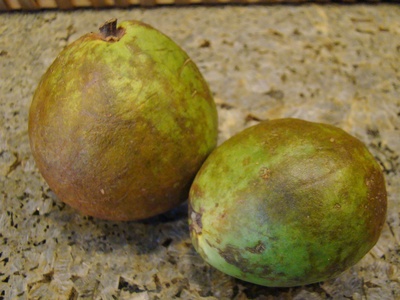
Guava
Small to medium tree with fragrant white flowers and yellow-pink fruit. Fruits eaten fresh or used in jams; adaptable and often naturalized in disturbed habitats. Can be weedy in some areas.
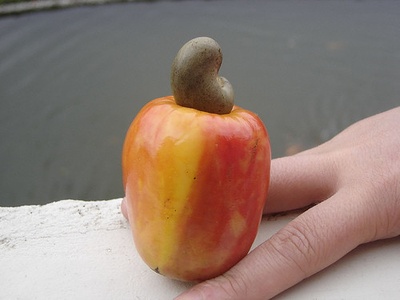
Cashew
Low-growing tree with kidney-shaped fruit (cashew nut) and edible apple. Wood used locally; nuts require careful processing. Widely cultivated and naturalized in warm sites.
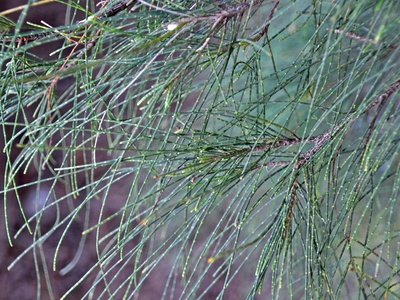
Casuarina (Australian pine)
Slim, pine-like foliage and flaky bark; used historically as windbreak but is invasive, displacing native vegetation and altering soils. Present around coastal fringes; control measures recommended.
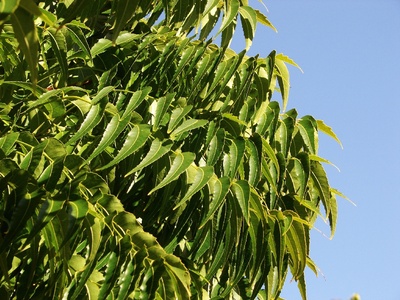
Neem
Fast-growing tree with pinnate leaves; used for traditional medicine and pest control (neem oil). Drought-tolerant and planted for shade. Non-native but valued for multipurpose uses.
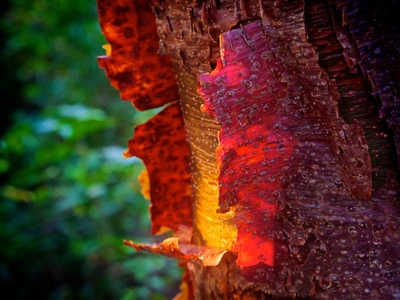
Gumbo-limbo
Distinctive peeling red bark and aromatic resin; medium tree common in dry, rocky sites. Used for firewood and traditional medicine. Native species that adapts well to disturbed sites.
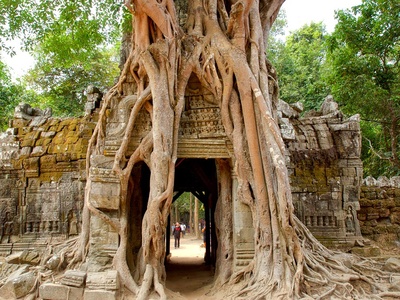
Strangler fig
Starts as an epiphyte and can envelop host trees; large aerial roots and figs eaten by birds. Important keystone species supporting wildlife. Locally common in remnant forests.
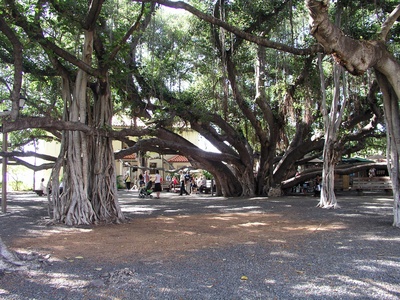
Banyan
Massive tree with aerial roots forming additional trunks; broad canopy provides deep shade. Not native but planted as monument and shade tree; long-lived and culturally prominent when present.
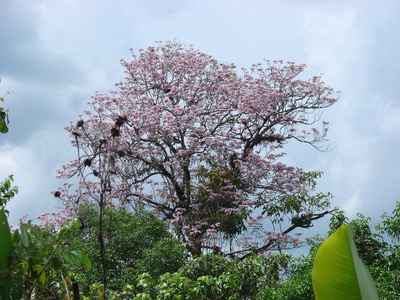
Pink poui (Trumpet tree)
Medium tree with showy pink trumpet flowers and smooth gray bark. Popular ornamental and street tree, attracts hummingbirds. Widely planted although not native.

Black olive (Spanish blackwood)
Dense, dark-foliaged tree with small flowers and hard wood; often used as a street tree. Tolerant of coastal conditions; heavily planted in urban areas for shade.
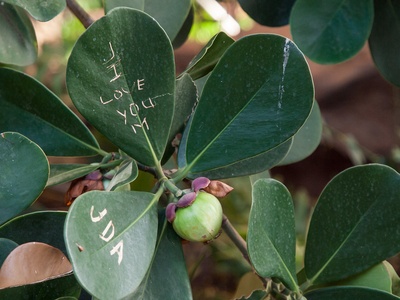
Autograph tree
Evergreen with thick leathery leaves you can scribble on (hence ‘autograph’); produces red fruit eaten by birds. Useful as a windbreak or ornamental. Native and bird-attracting.
Sea hibiscus
Low spreading tree with heart-shaped leaves and yellow hibiscus-like flowers. Salt-tolerant and used for dune stabilization and shade. Naturalized and common in coastal plantings.
White stopper
Small evergreen tree with glossy leaves and small white flowers; produces small fruits eaten by birds. Useful as native hedge or ornamental; contributes to local biodiversity.
Mahogany
Valued timber tree with pinnate leaves and fluted trunk; dark reddish wood prized for furniture. Historically overexploited in region; cultivated specimens exist but wild populations limited.
Tamarind
Feathery foliage and pod-like fruit with tangy pulp used in cooking. Long-lived shade tree brought from Africa/Asia; commonly planted in yards and for culinary use.
Coral tree
Striking tree with pinnate leaves and red coral-like flowers; used as an ornamental and shade tree. Flowers attract birds; can be planted as a living fence in rural areas.
Lead tree
Fast-growing small tree used for fodder and nitrogen-fixing; pinnate leaves and long pods. Can become invasive in disturbed areas; widely planted for agroforestry.
Calabash
Small to medium tree with large spherical hard fruits used as bowls and musical instruments. Thick branches and grey bark; culturally important and commonly planted.
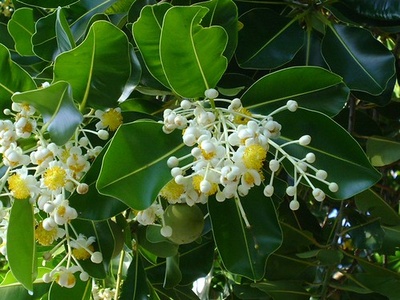
Alexandrian laurel
Evergreen coastal tree with glossy leaves and fragrant white flowers; seeds produce oil. Planted for coastal stabilization and ornament; tolerant of salt spray and wind.
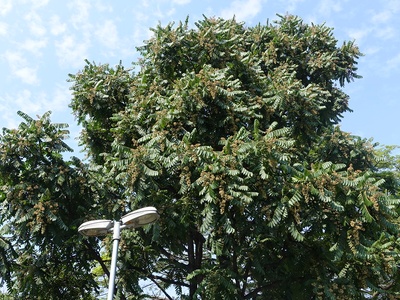
Spanish cedar
Tall timber tree with pinnate leaves and aromatic wood used for furniture and cigar boxes. Not native; grown or found in larger properties. Historically valued and sometimes planted.