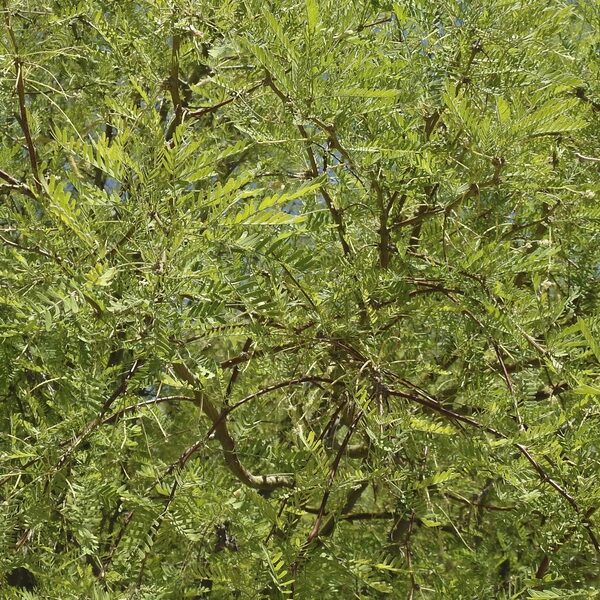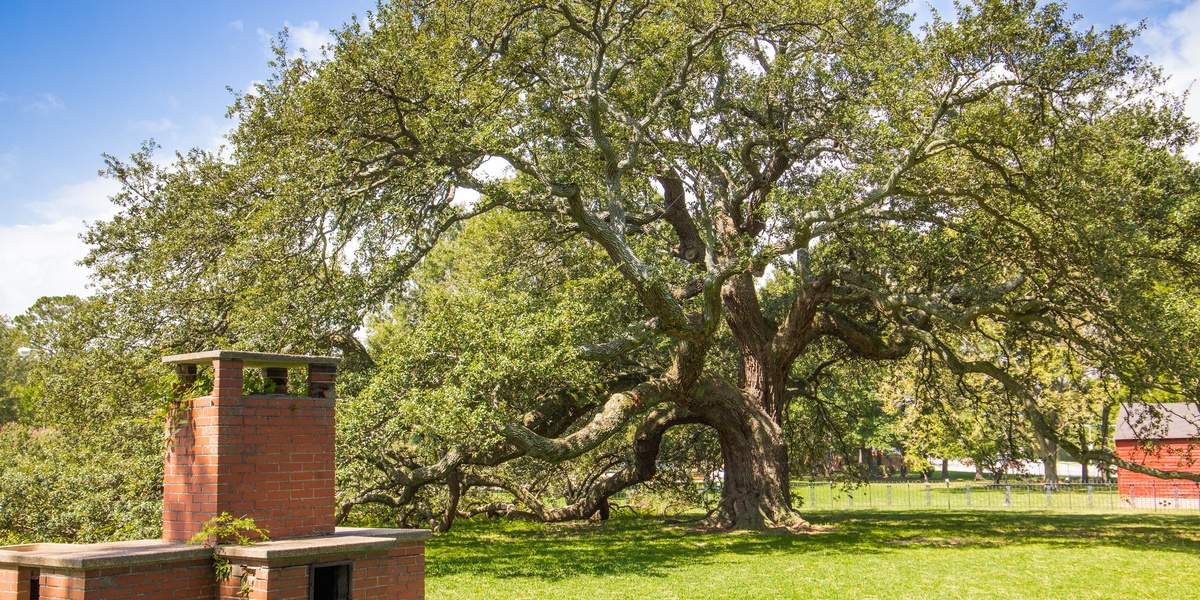
Georgia’s landscapes — from the coastal plain through the Piedmont to the Blue Ridge — host a wide mix of hardwoods and pines that define local ecosystems and seasons. Knowing which trees grow where makes it easier to plan plantings, spot wildlife habitat, or just enjoy a nature walk.
There are 55 Trees of Georgia, ranging from American beech to Winged elm. For each species, the data are organized with Scientific name, Range (GA regions), Height (m) to help with identification and regional planning; you’ll find below.
How can I quickly identify a tree from this list in the field?
Start with the obvious features: leaf shape and arrangement, bark texture, and any fruits or nuts. Use the Scientific name column to confirm species in a field guide or app, and check Range (GA regions) to see if that tree is expected where you are. A rough height estimate can also narrow similar-looking species.
Which Georgia regions tend to contain the most species on this list?
Higher-elevation and transitional zones like the Piedmont and Blue Ridge usually show greater species variety than the coastal plain, because they offer more varied microclimates and soils. Consult the Range (GA regions) column in the list below to compare how each species is distributed.
Trees of Georgia
| Common name | Scientific name | Range (GA regions) | Height (m) |
|---|---|---|---|
| Southern live oak | Quercus virginiana | coastal plain, piedmont, urban statewide | 12 |
| White oak | Quercus alba | statewide, especially piedmont and mountains | 25 |
| Northern red oak | Quercus rubra | north GA mountains, piedmont | 25 |
| Scarlet oak | Quercus coccinea | pine–oak uplands, piedmont, some mountains | 20 |
| Post oak | Quercus stellata | dry uplands, piedmont, coastal plain | 15 |
| Black oak | Quercus velutina | uplands, piedmont, mountains | 20 |
| Water oak | Quercus nigra | statewide, common in lowlands and floodplains | 18 |
| Willow oak | Quercus phellos | coastal plain, piedmont, urban plantings | 20 |
| Southern red oak | Quercus falcata | statewide, dry uplands and sandhills | 20 |
| Laurel oak | Quercus laurifolia | coastal plain, wet flats, swamps | 20 |
| Turkey oak | Quercus laevis | southern coastal plain, sandhills | 12 |
| Loblolly pine | Pinus taeda | coastal plain, piedmont, statewide | 30 |
| Longleaf pine | Pinus palustris | coastal plain, sandhills, pine savannas | 30 |
| Slash pine | Pinus elliottii | coastal plain, wet flats | 30 |
| Shortleaf pine | Pinus echinata | pine–oak uplands, piedmont, mountains | 20 |
| Eastern white pine | Pinus strobus | northern mountains, higher elevations | 30 |
| Baldcypress | Taxodium distichum | swamps, river floodplains, coastal plain | 30 |
| Sweetgum | Liquidambar styraciflua | statewide, floodplains and uplands | 25 |
| Tulip poplar | Liriodendron tulipifera | moist forests, piedmont and mountains | 30 |
| American beech | Fagus grandifolia | north GA mountains, shaded slopes | 25 |
| Red maple | Acer rubrum | statewide, wetlands to uplands | 20 |
| Sugar maple | Acer saccharum | north GA mountains, cooler sites | 25 |
| Silver maple | Acer saccharinum | riparian zones, floodplains statewide | 25 |
| River birch | Betula nigra | riverbanks, wet flats, coastal plain | 20 |
| Black cherry | Prunus serotina | statewide, uplands and edges | 20 |
| Blackgum (tupelo) | Nyssa sylvatica | statewide, moist forests and slopes | 20 |
| Water tupelo | Nyssa aquatica | swamps and deep floodplains, coastal plain | 25 |
| Eastern redbud | Cercis canadensis | statewide, understory and edges | 8 |
| Flowering dogwood | Cornus florida | statewide, woodland understory | 8 |
| Southern magnolia | Magnolia grandiflora | coastal plain, piedmont, urban plantings | 18 |
| Sweetbay magnolia | Magnolia virginiana | swamps, coastal plain, wet flats | 12 |
| American sycamore | Platanus occidentalis | riverbanks, floodplains, statewide | 30 |
| Sugarberry (hackberry) | Celtis laevigata | riparian zones, piedmont, coastal plain | 20 |
| American holly | Ilex opaca | coastal plain, piedmont, understory | 12 |
| Black walnut | Juglans nigra | rich bottomlands, piedmont, mountains | 25 |
| Pecan | Carya illinoinensis | river bottoms, cultivated orchards, coastal plain | 25 |
| Shagbark hickory | Carya ovata | montane to piedmont hardwood forests | 25 |
| Mockernut hickory | Carya tomentosa | dry to mesic uplands, piedmont and mountains | 25 |
| Sassafras | Sassafras albidum | statewide, disturbed sites and uplands | 12 |
| Black willow | Salix nigra | riverbanks, wetlands, statewide | 20 |
| Eastern red cedar | Juniperus virginiana | dry ridges, piedmont, pastures | 12 |
| Eastern hemlock | Tsuga canadensis | cool ravines and high elevations, north GA | 20 |
| American elm | Ulmus americana | riparian zones, older urban plantings | 25 |
| Winged elm | Ulmus alata | statewide, dry uplands and ridges | 15 |
| Chinese elm | Ulmus parvifolia | urban plantings, naturalized in warm sites | 15 |
| Black locust | Robinia pseudoacacia | disturbed sites, piedmont, roadsides | 20 |
| Honeylocust | Gleditsia triacanthos | urban plantings, piedmont, pastures | 20 |
| Catalpa | Catalpa bignonioides | roadsides, riparian zones, statewide | 12 |
| Black oak (alternate) | Quercus velutina | uplands, piedmont and mountains | 20 |
| Chestnut oak | Quercus montana | north GA mountains, rocky ridges | 20 |
| Tree-of-heaven | Ailanthus altissima | urban, disturbed areas statewide | 20 |
| Eastern cottonwood | Populus deltoides | river bottoms and floodplains | 30 |
| Green ash | Fraxinus pennsylvanica | riparian zones, urban plantings statewide | 20 |
| White ash | Fraxinus americana | uplands, piedmont, mixed forests | 25 |
| Persimmon | Diospyros virginiana | open woods, fields, statewide | 10 |
Images and Descriptions
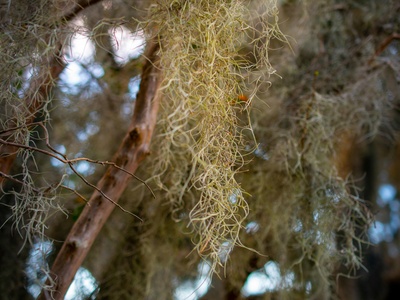
Southern live oak
Iconic broad evergreen with massive, spreading limbs and glossy leaves. Look for low, twisting branches and acorns; common in coastal live oak hammocks and historic landscapes, valued for shade, storm resistance and wildlife habitat.
White oak
Large, long-lived oak with rounded lobed leaves and light, scaly bark. Look for pale, blocky bark and sweet acorns; prized for furniture, wildlife mast and classic forest canopies across uplands and river terraces.
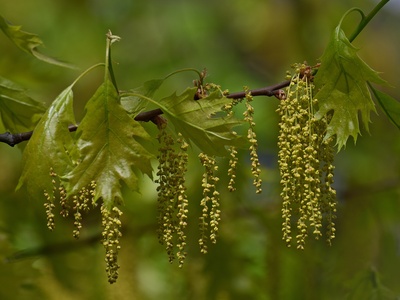
Northern red oak
Tall oak with deep lobed, pointed leaves and smooth gray bark in youth. Look for reddish fall color and acorns with shallow caps; common in cooler uplands and valued for timber and shade.
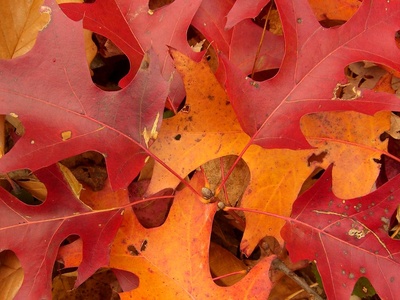
Scarlet oak
Notable for deeply cut lobed leaves and brilliant scarlet fall color. Bark darker and furrowed; prefers dry, sandy soils. Often seen on upland ridges and in mixed oak forests.
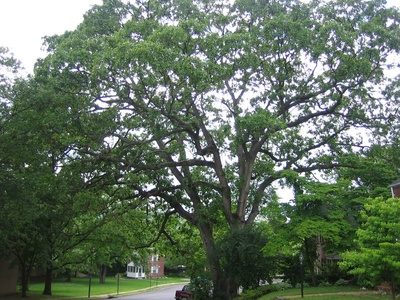
Post oak
Stout, cruciform leaves with rounded lobes and thick, gray bark. Tolerates poor, dry soils where it dominates oak savannas and ridges; wood used historically for posts and fence rails.
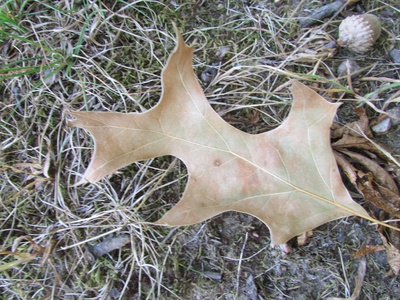
Black oak
Dark, furrowed bark and bristle-tipped lobes on leaves; inner bark often orange-yellow. Acorns and coarse crown are wildlife staples; common on dry to mesic slopes and ridgelines.
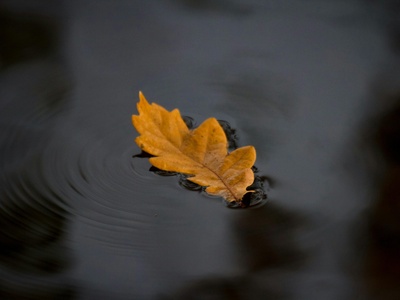
Water oak
Medium-sized oak with variable, often spatulate leaves and smooth gray bark when young. Fast-growing and common in wet soils, stream edges and urban plantings, producing abundant acorns.
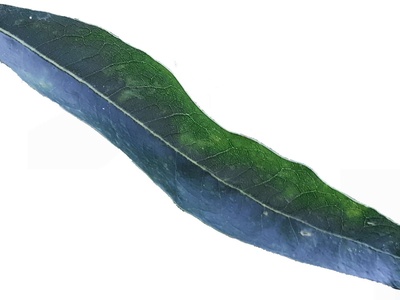
Willow oak
Distinctive narrow, lance-shaped leaves like a willow. Smooth bark and small acorns; widely planted as street trees and common in bottomlands and moist uplands.
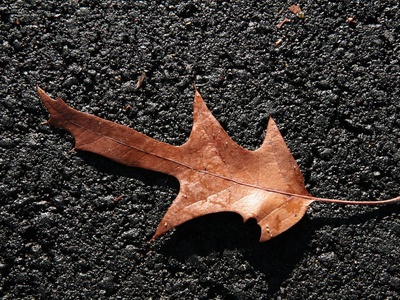
Southern red oak
Deeply lobed leaves with a central lobe longer than others and dark, furrowed bark. Prefers dry, sandy soils and is common across pine–oak woodlands.
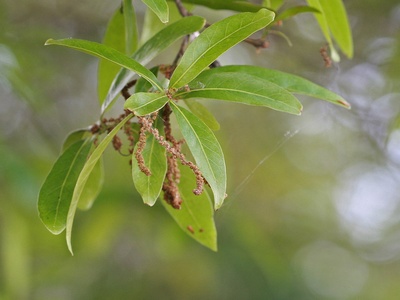
Laurel oak
Evergreen to semi-evergreen with laurel-like leaves; smooth, gray bark and abundant acorns. Common in wet lowlands and planted in landscapes; grows fast in moist soils.
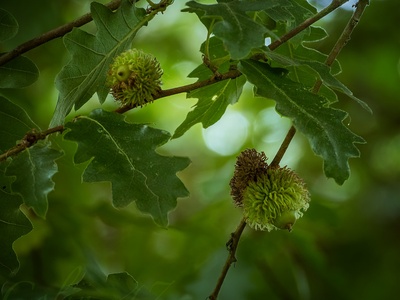
Turkey oak
Small to medium oak with very deep, narrow lobes and rough bark. Prefers dry, sandy soils and pine barrens; useful ID by its distinctive leaf shape and habitat.
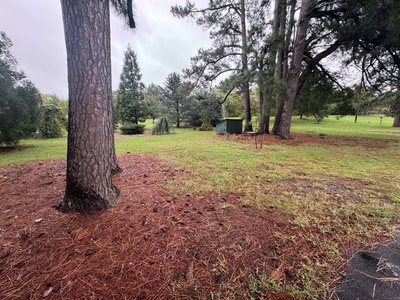
Loblolly pine
Tall, straight commercial pine with three long needles per fascicle and thick, flaky bark. Dominant plantation and natural forest tree across moist to mesic sites, key for timber production.
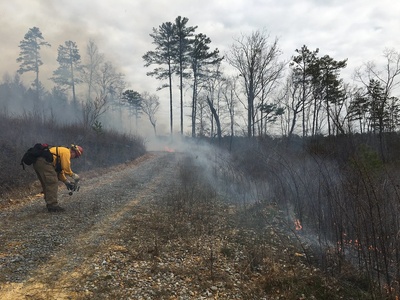
Longleaf pine
Famous for long needles and tall clear trunks with grassy understory in open savannas. Look for large basal grass stage in young trees; critical for fire-dependent ecosystems and wildlife.
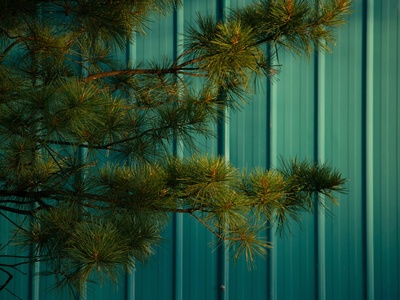
Slash pine
Robust pine with two or three needles per bundle and flaky, reddish bark. Prefers wetter coastal soils and is important in south Georgia forestry and coastal woodlands.
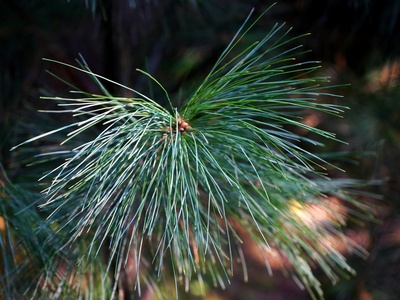
Shortleaf pine
Two-needle pine with small persistent cones and rough bark. Tolerant of drier sites and common on upland slopes and mixed pine–hardwood forests.
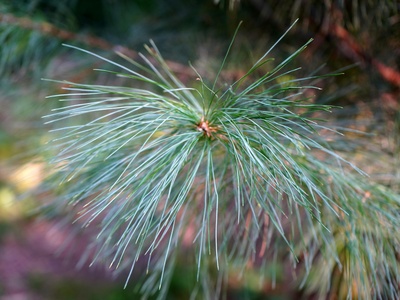
Eastern white pine
Soft, long bluish-green needles in bundles of five and straight trunks. Occurs in cooler, moist ridges in north Georgia and is prized for tall, straight timber.
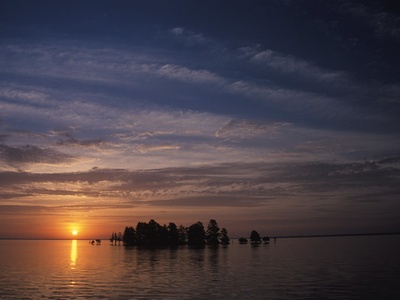
Baldcypress
Deciduous conifer with feathery, soft needles and buttressed trunks in standing water. Look for “knees” and reddish fall color; common in swamps, bayheads and pond margins.
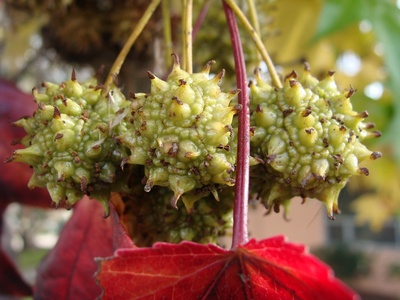
Sweetgum
Star-shaped leaves with brilliant fall colors and distinctive spiky seed balls. Smooth to furrowed bark and pyramidal form in youth; common in moist soils and as a street tree.
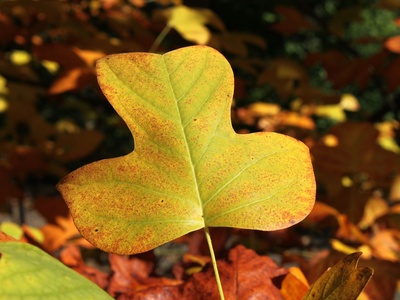
Tulip poplar
Tall, straight trunk with uniquely shaped leaves and large tulip-like flowers. One of the tallest eastern trees; common in rich coves and valued for timber and showy spring blooms.
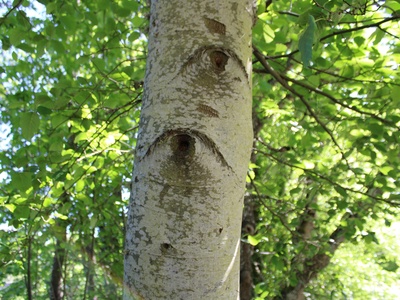
American beech
Smooth silver-gray bark and simple elliptical leaves with toothed edges. Forms stately, often monospecific stands on cool, moist slopes; nuts feed wildlife and bark is distinctive.
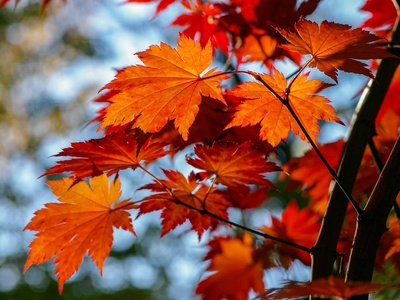
Red maple
Variable leaf shape and brilliant red fall color; red twigs and samaras. Extremely adaptable and common from swamps to uplands; one of the most widespread trees in Georgia.
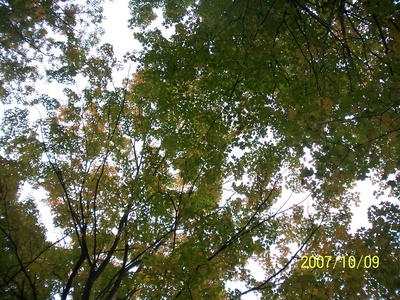
Sugar maple
Pointed lobed leaves that turn orange-yellow in fall and smooth gray bark. Prefers cooler, well-drained soils of northern ridges and coves; famous for sap and maple syrup.
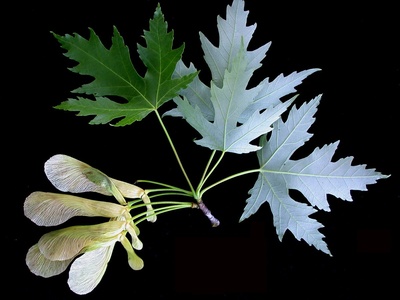
Silver maple
Deeply cut leaves with silvery undersides and fast growth. Often found along rivers and streams; weaker wood prone to storm damage but a common riparian canopy tree.
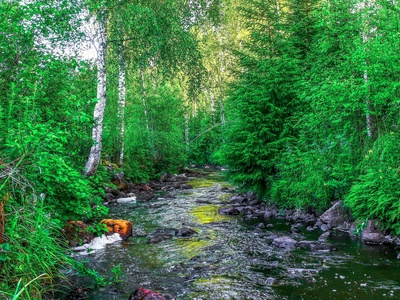
River birch
Peeling, cinnamon to salmon bark in strips and serrated leaves. Thrives in wet soils along streams and floodplains; easy ID by distinctive exfoliating bark.
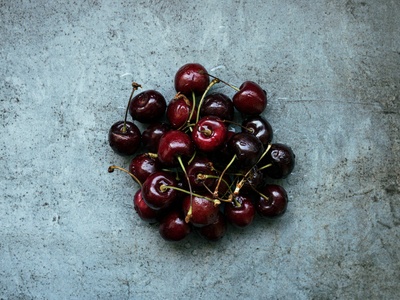
Black cherry
Dark, flaky bark and clusters of small cherries that attract birds. Leaves lanceolate with aromatic crushed scent; common in disturbed sites and regenerating forests.
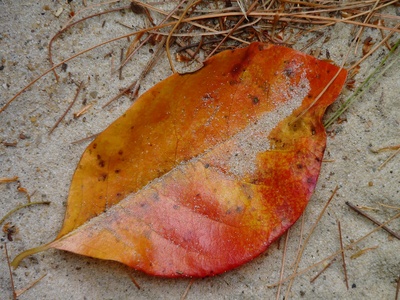
Blackgum (tupelo)
Glossy leaves, dark blue-black fruit, and brilliant red fall color. Prefers moist sites and is slow-growing; trunk often buttressed in floodplain trees.
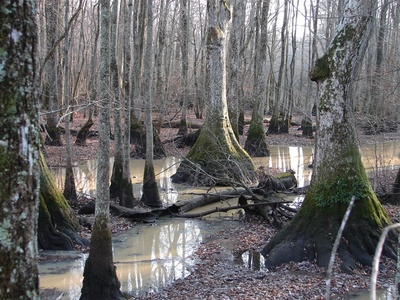
Water tupelo
Massive swollen bases in standing water and glossy leaves. Look for bulbous trunks in deep swamps; important for wetland habitats and wildlife.
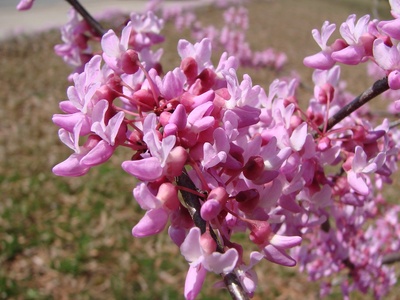
Eastern redbud
Small, showy spring-flowering tree with heart-shaped leaves and magenta pea-like blooms. Often multi-stemmed as an understory tree along forest edges and roadsides.
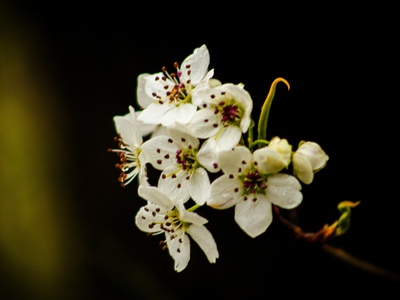
Flowering dogwood
Small ornamental understory tree with distinctive four-petaled white to pink bracts in spring and clustered red berries. Smooth, blocky bark on mature trees; common in forests and yards.
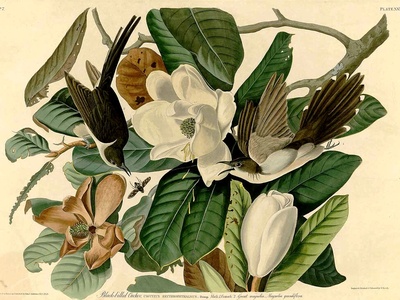
Southern magnolia
Evergreen with large, glossy leaves and huge fragrant white flowers. Smooth trunk and large leathery leaves are unmistakable; common in southern landscapes and lowland forests.
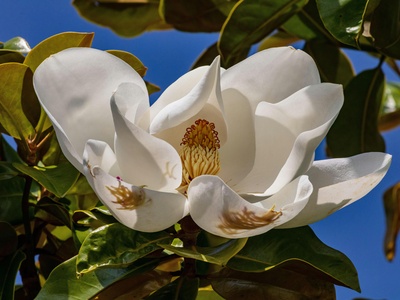
Sweetbay magnolia
Semi-evergreen with fragrant, creamy flowers and narrow, pale-backed leaves. Found in swamp margins and bayheads; smaller and more slender than southern magnolia.
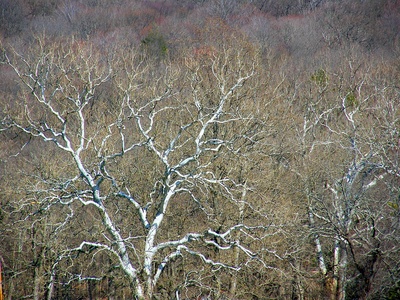
American sycamore
Very large with peeling mottled bark (white, tan, green) and broad palmate leaves. Common on stream corridors and bottomlands; one of the most massive eastern hardwoods.
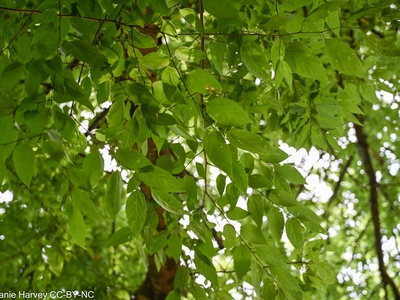
Sugarberry (hackberry)
Warty, corky bark and small dark fruit favored by birds. Leaves are simple and asymmetrical at the base; common in floodplains and disturbed sites.
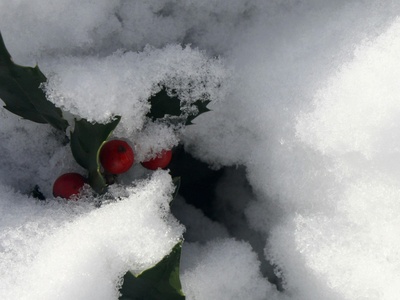
American holly
Evergreen with spiny, glossy leaves and bright red berries on female trees. Often slow-growing in understory and used as an ornamental; dense wood and wildlife value.
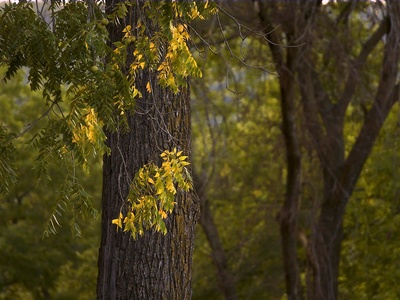
Black walnut
Tall tree with pinnate leaves and large edible nuts in hard-ridged husks. Dark furrowed bark and a valuable timber species; prefers deep, fertile soils along rivers.
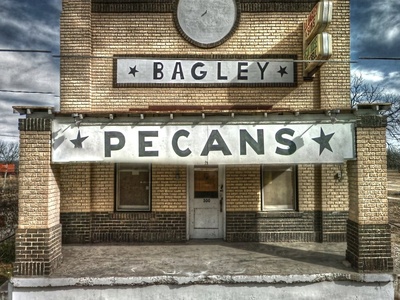
Pecan
Large hickory with pinnate leaves and edible nuts in thin-shelled husks. Common in cultivated orchards and floodplain naturalized populations; long straight trunk and spreading crown.
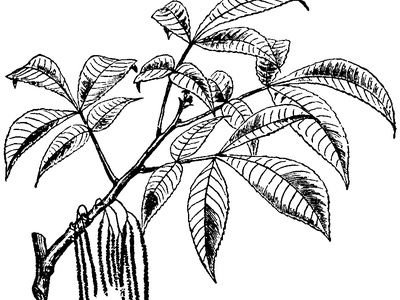
Shagbark hickory
Distinctive peeling, shaggy bark on mature trunks and large pinnate leaves. Produces sweet nuts prized by wildlife and people; often seen on rich slopes and uplands.
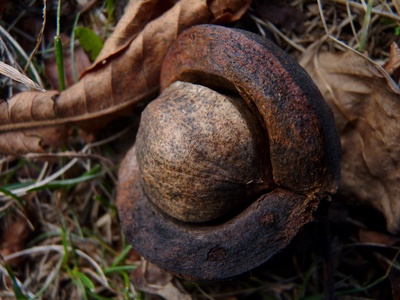
Mockernut hickory
Thick-shelled nuts and robust crown with furrowed bark. Leaves large and pinnate; common in mixed hardwood forests and valued for dense, strong wood.
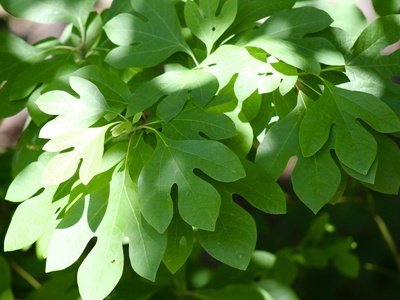
Sassafras
Variable leaf shapes (lobed and unlobed) and aromatic twigs; orange fall color. Common in old fields and forest edges; roots historically used for flavoring.
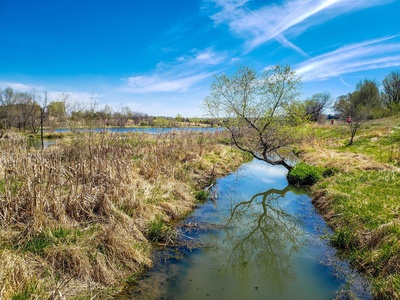
Black willow
Tall, often multi-stemmed tree with narrow lance-shaped leaves and rough bark. Prefers wet soils along streams and floodplains and helps stabilize banks.
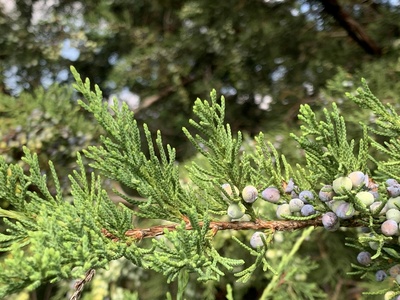
Eastern red cedar
Coniferous evergreen with scale-like leaves and blue berry-like cones. Tolerant of dry, rocky soils and often colonizes disturbed open sites and old fields.
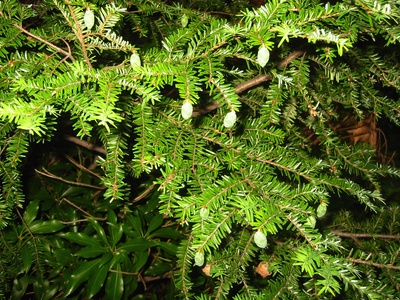
Eastern hemlock
Shade-tolerant evergreen with fine, flat needles and drooping leader. Prefers cool, moist ravines and slopes; threatened by adelgid but still present in high-elevation forests.
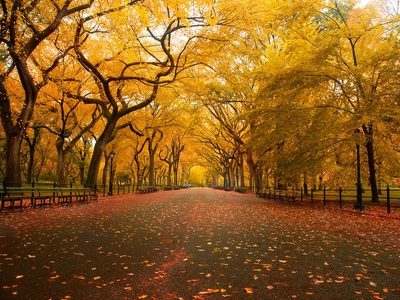
American elm
Large vase-shaped tree with serrated leaves and rough bark. Once common as a street tree, now rarer due to Dutch elm disease but still found along rivers and in parks.
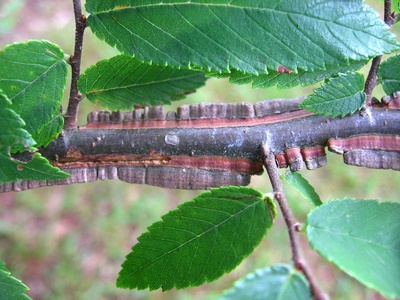
Winged elm
Small to medium elm with corky, winged ridges on twigs and serrated leaves. Tolerant of dry soils and common in old fields and upland woods.
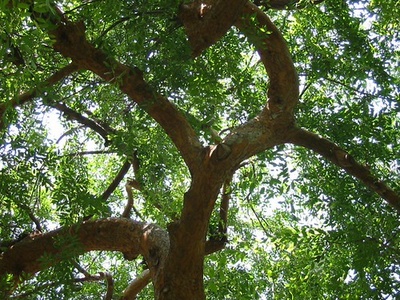
Chinese elm
Often used ornamentally; small to medium tree with flaky, mottled bark and small serrated leaves. Naturalizes in warmer urban areas and is drought-tolerant.
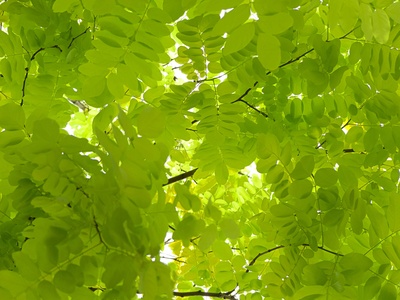
Black locust
Fast-growing, thorny tree with pinnate leaves and fragrant white pea-flowers. Fixes nitrogen and colonizes disturbed soils; wood very rot-resistant and used for posts.
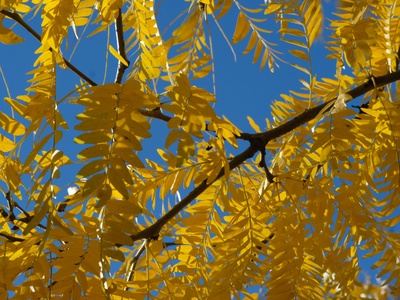
Honeylocust
Open, pinnate or bipinnate leaves and long pods; many thornless cultivars planted in landscapes. Tolerant of drought and urban conditions; popular street and shade tree.
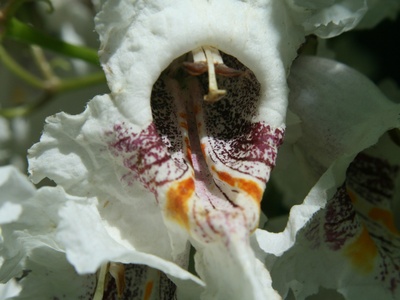
Catalpa
Showy clusters of large white tubular flowers in late spring and long bean-like seed pods. Large heart-shaped leaves and attractive in yards and along streams.
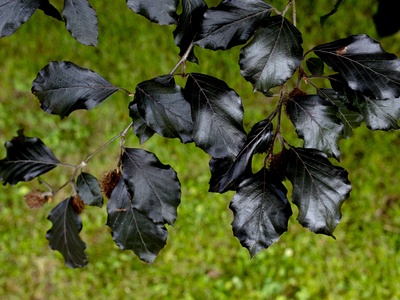
Black oak (alternate)
See Black oak entry for ID details; dark bark with yellow inner layer and bristle-tipped leaves. Common in mixed oak forests on upland soils.
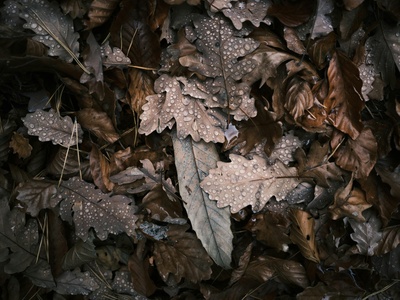
Chestnut oak
Thick, deeply ridged bark and oblong leaves with shallow teeth. Prefers dry, rocky soils of mountain ridges and supports wildlife with its acorns.
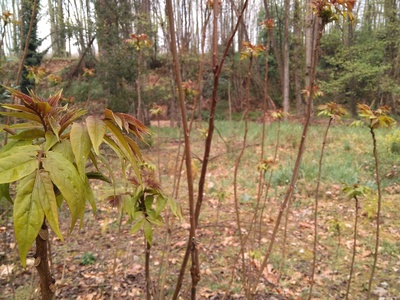
Tree-of-heaven
Rapidly growing invasive with pinnate leaves and foul-smelling flowers. Colonizes pavement cracks, vacant lots and disturbed soils; large compound leaves and smooth, pale bark help ID it.
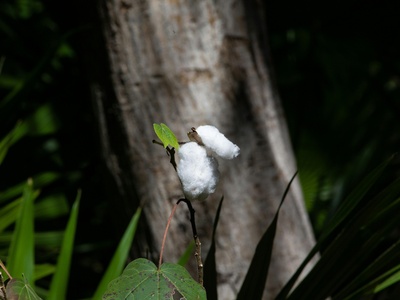
Eastern cottonwood
Very large poplar with triangular leaves that flutter on petioles and thick, deeply furrowed bark. Common along large rivers and floodplain terraces.
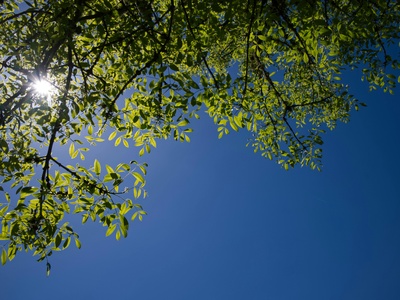
Green ash
Opposite pinnate leaves and diamond-patterned bark on mature trees. Once common street and streamside tree; populations declining from emerald ash borer but still present.
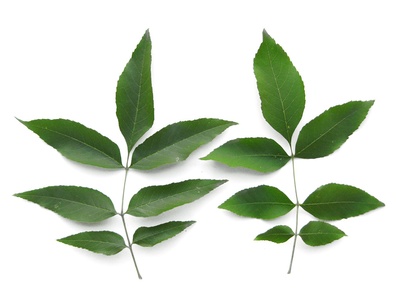
White ash
Large tree with opposite pinnate leaves and strong wood used for tool handles. Distinctive winter buds and furrowed bark; prefers well-drained upland soils.
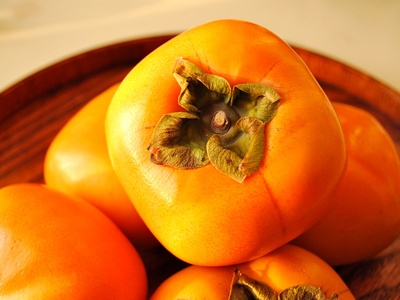
Persimmon
Small to medium tree with blocky, dark bark and sweet orange fruit in fall. Leaves glossy and simple; fruit prized by wildlife and used in traditional recipes.