Poland’s landscape is a mix of primeval forests, managed woodlands and urban trees that shape seasons and local life from the Baltic coast to the Carpathians. Whether you’re hiking a national park or walking a city street, the country’s tree diversity is a quiet but constant presence.
There are 40 Trees of Poland, ranging from Aspen to Wych elm. For each species you’ll find the Scientific name, Max height (m), and Status & range — details you’ll find below.
How can I tell native species from introduced ones on this list?
The Status & range column highlights whether a tree is native, naturalized, or introduced and describes its distribution across Poland; use that first. For field ID, cross-check leaf, bark and fruit traits with the Scientific name and consult local floras or regional tree guides if status is unclear.
Is the Max height (m) a precise measurement or a guideline?
Max height entries indicate typical maximums recorded under favorable conditions, not exact heights for every specimen; local soil, climate and management can reduce or increase size, so treat the numbers as practical reference values.
Trees of Poland
| Name | Scientific name | Max height (m) | Status & range |
|---|---|---|---|
| Pedunculate oak | Quercus robur | 40 | Native; widespread across Poland |
| Sessile oak | Quercus petraea | 35 | Native; uplands and south-west Poland |
| European beech | Fagus sylvatica | 40 | Native; Białowieża, Carpathians, mixed forests |
| European hornbeam | Carpinus betulus | 25 | Native; lowland and mixed forests, common central Poland |
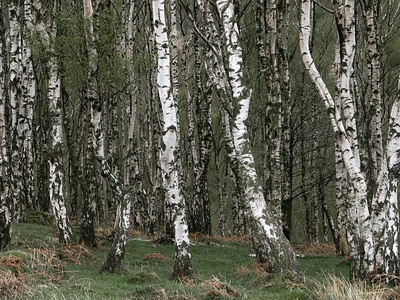
| Silver birch | Betula pendula | 30 | Native; widespread, sandy north and disturbed sites |
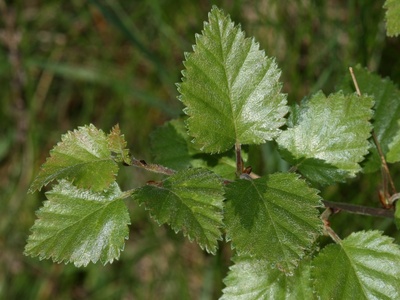
| Downy birch | Betula pubescens | 20 | Native; wetlands, northern and mountain areas |
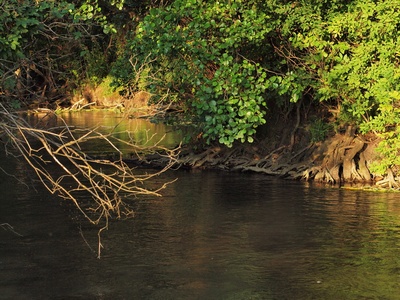
| Black alder | Alnus glutinosa | 30 | Native; rivers and wetlands across Poland |
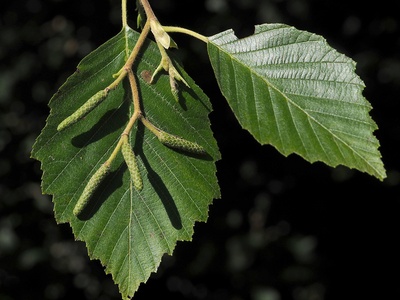
| Grey alder | Alnus incana | 20 | Native; upland streams, mountains, northern regions |
| Aspen | Populus tremula | 30 | Native; widespread, clearings, all regions |
| Black poplar | Populus nigra | 30 | Native; rivers, floodplains, scattered lowlands |
| White willow | Salix alba | 30 | Native; riverbanks and wet meadows nationwide |
| Crack willow | Salix fragilis | 25 | Native; lowland rivers and floodplains, common |
| Goat willow | Salix caprea | 12 | Native; open woods, verges and parkland nationwide |
| Small-leaved lime | Tilia cordata | 30 | Native; lowland mixed forests and ancient parks |
| Large-leaved lime | Tilia platyphyllos | 35 | Native; southern and mixed forests, parks |
| Silver lime | Tilia tomentosa | 25 | Introduced; common in towns and avenues |
| Common ash | Fraxinus excelsior | 40 | Native; widespread, threatened by ash dieback |
| Norway maple | Acer platanoides | 30 | Native; forests and urban areas, widespread |
| Sycamore maple | Acer pseudoplatanus | 35 | Native in mountains; planted elsewhere nationwide |
| Field maple | Acer campestre | 15 | Native; hedgerows, calcareous soils, scattered |
| Norway spruce | Picea abies | 50 | Native; Carpathians, planted in lowland forestry |
| Scots pine | Pinus sylvestris | 40 | Native; sandy soils, Pomerania, northern forests |
| Swiss stone pine | Pinus cembra | 20 | Native; Tatras and subalpine zones |
| Silver fir | Abies alba | 50 | Native; Carpathians and Sudetes, mountain forests |
| European larch | Larix decidua | 40 | Native; higher elevations and planted stands |
| European yew | Taxus baccata | 20 | Native; ancient woods, churchyards, scattered |
| Wych elm | Ulmus glabra | 30 | Native; moist upland woods and valleys |
| European white elm | Ulmus laevis | 35 | Native; floodplain forests and river corridors |
| Wild cherry | Prunus avium | 30 | Native; mixed woods and old orchards |
| Bird cherry | Prunus padus | 15 | Native; moist woods and hedgerows nationwide |
| Black cherry | Prunus serotina | 30 | Introduced/invasive; widespread in forests and parks |
| Rowan | Sorbus aucuparia | 15 | Native; mountains and woodlands, widespread |
| Whitebeam | Sorbus aria | 12 | Native; dry slopes and calcareous uplands |
| Wild service tree | Sorbus torminalis | 20 | Native; scattered in ancient woodlands, rare |
| Sweet chestnut | Castanea sativa | 35 | Introduced; naturalized in west and south regions |
| Red oak | Quercus rubra | 35 | Introduced; planted and naturalized, west and lowlands |
| Turkey oak | Quercus cerris | 30 | Introduced; planted, more frequent in south and west |
| Black locust | Robinia pseudoacacia | 30 | Introduced/invasive; widespread along roads and disturbed sites |
| Box elder | Acer negundo | 20 | Introduced/invasive; riverbanks and lowland riparian zones |
| Douglas fir | Pseudotsuga menziesii | 60 | Introduced; timber plantations and parks, naturalized locally |
Images and Descriptions
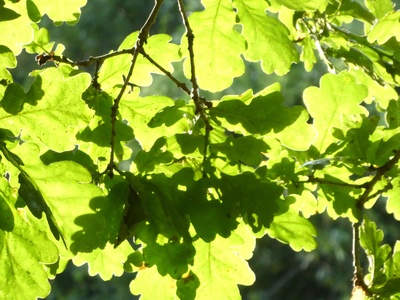
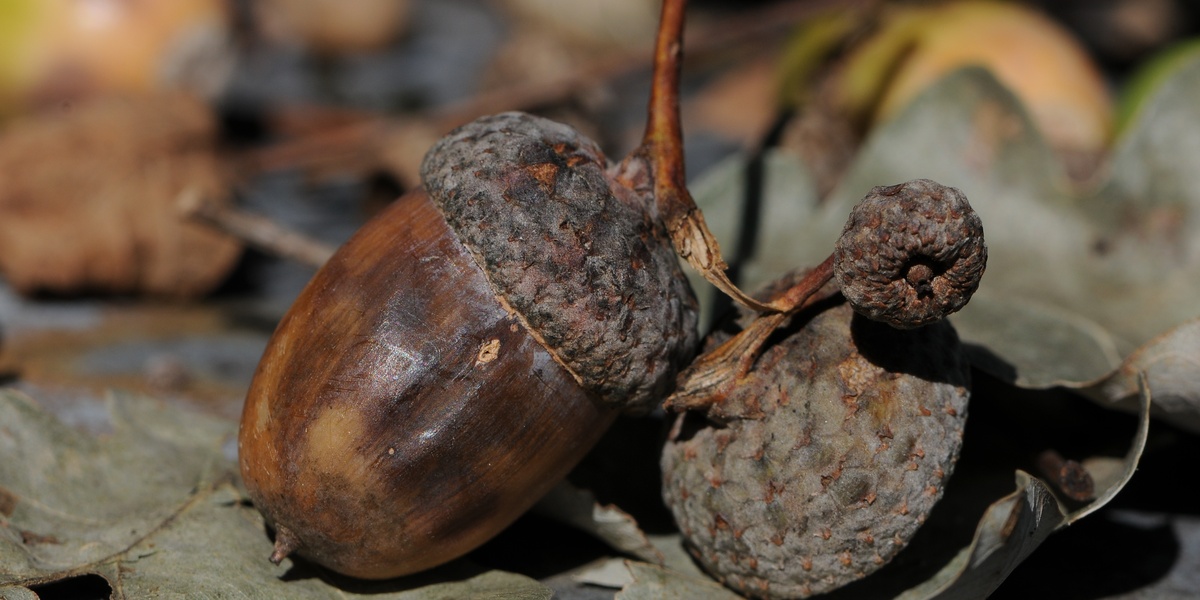
Pedunculate oak
Massive native oak with broad crown and deeply fissured bark. Leaves with short stalks and distinct lobes; acorns on long stalks. Can reach great age; common across lowlands and mixed forests, important for wildlife and old-growth stands.
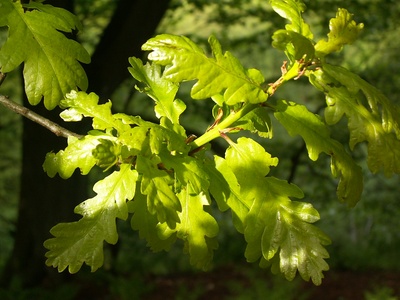
Sessile oak
High-crowned oak similar to Pedunculate oak but stalked acorns and sessile leaves; smoother bark when young. Prefers drier, upland soils and mixed mountain forests. Valued timber species and common in south-west and upland woodlands.
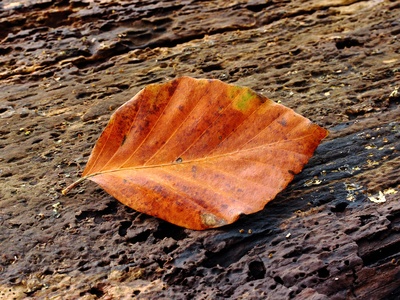
European beech
Elegant broadleaf with smooth grey bark and dense canopy. Leaves glossy, slightly toothed; coppery new leaves in spring. Forms pure beech forests in higher-fertility sites and the Carpathians; many ancient, protected stands and important for shade-loving understory plants.
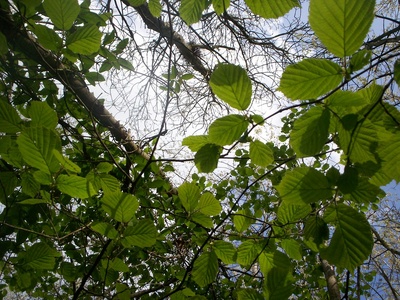
European hornbeam
Stout medium-sized tree with fluted bark and distinctive muscular trunk. Leaves are doubly serrated and remain into autumn; catkins produced in spring. Common in lowland mixed forests and hedgerows; coppiced historically for tool handles and fuel.
Silver birch
Slim white-barked birch with triangular, toothed leaves and pendulous branches. Fast-growing pioneer on poor soils, common across Poland especially in sandy north and disturbed ground. Bark peels in papery strips; bright yellow autumn colour.
Downy birch
More rounded birch with hairier shoots and duller bark. Prefers wetter soils and peatlands; common in northern and mountainous wetlands. Leaves are ovate and less pendulous than B. pendula; important early successional species for wildlife.
Black alder
Robust alder of riverbanks with dark, fissured bark and sticky buds. Catkins and small woody cones persist year-round. Thrives in wet soils and floodplains; fixes nitrogen helping soil improvement. Widespread across Poland’s rivers and wetlands.
Grey alder
Paler grey alder with smoother bark and smaller leaves than A. glutinosa. Favors upland streams, mountain valleys and moist soils. Cones and catkins are similar; common in northern and mountainous regions, often forming pure stands.
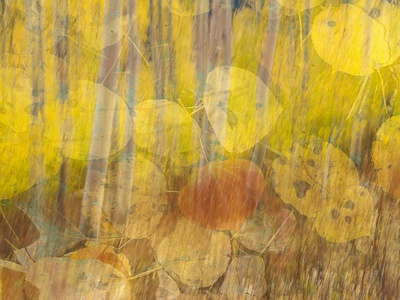
Aspen
Aspen with fluttering, roundish leaves on flattened petioles that tremble in the wind. Rapid colonizer of clearings and open woodland; bark smooth and pale. Widespread across Poland including mountains and lowlands; important for biodiversity.
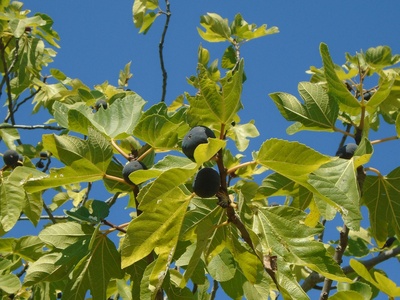
Black poplar
Large riparian poplar with rough bark and broad leaves. Forms old pollard stems in floodplain forests; important for riverbank stabilization. Scattered naturally along rivers and floodplains, now supplemented by planted varieties.
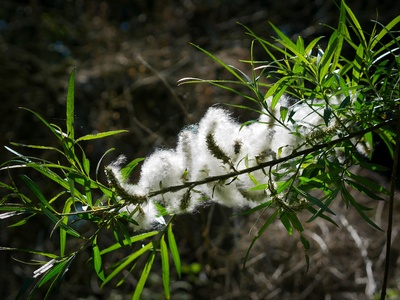
White willow
Tall, pale-barked willow with narrow lanceolate leaves that are whitish beneath. Common along rivers and wet meadows; forms large, long-branching crowns. Fast-growing and tolerant of flooding, often used for bank reinforcement.
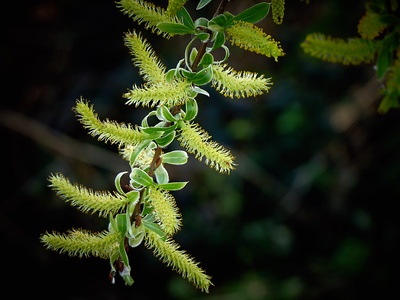
Crack willow
Crack willow with brittle branches that break and root easily, aiding spread. Leaves are glossy above, silvery beneath. Common along lowland rivers and floodplains; identification aided by its tendency to produce rootable branch fragments.
Goat willow
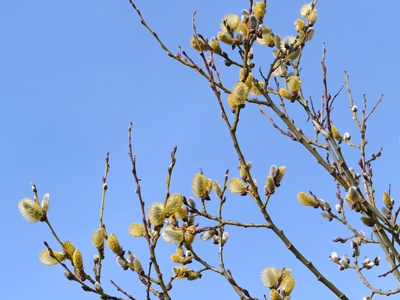
Goat willow often seen as a small tree with stout branches and round leaves. Early catkins provide pollen and nectar for bees. Found in open woods, road verges and parkland across Poland, sometimes forming multi-stemmed specimens.
Small-leaved lime
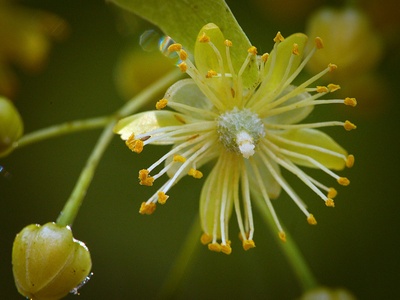
Small-leaved lime with heart-shaped leaves and fragrant summer flowers. A classic component of ancient woodlands and village greens; often long-lived and forming large boles. Common throughout Poland, especially in lowland mixed forests and parks.

Large-leaved lime
Large-leaved lime with bigger leaves and paler underside than T. cordata. Makes massive avenue and park trees, with fragrant flowers attractive to insects. Native but more common in southern and mixed forests and cultivated landscapes.
Silver lime
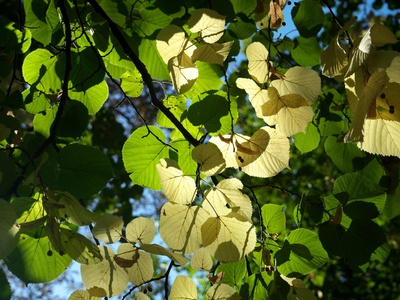
Silver lime identifiable by pale, silvery lower leaf surface. Widely planted in urban avenues and parks for pollution tolerance. Non-native but abundant in towns across Poland; bees favor its nectar, though it can be less suitable for some insects.
Common ash
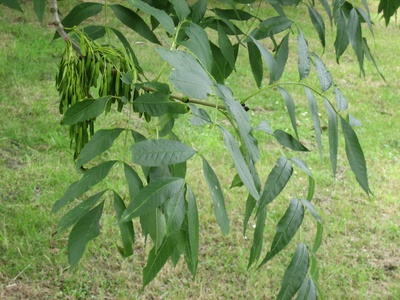
Tall straight timber tree with opposite pinnate leaves and diamond-patterned bark. Once common in many habitats but heavily affected by ash dieback (Hymenoscyphus); regeneration poor. Found across Poland in mixed forests, hedgerows and riparian zones.
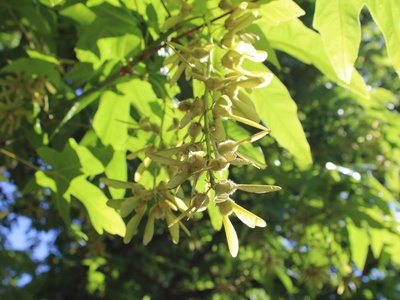
Norway maple
Norway maple with broad palmate leaves and milky sap from petiole break. Common street and forest tree throughout Poland; tolerates shade and urban conditions. Samaras in long clusters help identification in summer and autumn.
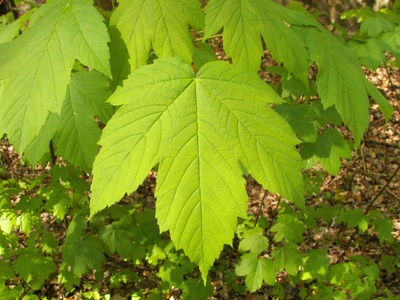
Sycamore maple
Sycamore maple with large five-lobed leaves, flaking bark and robust habit. Native in mountain areas and widely planted elsewhere; tolerant of poor soils and urban pollution. Produces winged samaras in opposite pairs.
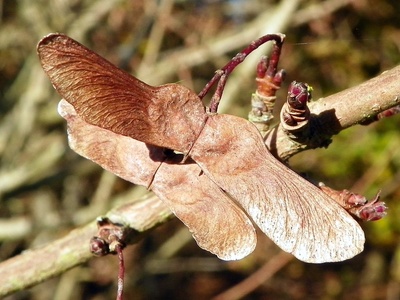
Field maple
Field maple a smaller tree with dense crown and toothed, lobed leaves. Prefers hedgerows, calcareous soils and parkland; often used for coppicing. Distinguished by tight clusters of samaras and rougher bark on older trees.
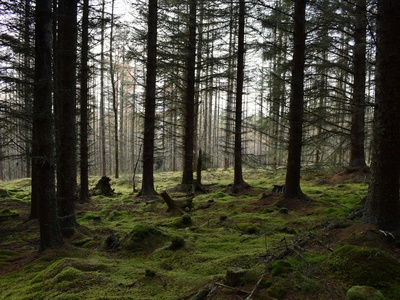
Norway spruce
Norway spruce a tall conifer with drooping branchlets and pendulous cones. Dominant in mountain and planted lowland forests for timber; needle arrangement and conical form are diagnostic. Prefers cool, humid sites and forms extensive plantations.
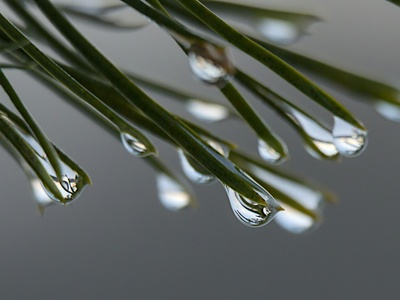
Scots pine
Scots pine with orange-brown flaking bark on upper stem and long paired needles. Key species on sandy soils and forests of northern Poland; used in forestry. Forms open crowns and distinctive silhouette on horizons.
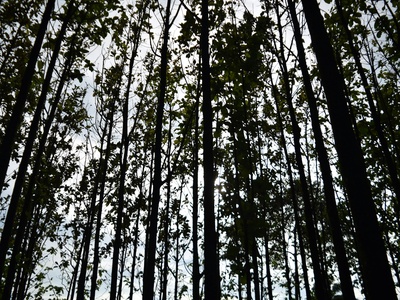
Swiss stone pine
Swiss stone pine a slow-growing, high-mountain conifer with dense, short needles and picturesque crown. Native in Tatras and subalpine zones; valued for resilience and as an indicator of high-elevation stands.
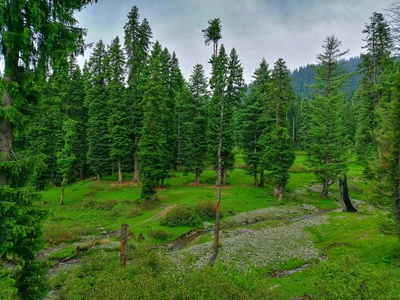
Silver fir
European silver fir towering with flattened needles and smooth grey bark. Forms pure stands in Carpathian mountains; prized timber and important ecological component. Needles give a soft texture and cones stand upright on branches.
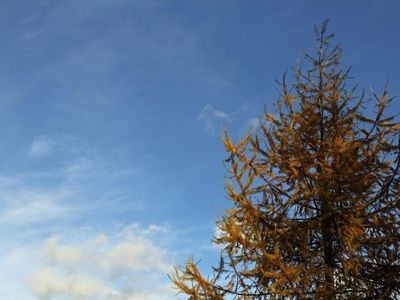
European larch
European larch a deciduous conifer with soft clusters of needles that turn golden before dropping. Grows at higher elevations and planted in forestry; pale bark and conical shape make it unmistakable in mountain landscapes.
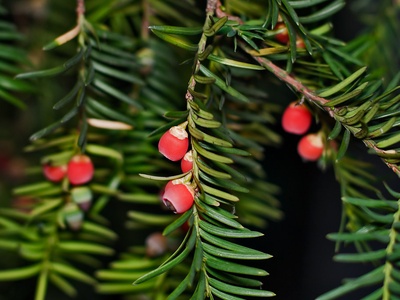
European yew
European yew with dark, dense foliage and red arils. Very slow-growing and long-lived; often found in churchyards, ancient woods and shady ravines. Highly poisonous but wildlife eats the berries’ flesh; wood valued historically.
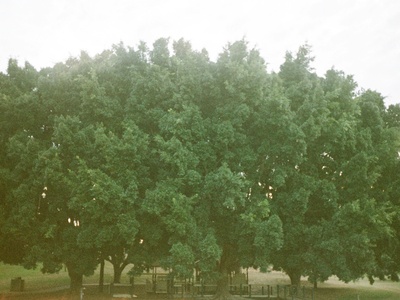
Wych elm
Wych elm with asymmetrical base leaves and rough upper leaf surface. Prefers moist upland woods and mountain valleys; large crown and heavy timber when healthy. Populations impacted by Dutch elm disease but isolated mature trees remain.
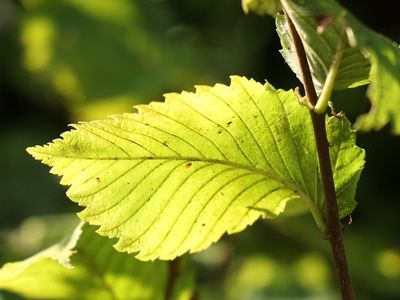
European white elm
European white elm with deeply serrated leaves and prominent winged samaras. Found mainly in floodplain forests and river corridors; tolerant of wet soils. Less common than other elms but still present in riparian woodlands.
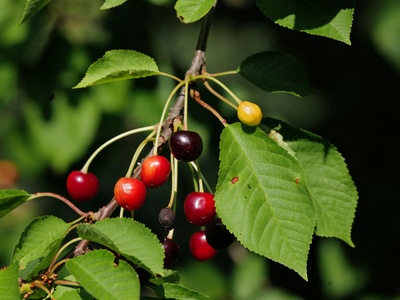
Wild cherry
Wild cherry a tall tree with glossy leaves and striking spring blossom followed by red cherries. Native and valuable for birds; grows in mixed forests and old orchards. Wood used for fine furniture and smoking meats.
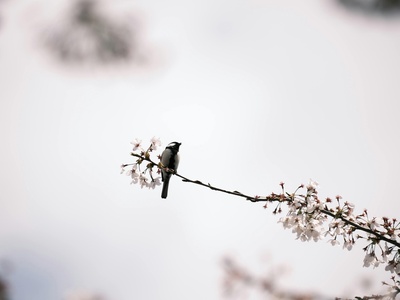
Bird cherry
Bird cherry a small tree with racemes of fragrant white flowers in spring and small black drupes. Prefers moist woods and hedgerows; common in lowland and upland forests. Bark smooth with lenticels.
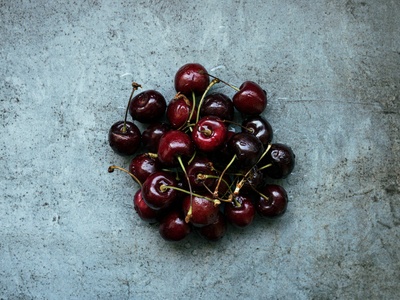
Black cherry
Black cherry an introduced fast-growing tree with shiny leaves and dark cherries. Highly invasive in many Polish forests, forming dense stands and suppressing natives. Notable for rough, dark bark and aromatic wood.
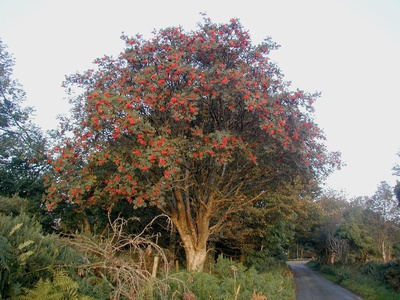
Rowan
Rowan small tree with pinnate leaves and dense clusters of orange-red berries in autumn. Widespread in mountains and woods; berries feed birds and were traditionally used for preserves. Distinctive smooth grey bark and lacy crown.
Whitebeam
Whitebeam a small tree of dry slopes and limestone outcrops with round, greyish leaves that are hairy beneath. Produces orange pomes eaten by birds. Often local and characteristic of calcareous uplands.
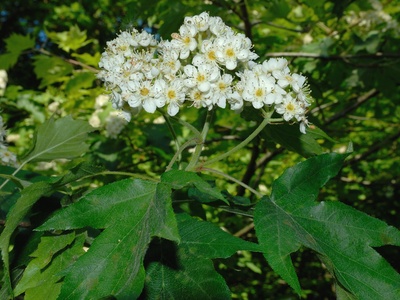
Wild service tree
Wild service tree a rare, slow-growing species of ancient woodlands with lobed leaves and brown pomes. A relic of old-growth forests, scattered in central and southern Poland and often an indicator of long-established woodland.
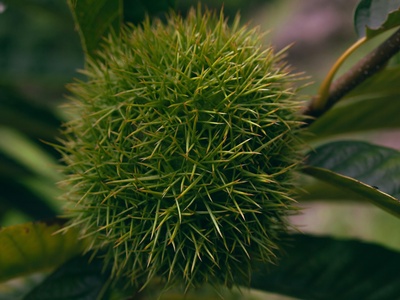
Sweet chestnut
Sweet chestnut a large deciduous tree with serrated, lanceolate leaves and spiny fruit burs. Planted historically and naturalized in parts of western and southern Poland; valued for nuts and durable timber.
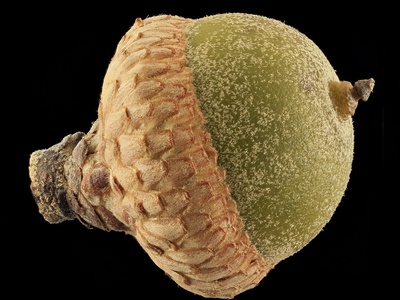
Red oak
Red oak a North American species widely planted for timber and ornament. Fast-growing with deeply lobed leaves and reddish autumn colour; naturalized in some forests, especially in west and lowlands.
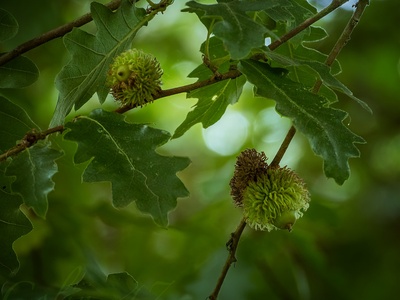
Turkey oak
Turkey oak an introduced oak with rough, shaggy acorn cups and lobed leaves. Planted and naturalized around parks and warmer regions; tolerates dry soils and is more frequent in southern Poland.
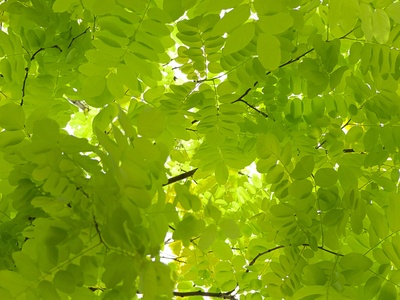
Black locust
Black locust with pinnate leaves and fragrant white pea-flowers. Introduced from North America and now invasive in many habitats, forming thorny stands and fixing nitrogen. Common along roadsides, clearings and disturbed soils.
Box elder
Box elder a small to medium tree with pinnate compound leaves and rapid growth. North American introduction that spreads along rivers and disturbed places; considered invasive in parts of Poland and common in lowland riparian zones.
Douglas fir
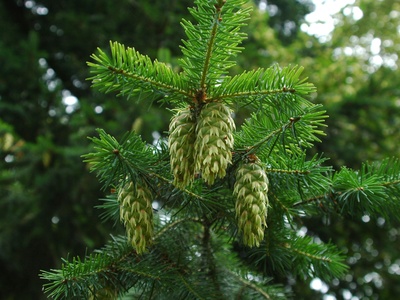
Douglas fir a tall conifer with distinctive three-pronged bracts on cones and soft needles. Introduced for timber plantations and park specimens; grows well in varied conditions and reaches large sizes in favorable sites.