TL;DR
A rainforest producer is any organism that makes its own food through photosynthesis instead of eating something else. In a tropical rainforest, that means towering canopy trees like kapok and mahogany, understory shrubs, ferns and mosses on the forest floor, algae in streams and ponds, and epiphytes — bromeliads, orchids, and vines — that grow on other plants instead of soil. Producers sit at the base of every rainforest food chain: consumers eat them, decomposers break them down, and the whole system runs on the sugar they make from sunlight.
Table of Contents
- What a Producer Actually Is
- Meet the Rainforest’s Producers
- Where Producers Sit in the Food Chain
- Why Rainforests Pack in So Many Producer Species
- Producers by Rainforest Layer
What a Producer Actually Is
A producer is an organism that builds its own food from sunlight, water, and carbon dioxide through photosynthesis. Biologists also call them autotrophs — literally “self-feeders.” No producers, no food chain: everything else in the rainforest, from leaf-cutter ants to jaguars, is ultimately eating sunlight that a plant converted into sugar first.
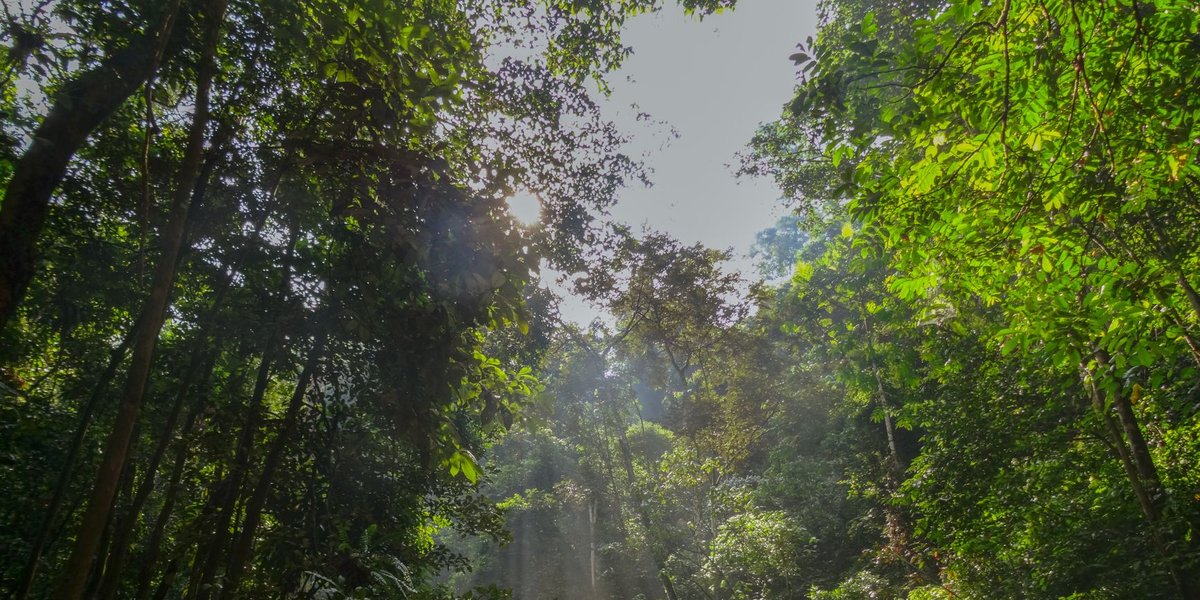
In a rainforest, producers aren’t just “the trees.” They’re a stacked, competing cast of species occupying every available surface, from the forest floor to 200 feet up in the canopy. That crowding is the whole story of why tropical rainforests look the way they do.
Meet the Rainforest’s Producers
Canopy and emergent trees
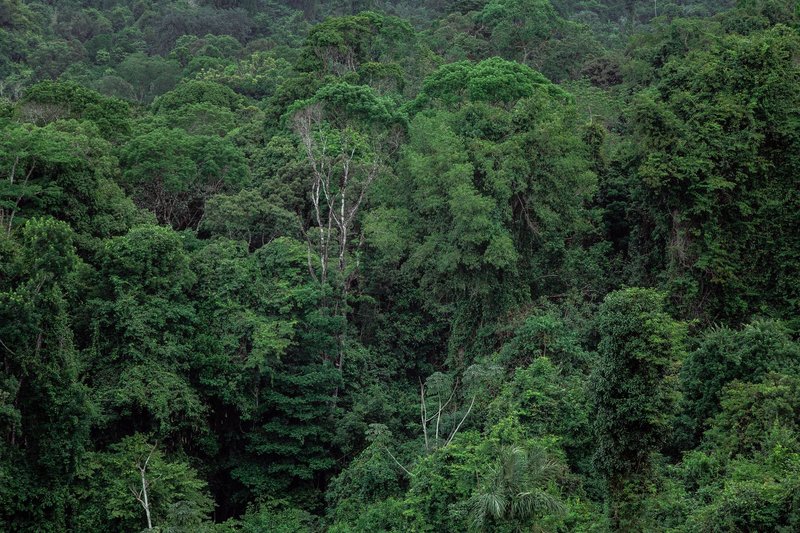
The big win-or-lose game in a rainforest is height. Emergent trees like the kapok (Ceiba pentandra) punch through the canopy and grab direct sunlight nobody else gets. Below them, canopy species — mahogany, Brazil nut trees, various figs — form a nearly unbroken green ceiling that captures most of the light that reaches the forest at all. Rainforests are a major piece of Earth’s terrestrial carbon and oxygen cycle, and NASA’s Earth Observatory has documented just how much of global photosynthetic activity happens in forested biomes like this one.
Understory shrubs and saplings
Below the canopy, light drops to a fraction of what hits the treetops — often less than 2%. Understory plants adapt by growing broad, dark leaves built to catch scattered light rather than direct sun. Many are juvenile canopy trees waiting, sometimes for decades, for an opening above them.
Epiphytes: bromeliads, orchids, and air plants
Epiphytes solve the light problem by skipping the ground entirely. Bromeliads and orchids root onto tree branches and trunks, riding the host tree up into brighter air without stealing its nutrients. Some bromeliads even collect rainwater in their leaf bases, creating tiny pools that double as habitat for frogs and insects.
Lianas and woody vines
Lianas root in the soil but climb established trees to reach the canopy, using their host as a ladder instead of building their own trunk. A single liana can stretch through the crowns of several trees, linking them together — which is part of why a falling tree in a rainforest sometimes drags its neighbors down with it.
Ferns, mosses, and forest-floor plants
Down on the forest floor, where light is scarcest, ferns and mosses take over. They don’t need much — rainforest floors stay humid enough, often above 80% relative humidity, that mosses can photosynthesize efficiently even in deep shade.
Algae
It’s easy to forget algae counts here, but rainforest streams, ponds, and even wet bark surfaces host algae that photosynthesize just like their plant neighbors. They’re a base food source for aquatic insects and small fish living in rainforest waterways.
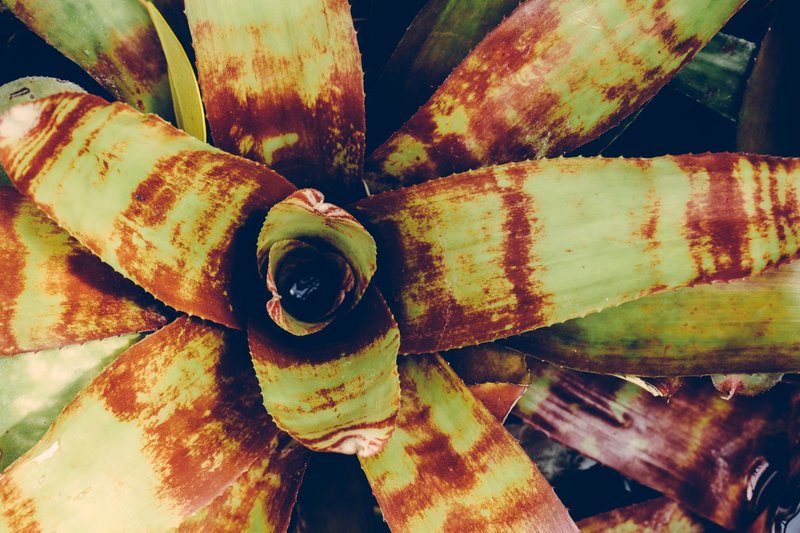
Where Producers Sit in the Food Chain
Every rainforest food chain starts with a producer and moves through consumers:
- Primary consumers (herbivores) eat producers directly — leaf-cutter ants hauling off canopy leaves, howler monkeys stripping fruit and foliage, tapirs grazing understory plants.
- Secondary consumers eat the primary consumers — think ocelots hunting agoutis, or birds picking off insects.
- Tertiary consumers sit at the top — jaguars, harpy eagles, and other apex predators with few or no natural predators of their own.
- Decomposers — fungi, bacteria, termites — break down dead plant and animal matter and return nutrients to the soil, where producers absorb them again.
That loop is the entire engine. Cut the producers out, and every level above them collapses within one generation.
Why Rainforests Pack in So Many Producer Species
A temperate forest might have a handful of dominant tree species. A single hectare of Amazon rainforest can hold well over 200 tree species alone, before counting epiphytes, vines, and understory plants. Three pressures explain the crowding:
Layered competition for light. Because the canopy captures most incoming sunlight, plants below it evolve specialized strategies rather than competing head-on — broader leaves, epiphytic growth, extreme shade tolerance. Different strategies let more species coexist in the same square meter instead of getting outcompeted into extinction.
Stable, year-round humidity and warmth. Tropical rainforests don’t have a winter that kills off producers seasonally. Consistent temperatures and rainfall mean nearly constant growing conditions, which lets highly specialized, slow-growing species survive niches that would fail elsewhere.
Vertical real estate. A rainforest isn’t a flat plane — it’s four or five distinct light environments stacked within the same patch of ground, from forest floor to emergent layer. Each layer functions almost like its own micro-habitat, and producers have evolved separately to fill each one.
Organizations like the Smithsonian’s National Museum of Natural History point to this vertical layering as one of the defining features that separates tropical rainforests from nearly every other terrestrial biome on the planet.
Producers by Rainforest Layer
| Layer | Light Level | Typical Producers |
|---|---|---|
| Emergent | Full, direct sun | Kapok, emergent hardwoods |
| Canopy | High | Mahogany, fig trees, Brazil nut |
| Understory | Low (1–2%) | Saplings, broad-leaved shrubs |
| Forest floor | Very low | Ferns, mosses, fungi-adjacent plants |
| Anywhere (non-soil) | Variable | Epiphytes — bromeliads, orchids, lianas |
| Water | Variable | Algae |
If you’re studying this for a class assignment, this is the version worth memorizing: producers aren’t one thing in a rainforest, they’re a whole vertical economy of species each solving the same light problem in a different way. The U.S. Forest Service manages El Yunque National Forest in Puerto Rico — the only tropical rainforest in the National Forest System — and its layered structure of canopy giants, epiphyte-covered trunks, and shaded understory ferns is a working, visitable example of exactly this system in action.