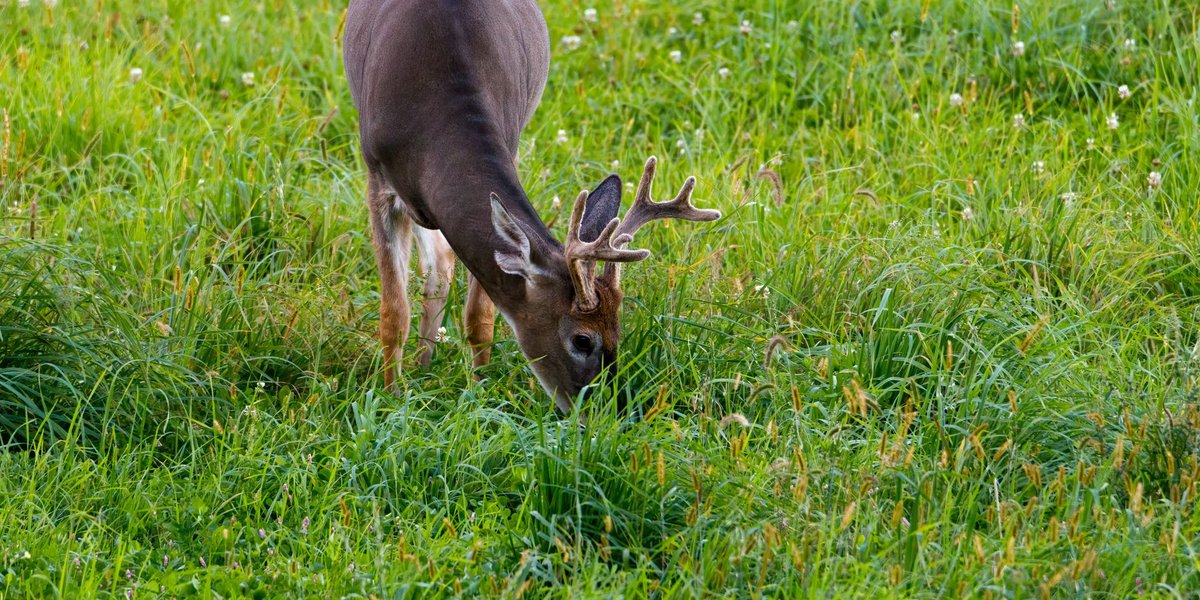
Père David’s deer eats primarily grasses and aquatic plants — but the full picture is more interesting than that. This is a deer that evolved to forage in wetlands, wades into shallow water to feed, and shifts its entire diet based on what the marsh offers each season. That ecological flexibility is part of why the species survived near-total extinction and managed to reestablish itself in the wild.
Here’s what they eat, why they eat it, and how that diet changes across the year.
Table of Contents
- The basics: grasses and aquatic vegetation
- Seasonal diet shifts
- Why the diet changes: nutrition drives the menu
- How their wetland habitat shapes foraging
- What captive Père David’s deer eat
- Diet and the species’ recovery
The Basics: Grasses and Aquatic Vegetation {#the-basics}
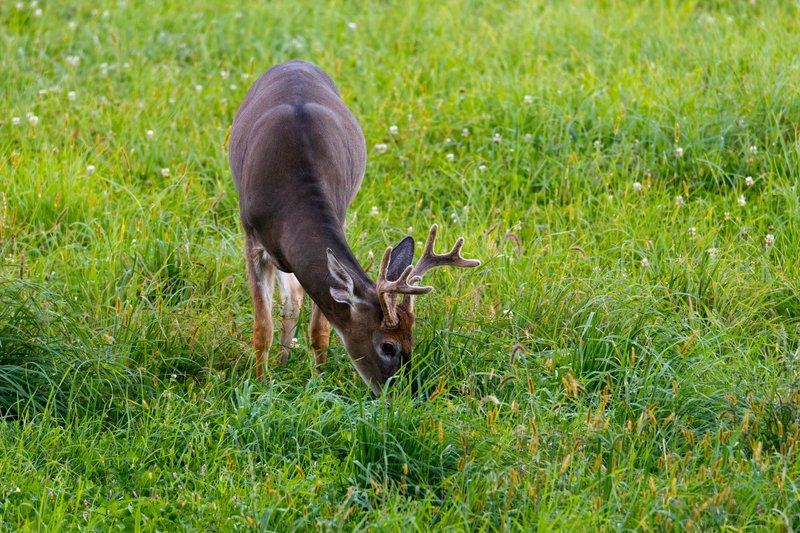
Père David’s deer (Elaphurus davidianus) is a grazer and browser with a strong preference for soft, water-adjacent vegetation. The foundation of their diet is:
- Grasses — especially C3 grasses, which dominate in cooler months
- Aquatic plants — reeds, sedges, and submerged vegetation in and around wetland margins
- Forbs — broad-leaved herbaceous plants, eaten more heavily in summer
They’re not picky in the way some ruminants are. A population with access to a functioning wetland will work its way through whatever’s available, adjusting as vegetation quality and abundance shift through the seasons.
Seasonal Diet Shifts {#seasonal-diet-shifts}
The diet of Père David’s deer isn’t static. Research using stable isotope analysis on reintroduced populations in China has documented clear seasonal shifts in what the deer are actually consuming — not just what’s available to them, but what they actively choose.
| Season | Primary foods |
|---|---|
| Spring | Mixed grasses, emerging forbs, new aquatic growth |
| Summer | C3 forbs (broad-leaved herbs), aquatic vegetation |
| Autumn | C3 grasses become dominant |
| Winter | C3 grasses, dried reed stems, limited browse |
The shift toward C3 grasses in autumn and winter is particularly consistent. As lush summer vegetation dies back, the deer increasingly rely on tougher grass stems and dried emergent plants — the kind of material that persists through cold months in a wetland environment.
Why the Diet Changes: Nutrition Drives the Menu {#why-the-diet-changes}
Diet flexibility in ungulates usually comes down to two things: energy and protein. Père David’s deer is no exception.
In winter, when metabolic demands are high and high-quality plant material is scarce, the deer prioritize foods with elevated crude protein and soluble sugars — even if those foods aren’t abundant. This explains their continued consumption of specific grass species in cold months rather than switching entirely to woody browse, which is lower in both.
In summer, forbs take over as the preferred food. Broad-leaved herbaceous plants peak in protein content during the growing season and are energetically cheap to digest. The deer exploit this window heavily, building fat reserves that carry them through winter.
This isn’t opportunistic grazing. It’s targeted nutrient seeking — the kind of selective foraging you’d expect from a species that evolved in a seasonally flooded environment where food quality varies enormously across the year.
How Their Wetland Habitat Shapes Foraging {#how-their-wetland-habitat-shapes-foraging}
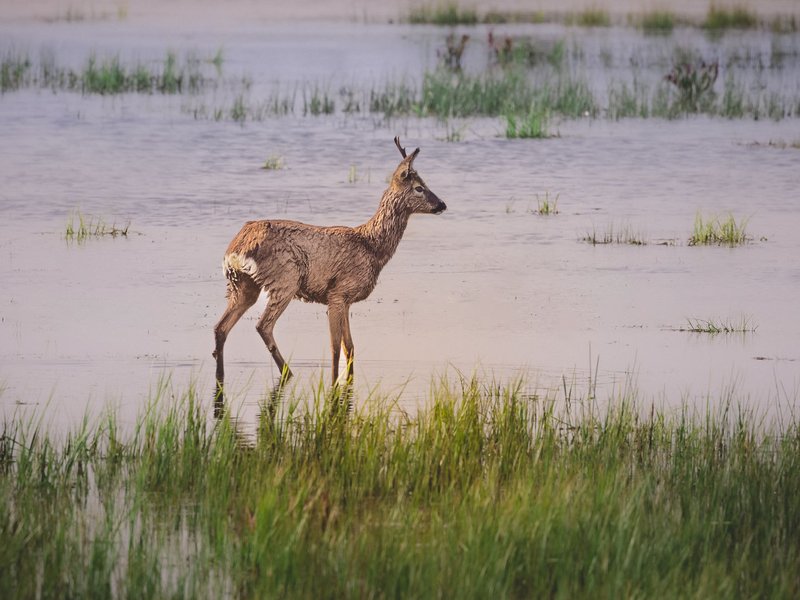
Père David’s deer evolved in the marshes and floodplains of eastern China — an environment that no longer exists in its original form, but whose influence is still visible in how the deer feeds.
Unlike most deer, they’re genuinely semi-aquatic. Their large, splayed hooves function well on soft ground and in shallow water, and they wade readily to access submerged aquatic plants that other ungulates can’t reach. This gives them a feeding niche that sidesteps competition with other large grazers.
The wetland also dictates timing. Spring flooding in historical habitats would have driven the deer onto higher ground and temporarily reduced access to aquatic plants — which tracks with the mixed-diet pattern seen in spring. As water levels dropped through late summer and autumn, reed beds and grasslands became accessible again, coinciding exactly with the shift toward grasses documented in the seasonal data.
Their foraging behavior is essentially a map of the wetland’s annual cycle.
What Captive Père David’s Deer Eat {#captive-diet}
Zoos and managed breeding programs across Europe, North America, and China have kept Père David’s deer continuously since the late 19th century — the only reason the species survived at all after wild populations were wiped out.
In captivity, their diet typically includes:
- Hay — timothy or mixed grass hay as the dietary base
- Grains — oats and corn, particularly for animals in rut or with elevated energy needs
- Pelleted ungulate feed — nutritionally balanced commercial supplements
- Fresh browse — leafy branches, especially in summer
- Aquatic plants — provided in facilities with appropriate pond access
Captive animals don’t show the dramatic seasonal swings that wild and reintroduced populations do, partly because food availability is managed year-round. But keepers in facilities with naturalistic wetland exhibits note that the deer will actively forage in water when given the opportunity — the behavior persists even after generations in captivity.
Diet and the Species’ Recovery {#diet-and-recovery}
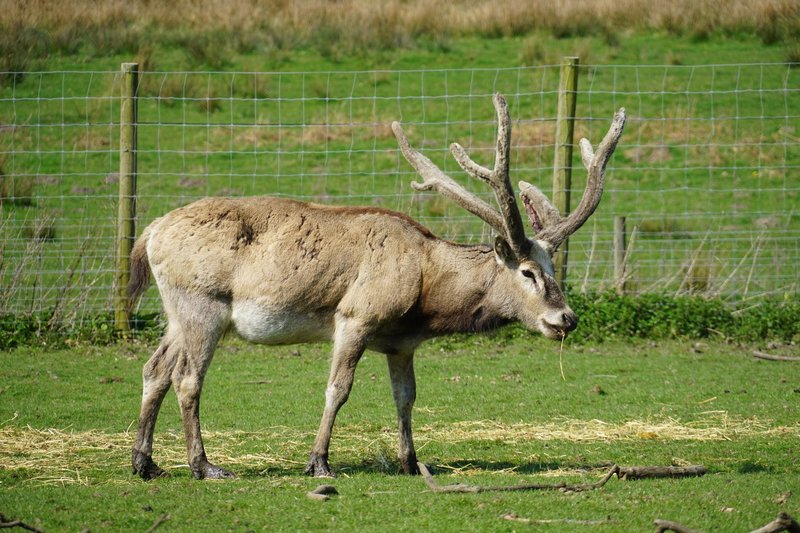
The story of Père David’s deer is one of the most dramatic conservation recoveries on record. Wild populations were extinct by the early 20th century. The entire species survived in Woburn Abbey in England. Reintroductions to China began in the 1980s, and today several free-ranging populations exist in the lower Yangtze River basin.
Diet flexibility has been a quiet contributor to that success. The reintroduced deer found themselves in habitats that weren’t identical to their original wetlands — altered by drainage, agriculture, and decades without the species. They adapted. The seasonal foraging patterns documented in reintroduced populations show that the deer quickly calibrated their diet to local vegetation, prioritizing nutritionally appropriate foods rather than holding out for historical preferences.
The IUCN currently lists Père David’s deer as extinct in the wild in terms of self-sustaining free-ranging populations, with the species still dependent on managed and semi-wild sites. The managed populations in China’s Dafeng Milu National Nature Reserve and elsewhere are the current frontier of the recovery effort — and the deer’s ability to work with what the wetland offers, rather than requiring a specific menu, makes each site viable.
A deer that eats what’s there, optimizes for what it needs, and wades into the water when that’s where the food is. That’s not a generalist. That’s a specialist that built its specialty around the marsh itself.