In 1972 the Arabian Oryx was declared extinct in the wild — a stark moment that sparked captive-breeding and reintroduction efforts across the Gulf. That turning point helped shape modern conservation practice in the Emirates and still informs how protected areas and breeding centres operate today.
Biodiversity in the UAE underpins fisheries, supports a living falconry tradition, and fuels nature-based tourism from Sir Bani Yas to Ras Al Khor. Below are eight notable species — chosen for their ecological roles, cultural value, and conservation stories — and the places and programs that help them persist.
Desert Specialists
The UAE’s desert is the country’s largest ecosystem, and a small group of specialist mammals, reptiles and birds have evolved remarkable tricks for heat, drought and shifting sands. Many of these species are woven into Emirati identity and some were pushed to local or global extirpation before coordinated captive-breeding and reintroduction programs began in the 1980s.
Reintroduction projects on islands and mainland reserves — most famously the Sir Bani Yas rewilding work in Abu Dhabi — pair breeding centres with protected-range management. These efforts not only rebuild populations but also train veterinarians and field teams, create wildlife-viewing opportunities for tourists, and keep desert ecological functions such as seed dispersal and prey–predator dynamics intact.
From local zoos to government-run breeding centres, institutions including the Environment Agency — Abu Dhabi coordinate monitoring, translocations and reserve management to sustain these desert specialists.
1. Arabian Oryx — the desert icon
The Arabian Oryx is a white-horned antelope and a powerful conservation symbol for the Emirates. Declared extinct in the wild in 1972, the species became the focus of international captive-breeding and reintroduction work; reintroductions began in the 1980s and continue as part of range-recovery programs.
Sir Bani Yas Island hosts one of the best-known reintroduced populations, and captive-breeding centres and protected reserves across Abu Dhabi and elsewhere have supported population growth, ecotourism viewing, and practical veterinary capacity-building. For up-to-date population figures, consult IUCN and Environment Agency — Abu Dhabi reports.
2. Arabian Sand Gazelle — a resilient grazer
The sand gazelle (often called the Arabian gazelle) is a small, drought-adapted ungulate that survives on sparse shrubs and seasonal rainfall. Hunting, habitat fragmentation and competition with livestock caused historical declines, and many local programs now monitor and protect remnant herds.
Protected areas in Abu Dhabi and Sharjah run regular surveys and occasional translocations to reduce genetic isolation. Gazelles shape plant communities through selective grazing and remain a feature of guided desert-wildlife routes, connecting pastoral heritage with conservation work.
3. Spiny-tailed Lizard (Uromastyx) — heat-ready herbivore
Spiny-tailed lizards (genus Uromastyx) are common in rocky outcrops and wadis across the Emirates. They thermoregulate by basking and retreating into burrows, and their thick, spiny tail stores fat and provides defense against predators.
Uromastyx face pressure from illegal collection for the pet trade and from habitat disturbance. Local wildlife-trade regulations, educational exhibits at natural-history centres, and community awareness campaigns help reduce poaching and use these lizards as indicators of desert ecosystem health.
Coastal and Marine Wildlife
Despite shallow, saline waters, the Arabian Gulf and Gulf of Oman support productive coastal habitats. Seagrass beds, coral patches and sheltered bays sustain a distinctive marine fauna that matters for fisheries, shoreline protection and local livelihoods.
Seagrass meadows beneath the surface feed dugongs and stabilize sediments; coral and rock patches shelter juvenile fish; and tidal lagoons and sandy beaches provide nesting sites for turtles. Marine protected areas such as the Marawah Marine Biosphere Reserve help conserve these habitats while research and community programs monitor change.
Conservation threats include coastal development, boat strikes, anchor damage and climate-driven warming. Measures like no-anchor zones, seasonal speed limits, and community monitoring aim to reduce harm and protect fisheries and coastal resilience. For authoritative data, see Environment Agency — Abu Dhabi and regional marine surveys.
4. Hawksbill Turtle — a critically endangered nest-builder
The hawksbill turtle is listed as Critically Endangered by the IUCN and uses UAE beaches and nearshore reefs for nesting and feeding. UAE agencies and NGOs run nest-monitoring and hatchling-protection programs on selected beaches each year.
Protecting nesting beaches — through patrols, reduced nighttime lighting, and volunteer hatchling releases — supports both conservation and low-impact tourism. For verified annual nest counts and trends, consult Environment Agency — Abu Dhabi or published project reports before citing specific numbers.
5. Dugong — the sea cow of the Gulf
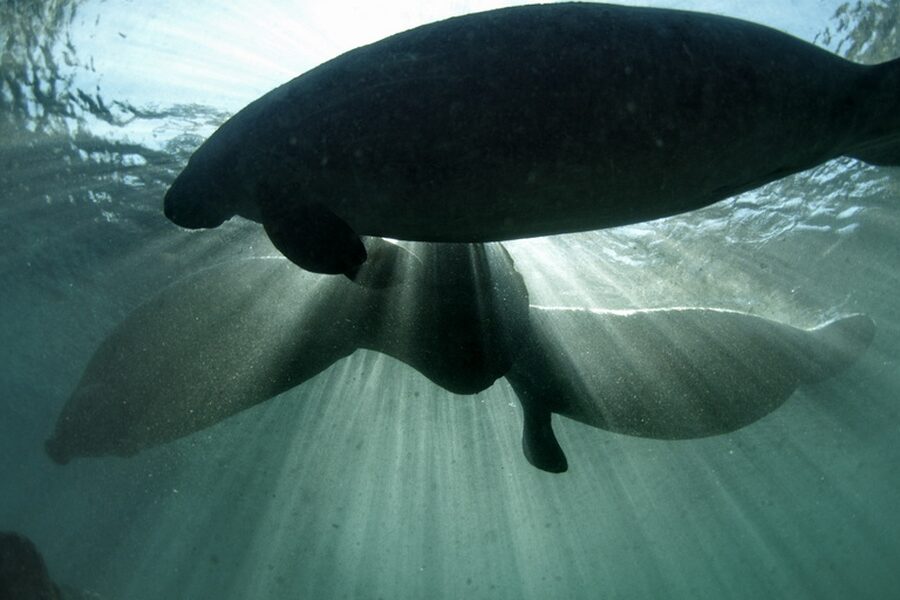
Dugongs are seagrass-dependent marine mammals listed as Vulnerable by the IUCN. The shallow waters off the UAE host regionally important seagrass meadows that support dugongs and underpin coastal fisheries.
Conservation measures that benefit dugongs include seagrass protection within marine reserves such as Marawah, boat-speed regulations, and designated no-anchor zones. Community and research surveys that track dugong sightings guide management and help balance fisher and conservation needs.
6. Arabian (Indo‑Pacific) Humpback Dolphin — a coastal sentry
Small, coastal humpback dolphins inhabit inshore waters and sheltered bays, often forming resident groups. They are sensitive to boat traffic, noise and habitat degradation, and their presence signals nearshore ecosystem health.
Local universities and agencies conduct photo‑identification and sighting surveys to map dolphin groups and advise ethical viewing guidelines. Responsible wildlife-watching provides income for operators while minimizing disturbance to these residents.
Rare, Migratory and Culturally Important Species
The UAE sits on key migratory routes between Asia, Africa and Europe, and its coastal lagoons and wetlands act as vital stopovers. Wetland sanctuaries such as Ras Al Khor host seasonal flocks of shorebirds, and falconry — recognized by UNESCO in 2010 — ties conservation to living cultural practice.
Protecting these transient and culturally prized species requires coordinated habitat management, migratory monitoring and community engagement. Sanctuary hides, citizen-science counts and falconry clinics link residents and visitors to conservation outcomes that have international implications.
7. Saker Falcon — living heritage and conservation focus
The Saker falcon and related species are central to Emirati falconry, which UNESCO listed as Intangible Cultural Heritage in 2010. That recognition reinforced investments in veterinary care, captive-breeding where appropriate, and education about raptor conservation.
Institutions such as the Abu Dhabi Falcon Hospital provide specialized rehabilitation, research and training that sustain traditional skills while advancing modern wildlife care. Falconry festivals, clinics and educational centers help motivate habitat protection for prey species and maintain niche tourism.
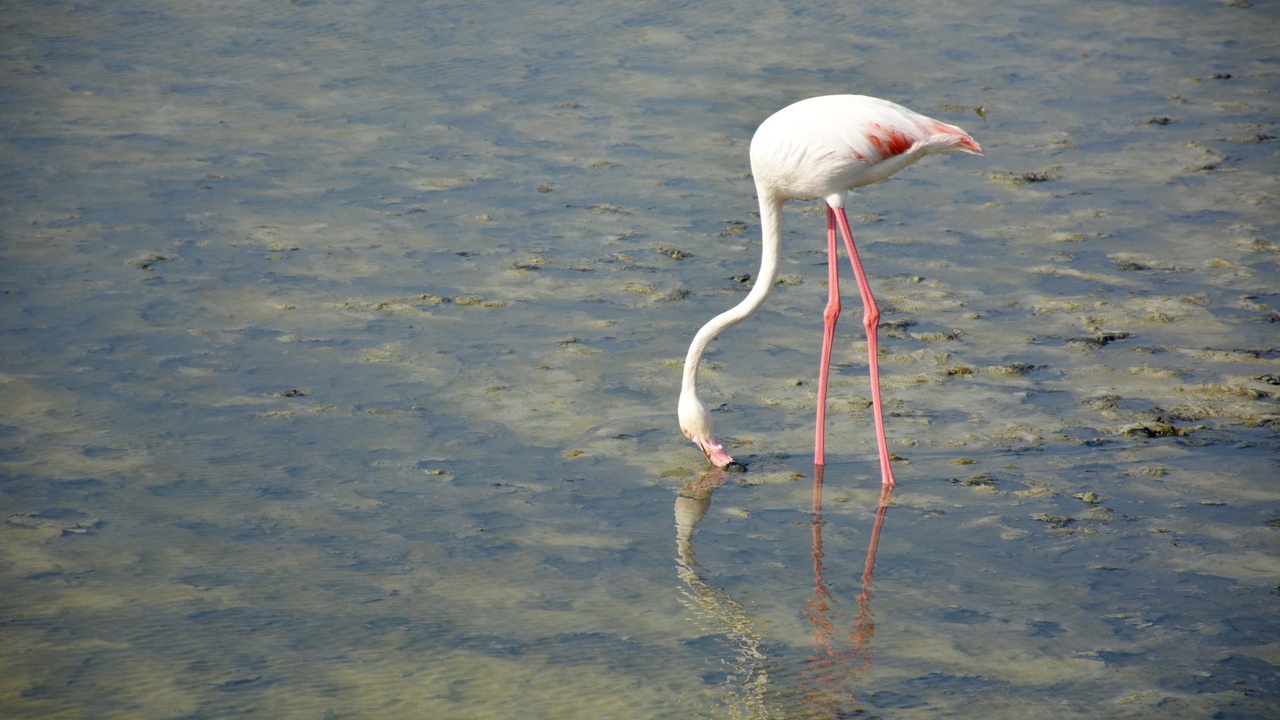
8. Greater Flamingo — a seasonal spectacle at urban wetlands
Greater Flamingos arrive in UAE wetlands such as Ras Al Khor in seasonal numbers that can range from hundreds to thousands at peak times. These charismatic birds depend on tidal flats and brackish lagoons and are a visible sign of wetland health in urban settings.
Ras Al Khor Wildlife Sanctuary provides observation hides and interpretive signage that let residents view flamingos without disturbance. These seasonal aggregations strengthen the case for protecting shallow lagoons and benefit many other migratory shorebird species.
Summary
- Desert, coastal and wetland habitats host distinct native animals with special adaptations and vital ecological roles.
- Recovery programs — from Arabian Oryx reintroductions to turtle‑nest protection — combine captive breeding, reserves and local expertise.
- Conservation yields tangible benefits: fisheries support, cultural continuity (falconry), and nature‑based tourism in places like Sir Bani Yas and Ras Al Khor.
- Support protection by visiting responsibly, backing accredited NGOs and agencies (for example, Environment Agency — Abu Dhabi), and reporting illegal wildlife trade.