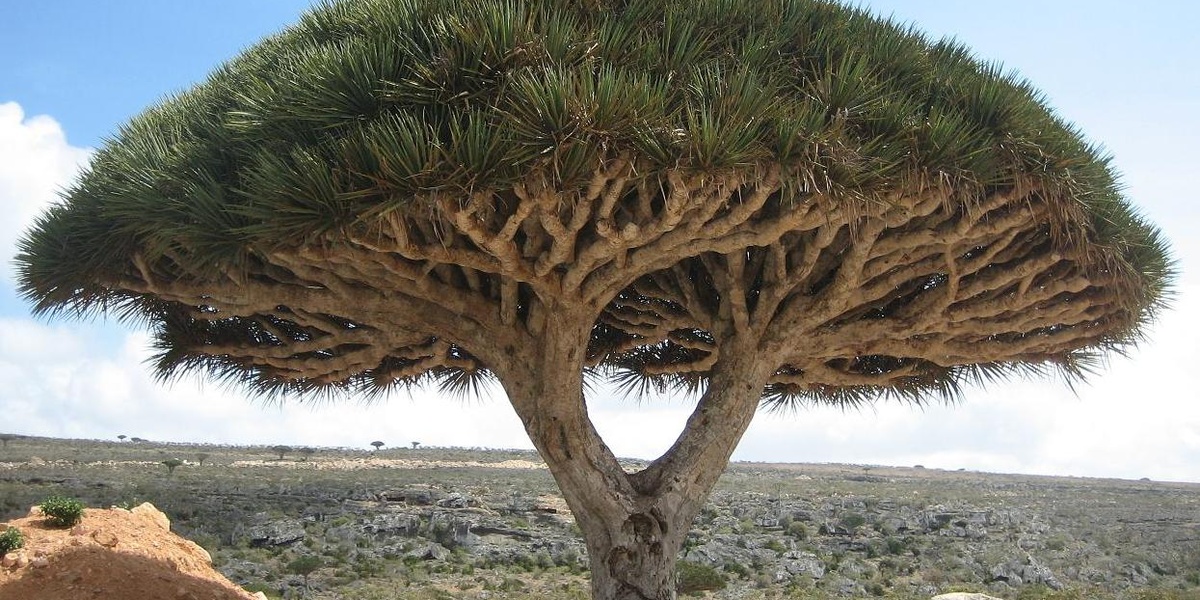
In 2008 Socotra earned UNESCO World Heritage status and cemented a reputation as the “Galápagos of the Indian Ocean,” its plateaus scored with umbrella-shaped Dragon’s Blood trees and bizarre succulent woodlands. That single date signals why conservationists watch this part of Yemen closely: Socotra’s flora includes over 800 plant species, with roughly a third found nowhere else on Earth.
The wildlife of yemen spans far beyond Socotra’s odd trees, from coral-fringed shores to rugged highland cliffs and arid wadis. These varied habitats support species of global conservation importance, sustain local fisheries and pastoral livelihoods, and offer growing ecotourism opportunities. Below are eleven standout species (grouped by coastal, island, mountain, and lowland habitats) that reveal priorities for protecting Yemen’s biodiversity.
Coastal and Marine Life
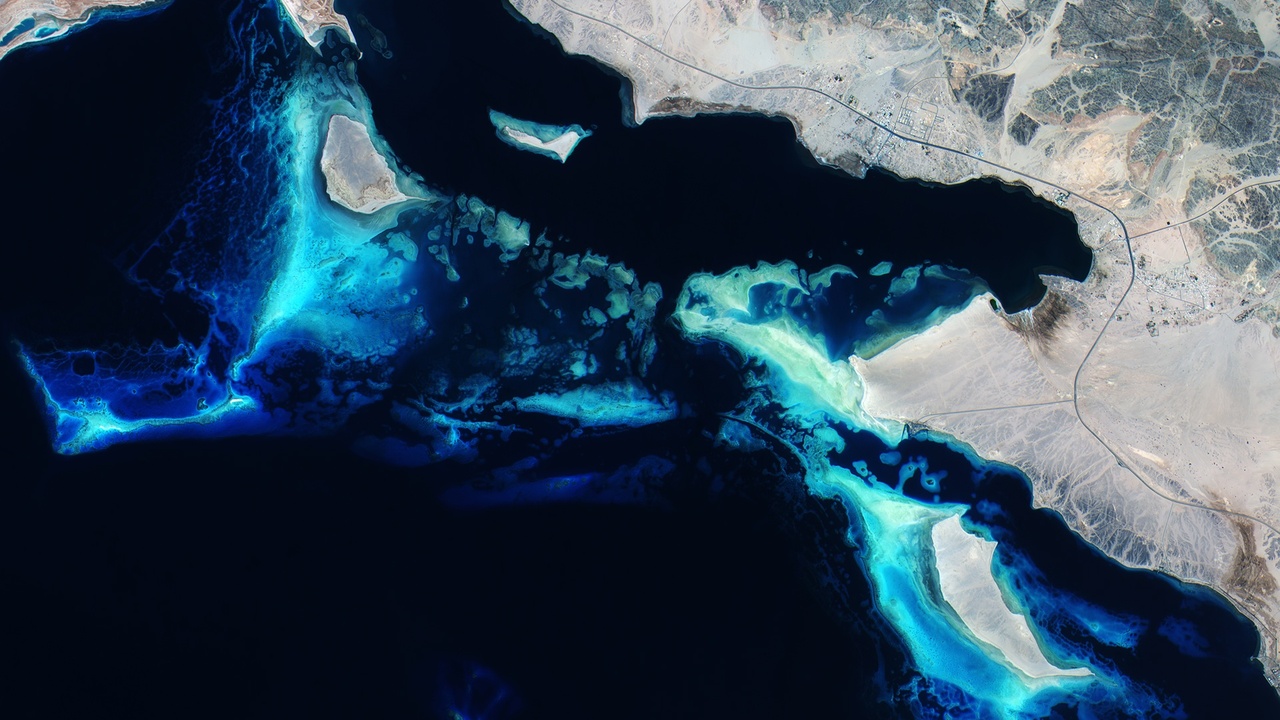
Yemen’s long shorelines on the Red Sea and the Gulf of Aden host coral reefs, seagrass beds, nesting beaches and pelagic corridors. Fringing reefs and offshore banks support fisheries and buffer coasts from storms, while sandy beaches—notably on Socotra—serve as nesting sites for endangered sea turtles (UNESCO; regional marine surveys).
Marine species link directly to coastal communities: healthy reefs fuel artisanal fisheries and attract travelers for snorkeling and diving. Conservation work for these systems appears in IUCN assessments and regional marine surveys that highlight threats such as overfishing, destructive gears, and warming seas.
Both Socotra and mainland coastal sites matter for conservation planning, since protecting nesting beaches and reef habitats sustains fisheries, safeguards shoreline stability, and underpins nascent ecotourism ventures along the Gulf of Aden and southern Red Sea.
1. Hawksbill Turtle (Eretmochelys imbricata) — Coastal Nester
Hawksbill turtles nest on Yemen’s shores, with notable records from Socotra’s sandy bays and parts of the southern mainland coast. The species is listed as Critically Endangered by the IUCN, and global declines stem from egg harvesting, bycatch and coastal disturbance (IUCN).
Protecting nesting beaches delivers practical benefits: it supports reef health (hawksbills help maintain coral and seagrass balance), sustains turtle-watching tourism, and strengthens local stewardship through community monitoring programs that reduce egg poaching and coordinate beach protection.
2. Napoleon Wrasse (Cheilinus undulatus) — Reef Specialist
Large reef fishes such as the Napoleon (humphead) wrasse occur in Yemen’s coral systems and serve as indicators of reef condition. The species has suffered serious declines because of targeted fishing for the live reef-food trade and its slow maturation and late reproduction make recovery slow (IUCN).
Conserving big reef predators often protects whole reef communities: area-based protections or gear restrictions reduce pressure on these fish and so benefit smaller species that underpin artisanal catches for coastal villages, especially along the southern Red Sea.
3. Coastal Dolphins (e.g., Spinner and Bottlenose species) — Social Marine Mammals
Small dolphin species form coastal pods along Yemen’s shores and in waters around Socotra, where spinner and bottlenose dolphins are reported regularly. Their presence often signals productive nearshore fisheries and healthy prey populations.
Dolphin watching can provide sustainable income alternatives to overfishing if managed, and local sightings—near Aden and off Socotra—offer opportunities for citizen-science monitoring that link communities to marine conservation outcomes.
Island Endemics of Socotra
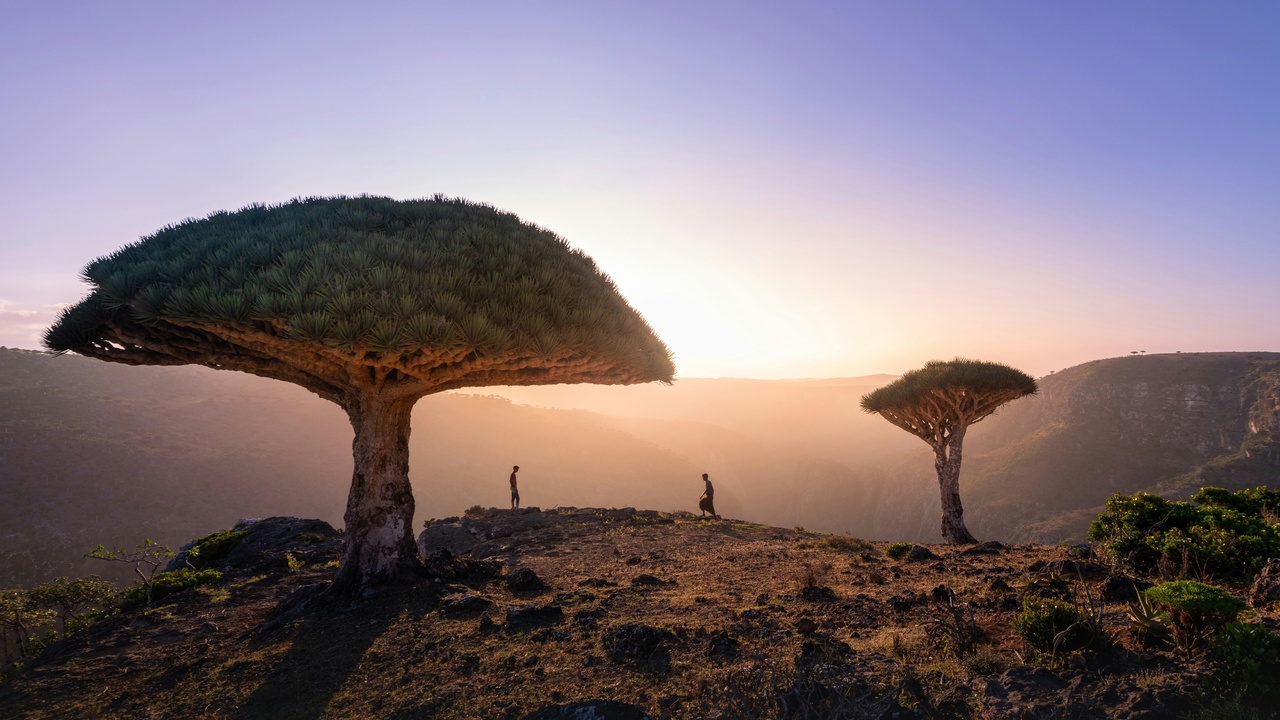
Socotra’s long isolation has produced extremely high levels of endemism, which underpinned its 2008 inscription as a UNESCO World Heritage Site (UNESCO). The island hosts over 800 plant species, with roughly one-third endemic, and displays evolutionary oddities that occur nowhere else.
Across those unique communities, the wildlife of yemen on Socotra exemplifies why small-range species matter: they add irreplaceable branches to the tree of life and are highly sensitive to grazing, invasive species and climate shifts.
4. Dragon’s Blood Tree (Dracaena cinnabari) — Iconic Endemic
The Dragon’s Blood tree is Socotra’s most unmistakable symbol; its umbrella crown and deep red resin have cultural and historical value. You see classic stands on the Dixam plateau and other upland outcrops where the trees intercept moisture and shade understory plants.
The species is vulnerable to livestock browsing, fire and changing rainfall patterns, so local protection (community-guided patrols, grazing management) and ecotourism that channels income toward conservation are central to keeping these stands intact.
5. Socotra Sunbird (Chalcomitra balfouri) — Endemic Pollinator
The Socotra sunbird is a small, island-restricted nectar feeder that pollinates many native flowers and helps maintain shrubland reproduction. Its dependence on native flowering species makes it a sensitive indicator of intact plant communities.
Protecting the sunbird contributes to wider habitat conservation that supports soil retention and grazing resources for people, and the species also features in local birdwatching tours that bring modest, sustainable income to guides and villages.
6. Socotra Starling (Onychognathus frater) — Adaptive Island Bird
The Socotra starling is widespread across rocky slopes and human-modified areas and plays roles in seed dispersal and insect control. Its adaptability makes it useful for understanding resilience patterns among the island’s birds.
Observers note starlings nesting on cliff faces and feeding on fruit and invertebrates, which helps spread seeds for native shrubs; studying such resilient species can inform conservation strategies for more vulnerable endemics.
Mountain and Highland Species
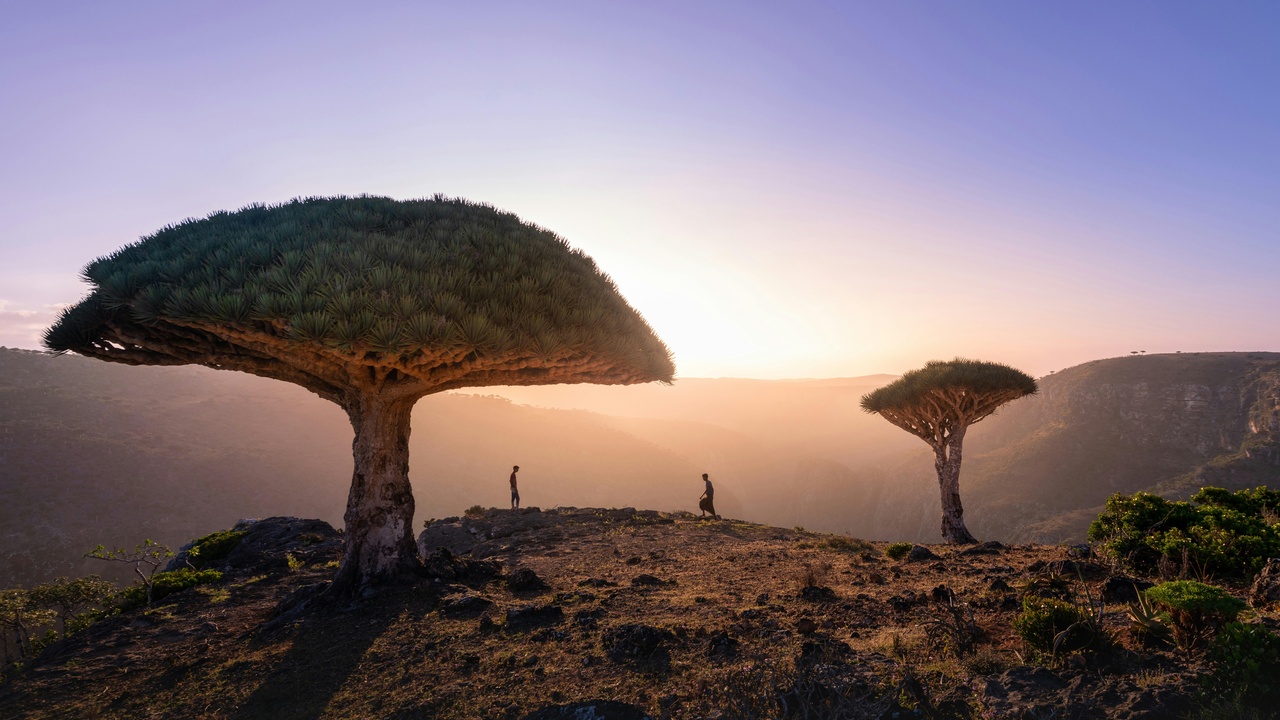
Yemen’s highlands—including Jabal Haraz and surrounding ranges—create elevation gradients that support montane scrub, wooded terraces and cliff-dwelling fauna. These habitats can harbor apex predators and specialized ungulates whose presence signals ecosystem integrity.
Protecting mountain habitats also supports pastoral livelihoods by maintaining watershed function and grazing land, but human–wildlife conflict and grazing pressure complicate conservation. Notably, apex predators such as the Arabian leopard are globally rare, with fewer than 200 mature individuals estimated across their range (IUCN).
Conservation here means balancing livestock needs, crop protection and habitat connectivity so carnivores, prey species and mountain flora persist together in a working landscape.
7. Arabian Leopard (Panthera pardus nimr) — Rare Apex Predator
The Arabian leopard once roamed widely across the peninsula; today it survives in tiny numbers, and occasional individuals are still reported in Yemen’s mountains. The subspecies is considered critically endangered, with fewer than 200 mature leopards remaining across their entire range (IUCN).
Protecting leopard habitat reduces conflict with people and livestock and conserves entire prey communities. Recent camera-trap detections and field reports from highland areas (including historical records from Jabal Bura and Haraz) underline both the species’ precarious status and the urgent need for cross-border conservation efforts.
8. Nubian Ibex (Capra nubiana) — Agile Mountain Ungulate
Nubian ibex move nimbly across Yemen’s steep escarpments and serve as important prey for large carnivores while shaping vegetation through targeted grazing. They persist in rocky ranges such as the Haraz escarpment and other highland cliffs.
Hunting pressure, competition with domestic goats and fragmentation of feeding areas threaten local populations, so coordinated grazing management and controlled hunting can support both biodiversity and pastoral livelihoods.
9. Hamadryas Baboon (Papio hamadryas) — Social Highland Primate
Hamadryas baboons inhabit valleys and plateaus in Yemen’s mountains and contribute to seed dispersal and insect control as they forage in troops. Their complex social structure—troops of related males and females—drives movement between feeding and sleeping sites.
Troops sometimes enter agricultural plots and orchards, producing conflict with farmers; community measures such as fencing, guard animals and alternative cropping strategies have reduced losses elsewhere in the region and could be adapted locally to reduce tension.
Desert, Lowland Species and Conservation Priorities

Yemen’s lowland plains, wadis and coastal deserts host scavengers, resident shorebirds and form a critical bottleneck for migrants crossing the Bab-el-Mandeb strait. These areas support both resident communities and huge seasonal movements that link continents.
Conservation priorities in lowlands include protecting wetlands and stopover sites, regulating hunting, and maintaining corridors used by migratory species. Roughly millions of individual birds use the Africa–Eurasia flyway annually, making sites near Bab-el-Mandeb globally significant for passage and raptor concentration.
Sustained protection of coastal plains and wetlands therefore benefits both resident scavengers and global migratory populations while supporting fisheries, pastoralism and birdwatching-based income where security and access allow.
10. Striped Hyena (Hyaena hyaena) — Scavenger of the Lowlands
Striped hyenas occur across Yemen’s lowland wadis and arid plains and perform vital ecosystem services by removing carcasses and recycling nutrients. Their nocturnal scavenging helps limit disease and supports soil nutrient cycles that benefit vegetation.
Hyenas face persecution and habitat loss in some areas, and shifting cultural attitudes influence their survival. Protecting these scavengers yields direct benefits for pastoral health and can reduce disease risk when carcasses are removed from grazing areas.
11. Migratory Birds and Raptors — Seasonal Visitors along the Flyway
Yemen sits on a major migratory corridor between Africa and Eurasia, with large concentrations of raptors and shorebirds funneling through the Bab-el-Mandeb bottleneck. Birdwatchers and researchers record high seasonal abundances of falcons, buzzards and waders during spring and autumn passages.
Protecting wetlands, coastal stopovers and hunting regulations is essential for these movements; conserving a few key stopover sites delivers outsized benefits for populations breeding thousands of kilometers away and for global conservation of migratory species.
Summary
- Socotra’s UNESCO inscription in 2008 reflects exceptional endemism (over 800 plant species, roughly one-third endemic) and global conservation value.
- Coastal and marine species—hawksbill turtles, large reef fish and dolphins—link directly to fisheries, reef resilience and emerging ecotourism; IUCN assessments flag urgent threats.
- Mountain mammals such as the Arabian leopard (fewer than 200 mature individuals globally) and Nubian ibex highlight the need for habitat protection and conflict mitigation in highlands like Jabal Haraz.
- Lowland scavengers and migratory concentrations at Bab-el-Mandeb show Yemen’s outsized role on the Africa–Eurasia flyway, where roughly millions of birds pass seasonally and stopover sites are critical.
- Support for local conservation programs, responsible ecotourism, and international collaboration (including UNESCO and IUCN-guided efforts) will help safeguard these species and the livelihoods they sustain.