Somalia’s long coastline, dry plains and seasonal river systems support a mix of terrestrial and marine life that often goes underreported. Ongoing security and survey gaps mean many species are poorly documented, but the country still hosts unusual residents from inland savannahs to offshore waters.
There are 19 Rare Animals in Somalia, ranging from African Wild Dog to Whale Shark. For each species the list shows Scientific name,IUCN status,Range in Somalia so you can compare taxonomy, conservation status and where each occurs; you’ll find below.
How were these species identified in Somalia?
Entries are compiled from field surveys, museum records, IUCN assessments and regional reports, supplemented by credible sightings and literature. Coverage is uneven, so some records are based on historical data or limited observations rather than recent, systematic surveys.
What can readers do to help protect these animals?
Support reputable conservation groups working in the Horn of Africa, report verified sightings to biodiversity databases, avoid products tied to habitat loss or illegal trade, and share reliable information to raise awareness—local protection and better data are the most effective first steps.
Rare Animals in Somalia
| Name | Scientific name | IUCN status | Range in Somalia |
|---|---|---|---|
| Hirola | Beatragus hunteri | Critically Endangered | Historically southwestern border; likely extirpated but part of its native range. |
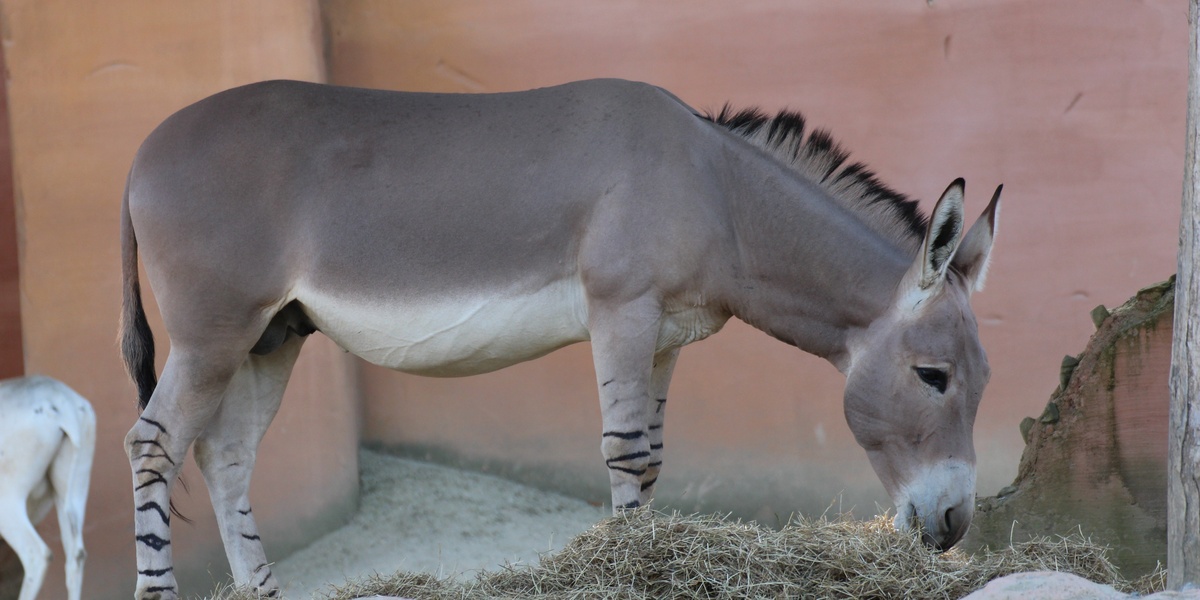
| Somali Wild Ass | Equus africanus somaliensis | Critically Endangered | Northeastern arid regions (Puntland), especially Nugaal Valley. |
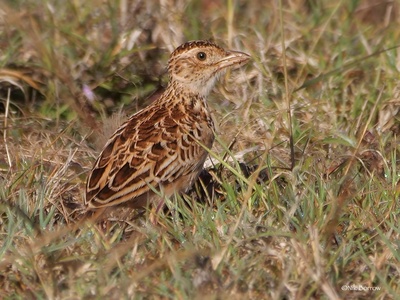
| Archer’s Lark | Heteromirafra archeri | Critically Endangered | Small area of grasslands on the northwestern border with Ethiopia. |
| Somali Padloper | Chersobius solus | Critically Endangered | Endemic to a small, specific area in north-central Somalia. |
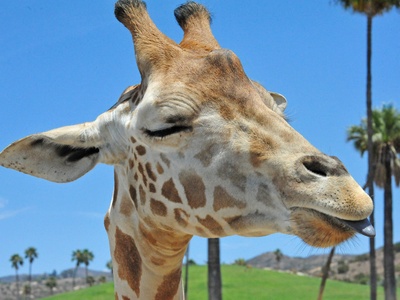
| Reticulated Giraffe | Giraffa camelopardalis reticulata | Endangered | Southern Somalia, particularly along the Jubba and Shabelle river valleys. |
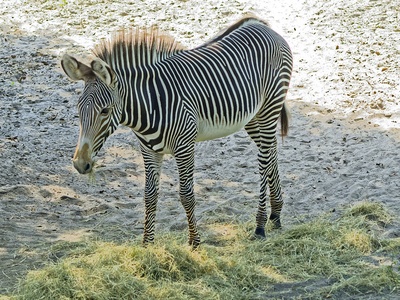
| Grevy’s Zebra | Equus grevyi | Endangered | Historically found in the far south, now its presence is unconfirmed. |
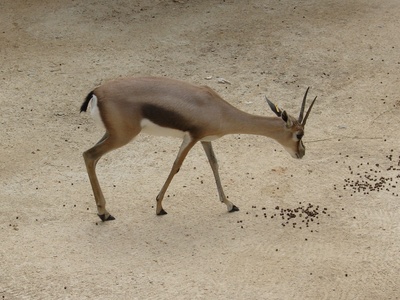
| Speke’s Gazelle | Gazella spekei | Endangered | Coastal plains and inland plateaus of northern and central Somalia. |
| African Wild Dog | Lycaon pictus | Endangered | Historically widespread; now extremely rare or extirpated in Somalia. |
| Egyptian Vulture | Neophron percnopterus | Endangered | Widespread in arid areas, but populations are declining sharply. |
| Whale Shark | Rhincodon typus | Endangered | Found in Somalia’s coastal waters, including the Gulf of Aden. |
| Dibatag | Ammodorcas clarkei | Vulnerable | Central Somalia’s acacia scrublands and semi-deserts (the Ogaden). |
| Beira Antelope | Dorcatragus megalotis | Vulnerable | Rocky hills and arid mountains of northern Somalia (Puntland, Somaliland). |
| Somali Ostrich | Struthio molybdophanes | Vulnerable | Widespread in central and southern Somalia’s savanna and scrubland. |
| Warsangli Linnet | Linaria johannis | Near Threatened | Endemic to a small escarpment area in the Daallo Forest, Sanaag. |
| Somali Golden Mole | Calcochloris tytonis | Data Deficient | Known only from one location in central Somalia near the Shabelle River. |
| Somali Elephant Shrew | Galegeeska revoilii | Least Concern | Arid, rocky environments in northern Somalia (Somaliland). |
| Somali Pigeon | Columba oliviae | Least Concern | Endemic to cliffs and rocky escarpments in northern Somalia. |
| Silver Dik-dik | Madoqua piacentinii | Data Deficient | Coastal scrublands of the southeastern Shebelle-Jubba region. |
| Speke’s Pectinator | Pectinator spekei | Least Concern | Rocky, arid regions of northern and central Somalia. |
Images and Descriptions
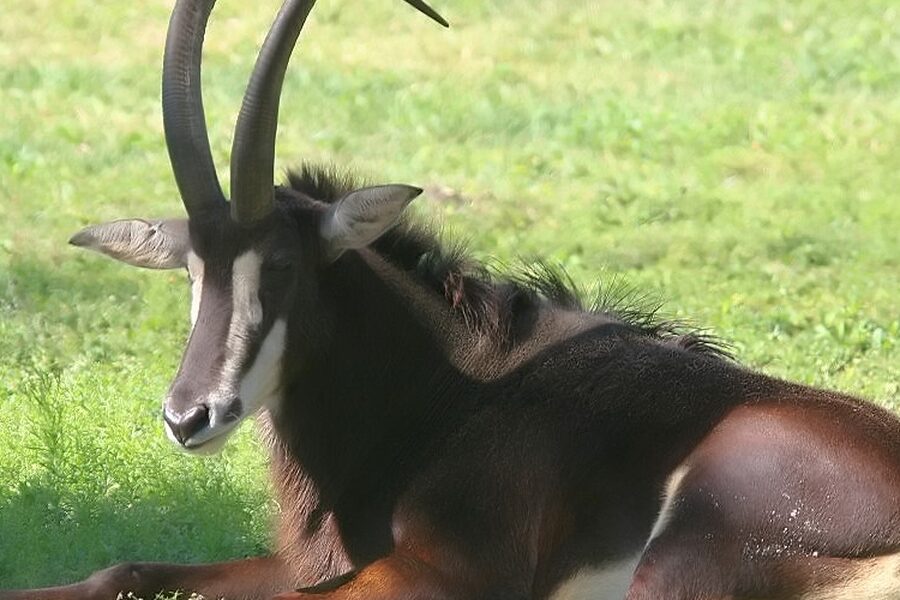
Hirola
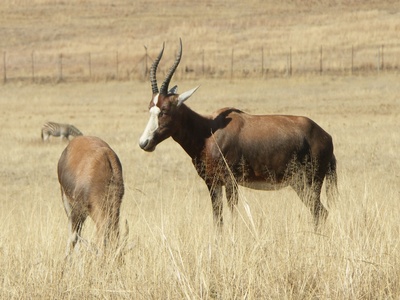
A slender antelope with lyre-shaped horns and distinctive white “spectacles” around its eyes. It is one of the world’s most endangered antelopes, threatened by habitat loss, predation, and disease.
Somali Wild Ass
A wild ass subspecies with distinctive horizontal black stripes on its legs, resembling a zebra’s. It is threatened by hunting for food and traditional medicine, and by competition with livestock for water.
Archer’s Lark
A small, cryptic, ground-dwelling bird known from a tiny global range. Its population is estimated at fewer than 250 individuals, threatened primarily by habitat conversion for agriculture.

Somali Padloper
A very small tortoise, one of the rarest reptiles on Earth. Little is known about this species, but it is highly vulnerable to illegal collection for the pet trade and habitat destruction.
Reticulated Giraffe
A giraffe subspecies with a striking pattern of large, polygonal, liver-colored spots outlined by a network of bright white lines. It has suffered a drastic decline due to poaching and habitat loss.
Grevy’s Zebra
The largest wild equine, with narrow, close-set stripes that do not extend to the belly. It is threatened by habitat loss, reduced access to water, and competition with livestock.
Speke’s Gazelle
A small, desert-adapted gazelle endemic to the Horn of Africa. It is unique for its inflatable nasal sac, which it inflates when alarmed. Poaching and drought are its primary threats.
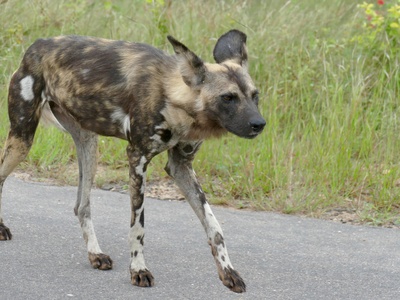
African Wild Dog
A highly social canid with a unique, patchy coat of yellow, black, and white. These pack hunters are persecuted by humans and are highly susceptible to diseases from domestic dogs.
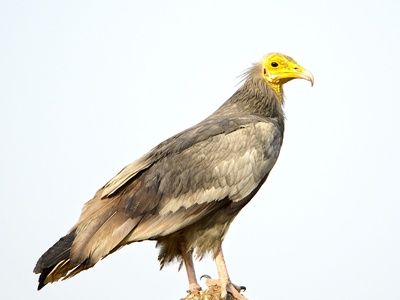
Egyptian Vulture
A small, white old-world vulture with a bright yellow face. It is known for its intelligence, including the use of tools like rocks to break open eggs. It is threatened by poisoning and habitat degradation.
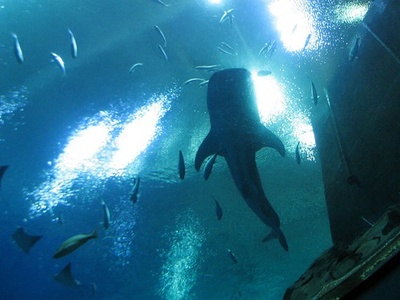
Whale Shark
The world’s largest fish, a slow-moving, filter-feeding shark with a distinctive pattern of white spots. It is threatened by boat strikes, bycatch in fishing nets, and marine pollution.
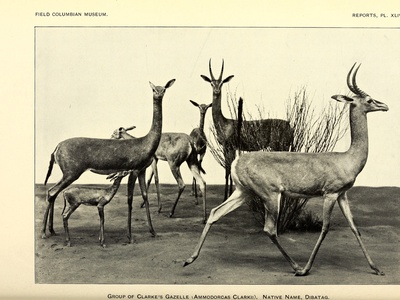
Dibatag
A long-necked antelope with a distinctive habit of holding its head up and tail forward while running. It is endemic to the Horn of Africa and threatened by hunting and habitat degradation from livestock.
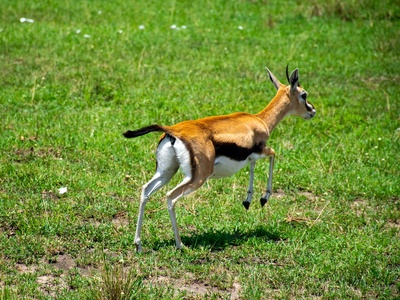
Beira Antelope
A small, shy antelope with very large ears and a rough, greyish coat, perfectly adapted for rocky terrain. It is threatened by uncontrolled hunting and competition with grazing livestock.
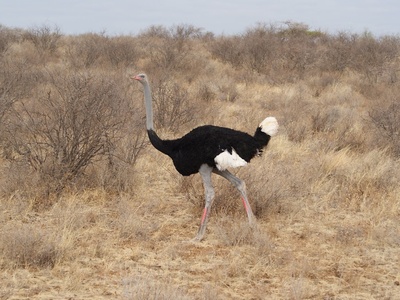
Somali Ostrich
A distinct ostrich species with a blue-grey neck and legs, which become brighter blue on the male during mating season. It is threatened by illegal hunting for its meat, skin, and eggs.
Warsangli Linnet
A small finch-like bird with a grey head and unstreaked brown back, found only in a tiny, high-altitude juniper forest. Its restricted range makes it highly vulnerable to habitat destruction.
Somali Golden Mole
An extremely rare and poorly understood mammal known from a single specimen found in a barn owl pellet. This small, blind, burrowing insectivore is an endemic mystery of Somali wildlife.
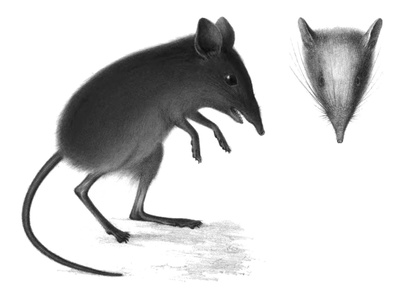
Somali Elephant Shrew
A small, long-nosed mammal related to elephants, rediscovered in 2020 after being “lost” for 50 years. Though its IUCN status is LC, it is an extremely rare and endemic species to the Horn of Africa.
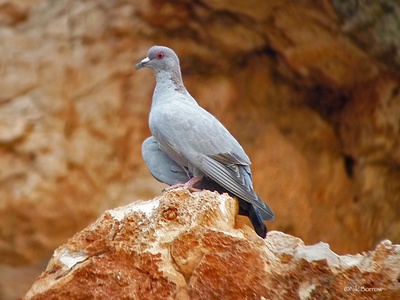
Somali Pigeon
A pale grey rock-dwelling pigeon found only in Somalia. While not globally threatened, its status as a country endemic with a restricted habitat type makes it a rare and notable species.
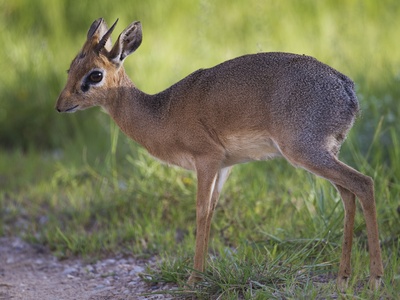
Silver Dik-dik
A tiny, silvery-grey antelope that is among the smallest in the world. As a Somali endemic, its population status is unknown, but it is presumed to be threatened by habitat loss and hunting.
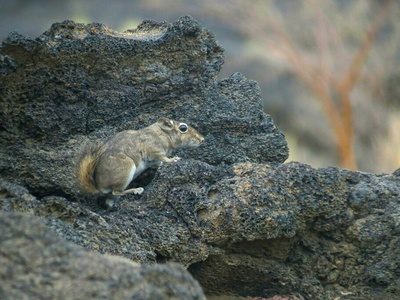
Speke’s Pectinator
A unique rodent resembling a squirrel, named for its comb-like bristles on its hind feet used for grooming. It is endemic to the Horn of Africa and rare to see due to its nocturnal, rock-dwelling habits.