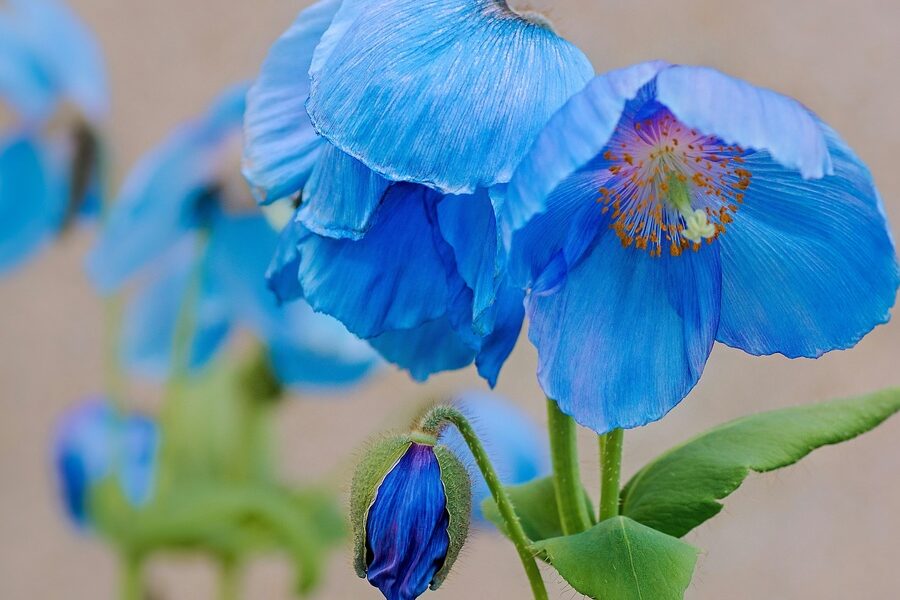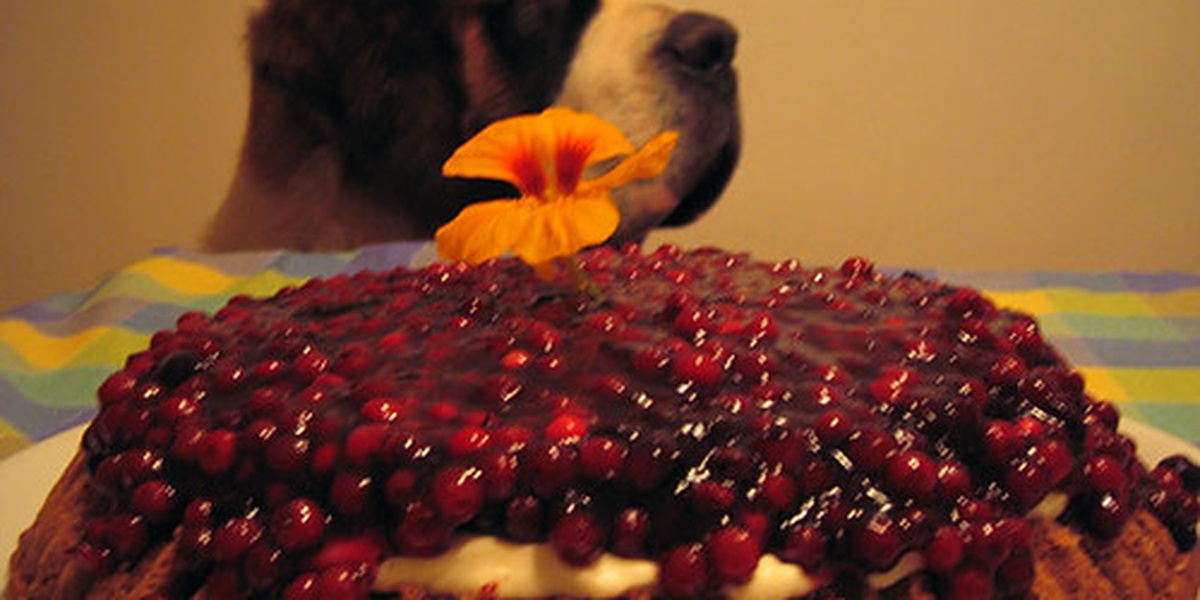
Norway’s coastline, mountains and birch-lined valleys support a surprising variety of wild and cultivated fruits. Short summers and changing elevation mean different flavors and pickable windows across regions, which makes seasonal foraging and local markets especially interesting.
There are 40 Fruits of Norway, ranging from Apple to Wild strawberry. Each entry lists the Scientific name, Season (months), and Region / habitat so you can identify when and where to look — you’ll find below.
When are most Norwegian fruits in season?
Seasons vary by species and latitude: lowland berries and soft fruits typically ripen from June to August, while apples and some late berries come into their best from August into October. Alpine and northern species have a much shorter window, so check the Season (months) column for each entry before planning a trip.
Can I forage these fruits safely and are they edible raw?
Many listed fruits are edible raw, but accurate ID is essential—some lookalikes can be bitter or toxic. Follow local foraging rules, avoid polluted areas (roadsides, industrial runoff), and consult the Scientific name and Region / habitat columns; when in doubt, seek local guides or cook unfamiliar species.
Fruits of Norway
| Name | Scientific name | Season (months) | Region / habitat |
|---|---|---|---|
| Bilberry (blueberry) | Vaccinium myrtillus | Jul–Aug | Forests and mountains across Norway |
| Lingonberry | Vaccinium vitis-idaea | Aug–Oct | Boreal forests, heaths, alpine areas |
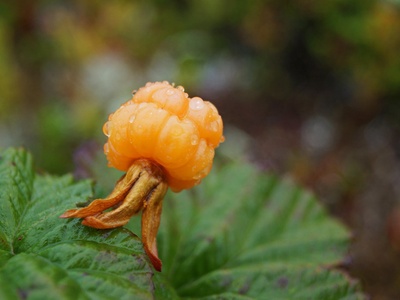
| Cloudberry | Rubus chamaemorus | Jul–Aug | Peat bogs, tundra, mountains northern Norway |
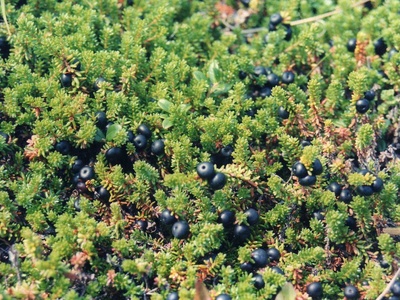
| Crowberry | Empetrum nigrum | Aug–Sep | Tundra, heaths, coastal moors |
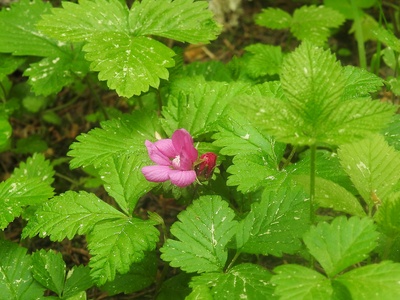
| Arctic raspberry | Rubus arcticus | Jul–Aug | Boggy heaths and mountain tundra |
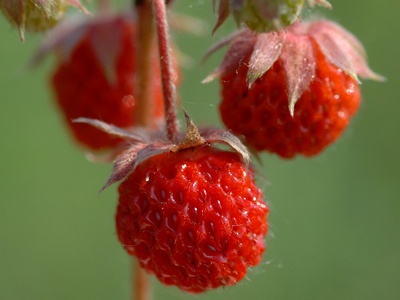
| Wild strawberry | Fragaria vesca | Jun–Aug | Forest edges, meadows, roadsides |
| Garden strawberry | Fragaria × ananassa | Jun–Aug | Home gardens and small farms southern Norway |
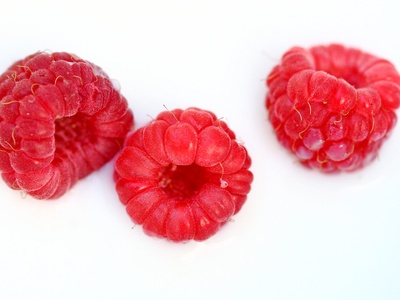
| Raspberry | Rubus idaeus | Jul–Aug | Woodland edges and cultivated plots |
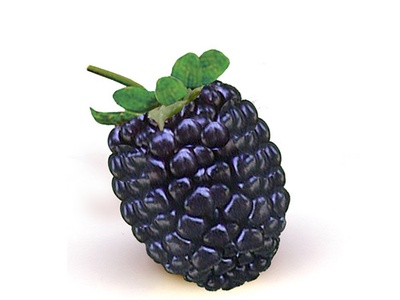
| Blackberry | Rubus fruticosus agg. | Jul–Sep | Southern Norway hedgerows and sheltered sites |
| Highbush blueberry (cultivated) | Vaccinium corymbosum | Jul–Aug | Berry plantations and gardens |
| Sea buckthorn | Hippophae rhamnoides | Aug–Sep | Coastal dunes and beaches |
| Cranberry (bog cranberry) | Vaccinium oxycoccos | Sep–Oct | Acid bogs and mires |
| Blackcurrant | Ribes nigrum | Jul–Aug | Gardens, small farms, roadside hedges |
| Redcurrant | Ribes rubrum | Jul–Aug | Gardens and orchards sheltered south |
| Gooseberry | Ribes uva-crispa | Jul–Aug | Gardens, hedgerows sheltered sites |
| Aronia (chokeberry) | Aronia melanocarpa | Aug–Sep | Parks, gardens, small orchards |
| Elderberry | Sambucus nigra | Aug–Sep | Hedgerows, gardens, woodland edges |
| Apple | Malus domestica | Aug–Oct | Orchards and gardens southern and central Norway |
| Pear | Pyrus communis | Aug–Oct | Sheltered gardens southern Norway |
| Plum | Prunus domestica | Aug–Sep | Gardens, small orchards southern Norway |
| Sweet cherry | Prunus avium | Jun–Jul | Sheltered gardens and valleys south |
| Sour cherry | Prunus cerasus | Jul | Gardens and orchards |
| Sloe (blackthorn) | Prunus spinosa | Sep–Oct | Hedgerows, scrubland across Norway |
| Rosehip | Rosa canina (and others) | Sep–Oct | Hedgerows, field margins |
| Rowan (mountain ash) | Sorbus aucuparia | Sep–Oct | Woodlands and urban trees nationwide |
| Serviceberry / Juneberry | Amelanchier alnifolia | Jun–Jul | Parks, gardens, forest edges |
| Bearberry | Arctostaphylos uva-ursi | Jul–Aug | Dry heaths, rocky ground, coastal areas |
| Hawthorn | Crataegus monogyna | Sep–Oct | Hedgerows, wood edges |
| Medlar | Mespilus germanica | Oct–Nov | Old gardens and sheltered plots southern Norway |
| Quince | Cydonia oblonga | Oct | Sheltered orchards and gardens |
| Apricot | Prunus armeniaca | Jul–Aug | Sheltered gardens and very warm sites south |
| Hardy kiwi | Actinidia arguta | Sep–Oct | Sheltered southern gardens and walls |
| Grape (table/varieties) | Vitis vinifera (hardy cultivars) | Sep–Oct | Very sheltered southern sites, south-facing walls |
| Black chokeberry (Aronia) | Aronia arbutifolia/melanocarpa | Aug–Sep | Parks, gardens, hedgerows |
| Bog whortleberry (low-growing bilberry) | Vaccinium uliginosum | Jul–Aug | Acidic bogs and mountain lakesides |
| Whitebeam (Sorbus spp.) | Sorbus species | Sep–Oct | Woodland margins, hedgerows |
| Saskatoon berry | Amelanchier spp. | Jun–Jul | Cultivated plots, parks, hedgerows |
| Black elder (cultivar notes) | Sambucus nigra (cultivars) | Aug–Sep | Cultivated hedges and wild stands |
| Sea buckthorn cultivar | Hippophae rhamnoides (cultivars) | Aug–Sep | Commercial coastal plantations |
| Bunchberry (Cornus canadensis) | Cornus canadensis | Jun–Jul | Boreal forests, moist shady ground |
Images and Descriptions

Bilberry (blueberry)
Small wild blueberry with rich aroma and deep color. Foraged in woodlands, eaten fresh, in jams, soups, pancakes, or frozen. One of Norway’s most prized wild berries for desserts and preserves.

Lingonberry
Tart red berry common under conifers and on heathland. Key in Norwegian cuisine for sauces, jams and accompaniments to meat dishes; foraged in late summer and autumn.
Cloudberry
Golden amber berry with distinct tart-sweet flavor. Grows in bogs and tundra, prized for desserts, jams, liqueurs and traditional dishes like cloudberry cream (multekrem).
Crowberry
Dark, low-flavored berries common in exposed areas. Often cooked or sweetened for jams, syrups and alcoholic infusions; a hardy staple of northern landscapes.
Arctic raspberry
Fragrant, delicate raspberry prized for its perfume and flavor. Less common and highly valued for jams, desserts and fine baking; typically hand-foraged in remote spots.
Wild strawberry
Small, intensely flavored strawberries often found in sunny clearings. Eaten fresh, in desserts, or added to jams and preserves; a delightful summer find for foragers.
Garden strawberry
Large cultivated strawberries widely grown in gardens and farms. Eaten fresh, in baking, jams and desserts; seasonal favorite at markets and farm shops.
Raspberry
Classic summer berry found wild and in gardens. Sweet and soft, used fresh, in jams, desserts and freezing; many garden cultivars available.
Blackberry
Warm-loving bramble found mainly in southern lowlands and hedgerows. Juicy, sweet fruits used in pies, jams and cordials; better in milder coastal areas.
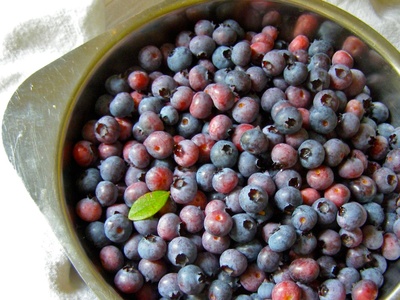
Highbush blueberry (cultivated)
Larger cultivated blueberry grown on farms and gardens. Sweeter and bigger than wild bilberries; common in jams, baking and commercial production.
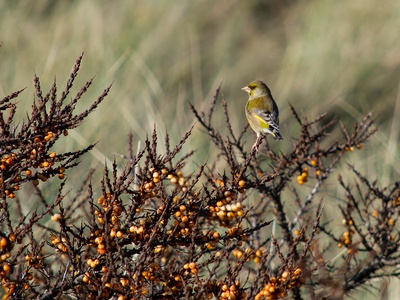
Sea buckthorn
Orange, tart berries on thorny shrubs along the coast. Rich in vitamin C, used for juice, oil, syrups and sauces; harvested commercially and by foragers.
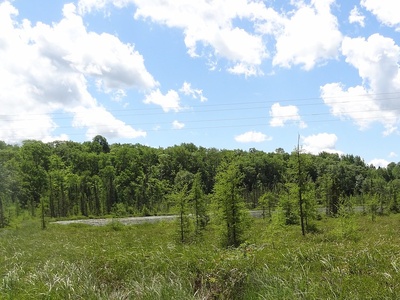
Cranberry (bog cranberry)
Small red bog fruit used in sauces, juices and preserves. Foraged later in the season in peat bogs; tart and excellent for cooking and storage.
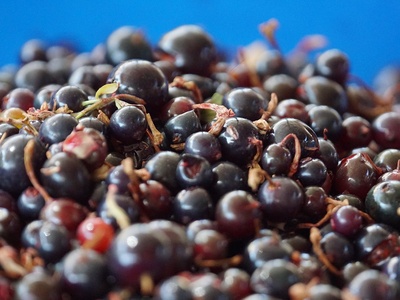
Blackcurrant
Dark berries widely cultivated for juice, cordials, jams and syrups. Strong flavor ideal for baking, liqueurs and commercial uses; common in home gardens.
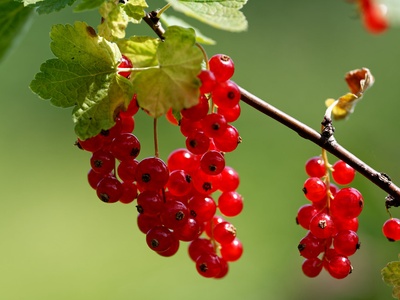
Redcurrant
Bright red clusters used for jellies, sauces and desserts. Tart, decorative and widely grown in home gardens and smallholdings.
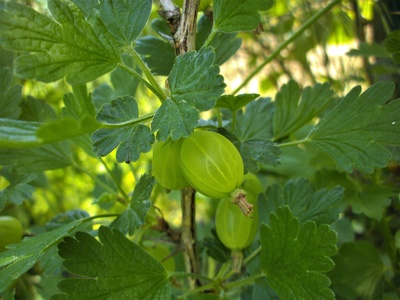
Gooseberry
Tart to sweet berries used in pies, jams and compotes. Grown in gardens and cottage plots; varieties range from green to red and striped.
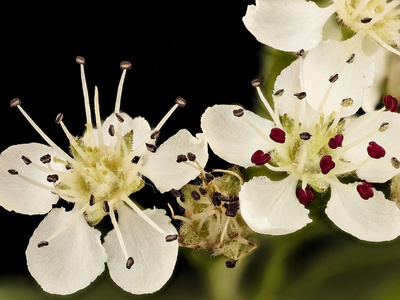
Aronia (chokeberry)
Astringent dark berry often planted for hedges and juice production. Cooked into jams or blended into juices and cordials to balance tartness.
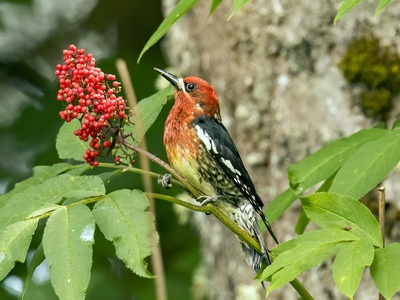
Elderberry
Clusters of dark berries used cooked for syrups, jams, wine and medicine. Raw berries and other parts must be cooked to neutralize mild toxins.
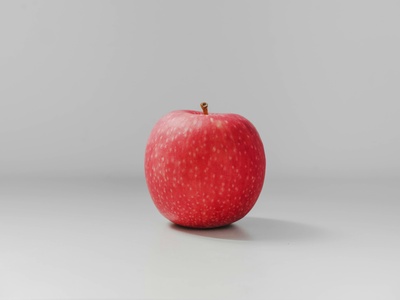
Apple
Staple orchard fruit with many local varieties. Eaten fresh, baked, pressed for juice or cider; important in home orchards and small commercial production.
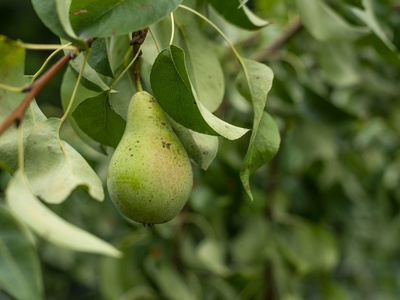
Pear
Less common than apples but grown in warm sheltered sites. Used fresh, for baking and preserves; some heritage varieties adapt well to microclimates.
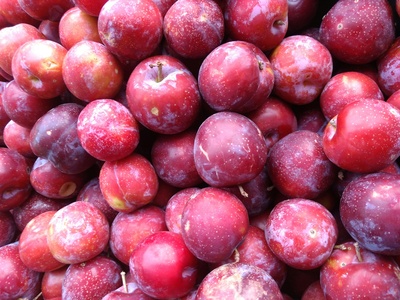
Plum
Stone fruit grown in gardens and allotments. Eaten fresh, baked, or made into jams and brandies; certain hardy cultivars do well in milder coastal spots.
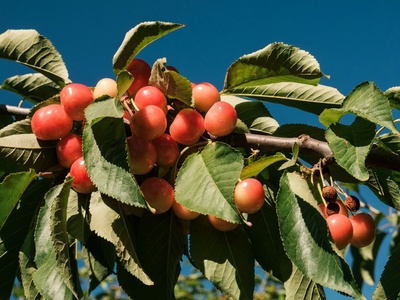
Sweet cherry
Juicy table cherries found in warm, sheltered sites. Eaten fresh or used in baking; more reliably ripens in the Oslofjord and southern regions.
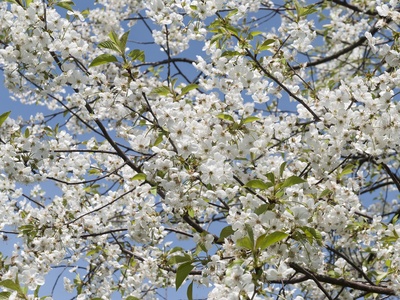
Sour cherry
Tart cherries ideal for baking, jams and preserves. Hardier and more dependable than sweet cherries in cooler spots.
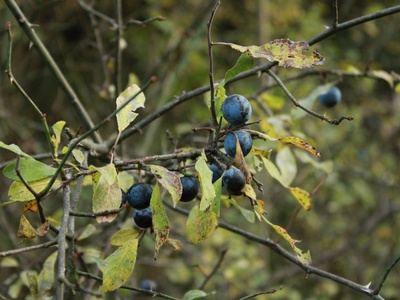
Sloe (blackthorn)
Small astringent fruit used after frost in sloe gin, jams and preserves. Best processed with sugar or alcohol to soften sharpness.
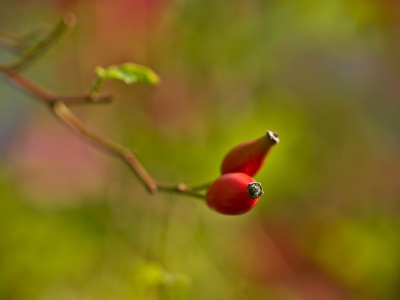
Rosehip
Bright red-orange hips high in vitamin C. Used for teas, syrups and jams after gentle cooking; abundant and easy to forage.
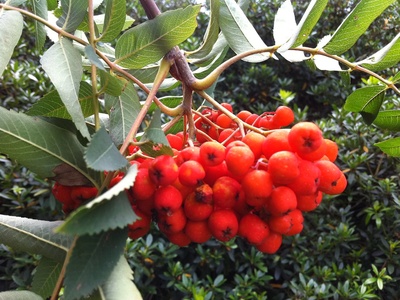
Rowan (mountain ash)
Clusters of orange-red berries that are bitter raw but excellent cooked into jellies, sauces and spirit infusions; very common in Norwegian landscapes.
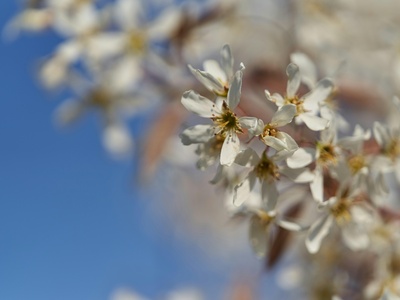
Serviceberry / Juneberry
Sweet, blueberry-like fruits eaten fresh or baked in pies. Increasingly planted in gardens and small farms for their delicious early-summer berries.
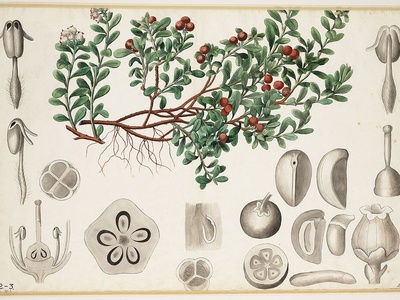
Bearberry
Low evergreen shrub with small, mealy red berries. Edible but bland; traditionally used medicinally and historically as emergency food.
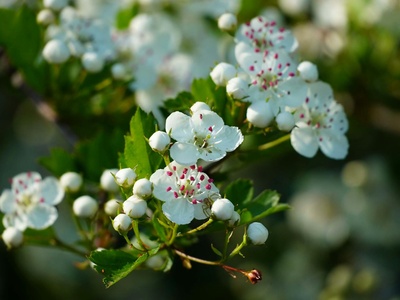
Hawthorn
Small apple-like haws used for jellies, syrups and traditional remedies. Best cooked and sweetened; common in rural hedgerows.
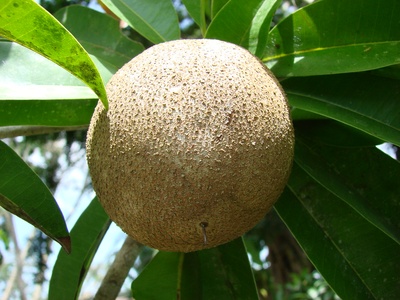
Medlar
Rare heritage fruit that must blet (soften) after harvest to be eaten. Aromatic, used in preserves and speciality desserts in traditional gardens.

Quince
Fragrant, hard fruits usually cooked into jam, paste or baked. Grown in sheltered southern gardens and used for quince cheese (membrillo-type) and marmalade.

Apricot
Marginal in Norway but possible in warm, sheltered microclimates. Sweet, aromatic fruit best used fresh, in jams or baking when successfully ripened.
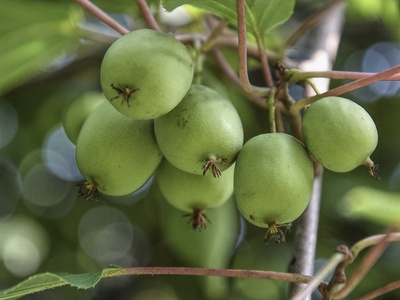
Hardy kiwi
Small smooth-skinned kiwifruit grown in protected gardens. Sweeter and cold-hardy compared with tropical kiwis; eaten fresh or used in desserts.
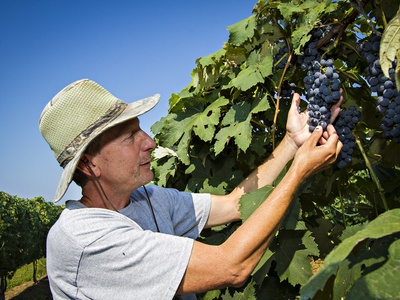
Grape (table/varieties)
Limited outdoor cultivation of hardy grape varieties in the warmest coastal microclimates. Used for table fruit, juice and small home wine batches.
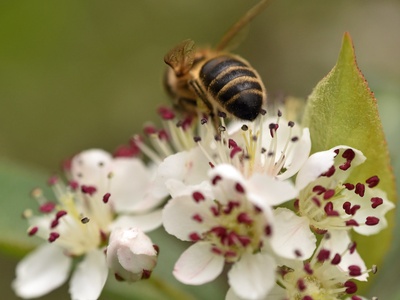
Black chokeberry (Aronia)
Astringent dark berries often used in juices, jams and health products. Grown as an ornamental/fruiting hedge with high antioxidant content.
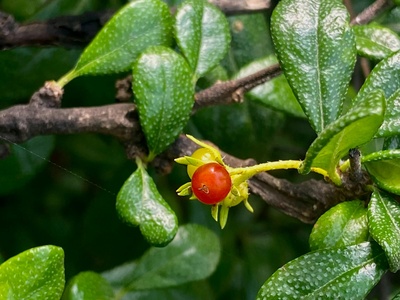
Bog whortleberry (low-growing bilberry)
Pale-blue bilberry relative known as bog bilberry. Edible, slightly milder than bilberry, used in jams and desserts from alpine and bog habitats.
Whitebeam (Sorbus spp.)
Small pome fruits from various Sorbus species used after cooking for jellies and preserves. Often ornamental but fruit used traditionally in preserves.
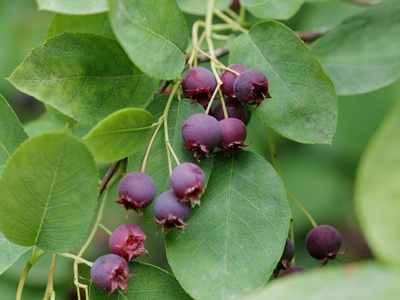
Saskatoon berry
Another name for serviceberry; sweet, almond-scented berries eaten fresh or baked into pies. Increasingly grown for small-scale production.
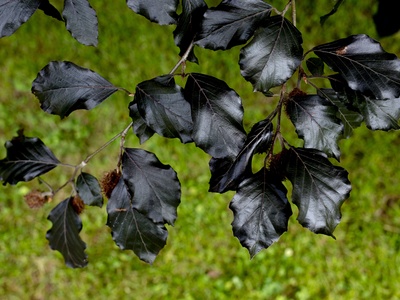
Black elder (cultivar notes)
Cultivated elder varieties produce abundant clusters for syrups, jams and wine; always cooked prior to consumption to remove mild toxins.
Sea buckthorn cultivar
Cultivated varieties selected for larger berries and oil content. Harvested for juice, oil and processing, especially in coastal regions of Norway.
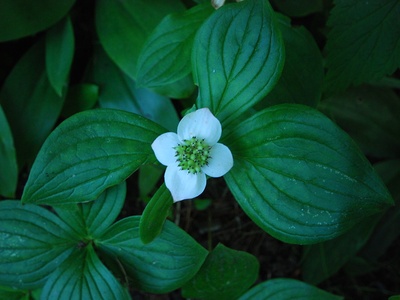
Bunchberry (Cornus canadensis)
Low groundcover with small red berries. Edible but mild; occasionally foraged and used historically in jams or eaten raw when ripe.